









The Cleaning Aisle Paradox
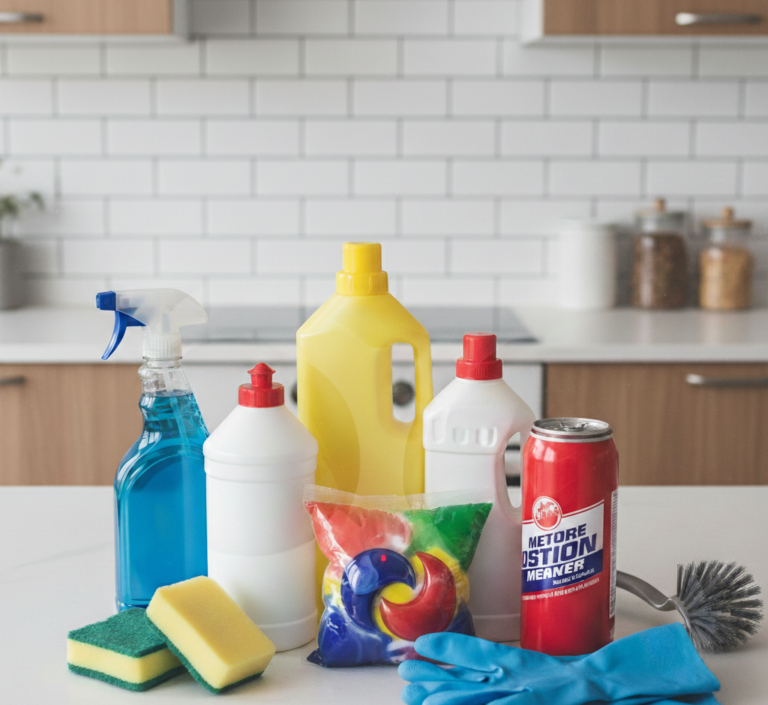
Here is an uncomfortable truth about housework: we scrub, spray and sanitize to create a healthy home, then load that home with products that carry hazard warnings on the label. The brightly colored bottles lining supermarket shelves are often industrial-strength chemistry in consumer clothing. They remove grime brilliantly, and many also irritate lungs, skin and indoor air while they do it. Becoming a smarter cleaner is not about fear. It is about knowing which five products to leave at the store, and what genuinely works instead.
1. Chlorine Bleach
Bleach is the most ubiquitous and most misunderstood product under the average sink. Its disinfecting power comes from how reactive it is, and that same reactivity is what makes it dangerous. Mixed with ammonia, a staple of most glass and all-purpose cleaners, it produces toxic chloramine gas that can trigger severe respiratory distress. Mixed with an acid, from a toilet bowl cleaner to household vinegar, it releases chlorine gas, a chemical weapon infamous for destroying lung tissue. Even used alone in a closed room, bleach fumes irritate eyes, throat and lungs, and people with asthma suffer most. For disinfecting, the CDC’s guidance on bleach is worth reading before you reach for it: it should be a targeted tool, correctly diluted, never a default spray. Safer everyday swaps include a vinegar-and-water solution for most household germs, and hydrogen peroxide or oxygen-based bleach powders for whitening laundry and brightening stubborn stains, since they break down into harmless water and oxygen.
2. Ammonia
Ammonia earns its place in popular window and glass cleaners because it dries streak-free, but it is a potent respiratory irritant on its own. That sharp, pungent smell is your body warning you that you are inhaling something harmful: the fumes provoke coughing and throat and lung irritation, and they aggravate chronic respiratory conditions especially hard. A far safer and equally effective glass cleaner is a 50/50 mix of white vinegar and water in a spray bottle. Its mild acidity cuts finger smudges and film, and a clean microfiber cloth delivers the same crystal-clear finish with zero toxic fumes.
3. Caustic Drain Cleaners and Aerosol Oven Sprays
Conventional drain cleaners dissolve hair-grease clogs using extremely caustic chemicals, typically sodium hydroxide, also known as lye. These formulas are engineered to burn through organic matter, and they will burn skin and eyes on contact, not just your blockage. Older plumbing can be permanently damaged, and if the clog fails to clear, you are left with a pipe full of standing toxic liquid that a plumber then has to handle. Aerosol oven cleaners frequently rely on the same lye, and the spray format atomizes it, making the caustic particles easy to inhale and the fumes fast-acting on airways.
- Drains: flush weekly with a full kettle of boiling water to melt grease before it packs on.
- Odors and minor slow drains: half a cup of baking soda followed by vinegar, then hot water.
- Real clogs: a plastic drain snake pulls the hair out physically, with no risk to pipes or lungs.
- Ovens: spread a thick baking soda paste inside a cool oven, avoiding heating elements, leave it overnight, then wipe away with a damp cloth and a plastic scraper.
4. Synthetic Air Fresheners
Aerosol sprays, plug-in refills and fragrance-oil candles are among the most pervasive offenders precisely because they feel harmless. Their job is not cleaning at all, but masking odors with a continuous chemical release. The word fragrance on a label is a legal loophole hiding proprietary blends of hundreds of compounds, including phthalates and volatile organic compounds. Phthalates are endocrine disruptors that interfere with hormonal systems, and VOC exposure is linked to headaches, dizziness and long-term respiratory problems. True freshness comes from removing odors, not camouflaging them: open windows, set out a small bowl of baking soda or activated charcoal to absorb ambient smells, simmer cinnamon sticks, cloves and citrus peels on the stove, or run a diffuser with pure essential oils.
5. Triclosan and Antibacterial Products
Be skeptical of anything labeled antibacterial for household use, especially products containing triclosan. This chemical has been tied to antibiotic-resistance concerns and potential endocrine disruption, and the U.S. Food and Drug Administration banned its use in over-the-counter consumer antiseptic washes. Here is the kicker: there is no evidence that antibacterial agents prevent illness better than plain soap and water. The mechanical act of scrubbing with regular soap, as the CDC explains in its handwashing guidance, removes and destroys the vast majority of germs without any specialty chemistry.
A Quick Comparison Before You Shop Again
| Product | Main hazard | Safer swap |
|---|---|---|
| Chlorine bleach | Toxic gases when mixed, airway irritant | Vinegar solution, oxygen bleach |
| Ammonia glass cleaner | Respiratory irritation | Vinegar and water plus microfiber |
| Caustic drain and oven cleaners | Chemical burns, pipe damage, fumes | Boiling water, baking soda, drain snake |
| Synthetic air fresheners | Phthalates and VOCs | Ventilation, charcoal, simmer pots |
| Triclosan soaps | Resistance and endocrine concerns | Plain soap, scrubbed 20 seconds |
Frequently Asked Questions
Is bleach useless then? Not at all. Diluted bleach remains a proven disinfectant when used alone, with fresh air flowing, on pre-cleaned surfaces. The danger comes from mixing it, overusing it and spraying it reflexively. When in doubt, follow the CDC’s clean-and-disinfect basics.
Do natural cleaners actually sanitize?Vinegar and baking soda remove grime, oils and many microbes physically and chemically, and hot water helps. For genuine illness in the house, disinfect targeted surfaces properly. For routine cleaning, less chemistry is plenty.
Why does the fragrance loophole matter? Brands are not required to disclose the individual compounds behind the word fragrance, so even sensitive shoppers cannot see what they are breathing. Choosing unscented products or genuine essential oils keeps the ingredient list honest.
What if I still want a sparkling home without the hassle? A professional crew brings knowledge and carefully selected products instead of an arsenal of harsh chemicals. Toronto Shine Cleaning pairs that safer approach with a thorough deep clean of your kitchen and baths.
Clean Should Not Come at the Cost of Well-Being
Read labels, understand the risks and embrace simpler tools. Effective cleaning takes knowledge and patience, not hazard warnings. If your shelves already hold the five products above and you would rather hand the whole problem over, Toronto Shine Cleaning uses expert techniques and carefully selected products so your home ends up pristine and safe. Call (647) 424-0355 for a quote, read what clients say in our reviews, or learn more on our regular maid service page.