









A Home That Breathes Easy Starts With How You Clean It
For someone living with asthma, a house can flip from sanctuary to hazard zone without warning. Dust, pet dander, mold, and strong fumes lurk in plain sight, and each one can escalate a quiet afternoon into an attack. The leverage point is your cleaning routine: done deliberately, it removes the triggers instead of aerosolizing them. These five core tips, plus two deeper dives on soft furnishings and pets, build a home where lungs of every sensitivity can relax.
1. Chase Dust Before It Settles
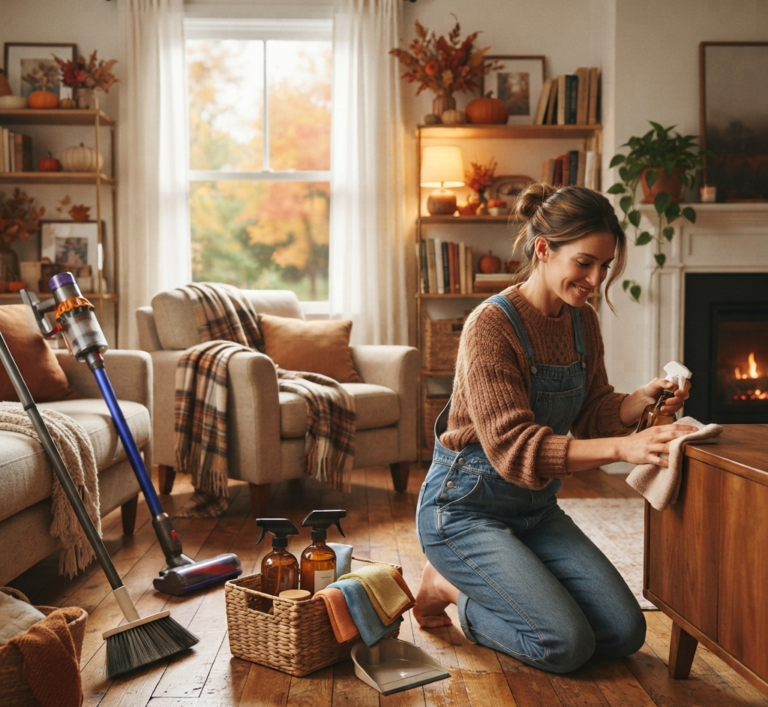
Dust mites are among the most notorious asthma aggravators, so a dust-controlled home is step one. Ditch the feather duster and wipe surfaces with a damp cloth: moisture captures and removes dust rather than launching it back into the air you breathe. Vacuum faithfully with a machine fitted with a HEPA filter, because those filters capture the finest particles instead of puffing them out the exhaust. Then wash bedding weekly in hot water, which kills the mites thriving in warm, fibrous linens and strips out the allergens they leave behind.
2. Keep Humidity Below Fifty Percent
Mold and dust mites both throw parties when indoor air turns humid, and both are major asthma escalators. Holding indoor humidity under 50 percent suppresses both at the source. The direct tool is a dehumidifier, which pulls excess moisture from the air and holds the house at a healthier level, ideally checked with a simple hygrometer. Ventilate the wet rooms: exhaust fans in bathrooms and kitchens, or a cracked window, move air before mold and mildew can colonize. Fix every leak the moment you spot it, because damp surfaces are mold’s launchpad, and unchecked mold is exactly the kind of trigger the CDC’s mold health resource warns sensitive airways about.
3. Choose Gentle, Low-Fume Products
The cleaner you spray is itself a potential trigger. Many commercial formulas lean on strong fragrances and harsh chemistry that irritate reactive airways, so choose unscented or naturally scented products made for sensitive households. Skip aerosol cans entirely: the fine mist they launch is built for deep inhalation. Liquid concentrates and pump sprays do the same cleaning work with far less airborne payload, and a DIY mix of vinegar and baking soda handles surface grime and bathroom mildew without adding any synthetic trigger to your air. Health Canada’s household products hub is the right reference for reading labels and choosing safer chemistry. If you do reach for bleach occasionally, follow the CDC’s bleach guidance: dilute properly, ventilate hard, and never mix it with other products, because bleach fumes are a textbook asthma trigger.
4. Respect Your Filters
Your heating and cooling system circulates whatever its filters fail to catch: pollen, dust, dander, all of it, straight into every room. Change or clean HVAC filters on the manufacturer’s schedule, which protects both your air and the system’s efficiency. Then add a HEPA air purifier in the rooms where you actually spend your hours, especially the bedroom, since you cannot breathe clean air selectively while asleep for eight hours.
5. Declutter Without Mercy
Every knickknack, stack, and pile is a dust exhibition with extra surfaces. Clear surfaces shrink the places allergens can camp, which is why regular decluttering sessions, parting with what you no longer use, pay off in easier cleaning all year. Store what stays inside closed containers instead of leaving it open to the air, so dust never accumulates on the things themselves. A starter shopping list for an asthma-focused cupboard:
- A vacuum sealed with a true HEPA filter for weekly whole-floor sessions
- A hygrometer and dehumidifier for any basement or damp-prone room
- Unscented, dye-free surface cleaners and pump sprays instead of aerosols
- Zip-seal storage bins for off-season clothes, books, and keepsakes
Bonus Focus: Soft Furnishings and Carpets
Carpets, sofas, and curtains are allergen reservoirs the daily eye never sees. Vacuum carpet with your HEPA machine regularly to drag out embedded dust and dander, and steam clean carpets and upholstery periodically to cook off dust mites and lift what vacuuming misses. If asthma runs severe in the house, trade heavy drapes for washable curtains or blinds, and where you can, trade carpet for hard flooring; each swap permanently shrinks the home’s allergen load.
Bonus Focus: Pets and Their Passengers
Pets deliver joy and allergens in the same package: dander, fur, and the dust they trail in. Brush them outdoors where possible so loose fur never becomes indoor air, and keep animals off furniture and out of the bedroom so sleeping hours stay low-exposure, which matters because sleep is when airways recover. Vacuum more often in the pet’s favourite zones, run a purifier there too, and wash pet bedding and toys frequently so dander never piles up.
| Trigger | Where It Hides | Your Counter-Move |
|---|---|---|
| Dust mites | Bedding, upholstered furniture | Hot-water weekly wash, HEPA vacuum |
| Mold spores | Bathroom, leaks, humid corners | Humidity under 50 percent, fix leaks fast |
| Pet dander | Sofas, pet beds, carpets | Outdoor grooming, purifier, off the bed |
| Fumes and aerosols | Cleaning cupboard | Unscented liquids, pump sprays, ventilation |
Frequently Asked Questions and Answers
How often should an asthmatic home be cleaned? Dust and vacuum weekly at minimum, wash bedding weekly in hot water, and deep-clean soft furnishings a few times a year. During pollen season or flare-ups, add sessions rather than stretching them.
Are natural cleaners always safe for asthma? Not automatically. Vinegar has strong fumes too, so dilute it, ventilate while using it, and patch-test your reaction. Unscented, dye-free formulas designed for sensitive users remain the safest default.
Does a HEPA filter really matter in a vacuum? Yes. Without one, the vacuum exhausts the finest particles straight back into the room air, which is precisely the fraction that reaches deep lungs. Sealed HEPA systems are the standard for allergen households.
Can professional cleaning genuinely help? Regular visits keep dust, dander, and clutter from rebuilding between your own sessions, and a seasonal deep clean hits the reservoirs people miss. Toronto Shine Cleaning’s regular service starts at $212.63 before HST for a studio or one-bedroom; see the pricing page for full rates and the reviews page for client experiences.
Breathe Easier Starting This Week
Toronto Shine Cleaning serves asthma-conscious households across the city. Call (647) 424-0355 to set up a trigger-aware routine, with gentle products and HEPA-minded crews, and turn your home back into the sanctuary it should be.