Carpet and Rug Cleaning

Airbnb Cleaning Service

How to Choose The Best Airbnb Cleaning Services in Toronto: 5 Key Factors

Professional Airbnb cleaning services in Toronto Shine Cleaning manage the rigorous turnover process, ensuring every unit is flawless for the next arrival. 1.The Turnover The successful operation of a short-term rental hinges on a single, critical process: the turnover. This is not a simple tidy-up; it is a complete, systematic reset of the guest experience. For a property in a world-class city, the standards are exceptionally high, and meeting them consistently is the work of dedicated professionals. The level of detail required to earn five-star reviews is the baseline expectation for the best Airbnb cleaning services in Toronto. Every turnover must transform the property from a lived-in space back to the immaculate condition promised in the listing, a task that demands a rigorous, repeatable system. The smallest oversight, a stray hair, a sticky spot on the counter, can compromise the entire guest stay. This is why hosts who are serious about their business invest in professional Airbnb cleaning services in Toronto. 2.Ventilation The moment a guest departs, the clock begins on the turnover. The first action is to air out the entire unit. All windows and balcony doors are opened to flush out stale air and any lingering odors from cooking or personal fragrances. This simple step creates a neutral, fresh canvas for the cleaning to begin. While the space ventilates, a preliminary walkthrough is conducted. This initial sweep is not for cleaning but for assessment. The crew scans each room for any new damage, such as scuffs on the walls, stains on the carpet, or broken items. Any issues are immediately documented with clear, time-stamped photographs and reported to the host. This documentation is a crucial protective measure and a standard operating procedure for reliable Airbnb cleaning services in Toronto. Concurrently, all used linens are gathered. Beds are stripped completely, and all towels, bathmats, and kitchen cloths are collected and placed in designated laundry bags to prevent cross-contamination and clear the way for efficient cleaning. 3.Details The bedroom is a guest’s sanctuary, and its cleanliness must be absolute. After stripping the linens, the mattress protector and pillows are carefully inspected for any stains or soiling. Maintaining the hygiene of these core items is paramount, and they are laundered or replaced as needed. The mattress itself is thoroughly vacuumed with an upholstery attachment to remove dust, allergens, and skin cells. A fresh, crisp set of linens is then used to remake the bed. This is not just a functional task; it’s a presentation. Sheets must be taut, corners tucked tightly in a hotel-style finish, and the duvet spread perfectly without a wrinkle in sight. This level of precision is a signature of high-quality Airbnb cleaning services in Toronto. All other surfaces in the bedroom are meticulously wiped down, including the headboard, nightstands, and dressers. Drawers and closets are opened, checked for any items left behind by the previous guest, and wiped clean. All picture frames, lamps, and window sills are dusted. Finally, the entire floor is vacuumed, with careful attention paid to the areas under the bed and behind furniture, where debris loves to hide. The consistent execution of these details is what defines professional Airbnb cleaning services in Toronto. Nowhere is cleanliness scrutinized more intensely than in the bathroom. For any reputable provider of Airbnb cleaning services in Toronto, this room is a testament to their thoroughness. The process begins by clearing all surfaces and emptying the trash bin. A powerful, quality disinfectant cleaner is sprayed on the shower, bathtub, toilet, and sink, and it is left to sit for several minutes to effectively dissolve soap scum, grime, and bacteria. The shower and tub are scrubbed wall to wall, with special brushes used for grout lines and around the drain to ensure it is clear of hair. Glass shower doors are cleaned and squeegeed to achieve a flawless, streak-free finish. The toilet is disinfected inside and out, from the bowl and seat to the tank and the entire base down to the floor. The sink basin is scrubbed, the faucet is polished until it shines, and the mirror is cleaned to perfection. The quality of a rental is often judged by its bathroom, a fact that top-tier Airbnb cleaning services in Toronto understand well. Once sanitized, the space is restocked. This is a critical function of comprehensive Airbnb cleaning services in Toronto. Ample toilet paper, fresh hand soap, and full bottles of shampoo, conditioner, and body wash are replenished. A complete set of fresh, professionally laundered towels, bath towel, hand towel, and washcloth per guest, is folded and displayed neatly. The floor is mopped last, and final touches include wiping down light switches, door handles, and the exhaust fan cover. The best Airbnb cleaning services in Toronto leave no surface untouched. 4.Disinfect The kitchen is another high-stakes area where hygiene is non-negotiable. The turnover starts with emptying the refrigerator and freezer of any food left behind. All interior shelves, drawers, and door seals are then wiped clean with a food-safe disinfectant. The exterior of all appliances, including handles, is wiped down and polished. The microwave is checked for splatters and cleaned thoroughly. The oven is inspected for spills, and the stovetop is degreased and scrubbed until it shines. All countertops are cleared of items like the coffee maker and toaster so that the surface underneath can be completely sanitized. The trust that guests place in the property is directly tied to the cleanliness of the kitchen, a responsibility that expert Airbnb cleaning services in Toronto take very seriously. The sink is scoured and disinfected, and the faucet is polished. Cupboards and drawers are spot-checked for cleanliness and organization. All provided dinnerware, glassware, and cutlery are inspected to ensure they are clean and ready for use. A key part of the service provided by Airbnb cleaning services in Toronto is restocking essentials. This includes fresh paper towels, a new sponge or dishcloth, dish soap, and dishwasher pods. The coffee station is cleaned and fully restocked. Finally, the trash and recycling bins are emptied, wiped clean, and relined with fresh bags. The floor

How to Choose The Best Airbnb Cleaning Services in Toronto: 5 Key Factors Read More »

housekeeper deep cleaning

Deep Cleaning Services in Toronto, We Do It Right!

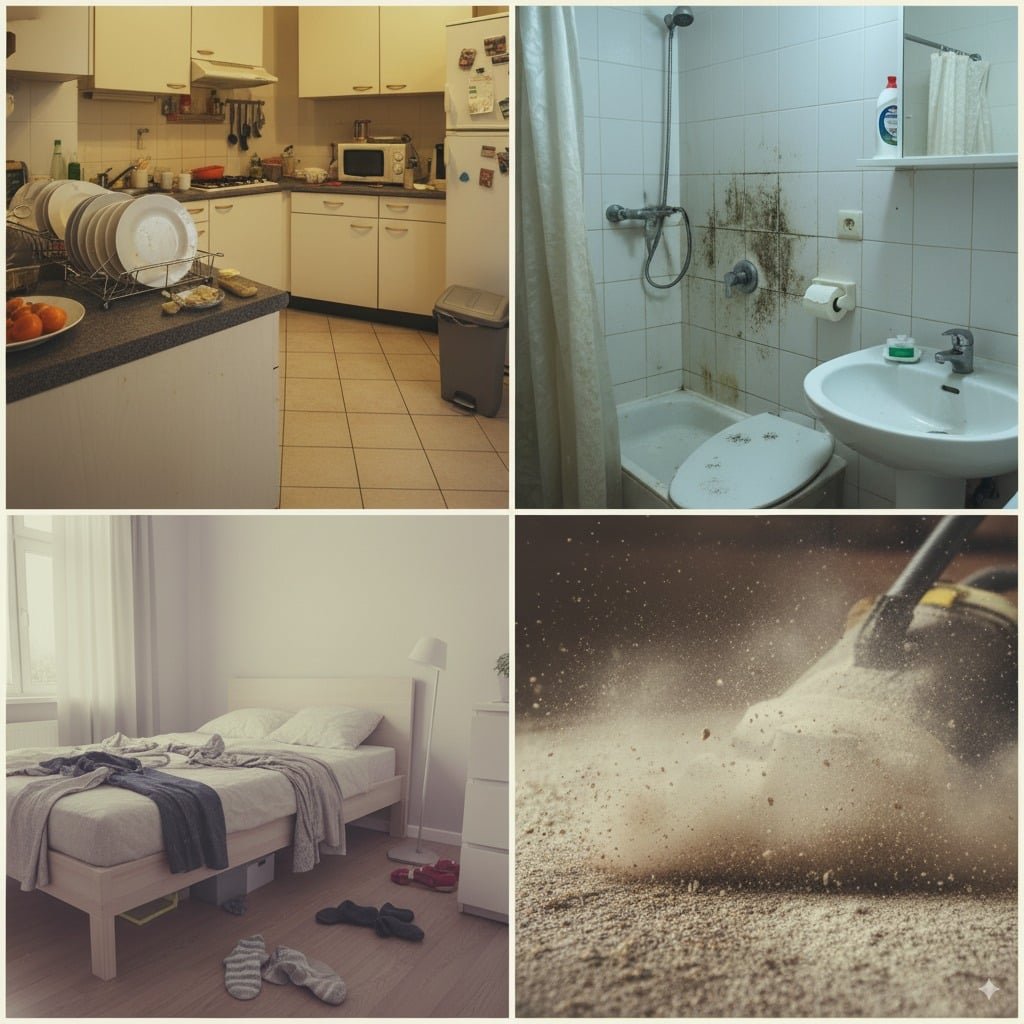
Deep cleaning services in Toronto offer a comprehensive, top-to-bottom restoration of your home’s cleanliness, tackling the built-up grime that regular maintenance leaves behind. 1.What is a deep clean? A deep clean is not an extension of regular housekeeping; it is a fundamental reset of a home’s environment. It is a forensic, systematic process that addresses the accumulated grime, dust, and bacteria that settle in a home over time, often in places unseen and untouched by routine cleaning. This process is about restoration, moving beyond surface appearances to achieve a state of foundational, hygienic cleanliness. The demand for meticulous, professional-grade deep cleaning services in toronto has grown as more people recognize the profound impact such a service has on their living space, health, and well-being. It is an investment in reclaiming the home as a sanctuary. 2.Degrease The Kitchen The kitchen, as the hub of daily activity, is ground zero for this intensive process. The challenge here is multifaceted, involving grease, food particles, moisture, and high-touch surfaces. A deep clean dissects the kitchen environment. It begins with the cabinetry. Every cupboard and pantry is emptied completely. This is not just to clean the shelves, but to inspect for any signs of pests, spills, or long-forgotten items. The interior surfaces are then degreased and sanitized, removing the sticky film from cooking oils and the dust that settles within. The exterior of the cabinets, including the handles and knobs, receives focused attention to remove the buildup of fingerprints and aerosolized grease that becomes a tacky, dirt-attracting layer. This level of detail is a defining characteristic of superior deep cleaning services in toronto. Appliances are subjected to a level of cleaning they rarely, if ever, receive. The oven is deconstructed; racks, trays, and any removable elements are soaked and scrubbed individually to dissolve baked-on carbon. The interior cavity is treated with professional-grade degreasers to break down the carbonized spills that can cause smoke and odors during cooking. The oven door, often clouded with grime between its glass panels, is carefully cleaned to restore perfect visibility. The stovetop is similarly dismantled. Burner grates are soaked, burner caps are cleaned, and the surface beneath is scoured free of boiled-over liquids and burnt-on food. Pulling the stove away from the wall to clean the sides of the appliance and the floor and wall behind it is a non-negotiable step for any reputable deep cleaning services in toronto. The refrigerator and freezer are fully emptied. All shelves, drawers, and compartments are removed and washed in warm, sanitary solution before being dried and returned. The interior walls are wiped down, eliminating spills, bacteria, and odors. The rubber gasket sealing the doors, a notorious trap for mold and crumbs, is meticulously cleaned with a detail brush. Moving the fridge to vacuum the condenser coils on the back is a task that distinguishes professional deep cleaning services in toronto; it not only cleans but can improve the appliance’s energy efficiency and lifespan. Smaller appliances are not overlooked; the toaster’s crumb tray is emptied and cleaned, the coffee maker is descaled, and the microwave is scrubbed internally, including the ceiling, to remove hardened food splatters. 3.Bathroom Without Mold and Bacteria The bathroom presents a hygienic battleground where soap scum, hard water deposits, bacteria, and mildew converge. A deep clean here is a sanitizing mission. The shower and bathtub are the primary focus. Soap scum, a resilient compound of soap, body oils, and minerals, is dissolved with specialized cleaners. Glass doors and enclosures are polished to a streak-free clarity. The metal tracks for sliding doors are purged of the soap and hair that accumulates within them. For tiled showers, the grout lines are painstakingly scrubbed to remove discoloration and mildew, a task that dramatically revitalizes the appearance of the entire bathroom and a key reason clients seek out deep cleaning services in toronto. The toilet is sanitized far beyond the bowl. The entire exterior, from the tank top to the base where it meets the floor, is disinfected. The hinges of the toilet seat, a common collection point for grime, are thoroughly cleaned. Some deep cleaning services in toronto will even clean inside the toilet tank to remove sediment and prevent ring formation. The bathroom vanity and sink area are given equal attention. The sink overflow hole is flushed and cleaned to eliminate odors. Faucets and fixtures are descaled to remove chalky hard water stains and polished to a shine. Medicine cabinets and vanity drawers are emptied and wiped clean of dust, spilled powders, and toothpaste residue. The bathroom exhaust fan cover, often caked with lint and dust, is removed and washed, restoring proper ventilation and improving air quality. 4.A Nice Place Living rooms, bedrooms, and common areas are the primary repositories for dust, which is a complex mixture of skin cells, pet dander, fabric fibers, pollen, and dust mite allergens. The methodology for deep cleaning these spaces is strictly top-to-bottom. It starts at the ceiling with the removal of all cobwebs. Light fixtures, ceiling fan blades, and the tops of high shelves or cabinets are all wiped down, preventing this collected dust from being redistributed into the air. Walls are spot-cleaned to remove scuffs, marks, and fingerprints. This is followed by one of the most transformative tasks in a deep clean: the hand-wiping of all baseboards, doorframes, window frames, and light switch plates. This painstaking detail work is what elevates the work of professional deep cleaning services in toronto. Furniture is not simply cleaned around; it is moved. Pulling sofas, beds, and dressers away from the walls reveals a hidden world of dust, lost items, and dirt. This entire area is then thoroughly vacuumed or mopped. The furniture itself is cleaned; upholstered pieces are vacuumed with specialized attachments to clean crevices and underneath cushions. Wood furniture is dusted and polished. Items that are often ignored in weekly cleaning, like lampshades, curtains or blinds, and decorative items, are all dusted or wiped down. This comprehensive approach is why people searching for the best deep cleaning services in toronto look for providers who guarantee

Deep Cleaning Services in Toronto, We Do It Right! Read More »

August cleaning preparation

How To Prepare For August Cleaning: 7 Steps Fast and Easy

August cleaning is a specific kind of reset, the air in Toronto during August carries a distinct weight. This is the month where summer hits its peak just before beginning its slow retreat. Inside your home, the evidence of a season lived to its fullest is everywhere. Preparing for the August cleaning isn’t just about tidying; it’s about resetting the home after months of high activity and preparing it for the shift into autumn. The purpose of a dedicated August cleaning is to systematically remove the specific grime of summer and create a clean foundation for the indoor months to come. 1.HVAC A critical first step in any thorough August cleaning is addressing the air your family breathes. With windows open for weeks, allergens, city dust, and pollen have infiltrated every room. Your HVAC system has been in constant use, and its filter is the first line of defense. Changing it is a non-negotiable starting point for your August cleaning. A clogged, grey filter is not only inefficient but also circulates the very particles you want to remove. Once replaced, use a vacuum with a brush attachment to clean all intake and outtake vents. This foundational task sets the stage for the rest of your August cleaning, ensuring the air moving through your home is as clean as possible. 2.Windows and Doors Now, turn your attention to the windows and doors. The screens have been interceptors of bugs, leaves, and dirt all summer. A proper August cleaning demands they be removed and washed. A soft brush, mild soap, and a gentle spray from a garden hose will dislodge the grime. While they dry, focus on the window tracks and sills. These channels are graveyards for dust and insects. Vacuum the loose debris and use an old toothbrush to scrub the caked-on dirt. This level of detail is a hallmark of a successful August cleaning. Washing the glass, inside and out, on an overcast day will prevent streaking and let pristine light into your newly refreshed space. Completing this part of the August cleaning makes an immediate, visible difference to the brightness of your home. 3.The Floors The floors hold the story of summer. Sand from The Beaches, soil from the garden, and grass from the park have been ground into every surface. A deep floor treatment is non-negotiable for a proper August cleaning. For hard floors, a thorough mopping, perhaps even twice in high-traffic areas, is required to lift the settled-in dirt. For carpets and area rugs, this is the time for a deep extraction clean. Renting or owning a carpet cleaner is essential for this part of the August cleaning, as it pulls out the deep-set allergens and grit that a standard vacuum cannot reach. The murky water you dispose of is proof of the effectiveness of this task. Moving furniture to clean underneath is a vital step in a comprehensive August cleaning; the dust and lost items accumulated over three months need to be addressed. This aspect of the August cleaning removes the literal grit of the season from your home. 4.Fat in the Kitchen The kitchen August cleaning is a project in itself. The refrigerator has been a revolving door of summer treats and barbecue ingredients. Empty it completely. Wash all shelves and drawers in warm, soapy water. Wipe the interior with a food-safe cleaner, checking expiration dates as you go. The exterior and handles, covered in fingerprints, also need attention. Summer cooking often involves more frying and grilling, leaving a sticky film of grease on cabinets, the backsplash, and especially the range hood. A good degreaser is your best tool for this part of the August cleaning. Spray it on, let it work for a few minutes, then wipe clean. Don’t forget the hidden areas during your August cleaning; pull out the oven and stove to clean the sides and the floor underneath, which are magnets for crumbs and grease. This part of the August cleaning is about health as much as it is about aesthetics. 5.Sofa Cushion Your living room August cleaning should focus on soft surfaces where dust and dander settle. If your sofa cushion covers are machine-washable, now is the time to launder them. For all other upholstery, a meticulous vacuuming with the correct attachment is key. Go into every seam and crevice. For a deeper refresh, sprinkling baking soda over the fabric, letting it sit to absorb odors, and then vacuuming it up is a great technique to include in your August cleaning schedule. All throw blankets and pillows should be washed or cleaned according to their care tags. Dusting is another crucial element. Use a damp microfiber cloth to trap dust, not just move it. The goal of this August cleaning is to touch every surface, including the tops of picture frames, ceiling fan blades, and lamp shades. This comprehensive dusting is what makes an August cleaning so effective. Think of this as resetting the comfort zones of your home with your August cleaning. 6.Bathroom The bathroom August cleaning targets the buildup from summer humidity and increased traffic. Go beyond the basic wipe-down and scrub the grout lines on the floor and in the shower where soap scum and mineral deposits have accumulated. A paste of baking soda and vinegar is an effective, natural solution. Wash the shower curtain and its liner. The exhaust fan cover, likely caked with dust, should be removed and cleaned to ensure it can effectively pull moisture from the air. A successful August cleaning restores these high-use spaces to a state of hygienic freshness. Take the time to empty and wipe out medicine cabinets and vanities, organizing the contents as you go. 7.The Summer Gear A key part of the August cleaning process is managing the transition of seasonal items. The summer gear pool toys, beach chairs, inflatable rafts needs to be cleaned, deflated, and stored properly to protect it for next year. The barbecue grill deserves a deep clean after a season of heavy

How To Prepare For August Cleaning: 7 Steps Fast and Easy Read More »

summer deep cleaning

Why Summer Is The Best Season To Do a Deep Cleaning At Home

The arrival of summer, with its longer days and warmer temperatures, brings with it a unique opportunity for home maintenance that is often overlooked in the rush of vacations and outdoor activities. It might seem counterintuitive to suggest a deep cleaning during a season traditionally associated with leisure, but upon closer examination, summer truly presents the most optimal conditions for a comprehensive revitalization of your living space. There are myriad practical advantages that the summer months offer, making them the ideal time to delve into those cleaning tasks that seem daunting during the colder, darker parts of the year, ensuring your home is not just superficially clean, but deeply, thoroughly refreshed. 1.Better Ventilation One of the most immediate and impactful benefits of summer cleaning revolves around the unparalleled ventilation it provides. Unlike the winter months, when windows must remain shut to conserve heat, summer allows for wide-open windows and doors, creating a natural cross-breeze that is invaluable for cleaning. This constant flow of fresh air is critical when using cleaning solutions, as it rapidly dissipates fumes and chemical odors, making the process far more comfortable and safer for occupants. More significantly, proper ventilation during deep cleaning ensures that any moisture introduced, whether from mopping floors, steam cleaning carpets, or washing upholstery, dries quickly and completely. This rapid drying is essential to prevent the growth of mold and mildew, which thrive in damp, stagnant environments and can lead to musty odors and potential health issues. The ease with which air can circulate in the summer means that deep cleaning projects, particularly those involving water, can be undertaken without the lingering worry of dampness becoming a problem, allowing for a much more thorough and worry-free clean. Beyond simple air circulation, the abundant sunlight of summer plays a transformative role in the deep cleaning process. Sunlight is a natural disinfectant, its ultraviolet rays capable of killing bacteria and other microorganisms on surfaces. After a long winter of closed-up spaces, letting direct sunlight into areas that might have been damp or enclosed can significantly improve hygiene. Furthermore, the sheer brightness of summer light reveals dirt, dust, and grime that might go unnoticed in dimmer conditions. Streaks on windows, smudges on walls, and dust motes dancing in the air become glaringly obvious under the intense summer sun, allowing for a more meticulous and effective cleaning effort. It’s a natural spotlight, highlighting every corner and crevice that needs attention, ensuring no speck of dust or forgotten smudge escapes your notice. This natural illumination empowers a level of detail in cleaning that is simply not achievable during the shorter, darker days of other seasons. 2.Better at Cleaning The ambient warmth of summer also contributes significantly to the efficacy of cleaning tasks. Warm temperatures help cleaning solutions work more effectively, breaking down grease, grime, and stubborn stains with greater ease than in colder conditions. This means less scrubbing, less product, and ultimately, a more efficient cleaning process. For tasks like washing down exterior walls, cleaning patio furniture, or even tackling greasy kitchen range hoods, the warmth helps to loosen dirt and allow cleaning agents to penetrate more deeply. The summer warmth also means that you can move furniture and items outdoors for cleaning or airing out without concern for the cold or rain, allowing for a more thorough cleaning of those items that are difficult to manage indoors. Rugs can be beaten and aired out in the sun, cushions can be scrubbed and left to dry quickly, and even mattresses can benefit from a few hours of sun exposure to sanitize and refresh them. This ability to extend the cleaning zone beyond the immediate confines of the house is a distinct advantage of the summer season. From a practical scheduling perspective, summer often presents more flexible timelines for many households. School is out for children, and many adults take their vacations during these months, leading to a potential increase in available time for household projects. Rather than squeezing deep cleaning into weekends already packed with commitments, the relaxed pace of summer can afford the sustained blocks of time necessary for a truly comprehensive clean. The longer daylight hours also mean that you can start earlier and finish later, providing ample time to tackle even the most extensive cleaning projects without feeling rushed. This extended window of opportunity allows for a more relaxed, systematic approach to deep cleaning, ensuring that every area receives the attention it deserves without the pressure of dwindling daylight or impending commitments. It transforms the daunting task into a manageable project that can be spread out over several days if needed, fitting seamlessly into a more leisurely summer schedule. 3.Pleasant Tasks Specific cleaning tasks that are particularly suited to summer further underscore its status as the ideal deep cleaning season. Washing windows and screens, for instance, becomes a much more agreeable task when done in warm, breezy conditions. Screens can be easily removed, scrubbed, and left to dry quickly in the sun, while windows can be washed without the concern of streaks forming due to rapid evaporation in cold weather, or the discomfort of working in chilly temperatures. Similarly, deep cleaning carpets and upholstery is optimally performed in summer. Professional carpet and upholstery cleaning often involves water extraction, and the ability to open windows wide and use fans to accelerate drying is paramount to preventing musty odors and mold growth. Attempting these tasks in humid or cold conditions can lead to prolonged drying times and potential issues, making summer the clear winner for such significant cleaning endeavors. The outdoor living spaces, which see the most use during summer, naturally become an extension of the deep cleaning project. Patios, decks, outdoor furniture, and BBQ grills accumulate grime throughout the year and are best cleaned when they are actively being used and appreciated. Cleaning a grill in sub-zero temperatures is an unpleasant, often inefficient task, but in summer, with warm water and the ability to easily hose things down, it becomes much more manageable. The very

Why Summer Is The Best Season To Do a Deep Cleaning At Home Read More »

Isopropyl Alcohol

Isopropyl Alcohol – 101 Simple and Safe Ways to Clean Your Home

Isopropyl alcohol, often referred to as rubbing alcohol, is a staple in first-aid kits, but its utility extends far beyond disinfecting minor scrapes. In the realm of cleaning, it is a formidable, versatile, and cost-effective agent. Its chemical properties—specifically its ability to act as a solvent and its rapid evaporation rate—make it an indispensable tool for tackling a wide array of messes throughout the home. The primary strength of isopropyl alcohol lies in its solvent capabilities. It effectively dissolves a range of non-polar compounds, which includes many of the common culprits behind household grime: oils, greases, adhesives, and certain inks. Unlike water, which can struggle with these substances, alcohol breaks them down chemically, lifting them from surfaces with minimal effort. This is immediately apparent when cleaning stainless steel appliances. Fingerprints, smudges, and cooking grease residue can make stainless steel look dull and streaky. A simple wipe with a microfiber cloth lightly dampened with isopropyl alcohol will cut through the oily film instantly. Because the alcohol evaporates almost immediately, it leaves behind a pristine, streak-free finish that water-based cleaners often fail to achieve. The alcohol lifts the grease, and its fast evaporation prevents new water spots or streaks from forming as it dries. This same principle applies to glass and mirrors. Commercial glass cleaners often contain ammonia or other chemicals to achieve a streak-free shine. Isopropyl alcohol accomplishes the same goal more simply. A solution of one part alcohol to one part water in a spray bottle creates a highly effective glass cleaner. It cuts through haze, hairspray residue on bathroom mirrors, and smudges on windows, evaporating quickly for a perfectly clear result. For chrome fixtures in the bathroom and kitchen, rubbing alcohol removes water spots and soap scum, restoring their reflective shine without leaving behind any film. Beyond its solvent action, isopropyl alcohol is a potent disinfectant. The most common concentration available, 70%, is considered an optimal grade for this purpose. The presence of 30% water is crucial; the water acts as a catalyst, helping the alcohol to penetrate the cell wall of bacteria, viruses, and fungi more effectively. Once inside, the alcohol denatures the essential proteins and enzymes of the microorganism, causing it to die. This makes it an excellent choice for sanitizing high-touch surfaces. Light switches, doorknobs, remote controls, keyboards, and mobile phones are breeding grounds for germs. Regularly wiping these items with a cloth dampened with 70% isopropyl alcohol can significantly reduce the transmission of pathogens in a household. When cleaning electronics, it is crucial to apply the alcohol to the cloth first, never directly onto the device, to prevent liquid from seeping into sensitive components. The higher concentrations, such as 91% or 99% isopropyl alcohol, have their own specific advantages, particularly where water content is a concern. For cleaning sensitive electronic components, like computer motherboards or CPU contacts, 99% alcohol is the professional standard. Its extremely low water content means it evaporates almost instantly and carries virtually no risk of causing short circuits or corrosion. It effectively removes dust, grime, and old thermal paste without leaving any conductive residue. One of the most celebrated uses for isopropyl alcohol is stain removal, particularly on resilient materials. It is famously effective at removing permanent marker from hard, non-porous surfaces. If a marker finds its way onto a countertop, a plastic toy, or a laminate floor, a small amount of alcohol on a cotton ball will typically dissolve the ink, allowing it to be wiped away. It can also be a lifesaver for fabric, though a spot test in an inconspicuous area is always mandatory. For ink stains on sturdy upholstery or clothing, gently blotting the stain with a cloth soaked in alcohol can lift the ink out of the fibers. The key is to blot, not rub, to prevent the stain from spreading. This solvent power is especially valuable for microfiber upholstery. Microfiber is sensitive to water, which can leave behind rings and change the texture of the fabric. Because isopropyl alcohol evaporates so quickly, it can be used to clean microfiber couches and chairs without this risk. By spraying a light mist of alcohol onto a stained area and gently scrubbing with a soft-bristled brush, you can lift dirt and grime. Once dry, the stiffened area can be brushed again to restore its soft texture. This method effectively cleans the material without the water damage associated with traditional upholstery cleaners. Adhesive residue is another common frustration that isopropyl alcohol handles with ease. Price tags on new glassware, labels on plastic containers, or the sticky residue left behind by tape can be stubborn. Soaking the residue with alcohol for a few minutes will break down the adhesive, allowing it to be scraped or wiped off cleanly without damaging the surface underneath. This is far gentler and often more effective than abrasive scrubbing, which can scratch glass, plastic, or metal. In the bathroom, the fight against mold and mildew can be persistent. While not a substitute for a dedicated fungicide in cases of heavy infestation, isopropyl alcohol can be used as a preventative measure. Its disinfecting properties kill mold spores on contact, and its drying action helps to create an environment less hospitable to their growth. A regular wipe-down of grout lines, shower corners, and other damp areas with alcohol can help keep mildew at bay. It also works wonders on soap scum buildup on glass shower doors, dissolving the greasy film and leaving the glass sparkling. The applications continue into more niche areas. Isopropyl alcohol can be used to clean and sanitize makeup brushes, dissolving oily makeup residue and killing bacteria that can cause skin breakouts. It can be used to clean jewelry, removing lotions and oils to restore sparkle to gemstones and metals (though care should be taken with delicate or porous stones like opals or pearls). It can even be used to de-ice car windows and frozen locks in the winter; the alcohol lowers the freezing point of water, causing the ice to melt quickly.

Isopropyl Alcohol – 101 Simple and Safe Ways to Clean Your Home Read More »

7 Best Homemade Cleaning Solutions to Make Your Home Look Like New

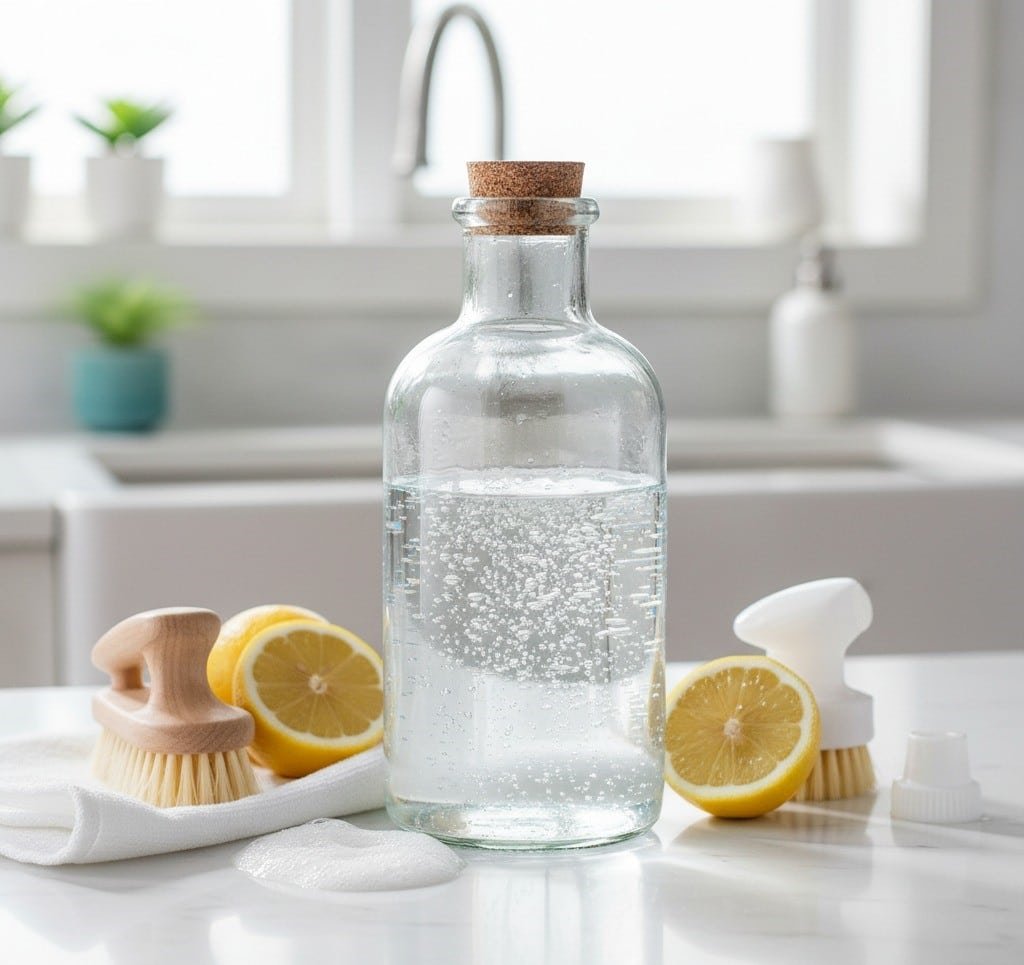
Creating your own homemade cleaning solutions is a direct approach to maintaining your home using simple, accessible ingredients. The effectiveness of these homemade cleaning solutions lies in understanding the properties of each component and how they interact with different surfaces and types of grime. There is no single magic formula; rather, a collection of recipes tailored for specific tasks. Many people turn to homemade cleaning solutions for their simplicity and cost-effectiveness. 1.White Vinegar The foundation of most homemade cleaning solutions rests on a few key ingredients. White vinegar, with its acetic acid content, is a powerful degreaser and disinfectant, capable of breaking down mineral deposits from hard water, soap scum, and everyday grime. Baking soda acts as a gentle, non-scratching abrasive, perfect for scrubbing surfaces without causing damage. It also serves as a natural deodorizer, absorbing and neutralizing unpleasant odors in refrigerators, drains, and carpets. The combination of these two ingredients creates a fizzing reaction that can help dislodge stubborn buildup, making them a dynamic duo in the world of DIY cleaning. The key to successful homemade cleaning solutions is understanding the ingredients. 2.Lemon For an all-purpose cleaner suitable for a majority of household surfaces, a simple mixture is highly effective. Combine one part white vinegar with one part water in a spray bottle. For a more pleasant scent and added antibacterial properties, add 10-15 drops of an essential oil like lemon, tea tree, or lavender. This specific homemade cleaning solution is excellent for wiping down laminate countertops, sealed granite, appliance exteriors, and painted walls. It cuts through fingerprints and light grease with ease. However, this vinegar-based homemade cleaning solution should not be used on natural stone surfaces like marble or unsealed granite, as the acid can etch and dull the finish. The versatility of this simple recipe demonstrates why so many rely on homemade cleaning solutions for daily upkeep. When it comes to glass and mirrors, achieving a streak-free shine is the primary goal. A superior homemade cleaning solution for this task involves mixing one part rubbing alcohol, one part white vinegar, and two parts water in a spray bottle. The rubbing alcohol is the key ingredient here; it evaporates quickly, preventing the water and vinegar from leaving behind streaks as they dry. Spray the solution directly onto a microfiber cloth rather than the glass surface to prevent drips. Wipe the surface clean, then use a second, dry microfiber cloth to buff it to a perfect shine. This is one of the most reliable homemade cleaning solutions for achieving crystal-clear windows and mirrors. 3.Baking Soda The kitchen presents a variety of cleaning challenges, from greasy stovetops to stained sinks. A powerful degreasing homemade cleaning solution can be made by creating a paste of baking soda and a small amount of warm water. Apply this paste directly to greasy splatters on the stovetop, backsplash, or inside the oven. Let it sit for 15-20 minutes to break down the grease, then scrub gently with a non-abrasive sponge and wipe clean with a damp cloth. For tougher, baked-on food, you can spray the baking soda paste with white vinegar to create that fizzing action, which helps lift the grime. This method showcases the targeted power of specific homemade cleaning solutions. To clean and deodorize a kitchen sink, sprinkle a generous amount of baking soda over the entire basin. Cut a lemon in half and use it to scrub the baking soda into the sink surface. The mild abrasiveness of the soda, combined with the citric acid and fresh scent of the lemon, will clean, polish, and deodorize the sink and garbage disposal simultaneously. Rinse thoroughly with hot water. This technique is a classic example of how natural, food-safe homemade cleaning solutions can be incredibly effective. 4.Natural Deodorant In the bathroom, soap scum and mildew are the primary adversaries. For tubs, showers, and tile, a highly effective homemade cleaning solution involves mixing one cup of baking soda with about a quarter-cup of liquid castile soap to form a thick, scrubby paste. Apply this paste to the surfaces and scrub with a brush or sponge. The baking soda provides the scrubbing power, while the castile soap helps lift and wash away the grime and soap scum. For tough mildew stains, a spray made of equal parts white vinegar and water can be used. Spray it on the affected areas, let it sit for at least 30 minutes, and then scrub away. It’s important to have good ventilation when working with these homemade cleaning solutions, particularly vinegar. Toilet bowls can be cleaned and sanitized without harsh chemicals. Pour about one cup of white vinegar into the toilet bowl and let it sit for at least an hour, or even overnight. The acid will work to dissolve mineral rings and stains. Afterward, sprinkle baking soda into the bowl, scrub with a toilet brush, and flush. The fizzing action provides an extra cleaning boost. This is a straightforward yet potent homemade cleaning solution for a task many people dislike. The power of homemade cleaning solutions extends to every corner of the house.   5.Dilute Floors require different approaches based on their material. For tile, vinyl, or linoleum floors, a simple and effective homemade cleaning solution consists of a gallon of warm water mixed with a half-cup of white vinegar and a few drops of castile soap. The vinegar disinfects and cuts through dirt, while the soap helps to lift it. Be careful not to use too much soap, as it can leave a sticky residue. For hardwood floors, the approach must be much more delicate. A heavily diluted homemade cleaning solution is necessary to prevent damage to the wood’s finish. Mix a gallon of warm water with just a quarter-cup of white vinegar. Wring the mop out until it is barely damp before applying it to the floor. Never let water pool on a hardwood surface. The development of specialized homemade cleaning solutions for different floor types is crucial for proper care. 6.Sprinkle Even carpets can

7 Best Homemade Cleaning Solutions to Make Your Home Look Like New Read More »

Hot Water and Cold Water

Hot Water vs Cold Water – Which is More Efficient at Cleaning?

The temperature of hot or cold water used for cleaning is not a matter of preference; it is a fundamental variable that determines the effectiveness, safety and efficiency of the task at hand. The choice between hot and cold water can mean the difference between a stain being removed permanently and being set forever, or between a surface being sanitized and simply being wiped. Understanding the distinct properties and applications of each is essential for proper cleaning. 1.Greasy Hot water’s primary advantage lies in its thermal energy. Molecules in hot water move faster and with more kinetic energy than those in cold water. This increased energy translates directly into enhanced cleaning power in several ways. First, it lowers the surface tension of water, allowing it to spread more easily and penetrate soils and fabrics more effectively. Second, and most critically, heat excels at dealing with fats, oils, and grease. When heated, these substances become less viscous they soften, liquefy, and break down. This makes them significantly easier for detergents and mechanical action (scrubbing) to lift and wash away. Think of washing a greasy frying pan. Using cold water, the grease remains a stubborn, solid film. With hot water, the grease melts into a liquid that can be readily emulsified by soap and rinsed away. This principle applies to kitchen backsplashes coated in cooking oil, range hoods accumulating greasy vapor, and dining tables with oily residues from food. Beyond its effect on grease, heat acts as a powerful sanitizer. While boiling water (100°C or 212°F) is required for true sterilization, the hot water from a typical tap (usually between 49°C and 60°C or 120°F and 140°F) is sufficient to kill a significant number of common household bacteria, germs, and viruses. This makes hot water the superior choice for cleaning areas where hygiene is paramount. Kitchen countertops where raw meat has been prepared, cutting boards, sinks, and garbage disposals all benefit from the sanitizing action of hot water. In the bathroom, hot water is effective for cleaning toilets, sinks, and shower surfaces, helping to reduce the microbial load and control the spread of germs. It also works exceptionally well on soap scum, which is composed of mineral deposits and body oils. The heat helps to soften this tough buildup, making it much easier to scrub away. 2.Fabrics In laundry, hot water is a powerful tool for specific applications. It is most effective for washing heavily soiled items, such as work clothes, sports uniforms, and reusable cleaning cloths. It is the best choice for white cottons, bedding, and towels, as it not only removes dirt and body oils more effectively but also helps to sanitize the items, killing dust mites and allergens. The heat helps to brighten whites and can handle robust fabrics that are not at risk of shrinking or color loss. Furthermore, many powdered detergents are formulated with ingredients that activate and dissolve more completely in hot water, unleashing their full cleaning potential. Without sufficient heat, these detergents can clump and leave a residue on clothes. However, the power of hot water is also its primary source of risk and limitation. The same heat that melts grease can also damage a wide range of materials. It can cause synthetic fabrics like polyester and rayon to warp or melt, and natural fibers like wool and silk to shrink and lose their shape. Hot water is notorious for causing colors to bleed and fade, which is why it is generally unsuitable for washing dark or brightly colored garments. It can also damage certain surfaces around the home. Prolonged exposure to hot water can warp unsealed wood, damage the finish on some types of flooring, and cause certain plastics to become brittle or misshapen. A critical mistake in stain removal is applying hot water to protein-based stains. Stains from blood, egg, dairy, or mud contain proteins that coagulate when heated essentially, they cook. Applying hot water will permanently set these stains into the fabric fibers, making them nearly impossible to remove. 3.Cold Water Cold water, on the other hand, operates on a different set of principles and offers its own distinct advantages. Its primary benefit is its gentle nature. Lacking the intense thermal energy of hot water, it is significantly safer for a vast majority of materials and fabrics. This makes it the default and recommended choice for washing delicate items, such as lace, silk, and woolens, as it prevents shrinkage, stretching, and damage to the fibers. It is also the best option for washing dark and vibrant colors, as it minimizes the risk of dye bleeding and fading, preserving the life and look of the garments. The most crucial application for cold water is in stain removal for protein-based soils. Unlike hot water, which sets these stains, cold water helps to break them down and flush them out of the fabric without cooking the proteins. Any time you are dealing with a bloodstain on a shirt, a spilled glass of milk on the carpet, or an egg yolk on a tablecloth, the first and most important step is to use cold water. Soaking or rinsing the affected area in cold water before applying any cleaning agent is the correct protocol. Modern advancements in detergent technology have greatly expanded the utility of cold water for general cleaning and laundry. While older detergents required heat to be effective, most liquid detergents and specialized cold-water powders today are formulated with enzymes. These enzymes are biological catalysts designed to target and break down specific types of stains proteases for proteins, amylases for starches, and lipases for fats and they function optimally in cool or cold temperatures. Using a high-quality, enzyme-based detergent allows cold water to achieve cleaning results that are comparable to hot water for many types of lightly to moderately soiled loads, effectively removing everyday dirt and grime without the risks associated with heat. Beyond its material safety and stain-specific effectiveness, the use of cold water has significant economic and environmental benefits. Heating water is

Hot Water vs Cold Water – Which is More Efficient at Cleaning? Read More »

disorganized home

Why Hiring A Professional Organizer Is Important – 5 Key Factors

Thinking about hiring a professional organizer? Then we will help you. The sheer weight of accumulated belongings can become a quiet, pervasive burden in any home. It starts subtly, an item here, a stack there, until spaces that once felt open and functional begin to feel constricted, heavy. This isn’t just about untidiness; it’s about the way clutter can insidiously affect daily life, breeding a sense of low-grade stress, making simple tasks feel more complicated, and, critically, turning the act of cleaning into a monumental, often futile, effort. When surfaces are obscured and floors are pathways through obstacles, true cleanliness remains elusive. Dust settles not just on shelves, but within an environment of disorder, making it harder to breathe easy, both literally and figuratively. Many find that no matter how much they wipe, scrub, or vacuum, the underlying disarray prevents a feeling of genuine, lasting cleanliness. This is often the point where the realization dawns that something more fundamental than cleaning is required; a strategic approach to the items themselves. This is where the expertise of a professional organizer becomes invaluable. These individuals are more than just people who like to tidy; they are specialists in creating order from chaos, developing sustainable systems, and transforming living spaces into environments that support, rather than hinder, daily life. Their work is a methodical process, beginning with an in-depth consultation. This initial step involves understanding your specific challenges, how you use your space, what your frustrations are, and what your vision is for a more functional home. They assess the scope of the clutter, the types of items involved, and the underlying habits or circumstances that may have contributed to the situation. It’s a non-judgmental exploration designed to tailor a plan that aligns with your lifestyle and goals. 1.Do You Need All The Objects? The heart of the organizing process, and often the most daunting phase for homeowners, is decluttering. A professional organizer acts as a calm, objective guide through this potentially emotional journey. They help you confront your possessions, item by item or category by category, and make decisions about what stays and what goes. This isn’t about indiscriminately throwing things away; it’s about thoughtful evaluation. Questions like “Do I use this?”, “Do I love this?”, “Do I need this?” become central. For sentimental items, which often carry the heaviest emotional weight, organizers provide strategies for honoring memories without being overwhelmed by physical objects. They might suggest digitizing photos or letters, or creating a dedicated, contained memory box. For general household clutter, from overflowing kitchen cabinets to jumbled linen closets, they bring a systematic approach, helping you to see your belongings with fresh eyes and make choices that serve your current life, not a past or imagined future one. They also assist with the responsible disposal of unwanted items, coordinating donations to charities, identifying items for sale, or ensuring proper recycling and waste removal.   2.Sorting And Categorizing Once the excess is cleared, the next stage involves sorting and categorizing what remains. Items are grouped logically, all baking supplies together, all office stationery in one area, all cleaning products consolidated. This “like with like” principle is fundamental to creating intuitive systems. It might sound simple, but in a home where items have migrated and been stashed haphazardly over years, this step alone can be revealing, showing you exactly what you own and highlighting redundancies. With items sorted, the professional organizer then moves into space planning and system implementation. This is where their strategic thinking truly shines. They analyze the available space, closets, cabinets, shelves, drawers, even vertical space and design solutions to store items efficiently and accessibly. In a kitchen, this might involve reconfiguring pantry shelves, introducing clear, stackable containers for dry goods, implementing a first-in-first-out system to reduce food waste, using drawer dividers for utensils and gadgets, or finding clever solutions for awkward items like pot lids or baking sheets. The goal is to create a workflow that makes cooking and cleaning smoother. 3.Closets In closets, organizers might introduce uniform hangers to save space and create visual calm, demonstrate effective folding techniques that maximize drawer capacity, suggest shoe storage solutions that keep pairs together and visible, and implement systems for accessories like scarves, belts, and jewelry. They often help with seasonal wardrobe rotation, ensuring that out-of-season clothes are stored properly and easily retrieved when needed. For home offices, the focus is on creating an environment conducive to productivity. This can involve setting up effective paper management systems (e.g., action files, reference files, archives), advising on digital organization strategies, optimizing desk layout for ergonomic comfort, and ensuring essential supplies are within easy reach. Children’s playrooms and bedrooms benefit immensely from an organizer’s touch. Systems are designed to make it easier for children to find their toys and, crucially, to put them away. This often involves clear bins, picture labels for younger children, and strategies for toy rotation to prevent overwhelm and keep engagement high. Even daunting spaces like garages, basements, or attics are tackled methodically. Organizers can help install heavy-duty shelving, utilize clear, durable storage bins, and create designated zones for tools, sporting equipment, holiday decorations, and long-term storage, transforming these areas from dumping grounds into functional extensions of the home. 4.Labeling A critical component of any organizing system is labeling. Clear, consistent, and easy-to-read labels are the signposts that help everyone in the household understand where things belong. This simple step is vital for the long-term maintenance of order, preventing items from slowly migrating back into disorganized piles. The professional organizer doesn’t just set up these systems and leave; a key part of their service often involves coaching on how to maintain them. They understand that lasting organization requires a shift in habits. They might provide tips for quick daily or weekly resets, help establish routines for managing incoming mail or putting away groceries, and sometimes offer follow-up sessions to tweak systems as needs evolve or to provide a refresher. The benefits of engaging a professional organizer extend far beyond

Why Hiring A Professional Organizer Is Important – 5 Key Factors Read More »

3 Best Tips How To Keep Your Living Area Clean

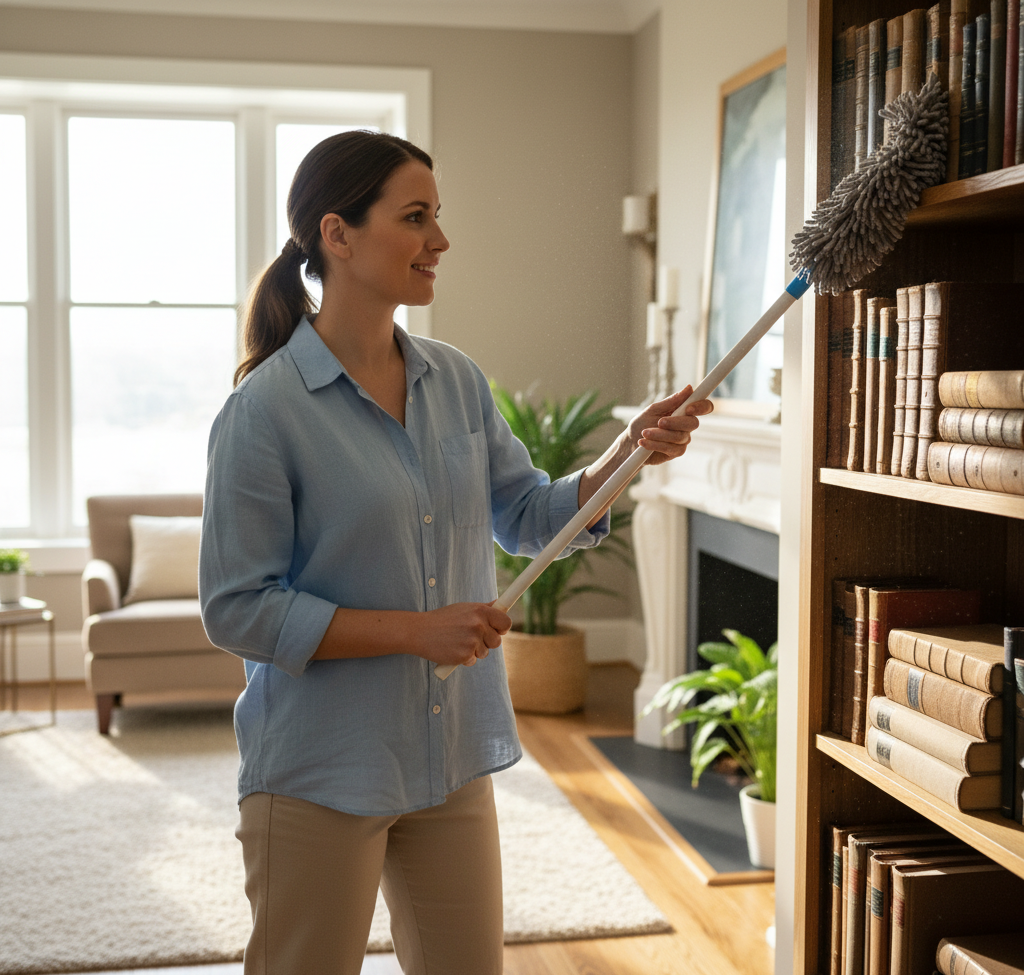
Living areas, essential to daily life, accumulate use and require constant attention to maintain their comfort and cleanliness. A systematic approach ensures that all aspects of the space are considered, resulting in a truly refreshed environment. 1.Living Area Start by decluttering all surfaces. This initial step is essential to achieving the desired living area, as it paves the way for effective cleaning and reveals the true scope of upcoming tasks. Start with one surface, such as the coffee table, and work methodically through the room, addressing side tables, entertainment cabinets, shelves, and any other flat areas. As you handle each item, decide where it will go: items to be discarded, items to be donated, items that belong in other rooms, or items that need to be stored neatly within the living area itself. Common culprits of clutter include accumulated mail, old magazines or newspapers, lost remote controls, and items brought in from other parts of the house. Have designated spots for frequently used items, such as remote controls or current reading material. This practice greatly simplifies future organization and always keeps the living area tidy. Removing unnecessary objects not only makes cleaning easier, but also contributes to a visually calmer and more organized space. Once the surfaces are free of extraneous items, the cleaning itself can begin without obstructions. Dusting the living area is the next critical step and should always be done from the top down. This principle ensures that any dust or particles dislodged from higher surfaces fall to lower surfaces or the floor, which will be cleaned later. Equip yourself with the right tools; microfiber cloths are highly effective as their fibers trap dust rather than simply move it around. For hard-to-reach areas such as high shelves, ceiling corners or light fixtures, an extendable duster is invaluable. Many vacuum cleaners also come with brush attachments suitable for dusting a variety of surfaces. Start with the highest points in the room, such as ceiling fan blades (ensure the fan is off and cool), the tops of tall bookshelves or cabinets, and light fixtures. Carefully wipe these areas. Move downwards to shelves, picture frames, and artwork. When dusting shelves, especially those holding many objects, it’s often best to remove the items, dust the shelf thoroughly, dust the items themselves, and then replace them. Pay attention to the details of decorative items; intricate pieces may require a soft brush or careful wiping. Electronic devices, such as televisions, sound systems, and game consoles, attract a significant amount of dust. Before cleaning electronics, ensure they are turned off and ideally unplugged. Use a dry, soft microfiber cloth to gently wipe screens and surfaces. Compressed air can be useful for cleaning dust from vents, keyboards, and other tight spaces. Avoid spraying liquids directly onto any electronic component. 2.Lampshades And Sofas Lampshades also collect dust and should be treated. Fabric lampshades can usually be gently vacuumed with a brush attachment or wiped with a dry cloth. Plastic or paper lampshades can be wiped clean. Window coverings, such as blinds or shutters, are notorious dust magnets. Each slat may need to be cleaned individually, a task that can be done with a microfiber cloth or a specialized blind cleaning tool in your living area. Don’t neglect window sills and frames. Wood furniture requires care; dust regularly and, if appropriate for the finish, use a suitable furniture polish sparingly to protect and enhance the wood. Apply the polish to a cloth, not directly to the furniture. Glass surfaces, such as tabletops or cabinet doors, should be cleaned with a glass cleaner and a lint-free cloth for a streak-free shine. Once all elevated surfaces and items have been dusted, the dislodged particles will have settled, ready to be treated during upholstery and floor cleaning in your living area. Let’s not forget about the sofas in your living area. For dusty surfaces, focus on upholstered furniture. Sofas and armchairs get a lot of use and can accumulate dust, crumbs, pet hair, and other debris. Regular vacuuming is essential to keeping them clean and extending their lifespan. Use the upholstery attachment on your vacuum cleaner, which is designed to be gentler on fabric, and the crevice tool to get into seams, under cushions, and along edges where debris loves to hide. Remove all cushions and vacuum the base of the furniture thoroughly. Then, vacuum all sides of each cushion before replacing them. If you have pets, a specialized hair removal tool or attachment can be especially effective. In addition to regular vacuuming, spot cleaning may be necessary for spills or stains. The key to successful spot cleaning in living areas is to act quickly. Blot any fresh spills immediately with a clean, absorbent cloth, working from the outside in to prevent spreading. Avoid rubbing, as this can push the stain deeper into the fibers and potentially damage the fabric. Before applying any cleaning solution in large quantities, test it on a small, inconspicuous area of ​​the upholstery to ensure it does not cause discoloration or damage. Different upholstery materials require different cleaning methods and solutions, so consult the manufacturer’s care label if available. For general stains, a mild solution of detergent and water can sometimes be effective, or you may need a commercial upholstery cleaner formulated for your type of fabric. After treating a stain, gently blot the area with a clean, damp cloth to remove any residue of the cleaning solution, then dry. For general freshening, some fabric fresheners can be used, but always test them first and use sparingly. Alternatively, lightly sprinkling baking soda, leaving it to sit for about 15 to 30 minutes, and then vacuuming can help neutralize odors and give you a fresh-smelling living area. After you’ve taken care of your upholstery, the last important step in your living area is cleaning the floor. The method you use will depend on whether your space has hard floors, carpets, or a combination of the two. 3.High-Traffic For hard floors, such as wood, laminate, tile,

3 Best Tips How To Keep Your Living Area Clean Read More »

different types of carpets

How to Clean Different Types of Carpets – 4 Best Ways

Cleaning carpet effectively depends heavily on the material they are made from. Different fibers react uniquely to cleaning methods and solutions. 1.Synthetic Carpets (Nylon, Polyester, Olefin/Polypropylene) Synthetic carpets are popular due to their durability and stain resistance. Nylon is very resilient, polyester is known for its softness and inherent stain/fade resistance, and olefin (polypropylene) is moisture and mildew resistant, often used in basements or outdoors. Regular maintenance for all synthetic carpets begins with frequent vacuuming. Use a vacuum cleaner with a beater bar or rotating brush to agitate the fibers and lift embedded dirt. Aim to vacuum high-traffic areas daily or every other day, and the entire carpeted area at least twice a week. This prevents dirt particles from grinding down the fibers over time. For spills on synthetic carpets, prompt action is crucial. First, carefully scoop up any solids with a dull knife or spoon. Next, blot liquids immediately with a clean, white absorbent cloth or plain white paper towels. Start blotting from the outside of the spill and work inward to prevent it from spreading. Avoid rubbing, as this can damage the fibers and push the stain deeper. Continue blotting until no more moisture is transferred to the cloth. After initial blotting, prepare a cleaning solution. A simple mixture of a quarter teaspoon of mild, non-bleach dishwashing liquid with one cup of lukewarm water is often effective for general spills. Before applying any solution to the stain, always test it on an inconspicuous area of the carpet, like inside a closet or under a large piece of furniture, to ensure it doesn’t cause discoloration or damage. Apply a small amount of the tested solution to a clean cloth, not directly onto the carpet. Gently dab the stained area with the cloth, working from the outside in. Allow the solution to sit for a few minutes to break down the stain. Then, blot the area again with a clean, dry cloth to absorb the solution and the loosened stain. Repeat this process if necessary. Once the stain is removed, rinsing the area is important to remove any detergent residue, which can attract more dirt if left behind. Lightly mist the cleaned area with plain cool water using a spray bottle. Be careful not to overwet the carpet. Blot thoroughly with a clean, dry cloth to remove the rinse water. Finally, cover the damp area with a thick layer of clean white paper towels or a dry cloth, weighted down with a heavy, non-staining object. Leave this overnight to absorb any remaining moisture. Once dry, vacuum the area to restore the pile’s texture. For tougher stains like grease, ink, or wine, specific stain removers designed for synthetic carpets may be needed. Always follow the product instructions carefully and test first. For deep cleaning synthetic carpets, hot water extraction, also known as steam cleaning, is generally the most effective method. You can rent a machine or hire a professional service. If doing it yourself, first vacuum the carpet thoroughly. Pre-treat any heavily soiled areas or stubborn stains according to the machine and cleaning solution manufacturer’s instructions. Prepare the machine with hot water and the appropriate cleaning solution formulated for synthetic carpets. Work in sections, slowly pulling the machine over the carpet to release the solution and then extract it along with the dirt. Avoid overwetting the carpet by making multiple dry passes to extract as much water as possible. After cleaning, ensure good ventilation by opening windows or using fans and a dehumidifier to speed up drying, which usually takes 6 to 12 hours, or sometimes longer. 2.Wool Carpets Wool carpets are a natural fiber known for their luxurious feel, durability, and natural soil resistance. However, they require more delicate care than synthetic carpets as they are sensitive to harsh chemicals, high pH levels, excessive moisture, and aggressive agitation. Regular vacuuming is essential for wool carpets. Use a vacuum cleaner with strong suction. If your vacuum has a beater bar, set it to the highest pile setting or use a suction-only attachment, as aggressive beater bars can damage wool fibers, causing them to fuzz or pill. Vacuum at least once or twice a week, more often in high-traffic areas. When spills occur on wool carpets, immediate attention is vital. Wool is absorbent, so quick action can prevent a spill from becoming a permanent stain. Gently scrape up any solids. Blot liquids immediately with a clean, white absorbent cloth or paper towels. Press down firmly but avoid rubbing. Work from the edges of the spill toward the center. For cleaning solutions, only use products specifically designated as “WoolSafe” or pH-neutral cleaners. Alkaline detergents (high pH) or those containing bleach can damage wool fibers, causing yellowing or weakening. Test any cleaning solution in an inconspicuous spot first. Apply a small amount of the wool-safe cleaner to a clean cloth, not directly to the carpet. Gently blot the stained area. Do not scrub. Allow the cleaner to work for a few minutes. Then, blot with a clean, damp cloth to “rinse” the area, using minimal water. Follow this by blotting with a dry, absorbent cloth to remove as much moisture as possible. Overwetting wool can lead to browning, mildew, or shrinkage. Drying a cleaned wool carpet area thoroughly and quickly is very important. Use fans or a dehumidifier to circulate air and speed up the drying process. You can also place a thick towel over the damp spot and weigh it down to absorb residual moisture. Avoid applying direct heat, like from a hairdryer on a hot setting, as this can damage the fibers. For deep cleaning wool carpets, professional cleaning is often the safest and most effective option. Professionals experienced with wool will use appropriate low-moisture methods and wool-safe cleaning solutions. If you choose to deep clean yourself, ensure the equipment and cleaning solutions are specifically designed and safe for wool. Methods like dry foam cleaning or low-moisture hot water extraction with minimal water and rapid drying are preferred over traditional steam

How to Clean Different Types of Carpets – 4 Best Ways Read More »