Home Disinfecting

Coffee Machine Cleaning: 5 Signs Your Coffee Machine Is Clogged with Limescale

The coffee machine is the silent engine of the morning, a device that many regard with a level of reverence usually reserved for religious artifacts. It is the first appliance touched in the day, the vessel that delivers the caffeine required to jumpstart human productivity. However, this reliance often breeds a dangerous complacency regarding hygiene. We assume that because boiling water passes through the system daily, it is inherently self-cleaning. This is a fallacy that leads to bitter coffee, mechanical failure, and the ingestion of mold and bacteria. The internal geography of a coffee maker is a dark, damp, and warm environment, the trifecta for biological growth. Furthermore, the very ingredients used to make the beverage—water and coffee beans—leave behind chemical residues that calcify and oxidize, slowly choking the machine. Cleaning a coffee machine is not merely a matter of rinsing the pot; it is a necessary maintenance protocol involving chemistry and mechanics to preserve the integrity of the brew and the lifespan of the equipment. Distinct Enemies To understand the cleaning process, one must first understand the two distinct enemies of the coffee machine: mineral scale and coffee oils. Water is the solvent of life, but it is rarely pure. Tap water contains dissolved minerals, primarily calcium and magnesium. When water is heated, these minerals precipitate out of the liquid and bond to the heating elements and internal tubing of the machine. This is known as limescale. It acts like cholesterol in an artery, narrowing the passages and insulating the heating coil. A machine suffering from scale buildup will struggle to reach the optimal brewing temperature of 195 to 205 degrees Fahrenheit. It will brew slower, produce lukewarm coffee, and eventually, the pump will fail under the strain of trying to push water through a blocked pipe. The second enemy is the bean itself. Coffee beans are rich in lipids. When roasted and ground, these oils are released to create the flavor and crema we desire. However, once these oils settle on the plastic and metal surfaces of the filter basket, the carafe, and the dispensing showerhead, they begin to degrade. Oxidized coffee oil turns rancid, developing a sharp, acrid flavor profile. If you have ever tasted a cup of coffee that seemed sour or metallic despite using fresh beans, the culprit was likely layers of old, rancid oil coating the machine. This residue is sticky and hydrophobic, meaning a simple water rinse will not remove it; it requires a degreasing agent to break the chemical bond. Descaling For the standard drip coffee maker, the reservoir is the ground zero of biological activity. Because it is often left damp and closed, it frequently harbors coliform bacteria and yeast. The cleaning protocol here requires a descaling solution. While many manufacturers sell proprietary powders, a mixture of white distilled vinegar and water remains a potent and accessible descaler for standard machines. The acid in the vinegar reacts with the alkaline mineral deposits, dissolving them into a liquid state that can be flushed away. The process involves filling the reservoir with a fifty-fifty mixture of vinegar and water, running the brew cycle halfway, and then turning the machine off. This “dwell time” is critical. It allows the acidic solution to sit inside the heating element and the tubing, eating away the scale. After an hour, the cycle is finished, followed by multiple cycles of fresh water to ensure no acetic acid taste remains. However, vinegar has limitations. It can be harsh on the rubber seals and gaskets found in more expensive or complex machines. For high-end espresso machines or pod systems, using a specialized descaling solution based on citric or lactic acid is safer. These acids are odorless and formulated to be gentle on internal components while being ruthless on scale. Using vinegar in a high-pressure espresso pump can sometimes cause the rubber O-rings to degrade, leading to internal leaks. Single-Serve pod Machine The single-serve pod machine presents a unique set of hygiene challenges. These machines rely on a hollow needle to puncture the foil of the coffee capsule. This needle often becomes clogged with coffee grounds and dried oils, restricting flow and causing pressure backups. Cleaning the needle requires a mechanical approach, often using a straightened paper clip or a specialized tool provided by the manufacturer to physically dislodge the blockage. Furthermore, the exit spout of these machines is a trap for coffee splatter. Bacteria known as Serratia marcescens, which manifests as a pinkish slime, loves the drip tray and the nozzle area. Regular wiping with a disinfectant and running a “cleansing brew”—a cycle without a pod—is essential to flush out the internal chamber where the coffee is actually brewed. Espresso Machines Espresso machines are the most complex and require the most rigorous cleaning routine. The group head, the metal component where the portafilter locks in, is subjected to immense pressure and heat. Coffee fines and oils are forced back up into the group head after every shot. If not cleaned, this debris blocks the dispersion screen, causing water to channel unevenly through the puck, resulting in bad espresso. The solution is “backflushing.” This involves inserting a blind filter basket (one with no holes) into the portafilter, adding a specialized detergent powder, and engaging the pump. The pressure forces the soapy water back up into the group head and through the three-way solenoid valve, scrubbing the internal pathways. This should be done daily in commercial settings and at least weekly for home enthusiasts. The steam wand on an espresso machine acts as a direct line to the boiler or thermoblock. When steaming milk, a vacuum effect can occur when the steam knob is closed, sucking a small amount of milk back up into the wand. If this milk residue is allowed to dry, it rots. The bacteria multiply rapidly, and the next time you steam milk, you are injecting that bacteria into your drink. The rule for steam wands is absolute: purge and wipe. Before and after every use, the

Coffee Machine Cleaning: 5 Signs Your Coffee Machine Is Clogged with Limescale Read More »

matress

Mattress Cleaning: 5 Proven Methods to Remove Urine and Sweat Odors From Your Mattress

The mattress is the silent giant of the household. It is the largest piece of furniture we own, the one we spend the most time in contact with, and paradoxically, the one we clean the least. We cover it with sheets and pads, creating a visual barrier that allows us to ignore the biological reality of what lies beneath. However, a mattress is essentially a giant sponge. Every night, it absorbs a fraction of the liter of sweat the average human loses during sleep. It collects the millions of dead skin cells we shed, which trickle down through the weave of the linens to settle in the seams and tufting. Over time, this accumulation of moisture and organic matter creates a complex ecosystem of bacteria, dust mites, and fungal spores. The result is a mattress that smells stale, looks discolored, and compromises the air quality of the very room designed for restoration. Eliminating these odors and extracting the deep-seated dirt is not a matter of a simple spray; it requires a systematic approach that utilizes chemistry to break down biological bonds and physics to extract the debris without ruining the structural integrity of the foam or springs. The First Phase The first phase of mattress restoration is mechanical extraction. Before any liquid or chemical touches the surface, you must remove the dry particulate matter. If you wet a mattress that is full of dust and skin cells, you effectively create a layer of mud inside the fabric. Strip the bed completely, including the mattress protector and any foam toppers. Using a high-powered vacuum with a clean upholstery attachment is non-negotiable. The standard floor head of a vacuum is too dirty and often lacks the concentrated suction required. You must go over the entire surface of the mattress using slow, deliberate strokes. The goal is to pull dust mites and their waste products from deep within the cushioning. Pay particular attention to the piping around the edges and the valleys of the quilting; these are the trenches where gravity deposits the heaviest load of debris. This dry vacuuming step removes the food source for pests and prepares the canvas for chemical treatment. Once the surface is free of loose debris, the battle against odor begins. The most pervasive smell in a mattress is usually a combination of oxidized sweat and body oils. This creates a musty, sour scent that lingers even after the sheets are changed. To combat this, you need a dry absorbent. Baking soda (sodium bicarbonate) is the industry standard for a reason. It is not a perfume that masks odor; it is an amphoteric compound that reacts with both acidic and basic molecules to neutralize them chemically. Sift a generous layer of baking soda over the entire top surface of the mattress. Do not be stingy; the mattress should look like it has been dusted with snow. For an added antimicrobial boost, you can mix a few drops of essential oil, such as lavender or tea tree, into the baking soda before applying it. Baking Soda The critical element here is time. The baking soda needs to sit for at least four hours, though a full day is preferable. During this dwell time, the powder draws moisture and oils out of the fabric and binds the odor molecules. After the wait, vacuum the mattress again thoroughly. You will likely find that the powder has turned slightly grey or clumped, visual evidence that it has absorbed the dampness and dirt from the surface. However, dry cleaning only addresses general odors. Specific, localized stains require a liquid intervention, but this is dangerous territory. A mattress is extremely difficult to dry. If water penetrates into the core foam or the spring encasement, it can get trapped, leading to the growth of mold from the inside out. Therefore, the golden rule of mattress cleaning is to treat the stain, not the bed. You must use as little liquid as possible. For the yellowing caused by sweat and body oils, a mixture of hydrogen peroxide, a small amount of dish soap, and baking soda creates a powerful oxidizing agent. When applied to the stain, the peroxide breaks down the protein structure of the sweat, bleaching the color safely, while the soap cuts through the lipid (fat) layer of the oil. Apply this solution by blotting with a clean white cloth. Never scrub. Scrubbing damages the fibers of the ticking (the mattress fabric) and pushes the stain deeper into the cushioning. Blot gently until the stain lifts. Once the discoloration is gone, use a fresh damp cloth to “rinse” the area by blotting up the soap residue. Soap residue becomes sticky when dry, attracting new dirt faster, so removing it is crucial. To dry the spot, press dry towels firmly into the area to wick up moisture, and then use a hair dryer on a cool setting or a fan to accelerate evaporation. Enzymatic Cleaner Biological accidents, such as urine, vomit, or blood, present a more severe challenge because they contain uric acid and enzymes that crystalize and smell stronger over time. Standard soap will not remove these; it will only clean the surface while the odor source remains in the padding. For these, an enzymatic cleaner is mandatory. These cleaners contain bio-engineered bacteria that literally eat the organic matter. Saturate the stain just enough to reach the depth of the accident. It needs to stay wet for a specific period (check the bottle) to allow the enzymes to digest the uric acid crystals. As the enzymes work, the smell may temporarily worsen—a sign that the bacteria are off-gassing as they consume the waste—before vanishing completely. This is the only way to permanently eliminate the “memory” of the stain. For mattresses that have been in humid environments and have developed a mildew smell, sunlight is the most powerful disinfectant. If physically possible, dragging the mattress outside on a warm, dry, sunny day can perform miracles. The ultraviolet (UV) radiation from the sun kills

Mattress Cleaning: 5 Proven Methods to Remove Urine and Sweat Odors From Your Mattress Read More »

Best Steam Cleaner: 5 Tips for Choosing the Ideal Steam Cleaner for Your Home

The search for the “best” steam cleaner is not merely a hunt for a new household gadget; it is a search for a fundamental shift in how we approach hygiene. In a world increasingly wary of harsh chemicals, volatile organic compounds, and the residue left behind by traditional detergents, the steam cleaner represents a return to the most elemental cleaning agent available: water. However, this water is superheated and pressurized to a point where it transforms into a powerful solvent and a lethal disinfectant. The efficacy of a steam cleaner lies in its ability to force thermal energy into microscopic crevices, exploding dirt from the inside out and denaturing the proteins of bacteria and viruses upon contact. To determine which machine deserves the title of “best,” one must look beyond the marketing of sleek plastic shells and understand the thermodynamics of the boiler, the pressure of the output, and the specific engineering required to tackle different surfaces within the home. Details That Make all the Difference To evaluate these machines, we must first categorize them by their mechanical architecture, as the “best” cleaner for a tiled mudroom is rarely the best cleaner for detailed kitchen degreasing. The market is broadly divided into handheld units, steam mops, and canister systems. The handheld unit is the scalpel of the steam world. It is portable, heats rapidly, and is designed for targeted strikes against specific enemies: the grease around a faucet handle, the grime in a window track, or the bacteria on a doorknob. However, its small water tank limits its run time, and its lower pressure often struggles with large surface areas. The steam mop is the specialist, engineered almost exclusively for sealed hard floors. It excels at sanitizing tile and stone without the bucket-and-mop cross-contamination, but it lacks the versatility to clean vertical surfaces or upholstery. The true heavyweight, and the category where the “best” all-around performers are found, is the canister or cylinder steam cleaner. Resembling a canister vacuum, these machines separate the heavy boiler from the cleaning wand, allowing for a much larger water capacity and a more powerful heating element. A superior canister steamer is defined by its ability to produce “dry” steam. This creates a linguistic paradox—how can steam be dry? In this context, dry steam refers to vapor that has been heated significantly above the boiling point, often reaching temperatures of 240 to 300 degrees Fahrenheit, containing less than five percent liquid water volume. The best cleaners produce this low-moisture vapor, which is critical for cleaning delicate surfaces like mattresses, upholstery, and carpets. Wet steam leaves fabrics sodden and prone to mold; dry steam cleans and evaporates almost instantly, leaving the surface sanitized and dry within minutes. Pressure Pressure is the second metric that separates the professional-grade machines from the toys. Measured in bars or PSI (pounds per square inch), pressure dictates the mechanical force with which the steam exits the nozzle. A low-pressure steamer simply billows hot fog; it might kill surface bacteria, but it will not dislodge the black gunk from grout lines. The best steam cleaners operate at a minimum of four to five bars of pressure. This force turns the steam into a kinetic weapon. When directed into a grout line or the crevices of a radiator, the pressurized vapor blasts the debris out physically while simultaneously dissolving the bonds of grease and dirt chemically. This combination of heat and force is what allows for “touchless” cleaning in the hardest-to-reach areas. The heating system itself is a point of divergence in quality. Lower-end models often use a flash-heating system that drips water onto a hot plate. While fast, this often results in inconsistent temperature and wetter steam. The best steamers utilize a pressurized boiler tank, essentially a miniature pressure cooker inside the machine. This ensures that the water is maintained at a constant high temperature and pressure, providing a steady, powerful stream rather than sputtering bursts. Furthermore, the premier models feature a continuous refill system. In a standard pressurized boiler, once the water runs out, you must turn the machine off, wait for it to cool down (to release the pressure safely), refill it, and wait for it to heat up again. This downtime kills momentum. A continuous refill system utilizes a secondary non-pressurized reservoir that pumps water into the boiler as needed, allowing for indefinite cleaning sessions without interruption. Accessories The versatility of the attachments is what truly unlocks the potential of the machine. The best steam cleaner is a transformer. It should come with a robust floor head for mopping, but also a triangular brush for corners, a jet nozzle for high-pressure blasting, and small nylon or brass brushes for detailed scrubbing. The brass brushes are particularly effective for oven racks and grill grates, where the steam softens the carbonized food and the brass bristles scour it away. A window squeegee attachment turns the machine into a glass cleaning powerhouse, melting away seasonal grime and leaving a streak-free finish without a drop of blue chemical spray. The quality of these accessories matters; flimsy bristles that melt under high heat render the machine useless. One of the most profound applications for a high-quality steamer is in the realm of pest control, specifically dust mites and bed bugs. These organisms are resilient against many poisons but cannot survive thermal shock. A steam cleaner that can maintain a tip temperature above 160 degrees Fahrenheit is lethal to these pests and their eggs on contact. For allergy sufferers, the best steam cleaner is a medical device. It allows for the sanitization of pillows, mattresses, and plush toys, denaturing the proteins in dust mite waste that trigger respiratory reactions. This deep sanitization, achieved without introducing potential allergens found in chemical sprays, is a primary reason why investing in a higher-end canister model is justified. Where Not to Use However, the power of steam comes with the responsibility of usage. The “best” machine in the hands of an uneducated user can cause damage. Steam is

Best Steam Cleaner: 5 Tips for Choosing the Ideal Steam Cleaner for Your Home Read More »

cleaning walls

Don’t Ruin Your Walls: 5 Common Mistakes Homeowners Make When Washing Walls

As the final weeks of winter drag on, we often find ourselves looking down. We scrutinize the floors for salt stains, check the carpets for crumbs, and inspect the grout lines for discoloration. Our concept of a clean home is largely horizontal, defined by the surfaces we walk on and the tables we eat from. However, this perspective ignores the vast majority of the square footage in any room: the vertical topography. The walls, doors, and baseboards constitute a massive surface area that, while not subjected to foot traffic, is subjected to a relentless atmospheric assault. During the long, sealed-up months of winter, these surfaces become magnetic traps for a specific type of grime that is often invisible to the naked eye until the unforgiving light of spring exposes it. Understanding the physics of this accumulation and the precise technique required to remove it is the missing link between a house that looks tidy and a house that feels profoundly clean. Static Electricity Station To appreciate the necessity of wall washing, one must understand the behavior of air in a heated home. Winter is the season of static electricity. The furnace pumps dry, warm air through the house, lowering the humidity levels significantly. This dry air generates a static charge on the vertical surfaces of your home, effectively turning your painted drywall into a magnet. Simultaneously, the heating system creates convection currents. As warm air rises and cool air falls, it creates a continuous cycle of circulation that carries microscopic dust, pet dander, cooking oils, and soot from candles or fireplaces. When this particulate matter brushes against the statically charged walls, it clings. It does not settle lightly like dust on a bookshelf; it bonds. Over months, this creates a uniform, grey film that dulls the color of the paint and absorbs light, making the room feel smaller and dimmer. This accumulation is often most visible in the form of “thermal tracking” or “ghosting.” If you look closely at the areas above your baseboard heaters or near your air vents, you may see faint, dark vertical streaks. This is caused by the temperature difference between the wall studs and the insulation, which affects how condensation and dust adhere to the paint. It is a visual map of the airflow in your home, drawn in soot and skin cells. Ignoring this buildup does not just degrade the aesthetic of the room; it degrades the air quality. The walls act as a reservoir for allergens. Every time a door is slammed or a draft blows through, microscopic particles detach from the wall and re-enter the breathing zone. Therefore, washing the walls is not merely a cosmetic task; it is a respiratory intervention essential for the transition into allergy season. However, the act of washing a wall is fraught with peril for the uninitiated. The most common and disastrous mistake is the direction of the clean. Intuition tells us to start at the top and work our way down, letting gravity help us. In the context of painted walls, gravity is the enemy. If you apply a wet sponge to the top of a dry, dirty wall, water will inevitably squeeze out and trickle down in long, narrow rivulets. These drips cut through the layer of dry dust and soot, creating clean streaks against the dirty background. The dry, porous paint absorbs this dirty water instantly. If you then try to wipe these streaks away, you will find they are permanent. You have essentially stained the wall with cleanliness. Prevent To prevent this streaking, you must adopt the professional “bottom-up” technique. It feels counter-intuitive, but it is chemically sound. You begin washing at the baseboard and work your way up to the ceiling. By wetting the lower section first, any drips that run down from your sponge as you move higher will land on a surface that is already wet and clean. A drip on a wet surface does not soak in; it floats on top of the film of water and can be easily wiped away without leaving a mark. This technique ensures a uniform finish without the “crying” lines that ruin a paint job. Furthermore, the cleaning solution should be mild. A mixture of warm water and a scant amount of dish soap or a specialized pH-neutral wall cleaner is sufficient. Harsh chemicals can strip the sheen off eggshell or satin paints, leaving dull patches that are just as unsightly as the dirt. The baseboards represent the horizon line of this vertical landscape, and they suffer a unique form of abuse. They act as the bumper rails for the vacuum cleaner and the collection shelf for everything that gravity pulls to the floor. In winter, the dust that settles on baseboards often mixes with the residual humidity from the bathroom or kitchen, turning from a loose powder into a grey, paste-like sludge that clings to the intricate profiles of the molding. The mistake most homeowners make is introducing water too early. If you take a wet rag to a dusty baseboard, you create mud. This mud gets pushed into the corners and caulking lines, where it dries into a dark, hard grout. The protocol for baseboards must be a two-stage process: dry removal followed by wet cleaning. First, the loose dust must be evacuated using a vacuum with a brush attachment or a dry microfiber duster. Only once the dry debris is gone should you introduce a damp cloth to remove the adhered grime. To protect your back and knees—baseboard cleaning is notoriously physically punishing—utilize tools with extension handles. A flat microfiber mop, usually reserved for floors, can be turned on its side to scrub long stretches of baseboard efficiently from a standing position. This ergonomic adjustment transforms a back-breaking chore into a manageable walkthrough. Doors and Switch Plates While walls and baseboards collect environmental debris, doors and switch plates collect biological evidence. These are the high-touch zones of the home. Consider the area around a light switch or a

Don’t Ruin Your Walls: 5 Common Mistakes Homeowners Make When Washing Walls Read More »

curtains and blinds

Cleaning of Blinds and Curtains: Removing the Dust Trapped in Your Curtains and Blinds Before Spring

The transition from the depths of winter to the early promise of spring is heralded not by the temperature, which often remains stubbornly freezing, but by the light. In late February and early March, the angle of the sun shifts. The daylight hours extend, and the sun hangs lower in the sky, casting beams that penetrate deeper into our homes than at any other time of year. This returning light is welcome, but it is also unforgiving. It acts as a spotlight, illuminating the layers of grime that have accumulated unnoticed during the dark, cozy months of hibernation. Suddenly, the windows that seemed passable in the dim grey of December are revealed to be coated in a hazy film, the sills are dusty, and the tracks are harboring a grim ecosystem of their own. While it is physically unsafe and logically premature to drag a ladder outside into the slush to wash the exterior glass, this pre-spring period is the ideal window of opportunity to tackle the interior. Internal window maintenance is a critical, yet often neglected, facet of home hygiene that prepares the stage for the warmer days ahead. Indoor Film To understand the necessity of this task, one must first analyze the composition of the “indoor film” that coats the glass. Unlike the exterior dirt, which consists of mud, mineral dust, and bird droppings, the interior grime is a complex chemical cocktail. It is formed by the convergence of daily life in a sealed environment. Every time you cook, microscopic particles of grease and steam become airborne. Every time you light a scented candle or use a fireplace, soot and volatile organic compounds are released. Even the simple act of breathing contributes moisture and biological matter to the air. Over months of closed-window living, these particulates migrate toward the cold surface of the glass, where they condense and bond. This creates a semi-opaque, greasy haze that diffuses light and dulls the view. Standard glass cleaners often fail to cut through this specific type of buildup, simply smearing the oil around and leaving streaks. Removing it requires a degreasing agent—often a solution of water, vinegar, and a drop of dish soap—and the mechanical action of a squeegee or a microfiber cloth to physically lift the residue rather than wipe it back and forth. However, the glass is merely the cosmetic surface of the problem. The true structural and hygienic challenge lies in the window tracks. The horizontal channels that allow your windows to slide open and closed are, effectively, gutters for your home’s interior. Throughout the winter, two things happen in these tracks. First, gravity pulls dust, dead skin cells, and pet dander down from the curtains and the air, where it settles in the grooves. Second, the thermal difference between the cold outdoors and the warm indoors causes condensation to form on the glass. This water runs down the pane and pools in the dust-filled tracks. When dust mixes with stagnant water, it creates a nutrient-rich sludge that is perfect for mold growth. Window Tracks If you look closely at your window tracks in late February, you will likely see a black, crusty substance in the corners. This is a combination of decomposed organic matter—often including dead insects that sought shelter in the fall—and active fungal colonies. Leaving this sludge in place is a health risk. As the sun warms the window, it dries out this mixture, turning it into airborne spores that circulate in the room every time a draft blows through. Cleaning the tracks is a tedious, detailed excavation. It requires a vacuum with a crevice tool to remove the loose debris, followed by the application of a cleaning solution to soften the hardened grime. An old toothbrush or a steam cleaner is often the only tool capable of agitating the dirt out of the tight corners and weep holes. This is not a quick wipe; it is a restoration of the window’s mechanical function and sanitation. Framing this view are the window treatments—the blinds, shades, and curtains—which act as the lungs of the window assembly. Because windows are often the coldest part of the wall, they create convection currents. Warm air rises, hits the cold glass, cools down, and falls. This constant air movement cycles dust through the fibers of your curtains and over the slats of your blinds day and night. Synthetic blinds, in particular, generate a static charge that actively attracts dust particles, coating them in a tenacious grey fuzz that resists simple feather dusting. Curtains act as filters, trapping allergens, cooking odors, and smoke. By the end of winter, they are heavy with this invisible load. Ignoring the window treatments while cleaning the glass is a futile exercise. As soon as you disturb the curtains to open the clean window, you will release a cloud of dust that settles right back onto the pristine glass. The pre-spring protocol demands that textiles be taken down and laundered or professionally dry-cleaned according to their fabric requirements. For blinds, the process is more manual. Each slat must be wiped individually with a damp cloth or a microfiber wand to break the static bond and remove the dust. This is labor-intensive, repetitive work, but the result is a measurable improvement in indoor air quality. Window Sills and Casings The window sills and casings also require inspection and care. In older homes or homes with high humidity, winter condensation can do significant damage to the woodwork. Water that pools on the sill can seep into the paint or the wood grain, leading to rotting, bubbling, or the growth of mildew on the surface. During your cleaning, you must check for soft spots or discoloration. Scrubbing the sills with a mild fungicide or a vinegar solution not only cleans them but also kills the mold spores that thrive in the damp wood. If the paint has cracked, this is the time to sand and touch it up, sealing the wood before the humid air of spring arrives.

Cleaning of Blinds and Curtains: Removing the Dust Trapped in Your Curtains and Blinds Before Spring Read More »

boot tray idea

Boot Tray Cleaning: 4 Surprising Uses for a Boot Tray Beyond the Entryway

The entryway of a home is a transitional space. It is the architectural threshold where the controlled, comfortable environment of the interior meets the chaotic, elemental reality of the outdoors. In regions subject to distinct seasons—particularly the wet springs, muddy autumns, and salt-laden winters of the north—this threshold is under constant siege. Every person who steps through the door acts as a carrier, transporting water, grit, chemical de-icers, and organic decay on the soles of their footwear. If left unchecked, this debris migrates. It moves from the foyer to the living room rug, scratching hardwood finishes and embedding allergens into carpets. In this battle for household hygiene, the single most effective line of defense is often the most overlooked: the boot tray. Road Salt While often dismissed as a utilitarian slab of black plastic, the boot tray is, in reality, a piece of critical home infrastructure. It serves a specific physical function: containment. To understand the necessity of a high-quality boot tray, one must first understand the chemistry of the mess it is designed to hold. Winter slush is not merely melted snow. It is a brine solution containing calcium chloride or sodium chloride (road salt), sand, oil residues from asphalt, and dirt. This mixture is highly corrosive. If allowed to drip onto a hardwood floor, the water can seep between the boards, causing cupping and warping. As the water evaporates, it leaves behind the salt, which crystallizes into a white, alkaline crust. This crust eats into the polyurethane finish of the wood and degrades the sealants used on stone or tile grout. A boot tray acts as a moat, physically isolating this corrosive slurry from the vulnerable surfaces of the home. Tray Not all boot trays are created equal, and selecting the right vessel is key to its efficacy. The market is flooded with flimsy, low-walled plastic mats that crack under the weight of heavy winter boots or warp when exposed to temperature fluctuations. A functional tray requires rigidity and depth. The walls of the tray must be high enough—typically at least an inch—to contain a significant volume of meltwater without spilling over when the tray is nudged. The material must be impervious to salt and water. Heavy-duty rubber is the gold standard for high-traffic utility. It provides friction, preventing the tray from sliding across the floor, and it is durable enough to withstand the abrasive grit of boot soles. However, aesthetics play a significant role in the entryway. A rubber mat can look industrial and uninviting in a formal foyer. This has led to the rise of metal boot trays, typically crafted from galvanized steel, copper, or antique brass. These trays offer the same containment properties but elevate the visual tone of the space. Copper, in particular, develops a living patina over time, turning the storage of dirty shoes into a design statement. The trade-off with metal is noise (boots clanking on the surface) and the potential for corrosion if the metal is not properly sealed against the salt. River Rock One of the most persistent issues with a standard boot tray is the “soggy sole” phenomenon. When snow melts off a boot, it pools in the bottom of the tray. The boot then sits in this puddle of dirty water. This prevents the leather or fabric of the boot from drying effectively and can lead to the growth of mold or mildew on the footwear. Furthermore, if the boot is not waterproof, the water can soak back into the interior, resulting in wet socks the next morning. The solution to this is a design intervention often referred to as the river rock hack. By filling the boot tray with smooth, polished stones or river rocks, you create a drainage layer. The boots sit on top of the stones, elevated above the base of the tray. As the snow melts, the water trickles down through the gaps in the rocks and pools at the bottom, physically separated from the sole of the shoe. This allows air to circulate around the boot, speeding up the drying process. Visually, the rocks add a spa-like, organic texture to the entryway, masking the dirty water that collects beneath them. It turns a messy necessity into a decorative feature. Maintenance A common misconception is that a boot tray is a “set it and forget it” item. In reality, a neglected boot tray becomes a hazard in itself. As the water evaporates from the tray, the salt concentration increases. Eventually, you are left with a tray coated in a thick layer of toxic sludge. If this dries, it becomes airborne dust. If it overflows, it releases a concentrated brine onto the floor. Cleaning the boot tray should be a regular part of the monthly cleaning cycle, particularly in winter. This is not a task for a paper towel. The tray needs to be carefully carried to a utility sink, a bathtub, or outdoors (weather permitting). It should be emptied and scrubbed. If there is heavy salt buildup, a solution of white vinegar and warm water is required to dissolve the white mineral crust. If river rocks are used, the maintenance load increases, as the rocks themselves must be rinsed periodically to remove the slime and silt that accumulates on them. Neglecting this maintenance turns the entryway into a source of odors and humidity. Placement and Organization The effectiveness of a boot tray is entirely dependent on its placement and the behavior of the household. A tray placed three feet away from the door is useless because the user must step onto the unprotected floor to reach it. The tray must be positioned immediately adjacent to the swing of the door, creating a landing pad. Furthermore, capacity is a critical logistical calculation. A standard tray holds perhaps three pairs of adult boots. If a household has four members, or if guests frequent the home, a single tray leads to overflow. Shoes get placed on the edge of the tray or directly on the floor

Boot Tray Cleaning: 4 Surprising Uses for a Boot Tray Beyond the Entryway Read More »

Shower Cleaning Products: The Ultimate Guide to removing Hard Water Stains from Glass Shower Doors

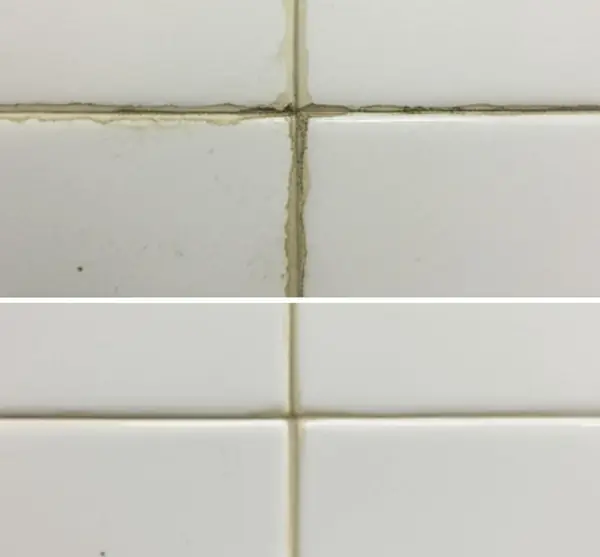
The shower is the most deceptive room in the home. Ideally, it is a pristine sanctuary of hygiene, a tiled box of steam and warmth where we wash away the cares of the day. Functionally, however, it is a biological and chemical battlefield. The shower environment creates a “perfect storm” for filth: high humidity, constant temperature fluctuations, and a steady supply of organic food sources (skin cells, oils) mixed with mineral-heavy water. This combination results in a layered defense system of grime that resists standard wiping. Soap scum, hard water scale, pink bacterial biofilm, and black mold all require different chemical approaches to defeat. Consequently, the aisle of the supermarket dedicated to “shower cleaning products” is often overwhelming, filled with neon bottles promising miracle results without scrubbing. To navigate this aisle effectively, and to actually clean your shower without damaging its surfaces or your lungs, you must understand the chemistry of the mess and the specific function of the chemicals designed to remove it. Acidic Products To choose the right product, you must first identify the primary enemy. In most North American homes, the white, cloudy film on glass doors and the rough texture on tiles is soap scum combined with limescale. Soap scum is chemically fascinating and frustrating; it is calcium stearate, a waxy solid formed when the fatty acids in bar soap react with the calcium and magnesium ions found in hard water. It is essentially waterproof grease. Limescale is purely mineral—calcium carbonate deposits left behind when water evaporates. Because these substances are alkaline (basic) in nature, the cleaning product required to remove them must be acidic. This is the fundamental rule of shower cleaning chemistry: acid dissolves mineral bonds. 1.Acidic Descalers This brings us to the first category of cleaning products: The Acidic Descalers. These are the workhorses for glass, ceramic tile, and chrome fixtures. Products in this category often contain citric acid, lactic acid, or in heavy-duty commercial versions, phosphoric or hydrochloric acid. When you spray these onto a shower door, the acid reacts with the alkaline minerals, breaking them down into soluble salts that can be rinsed away. If you see a product bubbling or fizzing upon contact with the grout or tile, you are witnessing this chemical reaction. These products are essential for restoring the shine to faucets and the transparency to glass. However, they carry a significant risk. Acid eats natural stone. If your shower is lined with marble, travertine, limestone, or slate, using a standard acidic bathroom cleaner will “etch” the stone, dissolving the calcium in the rock itself and leaving dull, rough spots that are permanent. For natural stone showers, you must bypass the heavy-duty descalers and select pH-neutral cleaners specifically formulated for stone, accepting that mechanical scrubbing will be required to do the work that the acid usually does. 2.Bleach-Based Oxidizers The second category tackles the biological threats: The Bleach-Based Oxidizers. While acids handle the minerals, they are often less effective against the living organisms that colonize the damp corners of the shower. The black spots on silicone caulk and the dark stains in the grout lines are fungal. The pink or orange slime around the drain is a bacteria called Serratia marcescens. To kill these, you need a disinfectant. Chlorine bleach (sodium hypochlorite) is the industry standard. Bleach-based sprays work by oxidizing the cell walls of the mold and bacteria, effectively destroying them. They also have a bleaching action that removes the pigment of the stain, making the grout look white again. However, there is a pervasive misconception that bleach “cleans” dirt. It does not. It kills and whitens, but it does not dissolve soap scum or limescale. In fact, if you spray bleach onto a thick layer of soap scum, the mold living underneath the scum will survive because the bleach cannot penetrate the waxy barrier. Furthermore, bleach is not a penetrating agent for porous materials like grout; it often just bleaches the surface mold while the root structure remains alive deep in the cement, leading to rapid regrowth. Therefore, bleach products should be viewed as the second step in a two-step process: first, remove the mineral/soap barrier with a cleaner, then disinfect the surface with a bleach product. 3.Abrasive Cleansers The third category is the Abrasive Cleansers, often found as creams, pastes, or powders. These products rely on physics rather than pure chemistry. They contain micro-particles—often feldspar, limestone, or silica—that physically grind the dirt off the surface. Products like “soft scrub” or scouring powders are exceptionally effective on textured shower floors (like fiberglass or acrylic pans) where dirt gets trapped in the non-slip grooves. They are also the best solution for removing grey metal marks from porcelain or stubborn rings around the drain. The carrier fluid (the cream) usually contains a surfactant (soap) to lift the loosened debris. The danger with abrasives is scratching. Using a coarse powder on a plastic shower wall or a high-gloss acrylic tub can dull the finish over time, creating a rougher surface that actually traps dirt faster in the future. These products require elbow grease and thorough rinsing to prevent a chalky residue from remaining. 4.Enzymatic Cleaners An emerging and highly effective category involves Enzymatic Cleaners. Borrowed from the pet-mess cleanup industry, these products use bio-active enzymes to digest organic matter. In a shower, enzymes can break down the protein and fat structures of body oils, skin cells, and soap residue. They are excellent for maintaining drains and keeping the “funk” out of the shower. While they work slower than acids or bleach—requiring “dwell time” to eat the dirt—they are generally safer for the user and the environment, and they pose no risk to plumbing or septic systems. 5.Daily Shower Spray The “Daily Shower Spray” represents a preventative approach. These products are chemically distinct from deep cleaners. They rely on surfactants and cheating agents (chemicals that bind to minerals) to reduce the surface tension of water. The goal is to make the water sheet off the walls and glass before it can evaporate and leave mineral deposits behind.

Shower Cleaning Products: The Ultimate Guide to removing Hard Water Stains from Glass Shower Doors Read More »

Woman using a squeegee in the bathroom to prevent mold.

Preventing Shower Mold: Daily Habits You Should Adopt to Fight Fungi

The bathroom is intended to be a sanctuary of hygiene, a bright and tiled space where we wash away the grime of the day. However, this room is also the site of a relentless biological siege. The combination of high humidity, warmth, and organic matter creates an environment that is hostile to cleanliness but perfectly suited for the growth of fungi. The appearance of dark, fuzzy spots on the grout or a slimy film on the tiles is not just an aesthetic failure; it is the arrival of shower mold. This invader is tenacious, unsightly, and potentially hazardous to your health. Unlike the dust in a living room that sits passively on a shelf, shower mold is a living organism that eats into the surfaces of your home. Removing it requires more than just a quick wipe; it demands a strategic understanding of what allows it to thrive and the chemical weapons necessary to destroy it at the root. Fungi To effectively combat this enemy, one must first understand what shower mold actually is. It is a fungus that reproduces by releasing microscopic spores into the air. These spores are everywhere, floating dormant until they find a hospitable surface. In a bathroom, they find everything they need: moisture from the steam, low light, and a food source. The food source for shower mold is often the soap scum, dead skin cells, and body oils that accumulate on the walls and floor. When you see a colony establishing itself, you are witnessing a complex biological system that has taken root in the porous materials of your washroom. Ignoring shower mold allows it to spread rapidly, moving from the surface of the tile into the drywall and insulation behind it, where it can cause structural damage that costs thousands to repair. What does mold look like? A common point of confusion arises between true shower mold and the pinkish-orange slime that often appears around drains and shampoo bottles. This pink substance is technically not a mold; it is a bacterium known as Serratia marcescens. While it thrives in the same damp conditions as shower mold, it is generally easier to clean. True shower mold is usually black, dark green, or brown, and it possesses a root structure known as hyphae. These roots dig deep into porous surfaces like grout and silicone caulk. This is why you can scrub a black spot until it disappears, only to see the shower mold return in the exact same spot three days later. You removed the visible “bloom,” but you left the roots alive and intact beneath the surface. Bleach The instinct for most homeowners when faced with shower mold is to reach for a bottle of chlorine bleach. There is a pervasive belief that bleach is the ultimate fungicide. This is a dangerous misconception. Bleach is highly effective at killing surface mold on non-porous materials like glass or glazed tile. However, on porous surfaces like grout and caulk, bleach cannot penetrate deep enough to reach the roots of the shower mold. Instead, the chemical structure of bleach prevents it from soaking in. It effectively bleaches the color out of the mold, making it invisible, but it leaves the root structure alive. Furthermore, the water component of the bleach solution soaks into the grout, actually feeding the roots that remain. The shower mold then regenerates, often coming back stronger and more resistant than before. Vinegar For a truly deep kill, the chemistry must be different. White distilled vinegar is often a superior weapon against shower mold in porous areas. Vinegar is a mild acid that penetrates porous materials. It does not just bleach the color; it attacks the membrane of the fungal cells, causing them to rupture and die. To treat shower mold effectively, one should spray undiluted vinegar onto the affected grout and let it sit for at least an hour. This dwell time is critical. It allows the acid to seep into the microscopic holes of the cement. Following the soak, a paste made of baking soda and water can be applied. The scrubbing action of the baking soda, combined with the foaming reaction from the vinegar, helps to physically lift the dead shower mold out of the pores. Hydrogen Peroxide Another powerful alternative for battling shower mold is hydrogen peroxide. Like vinegar, it is an antifungal agent that penetrates better than bleach. A three percent solution can be sprayed directly onto the moldy areas. It will fizz upon contact with organic matter, a visual signal that it is reacting with the fungal proteins. For those who dislike the smell of vinegar, peroxide is a scent-free option that effectively oxidizes the shower mold, killing it and helping to whiten the stains it leaves behind. However, one must be careful not to mix these chemicals. Mixing vinegar and bleach creates toxic chlorine gas, a deadly hazard that is far worse than the shower mold itself. Silicone Caulk The hardest battleground in the war on shower mold is the silicone caulk. Caulk is used to seal the joints between the tub and the wall, or the corners of the shower stall. Over time, the adhesion of the silicone can fail, creating microscopic pockets between the caulk and the wall. Water gets trapped in these pockets, and shower mold begins to grow from the back. If you see black spots that seem to be inside the clear or white silicone, surface cleaning will be futile. No amount of scrubbing or chemical soaking can reach shower mold that is encapsulated within or behind the waterproof sealant. In this scenario, the only effective cleaning method is removal. The infected caulk must be cut out completely using a razor knife, the area must be sterilized and dried thoroughly, and new, mold-resistant silicone must be applied. It is a maintenance task that many avoid, but leaving compromised caulk allows water to leak into the wall studs, inviting rot alongside the shower mold. Safety Equipment Safety is paramount during this cleaning process. When you scrub dry shower mold, you release thousands of spores into the air. In a small, enclosed space like a bathroom, the concentration of spores can become high enough to trigger asthma attacks, allergic reactions, and respiratory inflammation. It is essential

Preventing Shower Mold: Daily Habits You Should Adopt to Fight Fungi Read More »

Woman unsure whether to put a blanket in the washing machine.

Blankets Washing: 9 Laundry Mistakes That Destroy Blanket Fibers

Blankets are perhaps the most intimate object in the domestic ecosystem. It is the vessel of comfort, the shield against the cold, and the companion to our most vulnerable moments of sleep and relaxation. Unlike the bedsheets, which are generally subjected to a rigorous weekly washing cycle, the blanket often occupies a hygienic gray zone. We wrap ourselves in it daily, dragging it from the bed to the sofa, sharing it with pets, and occasionally spilling coffee or tea on its fibers. Yet, because it does not sit directly against the mattress, we frequently underestimate the biological load it carries. A blanket is a trap for dead skin cells, body oils, dust mites, and pet dander. Over time, this accumulation does not just create a musty odor; it degrades the fabric, matting the fibers and reducing the thermal efficiency of the item. Restoring a blanket to its original state of softness and sanitation requires a nuanced approach that respects the diversity of materials found in the modern linen closet. 1.Synthetic Fleece The cleaning process must begin with a proper diagnosis of the material. Treating a heavy wool heirloom with the same aggression as a synthetic fleece throw is a recipe for disaster. The most common household blanket is the synthetic fleece or microfiber. These are durable, warm, and generally hydrophobic, meaning they repel water. However, their texture acts as a magnet for hair, lint, and static electricity. The greatest mistake made when washing fleece is the use of high heat and fabric softener. Fleece is essentially made of plastic fibers. When exposed to high heat in a dryer, these fibers can slightly melt or fuse at the tips, creating a rough, scratchy texture that can never be reversed. Furthermore, fabric softener coats these fibers in a waxy lipid layer. While this might feel soft initially, it eventually builds up, trapping dirt and making the blanket less breathable and more flammable. Fleece should always be washed in cold water with a small amount of mild detergent and an extra rinse cycle to ensure no soap residue remains to irritate the skin. 2.Wool Blankets Wool blankets represent the opposite end of the spectrum. Wool is a protein fiber with a scaled structure similar to human hair. It is naturally antimicrobial and resistant to odors, which means it requires washing far less frequently than synthetics. However, when it does need cleaning, the stakes are high. The combination of heat, moisture, and agitation causes the scales on the wool fibers to lock together, a process known as felting. Once a wool blanket has felted, it shrinks dramatically and transforms from a soft, draping fabric into a stiff, thick mat. To wash wool safely, one must minimize agitation. If using a machine, it must be on a specific wool or hand-wash cycle with cold water. Ideally, wool should be washed by hand in a bathtub using a detergent specifically formulated with lanolin, the natural oil that keeps wool soft. Never wring out a wool blanket; twisting the wet fibers will break them. Instead, press the water out gently and roll the blanket in heavy towels to extract moisture before laying it flat to dry. Hanging wet wool will cause it to stretch under its own weight, ruining the rectangular shape. 3.Heavy Blanket The weighted blanket has become a staple for anxiety relief and better sleep, but it presents a massive logistical challenge for cleaning. These blankets are filled with glass beads or plastic pellets distributed in sewn pockets. The sheer weight of the item—often fifteen to twenty pounds—can destroy the motor of a standard residential washing machine or throw the drum off balance during the spin cycle. Before attempting to wash a weighted blanket, you must verify the weight capacity of your machine. If the blanket exceeds twenty pounds, it is safer to take it to a laundromat with industrial-sized machines. Furthermore, you must check the fill material. Plastic pellets are generally washable, but they can melt in a hot dryer. Glass beads are durable but heavy. The drying process for a weighted blanket is a multi-day affair. It must be air-dried to prevent damage to the inner lining that holds the beads. If the lining rips, the beads will leak out, ruining the blanket and potentially damaging the machine. 4.Electric Blankets Electric or heated blankets add a layer of electrical complexity to the wash. Many people assume these cannot be washed, but most modern electric blankets are designed to be submerged, provided the control cord is detached. The internal wiring is insulated against water. However, the internal wiring is not insulated against the violent twisting of a spin cycle. The danger with electric blankets is not the water; it is the mechanical stress breaking the fine heating wires inside the fabric. These blankets should be washed on the gentlest cycle possible with warm water and never, ever dry cleaned. The harsh solvents used in dry cleaning can dissolve the insulation on the wires, creating a severe fire hazard. Drying must be done carefully, usually by partially drying in a machine on low heat and finishing by air drying. The blanket must be completely bone dry before it is plugged in again; any residual moisture near the connection point can cause a short circuit. 5.Comforters Down comforters and duvet inserts require a strategy focused on loft. Down clusters are nature’s insulators, trapping warm air. When they get wet, they collapse into heavy, sodden clumps. If these clumps are not dried thoroughly and agitated during the drying process, they will develop mildew inside the blanket, ruining the item. Washing down requires a specialized detergent that does not strip the natural oils from the feathers. The drying phase is critical and requires clean tennis balls or wool dryer balls. These balls bounce around the dryer drum, pounding the blanket to break up the wet clumps of feathers and redistribute them evenly. Without this agitation, the down will dry in hard lumps, leaving the blanket flat and

Blankets Washing: 9 Laundry Mistakes That Destroy Blanket Fibers Read More »

How to Clean a Yoga Mat: The Ultimate Guide for PVC, Rubber, and Cork

The yoga mat is a sanctuary for the practitioner, a rectangular island of stability in a chaotic world where breath and movement synchronize. However, beneath the spiritual veneer of the practice lies a biological reality that is far less serene. A yoga mat is, by its very design and function, a trap for sweat, dead skin cells, oils, and the microscopic debris of the floor it rests upon. Every time you press your face into the mat for a child’s pose or dig your heels in for a downward dog, you are interacting with a porous surface that has absorbed the biological output of your previous sessions. The warm, humid environment created by a vigorous vinyasa class turns that foam or rubber sheet into an ideal incubator for bacteria, fungi, and viruses. Cleaning a yoga mat is therefore not merely a cosmetic preference to remove smudges; it is a fundamental hygiene protocol essential for preventing skin infections, neutralizing odors, and extending the lifespan of the equipment. Rugs Made of Different Materials To approach the task of cleaning a mat correctly, one must first understand the engineering of the material. Not all mats are created equal, and treating a natural rubber mat with the same chemical aggression used on a synthetic PVC mat will lead to rapid degradation. Mats generally fall into two categories: open-cell and closed-cell. Open-cell mats are designed to provide grip even when wet; they are porous and act like a sponge, absorbing sweat instantly to prevent slipping. Because they absorb moisture, they also absorb bacteria deep into their core. Closed-cell mats, conversely, are impermeable. Sweat pools on top of them, making them easier to wipe down but often slipperier during a sweaty practice. Identifying which type you own is the prerequisite to choosing the correct cleaning method, as soaking an open-cell mat improperly can lead to it becoming waterlogged and heavy, essentially rotting from the inside out if not dried perfectly. For the routine maintenance that should occur after every single practice, the goal is to remove surface bacteria and body oils before they have a chance to migrate deeper into the material or dry into a sticky film. The most effective solution for this daily maintenance is often the simplest. A mixture of distilled water and white vinegar, typically in a ratio of three parts water to one part vinegar, provides a gentle acidic environment that dissolves grease and neutralizes odors without damaging the polymer structure of most mats. Essential oils can be added to this mixture, but with extreme caution. While tea tree oil is heralded for its antifungal properties and lavender for its scent, oils can be slippery. If too much essential oil is applied and not thoroughly wiped away, the mat becomes a hazard, transforming the next session into a sliding match that risks injury. This solution should be spritzed lightly over the entire surface of the mat and wiped down immediately with a damp microfiber cloth. The friction of the wiping is just as important as the solution itself, as it physically dislodges the debris. Persistent Odor There comes a time, however, when a light spray is insufficient. If a mat has developed a persistent funk that rises to greet you the moment you unroll it, or if it has visibly darkened in the areas where your hands and feet land, a deep clean is required. For closed-cell mats made of PVC or TPE, the bathtub method is the most thorough approach. This involves filling a bathtub with warm water and a very small amount of mild dish soap. The emphasis must be on the word small; using too much soap is the most common mistake in mat maintenance. Soap residues are notoriously difficult to rinse out of foam materials. If soap is left behind, it reactivates the moment you start sweating in your next class, turning the mat into a slip-and-slide. A single teaspoon of detergent is usually enough for a full tub. The mat should be submerged and allowed to soak for fifteen to twenty minutes, allowing the water to penetrate and lift the grime. After the soak, the physical agitation process begins. Gently squeezing the mat with your hands or stepping on it lightly with bare feet helps to push the soapy water in and out of the texture. You will likely see the water turn a murky gray, a disturbing but satisfying visual confirmation of the dirt that was harboring in your equipment. The rinsing phase is the most critical and labor-intensive part of the deep clean. The mat must be drained and refilled with fresh water, or showered down, repeatedly until the water runs absolutely clear and no bubbles appear when the mat is squeezed. Any lingering soap is an enemy to your practice. Once the water is clear, the mat is heavy and saturated, and handling it requires care to avoid stretching or tearing the material. Dry The Right Way Drying the mat is a lesson in patience and physics. A wet yoga mat can take anywhere from twenty-four to forty-eight hours to dry completely, and using it while it is damp is a recipe for mold growth. The “burrito method” is the most effective way to jumpstart the drying process. Lay the wet mat flat on top of a large, dry bath towel. Roll the mat and the towel up together tightly, like a sleeping bag. Once rolled, step on the roll or kneel on it, using your body weight to transfer the water from the non-absorbent mat into the absorbent towel. Unroll it, and if necessary, repeat the process with a second dry towel. This mechanical extraction removes the bulk of the moisture that would otherwise take days to evaporate. After the towel extraction, the mat must be hung to dry, but the location is paramount. One must never hang a yoga mat in direct sunlight. Ultraviolet rays are destructive to both natural rubber and synthetic plastics. They break down the chemical bonds

How to Clean a Yoga Mat: The Ultimate Guide for PVC, Rubber, and Cork Read More »