Kitchen Cleaning

Cleaning services in laval

House Cleaning Services in Laval: Get a Fascinating Home Today!

Reputable cleaning services in Laval have become a go-to solution for those who prioritize a spotless environment but lack the capacity to achieve it themselves. They provide the necessary expertise and dedicated time to handle the exhaustive requirements of deep cleaning and regular maintenance, ensuring spaces are not just tidy, but truly clean. The benefit extends beyond aesthetics; it contributes to a healthier indoor air quality and a more pleasant atmosphere for everyone. The necessity of maintaining a pristine environment in Laval is a fundamental aspect of modern living. For residents and business owners alike, the challenge lies in balancing a demanding schedule with the ongoing need for a clean, sanitary, and welcoming space. The very pace of life can relegate deep cleaning to a secondary priority, yet its importance for health and well-being remains paramount. This is precisely the gap that professional cleaning services fill, offering a systematic and reliable solution. The demand for high-quality cleaning services in Laval is a direct reflection of a community that values both its time and the quality of its surroundings. A truly effective cleaning regimen is built on a foundation of consistent, meticulous tasks. It begins with the universal battle against dust, which accumulates on every horizontal and vertical surface. A professional approach ensures that nothing is overlooked, from the tops of shelves and doorframes to the often-neglected baseboards and window sills. This process is more than a quick wipe; it involves using the correct tools and techniques to capture and remove dust, not just redistribute it. Following this, floors are given comprehensive attention. Carpets and area rugs are vacuumed thoroughly, edge to edge, with equipment powerful enough to lift dirt, allergens, and pet dander from deep within the fibers. For hard surfaces like wood, tile, or laminate, mopping is performed with pH-neutral solutions that sanitize without causing damage, leaving floors spotless and free of residue. This baseline of care, when performed regularly, is what separates a superficially tidy space from a genuinely clean one. The reliability of professional cleaning services in Laval ensures this standard is consistently met. The kitchen, as the hub of culinary activity, requires an even more rigorous standard of hygiene. Professional cleaning services in Laval address this with a detailed, multi-point process. Countertops are cleared and disinfected to eliminate bacteria and food particles. The exteriors of all appliances, refrigerator, oven, dishwasher, and microwave, are wiped down and polished, removing fingerprints and smudges to restore their intended finish. The stovetop, a frequent site of grease and food spatter, is thoroughly degreased and scrubbed. Sinks are scoured and faucets polished to a high shine, preventing the buildup of limescale and mildew. Cabinet fronts are wiped clean of drips and fingerprints, and the kitchen floor is given a final, meticulous sweep and mop. Similarly, bathrooms demand a clinical level of sanitation. Expert cleaning services in Laval execute a top-to-bottom disinfection. The toilet is cleaned and sanitized inside and out. Sinks and countertops are scrubbed free of soap residue and germs. Mirrors are polished to a streak-free shine. The most labor-intensive area, the shower and bathtub, is given special focus. Tile walls, grout lines, and glass doors are painstakingly scrubbed to remove soap scum, hard water stains, and any trace of mold or mildew. This task alone highlights the value of professional help, as it requires significant physical effort and specialized products to achieve a truly hygienic result. Emptying wastebaskets and sanitizing the floor complete the process, leaving the bathroom fresh and immaculate. The market for cleaning services in Laval has grown because residents understand the importance of this level of professional care. Beyond regular maintenance, there are times when a more intensive approach is necessary. A deep clean is a comprehensive, whole-home service that addresses the accumulated grime that standard cleaning may not reach. It encompasses all the tasks of a regular clean but expands upon them significantly. This includes washing interior windows and cleaning out the tracks and sills. Light fixtures, ceiling fans, and vents are carefully dusted. One of the defining features of a deep clean is the attention paid to the interior of appliances. Ovens are degreased, refrigerators are emptied and sanitized, and microwaves are cleaned inside and out. It’s a service that redefines what many people expect from cleaning services in Laval. This exhaustive process often involves washing down doors, doorframes, and baseboards throughout the entire property. Blinds may be individually wiped down, and furniture may be moved to clean the spaces underneath and behind it. This is the kind of transformative work that makes a home feel new again. People often schedule a deep clean seasonally, before hosting a major holiday or event, or simply when they feel their home needs a complete reset. The thoroughness offered by these types of cleaning services in Laval is unparalleled. Certain life events necessitate even more specialized cleaning solutions. Moving is a primary example. Whether you are a tenant aiming to secure a full security deposit or a homeowner preparing a property for sale, a move-out clean is critical. This is arguably the most intensive service offered by cleaning services in Laval. It involves deep cleaning an empty residence from top to bottom, including the insides of all cabinets, drawers, and closets. Walls are often spot-cleaned, and every fixture is polished. The goal is to leave the property in pristine condition for its next occupants. A move-in clean offers the opposite benefit: ensuring your new home is completely sanitized and free of the previous residents’ dust and dirt before you begin to unpack. Post-construction or post-renovation cleaning is another highly specialized field. Construction projects generate an immense amount of fine dust-from drywall, wood, and other materials-that permeates every surface and crevice. This is not ordinary dust; it is pervasive and requires specific equipment to remove safely and effectively. Professional cleaning services in Laval utilize industrial-strength vacuums with HEPA filters to capture these fine particles from the air and from surfaces. The process is multi-phased, often requiring several rounds of dusting and wiping to ensure all residue is gone. This is essential not

House Cleaning Services in Laval: Get a Fascinating Home Today! Read More »

Airbnb Cleaning Service

How to Choose The Best Airbnb Cleaning Services in Toronto: 5 Key Factors

Airbnb Cleaning Services in Toronto: 5 Key Factors for a Five-Star Turnover A successful short-term rental lives or dies by one process: the turnover. This is not a simple tidy-up; it is a complete, systematic reset of the guest experience. In a world-class city the standards are exceptionally high, and the smallest oversight, a stray hair or a sticky spot on the counter, can compromise an entire stay. If you are choosing between companies offering Airbnb cleaning services in Toronto, here are the five factors that separate a professional reset from a rushed wipe-down. Factor 1: A Systematic Process That Starts at Checkout The moment a guest departs, the clock begins. The first action is ventilation: all windows and balcony doors open to flush out stale air and lingering odors from cooking or fragrances, creating a neutral, fresh canvas while the space airs out. During this window, a professional crew runs a preliminary walkthrough for assessment, not cleaning, scanning each room for new damage such as scuffs on walls, carpet stains, or broken items. Issues are documented immediately with clear, time-stamped photographs and reported to the host, standard operating procedure for any reliable service. Beds are stripped completely, and all towels, bathmats, and kitchen cloths go into laundry bags to prevent cross-contamination. Factor 2: Bedroom and Bathroom Detail Work The bedroom is a guest’s sanctuary, and its cleanliness must be absolute. After the linens come off, the mattress protector and pillows are inspected for staining and laundered or replaced as needed, and the mattress itself is vacuumed with an upholstery attachment to lift dust, allergens, and skin cells. Fresh linens go back on with intent: taut sheets, hotel-style corners, and a wrinkle-free duvet, because the bed is a presentation. Headboards, nightstands, and dressers are wiped down, drawers and closets are opened and checked for items left behind, and picture frames, lamps, and window sills are dusted before the floor is vacuumed under the bed and behind furniture. Nowhere is cleanliness scrutinized more intensely than the bathroom. A quality disinfectant goes on the shower, bathtub, toilet, and sink, then sits for several minutes to dissolve soap scum, grime, and bacteria, following the CDC’s logic for cleaning and disinfecting surfaces at home. The shower and tub are scrubbed wall to wall with special brushes for grout lines and drains, and glass doors are squeegeed to a streak-free finish. The toilet is disinfected inside and out, from bowl and seat to tank and the entire base down to the floor. Once sanitized, the space is restocked: ample toilet paper, fresh hand soap, full shampoo, conditioner, and body wash bottles, and three freshly laundered towels per guest, a bath towel, hand towel, and washcloth, folded neatly. The floor is mopped last, and light switches, door handles, and the exhaust fan cover get a final wipe. Factor 3: Kitchen Disinfection and Restocking The kitchen is where guest trust is won or lost. Turnover cleaning starts by emptying the refrigerator and freezer of any food left behind, then wiping every interior shelf, drawer, and door seal with a food-safe disinfectant. Appliance exteriors and handles are polished, the microwave is cleared of splatters, the oven is inspected for spills, and the stovetop is degreased until it shines. Countertop items like the coffee maker and toaster are lifted so the surfaces underneath can be fully sanitized. The sink is scoured, the faucet polished, and cupboards and drawers spot-checked, with all provided dinnerware, glassware, and cutlery inspected. When it is a DIY job, follow Health Canada’s advice on using household chemicals safely; a professional crew handles those products for you. Restocking is part of the service: fresh paper towels, a new sponge, dish soap, dishwasher pods, a cleaned and full coffee station, and bins emptied, wiped, and relined before the floor is swept and mopped. Factor 4: Living Areas and the Extra-Mile Details The living room is where first impressions form, so every surface from coffee tables to the television stand and bookshelves is dusted. Upholstery is vacuumed with cushions removed to clean the frame beneath, cushions are fluffed and arranged, and throw blankets are folded. Books and magazines are organized, rugs are straightened and vacuumed, and the floor is finished with attention to corners and baseboards. Then come the details that elevate a clean from standard to exceptional: Baseboards wiped down to remove scuffs and dust. Door frames, doorknobs, and light switches sanitized as high-touch points. Interior windows checked for fingerprints and smudges. Every light bulb checked so none are burnt out for the arriving guest. Factor 5: The Final Walkthrough and Handoff The last step is quality control with fresh eyes: a supervisor or the cleaner tours the property as a newly arriving guest would, checking that pillows are perfectly arranged, the welcome mat is straight, and the air smells neutrally clean. The thermostat is set to a comfortable temperature, blinds are adjusted to a uniform position, and only then is the property securely locked and a confirmation message sent to the host. For hosts aiming for Superhost status, this level of turnover is not a luxury; it is a strategic necessity. Toronto Shine Cleaning serves properties across the city and the GTA, which you can confirm on our locations page. The Turnover at a Glance Area Reset essentials Restocking and checks Bedroom Vacuumed mattress, hotel-style bed-making, wiped surfaces Fresh linens, lost-item sweep of drawers Bathroom Disinfected and scrubbed tub, shower, toilet; squeegeed glass Three fresh towels per guest, soap and TP stocked Kitchen Disinfected fridge, degreased stove, scoured sink Coffee station, dish supplies, relined bins Living areas Dusted surfaces, vacuumed upholstery, finished floors Bulbs, blinds, thermostat, final walkthrough Airbnb Cleaning FAQs How quickly can a turnover crew reset my unit? Professional crews work from a fixed checklist and arrive fully equipped, built around tight turnover windows between late checkouts and evening arrivals. Book a company that treats those windows as non-negotiable and confirms completion after every visit. Do Airbnb cleaners handle laundry as well? A

How to Choose The Best Airbnb Cleaning Services in Toronto: 5 Key Factors Read More »

housekeeper deep cleaning

Deep Cleaning Services in Toronto, We Do It Right!

Deep Cleaning Services in Toronto: The Complete Reset Your Home Needs A regular cleaning keeps surfaces tidy, but the grime that accumulates below the surface quietly builds up over the months. That is the domain of specialized deep cleaning services in Toronto. Unlike standard housekeeping, a deep clean is a comprehensive, methodical process that tackles dirt in every often-overlooked, hidden corner of your home: a fundamental reset that restores your space to a truly pristine state. What Makes a Deep Clean Different? Professional deep cleaning focuses on a thorough, top-to-bottom reset of every room, targeting buildup that routine visits simply do not reach. It goes far beyond the surface and into the details: grease on cabinet fronts, dust in air vents, limescale on fixtures, and grime in grout lines. The scope demands expertise and specialized equipment, and more and more Toronto homeowners and businesses are investing in it, whether for a spring reset or as part of ongoing maintenance. For a fuller breakdown of what a session covers, see our guide to deep cleaning services in Toronto. Kitchen Deep Cleaning: Degreasing and Appliance Interiors In kitchens, the work is all about degreasing and disinfecting, starting inside your cupboards. Crews empty cupboards and pantries to inspect for spills, sticky residue, forgotten food, and signs of pests, then degrease and sanitize every interior surface. Handles and cabinet fronts get attention too, because repeated hand contact leaves a sticky film. Appliances receive treatment they almost never get at home: Oven: racks soaked, interior carbon buildup scrubbed, door glass cleaned for a like-new view. Stovetop: grates and burner caps removed and cleaned, boiled-over residue scrubbed from the surface. Range: pulled out so the sides, the floor behind it, and the wall are reached and wiped clean. Refrigerator and freezer: emptied, shelves and drawers washed, door gaskets detailed with a small brush, condenser coils vacuumed of dust to support efficiency and lifespan. Small appliances: toaster crumb trays emptied, coffee makers and kettles descaled, microwave interiors scrubbed, including the often-splattered ceiling. Bathroom Deep Cleaning: Soap Scum, Limescale, and Grout Bathrooms are scrubbed and sanitized top to bottom, dissolving soap scum and body residue from tubs and showers with specialized agents made for stubborn film. Shower doors and glass enclosures are cleaned until streak-free, the tracks at the base are cleared of accumulated gunk, and tiles and grout lines are meticulously scrubbed to lift mildew and dirt from porous grout. Stubborn mold and mildew in damp bathrooms are common culprits, and the CDC’s guidance on mold and your health explains why proper removal matters. Health Canada also recommends keeping indoor humidity low and fixing moisture sources so mould cannot take hold in the first place. Fixtures get their shine back as limescale and mineral deposits are removed from faucets and showerheads, and chrome is polished. Toilets are cleaned inside the bowl and across the entire exterior, from the tank lid and handle to the seat, hinges, base, and surrounding floor, plus the often-ignored overflow hole inside the tank, flushed clean with disinfectant. Vanity and medicine cabinets are emptied and wiped inside, and exhaust fan covers are removed and washed, because a dusty fan cannot ventilate properly and traps the humidity that leads to mildew. Living Areas and Bedrooms: A Top-to-Bottom Reset Crews work from the ceiling down to the floor in every room. Cobwebs are removed from corners and ceiling edges, light fixtures and ceiling fan blades are dusted, and the tops of bookcases, wardrobes, and cabinets are reached. Walls are spot-cleaned of scuffs and splatters, and baseboards, door frames, window frames, and switch plates are hand-wiped one by one. The process continues behind and beneath the obvious. Furniture is moved so the floors underneath are reached, and upholstery is vacuumed with crevice tools to extract dust, skin cells, and allergens from fabric. Wood furniture is polished, lampshades and blinds are dusted, and the air system itself is addressed: vents and grilles are vacuumed and wiped, and HVAC return air covers are pulled and dusted out. Professional crews rely on HEPA-filter vacuums that capture microscopic allergens rather than recirculating them, and steam cleaners that sanitize without harsh chemicals. When Toronto Homes Need a Deep Clean Most Deep cleaning requests tend to follow life events: Moving into or out of a home, when deposits and first impressions are at stake. Post-renovation cleanup after the construction dust settles in every crack. Seasonal refreshes, especially the annual spring clean. Before hosting an event or gathering, such as a wedding at home or the holidays. Preparing a space for a new baby or toddler who will crawl across every floor. Allergy season, when dust, dander, and pollen accumulate indoors. How to Choose a Professional Deep Cleaning Company Not all services are created equal, so choose carefully. Look for a company that offers a range of deep cleaning options with a detailed, transparent list of what each package includes. Prioritize experienced, trained professionals who understand the right products and techniques for different surfaces, and verify that the company is insured and bonded to protect your home and belongings. What to check Why it matters Transparent scope and checklist You can compare packages and know what is covered before booking. Trained, vetted crew Correct products and techniques protect finishes instead of damaging them. Insurance and bonding Toronto Shine carries a $1,000,000 insurance policy and a $10,000 accidental breakage and surety bond. Flat, upfront pricing Our deep clean starts at $270.38 before HST for a studio or one-bedroom, shown on our pricing page. Deep Cleaning Service FAQs What is included in a deep cleaning service in Toronto? A full reset of each room: kitchen cabinets and appliances inside and out, bathrooms degreased and descaled with grout scrubbed, walls spot-cleaned, baseboards and switch plates wiped, vents dusted, furniture moved, and floors and carpets thoroughly cleaned. How is deep cleaning different from regular housekeeping? Regular visits maintain cleanliness on visible surfaces. A deep clean restores the areas maintenance skips, which is why many homes pair

Deep Cleaning Services in Toronto, We Do It Right! Read More »

Cleaning vinegar vs regular vinegar

Cleaning Vinegar vs Regular Vinegar: Which One Should You Use?

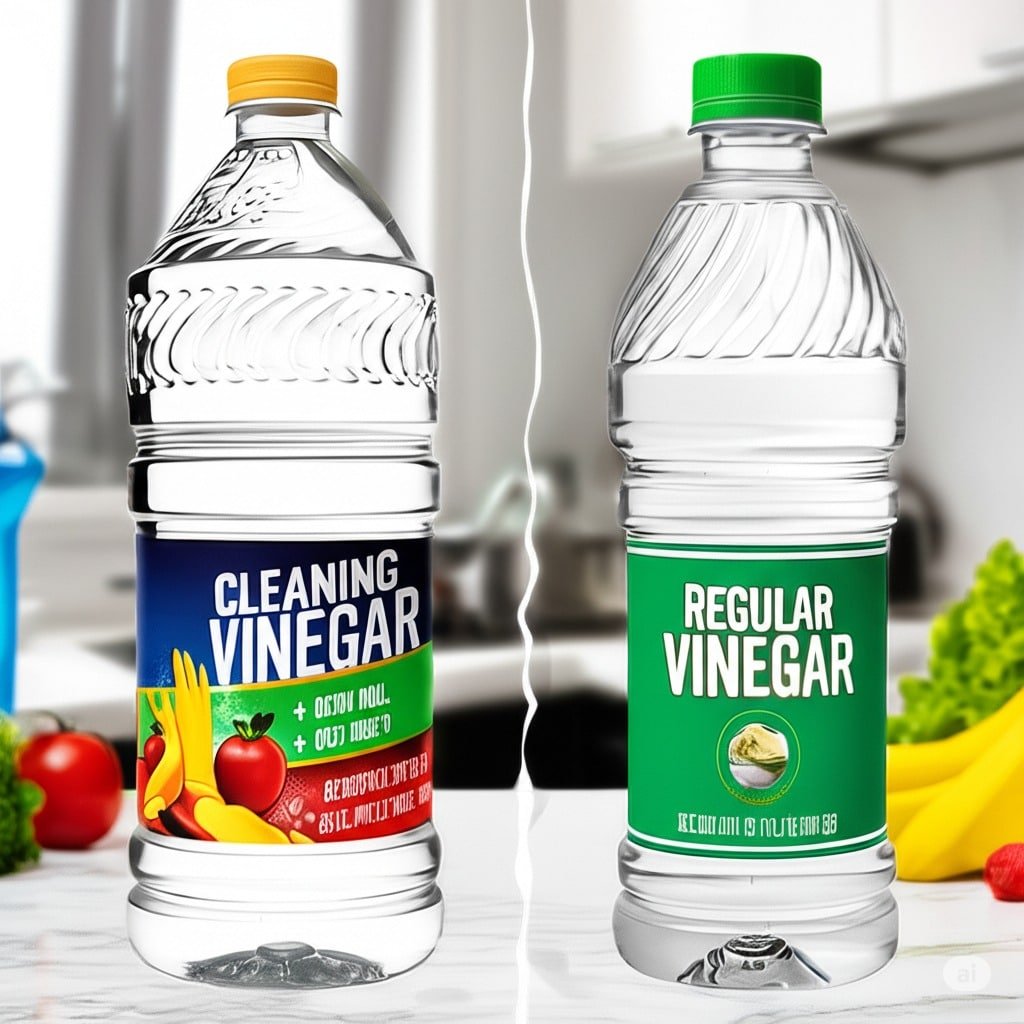
Walking down the cleaning aisle, you see it: a jug labeled “Cleaning Vinegar.” It sits near the all-purpose sprays and scouring powders, looking distinctly more industrial than its culinary cousin in the condiment aisle. The question arises naturally: is this just a marketing gimmick, or is there a real, functional difference between the vinegar you put on your salad and the one you use on your shower door? The answer is simple and significant. Yes, there is a difference, and understanding it is key to using this powerful natural cleaner safely and effectively. 1.Fermentation Process At its core, all vinegar is a solution of acetic acid and water. This acid is the active ingredient responsible for vinegar’s cleaning power. It’s created through a two-step fermentation process. First, yeast converts sugars from a plant source, like corn, apples, grapes, or grains, into alcohol. Then, a specific type of bacteria, Acetobacter, converts that alcohol into acetic acid. The final concentration of this acid is what separates one type of vinegar from another. Let’s first consider the familiar bottle of regular distilled white vinegar, a staple in pantries everywhere. This is the product most people grab when a cleaning recipe calls for vinegar. Standard white vinegar sold for culinary purposes in North America has a strictly regulated acidity level, typically containing 5% acetic acid. This percentage is not arbitrary; it’s a balance that makes it palatable and safe for consumption while still being effective for pickling, marinading, and creating salad dressings. Because it’s food-grade, it offers a distinct peace of mind when used for cleaning in kitchen environments. You can descale your coffee maker with it and know that any residue left behind is harmless. You can wipe down your countertops or clean your microwave, confident that you aren’t introducing harsh, inedible chemicals where you prepare your food. The 5% acidity of regular white vinegar is potent enough for a vast range of household cleaning tasks. Its acidic nature is excellent at breaking down and dissolving mineral deposits, which is why it works so well against hard water stains and scale buildup. When you run a cycle of vinegar and water through your coffee machine or kettle, the acetic acid goes to work on the calcium and magnesium deposits, dissolving them and flushing them away, improving the machine’s performance and the taste of your beverage. The same principle applies to cleaning shower heads clogged with scale or removing the white, chalky film that hard water leaves on glass shower doors and faucets. 2.Degreaser and Deodorizer Furthermore, regular vinegar is an effective degreaser and deodorizer. It cuts through light grease on stovetops and backsplashes. Its ability to neutralize alkaline odors makes it a fantastic solution for eliminating smells from garbage disposals, refrigerators, or musty laundry. A small bowl of vinegar left on a counter can absorb and neutralize unpleasant cooking odors overnight. As a rinse aid in the dishwasher, it helps break down soap residue and leaves glassware sparkling and spot-free. When used in laundry, a cup in the rinse cycle can act as a natural fabric softener, breaking down detergent buildup and leaving clothes feeling softer without a waxy coating. Its applications are broad, making it a true multi-purpose workhorse for general, everyday cleaning. Now, let’s turn our attention to the jug labeled “Cleaning Vinegar.” At first glance, it looks the same, a clear liquid, just like its culinary counterpart. The crucial difference, however, lies in its strength. Cleaning vinegar is formulated with a higher concentration of acetic acid, typically around 6% to 8%. While a jump from 5% to 6% might seem insignificant, it represents a 20% increase in acidic strength. This boost in potency makes it a more formidable opponent against tougher, more stubborn messes where regular vinegar might require more time or more scrubbing to be effective. This increased acidity means cleaning vinegar excels at heavy-duty jobs. It cuts through thick, caked-on soap scum in bathtubs and showers with noticeably more ease. It tackles severe hard water stains on glass and fixtures that have been building up for months. For homes with very hard water, cleaning vinegar can be the difference between a frustrating scrub session and a quick, satisfying wipe-down. It’s also more effective at cleaning neglected tile grout, its higher acidity helping to lift deep-set grime and mildew stains. Some people even use it as a more natural alternative to chemical herbicides for killing weeds that pop up in the cracks of driveways and sidewalks, as the stronger acid is more effective at desiccating the plant life. 3.Not For Consumption However, this increased power comes with important caveats, primarily concerning safety and surface compatibility. The most critical distinction is that cleaning vinegar is not produced to be food-safe. It is not intended for consumption, and it should never be used in cooking or food preparation. Its production is not regulated by food safety standards, and it may contain impurities not present in distilled white vinegar. The label will almost always include a warning: “Not for consumption.” The stronger concentration also means it releases more potent fumes. When using cleaning vinegar, especially in enclosed spaces like a bathroom, proper ventilation is not just recommended, it’s essential. Opening a window or running an exhaust fan helps to dissipate the strong acidic smell and prevents irritation to the respiratory system. For individuals with sensitivities, the fumes from cleaning vinegar can be overwhelming. It’s also more likely to cause skin and eye irritation upon direct contact. Wearing gloves is a wise precaution to protect your hands, and care should be taken to avoid splashing it into your eyes. The heightened acidity also increases the risk of damaging certain surfaces. While all vinegar should be used with caution on sensitive materials, cleaning vinegar requires even greater care. It should never be used on natural stone surfaces like marble, granite, travertine, or limestone. The acid, even when diluted, will etch and dull the surface, causing permanent damage. It’s also too harsh for unsealed

Cleaning Vinegar vs Regular Vinegar: Which One Should You Use? Read More »

August cleaning preparation

How To Prepare For August Cleaning: 7 Steps Fast and Easy

August cleaning is a specific kind of reset, the air in Toronto during August carries a distinct weight. This is the month where summer hits its peak just before beginning its slow retreat. Inside your home, the evidence of a season lived to its fullest is everywhere. Preparing for the August cleaning isn’t just about tidying; it’s about resetting the home after months of high activity and preparing it for the shift into autumn. The purpose of a dedicated August cleaning is to systematically remove the specific grime of summer and create a clean foundation for the indoor months to come. 1.HVAC A critical first step in any thorough August cleaning is addressing the air your family breathes. With windows open for weeks, allergens, city dust, and pollen have infiltrated every room. Your HVAC system has been in constant use, and its filter is the first line of defense. Changing it is a non-negotiable starting point for your August cleaning. A clogged, grey filter is not only inefficient but also circulates the very particles you want to remove. Once replaced, use a vacuum with a brush attachment to clean all intake and outtake vents. This foundational task sets the stage for the rest of your August cleaning, ensuring the air moving through your home is as clean as possible. 2.Windows and Doors Now, turn your attention to the windows and doors. The screens have been interceptors of bugs, leaves, and dirt all summer. A proper August cleaning demands they be removed and washed. A soft brush, mild soap, and a gentle spray from a garden hose will dislodge the grime. While they dry, focus on the window tracks and sills. These channels are graveyards for dust and insects. Vacuum the loose debris and use an old toothbrush to scrub the caked-on dirt. This level of detail is a hallmark of a successful August cleaning. Washing the glass, inside and out, on an overcast day will prevent streaking and let pristine light into your newly refreshed space. Completing this part of the August cleaning makes an immediate, visible difference to the brightness of your home. 3.The Floors The floors hold the story of summer. Sand from The Beaches, soil from the garden, and grass from the park have been ground into every surface. A deep floor treatment is non-negotiable for a proper August cleaning. For hard floors, a thorough mopping, perhaps even twice in high-traffic areas, is required to lift the settled-in dirt. For carpets and area rugs, this is the time for a deep extraction clean. Renting or owning a carpet cleaner is essential for this part of the August cleaning, as it pulls out the deep-set allergens and grit that a standard vacuum cannot reach. The murky water you dispose of is proof of the effectiveness of this task. Moving furniture to clean underneath is a vital step in a comprehensive August cleaning; the dust and lost items accumulated over three months need to be addressed. This aspect of the August cleaning removes the literal grit of the season from your home. 4.Fat in the Kitchen The kitchen August cleaning is a project in itself. The refrigerator has been a revolving door of summer treats and barbecue ingredients. Empty it completely. Wash all shelves and drawers in warm, soapy water. Wipe the interior with a food-safe cleaner, checking expiration dates as you go. The exterior and handles, covered in fingerprints, also need attention. Summer cooking often involves more frying and grilling, leaving a sticky film of grease on cabinets, the backsplash, and especially the range hood. A good degreaser is your best tool for this part of the August cleaning. Spray it on, let it work for a few minutes, then wipe clean. Don’t forget the hidden areas during your August cleaning; pull out the oven and stove to clean the sides and the floor underneath, which are magnets for crumbs and grease. This part of the August cleaning is about health as much as it is about aesthetics. 5.Sofa Cushion Your living room August cleaning should focus on soft surfaces where dust and dander settle. If your sofa cushion covers are machine-washable, now is the time to launder them. For all other upholstery, a meticulous vacuuming with the correct attachment is key. Go into every seam and crevice. For a deeper refresh, sprinkling baking soda over the fabric, letting it sit to absorb odors, and then vacuuming it up is a great technique to include in your August cleaning schedule. All throw blankets and pillows should be washed or cleaned according to their care tags. Dusting is another crucial element. Use a damp microfiber cloth to trap dust, not just move it. The goal of this August cleaning is to touch every surface, including the tops of picture frames, ceiling fan blades, and lamp shades. This comprehensive dusting is what makes an August cleaning so effective. Think of this as resetting the comfort zones of your home with your August cleaning. 6.Bathroom The bathroom August cleaning targets the buildup from summer humidity and increased traffic. Go beyond the basic wipe-down and scrub the grout lines on the floor and in the shower where soap scum and mineral deposits have accumulated. A paste of baking soda and vinegar is an effective, natural solution. Wash the shower curtain and its liner. The exhaust fan cover, likely caked with dust, should be removed and cleaned to ensure it can effectively pull moisture from the air. A successful August cleaning restores these high-use spaces to a state of hygienic freshness. Take the time to empty and wipe out medicine cabinets and vanities, organizing the contents as you go. 7.The Summer Gear A key part of the August cleaning process is managing the transition of seasonal items. The summer gear pool toys, beach chairs, inflatable rafts needs to be cleaned, deflated, and stored properly to protect it for next year. The barbecue grill deserves a deep clean after a season of heavy

How To Prepare For August Cleaning: 7 Steps Fast and Easy Read More »

housekeeper

What Is A Housekeeper – 3 Reasons Why You Should Hire

A housekeeper is far more than just someone who cleans your home. While the primary image that comes to mind might be someone with a vacuum or a dust cloth, the reality of a professional housekeeper’s role is much broader, encompassing a comprehensive approach to home management and the overall well-being of a living space. They are individuals entrusted with maintaining the order, cleanliness, and functionality of a household, often serving as a crucial backbone for busy individuals and families. It’s about creating and sustaining an environment where you can truly thrive, not just exist. Think of a housekeeper not as a visitor who performs a single task, but as a dedicated manager of your domestic environment. Their responsibilities extend well beyond surface-level tidiness. They delve into the intricate details of what makes a house feel like a home  a place of comfort, peace, and efficiency. This often includes a wide array of duties that can be customized to suit specific household needs, but generally covers everything from meticulous cleaning to organizational tasks and even light household management. They are experts in ensuring that every corner of your home is not just clean, but cared for, reflecting an understanding of proper maintenance and the nuances of different materials and surfaces. 1.Light and Heavy Cleaning For instance, their cleaning duties are exhaustive. This isn’t just a quick sweep or a superficial wipe-down. A professional housekeeper engages in deep cleaning protocols for kitchens and bathrooms, sanitizing surfaces, scrubbing grout, polishing fixtures, and ensuring these critical areas are hygienic and sparkling. They handle floor care with precision, knowing the right methods for hardwood, tile, carpet, or laminate, ensuring longevity and shine. Dusting isn’t limited to visible surfaces; it extends to baseboards, light fixtures, ceiling fans, blinds, and intricate decor, preventing the buildup of allergens and maintaining a fresh atmosphere. Vacuuming and mopping are performed thoroughly, reaching under furniture and into corners that are often overlooked in daily tidying. Laundry management is also a common duty, involving washing, drying, folding, ironing, and putting away clothes, linens, and towels, ensuring that your wardrobe and household textiles are always fresh and ready. They make beds with an eye for detail, turning a simple chore into an act of creating a welcoming sanctuary. Beyond the immediate act of cleaning, a housekeeper is also an organizational wizard. They help in reducing clutter, creating systems for storage, and maintaining order in common areas, closets, and pantries. This proactive approach to organization means less time spent searching for items and more time enjoying a harmonious living space. They might assist with tidying up children’s play areas, ensuring toys are stored properly, or organizing bookshelves and filing systems. It’s about creating a flow in the home that makes daily living smoother and less stressful. This often involves an intuitive understanding of how a household operates and anticipating what areas might become disorganized, intervening before chaos takes hold. Furthermore, a housekeeper often takes on light household management responsibilities. This can include managing household supplies, ensuring that cleaning products, toiletries, and even certain pantry staples are always stocked. They might run light errands, such as dropping off dry cleaning or picking up groceries. For homes with pets, they might assist with basic pet care, like feeding or tidying up pet areas. They can also oversee plant care, ensuring your indoor greenery thrives. In some cases, especially in larger homes, a housekeeper might coordinate with other service providers, such as plumbers, electricians, or gardeners, ensuring maintenance schedules are met and issues are addressed promptly. They act as a central point of contact, ensuring the home functions like a well-oiled machine, even when you are not present to manage every detail yourself. The distinction between a “cleaner” and a “housekeeper” is critical. A cleaner typically comes for a few hours, performs specific cleaning tasks, and then leaves. Their focus is solely on the immediate cleanliness of the space. A housekeeper, on the other hand, often has a more encompassing and ongoing relationship with the household. They are involved in the continuous upkeep, proactive organization, and management of the home’s daily rhythm. They build an intimate understanding of the home’s needs, its inhabitants’ preferences, and the specific routines that keep everything running smoothly. This level of dedication and involvement fosters a deeper sense of trust and partnership, where the housekeeper becomes an invaluable asset to the household’s operational efficiency and overall peace. 2.Making Up For Lost Time So, why should you consider hiring a housekeeper? The reasons are multifaceted and profoundly impactful on your daily life. Primarily, it’s about reclaiming your time. In today’s fast-paced world, time is arguably our most precious commodity. Juggling demanding careers, family responsibilities, social obligations, and personal pursuits leaves very little room for the arduous and often relentless demands of household chores. The hours spent on cleaning, organizing, and maintaining a home can quickly accumulate, eating into weekends, evenings, and any potential moments of relaxation. Hiring a housekeeper liberates these hours, allowing you to dedicate them to activities that genuinely enrich your life – spending quality time with loved ones, pursuing hobbies, engaging in personal development, exercising, or simply enjoying uninterrupted rest. Imagine coming home after a long day not to a list of chores, but to a clean, organized, and welcoming sanctuary, ready for you to unwind. This isn’t just about saving time; it’s about investing in your personal well-being and life satisfaction. Beyond time, hiring a housekeeper significantly reduces stress and mental load. The burden of an untidy or disorganized home can weigh heavily on one’s mind, creating a constant hum of anxiety and guilt. The mental energy expended on planning cleaning schedules, remembering what needs to be done, or feeling overwhelmed by accumulated mess is immense. A housekeeper takes this entire burden off your shoulders. The peace of mind that comes from knowing your home is being professionally cared for, consistently and thoroughly, is immeasurable. It eliminates potential arguments or frustrations over chore distribution in shared living spaces and

What Is A Housekeeper – 3 Reasons Why You Should Hire Read More »

Island Cleaning Supplies: The Ultimate Guide for a Sparkling Space

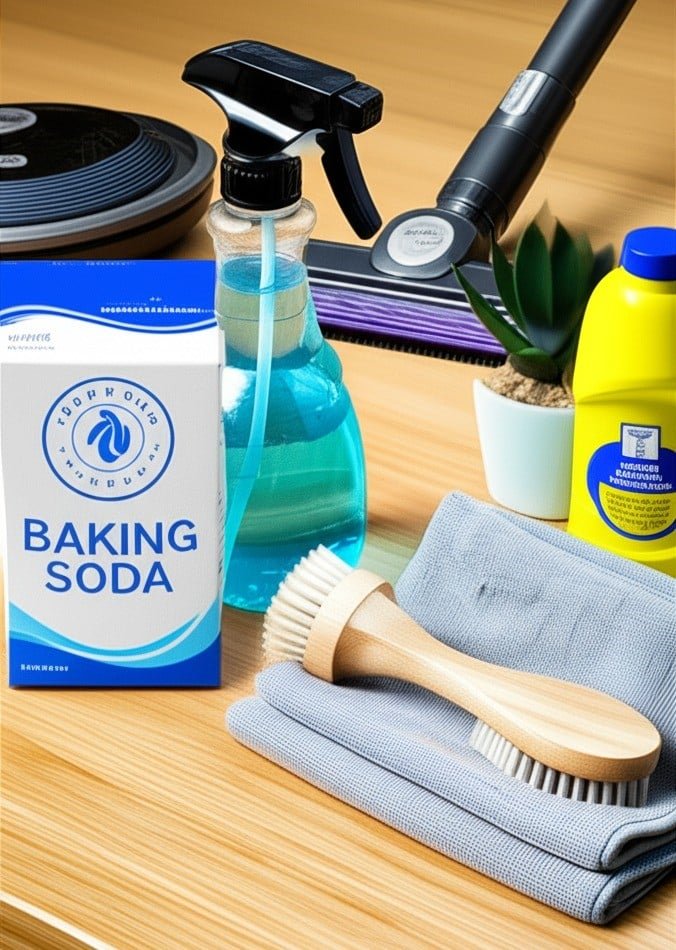
A cleaning cart should function as a self-sufficient ecosystem for island cleaning. This is the fundamental principle of island cleaning. The goal is to create a compact, portable kit that can tackle any common mess without requiring constant trips back to a supply closet overflowing with specialized, single-use products. This island cleaning approach isn’t about deprivation; it’s about efficiency. It prioritizes versatile tools and a deep understanding of how they work, saving space, time, and money. A well-executed island cleaning strategy means you’re always prepared, with a lean yet powerful arsenal ready for immediate deployment. This philosophy transforms cleaning from a scattered, reactive task into a streamlined, proactive process. 1.Indispensable The absolute foundation of any island cleaning kit is not a chemical, but a textile: the microfiber cloth. To underestimate the power of high-quality microfiber is to misunderstand the fundamentals of effective cleaning. A robust stack of these cloths is the most versatile component in your entire setup. Their composition of millions of fine, split fibers creates an immense surface area that grabs and traps dust, grime, and bacteria with an almost magnetic force. Unlike cotton rags that merely push dirt around, microfiber lifts and removes it from the surface. These cloths are also incredibly absorbent, capable of holding up to seven times their weight in liquid, which makes them superior for drying surfaces without leaving behind streaks or lint. A proper island cleaning inventory should include several types. General-purpose cloths are the daily workhorses. Glass and polishing cloths possess a tighter, smoother weave for a flawless finish on mirrors, windows, and chrome fixtures. Waffle-weave cloths are excellent for soaking up larger spills or drying dishes. Owning a dozen or more, color-coded for different rooms (e.g., blue for glass, green for kitchen, red for bathroom), prevents cross-contamination and is a cornerstone of a smart island cleaning system. 2.Spray Bottle With textiles in place, the next necessity is a proper vessel. A professional-grade, chemical-resistant spray bottle is a non-negotiable tool. The cheap, flimsy bottles from the dollar store will fail you; their triggers will stick and their nozzles will clog. Investing in one or two high-quality bottles with adjustable nozzles gives you complete control over your cleaning solutions. You can switch from a fine, wide mist for damp-dusting a delicate surface to a concentrated stream for targeting stubborn grout lines. This level of control is essential for efficient island cleaning. Alongside the bottle, a set of reliable brushes provides the necessary mechanical force. A simple, palm-held dish brush with durable nylon bristles is the starting point, perfect for scrubbing sinks and countertops. For more demanding jobs, a dedicated grout brush with a narrow profile and stiff bristles is indispensable for attacking tile lines, tracks, and tight corners. 3.White Vinegar Now we address the liquids, the true multi-taskers of the island cleaning philosophy. The first and most vital is simple white distilled vinegar. Its power is rooted in its acidity. The acetic acid in vinegar is brilliant for dissolving the mineral deposits found in hard water stains on faucets, shower heads, and inside coffee makers. Diluted with water in a spray bottle, it becomes an exceptional glass cleaner, cutting through grime and evaporating without leaving streaks. It’s also a natural and effective deodorizer, neutralizing odors rather than just masking them with fragrance. A small bowl of vinegar left in a smoky or food-scented room will absorb the unwanted smells. Its mild acidity also lends it disinfecting properties, making it a safe choice for many kitchen surfaces. The one critical exception is its use on natural stone like marble, granite, or travertine, as the acid will etch and permanently dull the finish. Understanding this limitation is part of mastering the island cleaning approach. 4.Dish Soap The second essential liquid is a quality dish soap, specifically one known for its potent degreasing formula. Dish soap is a surfactant, meaning it breaks down the surface tension of water, allowing it to mix with and lift away oils and grease. This property is useful far beyond the sink. A few drops mixed with warm water in a spray bottle creates a universal, all-purpose cleaner that is safe and effective on nearly any surface, including sealed wood floors, painted walls, countertops, and cabinets. It can be used to pretreat greasy stains on laundry or upholstery. For heavily caked-on grease on a stovetop, applying a thin layer of dish soap and letting it sit for ten to fifteen minutes will soften the grime, making it easy to wipe away. This gentle yet powerful action makes dish soap a non-negotiable component for true island cleaning. 5.Isopropyl Alcohol The third liquid that completes the primary arsenal is isopropyl alcohol, or rubbing alcohol, at a 70% concentration. Alcohol is both a powerful solvent and a fast-acting disinfectant. Its defining characteristic is its rapid evaporation rate. This makes it the perfect solution for cleaning stainless steel appliances, which are notoriously prone to streaking. A spray of 50/50 alcohol and water, wiped with a clean microfiber cloth, will lift fingerprints and grime and evaporate almost instantly, leaving a flawless, polished shine. It is also the ideal cleaner for electronics like keyboards, remote controls, and phones, as it disinfects effectively without the risk of moisture damage. This completes the liquid trifecta of any serious island cleaning caddy. 6.Baking Soda With liquids established, we turn to powders, which provide the abrasive force that chemicals alone cannot. The gentlest and most versatile of these is sodium bicarbonate, better known as baking soda. As a mild alkali and a fine, soft abrasive, it is the perfect scrubbing agent for surfaces you do not want to scratch, such as porcelain sinks, fiberglass tubs, and enamel cookware. Sprinkled directly onto a damp sponge or surface, it provides just enough grit to lift away stains and buildup. It can be mixed with a small amount of water to form a powerful scrubbing paste for tackling burnt-on food on stovetops or inside ovens. Like vinegar, it is also a fantastic deodorizer. An open box in the refrigerator absorbs ambient odors, while sprinkling it on

Island Cleaning Supplies: The Ultimate Guide for a Sparkling Space Read More »

Organizing a Small Kitchen

Organizing a Small Kitchen in 5 Easy Steps

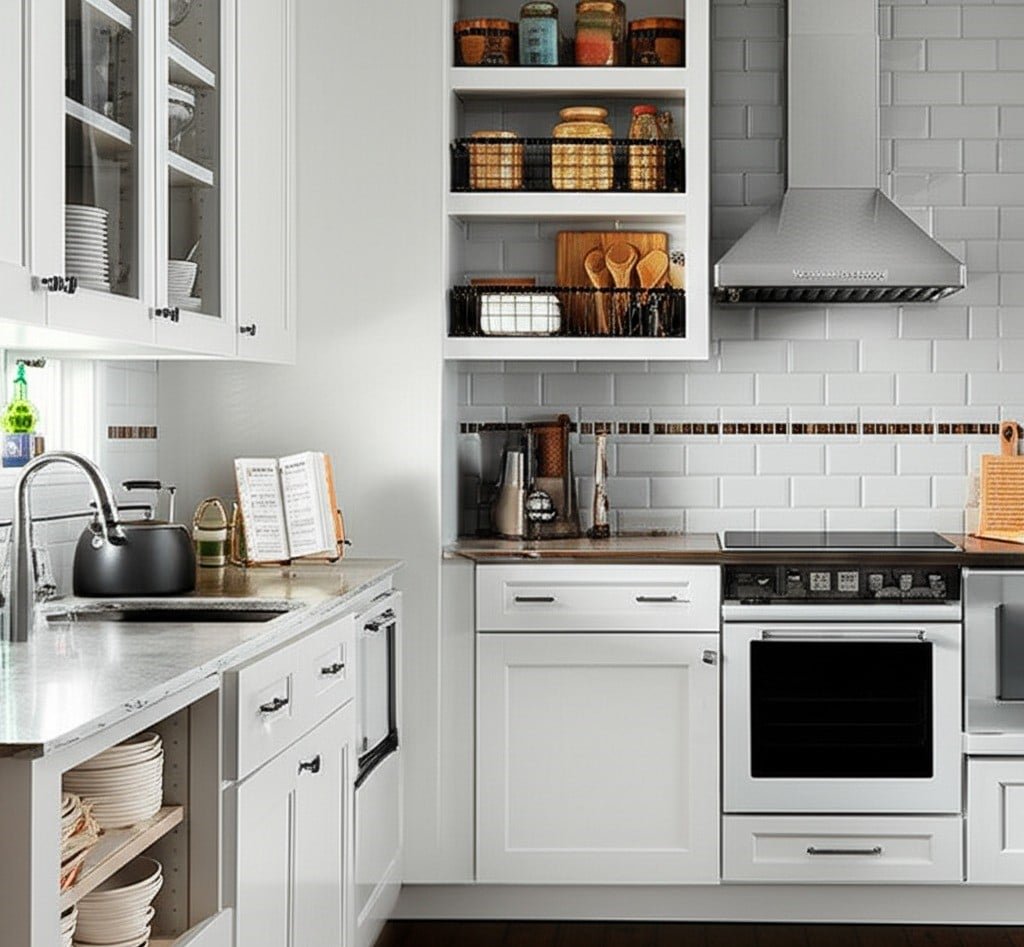
A small kitchen demands a different mindset. It is not about lack of space, but about inefficient use of it. The primary goal in organizing a small kitchen is to create a highly functional workspace where every item is accessible and every movement has a purpose. This process begins not with a trip to a container store, but with a critical and unsentimental evaluation of everything you own. 1.Everyday Items Your countertops are the most valuable real estate in your small kitchen. They must be cleared. Remove every single item, from appliances to utensil crocks and decor. The only items that should earn their place back are those used multiple times every single day. For most, this means a coffee maker or an electric kettle, and perhaps a knife block if you cook daily. The toaster, the blender, the stand mixer these items, if used only weekly, must be housed in an easily accessible cabinet. If used monthly or for special occasions, they belong on a higher shelf or in a different storage area altogether. A small kitchen cannot afford to have its limited counter surfaces function as a storage shelf. Once cleared, clean the surfaces thoroughly. This clear, open space is your new baseline, the standard to which you will return after every use. Now, you must address your cabinets and drawers, one by one. Do not attempt to shuffle items around. Empty the entire contents of a single cabinet onto your cleared counter. This physical act forces a reckoning with each object. Group all like items together: all the mugs, all the drinking glasses, all the dinner plates. The redundancy will become immediately apparent. A household of two or three people does not require twenty mugs. In a small kitchen, such excess is a critical error. Select the best six or eight, the ones you genuinely love and use, and pack the rest for donation. Apply this same ruthless logic to your plates, bowls, and glassware. Discard anything that is chipped, cracked, or stained. This is non-negotiable in a small kitchen, where every item must be perfectly functional. 2.Conteiners Pay special attention to food storage containers. This is a common point of chaos in any kitchen, but it is catastrophic in a small kitchen. Match every single container to its corresponding lid. Any container without a lid, or any lid without a container, must be discarded. Any container that is warped, stained, or retains a food odor must also go. Investing in a single, uniform set of glass or plastic containers that nest and stack will reclaim an astonishing amount of cabinet space. The efficiency gained by using square or rectangular containers over round ones in the tight confines of a small kitchen cabinet cannot be overstated. 3.Kitchen Utensils Next, attack the utensil drawers. Empty everything out. Separate your everyday flatware forks, knives, spoons from the larger cooking tools and single-purpose gadgets. Analyze your tools with a critical eye. You do not need four different vegetable peelers or three separate can openers. Keep the best one or two of each essential tool and donate the duplicates. The vast collection of specialized gadgets, from apple corers to garlic presses, needs to be questioned. If you haven’t used it in six months, you likely won’t miss it. These items are space thieves in a small kitchen. A simple expandable bamboo or plastic drawer divider is essential for keeping cutlery organized and separate. For larger tools, a deep drawer with vertical dividers or a slim utensil crock (if you have the counter space) can work. The goal is to eliminate the tangled mess that makes finding the right tool a frustrating search. The pantry area, whether it is a dedicated closet or a few food cupboards, requires the same systematic approach. Remove every can, box, and bag. Check every single expiration date and discard anything that is past its prime without a second thought. Be honest about the food you will actually eat. That tin of specialty artichoke hearts or bag of quinoa you bought with good intentions a year ago? If you haven’t used it by now, donate it to a food bank while it’s still in date. The transformation of a small kitchen pantry comes from decanting. Remove grains, pastas, cereals, sugars, and flours from their bulky, inefficient original packaging. Transfer them into clear, airtight, stackable containers. This not only protects your food but allows you to see your inventory at a glance and creates a modular, space-saving system. Label every container clearly with its contents and the date it was opened or its expiration date. This structured system is vital for managing inventory in a small kitchen. With the purge complete, you can redesign your small kitchen based on workflow and function. Create zones. The area immediately surrounding your stove is your cooking zone. The cabinets and drawers here should hold your pots, pans, baking sheets, cooking oils, and most-used spices. The area around the sink is the cleaning zone. Store dish soap, sponges, dishwasher detergent, and trash bags under the sink. The section of counter with the most open space is your preparation zone. The drawers and cabinets here should contain your cutting boards, mixing bowls, measuring cups, and knives. Finally, establish a storage zone for everyday dishes and cutlery, ideally located near the dishwasher or drying rack to make unloading a quick and simple task. A well-designed small kitchen feels intuitive because everything is right where you need it. 4.Maximizing Space Now, focus on maximizing the volume of the space you have. Think vertically. The empty air between shelves is wasted space. Use under-shelf baskets that hang from the shelf above to create a second tier for small, flat items. Use stackable shelf risers to double the storage surface within a single cabinet, allowing you to store bowls on top and plates underneath without having to unstack everything. The limited cabinet space in a small kitchen makes this vertical strategy essential. Use your walls. A

Organizing a Small Kitchen in 5 Easy Steps Read More »

summer deep cleaning

Why Summer Is The Best Season To Do a Deep Cleaning At Home

Why Summer Is the Best Season for Home Deep Cleaning Summer brings longer days, warmer temperatures, and a natural opportunity to refresh your home. A home deep cleaning in summer is easier, faster, and more effective than at any other time of year. Open windows create cross-breezes, bright sunlight reveals grime that stayed hidden all winter, and warm air dries carpets and upholstery quickly. If you have been putting off a thorough clean, these summer advantages make now the right moment to start. 1. Better Ventilation Dries Surfaces Faster Ventilation is the biggest advantage of summer deep cleaning. When windows and doors stay open, fresh air quickly clears the fumes from cleaning products, so the process is more comfortable and safer. Moisture from mopping floors, steam cleaning carpets, or washing upholstery dries fast, and rapid drying prevents mold and mildew, which thrive in damp, stagnant spaces. The CDC’s mold prevention guidance stresses controlling moisture, and summer airflow makes that much easier than in winter, when closed windows trap dampness. 2. Sunlight and Warmth Boost Cleaning Power Sunlight is a natural disinfectant. Its ultraviolet rays kill bacteria and other microorganisms on surfaces, which is especially useful after months of closed-up rooms. Bright summer light also shows dirt that stays invisible in dim conditions: window streaks, wall smudges, and dust in corners all become obvious, so you clean more thoroughly. Warm temperatures help cleaning solutions break down grease and grime with less scrubbing, which means less product and less effort. The CDC’s cleaning and disinfecting guidance is a useful reference for building a healthy routine around these conditions. 3. Take Cleaning Outdoors Summer lets you extend the cleaning zone beyond the house. Rugs can be beaten and aired in the sun, cushions scrubbed and left to dry quickly, and mattresses refreshed with a few hours of sun exposure. Patios, decks, outdoor furniture, and BBQ grills collect grime all year, and warm water plus a hose makes them manageable now. Cleaning these spaces flows naturally into a deeper clean of the indoor areas beside them, creating a seamless reset from the interior to the exterior of your home. 4. Tackle Basements, Garages, and Closets Attics, basements, garages, and closets are less inviting in cold months. Summer warmth makes it comfortable to sort, declutter, and clean them, and items can be carried outside for cleaning or disposal. Clothing can be aired out, seasonal items laundered and stored, and closet shelves wiped down and organized without the rush of cooler weather. 5. Improve Indoor Air Quality Before Fall After a long, closed-up winter, dust, allergens, and stagnant air accumulate in the home. A comprehensive summer deep clean removes dust mites, pet dander, and other pollutants, which supports healthier indoor air quality as the cooler months approach and windows are sealed again. Health Canada notes that indoor air can hold contaminants that build up in tightly closed homes, so a seasonal reset makes a real difference. A practical summer deep cleaning plan covers the tasks that benefit most from warm, dry weather: Wash windows and screens, and let them dry in the sun Steam clean carpets and upholstery with windows open and fans running Scrub patio furniture, decks, and BBQ grills with a hose Beat and air rugs, cushions, and mattresses outdoors Declutter and wipe down the basement, garage, and closets Dust air conditioning units and vents while the weather is dry Task Why Summer Helps Windows and screens Streaks dry clear and screens dry fast in the sun Carpets and upholstery Open windows and fans speed drying and prevent musty odors Patio and deck Warm water and a hose make grime easy to remove Basement and garage Comfortable to work in, and items can be aired outside AC units and vents Dry weather suits dusting and maintenance When to Call a Professional Deep Cleaning Service Even with perfect summer conditions, a full home deep cleaning takes hours of strenuous work. Toronto Shine Cleaning handles the job with trained cleaners, professional equipment, and a systematic checklist, and the company is bonded and insured. Book a home deep cleaning for a thorough refresh, add regular maid service to keep it that way, review cleaning prices, or check whether we serve your neighbourhood in the GTA. Call (647) 424-0355 to book. Why is summer better than spring for deep cleaning? Summer offers longer daylight, warmer temperatures, and the ability to open windows wide. Moisture dries faster, cleaning products work better in warmth, and you can move rugs, cushions, and furniture outdoors. Spring often stays cool and damp, which slows drying and can leave carpets and upholstery at risk of mildew. Can sunlight really disinfect surfaces? Yes. The ultraviolet rays in sunlight kill bacteria and other microorganisms on surfaces, which is why airing rugs, cushions, and mattresses in direct sun is a traditional and effective practice. Sunlight also reveals dirt and streaks that are hard to see in dim winter light. How do I prevent mold after cleaning with water? Dry everything quickly. Open windows and doors for a cross-breeze, run fans, and use a dehumidifier in damp areas like basements. The CDC recommends controlling moisture to prevent mold, and summer ventilation makes that much easier than in winter. Does Toronto Shine Cleaning offer summer deep cleaning? Yes. Toronto Shine Cleaning provides professional deep cleaning across the GTA, and summer is a great time to book because windows can stay open while the team works. Call (647) 424-0355 or request a quote online, and the team brings all supplies and equipment.

Why Summer Is The Best Season To Do a Deep Cleaning At Home Read More »

Labeling Kitchen Items – 4 Easy and Fast Tips

Kitchen product labeling is not merely a formality; it is a critical pillar of safety, health, and efficiency in any space where food is prepared, stored, or cleaned. The seemingly small details printed on a package or affixed to a container carry immense weight, guiding decisions that impact well-being, prevent waste, and ensure smooth operations. Without clear, accurate labeling, a kitchen, whether professional or domestic, quickly descends into a realm of uncertainty and potential hazards. 1.Food Allergies Consider the immediate and profound impact on safety. Allergens, for instance, represent a constant, invisible threat without proper labeling. For individuals with severe food allergies to peanuts, tree nuts, dairy, gluten, soy, eggs, fish, or shellfish, the absence of explicit allergen warnings on food packaging can mean the difference between a safe meal and a life-threatening anaphylactic shock. This isn’t just about avoiding discomfort; it’s about preventing medical emergencies. Labels clearly state “contains” or “may contain” information, allowing consumers to make informed choices that protect their health. This responsibility extends beyond the original packaging. Once a product is opened and transferred to another container, or if ingredients are portioned out, the new container must be meticulously labeled with its contents and, crucially, any allergen information relevant to those ingredients. Imagine a kitchen where flour is stored next to gluten-free flour without distinction, or where sugar is confused with salt; such errors are not just inconvenient but can render food inedible or, worse, dangerous. 2.Validity Data Expiry dates and best-before dates are another fundamental safety component. These dates are not arbitrary; they are meticulously determined by manufacturers based on product stability and safety. Consuming food past its expiry date significantly increases the risk of foodborne illnesses, ranging from mild digestive upset to severe bacterial infections like salmonella or E. coli. Labels on perishable items like dairy, meats, and prepared foods dictate the window within which they are safest to consume. For shelf-stable goods, a best-before date indicates optimal quality rather than immediate danger, but ignoring it can still lead to diminished taste, texture, and nutritional value. The absence of these dates, or their illegibility, creates a guessing game, leading to either unnecessary waste due to premature disposal or dangerous consumption of spoiled goods. Effective labeling ensures that a rotation system, like “First-In, First-Out” (FIFO), can be accurately implemented, minimizing spoilage and optimizing inventory. 3.Cleaning Products Beyond food, the kitchen is also home to various cleaning products, each with its own set of risks and specific usage instructions. A cleaning product label is a comprehensive safety manual. It details active ingredients, potential hazards (corrosive, irritant, flammable), and crucial first aid measures in case of accidental contact or ingestion. It specifies appropriate personal protective equipment (gloves, eye protection), ventilation requirements, and compatible surfaces. Using the wrong cleaner on a surface, applying an undiluted concentrate, or mixing incompatible chemicals can lead to damage to kitchen surfaces, toxic fumes, or even explosive reactions. Imagine mistaking a strong oven cleaner for a dish soap; the consequences could be severe for both the user and the kitchen environment. Clear, persistent labeling on these products is not merely a recommendation; it is an absolute necessity for safe handling and preventing chemical burns, respiratory issues, or other serious injuries. Nutritional information on food labels serves a vital health function. For many, dietary choices are not just about taste but about managing chronic health conditions like diabetes, heart disease, or hypertension. The nutrition facts panel provides detailed breakdowns of calories, fats, carbohydrates, sugars, sodium, and protein, empowering individuals to make informed decisions that align with their specific health needs or dietary goals. Labels also list vitamins and minerals, helping to identify nutrient-dense options or potential deficiencies. Without this information, individuals are left guessing, making it incredibly difficult to maintain a balanced diet or adhere to medically advised restrictions. Furthermore, ingredient lists are crucial for those avoiding specific components for ethical reasons, such as animal products for vegans, or for those with sensitivities to certain additives, preservatives, or artificial colors. The transparency provided by comprehensive labeling fosters trust and enables consumers to exercise genuine autonomy over what they consume. 4.Storage Proper storage instructions, frequently found on labels, are essential for maintaining food quality and preventing spoilage. Labels dictate whether a product requires refrigeration, freezing, or pantry storage, and often specify conditions like “store in a cool, dry place away from direct sunlight” or “refrigerate after opening.” These instructions are not arbitrary suggestions but are based on scientific understanding of how different ingredients react to temperature, light, and air exposure. Ignoring these guidelines can lead to rapid degradation of food quality, nutrient loss, and bacterial growth. An opened jar of sauce, for instance, might have a short “use within X days of opening” recommendation due to increased exposure to air and potential contaminants. Labeling ensures that these critical details are not overlooked, extending the useful life of food and preventing unnecessary waste. Efficiency in a kitchen, particularly in a professional setting, relies heavily on organized processes, and labeling is central to this. Knowing exactly what is in every container, when it was prepared, and when it expires streamlines inventory management, reduces preparation time, and minimizes cross-contamination risks. For dry goods like spices, flours, or grains, labeling prevents mix-ups that could ruin a dish or, again, pose an allergen risk. Imagine a busy kitchen without labels on containers of baking soda and baking powder; the subtle difference could lead to a collapsed cake or an inedible one. Even for homemade items like sauces, stocks, or prepped vegetables, clear labels indicating content and date of preparation are indispensable for maintaining freshness and ensuring proper rotation. This not only saves money by preventing spoilage but also saves time by eliminating guesswork. The legal and regulatory framework underpinning product labeling underscores its importance. Governments worldwide mandate specific labeling requirements for food and cleaning products to protect consumers. These regulations cover everything from ingredient disclosure and nutritional information to allergen warnings and handling instructions. Manufacturers are legally obligated to

Labeling Kitchen Items – 4 Easy and Fast Tips Read More »