Kitchen Cleaning

Dangerous to Your Health: 5 Common Products That are Dangerous For Your Daily Life

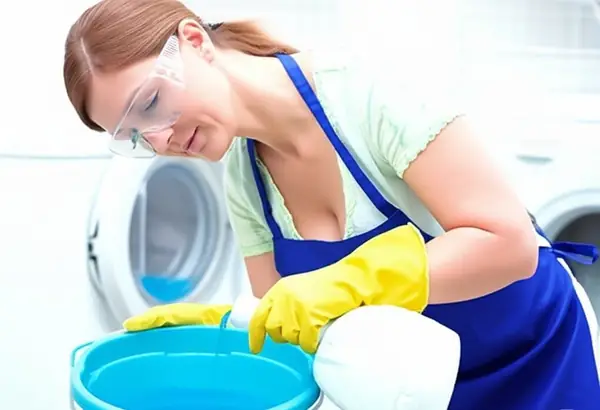
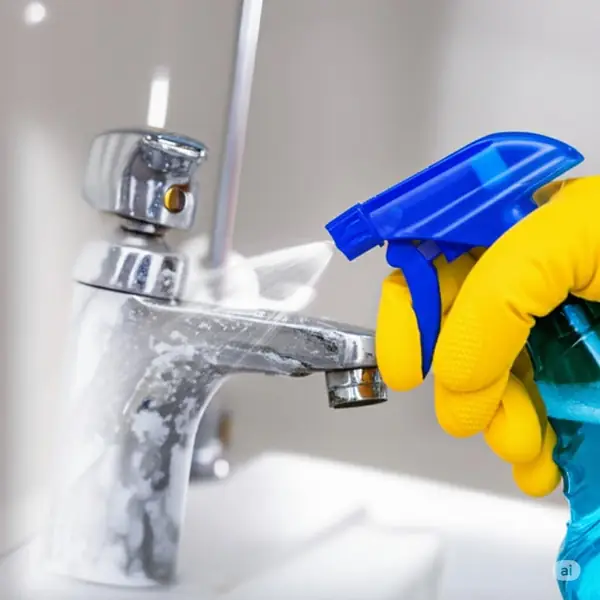
What would be dangerous to your health? The modern home is often viewed as a sanctuary, a controlled environment where we retreat from the pollution and chaos of the outside world. We scrub, spray, and polish surfaces with the intention of creating a safe, hygienic space for our families. However, there is a profound irony hidden within the cabinets under our sinks. In our aggressive pursuit of cleanliness, we have introduced a chemical arsenal that often makes the air inside our homes significantly more toxic than the air outside. The products we trust to sanitize our countertops and brighten our floors are frequently composed of volatile compounds that are potentially dangerous to your health. Understanding the chemistry of these common household items is the first step in dismantling the dangerous myth that a strong chemical smell equates to a clean home, when in reality, it often signals the presence of toxins. 1.Sodium Hypochlorite The most ubiquitous and perhaps most misunderstood chemical in the cleaning arsenal is sodium hypochlorite, commonly known as bleach. It is the default weapon for many when tackling mold, mildew, or bathroom grime. The risk of bleach lies not just in its corrosive nature, which can burn skin and eyes upon contact, but in its respiratory impact. Bleach is highly volatile. When used in a confined space like a shower or a small bathroom, the fumes react with organic matter to create chlorinated volatile organic compounds that are dangerous to your health, especially if you suffer from respiratory issues. inhaling these fumes causes immediate irritation to the mucous membranes of the throat and lungs. Furthermore, the chemical instability of bleach leads to one of the most common and deadly household accidents: the mixing of cleaners. If bleach is mixed with ammonia—which is found in urine and many glass cleaners—it produces chloramine gas. If mixed with acidic cleaners, it releases chlorine gas. Both of these reactions create an immediate atmospheric condition that is acutely dangerous to your health, leading to hospitalization or worse. 2.Ammonia Ammonia itself is another staple that warrants extreme caution. It is the primary active ingredient in many glass and window cleaners due to its ability to evaporate quickly without streaking. However, ammonia is a powerful irritant. Upon inhalation, it seeks out moisture, meaning it aggressively attacks the eyes, the throat, and the lungs. High concentrations of ammonia are dangerous to your health, causing chemical burns to the respiratory tract and exacerbating chronic conditions like asthma. The risk is compounded by the method of application. Most ammonia products are sold in spray bottles. When the trigger is pulled, the chemical is aerosolized into a fine mist. This mist hangs in the breathing zone, ensuring that the person cleaning inhales a significant dose with every breath. The distinct, sharp odor of ammonia is a warning signal from the body that the environment has become dangerous to your health, yet many push through the discomfort under the false impression that the pain is necessary for cleanliness. 3.Fragrance or Parfum Beyond the obvious corrosives, there is a silent and pervasive threat hiding in almost every bottle: fragrance. The word “fragrance” or “parfum” on an ingredient label represents a regulatory loophole. It is considered a trade secret, meaning manufacturers are not required to list the hundreds of specific chemicals that make up their signature scent. Within this chemical cocktail, one often finds phthalates. Phthalates are a group of chemicals used to make scents last longer, but they are also known endocrine disruptors. They mimic hormones in the body, potentially interfering with reproductive development, making them subtly but profoundly dangerous to your health over the long term. When you spray a lemon-scented counter spray or plug in a floral air freshener, you are releasing these compounds into the air. They settle on surfaces, are absorbed through the skin, and are inhaled into the bloodstream. 4.Air Fresheners and Fabric Deodorizers Air fresheners and fabric deodorizers are particularly egregious offenders in this category. These products do not clean; they coat. Many air fresheners work by releasing a nerve-deadening agent that temporarily interferes with your ability to smell, or by coating the nasal passages with an oily film. Others simply overload the air with volatile organic compounds (VOCs) to mask the underlying odor. These VOCs contribute to poor indoor air quality, leading to headaches, dizziness, and fatigue. The use of aerosol sprays adds another layer of risk, as the propellants themselves can be flammable and irritating to the lungs, making the very act of freshening the room dangerous to your health. Using these products is essentially solving a hygiene problem with a pollution problem, replacing a bad smell with a toxic chemical cloud. 5.Oven Cleaners and Drain Openers The heavy artillery of kitchen cleaning, oven cleaners and drain openers, represents the most immediate physical danger. Oven cleaners are typically formulated with lye (sodium hydroxide), a caustic substance that dissolves baked-on grease by turning it into soap. This chemical is so corrosive that it can cause permanent blindness if it splashes into the eyes and severe chemical burns on the skin. The fumes generated when spraying a cold oven are bad enough, but many people make the mistake of spraying the cleaner onto a warm oven. This vaporizes the lye, creating a toxic cloud that fills the kitchen and is immediately dangerous to your health upon inhalation. Similarly, drain openers rely on concentrated sulfuric acid or lye to burn through hair and grease clogs. These chemicals generate intense heat and can damage old pipes, but the health risk to the user is paramount. If the product fails to clear the clog and a plumber later tries to snake the drain, the splashing backwash creates a scenario that is physically dangerous to your health. 6.Quats In the post-pandemic world, the use of quaternary ammonium compounds, or “quats,” has exploded. These are the active ingredients in most disinfectant wipes and sprays. While effective at killing bacteria and viruses, quats are powerful lung irritants. There is growing evidence to suggest that frequent exposure to quats

Dangerous to Your Health: 5 Common Products That are Dangerous For Your Daily Life Read More »

Baseboard Heaters routine day

Baseboard Heaters: The Step-by-Step Heater Cleaning Routine

Baseboard heaters are the silent, often ignored workhorses of residential heating. In many regions, particularly in older apartments and homes where retrofitting ductwork for forced air is structurally impossible, these metal units are the primary source of warmth. They sit unobtrusively at the floor level, usually beneath windows, occupying a visual blind spot that allows them to be easily disregarded until the first cold snap of autumn arrives. It is in that moment, when the thermostat is finally turned up, that the distinct, acrid scent of burning dust fills the room, signaling months of neglect. This smell is not merely a nuisance; it is the olfactory evidence of a system that is choked, inefficient, and potentially dangerous. While baseboard heaters are mechanically simple—essentially a heating element inside a metal pipe surrounded by aluminum fins—their placement and design make them magnets for the worst kind of household debris. Maintaining them is not just a matter of cleanliness; it is a critical component of energy efficiency, air quality, and home safety. How Does it Work? To understand why cleaning these units is so vital, one must first understand the physics of how they operate. Baseboard heaters rely on convection. Unlike a furnace that uses a blower fan to force air through vents, a baseboard heater is a passive engine. It utilizes the natural law that hot air rises and cold air sinks. Cold air from the floor creates a vacuum effect as it is drawn into the bottom of the heater. It passes over the heating element, warms up, and then rises out of the top of the unit, displacing the cooler air in the room. This cycle creates a continuous, silent current of air circulation. However, this same current acts as a low-level vacuum cleaner for the home. As the air is drawn into the bottom of the unit, it carries with it everything that settles on the floor: pet hair, human dander, textile fibers, and general dust. Because the heater is located at the lowest point of the room, it inhales the heaviest concentration of particulate matter. Once this debris enters the metal housing, it encounters the heat exchanger. This component consists of a central pipe surrounded by hundreds of thin, sharp aluminum fins. These fins are designed to maximize surface area, allowing the heat from the pipe to transfer to the air as efficiently as possible. However, the tight spacing between these fins makes them a perfect trap for debris. The dust and hair do not simply pass through; they get caught on the jagged edges of the aluminum and wedged between the plates. Over time, this buildup forms a thick, felt-like blanket of grey fuzz. This blanket acts as an insulator. The entire purpose of the fins is to release heat, but the dust layer traps that heat against the metal. The result is a heater that has to work significantly harder and run for longer periods to raise the room temperature, leading to a direct and noticeable spike in electricity bills. You are essentially paying to heat the dust, not the air. Security Beyond the financial cost of inefficiency, there is a legitimate safety concern. The heating element inside an electric baseboard heater gets incredibly hot. While the metal housing remains touchable, the internal components reach temperatures high enough to singe organic matter. The “burning smell” that permeates a home in October is literally the combustion of the dust and hair that has settled on the element during the summer months. While most of this dust simply carbonizes and floats into the air as soot, a heavy accumulation of lint—which is highly flammable—poses a fire risk. If a piece of paper, a curtain, or a thick clump of pet hair falls directly onto the element, it can ignite. This risk is compounded by the fact that baseboard heaters are often hidden behind furniture or drapes, meaning a small smolder could go unnoticed until it becomes a significant problem. The health implications of a dirty baseboard heater are also frequently underestimated. As the unit heats up and burns off the accumulated dust, it releases particulate matter and chemical byproducts of combustion back into the room’s airflow. For individuals with asthma, allergies, or respiratory sensitivities, this creates a toxic environment. The convection current that heats the room also serves to circulate these allergens efficiently, ensuring they remain suspended in the breathing zone. Furthermore, the dark, warm environment inside a heater that is not in use during the spring and summer can become a harbor for mold or pests. Cleaning the unit is the only way to break this cycle of recirculating filth. Cleaning a baseboard heater requires a specific methodology because the internal components are delicate and sharp. The aluminum fins are incredibly pliable; they can be bent by a stray vacuum attachment or a clumsy finger. If the fins are bent flat against each other, the airflow is blocked, and the unit’s efficiency drops to zero in that spot. Therefore, the first step in any cleaning regimen must be safety—both for the user and the machine. The power must be turned off at the main breaker panel. Simply turning the thermostat down is insufficient, as a sudden drop in temperature could trigger the unit to activate while your hands are inside. A voltage detector is a handy tool to confirm the power is truly dead before opening anything. Vacuum Cleaner The exterior cover, or the faceplate, is usually removable, though the difficulty varies by model. Removing this panel provides access to the fins and the element. The initial attack on the dust should always be dry. Introducing water to a caked-on layer of dust creates mud, which is nearly impossible to remove from the tight crevices of the fins. A vacuum cleaner with a strong suction and a crevice tool is the best starting point. The goal is to suck out the loose debris from between the fins without dragging the hard plastic of the vacuum nozzle

Baseboard Heaters: The Step-by-Step Heater Cleaning Routine Read More »

december checklist

December Checklist: 11 Things You Must Do Before the First Major Snowfall

December in Canada is not just a month; it is a season unto itself, a period of profound transformation that demands respect and preparation. It is the time when the last vestiges of autumn are buried under a blanket of snow, and the rhythm of daily life shifts to accommodate the cold, the dark, and the festive rush. To navigate this month successfully is to engage in a proactive, methodical preparation that begins long before the first major snowfall. It is about creating a safe, warm, and efficient sanctuary, ensuring that you are ready not just to survive the winter, but to truly enjoy the unique beauty and calm it can offer. This is the essential checklist for preparing your home and life for a Canadian December. 1.The Gutters The first and most critical task begins at the highest point of your home: the gutters. If you have not done so already, this is your final warning. Once the deep freeze sets in, the leaves, twigs, and debris left in your gutters will become a frozen dam. When snow melts, this dam prevents water from draining properly, causing it to back up under your shingles, freeze again, and create destructive ice dams. This can lead to serious and costly damage to your roof, insulation, and interior walls. A thorough cleaning now, after most leaves have fallen but before the ice arrives, is a non-negotiable step in winterizing your home. 2.Water Sources With the high-up tasks complete, your attention must turn to ground level and the tools you will rely on all season. This means preparing your home’s exterior water sources for the freeze. Disconnect all garden hoses, drain them completely, and store them away. Shut off the water supply to all exterior taps from the valve inside your home, then open the outdoor tap to let any remaining water drain out. This simple, five-minute task prevents water from freezing and expanding inside your pipes, a catastrophic event that can lead to a burst pipe and a flooded basement. 3.Equipment Next, you must take stock of your snow and ice removal equipment. Do not wait for the first blizzard warning, when store shelves are bare and a sense of panic sets in. Locate your snow shovels and inspect them for cracks or damage. Ensure you have a supply of ice melt, sand, or environmentally friendly grit on hand and stored in an accessible location. A sturdy, sealed container is best to keep it from getting damp and clumpy. Check the ice scraper in your vehicle; if it is chipped or worn, replace it now. These are the basic tools of Canadian winter, and having them ready and waiting is the first step to a stress-free snow day. 4.Inspection Your home’s defenses against the cold must also be fortified. The drafts that were a minor annoyance in October become major drains on your heating bill and comfort in December. Conduct a thorough inspection of all windows and doors. Feel for drafts and look for visible gaps. Replace any worn or damaged weatherstripping around your doors. For older, drafty windows, applying a plastic window insulation film kit can make a remarkable difference in both your comfort and your energy consumption. It creates an insulating pocket of air that significantly reduces heat loss. 5.Heating System With the exterior secured, the focus shifts inward to the heart of your winter home: the heating system. The furnace, which has sat dormant for months, is about to become the hardest-working appliance in your house. The single most important task you can perform is to replace the furnace filter. A clogged, dirty filter restricts airflow, forcing the system to work harder, consuming more energy, and circulating dust and allergens throughout your home. This is a simple, inexpensive task that pays dividends in both air quality and efficiency. If you have a whole-house humidifier integrated with your furnace, this is the time to turn it on, clean its filter or pad, and set it to a comfortable level to combat the dry winter air. 6.Fireplace For those with a fireplace or wood stove, safety preparations are paramount. If you have not had your chimney professionally cleaned and inspected this season, do so immediately. The buildup of creosote from past fires is a serious fire hazard. Ensure your stock of firewood is dry, seasoned, and stored in a location that is protected from snow and moisture but allows for air circulation. Bringing in a small supply to keep near the hearth ensures you are always ready for a cozy fire on a cold night. 7.Emergency Kit December is also a month known for its powerful storms, which can lead to power outages. Preparing a home emergency kit is a fundamental part of Canadian winter readiness. This kit should be stored in an accessible location and include several reliable flashlights with fresh batteries, warm blankets, a first-aid kit, and a stock of non-perishable food and bottled water that can last your family for at least 72 hours. A battery-powered or hand-crank radio is essential for staying informed, and a fully charged portable power bank can be a lifeline for keeping your phone operational. 8.Supply This same principle of preparedness extends to your kitchen. Before the first major storm makes a trip to the grocery store a treacherous undertaking, take the time to stock your pantry and freezer with essentials. Ensure you have a good supply of staples like pasta, rice, canned goods, and coffee. A well-stocked freezer with easy-to-reheat meals can be a source of great comfort during a blizzard when you are content to be snowed in. 9.Deep Cleaning With the safety and functional preparations handled, you can turn your attention to getting your home ready for the festive season. A deep clean in late November or early December creates a fresh, welcoming canvas for decorations and guests. Focus on the areas that will see the most activity. Deep clean your kitchen, paying special attention to the oven. Running

December Checklist: 11 Things You Must Do Before the First Major Snowfall Read More »

Make Your Stove Look New Again with These Simple Tools

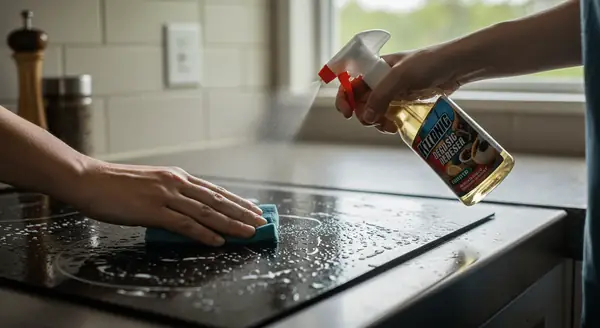
The stove is the undeniable workhorse of the kitchen, the command center where raw ingredients are transformed into meals. It is also, by nature of its function, the appliance most prone to filth. Every splatter of oil, every boil-over of pasta water, and every dropped crumb contributes to a layer of grime that, if left unchecked, hardens into a substance nearly as tough as the metal it sits upon. Cleaning a stove is not merely a matter of aesthetics; it is a matter of safety and efficiency. A grease-laden stovetop is a fire hazard, and clogged burner ports result in uneven heating that ruins food. Yet, despite its importance, stove cleaning is often performed incorrectly, with homeowners using the wrong chemicals on the wrong surfaces, scratching delicate glass, or neglecting the hidden areas where grease accumulates the most. Mastering the art of stove maintenance requires understanding the specific materials you are working with—whether it is tempered glass, cast iron, or enamel—and applying the right chemical and mechanical leverage to remove residue without causing damage. 1.Glass-Ceramic Cooktop The glass-ceramic cooktop, a staple of modern kitchens, presents a unique paradox: it is the sleekest surface to look at but often the most frustrating to maintain. The smooth, black surface shows every fingerprint and dust mote, but the real enemy is burnt-on food. A common mistake is attacking these surfaces with abrasive scouring pads. The rough side of a standard kitchen sponge is practically sandpaper to a glass cooktop. Over time, this creates a haze of micro-scratches that dulls the finish and, more importantly, traps dirt, making future cleaning even harder. The correct tool for a glass top is not a scrubber, but a razor blade scraper. When food is burnt onto the surface—especially sugary substances which can actually pit the glass if left to cool—a metal scraper held at a forty-five-degree angle is the only way to physically shear the carbon off without damaging the substrate. This should be done while the surface is wet with a specific glass cooktop cleaner or a paste of baking soda and water, which acts as a lubricant. The goal is to lift the debris, not grind it into the glass. Polishing with a dry microfiber cloth afterwards is what restores the shine, but the heavy lifting is done by the blade. 2.Gas Stove Gas ranges offer a completely different set of challenges, primarily centered around the heavy, cast-iron grates. These grates are porous and subjected to direct flame, meaning that grease spills are baked into the iron almost instantly. Scrubbing these by hand at the sink is a labor-intensive task that rarely yields perfect results. The structure of the grates, with their many corners and rough texture, shreds sponges and resists brushes. The most effective method for cleaning heavy cast iron grates utilizes the chemistry of ammonia fumes. By placing the grates inside a heavy-duty garbage bag with a splash of ammonia and sealing it tight for twenty-four hours, you allow the fumes to penetrate the grease. The ammonia breaks down the bond between the carbonized food and the iron. When you open the bag the next day—preferably outside to avoid inhaling the strong fumes—the grime usually wipes off with minimal scrubbing. This method saves hours of physical labor. It is important, however, to rinse them thoroughly and dry them completely, perhaps even placing them in a warm oven for a few minutes, to prevent rust from forming on the exposed iron. Beneath the grates lie the burner caps and heads, the actual machinery of the gas stove. If your flame is yellow instead of blue, or if the ignition clicks incessantly before lighting, the cause is almost always a clogged port. Food spills can block the tiny holes where gas escapes, disrupting the flow and air mixture. Cleaning these requires precision, not brute force. A straightened paper clip or a needle can be used to gently clear the ports, but one must be careful not to break the metal tip off inside the hole. The burner heads themselves can be soaked in warm soapy water, but the electrical igniter—the little ceramic nub that sparks—must remain dry. If this ceramic piece gets wet or coated in cleaner, the stove will not light until it has dried out completely. Reassembling the burners requires checking the alignment; a cap that sits slightly askew will result in a dangerous, uneven flame that can flare up unexpectedly. 3.Electric Stove Electric coil stoves, often seen in older apartments, are frequently neglected because they seem difficult to disassemble, but they are actually the most modular of all designs. The coils themselves rarely need cleaning because they get hot enough to burn off most residue, but the drip pans beneath them are magnets for disaster. These metal bowls catch everything that falls through the coils. When they are coated in black, carbonized grease, they become a smoke generator every time the stove is turned on. While many people wrap these in aluminum foil to avoid cleaning them, this is a dangerous practice that can trap heat and melt the wiring or cause a short circuit. Drip pans are inexpensive and should be viewed as semi-disposable. If they are rusted or hopelessly caked, replacing them is safer and more effective than scrubbing. If they are salvageable, they should be removed and boiled in a mixture of water and vinegar to loosen the charred remains. The coils themselves pull out, but one must be careful never to submerge the electrical contacts in water. 4.Control Panel and Buttons The control panel and knobs are the most touched but often the least cleaned parts of the stove. Because they are usually located above the cooking surface or on the front face, they are constantly bombarded with microscopic grease splatters. Over time, this grease works its way behind the knobs, acting as a glue that makes them difficult to turn. To clean this area effectively, the knobs must be pulled off. Simply wiping around them pushes

Make Your Stove Look New Again with These Simple Tools Read More »

paper towels on a kitchen counter

The Right and Wrong Way to Use Paper Towels for Cleaning – 6 Best Tips

The paper towel is a cornerstone of modern household cleaning, a simple tool so deeply integrated into our daily routines that its presence is often taken for granted. Its immediate accessibility and disposability make it the first thing we reach for when faced with a sudden spill on the kitchen counter, a smudge on a window, or a greasy stovetop. This convenience is its primary virtue. There is no need to search for a clean cloth, no worry about laundering a soiled rag, and no hesitation in using it on the most unpleasant messes before tossing it away. The single-use nature of the paper towel provides a psychological and practical clean slate for every task, a guarantee that you are not spreading yesterday’s germs around today’s surfaces. 1.Absorbs and Retains Liquids The effectiveness of a paper towel is rooted in its design. Constructed from absorbent cellulose fibers, often derived from wood pulp, its purpose is to wick up and hold liquid. The texture, thickness, and quilting patterns of different brands are all engineered to maximize this absorbency and improve scrubbing strength. For liquid spills, the proper technique is to blot, not wipe. Placing a paper towel over a spill allows the capillary action of the fibers to draw the liquid up and away from the surface, containing the mess. An aggressive wiping motion, by contrast, can spread the liquid over a wider area and push it deeper into porous surfaces like wood or grout, making the stain more difficult to remove. For larger spills, layering several sheets increases the absorptive capacity and provides a thicker barrier between your hand and the mess. 2.Window Cleaner Beyond spills, the paper towel serves as an excellent vehicle for applying cleaning solutions. When sprayed with a glass cleaner, it becomes the perfect tool for achieving a streak-free shine on windows, mirrors, and other glass surfaces. Its disposable nature is an advantage here; unlike a reusable cloth that might have residual oils or fabric softener from a previous wash, a fresh paper towel is free of contaminants that could cause streaking. For disinfecting surfaces like kitchen counters or bathroom sinks, a paper towel sprayed with an appropriate disinfectant ensures that the cleaning agent is applied evenly and that germs from one area are not transferred to another. After wiping down the surface, the towel and the germs it has collected are discarded, effectively removing them from the home. This stands in stark contrast to a sponge or cloth, which, if not properly and frequently sanitized, can become a breeding ground for bacteria and contribute to cross-contamination. 3.Fat And Oil The paper towel’s utility in dealing with grease and oil is particularly notable. In the kitchen, it is indispensable for wiping down greasy stovetops, cleaning the inside of a microwave after a food splatter, or absorbing excess oil from fried foods. The fibers readily trap the grease, lifting it from the surface. A task like this would ruin a reusable cloth, leaving it with a greasy residue that is difficult to wash out and can be transferred to other items in the laundry. For particularly heavy grease, using a dry paper towel first to absorb the bulk of the oil before following up with a cleaning solution is a highly effective two-step process. This method prevents the grease from simply being smeared around and makes the final cleaning much easier. 4.Disadvantages However, the very qualities that make the paper towel so convenient, its disposability and single-use design, —are also the source of its most significant drawbacks. The environmental impact of paper towel consumption is considerable. The production process requires a vast amount of resources, including trees for pulp and water and energy for manufacturing. After a few seconds of use, these resources are consigned to a landfill, where they contribute to the growing problem of waste. For the environmentally conscious household, the constant cycle of consumption and disposal presents a significant conflict. Furthermore, the recurring cost of purchasing paper towels can add up to a substantial expense over time, far exceeding the one-time cost of reusable alternatives. Performance limitations also become apparent in certain cleaning scenarios. While excellent for absorption and light wiping, the standard paper towel lacks the durability required for heavy-duty scrubbing. When faced with dried-on food, tough grime, or textured surfaces, a paper towel can shred and fall apart, leaving behind lint and pulp residue that creates a new mess to be cleaned. This lint can be especially problematic on dark surfaces or on screens, where it is highly visible. For tasks that require abrasion to lift a stubborn spot, a paper towel is simply not the right tool. It cannot provide the friction and resilience of a scrub brush or even a well-made reusable cloth. 5.Alternatives This is where the conversation shifts to alternatives, chief among them the microfiber cloth. Microfiber technology represents a significant advancement in cleaning science. These cloths are made from extremely fine synthetic fibers, often a blend of polyester and polyamide. The fibers are split during the manufacturing process, creating a vast surface area and a positive electrostatic charge that actively attracts and traps dust, dirt, and microbes. When used dry, a microfiber cloth is an exceptional duster, capturing particles rather than just pushing them around. When used damp, the capillary action of the fine fibers allows it to absorb a remarkable amount of water and lift grime with minimal effort. Unlike paper towels, microfiber cloths are highly durable and can be washed and reused hundreds of times, making them a far more sustainable and cost-effective choice in the long run. They are also more effective for a wider range of cleaning tasks. They can scrub without falling apart, polish surfaces to a streak-free shine without leaving lint, and deep clean with just water, reducing the need for chemical cleaners. The key to maintaining their effectiveness is proper care: they should be washed separately from other laundry, without fabric softener, which can clog the fibers and reduce

The Right and Wrong Way to Use Paper Towels for Cleaning – 6 Best Tips Read More »

Uses for Coarse Salt

Coarse Salt: 10 Surprising Uses for Coarse Salt in Home Cleaning

In the search for effective and non-toxic cleaning solutions, one of the most powerful tools is often already sitting in the kitchen pantry. Coarse salt, whether it is kosher salt, sea salt, or rock salt, is a remarkably versatile and inexpensive mineral with properties that extend far beyond flavoring food. Its utility as a cleaning agent is rooted in its fundamental physical and chemical characteristics. The crystalline structure of salt makes it an excellent natural abrasive, capable of scouring away grime without being as harsh as many commercial powders. Furthermore, salt is a desiccant, meaning it absorbs water and, by extension, moisture-laden messes. It also has mild antibacterial and deodorizing properties, making it a multi-functional powerhouse for a wide range of household chores. 1.Cast Iron Pans Perhaps the most classic and celebrated use for coarse salt in cleaning is on cast iron cookware. Maintaining the seasoned surface of a cast iron skillet is crucial; harsh soaps and detergents can strip away this protective, non-stick layer that has been built up over time. Salt provides the perfect solution. To clean a warm skillet after cooking, simply pour a generous amount of coarse salt into the pan. Using a folded paper towel or a stiff brush, scrub the salt around the pan. The salt’s abrasive texture will lift away stuck-on food particles and absorb any excess oil without damaging the seasoning. Once the pan is clean, the dirty salt can be discarded, and the pan can be wiped clean with a cloth. A thin layer of oil can then be applied to reinforce the seasoning, leaving the skillet ready for its next use. This method not only cleans but also helps to manage rust spots that may begin to form. 2.Kitchen Utensils This same abrasive quality makes coarse salt an exceptional cleaner for other kitchen items, particularly wooden cutting boards and butcher blocks. These surfaces, being porous, can harbor bacteria and absorb odors from foods like garlic and onion. To deep clean and deodorize a wooden board, sprinkle it liberally with coarse salt. Then, take half a lemon and use it as a scrubber, squeezing slightly as you work the salt into the wood in a circular motion. The salt acts as a scouring agent to lift away fine particles of food and stains, while the citric acid in the lemon juice acts as a natural disinfectant and bleach, brightening the wood and neutralizing odors. Let this salty, lemony paste sit on the board for ten to fifteen minutes before scraping it off and rinsing the board thoroughly with hot water. This process leaves the cutting board sanitized, deodorized, and visually refreshed. 3.Fat Removal Coarse salt is also highly effective at tackling grease. For greasy pots, pans, or baking dishes, sprinkling salt onto the greasy areas can make cleanup significantly easier. The salt absorbs a good portion of the grease, so when you wipe it out with a paper towel, you remove a large amount of the mess before even introducing soap and water. This pre-cleaning step can reduce the amount of grease going down your drain and make the final wash much quicker. This principle also applies to grease spills on fabric. If you get an oily splatter on your clothing or a tablecloth, immediately cover the spot with a pile of coarse salt. Let it sit for an hour or so to draw the oil out of the fibers. Afterwards, brush off the salt and treat any remaining stain before laundering as usual. 4.Red Wine Stain removal is another area where salt’s properties shine. For the dreaded red wine spill on a carpet or upholstery, salt can be a first line of defense. After blotting the spill with a clean cloth to absorb as much liquid as possible, cover the entire stain with a thick layer of coarse salt. The salt will begin to draw the wine out of the fibers, and you may see it turn pink as it works. Leave the salt to dry completely, which may take several hours or even overnight. Once it is dry and caked, you can simply vacuum it all up. While it may not remove a very old or heavily set-in stain completely, it is incredibly effective on fresh spills and can significantly reduce the severity of the stain. 5.Cleaning Inside the kitchen, coarse salt can be used to clean and deodorize in less obvious ways. The inside of a coffee pot or a thermos can develop brown stains from coffee and tea tannins that are difficult to scrub. To remove these, fill the carafe with a handful of coarse salt and about a cup of crushed ice. Swirl the mixture vigorously for a few minutes. The ice provides a hard medium that forces the abrasive salt crystals against the interior walls of the carafe, effectively scouring away the stains. For particularly stubborn stains, adding a bit of lemon juice or vinegar to the mix can provide an acidic boost to the cleaning power. After swirling, let the mixture sit for about half an hour, then rinse thoroughly. This method is a safe and effective way to restore clarity to a glass coffee pot without using harsh chemicals. 6.Deodorizing The power of salt extends to cleaning drains and garbage disposals. To freshen a smelly kitchen drain, pour about half a cup of coarse salt down the drain, followed by a quart of very hot water. The salt helps to dislodge grease and food particles that can get trapped and cause odors. For a garbage disposal, the combination of ice and salt works wonders. Pour a cup of salt and a couple of cups of ice cubes into the disposal and run it until the grinding sound stops. The ice and salt work together to freeze and scour away built-up grime and sludge from the blades and the walls of the disposal, sharpening the blades in the process. Following this with a few lemon or orange peels will leave the disposal and

Coarse Salt: 10 Surprising Uses for Coarse Salt in Home Cleaning Read More »

Cleaning Products for Your Natural Stone

Natural Stone: Choosing the Right Cleaning Products for Your Natural Stone

Natural stone surfaces bring an unparalleled elegance and timeless durability to any space. However, their porous nature demands a mindful approach to cleaning and maintenance. Using the wrong products can lead to irreversible damage, such as dulling, etching, and staining. Understanding the specific needs of your stone, whether it be granite, marble, travertine, or limestone, is paramount to preserving its beauty for years to come. The cornerstone of proper natural stone care is the consistent use of pH-neutral cleaners. Harsh, acidic, or alkaline chemicals can react with the minerals in the stone, compromising its integrity and finish. Simple Mixture For daily cleaning of all-natural stone surfaces, the most recommended and safest solution is a simple mixture of warm water and a few drops of mild, pH-neutral dish soap. This gentle combination is effective at removing everyday dirt, grease, and grime without harming the stone or its sealer. After wiping the surface with this solution using a soft, microfiber cloth, it is crucial to rinse the area thoroughly with clean water and dry it completely with another soft cloth. This prevents soap scum buildup, which can leave a dull film on the surface over time, and averts water spots. When a more potent cleaning is required, particularly for disinfection, a solution of equal parts water and 70% isopropyl alcohol can be used. This mixture is effective at killing bacteria and germs without being abrasive or acidic. Spray the solution onto the surface, let it sit for a few minutes, and then wipe it clean with a damp cloth before drying thoroughly. This is an excellent option for kitchen countertops where food preparation occurs. It is imperative to know which products to avoid. Acidic substances are the primary adversary of natural stone, especially calcareous stones like marble, travertine, and limestone. These stones are primarily composed of calcium carbonate, which reacts vigorously with acids, leading to etching, a chemical burn that appears as a dull spot on the surface. Common household cleaners that contain vinegar, lemon juice, or other citrus-based ingredients should never be used on these stones. Likewise, harsh chemicals such as bleach and ammonia can degrade the sealer and dull the stone’s surface over time. Abrasive powders or creams are also to be avoided as they can scratch the stone. Granite Granite, being a siliceous stone, is generally more resistant to acids than its calcareous counterparts. However, repeated exposure to acidic substances can still weaken the sealer and eventually lead to damage. Therefore, it is best to adhere to pH-neutral cleaning practices for granite as well, ensuring its longevity and lustrous appearance. Marble is particularly susceptible to damage due to its soft and porous nature. Spills, especially from acidic liquids like wine, coffee, or fruit juice, should be blotted up immediately with a soft cloth. Wiping the spill can spread it further. After blotting, clean the area with a mild soap and water solution, rinse, and dry. For tougher organic stains on light-colored marble, a poultice made from hydrogen peroxide and an absorbent material like baking soda can be effective. Travertine Travertine and limestone share a similar composition to marble and thus require comparable care. Their surfaces are often characterized by small pits and fissures, which can trap dirt. Regular dusting with a dry microfiber cloth is beneficial to prevent the accumulation of abrasive particles. When cleaning, use a pH-neutral cleaner and ensure the surface is rinsed and dried thoroughly to prevent water from settling in the pores. For deep cleaning textured travertine, an alkaline-based cleaner may be necessary to lift embedded grime. In cases of efflorescence, a white, powdery deposit that can appear on the surface, it is crucial to use a non-acidic cleaner to remove the salt residue without harming the stone. Beyond daily cleaning, the most critical aspect of natural stone care is sealing. A sealer acts as a protective barrier, penetrating the pores of the stone to inhibit the absorption of liquids and prevent staining. There are two primary types of sealers: impregnating (or penetrating) and topical. Sealants Impregnating sealers are absorbed into the stone, filling the pores from within. They do not alter the appearance of the stone and allow it to “breathe,” meaning water vapor can still escape. This is particularly important for outdoor applications or in wet environments. Topical sealers, on the other hand, form a protective film on the surface of the stone. While they can provide a glossy finish and some protection against scratches, they are more prone to wear and tear and can trap moisture, potentially leading to discoloration. For most residential applications, an impregnating sealer is the preferred choice for its durability and natural look. The frequency of sealing depends on the type of stone and its usage. A simple water test can determine if it’s time to reseal. Place a few drops of water on the surface and observe. If the water beads up, the sealer is still effective. If the water is absorbed into the stone, leaving a dark spot, it’s time to reapply the sealer. As a general guideline, highly porous and frequently used stones like marble in a busy kitchen may need to be sealed every six to twelve months. Denser stones like granite can often go one to two years or even longer between sealing. For stubborn stains that have penetrated the stone, a poultice is an effective remedy. A poultice is a paste-like substance made from an absorbent material and a chemical solvent, which is applied to the stain to draw it out. The type of poultice depends on the nature of the stain. Stains For oil-based stains, a poultice made from baking soda and acetone or a commercial degreaser is effective. Mix the ingredients to a peanut butter-like consistency, apply it to the stain in a thick layer, cover it with plastic wrap, and tape the edges. Allow it to sit for 24 to 48 hours as it dries, which is the mechanism by which it pulls the stain from the stone. For organic stains like coffee

Natural Stone: Choosing the Right Cleaning Products for Your Natural Stone Read More »

5 Key Areas to Deep Clean Before Winter Sets In

5 Key Areas to Deep Clean Before Winter Sets In

As the days grow shorter and a distinct chill settles in the air, winter is coming, and our homes begin a subtle transformation. Windows are closed, thermostats are turned up, and we instinctively prepare to spend more time within our own four walls. This seasonal shift from the open-air freedom of summer to the enclosed comfort of winter calls for a specific kind of cleaning, a deliberate preparation of our indoor environment. It is more than just a routine tidying; it is a process of ensuring the space we will inhabit so intensely for the next several months is not only clean and orderly but also healthy, efficient, and truly comfortable. This preparation is a foundational act of creating a sanctuary for the colder season ahead. 1.Quality of the air The most critical aspect of winterizing a home’s interior is addressing the quality of the air we will be breathing. For months, the heating system has lain dormant, accumulating a fine layer of dust, pollen, pet dander, and other microscopic particles within the ductwork. When the furnace kicks on for the first time, it blasts this accumulation directly into your living space, which can aggravate allergies and respiratory issues. The first step, therefore, should be to turn off your HVAC system at the thermostat and address the registers and vents in every room. Using the brush attachment on your vacuum cleaner, go over each vent cover, pulling away the surface dust. For a more thorough job, unscrew the covers and wash them in a sink of warm, soapy water, using a small brush to get into the grilles. Before replacing them, use the vacuum’s crevice tool to reach as far into the duct opening as possible to remove any loose debris. The single most impactful task for indoor air quality is to replace the furnace filter. A clogged, dirty filter not only fails to trap airborne particles but also forces your heating system to work harder, increasing energy consumption and a risk of malfunction. A fresh filter is an inexpensive and simple measure that pays significant dividends in both health and efficiency all winter long. 2.Natural Light With the air quality addressed, the next focus should be on maximizing the limited natural light of the season. Dirty windows can significantly reduce the amount of light that enters a room, contributing to a gloomy indoor atmosphere. This is the perfect time to remove and clean your window screens. Lay them on a flat surface outdoors and gently scrub them with a soft-bristled brush and a solution of mild soap and water, then rinse them thoroughly and allow them to dry completely. Storing screens in a garage or basement during the winter not only lets in more light but also protects them from being damaged by snow and ice. With the screens removed, give the interior of your windows a meticulous cleaning. A simple solution of warm water with a few drops of dish soap can cut through grime effectively. Using a high-quality squeegee is the key to a professional, streak-free finish. Do not neglect the window tracks and sills, which are notorious for collecting an unpleasant mix of dirt, dust, and dead insects. A vacuum’s crevice tool is ideal for clearing out the loose debris, followed by a detailed wipe-down with a damp cloth and an old toothbrush for the tight corners. Clean windows make a remarkable difference, making rooms feel brighter, larger, and more cheerful during the darker months. 3.Sanitized fabrics As we prepare to get cozy, the textiles in our home require special attention. The heavy comforters, flannel sheets, wool throws, and decorative blankets that have been packed away in closets or storage chests for half a year need to be properly freshened. Even when stored cleanly, fabrics can absorb a stale, musty odor over time. Launder everything according to its care label before putting it on your bed or draping it over your sofa. This ensures your cozy essentials are fresh, clean, and free of dust mites. This is also the ideal time to deep clean the fabrics that are out year-round but see much more use in the winter. Curtains and drapes are silent collectors of an astonishing amount of household dust. Use your vacuum’s upholstery attachment to go over them from top to bottom. For more durable fabrics, a steam cleaner can be used to sanitize and release wrinkles. If they are machine washable, taking them down for a thorough cleaning will dramatically reduce airborne allergens. Upholstered furniture, from the family sofa to the favorite armchair, should be given a similar treatment. Remove all cushions and use a crevice tool to vacuum every seam, crack, and corner where crumbs, dust, and pet hair accumulate. A thorough vacuuming of the entire piece will refresh it and prepare it for many long winter evenings. 4.Fireplace and Floors The hearth and the floor are central to the feeling of winter comfort. If you have a fireplace, its surrounding area needs to be prepared before its first use of the season. The mantel, hearth, and fireplace tools should be completely cleared and wiped down to remove all settled dust. While the interior of the chimney requires a professional sweep for safety, cleaning the immediate exterior prevents that first fire from sending a plume of dust into the room. With the fireplace ready, turn your attention to the floors. Carpets and area rugs will become the primary surfaces for playing, relaxing, and gathering. A standard, quick vacuuming is not sufficient for a seasonal deep clean. To truly remove the embedded dirt, allergens, and microscopic grit that wears down fibers, you must vacuum slowly and methodically. Make multiple passes over the same area, moving in overlapping, perpendicular directions to agitate the carpet pile from all angles and allow the vacuum’s suction to work most effectively. If possible, move furniture to clean the areas underneath, which are often the dustiest parts of a room. This level of deep vacuuming not only cleans

5 Key Areas to Deep Clean Before Winter Sets In Read More »

5 Reasons Why Hiring a Cleaning Service is the Best Form of Self-Care

Why hire a specialized cleaning service? The modern home is a hub of activity, a place of work, rest, and family life. Yet, maintaining its cleanliness can feel like a relentless, never-ending task. The dust settles almost as soon as it’s wiped away, the floors seem to attract dirt, and the kitchen and bathrooms demand constant attention. For many, the weekend, which should be a time for relaxation and recharging, is instead consumed by a long list of chores. This constant cycle of cleaning can become a significant source of stress and a drain on our most valuable resource: time. It is in this gap between the desire for a clean, peaceful environment and the reality of a busy life that a residential house cleaning service finds its purpose, offering not just a service, but a solution to a pervasive modern problem. 1.Quality of Life Hiring a professional cleaning service is often viewed as a luxury, but it is more accurately described as an investment in your quality of life. Consider the hours spent each week sweeping, mopping, scrubbing, and dusting. For a moderately sized home, this can easily add up to four, five, or even more hours. A professional service reclaims those hours for you, handing them back to be spent on what truly matters. This could mean more time with family, pursuing a hobby, exercising, or simply enjoying a well-deserved rest. The cumulative effect of this reclaimed time is profound, reducing burnout and allowing for a better work-life balance. It transforms the home from a place of constant obligation into a true sanctuary, a space you can enter after a long day and immediately feel at ease, rather than being confronted with a list of tasks that need doing. 2.Quality of Cleanliness Beyond the gift of time, there is the undeniable difference in the quality of the clean itself. A professional cleaner brings a level of expertise and efficiency that is difficult for the average homeowner to replicate. They are trained in the most effective methods and understand the specific needs of different surfaces. They know which products to use on natural stone versus laminate, how to clean stainless steel without leaving streaks, and the best techniques for removing stubborn soap scum from glass shower doors. This knowledge prevents costly damage that can result from using the wrong chemical or an abrasive sponge on a delicate surface. Furthermore, professional services come equipped with commercial-grade tools and supplies that are often more powerful and effective than standard consumer products. Their high-powered vacuums with HEPA filters can capture a significantly higher percentage of dust, allergens, and pet dander, leading to improved indoor air quality. This is particularly beneficial for households with allergy sufferers, asthmatics, children, or pets. The result is not just a home that looks clean, but one that feels and is, on a microscopic level, healthier. The process of a professional clean is systematic and thorough. Cleaners typically work with a detailed checklist, ensuring that no area is overlooked. They employ methodical strategies, such as cleaning from top to bottom to ensure dust and debris fall downwards before the floors are addressed, and working from one side of a room to the other. This structured approach guarantees consistency and completeness. A standard recurring clean will typically involve a comprehensive dusting of all surfaces, including furniture, shelves, and window sills; cleaning and disinfecting kitchen countertops, sinks, and appliance exteriors; scrubbing toilets, showers, tubs, and bathroom vanities; and vacuuming carpets and mopping hard floors. This regular maintenance keeps the home at a consistent level of cleanliness, preventing the deep buildup of grime. 3.Deep Cleaning For homes that have gone some time without a thorough cleaning or for clients new to a service, a deep clean is often recommended. This is a far more intensive and detailed service that addresses the areas often missed in a regular routine. A deep clean will include all the tasks of a standard clean but will go much further. It can involve washing baseboards and trim, cleaning light fixtures and ceiling fans, wiping down doors and door frames, cleaning behind and underneath furniture and appliances, scrubbing grout lines, and cleaning the interior of windows. This is the reset button for your home, tackling the accumulated dirt and dust in every nook and cranny, and establishing a new baseline of clean that makes subsequent maintenance easier. Specialized services like move-in and move-out cleanings are another critical offering. Preparing a home for sale or ensuring a new home is pristine before you unpack is an enormous task on top of the already stressful process of moving. A move-out clean is designed to leave the property in immaculate condition for the next occupants, often a requirement for retrieving a security deposit. This is the most exhaustive clean of all, performed on an empty home. Every interior surface is addressed, including the inside of all cabinets, drawers, closets, the oven, and the refrigerator. It ensures the home is presented in its best possible light, which can be a significant factor for real estate agents and potential buyers. Conversely, a move-in clean provides immense peace of mind, sanitizing the space and ensuring you are starting your new chapter in a fresh, thoroughly cleaned environment. 4.Trust and Security One of the most significant barriers for people considering a cleaning service is the idea of trust and security. Inviting someone into your personal space requires confidence in their professionalism and integrity. This is why reputable cleaning companies place such a high emphasis on their hiring and training processes. They conduct background checks on their employees and ensure they are thoroughly vetted. Furthermore, professional services are bonded and insured. Bonding provides protection against theft, while insurance covers any accidental damage that might occur to your property during the cleaning process. This comprehensive protection offers homeowners the peace of mind that they are working with a trustworthy organization that stands behind its work and its people. The relationship with a cleaning service is

5 Reasons Why Hiring a Cleaning Service is the Best Form of Self-Care Read More »

The Power of Citric Acid

The Power of Citric Acid: Your Solution for Limescale and Grime

In the world of cleaning, there’s citric acid, and countless products that promise miraculous results, often based on complex chemical formulations and strong scents. Yet, hiding in plain sight, often in the baking aisle of the grocery store, is a simple, effective, and remarkably versatile compound: citric acid. This white crystalline powder, derived naturally from citrus fruits like lemons and limes, is a powerhouse cleaner that can tackle some of the most stubborn household problems, particularly those related to mineral deposits and hard water. Its strength lies in its chemical nature as a weak organic acid, which allows it to dissolve grime, limescale, and soap scum without the corrosive intensity of stronger mineral acids. Chelation The primary mechanism that makes citric acid so effective is a process called chelation. In areas with hard water, the water is rich in dissolved minerals, primarily calcium and magnesium. When this water evaporates, it leaves behind a chalky, crusty residue known as limescale. This is the buildup you see inside your kettle, on your showerheads, and as a cloudy film on your glassware. Citric acid works by binding to these mineral ions, forming a compound called a chelate. This new compound is water-soluble, meaning the stubborn, stuck-on mineral deposit is transformed into something that can be easily rinsed away. This is a far more effective approach than simply trying to scrub the deposit off, which is often a losing battle and can damage the surface underneath. Kettle One of the most satisfying applications for citric acid is restoring a kettle caked with mineral deposits. Over time, the inside of a kettle can become layered with a thick, white scale that not only looks unpleasant but can also impair its heating efficiency and flake off into your water. To effortlessly clean it, simply fill the kettle about halfway with water, add one to two tablespoons of citric acid powder, and bring it to a boil. Once it has boiled, turn it off and let the solution sit for twenty to thirty minutes. You will often be able to see the limescale fizzing and dissolving. After the waiting period, pour out the solution and rinse the kettle thoroughly with fresh water a few times. The interior will be left sparkling clean, looking almost new, with no scrubbing required. This same principle applies perfectly to automatic coffee makers, which also suffer from internal mineral buildup that can slow down the brewing process and affect the taste of your coffee. To descale a coffee machine, fill the water reservoir with your normal amount of water and dissolve a tablespoon or two of citric acid into it. Run a full brewing cycle with this solution (without any coffee grounds). Afterwards, run at least two more full cycles with only fresh, plain water to ensure all traces of the acid are rinsed out of the machine’s internal components. Dishwasher This descaling power extends to the workhorse of the kitchen, the dishwasher. A dishwasher in a hard water area can quickly become inefficient as its spray arms, filter, and interior walls get coated in a film of limescale and soap scum. This not only looks grimy but can prevent the machine from cleaning your dishes properly, leaving them spotty and cloudy. To deep clean your dishwasher, ensure it is completely empty. Pour about half a cup of citric acid powder into the bottom of the machine, or place it in the main detergent dispenser. Then, run the dishwasher on its hottest, longest cycle. The hot water will activate the acid, which will circulate throughout the entire system, dissolving mineral deposits from the jets, pipes, and walls, leaving the stainless steel interior gleaming and helping the appliance run more efficiently. Beyond descaling appliances, citric acid makes an excellent all-purpose cleaning spray for various kitchen surfaces. To create a general cleaning solution, dissolve one to two tablespoons of citric acid powder in about a liter of warm water in a spray bottle. Shake it well until the crystals are fully dissolved. This spray is fantastic for cutting through grease and grime on countertops, cleaning sinks, and shining up stainless steel faucets and appliances. It effectively removes water spots and leaves a streak-free shine. It can also be used to disinfect and deodorize cutting boards. Simply sprinkle a small amount of the powder onto a damp board, scrub with a sponge, let it sit for a few minutes, and then rinse thoroughly. However, a critical word of caution is necessary here: because it is an acid, this solution should never be used on natural stone surfaces like marble, granite, or travertine. The acid will react with the calcium carbonate in the stone, causing permanent etching and dulling the finish. Bathroom Moving from the kitchen to the bathroom, citric acid proves its worth against the relentless duo of soap scum and limescale. Soap scum, the grimy film that builds up on shower doors, tiles, and bathtubs, is formed when the fatty acids in soap react with the mineral ions in hard water. Citric acid is uniquely suited to tackle both components of this problem. Using your prepared spray solution, generously coat the affected surfaces. Let it sit for ten to fifteen minutes to allow the acid time to break down the deposits. Then, scrub with a non-abrasive sponge or brush and rinse well with water. For shower doors plagued by cloudy water spots, this method will restore clarity and shine. Showerheads are another common casualty of hard water, becoming clogged with limescale until the water sprays out in uneven, weak jets. To clean a clogged showerhead without removing it, fill a plastic bag with your citric acid and water solution, submerge the showerhead completely in the liquid, and secure the bag in place with a rubber band or twist tie. Leave it to soak for at least an hour, or even overnight for severe buildup. After soaking, remove the bag and run the shower on hot for a minute to flush out any remaining

The Power of Citric Acid: Your Solution for Limescale and Grime Read More »