









January in Canada is a month defined by a unique atmospheric density, and it is during this time that we most need natural light in our homes. The festive lights that adorned the eaves have been taken down, stripping the streets of their artificial cheer. The adrenaline of the holiday season—the rush of shopping, hosting, and celebrating—has evaporated, leaving behind a silence that can feel less like peace and more like emptiness. The days are short, with the sun retreating early in the afternoon, and the windows are sealed tight against the biting wind. It is in this environment that the phenomenon known as “Blue Monday” takes root. Often cited as the most depressing day of the year, it represents a convergence of post-holiday financial strain, failed resolutions, and the oppressive greyness of deep winter. However, while we cannot alter the rotation of the earth to bring back the sun, nor can we change the temperature outside, we possess absolute control over the environment in which we spend these long, dark evenings. Our homes are not merely shelters; they are the external hard drives of our psychology. A cluttered, dusty, and dim home reinforces the lethargy of the season, while a pristine, bright, and organized space acts as a powerful antidote to the winter blues.

Mental Health
To understand why cleaning is a mental health intervention, one must look at how the human brain processes its surroundings. Psychologists often refer to clutter and grime as “visual noise.” When you sit on your sofa and look across the room, your eyes should be able to rest. However, if your gaze is interrupted by a stack of unread mail, a layer of dust on the baseboards, or a smudge on the window, your brain registers these stimuli as problems to be solved. They are subconscious “to-do” list items that nag at your attention, keeping your cortisol levels slightly elevated. In January, when energy reserves are already low, this constant background hum of anxiety is exhausting. It contributes to the feeling of being overwhelmed and stuck. By performing a deep clean, you are silencing this noise. You are removing the visual friction from your life. A clear surface signals to the brain that the situation is under control, allowing the nervous system to downregulate from a state of alert to a state of rest.
Maximizing The Entry of Light
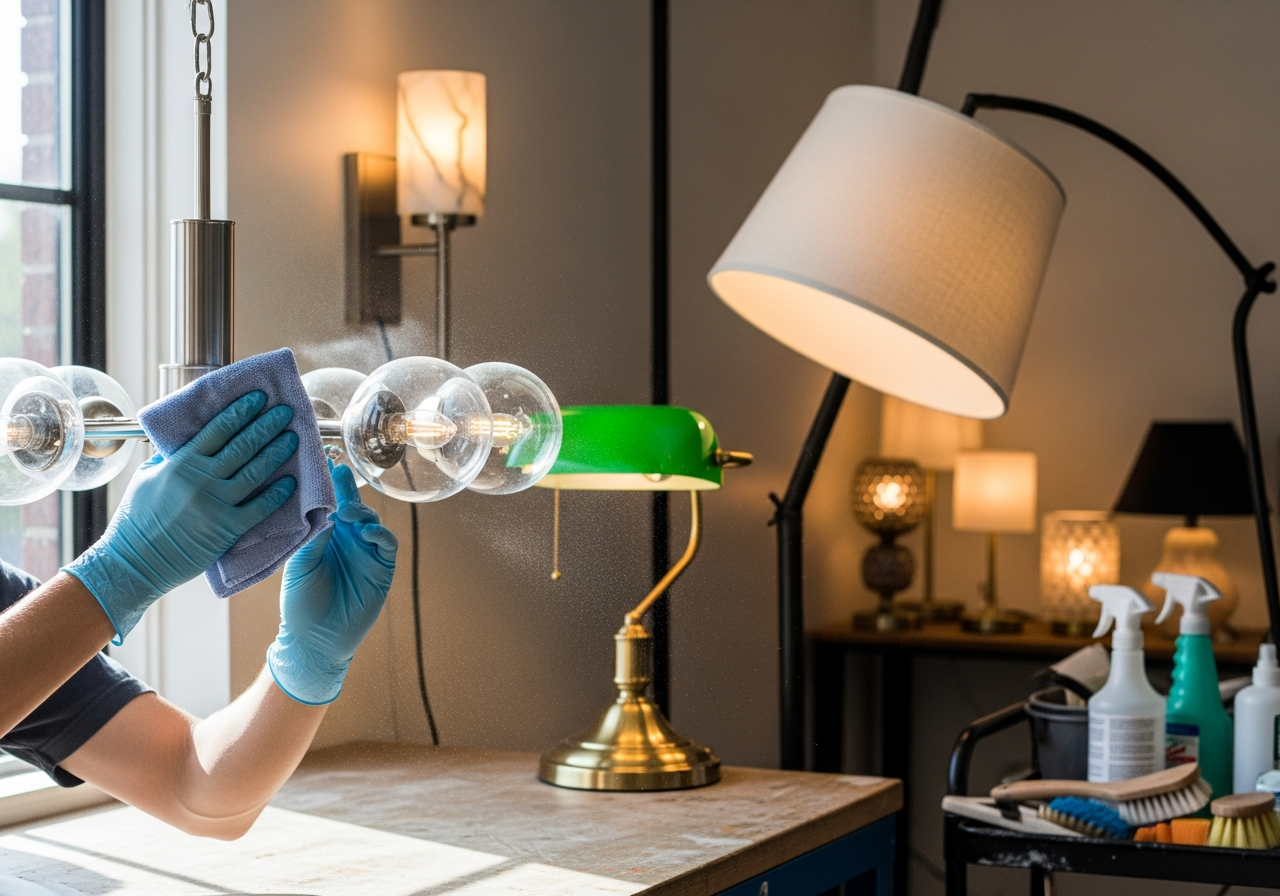
The most critical element of the January deep clean is the maximization of light. In the Canadian winter, natural light is a precious and scarce commodity. It is the primary regulator of our circadian rhythms and the production of serotonin, the hormone associated with mood stabilization. However, we often unknowingly sabotage our access to this vital resource. Over the course of the autumn and early winter, windows accumulate a film of road salt dust, condensation marks, and indoor grime. This layer acts as a diffuser, scattering the sunlight and reducing the lumens that actually penetrate the room. Furthermore, light fixtures and bulbs collect dust, which can dim their output by a surprising percentage. Scrubbing the windows—inside and out, if weather permits—and washing the glass shades of your lamps is not just about hygiene; it is a form of light therapy. When the glass is invisible, the barrier between you and the outside world dissolves. The light that floods in is sharper and brighter, instantly lifting the atmosphere of the room and, by extension, your mood.
Pleasant Aroma
The olfactory landscape of the home also plays a significant, though often invisible, role in our emotional state. The holiday season is a time of heavy, rich scents—roasting turkey, baking spices, pine needles, and perhaps the lingering odor of a fireplace. While these are pleasant in December, by mid-January, they can stale into a general mustiness that feels heavy and oppressive. Old cooking grease trapped in the oven or the range hood filter can emit a subtle, acrid smell that permeates the upholstery. This “stale air” contributes to the feeling of being trapped indoors. A deep clean that focuses on degreasing the kitchen, washing the curtains, and shampooing the rugs hits the reset button on the home’s scent profile. It removes the ghosts of dinners past. Replacing these heavy odors with the neutral, crisp scent of cleanliness—or perhaps a fresh citrus or eucalyptus note—signals to the brain that the environment is fresh and renewed. It literally helps you breathe easier.
Dopamine
There is also a profound sense of agency that comes with the act of cleaning. January is a month where many things feel out of our control. The weather is hostile, the commute is difficult, and the return to the work routine can be jarring. In the face of this external powerlessness, restoring order to your physical space is an act of reclaiming dominion. When you scrub a shower floor until the grout is white again, or when you organize a pantry so that every label aligns, you are exerting your will upon your environment. You are creating tangible, visible proof of your competence. This provides a dopamine hit—a sense of accomplishment that is immediate and undeniable. Unlike a long-term work project or a fitness resolution that takes months to show results, a clean room is a victory you can see and feel right now. This momentum can break the paralysis of the winter slump, providing the spark of energy needed to tackle other challenges.

Refuge
The bedroom deserves special attention in this psychological rescue mission. We spend more time in bed during the winter than in any other season. It is our cocoon against the cold. However, if the nightstand is cluttered with tissues and books, if the sheets are not crisp, and if dust bunnies are gathering under the frame, the quality of sleep suffers. Poor sleep is a direct highway to poor mental health. A deep clean of the bedroom—washing the duvet, vacuuming the mattress, and clearing the surfaces—transforms the room from a storage space into a sanctuary. Slipping into a bed that feels like a high-end hotel room changes the way you end and begin your day. It reinforces the idea that you are worthy of care and comfort, a sentiment that is easy to lose track of in the bleakness of January.
Social
Furthermore, we must consider the social aspect of the home. In January, we tend to isolate. The house is messy, so we don’t invite friends over. We don’t invite friends over, so we don’t feel the need to clean. This cyclical isolation exacerbates the winter blues. A clean home removes the barrier to connection. It makes you “guest-ready,” lowering the activation energy required to host a movie night or a casual dinner. Even if no one comes over, treating yourself like an honored guest in your own home is a powerful psychological shift. You are essentially telling yourself that you deserve a beautiful, functional space just as much as your holiday visitors did.

Entryway
The entryway acts as the transition zone between the harsh reality of the Canadian winter and the safety of the domestic sphere. In January, this area is often a disaster zone of salt-stained mats, piled boots, and scattered grit. Walking into this chaos immediately spikes stress levels upon returning home. It signals that the work is not done, that the battle against the elements is being lost inside the fortress. Cleaning the entryway—scrubbing the salt off the boot trays, washing the runners, and organizing the winter gear—changes the narrative of coming home. It turns the arrival into a moment of relief rather than a moment of frustration. A clean entryway welcomes you; a dirty one demands something from you.
Final Analysis
Ultimately, the “Blue Monday” deep clean is about removing the friction from daily life. When the house is dirty, everything is harder. Cooking is harder in a messy kitchen; relaxing is harder in a dusty living room; sleeping is harder in a chaotic bedroom. By removing this friction, you preserve your limited winter energy for the things that actually matter—your family, your work, and your well-being. It is a strategic investment in your own resilience.
However, recognizing the need for a clean home and finding the energy to execute it are two very different things. The irony of the January slump is that the time you need a clean house the most is often the time you have the least motivation to do the work. Scrubbing floors and washing windows require a physical vitality that can feel impossible to summon when the sun sets at 4:30 PM. The mental load of planning and executing a whole-house restoration can sometimes add to the stress rather than alleviate it.

This is where Toronto Shine Cleaning serves as a vital partner in your winter wellness strategy. We understand that you are not just looking for a service to wipe surfaces; you are looking for a service to lift the weight of the season off your shoulders. Toronto Shine Cleaning provides the deep, restorative clean that resets the psychological baseline of your home. Our professional team has the energy, the expertise, and the equipment to tackle the salt, the dust, and the winter grime that drags you down. We let the light back in by ensuring your windows and fixtures are sparkling. We restore the air quality by removing the dust that circulates in your heating system. We give you back your weekends and your evenings, allowing you to enjoy the comfort of your home without the burden of maintaining it.