









The Case for Mixing Your Own Cleaners
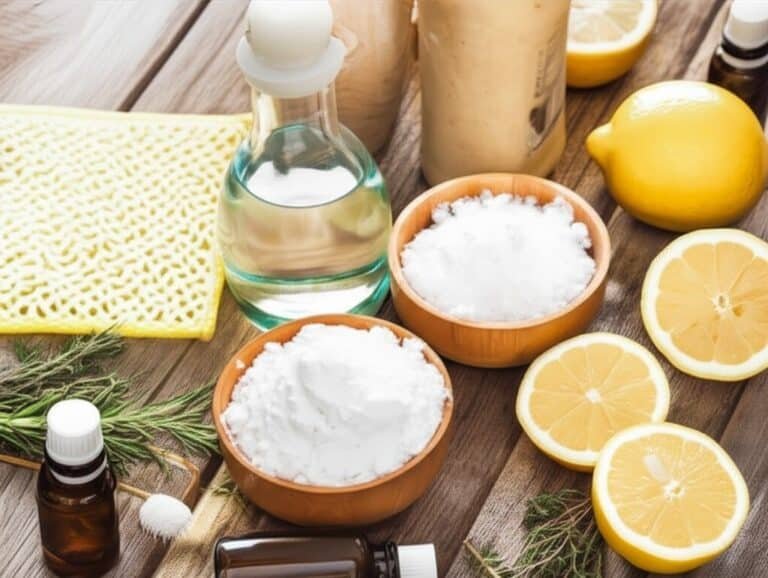
Making cleaning solutions at home is chemistry applied with a spoon: a handful of inexpensive staples, used with understanding of what each one does. There is no single magic formula, just targeted recipes for specific jobs, which is why DIY beats a closet of mystery sprays. You save money, control every ingredient touching your counters, skip aggressive fragrance, and cut the plastic waste of disposable bottles. The seven recipes below cover the house from glass to grout, followed by the safety rules that keep pantry chemistry harmless.
Your Five-Ingredient Starter Kit
- White vinegar: acetic acid that cuts grease, dissolves hard-water and soap-scum deposits, and disinfects.
- Baking soda: a gentle, non-scratching abrasive and a natural deodorizer for fridges, drains, and carpets.
- Lemon: citric acid, polish, and a clean scent for sinks.
- Castile soap: lifts grime into suspension so it rinses away.
- Rubbing alcohol: evaporates fast, which is the secret to streak-free glass.
Vinegar plus baking soda fizzes on contact, physically loosening stubborn buildup; the pairing recurs below.
Recipe 1: All-Purpose Surface Spray
Mix equal parts white vinegar and water in a spray bottle, then add 10 to 15 drops of an essential oil such as lemon, tea tree, or lavender for scent and extra antibacterial punch. It handles laminate countertops, sealed granite, appliance exteriors, painted walls, fingerprints, and light grease. The one hard boundary: never use vinegar solutions on marble or unsealed granite, because acid etches and dulls natural stone. The CDC’s guide to cleaning and disinfecting at home is a good reference for which surfaces deserve attention most often.
Recipe 2: Streak-Free Glass Cleaner
Combine one part rubbing alcohol, one part white vinegar, and two parts water. The alcohol flashes off as it dries, carrying the liquids with it before they can leave streaks. Spray the mixture onto a microfiber cloth rather than the pane to avoid drips, wipe the glass, then buff with a second dry cloth for a crystal finish on windows and mirrors.
Recipe 3: Stovetop and Oven Degreaser Paste
Make a paste of baking soda with a little warm water and spread it over greasy splatters on the cooktop, backsplash, or oven interior. Let it sit 15 to 20 minutes, then work the paste off with a soft sponge and a clean wet cloth. For baked-on crud, spray the paste with white vinegar, let the fizz lift the grime, then scrub again.
Recipe 4: Sink and Disposal Polish
Sprinkle baking soda generously over the empty basin, then scrub with a lemon half cut crosswise. The mild abrasive, citric acid, and fresh scent clean, polish, and deodorize the sink and the garbage disposal at once. Finish with a thorough hot-water rinse.
Recipe 5: Tub, Tile, and Toilet Scrub
For soap scum and mildew, blend one cup of baking soda with roughly a quarter cup of liquid castile soap into a thick scrubby paste. Work it onto tubs, showers, and tile with a brush, then rinse. Stubborn mildew stains respond to a spray of equal parts vinegar and water left to sit for at least 30 minutes before scrubbing; ventilate the room, because vinegar fumes concentrate fast. For the toilet bowl, pour about a cup of vinegar in, leave it an hour or overnight to dissolve the mineral ring, then add a sprinkle of baking soda, brush, and flush.
Recipe 6: Floor Wash for Hard Surfaces
Tile, vinyl, and linoleum: add half a cup of white vinegar plus a few drops of castile soap to a gallon of warm water; the vinegar cuts dirt while the soap lifts it, and a light hand with soap prevents a sticky film. Hardwood demands the timid version: only a quarter cup of vinegar to the gallon, a mop wrung nearly dry, and no pooling water anywhere near the boards.
Recipe 7: Drain Refresher and Deodorizer
For slow or smelly drains, pour half a cup of baking soda down, follow with half a cup of vinegar, cover the drain, and let the reaction work 15 to 30 minutes, then flush with a kettle of boiling water to carry off dissolved soap, grease, and pipe odor. That rinse is far gentler on plumbing than caustic chemical openers.
Bonus Moves: Carpets, Wood, and Steel
Beyond the core seven: dust dry baking soda over carpet, wait 30 minutes, then vacuum for whole-room deodorizing, and lift fresh stains with one teaspoon each of clear dish soap and white vinegar in a cup of warm water, blotted from the outside in, never rubbed. Feed furniture a wood polish of one part lemon juice to two parts olive oil, wiped along the grain and buffed dry. On stainless, a film of olive or mineral oil on a cloth resists fingerprints.
The Recipe Card
| Job | Mix | Dwell time |
|---|---|---|
| All-purpose surfaces | 1:1 vinegar and water, 10-15 drops essential oil | Wipe immediately |
| Glass and mirrors | 1 alcohol, 1 vinegar, 2 water | Wipe and buff |
| Grease paste | Baking soda with warm water | 15-20 minutes |
| Tub and tile paste | 1 cup baking soda, 1/4 cup castile soap | Scrub and rinse |
| Toilet descale | 1 cup vinegar, then baking soda | 1 hour to overnight |
| Drain refresh | 1/2 cup each baking soda and vinegar, then boiling water | 15-30 minutes |
Safety Rules: Label, Store, and Never Improvise
Homemade does not mean careless. Label every bottle with its contents and job, and store them in a cool, dark place beyond the reach of children and pets; food-safe ingredients are still not food. And never improvise chemistry. Vinegar plus hydrogen peroxide forms corrosive peracetic acid, and vinegar plus bleach releases toxic chlorine gas, a hazard the CDC’s page on cleaning and disinfecting with bleach warns about directly: keep bleach in its own bottle, and mix solutions in small, fresh batches.
Homemade Cleaner Questions, Answered
Can I use the all-purpose vinegar spray on every counter? No. It suits laminate, sealed granite, appliances, and painted walls, but acid etches marble and unsealed stone. Uncertain surface? Test a hidden spot or clean with soapy water instead.
Why does my DIY floor cleaner leave a dull film? Usually too much soap. On tile and vinyl, a few drops per gallon is plenty, and hardwood should see only the quarter-cup-of-vinegar dilution with a barely damp mop.
Do these recipes replace disinfectants entirely? Vinegar and baking soda handle cleaning, deodorizing, and light sanitizing, but during illness, follow the CDC’s cleaning and disinfecting guidance above and use a proper disinfectant on high-touch surfaces.
How much does this actually save? A gallon of vinegar and a box of baking soda cost less than one specialty spray and replace most of them: degreaser, glass cleaner, tub scrub, drain opener. When the whole house is overdue anyway, Toronto Shine Cleaning deep cleans start at $270.38 before HST for a studio or one-bedroom, with regular visits from $212.63, all on our pricing page.
When to Call for the Heavy Artillery
Pantry recipes maintain a home; occasionally a season gets ahead of everyone. For move-out deposits, spring-scale projects, or plain exhaustion, our deep cleaning service and regular maid service are one step away: call (647) 424-0355 and pick up the sparkle without the scrubbing.