









Why Your “Clean” Home Can Still Spread the Flu
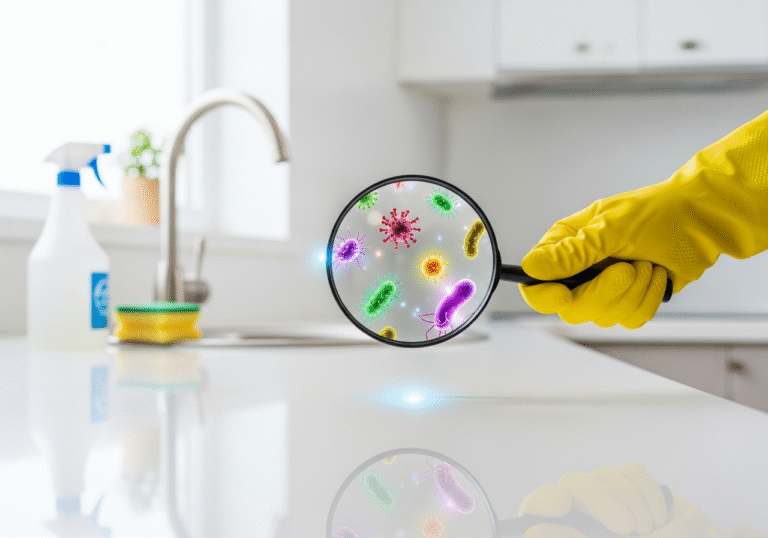
Flu season in Canada peaks in December and January, when homes are sealed tight against the cold and filled with guests. Influenza viruses travel in droplets from coughs and sneezes, but they also ride on hands and settle on surfaces, where they can survive on hard materials like stainless steel and plastic for up to 48 hours. A home that looks spotless can still be a transmission hub, because the germs are hiding on the objects everyone touches and almost no one sanitizes. Protecting your household means shifting from cosmetic cleaning to targeted, health-focused cleaning.
Clean First, Then Disinfect: the Order Matters
Cleaning and disinfecting are two different steps, and skipping the first one makes the second fail. Cleaning physically removes dirt, dust, and germs from a surface using soap or detergent and water. Disinfecting then kills the germs that remain, using a registered chemical product. If you spray disinfectant onto a visibly dirty surface, the organic soil shields the germs and inactivates the product, so the process wastes time and leaves pathogens behind. The CDC home cleaning guidance recommends always cleaning surfaces before disinfecting them, and doing both steps more often during cold and flu season.
Respect the Dwell Time
The most common mistake is wiping disinfectant off too soon. Registered disinfectants need to stay visibly wet on the surface for a set contact time, usually three to ten minutes depending on the product, before they actually kill viruses. Spray and immediately wipe removes the product before it works. Read the label, apply enough product to keep the surface wet for the full dwell time, and let it air dry. This one habit separates real disinfecting from just moving germs around.
The Hidden Germ Hotspots Most Homes Miss
We all wipe kitchen counters, but the flu spreads through the objects fingers touch constantly. The handle of the refrigerator, the buttons on the microwave, the flush lever in the bathroom, the light switch plate, and the remote control all pass from hand to hand dozens of times a day, and they rarely see a disinfectant. Door hardware deserves special attention in winter: the entry doorknob, the deadbolt, the storm door handle, and any garage keypad or smart lock are touched by every person entering the house, often right after touching outdoor surfaces. These surfaces turn a family home into a germ relay during a busy holiday week.
| Room | Hidden hotspots | Flu-season routine |
|---|---|---|
| Entryway | Doorknobs, deadbolt, keypad, handrails | Wipe with disinfectant daily |
| Kitchen | Fridge and oven handles, coffee maker, salt and pepper shakers | Clean, then disinfect twice weekly |
| Living room | Remote controls, game controllers, light switches | Sanitize weekly with alcohol wipes |
| Bathroom | Flush lever, faucet handles, toothbrush holder | Disinfect every day during peak season |
| Home office | Keyboard, mouse, phone screen | Wipe weekly, never drip liquid inside |
Electronics, Towels, and the Germs You Carry Daily
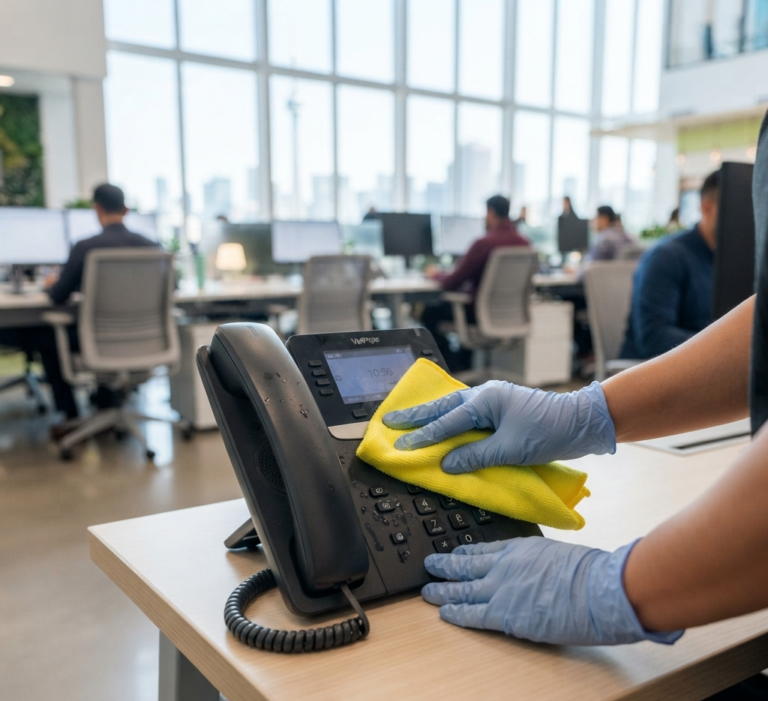
Smartphones are the ultimate high-touch objects: they go from kitchen counter to bathroom to bed, and they are pressed against the face dozens of times a day. Most modern phone screens handle gentle disinfection well; wipes with 70 percent isopropyl alcohol are generally safe for touchscreens, while bleach, abrasive cleaners, and dripping liquids are not. Apply the wipe, let the surface dry completely, and avoid pooling moisture in ports and speakers. Keyboards and mice need the same attention, especially in households where several people share one workspace.
Hand towels are another overlooked link in the chain. A shared bathroom towel can be touched by every member of a household, plus guests, many times a day during the December party season. During flu season, swap bathroom hand towels daily, wash them in hot water, and consider paper towels for gatherings so every guest dries their hands on a fresh sheet. The CDC handwashing guidance reminds us that clean hands stop the spread, but only if the towel that dries them is not itself a shared surface. Pillowcases and bedding deserve more frequent washing too, since flu sufferers shed virus onto linens while they sleep.
Air, Humidity, and the Bigger Picture
Viruses do not only wait on surfaces. Flu droplets hang in the air and attach to dust particles, which is why heating vents, ceiling fans, and dusty baseboards deserve a vacuum pass before and during flu season. Keeping indoor humidity around 40 to 60 percent also helps: flu viruses survive longer and transmit more easily in dry air, and comfortably moist air keeps the nasal passages that trap viruses working properly. A humidifier, regular ventilation, and thorough dusting work alongside surface disinfection to lower the viral load.
Build a Daily Germ-Breaking Routine
- Disinfect entry door hardware and light switches every morning
- Wipe down kitchen appliance handles and counter zones after each meal
- Sanitize the flush lever, faucet handles, and toothbrush holder daily
- Give remotes, phones, and keyboards an alcohol wipe weekly
- Switch to fresh hand towels daily or paper towels when guests visit
- Vacuum vents, baseboards, and under furniture to remove dust that carries particles
Consistency beats intensity. A two-minute pass over the high-touch map every day does more to protect a family than a marathon cleaning session once a month, because germs are reintroduced constantly by the people who live there. When someone in the house is already sick, add daily disinfection of everything they touch, wash your own hands after contact, and keep their linens and towels separate until they recover.
Frequently Asked Questions About Flu Season Germs
What is the difference between cleaning and disinfecting? Cleaning removes dirt and some germs with soap and water; disinfecting uses chemicals to kill the germs that remain. You need both, in that order, because dirt stops disinfectants from working.
How long should disinfectant stay on a surface? Read the label: most registered disinfectants need to stay visibly wet for three to ten minutes to kill viruses. Wiping them off early defeats the purpose, so apply enough product and let it air dry.
Is it safe to clean my phone with alcohol wipes? Yes, for most modern phones. Wipes with 70 percent isopropyl alcohol are generally safe for touchscreens. Avoid bleach and abrasive cleaners, do not let liquid pool in ports, and let the screen dry fully.
How often should I change towels during flu season? Swap bathroom hand towels daily and wash them in hot water. For gatherings, paper towels give every guest a clean surface and remove the shared-towel problem entirely.
Can professional cleaning reduce flu spread in my home? Yes. A deep clean reaches the overlooked reservoirs, including baseboards, vents, and cabinet fronts, and professional teams apply registered disinfectants with correct dwell times. Regular maintenance afterward keeps high-touch surfaces attended to all season.
Toronto Shine Cleaning can prepare your home for flu season with a thorough deep clean that targets hidden germ reservoirs, then keep it protected with a regular cleaning schedule that fits your household. See our transparent Toronto cleaning prices and read what local families say about our service. Book your flu-season clean today by calling (647) 424-0355.