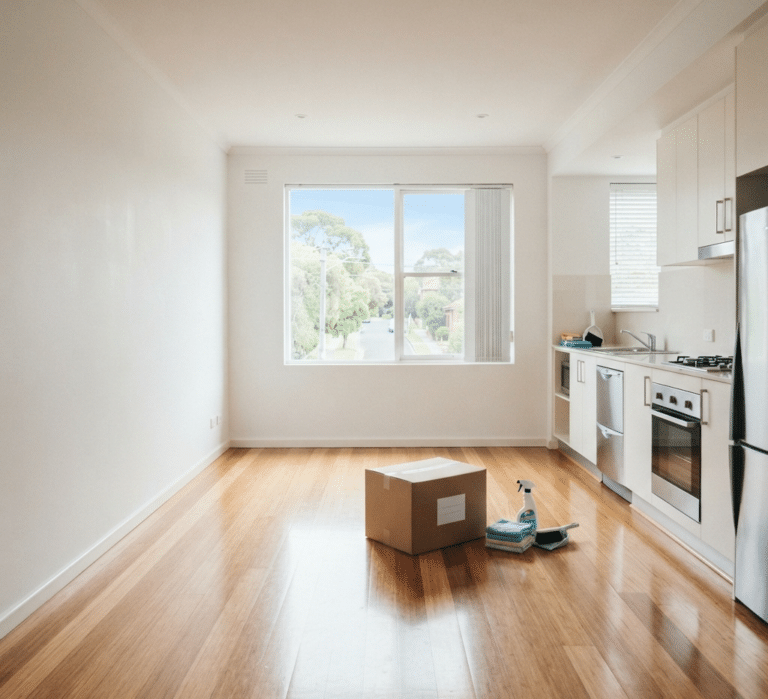










How to Mitigate Health Risks by Cleaning Your House
A spotless-looking home can still be quietly unhealthy. The risks that matter most, dust mites, bacteria on your sponge, mold creeping behind furniture, are exactly the ones you cannot see. Cleaning is not just curb appeal; it is one of the most practical things you do for your family’s health. This guide breaks down what is really living in your home, where to focus, and how to clean safely while doing it.
The Lowdown on Germs and Dust
Dust is not simple dirt. It is a mixture of dead skin cells, hair, pet dander, and even tiny plastic particles, and within it live dust mites: microscopic critters that settle into bedding, carpets, and upholstery and drive allergies and breathing problems for many people. Meanwhile, germs hide in plain sight on the things you touch daily. In the kitchen, sponges, cutting boards, and faucet handles serve as prime real estate for E. coli and salmonella, so the very places where you prepare meals and wash your hands can quietly spread illness if ignored.
Why Regular Cleaning Matters
Busting dust and allergens
Treat dust mites and pet dander like uninvited performers causing a respiratory ruckus. Frequent dusting and vacuuming, especially where dust settles: bedding, carpets, upholstered furniture, shows those allergens the exit and helps everyone breathe easier. Households managing asthma benefit the most; the CDC asthma page outlines how controlling indoor triggers reduces symptoms.
Keeping germs at bay
Kitchens and bathrooms are the dense cities of the germ world. Raw meat, fresh produce, shared utensils, and personal hygiene routines all leave microbes behind, and without a routine, those rooms become breeding grounds. Scrubbing countertops, sanitizing sinks, and disinfecting toilets is not vanity; it is an illness-prevention measure.
Tackling high-touch areas
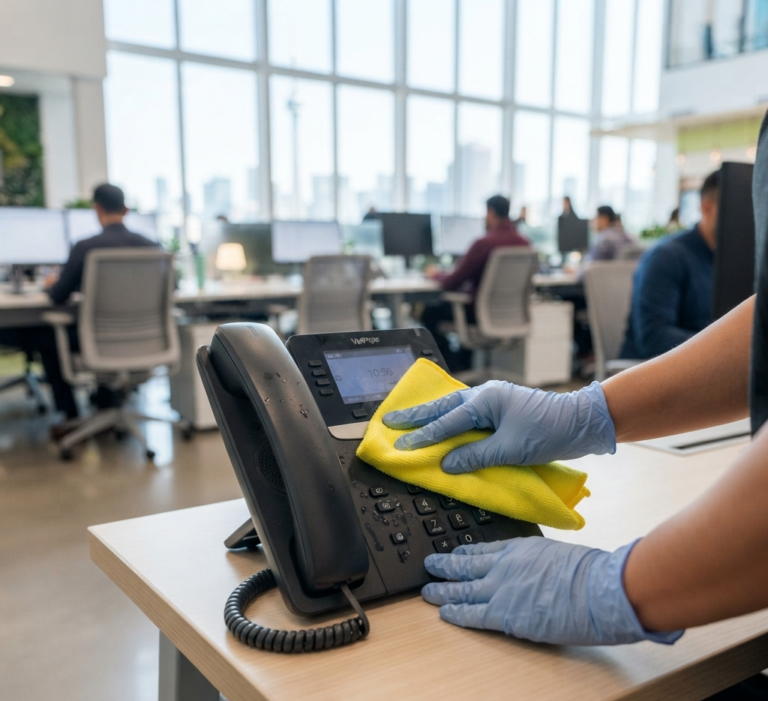
Every touch on a doorknob, light switch, or remote can deposit or pick up germs, making these surfaces highways for transmission between household members. Regular wipes with a proper disinfectant put up a barrier. Phones and tablets belong on the list too: they travel from bathroom to kitchen to public spaces and back, yet almost nobody cleans them. The CDC guidance on when and how to clean and disinfect your home is a good frequency benchmark, and hand washing after touching shared surfaces remains the simplest defense of all.
Your Home’s Germ Hotspots
| Hotspot | What lurks there | Clean it |
|---|---|---|
| Kitchen sponge and cutting boards | E. coli, salmonella from raw food | Daily disinfect, replace sponges often |
| Doorknobs, switches, remotes | Germs passed hand to hand | Wipe several times weekly |
| Phones and tablets | Everything from pockets and public spaces | Gentle disinfect wipe daily |
| Bedding and upholstered furniture | Dust mites, pet dander | Vacuum weekly, wash linens hot and often |
| Bathroom faucet handles and toilet | Hygiene-related bacteria | Scrub and sanitize weekly at minimum |
The Deep Clean Difference
Routine tidying handles surfaces; deep cleaning handles the long game. It reaches the overlooked zones, under furniture, high shelves, behind appliances, where time builds up mold, mildew, and deep-seated grime. Mold is not merely ugly: it is notorious for triggering respiratory issues and allergic reactions, and left unchecked can contribute to more severe problems, which is why the CDC mold health guidance treats moisture and cleanup as health matters. Deep cleaning also clears the mental static: dirt and clutter quietly raise stress, and a thorough reset leaves your home feeling like a sanctuary, not a source of pressure.
Clean Safely: Protect Yourself While You Scrub
Cleaning should not harm you. Many conventional products contain harsh chemicals, so follow the basics every time:
- Wear gloves to prevent skin irritation and allergic reactions
- Ventilate well: open windows or run fans when using strong products, since fumes concentrate indoors
- Keep children and pets away from wet surfaces and stored chemicals, as pets are often more sensitive
- Consider natural alternatives like vinegar for grease and soap scum, baking soda as a gentle abrasive that will not scratch, and lemon for its fresh cleaning power and scent, all effective, inexpensive, and already in your pantry
- Read labels before mixing anything: Health Canada’s household chemical safety information covers the risks of combining products
When to Call the Pros
Some jobs deserve a team: whole-home deep cleans, large spaces, or simply a calendar with no room. Professional cleaners bring real advantages over DIY.
- Expertise and efficiency: trained methods for different soils and surfaces, with a full day of your work done in a fraction of the time using advanced equipment.
- Deep clean guarantee: sanitizing and disinfecting into crevices regular cleaning misses, lifting home air quality with it.
- Customized plans: one-time resets, ongoing maintenance, or focused kitchen and bathroom work.
- Peace of mind: no worrying about technique, hard areas, or effort.
Toronto Shine Cleaning brings all four, fully bonded and insured with a $1,000,000 policy plus a $10,000 accidental breakage and surety bond. Deep cleans start at $270.38 for a studio or 1BR and run to $527.63 for a 4BR before HST, and ongoing regular cleaning keeps results from slipping between visits; see the full pricing page or book a deep clean directly.
Health-Focused Cleaning FAQ
How often should I disinfect high-touch surfaces? Several times a week as a baseline, daily during cold and flu season in your household, and immediately after someone is ill. Focus on doorknobs, switches, remotes, appliance handles, faucets, and phones, and clean visibly dirty surfaces with soap or detergent before disinfecting.
Can dust really affect my health? Yes. Beyond irritation, dust carries mite allergens, dander, and fine particles that worsen allergies and asthma. Regular damp dusting, vacuuming with a HEPA filter, and washing bedding on a schedule measurably reduce the indoor allergen load.
Are homemade cleaners safe for disinfecting? Vinegar, baking soda, and lemon are excellent cleaners and deodorizers, but they do not reliably disinfect. For illness prevention, disinfect high-touch areas with an approved product used exactly as the label directs, and ventilate while you work.
Do professional cleanings improve indoor air? Meaningfully, yes, because they remove the reservoirs that keep recycling dust and microbes into your air: carpet soil, upholstered furniture, under-bed accumulation, and bathroom grout. Pair a deep clean with ongoing maintenance to hold the gains.
A Cleaner Home Is a Healthier Home
Every wipe of a doorknob and every pass under the couch is a small deposit into your family’s health. Keep the routine, respect the hotspots, and call for backup when the job outgrows the weekend. Toronto Shine Cleaning is happy to be that backup: reach us at (647) 424-0355 and make your house genuinely healthy, not just tidy.