









Seven Effective Ways to Clean Water-Based Stains From Every Surface
Coffee on the couch, finger paint on the hallway wall, rain tracked across the floor: water-based spills look harmless and still set in fast. Almost every one lifts cleanly when you match technique to material. These seven methods cover the surfaces your household touches all day, with supplies you likely own.
One rule comes before every step, and the CDC’s home cleaning guidance backs it: clean promptly, before soil has a chance to set.
- Blot with a clean cloth the moment the spill lands; rubbing grinds it in.
- Start with cool or lukewarm water, because heat sets most water-based marks.
- Work from the outside edge inward so the stain cannot grow.
- Rinse every trace of soap away, then dry the area fully.
Quick Reference Table
| Surface | First move | Skip this |
|---|---|---|
| Fabric and upholstery | Blot, then mild detergent in cool water | Rubbing and hot water |
| Carpet | Baking soda, vinegar spray, then blotting | Walking on wet pile |
| Hardwood | Blot dry, hardwood cleaner on a cloth | Soaked mops, pouring cleaner on the floor |
| Tile and grout | Lemon-and-salt paste, soft brush | Steel wool, harsh abrasives |
| Painted walls | Damp microfibre, drop of dish soap | Scouring pads |
| Vinyl and laminate | Sweep, well-wrung damp mop | Puddles at seams and baseboards |
| Clothing | Pre-treat, wash per the care label | Drying before the stain is gone |
1. Fabric and Upholstery: Blot First, Then Mild Detergent
Blot the moment the spill lands so liquid cannot sink into the fibres. Mix a squirt of gentle detergent into cool or lukewarm water, since hot water can set the mark. Dip a colourfast soft cloth, wring it until barely damp, and dab from the outer edge inward so the stain cannot spread. When it lifts, dab again with clean cool water until no soap remains. Let the area air dry: skip direct heat, and if the fabric allows, press a cool iron through a clean cloth to draw out the last moisture.
2. Carpets: Baking Soda and White Vinegar
Cover the damp patch with baking soda and give it about ten minutes to pull up moisture and odour. Spray a half-and-half mix of white vinegar and water over the top; the fizz signals the reaction at work. Vinegar’s acidity lifts the mark while the dilution keeps the colour safe. Wait for the bubbling to stop, then blot with a clean dry cloth, dabbing and never rubbing. Let it dry completely: damp carpet invites mold and mildew, a risk the CDC’s mold and health pages explain. Vacuum last to lift the fibres back up. Delicate or specialty carpets belong with professionals.
3. Hardwood Floors: Immediate Wipe, Then a Floor-Specific Cleaner
Wood warps and discolours when liquid slips into the seams, so blot any spill with a soft dry cloth the moment you notice it, pressing rather than rubbing so moisture cannot travel along the grain. If a mark stays, choose a cleaner made for hardwood and matched to your finish; the Health Canada household products pages are a good label-reading reminder. Pour it onto the cloth or mop instead of the floor so the wood never soaks, wipe along the grain, let the product sit briefly on stubborn spots, then dry with a clean cloth so no moisture lingers.
4. Tile and Grout: Lemon Juice and Salt Paste
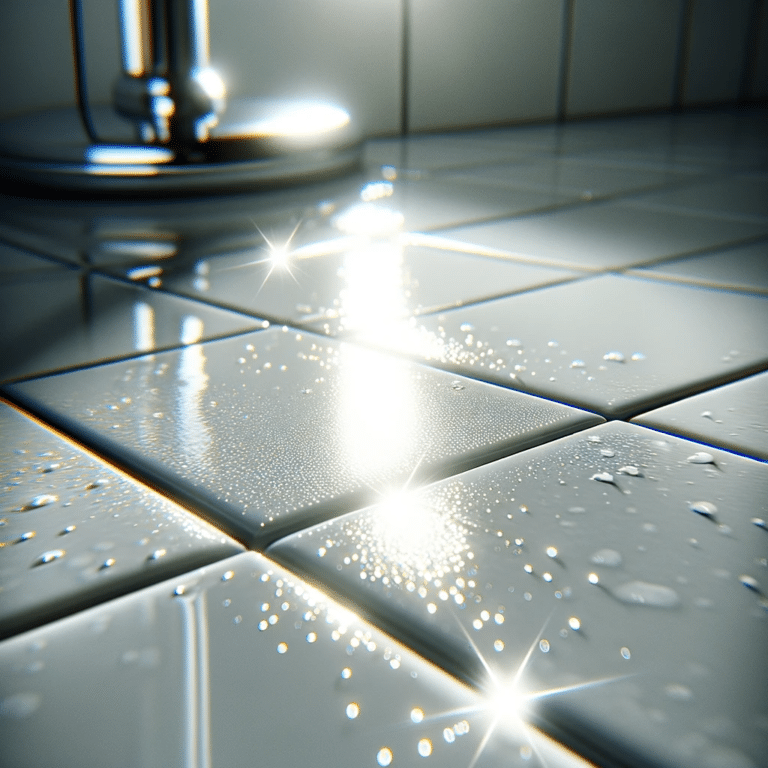
Lemon juice earns its place for more than smell: its acidity acts as a natural bleach against food, soap scum, and mildew, and helps sanitise. Salt adds a soft abrasive that breaks stains down without gouging the tile. Stir the two into a paste, spread it over the mark, and work it in with an old toothbrush. Leave it five to ten minutes, longer on old marks, then scrub lightly and rinse with warm water, which dissolves the mixture better than cold. Towel dry so new moisture does not soak into porous grout.
5. Painted Walls: Damp Microfibre and Patience
Rain marks and splashes on painted drywall respond well to a microfibre cloth wrung out in warm water with a drop of dish soap. Wipe in light circles, working outward from the edge of the mark, and rinse the cloth often. Skip scouring pads and strong cleaners, which polish dull streaks into the paint.
6. Vinyl and Laminate: A Damp Mop, Never a Wet One
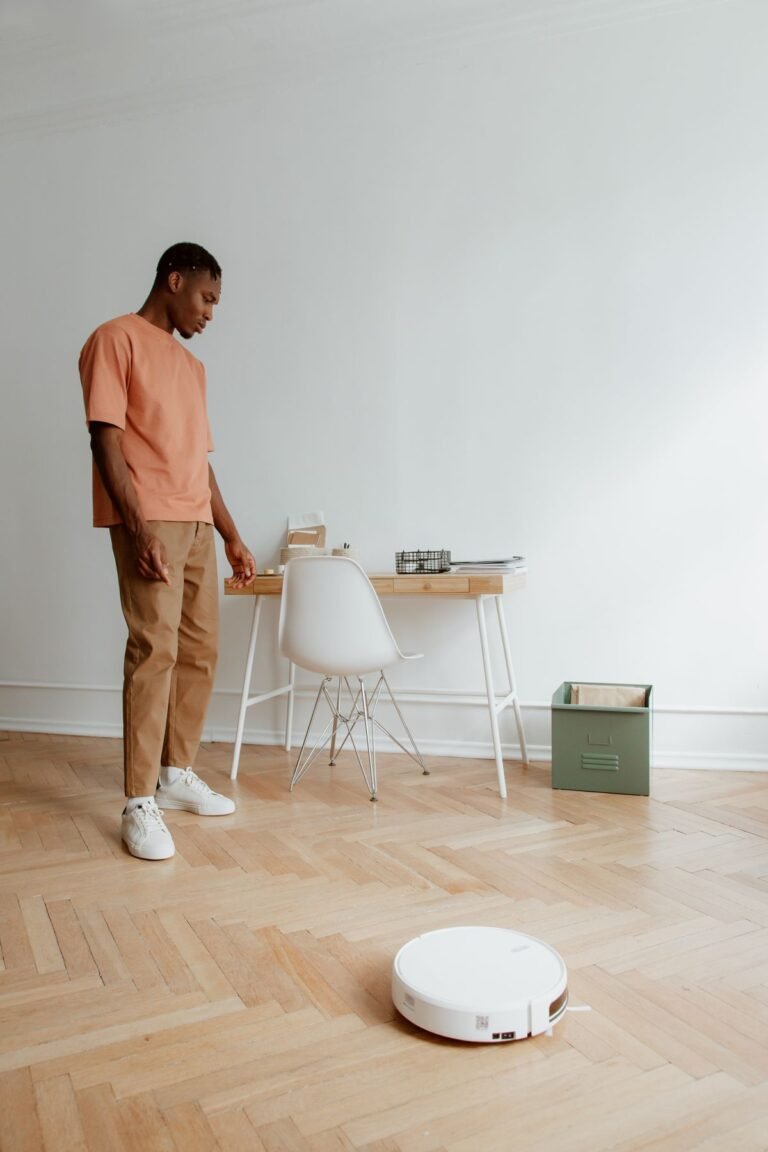
These floors tolerate water better than hardwood, but liquid creeping into seams can lift edges and swell planks. Sweep first, then mop with a pad wrung nearly dry using a laminate-safe product or diluted vinegar solution. Towel up dampness along baseboards and seams, where moisture hides longest.
7. Clothing: Pre-Treat Before the Wash
Water-based marks on laundry usually vanish with one extra step. Work a drop of liquid detergent, or a dab of vinegar-and-water mix, into the stain, let it sit ten to fifteen minutes, then wash at the temperature the care label permits. Check the spot before the dryer runs: machine heat sets any stain left behind.
Frequently Asked Questions
Do water-based stains really need same-day attention? Fresh marks sit on the surface, where blotting lifts them easily. Once dry, a stain bonds with fibres and grout, so the same job takes stronger products and several rounds. Speed is the cheapest protection there is.
Can I reach for bleach to speed things up? Not on every material. Bleach can strip fabric colour, harm wood finishes, and dull coloured grout. Reserve it for bleach-safe surfaces, diluted as the label directs, in a ventilated room.
Why does my carpet look clean but smell damp? Moisture lingers in the pad beneath the pile long after the surface feels dry. Point a fan at the area, open a window, or run a dehumidifier until fully dry. A lasting damp smell means professional extraction is the right call.
When should I stop scrubbing and call for help? If a mark survives two or three rounds of the correct method, more scrubbing endangers the fibre rather than the stain. A deep cleaning visit extracts what household products cannot reach.
When the Stain Wins, You Do Not Have to Let It
Some marks need equipment and hours that a busy week never allows. Toronto Shine Cleaning is bonded and insured, carrying a $1,000,000 insurance policy and a $10,000 accidental breakage and surety bond. Regular cleaning for a studio or one-bedroom home starts at $212.63 and deep cleaning at $270.38, both before HST, as laid out on our pricing page. Add a regular cleaner so spills never age, and see what clients say on our reviews page. Call (647) 424-0355 to book.