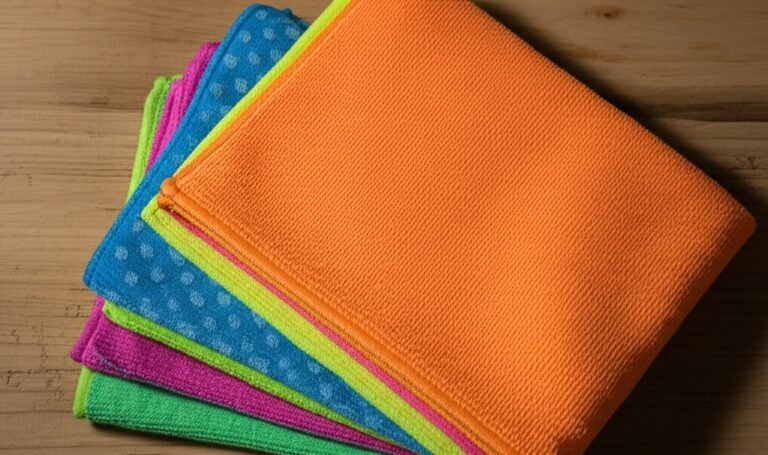










Far from being just another option in the cleaning arsenal, microfiber cloth offers a unique combination of effectiveness, versatility, and durability that elevates it to the status of indispensable for those seeking superior results with less effort and, often, fewer chemicals. We’ll explore its remarkable capabilities in five key steps of understanding and application.
1. The Science Behind the Sparkle
To truly appreciate why microfiber cloths are such game-changers in the world of cleaning, we must first delve into the unique structure that gives them their power. The term “microfiber” itself refers to the incredibly fine synthetic fibers – typically a blend of polyester and polyamide (nylon) – that are woven together to create the fabric. These individual fibers are astonishingly thin, often many times finer than a single strand of human hair. What makes them even more effective is that during the manufacturing process, these fibers are frequently split or “fragmented.” This splitting process vastly increases the surface area of each fiber and creates millions of microscopic nooks, crannies, and tiny “claws” along each strand. It is this intricate, engineered architecture at a microscopic level that bestows microfiber cloths with their remarkable ability to attract, lift, and trap dirt, dust, and grime. Unlike traditional cotton cloths which might simply push particles around or require significant liquid to suspend dirt, the microfibers actively grab onto debris. Furthermore, the polyester component often carries a natural positive electrical charge, which acts like a magnet for negatively charged dust particles, pulling them from surfaces and holding them securely within the cloth’s weave until it is laundered. This fundamental understanding of their construction is key to recognizing why they perform so exceptionally well in various cleaning applications.
2. Mastering Dry Dusting
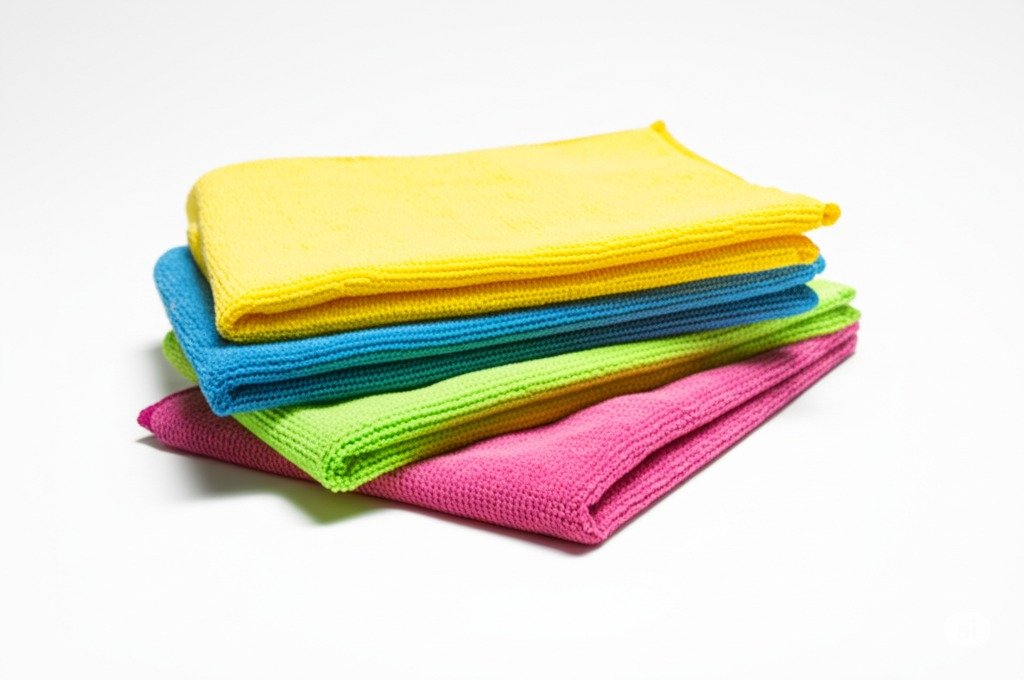
One of the most immediate and visibly impressive applications of microfiber cloths is their proficiency in dry dusting. When used without any moisture, these cloths transform into highly efficient dust magnets. Imagine gliding a dry microfiber cloth across a dusty bookshelf, an antique wooden table, intricate window blinds, or the delicate surfaces of your electronic devices. You will observe how the dust seems to cling effortlessly to the fabric, leaving behind a surface that is not only visibly cleaner but also smoother to the touch, free from the fine particulate layer that can dull its appearance. The crucial difference compared to traditional feather dusters or less advanced cloths is that microfiber doesn’t merely displace dust, scattering it into the air only for it to settle elsewhere moments later. Instead, the fine, charged fibers actively capture and tenaciously hold onto these dust particles. This superior trapping ability not only enhances the aesthetic appeal of your home by keeping surfaces looking pristine for longer but also contributes significantly to a healthier indoor environment by reducing airborne allergens and irritants, a particularly valuable benefit for households with allergy sufferers or individuals sensitive to dust.
3.Unleashing Wet Cleaning Wonders
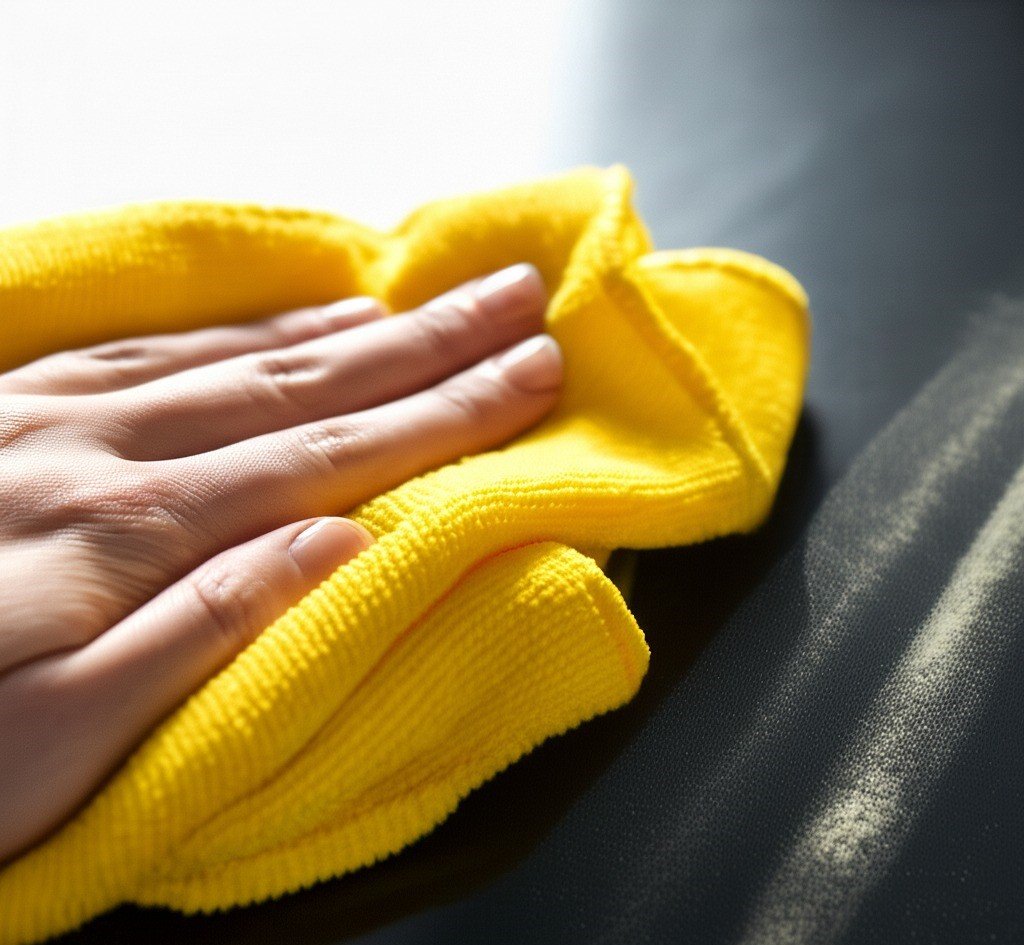
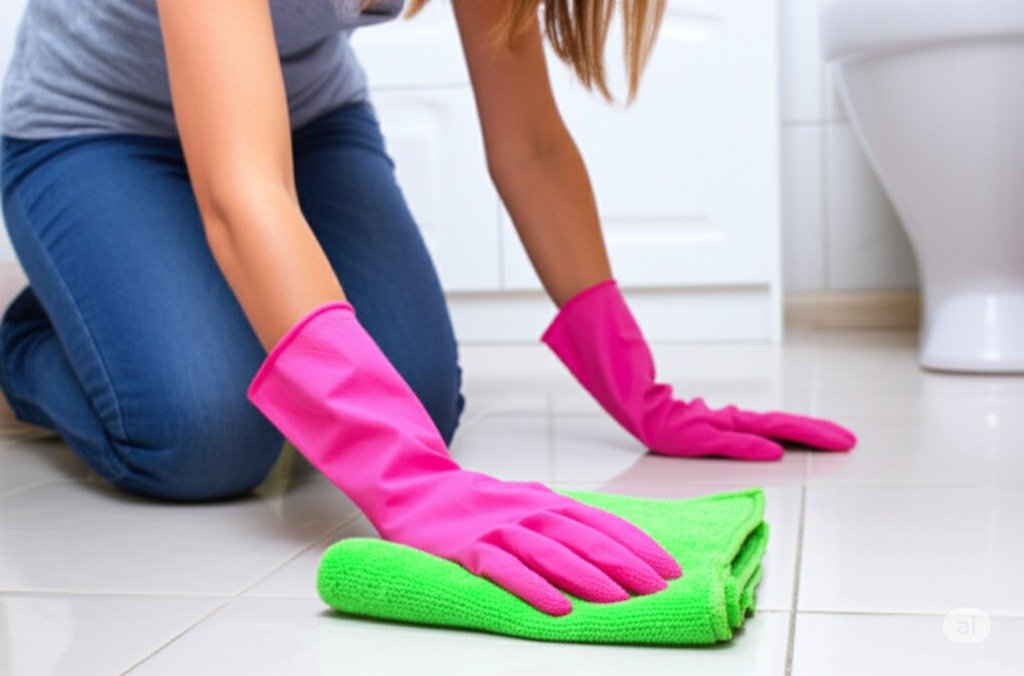
When a microfiber cloth is dampened with plain water, its cleaning capabilities expand dramatically, turning it into a versatile workhorse for a multitude of cleaning tasks. The absorbent nature of microfiber is quite remarkable; these cloths can typically hold several times their own weight in liquid. This makes them exceptionally effective for quickly and efficiently soaking up spills, whether it’s a splash of juice on the kitchen counter or water around the bathroom sink. Beyond simple spill absorption, a damp microfiber cloth becomes a powerful tool for general surface cleaning. The combination of the microfibers’ scrubbing action and their ability to lift and trap grime means that they can tackle everyday messes like food splatters, sticky fingerprints, soap scum, and light layers of grease with surprising ease, often requiring nothing more than water. For more resistant or greasy build-up, a minimal amount of a mild, pH-neutral cleaning solution can be added to the water, but one of the most significant advantages of microfiber is its capacity to clean effectively and hygienically with little to no reliance on harsh chemical cleaners. This gentle yet powerful action makes damp microfiber cloths ideal for use on kitchen countertops, bathroom tiles and fixtures, appliance exteriors, and dining tables, consistently leaving behind a thoroughly clean and satisfyingly streak-free finish.
4. The Microfiber Advantage on Glass and Polished Surfaces
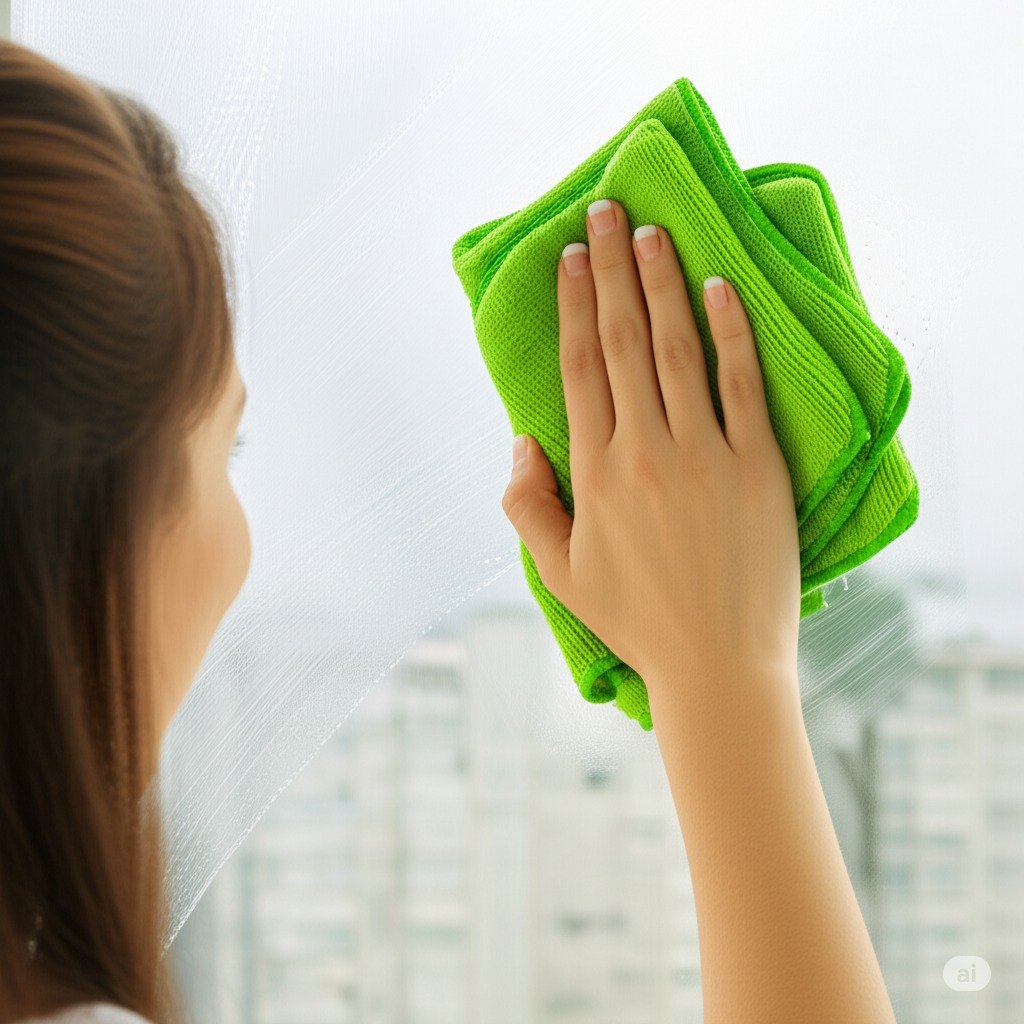
The task of cleaning glass, mirrors, and other highly polished surfaces is an area where microfiber cloths truly demonstrate their superiority, delivering results that are often described as brilliantly clear. Anyone who has previously battled with the frustrating streaks, smudges, and lint residue left behind by conventional cleaning cloths or paper towels when attempting to clean windows, mirrors, or shiny chrome fixtures will find the performance of microfiber to be a revelation. When a microfiber cloth is lightly dampened – either with just a touch of water, or for exceptionally stubborn marks or a professional gleam, with a specialized glass cleaning spray or a diluted solution of water and white vinegar – it glides almost effortlessly across these smooth surfaces. It efficiently lifts away dirt, grime, fingerprints, and water spots. Crucially, due to the fineness of the fibers and the tight weave of the cloth, it dries very quickly and leaves behind virtually no lint or streaks, resulting in an impeccable, crystal-clear finish. This ability to clean without leaving any trace of itself behind is what makes microfiber the go-to choice for ensuring that reflective surfaces throughout the home are not just clean, but flawlessly transparent and sparkling.
5. The Long-Term Value of Microfiber
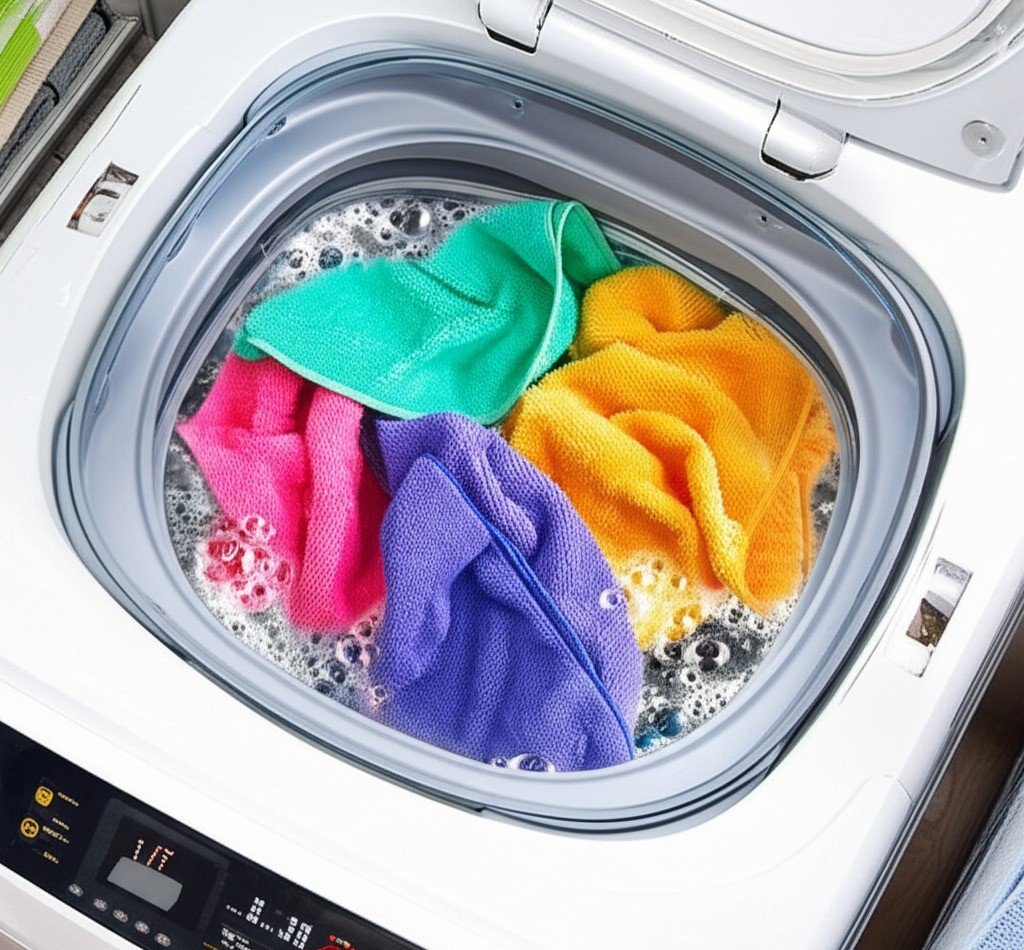
Beyond their immediate cleaning prowess, the durability and inherent reusability of microfiber cloths are fundamental aspects that contribute significantly to their overall value and their standing as an environmentally conscious cleaning choice. Unlike disposable paper towels that contribute to waste after a single use, or traditional cotton cloths that can quickly fray, lose their shape, and diminish in cleaning effectiveness, high-quality microfiber cloths are engineered to withstand hundreds of washing cycles without degrading their unique cleaning properties. To ensure their longevity and maintain peak performance, a few simple care guidelines are recommended. It is generally best to launder microfiber cloths separately from other types of laundry, particularly items like cotton towels that are prone to shedding significant amounts of lint, as these loose fibers can become trapped within the microfibers and reduce their effectiveness. Critically, the use of fabric softeners should be strictly avoided when washing microfiber, as the chemicals in softeners can coat the delicate fibers, diminishing their natural static charge and their ability to absorb liquids and attract dust. Air drying or tumble drying on a low heat setting is the preferred method for drying, as high heat can potentially damage the fine synthetic fibers. By adhering to these straightforward care instructions, your investment in a set of quality microfiber cloths will continue to deliver superior cleaning benefits for a very long time, making them not only effective but also an economical and sustainable choice for your household cleaning needs.
In essence, microfiber cloths are a testament to how intelligent design can transform a simple household item into a remarkably effective and versatile cleaning tool. Their unique structure allows them to tackle everything from fine dust to stubborn grime, leaving surfaces cleaner and more hygienic, often with less effort and fewer chemicals. They represent a smart, sustainable, and highly functional approach to maintaining a pristine home environment.
We understand that maintaining a home that truly shines, utilizing the best tools and techniques like the meticulous use of microfiber cloths, brings a deep sense of satisfaction and well-being. Yet, in the dynamic and often demanding rhythm of life in Toronto, finding the sufficient time and energy to consistently uphold this high standard of cleanliness across your entire home can be a considerable challenge. If you aspire to the feeling of an impeccably clean and fresh living space, where every detail is attended to, but your schedule simply doesn’t allow for it, Toronto Shine Cleaning offers the ideal professional solution.