









Cleaning Products And Allergies: What You Need To Know
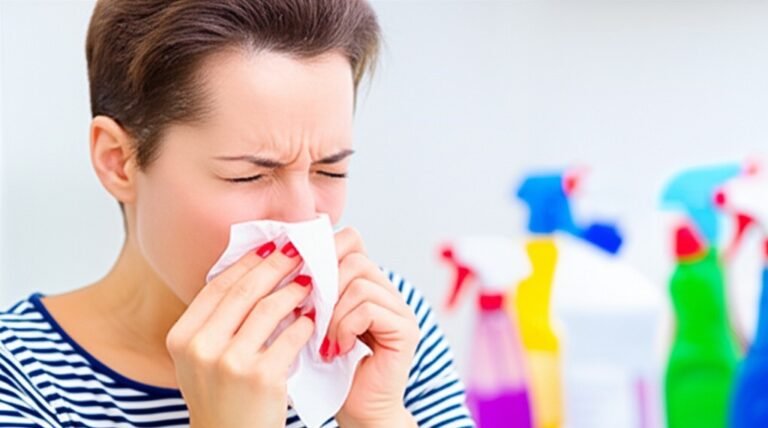
For people with asthma, eczema, or chemical sensitivities, cleaning day can trigger more symptoms than it prevents. Many conventional products release fragrances and harsh fumes that irritate airways, skin, and eyes, and the very act of scrubbing kicks dust and allergens into the air. The good news is that a few informed changes, namely choosing the right products, reading labels critically, adapting your technique, and protecting yourself while you work, let you keep a genuinely clean home without paying for it in sneezes, rashes, and headaches. The four tips below cover each of those steps.
Tip 1: Drop Fragrances And Harsh Chemicals First
Fragrance is the single biggest problem for allergy-prone noses. Whether synthetic or from essential oils, scents release volatile organic compounds (VOCs) such as limonene, pinene, and aldehydes that can set off asthma attacks, headaches, nausea, and contact dermatitis. Beware the word “unscented”: those products often contain masking fragrances to hide the smell of the base chemicals, so look for the explicit label “fragrance-free” instead. Other common troublemakers include preservatives such as methylisothiazolinone (MI) and methylchloroisothiazolinone (MCI), which are notorious causes of itchy, blistering rashes even from rinse-off products like dish soap; decorative dyes that add zero cleaning power; and the sharp fumes of ammonia and chlorine bleach, which assault the eyes, nose, throat, and lungs. Surfactants that lift grease also strip natural oils from skin, causing dryness and cracking. One absolute rule: never combine bleach with ammonia or acids such as vinegar, because the mixture releases toxic chloramine or chlorine gas.
Tip 2: Read Labels And Trust Certifications
Symptoms range from coughing, wheezing, and a runny nose to hives, eczema flares, watery eyes, and dizziness in poorly ventilated rooms, and tracing the culprit ingredient is hard because manufacturers need not disclose every fragrance component. Read labels for words like “fragrance,” “parfum,” CI-numbered dyes, MI/MCI, and formaldehyde-releasing preservatives such as DMDM hydantoin or quaternium-15, and prefer short ingredient lists. Understand that no regulator such as the FDA or EPA tightly controls the term “hypoallergenic”: it signals the maker’s intent, not a guarantee of no reaction. Third-party marks carry more weight: the EPA’s Safer Choice label means ingredients were reviewed against health and environmental criteria, and Asthma and Allergy Friendly certification requires independent testing. Be equally skeptical of greenwashing, because words like “natural,” “botanical,” or “plant-based” do not mean non-allergenic, since tea tree, lavender, eucalyptus, and citrus oils are known allergens and VOC sources.
| Label claim | What it really means | Reliability for allergy sufferers |
|---|---|---|
| Unscented | May contain masking fragrances | Poor: choose fragrance-free instead |
| Hypoallergenic | Maker omitted some common allergens | Weak: not tightly regulated |
| EPA Safer Choice | Ingredients reviewed for health and environment | Strong: independent program |
| Asthma and Allergy Friendly | Independently tested against trigger standards | Strong: certification testing required |
| Natural or plant-based | Contains botanicals, which can still allergize | Poor: essential oils are known irritants |
Tip 3: Change How You Clean, Not Just What You Use
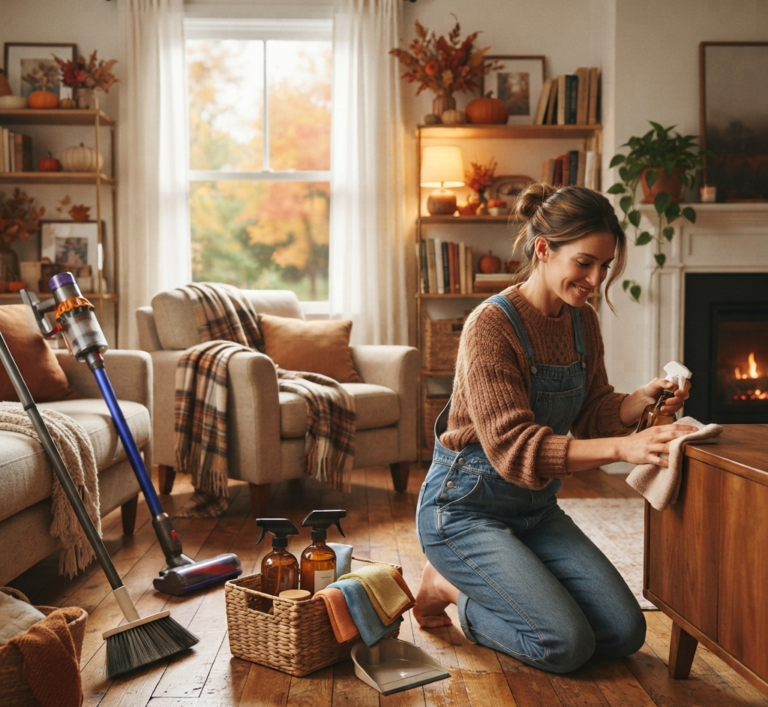
Technique matters as much as chemistry. Open windows and run exhaust fans whenever you clean so VOCs and particles dilute and leave instead of settling into drywall and furniture. Use less product than instinct tells you, following label dilution ratios, and consolidate to a few gentle multi-purpose cleaners instead of a cabinet of specialty bottles, since the combined chemical load of many products is what tips sensitive people over. Then lean on physical methods that need little or no chemical at all:
- Microfiber cloths trap dust, allergens, and bacteria with water alone, holding particles instead of smearing them like cotton does
- Steam cleaners sanitize hard floors, grout, upholstery, and mattresses with superheated vapor that kills dust mites, mold spores, viruses, and bacteria without residue
- Let steam-treated areas dry fully with ventilation on, because added humidity invites mold, itself a major allergen
- Damp-mop instead of dry-sweeping, and vacuum with a HEPA-filter machine so extracted air stays clean
Dust mites are a leading indoor trigger, and Health Canada’s guidance on dust and dust mites explains how they colonize bedding, carpets, and soft furniture, while its overview of indoor air contaminants covers the irritants that accumulate in tightly sealed homes.
Tip 4: DIY Safely And Suit Up Before You Scrub
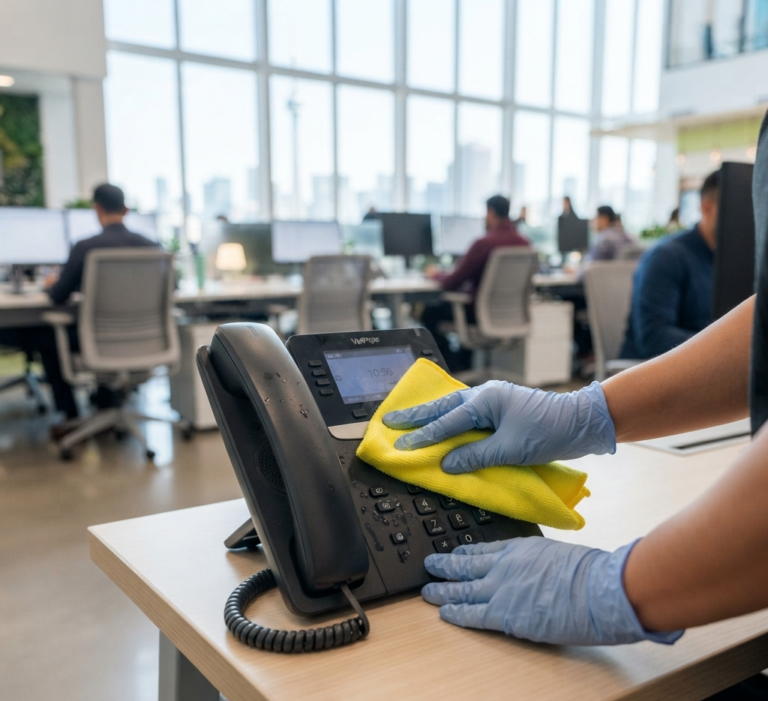
Homemade solutions are gentler but not harmless. Diluted white vinegar, typically one part to one part water, cuts grease and dissolves mineral films on glass and fixtures, though its pungent smell can irritate highly sensitive airways. Baking soda works as a soft abrasive and deodorizer. Lemon juice adds mild antibacterial and bleaching action, yet it can cause skin irritation or phytophotodermatitis when sun follows contact. Use distilled water in your mixes to avoid tap-mineral residue, never blend vinegar with bleach, and remember DIY cleaners may fall short of commercial disinfectants when real sanitizing is required. Before adopting any new product, spot-test the surface, patch-test skin-contact items like detergents on the inner forearm for 24 to 48 hours, and introduce one new product at a time so a reaction is easy to trace. Wear nitrile or neoprene gloves (latex-free if you react to latex), and consider a well-fitting N95 respirator when dusting or handling heavily soiled areas, following the sort of sensible precautions the CDC outlines for cleaning and disinfecting your home safely.
Frequently Asked Questions About Allergy-Friendly Cleaning
What is the difference between unscented and fragrance-free? Unscented products can still contain masking chemicals to hide ingredient odors, while fragrance-free means no added fragrance at all. Allergy sufferers should buy the fragrance-free version.
Are natural cleaners safer for allergies? Not automatically. Essential oils such as tea tree, lavender, and citrus are documented allergens and VOC sources. Judge every product, homemade or store-bought, by its full ingredient list rather than marketing words like natural or eco-friendly.
Why does my cleaning spray give me headaches? Volatile organic compounds in fragrances and solvents irritate the nervous system and airways, especially in closed rooms. Open windows, run exhaust fans, use less product, and switch to fragrance-free formulas to see whether symptoms settle.
Can a professional service work around my allergies? Yes, if you communicate first. Toronto Shine Cleaning happily uses your chosen fragrance-free, dye-free products and skips aerosol sprays on request; see how our regular maid service keeps irritant reservoirs low between visits.
Managing cleaning-related allergies comes down to awareness, simpler formulas, better technique, and honest trial and error to learn your personal triggers. If you would rather hand the whole chore to a careful professional crew, Toronto Shine Cleaning offers thorough, sensitivity-minded visits, including a deep clean that removes built-up allergen reservoirs. Call (647) 424-0355, browse our reviews, or check the pricing page to book.