









The bronze pot holds a singular, almost mythical place in the history of culinary arts. Long before the advent of stainless steel, aluminum, or non-stick Teflon, bronze was the metal of choice for civilizations ranging from the ancient Vedic societies of India to the kitchens of medieval Europe. Today, amidst a sea of disposable, synthetic cookware, the bronze pot—often referred to as “Kansa” in South Asian traditions—is experiencing a renaissance. This resurgence is not merely driven by nostalgia; it is fueled by a rediscovery of the metal’s unique thermal properties, its reported health benefits, and its undeniable aesthetic gravity. However, owning and cooking with bronze is not a passive experience. It is a relationship. Unlike modern materials designed for convenience and neglect, bronze requires understanding, maintenance, and a respect for chemistry. It is a heavy, lustrous alloy that demands to be treated as an heirloom rather than a utensil.
Bronze, Brass, or Copper?
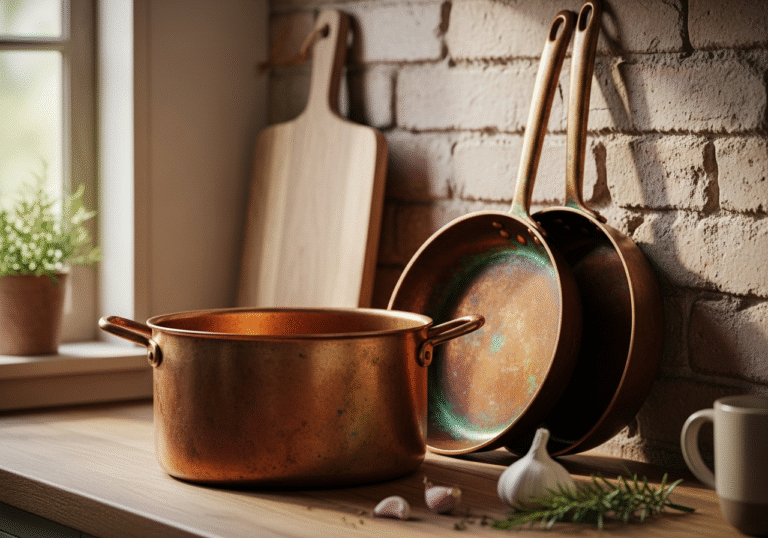
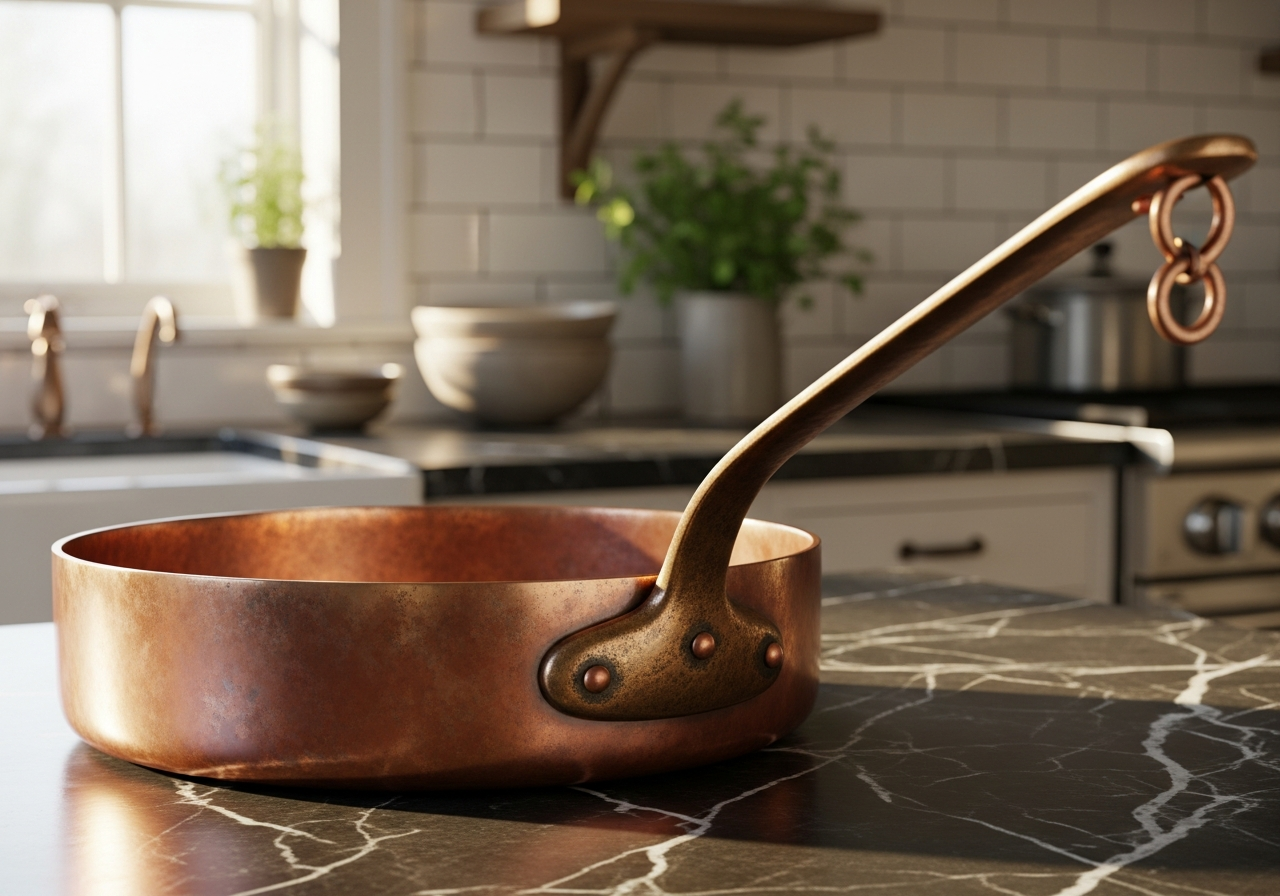
To understand the value of the bronze pot, one must first understand its metallurgy. Bronze is an alloy consisting primarily of copper, usually with about twelve to fifteen percent tin, and often small additives of other metals to increase hardness. It is distinct from brass (which is copper and zinc) and pure copper. This combination creates a material that is significantly harder and more durable than copper alone, which is soft and prone to denting. The addition of tin gives bronze a lower melting point than copper but a much higher resistance to corrosion. Visually, it possesses a muted, golden-brown warmth that differs from the brash yellow of brass or the fiery red of copper. This structural integrity means that a bronze pot purchased today is, quite literally, a vessel that can be used by your great-grandchildren. It does not warp, it does not chip, and it does not degrade physically under normal kitchen conditions.
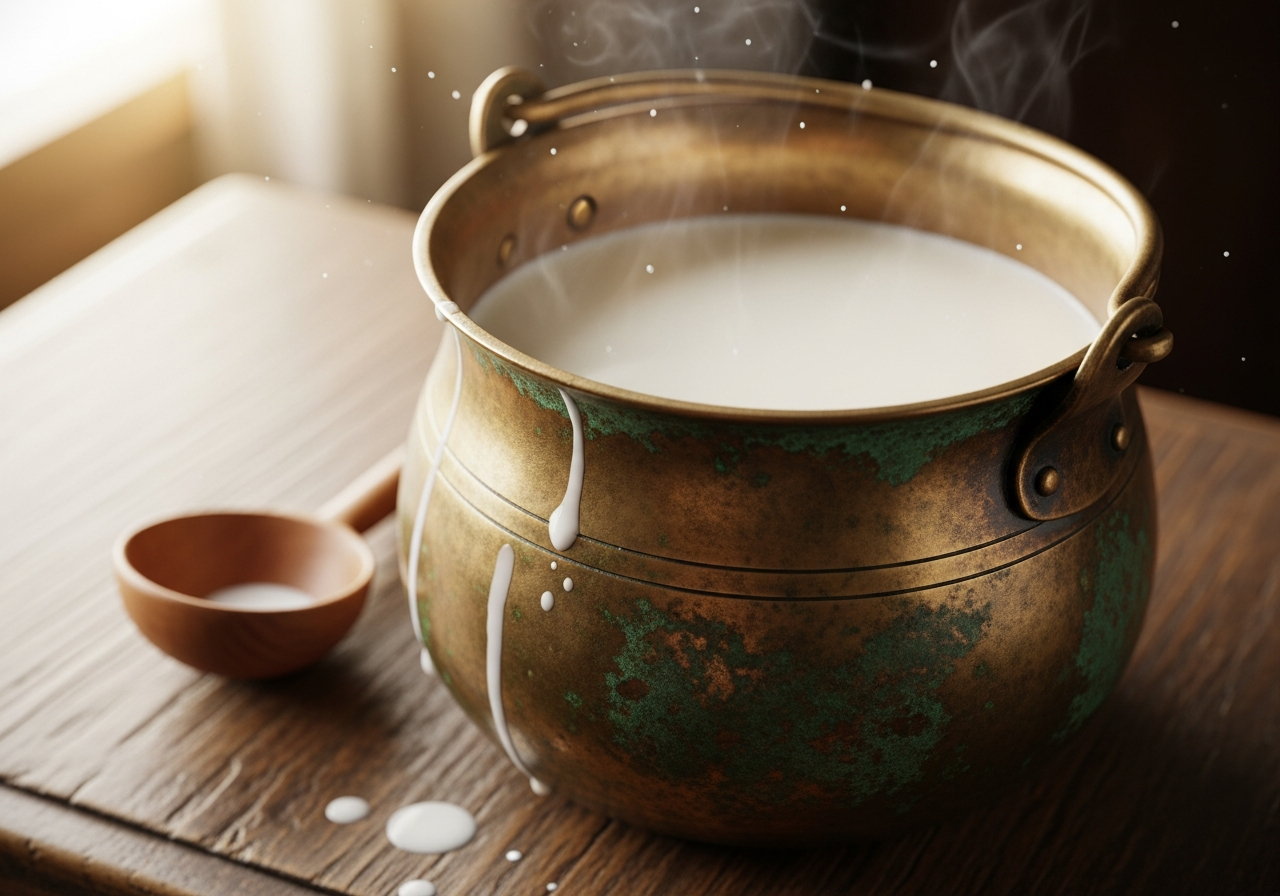
The thermal dynamics of bronze are what make it a unique cooking medium. While it does not conduct heat as rapidly as pure copper or aluminum, it possesses immense thermal mass. It retains heat exceptionally well. Once a bronze pot reaches temperature, it holds that energy and radiates it evenly throughout the food. This makes it the supreme vessel for slow cooking, simmering, and “dum” style cooking where food steams in its own juices over low heat. It is particularly revered for cooking rice and boiling milk. In many traditional kitchens, milk boiled in a bronze vessel is said to have a sweeter, richer taste and a thicker texture due to the slow, steady evaporation that the metal facilitates. It prevents the rapid scorching that often happens in thin steel pans, allowing for a gentle caramelization of natural sugars.
Acidic Ingredients
However, the chemistry of bronze introduces a strict set of rules regarding ingredients. Copper, the primary component of the alloy, is reactive. When it comes into contact with acidic ingredients—tomatoes, vinegar, lemon juice, wine, or tamarind—a chemical reaction occurs. The acid dissolves a small amount of the metal, which can leach into the food. In small quantities, this results in a metallic, bitter taste that ruins the dish. In larger quantities over time, it can lead to copper toxicity. Therefore, unlined bronze pots are strictly reserved for neutral pH cooking: boiling water, making rice, cooking milk-based desserts (like kheer or payasam), or preparing vegetables that do not require souring agents. If one wishes to cook acidic curries or stews in bronze, the pot must be lined with tin, a process known as “kalai.” This thin layer of tin acts as a non-reactive barrier between the food and the bronze. This lining is sacrificial; it wears away over time and must be reapplied by a skilled artisan, a trade that is sadly becoming extinct in the modern world.

Beyond the culinary mechanics, the allure of bronze is deeply rooted in wellness traditions, particularly Ayurveda. In this ancient system of medicine, “Kansa” is considered a healing metal. It is believed that eating from bronze plates or cooking in bronze vessels helps to alkalize the food, reducing the acidity in the body and promoting gut health. The metal is thought to possess antibacterial properties—a fact supported by modern science, which recognizes the “oligodynamic effect” of copper alloys to kill bacteria on contact. Water stored in bronze vessels is said to remain fresh and positively charged. While the scientific community debates the extent of these health transfers during the cooking process, the psychological and tactile experience of using bronze aligns with a philosophy of mindful consumption. It forces the cook to slow down, to pay attention to the ingredients, and to engage with the process of nourishment.
Aesthetically Pleasing
The aesthetic contribution of bronze cookware to a kitchen cannot be overstated. In an era dominated by clinical chrome and black plastic, the presence of a heavy bronze pot on the stove adds a layer of texture and history. It reflects light with a soft, diffuse glow that feels organic and grounding. It transforms the act of serving. Bringing a bronze pot directly to the table makes a statement; it elevates a simple meal into a banquet. The weight of the vessel conveys substance and permanence. However, maintaining this aesthetic is where the true labor of owning bronze lies. Bronze is a living finish. It interacts with the oxygen in the air and the moisture in the kitchen to develop a patina.
The maintenance of bronze is the primary reason many home cooks shy away from it. It is not dishwasher safe. Placing a bronze pot in a dishwasher is a catastrophic error. The harsh, abrasive detergents and the high-heat humidity will strip the metal of its luster instantly, turning it a dull, lifeless grey and potentially pitting the surface. Bronze must be washed by hand, and even then, it requires more than just soap and water. Over time, bronze oxidizes, turning dark brown or developing greenish spots known as verdigris. While a uniform dark patina is often prized by collectors for its antique look, the green verdigris is toxic and must be removed before cooking.
How to Clean
Cleaning bronze is a lesson in traditional chemistry. Modern chemical metal polishes are often too harsh and leave residues that are unsafe for food vessels. The most effective cleaners are found in the pantry, utilizing the power of natural acids to strip the oxidation. A paste made of tamarind pulp is the traditional cleaner in India. The tartaric acid in the tamarind reacts with the copper oxide, dissolving the tarnish and revealing the bright gold metal underneath. Lemon juice and salt operate on the same principle. Scrubbing the pot with a cut lemon dipped in coarse salt provides both the chemical acidity and the mechanical abrasion needed to polish the surface. For a more heavy-duty shine, wood ash was historically used as a scouring agent. Today, specialized powders like “Pitambari,” which combine dolomite powder with mild acids, are staples in households that maintain bronze collections.

The cleaning ritual involves vigorous scrubbing. You cannot simply wipe a bronze pot; you must work the surface. As you scrub with the acidic paste, you will see the tarnish lift, transforming the dull metal back into a shining jewel. This process must be followed by a thorough rinse and, most critically, immediate drying. Water is the enemy of a freshly polished bronze pot. If water droplets are allowed to air-dry on the surface, they will leave permanent spots and invite immediate re-oxidation. The pot must be towel-dried completely before being stored. This requirement for immediate attention after every meal is a barrier for the busy modern cook, but for the devotee, it is a labor of love that connects them to the tool.
It is Important to Distinguish
There is also a distinction to be made between “Kansa” dining ware and heavy cooking pots. Dining plates and bowls made of bronze are often composed of a specific ratio of copper to tin (usually 78:22) which makes the metal brittle but incredibly resonant—literally, it rings like a bell when struck. This specific alloy is prized for eating because it does not tarnish as quickly as the cooking grade, but it cannot be placed on a high flame as it may crack. Cooking pots are generally more malleable to withstand thermal expansion. Understanding which type of bronze you possess is vital to preventing the destruction of expensive teapots or serving bowls that were never meant to touch a burner.
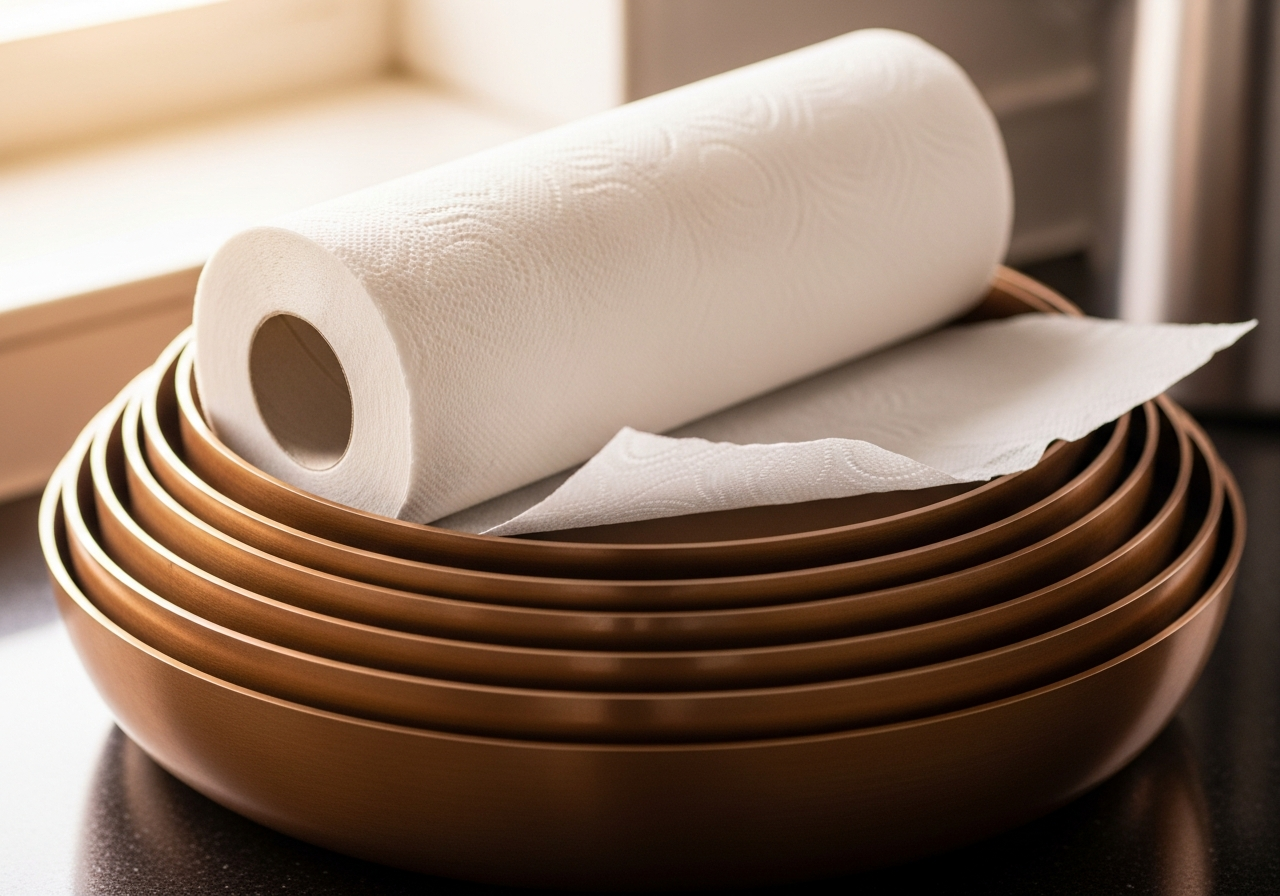
Storage of bronze cookware requires foresight. Because it is a heavy metal, stacking bronze pots can be dangerous. A stack can weigh fifty pounds or more, putting strain on cabinet shelves. Furthermore, the friction between stacked pots can scratch the finish. It is recommended to place a cloth or a paper towel between nested vessels to protect the surface. If the pots are lined with tin (kalai), this protection is even more critical, as tin is a soft metal that scratches easily. A deep scratch in the tin lining exposes the copper underneath, rendering the pot unsafe for acidic cooking until it is re-tinned.
Durability
Despite the maintenance, the longevity of bronze is unparalleled. A non-stick pan has a lifespan of perhaps three to five years before the coating degrades and becomes a health hazard. A bronze pot has a lifespan of three to five centuries. It is virtually indestructible. If it tarnishes, it can be polished. If it dents (which is rare), it can be hammered back into shape. If the tin lining wears off, it can be renewed. It is a purchase that rejects the disposable economy. It represents a commitment to buying once and keeping forever. This durability makes bronze pots frequent finds in antique markets, where they can be rescued, cleaned, and returned to service with no loss of functionality.
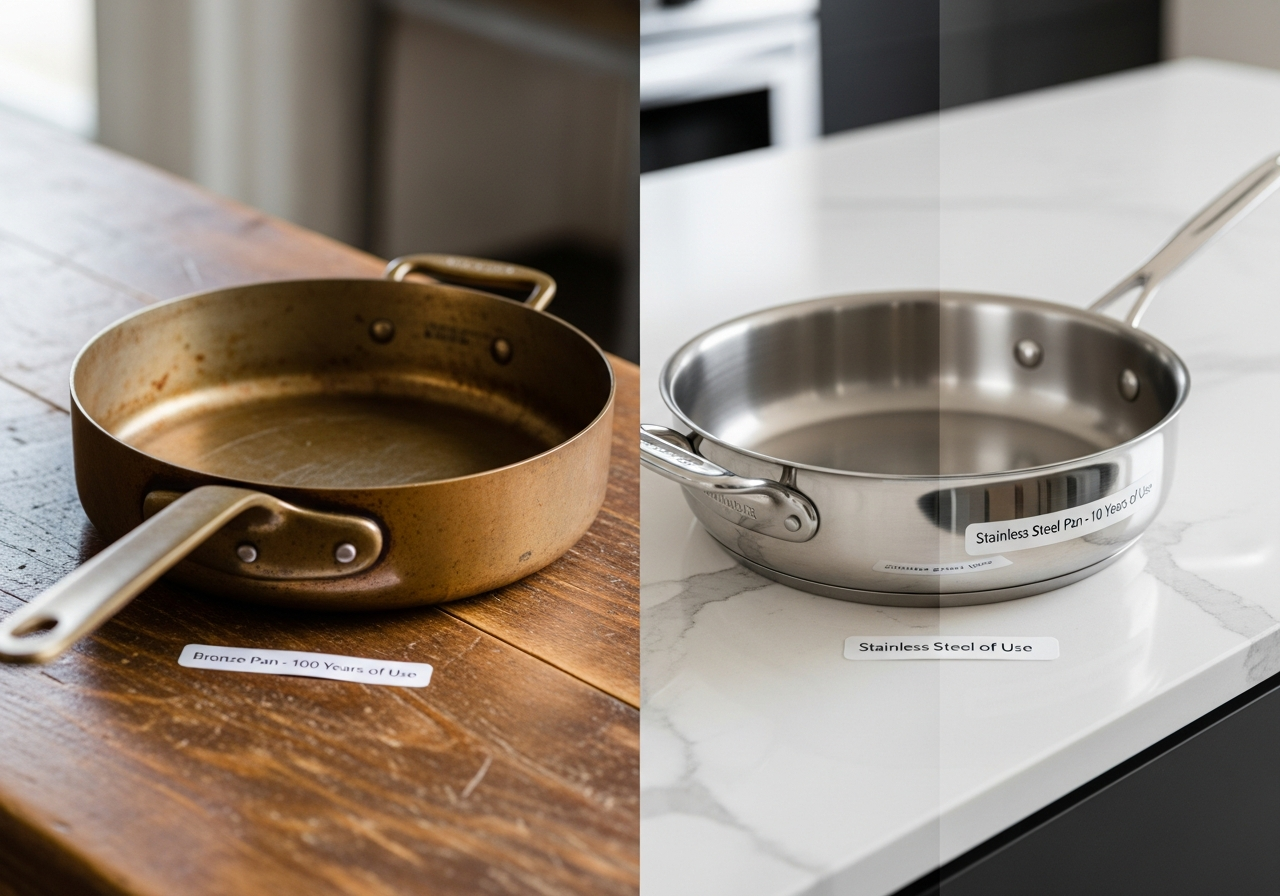
For the modern homeowner, integrating a bronze pot into the rotation is about choosing the right tool for the right job. It is not the pan for a quick Tuesday night stir-fry or for boiling pasta with tomato sauce. It is the vessel for the Sunday ritual. It is for the slow-cooked rice pudding, the pot of lentils simmering for hours, or the ceremonial boiling of milk for a celebration. It brings a sense of occasion to the kitchen. The heat radiating from a bronze pot feels different; it is a gentle, enveloping warmth that seems to coax flavor out of ingredients rather than forcing it.
Final Analysis
Ultimately, the bronze pot serves as a reminder that convenience is not the only metric of value in the kitchen. The time spent scrubbing the metal with lemon and salt is not wasted time; it is a tactile engagement with the materials of our lives. It creates a cycle of care. We care for the pot, and the pot nourishes us. In a world of instant gratification, the bronze pot demands patience, both in cooking and in cleaning, and it rewards that patience with beauty, durability, and a connection to a culinary lineage that stretches back thousands of years.
Maintaining a kitchen filled with specialized equipment like bronze cookware requires a dedication to detail that goes beyond the daily wipe-down. The effort required to keep Kansa shining is a microcosm of the effort needed to keep a home truly pristine. When the specialized care of your possessions and the deep cleaning of your living space become too much to manage alongside the demands of daily life, professional support can restore the balance. Toronto Shine Cleaning offers a level of service that understands the nuances of material care. Just as we have explored the specific needs of bronze, Toronto Shine Cleaning applies that same rigorous attention to every surface in your home, from the delicate stone of your countertops to the high-traffic grout of your floors. Whether you need a deep seasonal reset to bring your home back to a state of brilliance or regular maintenance to keep it functioning perfectly, our professional team has the expertise to handle the heavy lifting.