Appliance Cleaning

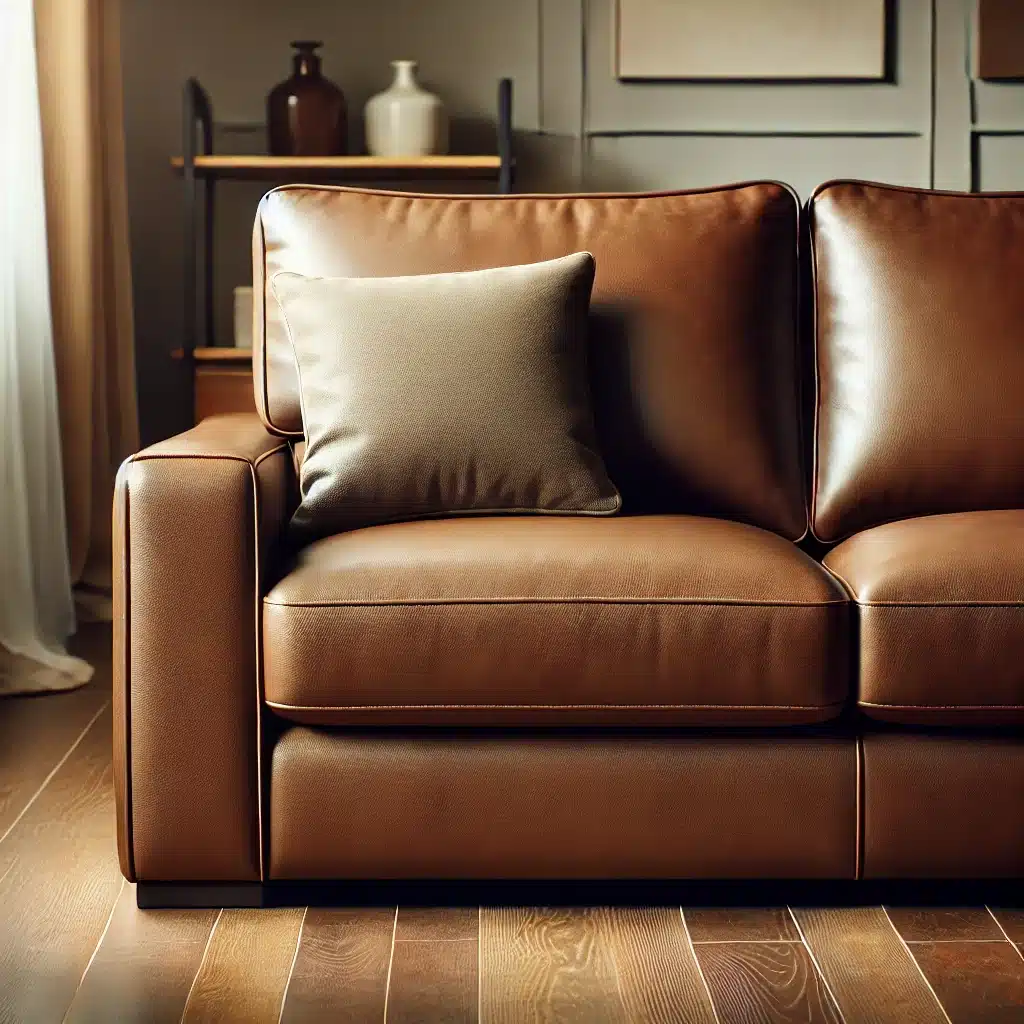
Elegant Cozy Living Room with Luxurious Deep Brown Leather Couch

How to Effectively Clean Your Leather Couch in 5 Simple Steps

How can you Clean Your Leather Couch? That stylish centerpiece of your living room that not only looks chic but is also a comfy spot to unwind after a long day. But when it comes to cleaning, leather can be a bit of a head-scratcher. Fear not! I’ve got a straightforward, step-by-step guide to help you keep your leather couch looking as good as new. Here’s how to tackle the task in five simple steps: 1. Start with a Soft Brush or Vacuum When embarking on the journey to clean your beloved leather couch, the initial step involves a simple yet critical task: removing all the loose dust and debris that have made themselves at home on its surface. This is where a soft-bristled brush or the soft brush attachment of your vacuum cleaner becomes your best ally. Imagine you’re on a treasure hunt, but instead of seeking gold, your goal is to gently coax all the accumulated particles—dust, crumbs, pet hair, perhaps even the odd popcorn kernel from movie nights—away from their cozy spots. The importance of this step can’t be overstated. As you navigate the brush or vacuum over the curves and crevices of your couch, you’re not just tidying; you’re preparing the leather for a deeper clean. It’s akin to clearing the stage before the main performance. By removing these particles, you ensure they won’t become abrasive under the pressure of cleaning, which could lead to scratches or other damage to the leather’s delicate surface. This step isn’t just about protection—it’s also about efficiency. A surface free of loose dirt and debris is more receptive to subsequent cleaning efforts, allowing you to achieve better results with less effort when you move on to wiping and conditioning. It’s a testament to the saying that sometimes, the simplest actions are the most impactful. So, take your time with this initial dusting, relishing in the knowledge that you’re setting the stage for your leather couch to shine.     2. Wipe with a Damp Cloth After the initial dusting, the next step in the cleaning odyssey involves a slightly damp cloth—your tool for the delicate task of directly engaging with the leather. This stage is akin to a gentle caress, a subtle interaction between cloth and leather that speaks volumes in the language of cleaning. Select a soft cloth, one that whispers rather than shouts, and introduce it to just enough water to moisten it. This dampening is a careful balance, akin to adding just the right amount of seasoning to a dish; too much could overwhelm, while too little might not suffice. Wringing out the cloth thoroughly ensures that it carries no more moisture than necessary. The goal is a tender wipe across the leather’s surface, a movement that’s more about finesse than force. Imagine you’re painting a masterpiece, and your cloth is the brush; each stroke is purposeful, aimed at lifting away the surface dirt and grime that have settled on the couch. This action, seemingly simple, is pivotal in the maintenance of leather’s beauty and longevity. It’s important to remember that leather, much like a precious heirloom, requires a nuanced approach. Too much water is its adversary, threatening to mar its elegance with unwanted spots or deeper damage. Thus, as you wipe, do so with the mindfulness of conserving water use, ensuring every touch is as effective as it is gentle. This step, when performed with care, not only cleans but also preserves the leather, ensuring that it remains a cherished part of your living space for years to come. 3. Apply a Leather Cleaner After ensuring your leather couch is free from dust and surface dirt, it’s crucial to address the deeper cleaning needs of the leather, and this is where a specialized leather cleaner comes into the spotlight. This isn’t just any cleaning agent; it’s a product meticulously formulated to nurture and cleanse leather without harshness, preserving its texture and integrity. When selecting your cleaner, aim for one that boasts compatibility and gentleness for leather, ensuring that it enhances rather than detracts from the leather’s natural qualities. Application is an art form in itself. Begin by introducing a modest amount of the leather cleaner to a soft cloth—a canvas awaiting the gentle touch of preservation. As you apply the cleaner, adopt a circular motion, reminiscent of gentle waves caressing the shore. This methodical, circular application allows the cleaner to penetrate the leather’s surface uniformly, ensuring that no area goes untreated. Heed the wisdom embedded in the cleaner’s instructions, for they guide you toward achieving optimal results, safeguarding your couch against potential harm. Moreover, the importance of conducting a patch test cannot be overstressed. Choose a spot that remains unseen during casual observation. This preliminary step is your safeguard against unwanted surprises, ensuring that the chosen cleaner maintains the leather’s color and finish as faithfully as the day it became a part of your home.     4. Wipe Off Cleaner and Dry Following the application of the leather cleaner, the next crucial steps involve removing any residual cleaner and ensuring the leather is properly dried. This phase is as vital as the cleaning itself, for it prevents the buildup of cleaner which could potentially affect the leather’s appearance and texture over time. Begin with a clean, slightly damp cloth, carefully wiping over the leather’s surface. This isn’t merely about removal; it’s a fine balancing act to lift away the excess product without introducing too much moisture to the leather. Each stroke should be deliberate and gentle, ensuring that no area is oversaturated or neglected. Once you’ve successfully removed the excess cleaner, transition to a dry, soft cloth for the drying process. This step is about more than just drying; it’s about buffing the leather to a soft sheen that speaks to its quality and durability. The action of gently buffing with a dry cloth not only helps in absorbing any lingering moisture but also works to restore the leather’s natural luster. It’s a moment

How to Effectively Clean Your Leather Couch in 5 Simple Steps Read More »

Elegant living room with plush velvet sofas exuding warmth and sophistication.

5 Simple Ways to Tackle Stains on Velvet Couches

The problems in stains on Velvet Couches, a luxurious staple in cozy living rooms everywhere, but also a commitment to upkeep—particularly when confronting the inevitable “Stains on Velvet Couches.” Yes, those accidental spills and blemishes that can detract from its splendor are a part of life. Yet, there’s no need for alarm. I’m here to arm you with five straightforward strategies, all designed without the rush of immediate action, to ensure your velvet haven remains immaculate. With a touch of care and the right techniques, maintaining the pristine condition of your velvet couch is entirely within reach, letting it continue to shine as the centerpiece of your home. 1. Understanding Your Velvet The distinction between synthetic and natural velvet isn’t just a small detail; it’s a pivotal factor that influences how you’ll approach stain removal. Synthetic velvet, often made from polyester or microfiber, is engineered for durability and resistance against spills and stains. This type of velvet has a bit of a leg up when it comes to cleaning because it’s designed to withstand water-based cleaning solutions without losing its vibrant color or plush texture. So, if you happen to spill something on synthetic velvet, you’re in a better position to tackle it head-on without too much worry. On the flip side, natural velvet carries with it a sense of luxury and sophistication that’s hard to match. Made from materials like silk, cotton, or wool, natural velvet demands a higher level of care and attention. This type of velvet is more susceptible to damage from water and harsh cleaning agents, which can leave unsightly marks or even alter the fabric’s softness and color. Because of its delicate nature, cleaning natural velvet often involves more nuanced techniques, focusing on minimizing exposure to liquids and avoiding any aggressive scrubbing. To arm yourself with the best care strategies, start by investigating the specific type of velvet your couch is adorned with. Furniture tags often contain this information, offering a quick reference guide to the do’s and don’ts of your particular fabric. If the tag is missing or unreadable, a bit of detective work online might be necessary. Look up the manufacturer’s website or reach out to their customer service with your model number; they can usually provide insights into the fabric’s composition and care instructions. This foundational knowledge of your velvet type is crucial. It informs every decision you make, from the cleaning products you select to the methods you employ to tackle those inevitable spills and stains. By understanding the unique characteristics of your velvet couch, you’re better equipped to maintain its beauty and longevity, ensuring it remains a cherished part of your living space for years to come.     2. Dry Cleaning Powder to the Rescue In the realm of dry cleaning powders, there are several options designed to cater to different types of stains and fabrics. For velvet, which demands gentle care, it’s important to opt for a powder that’s specifically labeled as safe for upholstery. These powders are formulated to tackle stains without harsh chemicals that could damage delicate fibers. Brands like Capture Carpet & Rug Dry Cleaner or Dryel’s At-Home Dry Cleaner offer solutions that are effective yet gentle enough for use on sensitive materials like velvet. These products usually contain absorbent compounds that bind to the stain particles and lift them away from the fabric. The application process is straightforward yet requires a gentle hand. Begin by lightly sprinkling the chosen dry cleaning powder over the affected area. It’s crucial to cover the stain adequately; however, avoid overloading the fabric to prevent residue buildup. Once applied, use a soft, clean, and dry cloth to gently dab over the powdered area. This action helps the powder to fully contact the stain, improving its absorption capabilities. The key here is to dab, not rub, as rubbing can push the stain deeper into the fabric or damage the velvet’s delicate pile. After allowing the powder sufficient time to sit and absorb the stain—typically recommended durations range from 30 minutes to a few hours, depending on the product instructions and the severity of the stain—the next step involves the removal of the powder. Attaching an upholstery brush to your vacuum cleaner, gently vacuum over the treated area to remove all traces of the dry cleaning powder. This step not only clears away the cleaning agent but also any loosened dirt and stain particles, leaving your velvet looking refreshed and vibrant. This dry cleaning powder method is particularly appealing for its ability to clean without water, thereby eliminating the risk of watermarks which are notoriously difficult to remove from velvet. Watermarks can leave uneven patches and discoloration, detracting from the fabric’s luxurious appearance. By using a dry cleaning powder, you effectively sidestep this issue, preserving the uniform texture and rich color of your velvet couch. 3. Soft Brushing Techniques The process of gently brushing the stained area not only lifts away dirt and debris but also rejuvenates the fabric, ensuring that the velvet maintains its distinctive, plush texture that we all love. When employing soft brushing techniques, it’s essential to select the right brush for the job. A brush with too hard bristles can be abrasive, potentially causing more harm than good. Instead, opt for a brush specifically designed for upholstery or even a baby’s hairbrush, as these types tend to have the softness required to protect the delicate fibers of your velvet couch. The goal here is to enhance the fabric’s appearance without compromising its integrity. The technique itself involves light, sweeping motions over the stained area. Start from one side and gently move the brush in a single direction, following the nap of the velvet. This ensures that you’re not only removing surface dirt but also aligning the fibers, which contributes to the fabric’s overall luster and softness. It’s a method that doesn’t just clean; it also cares for and preserves the unique characteristics of the velvet. Soft brushing can be particularly beneficial before and after other cleaning

5 Simple Ways to Tackle Stains on Velvet Couches Read More »

Woman preparing a meal in a clean kitchen with clean appliances

Cleaning Home Appliances: The Key to Prolonging Their Lifespan and Ensuring a Healthy Home

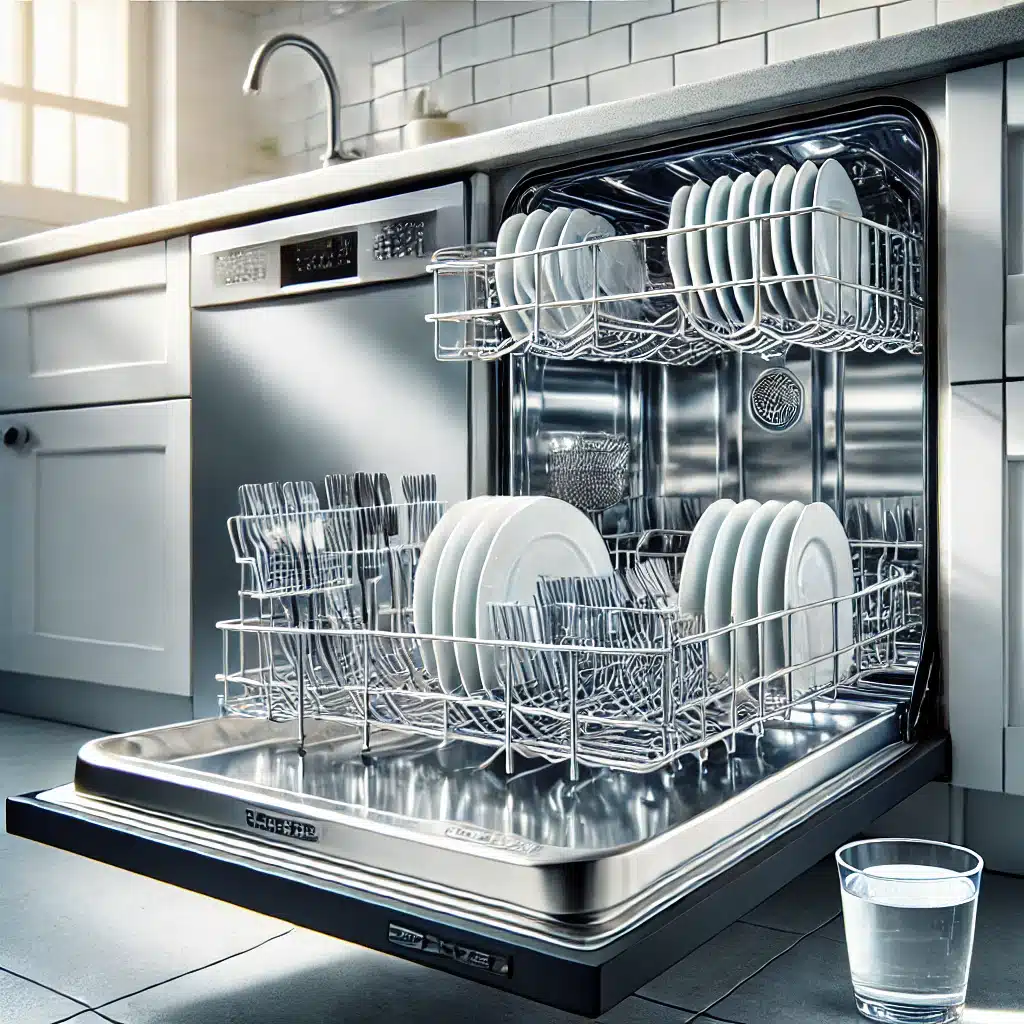
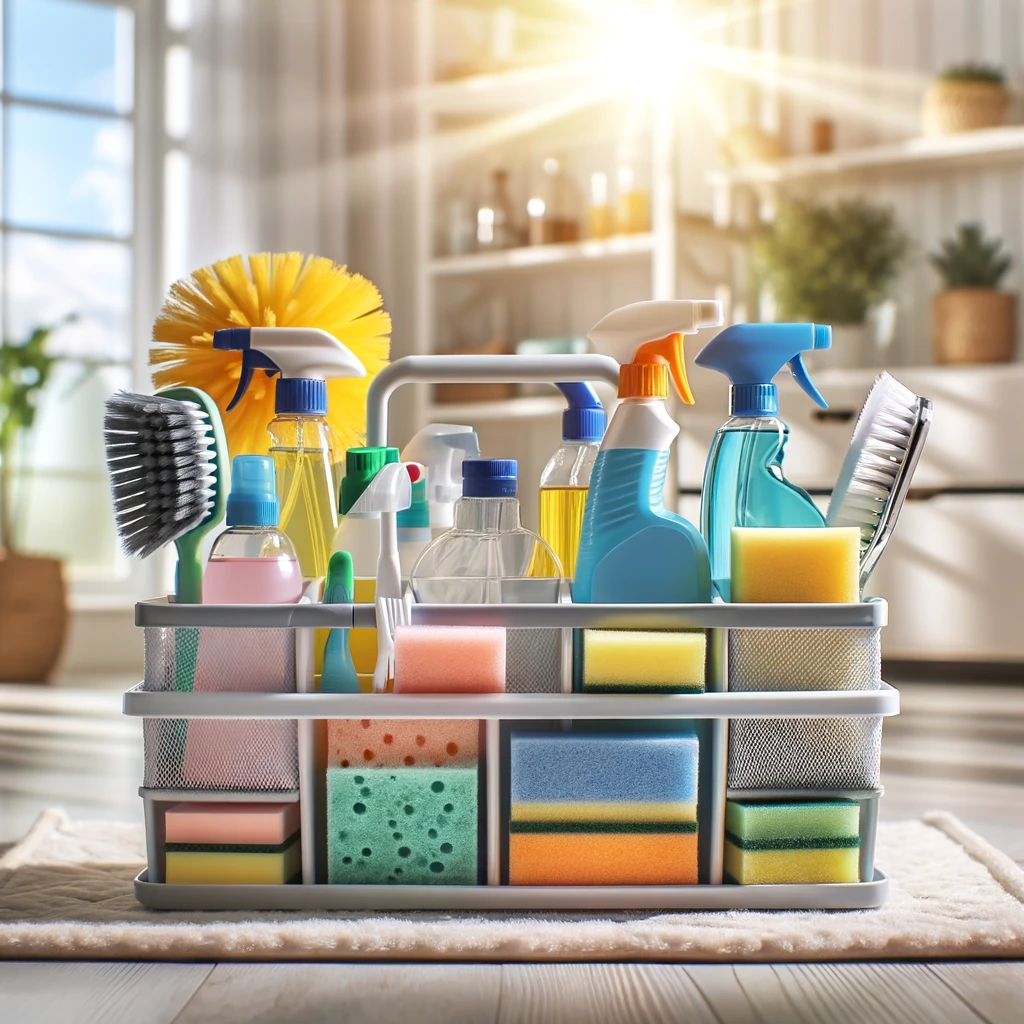
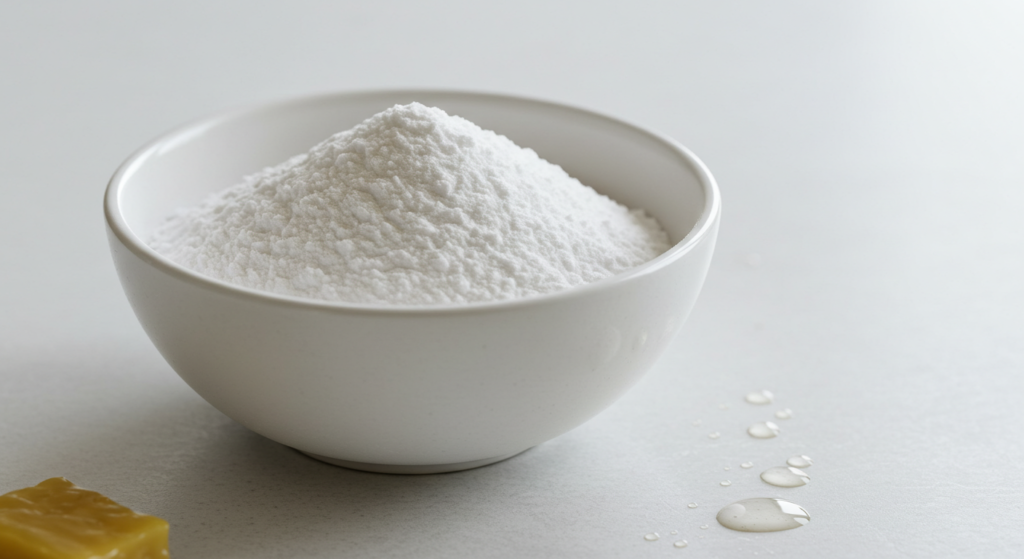
Hey there! Cleaning Home Appliances is like giving a little love back to our cozy corners, especially when it comes to those handy helpers: our home appliances. You might not think about them much beyond their daily use, but taking care of your appliances is a big step toward a happy home and, surprisingly, a healthier you. So, let’s dive into how cleaning your home appliances can stretch their lifespan and turn your place into a sanctuary of health. The Magic Behind Clean Appliances Imagine your home appliances as teammates in the game of life, each playing a crucial role in making your daily routine run smoothly. The secret to keeping these players at the top of their game? Regular cleaning and maintenance. Just like a well-oiled machine, a clean appliance operates more efficiently, which translates into less energy consumption and lower utility bills. This efficiency isn’t just about saving a few bucks—it’s about extending the lifespan of these essential household helpers. When dust, grime, and grease build up, they can impede the normal function of your appliances, forcing them to work overtime. This not only leads to higher energy costs but also increases the likelihood of mechanical failures and the need for costly repairs or replacements. By keeping your appliances clean, you’re actually investing in their longevity, ensuring that they serve you faithfully for years to come. It’s a simple equation: a little bit of regular cleaning equals significant savings and less hassle over time. Beyond the economic benefits, the cleanliness of your appliances has a direct impact on your home’s health environment. It’s an unsettling thought, but the very tools we rely on to keep our homes clean and our food safe can become havens for bacteria, mold, and other undesirable pathogens if not properly maintained. This is especially concerning in appliances that come into direct contact with our food, like refrigerators and dishwashers. Regular cleaning eradicates these unwanted guests, ensuring that your appliances are not only physically clean but also safe and hygienic to use. For households with individuals prone to allergies, asthma, or other respiratory conditions, this aspect of appliance maintenance is crucial. Dust and mold spores that accumulate in and around appliances can easily become airborne, exacerbating symptoms and affecting indoor air quality. By keeping your appliances clean, you’re taking a proactive step in promoting a healthier living space, reducing the risk of allergen-induced health issues, and ensuring the wellbeing of everyone under your roof. The benefits of keeping your appliances clean extend far beyond aesthetics. It’s about enhancing efficiency, prolonging lifespan, saving money, and promoting a healthier home environment. This approach to appliance maintenance is a testament to the adage that prevention is better than cure. By dedicating a little time and effort to regular cleaning, you’re not just taking care of your appliances; you’re taking care of your home and the people in it. So, next time you’re tidying up around the house, remember that a clean appliance is your ally in living a healthier, happier life. Your Cleaning Toolkit When it comes to your fridge, cleanliness affects both functionality and health. Beyond just discarding old or spoiled items, giving the interior a comprehensive clean with a solution of water and baking soda can tackle unpleasant odors and prevent the growth of mildew. This simple, yet effective mixture is gentle enough not to damage the interior surfaces but powerful enough to cleanse and deodorize. For an added touch, removing shelves and drawers to wash them separately can address any hidden spills or stains, ensuring every nook and cranny is fresh. The challenge of cleaning ovens and stovetops lies in addressing those stubborn, baked-on messes without resorting to harsh chemicals. A paste made from baking soda and water offers an eco-friendly solution. Applied to problem areas and left to sit, this paste softens the grime, making it easier to scrub away without scratching surfaces. This method not only revives your cooking appliances but does so in a way that’s safe for your family and the environment. Even machines designed to clean can accumulate buildup over time. Running your dishwasher empty with a cup of white vinegar is a surprisingly effective way to cut through any lingering grease, soap scum, and hidden debris. This routine maintenance ensures that your dishwasher operates at peak efficiency, providing a better clean for your dishes and extending the machine’s lifespan. It’s a simple step that can lead to noticeably better performance. Much like the dishwasher, your washing machine benefits immensely from an occasional vinegar run. An empty cycle with white vinegar helps to dissolve soap residue and mineral buildups, which can hamper efficiency. For front-loading washers, paying extra attention to the rubber seal around the door is crucial. Moisture and detergent can collect here, promoting mold growth. A quick wipe-down can prevent this issue, keeping your machine fresh and your clothes cleaner. Forget scrubbing; steam cleaning your microwave with a bowl of water and lemon juice is a game-changer. This method loosens the grime and food splatters, allowing you to easily wipe the interior clean. The lemon adds a natural freshness, eliminating any lingering odors. It’s a quick and hassle-free way to keep one of the most frequently used appliances in your kitchen in pristine condition.     Embracing Eco-Friendly Cleaning Practices for Your Appliances Hey there! In our journey to keep our homes spick-and-span, embracing eco-friendly cleaning practices is like giving a high-five to Mother Nature. It’s not just about the sparkle; it’s about nurturing our environment while we do it. Our home appliances work tirelessly to make our lives easier, and they deserve a clean that’s both effective and kind to the planet. Let’s explore how adopting green cleaning methods for your appliances not only contributes to their efficiency and lifespan but also plays a crucial role in creating a sustainable and healthy home. The Green Scene in Appliance Care Sustainable Sparkle: Switching to eco-friendly cleaning solutions helps reduce the chemical runoff that can harm our

Cleaning Home Appliances: The Key to Prolonging Their Lifespan and Ensuring a Healthy Home Read More »