Fall Cleaning

Kettle Maintenance: A Step-by-Step Cleaning Guide Get Your Kettle Sparkling Clean for the Autumn Season

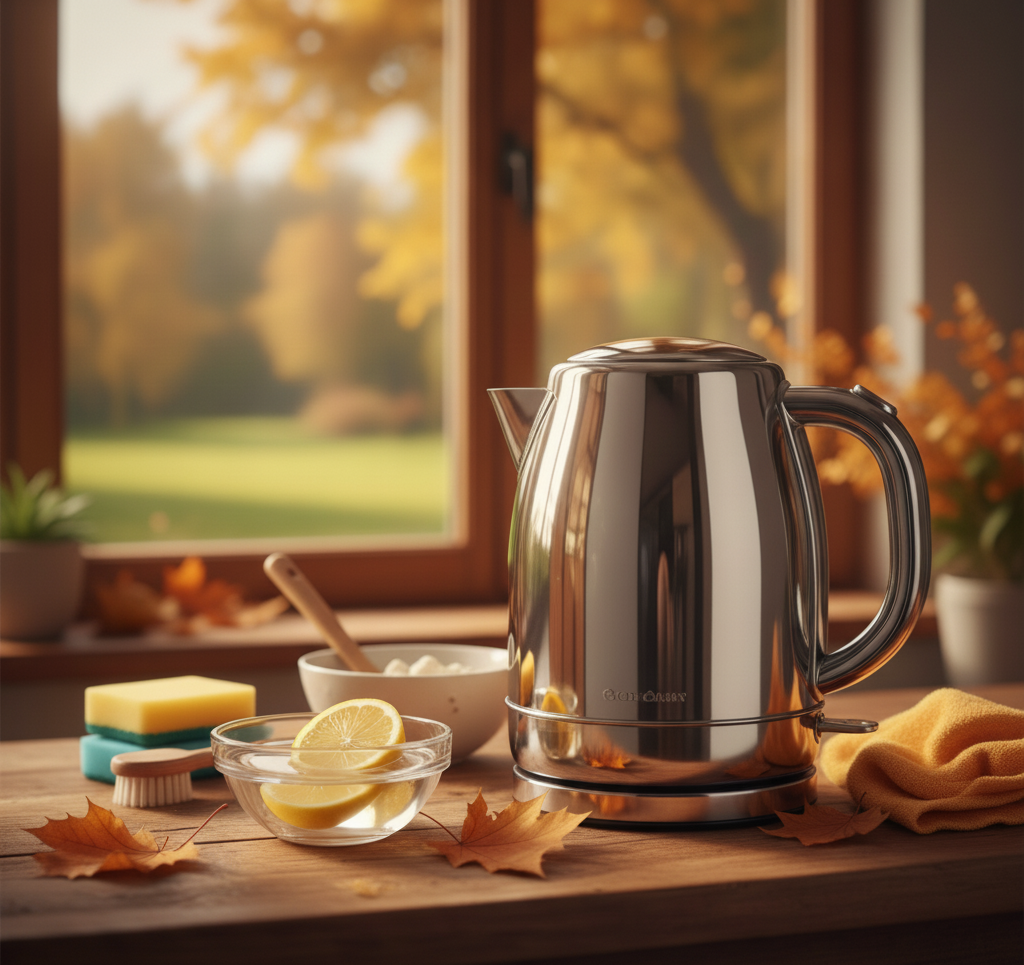
The electric kettle is the unsung hero of the modern kitchen. It is an appliance of profound simplicity and efficiency, dedicated to the singular, noble task of boiling water quickly. It facilitates our morning coffee rituals, our afternoon tea breaks, and countless culinary preparations. Yet, for all its utility, the kettle is often subject to a slow, creeping form of internal decay that compromises its performance and the quality of the water it boils. This internal affliction is limescale, and dealing with it is the most critical aspect of kettle maintenance. Understanding Limescale If you live in an area with hard water, limescale is an inevitability. Hard water is simply water that has a high concentration of dissolved minerals, primarily calcium carbonate and magnesium. These minerals are harmless to drink, but when the water is repeatedly heated, they precipitate out of the solution and form a hard, chalky, off-white deposit on surfaces. In a kettle, this deposit builds up layer by layer on the heating element and the interior walls. At first, this buildup might seem like a purely cosmetic issue, but it has several significant and detrimental effects: Impaired Performance and Wasted Energy: Limescale acts as an insulator. The crusty layer on the heating element forces it to work harder and longer to transfer heat to the water. This means your kettle takes noticeably longer to reach a boil, and in doing so, consumes more electricity. A kettle caked in limescale is an inefficient kettle, wasting both time and money. Altered Taste: The minerals in the limescale can leach back into the water, imparting a faint, chalky, or metallic taste. This can ruin the delicate flavors of a high-quality tea or coffee. You might also notice a gritty texture or floating white flakes in your cup, which are small pieces of the scale that have broken off. Potential for Bacterial Growth: The rough, porous surface of thick limescale deposits can create a habitat for bacteria to colonize. While the boiling process will kill most active bacteria in the water, the surface of the scale itself can harbor microorganisms that you do not want in your daily beverage. Reduced Lifespan: Forcing the heating element to consistently overheat to penetrate the limescale can cause it to burn out prematurely, shortening the functional life of your appliance. The Deep Clean Cleaning the inside of a kettle is not about scrubbing. It is about chemistry. You need to use a mild acid to dissolve the alkaline mineral deposits. This process, known as descaling, is simple, effective, and can be done with basic household products. It should be performed regularly, anywhere from once a month to every few months, depending on the hardness of your water. The moment you see a visible white film forming on the bottom, it is time to descale. Method 1: The White Vinegar Method  This is the classic, most effective, and cheapest way to descale a kettle. Step 1: Create the Solution. Fill the kettle with a solution of equal parts distilled white vinegar and water. Do not fill it past the maximum fill line. A 50/50 mix is a strong and effective starting point. Step 2: Let it Soak (Optional but Recommended). For very heavy buildup, let the solution sit in the kettle for an hour before proceeding. This gives the acetic acid in the vinegar time to begin breaking down the limescale. Step 3: Bring to a Boil. Turn the kettle on and let it run through a full boiling cycle. The combination of heat and acidity will accelerate the chemical reaction that dissolves the mineral deposits. As it heats up, you may see the limescale begin to fizz and flake off. Step 4: The Big Soak. Once the kettle has boiled and switched off, leave the hot solution inside to sit for at least 20-30 minutes. For extremely stubborn scale, you can leave it for several hours or even overnight. Step 5: Empty and Inspect. Pour the vinegar solution down the sink. You should see that most, if not all, of the limescale is gone. If some stubborn patches remain, you can use a non-abrasive sponge or cloth to wipe them away. Step 6: Rinse Thoroughly. This is a critical step. Rinse the inside of the kettle with clean, cool water several times to remove any lingering scale and, most importantly, the smell and taste of vinegar. Fill it with fresh water, boil it again, and discard that water. This final boil will remove any final traces of the vinegar. Method 2: The Lemon or Citric Acid Method  For those who dislike the potent smell of vinegar, lemon juice or citric acid provides a more fragrant but equally effective alternative. Step 1: Create the Solution. You can use the juice of one or two fresh lemons or two tablespoons of citric acid powder (available in the baking or canning aisle of most grocery stores). Add this to a kettle filled with water up to the max line. Step 2: Soak and Boil. As with the vinegar method, let the solution sit for about an hour, then bring the kettle to a full boil. Step 3: Sit and Wait. Once boiled, let the hot solution sit for 20-30 minutes to finish its work. Step 4: Rinse and Repeat. Empty the kettle and rinse it thoroughly. Perform a final boil with fresh water and discard it to ensure no lemony taste remains. Cleaning the Exterior While the interior is the functional priority, the exterior also deserves attention. Always unplug the kettle before cleaning the outside. Stainless Steel: The best way to clean a stainless steel exterior is with a damp microfiber cloth and a drop of dish soap. Wipe in the direction of the grain of the steel. To remove fingerprints and add shine, you can put a small amount of white vinegar or a dab of olive oil on a clean, dry cloth and buff the surface, again, following the grain. Plastic: A simple wipe with a damp, soapy cloth is usually sufficient for a plastic kettle. Avoid using abrasive scrubbers, which

Kettle Maintenance: A Step-by-Step Cleaning Guide Get Your Kettle Sparkling Clean for the Autumn Season Read More »

laminate floor cleaning

Best Ways To Clean Laminate Flooring Without Damage

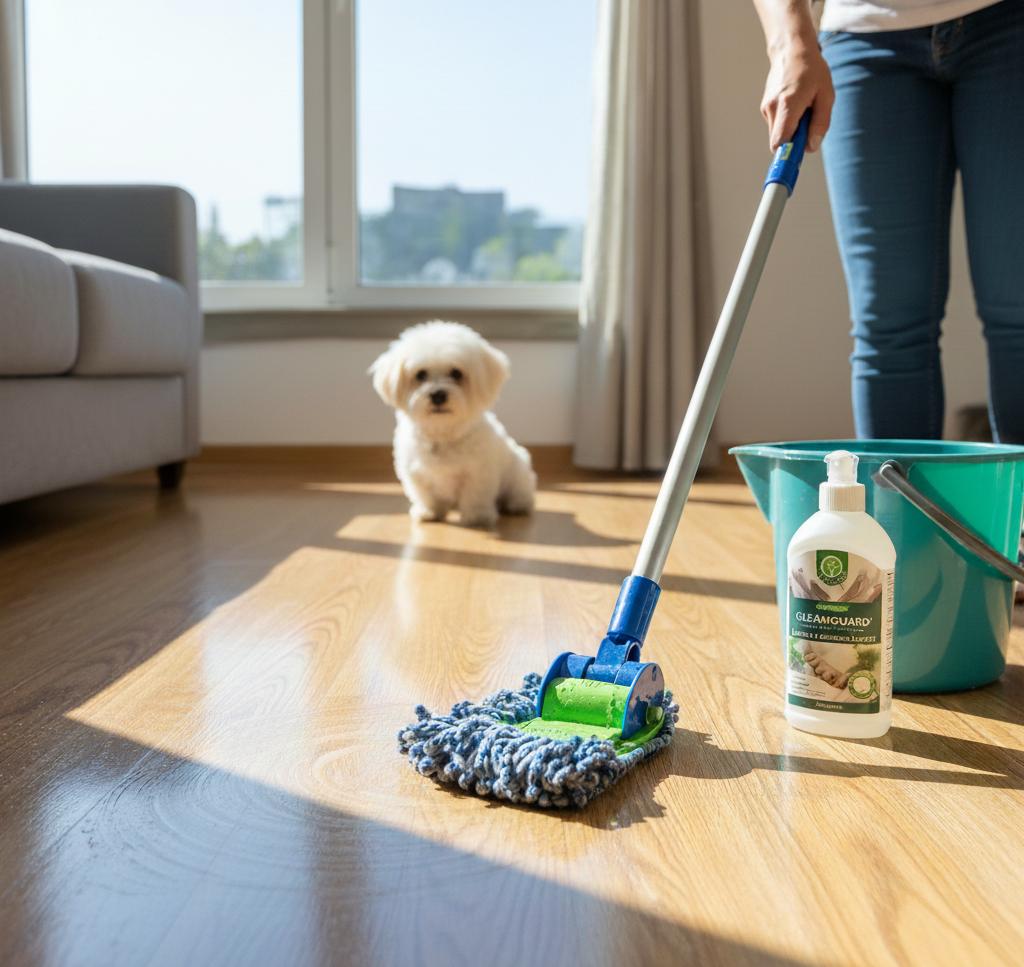
Laminate flooring is a triumph of modern engineering, offering the sophisticated look of hardwood, stone, or tile without the high cost and demanding maintenance. Its popularity in homes across the world is a testament to its durability, versatility, and ease of care. Composed of multiple layers fused together through a lamination process, this flooring is designed to withstand the rigors of a busy household. The top layer is a tough, transparent wear layer that protects the decorative, high-resolution image layer beneath it. Below that, a dense inner core of fiberboard provides stability and impact resistance, and a final backing layer adds moisture resistance. This multi-layered construction is what gives laminate its strength, but it also dictates a very specific set of cleaning and maintenance rules. The greatest vulnerability of laminate flooring lies in its core and seams. While the top wear layer is highly water-resistant, the fiberboard core is not. Excessive moisture that seeps between the planks can cause the core to swell, warp, and buckle, leading to irreparable damage. Therefore, the cardinal rule of laminate floor care is simple: water is the enemy. Understanding how to clean your laminate floors effectively is not about soaking and scrubbing, but about using the right tools and techniques to remove dirt and grime while using the absolute minimum amount of liquid. The Foundation of Laminate Care The best way to keep your laminate floors looking their best is through consistent, preventative cleaning. The goal is to remove the daily accumulation of dust, dirt, and grit before it has a chance to damage the floor’s surface. Small particles of sand and dirt act like fine-grit sandpaper underfoot, creating microscopic scratches in the wear layer that will, over time, dull the floor’s finish. Your Essential Toolkit: A Soft-Bristled Broom or a Dust Mop: This is your first line of defense. A dust mop with a microfiber head is superior to a traditional broom, as it traps dust and pet hair using a static charge rather than just pushing it around. A Vacuum Cleaner with a Hard Floor Setting: A vacuum is excellent for picking up debris from between the planks. Crucially, you must use a vacuum that either has a dedicated hard floor head (with soft bristles) or allows you to turn off the beater bar/brush roll. A stiff, rotating beater bar designed for carpet can scratch and damage the surface of your laminate. A High-Quality Microfiber Mop: This is the most important tool for actually “washing” your laminate floors. Its absorbent pads are designed to clean effectively with very little water. A pH-Neutral Floor Cleaner (or a DIY solution): You need a cleaner that won’t leave a hazy residue or damage the floor’s protective layer. Daily Maintenance The most effective daily habit you can adopt is a quick sweep with a dust mop or a soft-bristled broom. This takes only a few minutes and is the single best thing you can do to prevent long-term wear and tear. Place high-quality doormats at every entrance to your home to trap a significant amount of dirt, grit, and moisture before it even reaches your floors. Weekly Cleaning Once a week, a more thorough cleaning is in order. Dry Clean First: Always begin by thoroughly removing all loose dust and debris. Use your dust mop or vacuum (with the beater bar turned off) to clean the entire floor. This step is crucial; if you start mopping a dirty floor, you are essentially just pushing around a slurry of abrasive grit, which can cause scratches. Spot-Treat Stains: Inspect the floor for any spots or spills and treat them individually before you mop. For most common spots, a damp microfiber cloth is sufficient. For tougher marks like scuffs or ink, you can use a small amount of isopropyl (rubbing) alcohol on a cloth. Prepare Your Mopping Solution: This is where the “less is more” principle is vital. You have several options for a safe and effective cleaning solution: Commercial Laminate Floor Cleaner: This is often the safest bet. Choose a pH-neutral, water-based cleaner specifically formulated for laminate. Always follow the dilution instructions on the bottle. DIY Vinegar Solution: For a simple, inexpensive option, mix a solution of one part white vinegar to ten parts warm water in a spray bottle. The vinegar helps to dissolve grime and won’t leave a residue. (For a very large area, you can use a ratio of a half-cup of vinegar to a gallon of water). DIY Alcohol Solution: For a quick-drying, streak-free clean, mix equal parts water, isopropyl alcohol, and white vinegar in a spray bottle.Important: Never use oil-based soaps (like Murphy Oil Soap), wax, or any product that promises to add a “shine” to your floor. These products will leave a dull, streaky film that is very difficult to remove and can create a dangerously slippery surface. The Damp-Mop Technique: This is the most critical part of the process. Never flood your laminate floor with water. Your microfiber mop pad should be damp, not wet. If you are using a mop and bucket, submerge the mop head in your cleaning solution and then wring it out until it is almost dry to the touch. The superior method is to use a spray bottle. Lightly mist a small section of the floor with your chosen cleaning solution and then immediately wipe it up with your dry microfiber mop. Work in small, manageable sections, misting and wiping as you go. This technique ensures that no standing water is left on the floor to seep between the seams. Dry If Necessary: A properly damp-mopped floor should air-dry in a minute or two. If you see any areas that are still wet, wipe them with a clean, dry microfiber cloth to prevent water spots. Tackling Common Spills and Stains The protective wear layer on laminate flooring makes it highly resistant to stains, but quick action is always the best policy. Liquid Spills (Water, Juice, Soda): Wipe up immediately with a clean, dry cloth. For sticky spills, use a cloth dampened with your regular cleaning solution, then wipe with a clean, water-dampened

Best Ways To Clean Laminate Flooring Without Damage Read More »

5 Mistakes You Need To Stop Making When Using The Duster

Dust is an unavoidable reality of any indoor space. It is a complex and ever-changing collection of microscopic particles, including dead skin cells, fabric fibers from clothing and furniture, pollen, pet dander, soil particles brought in from outside, and even microscopic meteorite debris. This combination of organic and inorganic matter settles on every horizontal surface, creating a fine gray layer that dulls the appearance of a home and can have a significant impact on indoor air quality. For individuals with allergies, asthma, or other respiratory conditions, dust is not just an aesthetic issue; it is a health concern, as it can harbor dust mites and other allergens that trigger symptoms. Duster The primary tool in the constant battle against this accumulation is the duster. In its simplest form, a duster is any implement designed to remove dust from surfaces. However, the evolution of this humble tool reveals a deeper understanding of what dust is and how it behaves. The goal of effective dusting is not simply to move dust from one surface to another, a common failing of older methods, but to capture and remove it from the environment entirely. The most iconic and traditional image of a duster is the feather duster. Typically made from ostrich, turkey, or chicken feathers attached to a handle, these tools have been used for centuries. Their appeal lies in their softness and ability to get into nooks and crannies of delicate objects. However, the feather duster is fundamentally flawed in its design when it comes to modern standards of cleanliness. The feathers are not particularly effective at trapping dust. Instead, their primary action is to dislodge dust particles, sending them airborne only to settle elsewhere minutes or hours later. While a high-quality ostrich feather duster can perform slightly better due to the fine, interlocking barbules on the feathers creating a minor static charge, it still largely functions by displacing, rather than capturing, dust. For a truly clean environment, the feather duster is more of a decorative antique than a functional tool. A significant step up from the feather duster is the lambswool duster. Made from genuine sheep’s wool, these dusters leverage the natural properties of the fiber. Lambswool contains lanolin, a natural oil that, combined with the static charge generated by the wool fibers, actively attracts and holds onto dust particles. Unlike feathers that merely push dust away, a lambswool duster actually lifts and collects it. The dense, soft fibers are excellent for general dusting on a variety of surfaces and are gentle enough for most furniture. They are particularly effective for dusting large, flat surfaces like tables and shelves. Microfiber The true revolution in dusting technology, however, came with the invention of microfiber. Microfiber is a synthetic material, typically a blend of polyester and polyamide (nylon), that is composed of fibers split into incredibly fine strands. These strands are many times smaller than a human hair, creating a vast surface area within a single cloth or duster head. This structure is what gives microfiber its almost magical cleaning ability. The split fibers create a net-like surface that physically traps dust, dirt, and even bacteria. Furthermore, when used dry, the fibers generate a positive static charge that attracts and holds onto negatively charged dust particles. Microfiber does not require chemical sprays to be effective; it works through its physical and electrostatic properties. It is the pinnacle of dust capture and removal. Microfiber dusters come in a wide array of shapes and sizes, each designed for a specific purpose, making them the most versatile option available. Handheld Microfiber Dusters: These are the workhorses for everyday dusting. With a fluffy head of microfiber strands, they are perfect for cleaning furniture, electronics, picture frames, and general household surfaces. Many have a flexible head that can be bent to clean the tops of ceiling fan blades or the tops of tall bookcases. Extendable Microfiber Dusters: For high and hard-to-reach places, an extendable duster is indispensable. With a telescoping pole that can reach ceilings, light fixtures, high corners, and the tops of cabinets, these tools eliminate the need for a stepladder in most situations. They prevent the neck and shoulder strain associated with trying to reach overhead and ensure that no part of the room is neglected. Slim or Flat Microfiber Dusters: Designed with a long, thin profile, these dusters are made to slide into tight spaces where other tools can’t go. They are perfect for cleaning underneath appliances like the refrigerator and oven, between cabinets, and alongside the washing machine and dryer—areas where thick layers of dust and lint can accumulate unseen. Microfiber Cloths: While not a “duster” in the traditional sense, a simple, high-quality microfiber cloth is one of the most effective tools for detailed dusting. Used dry, it picks up dust from delicate surfaces. Lightly dampened with water, it can remove smudges and more stubborn grime without leaving streaks.  Disposable Duster Another category in the modern dusting arsenal is the disposable duster. These tools typically consist of a reusable handle and disposable heads made from fluffy synthetic fibers designed to trap dust via static electricity. Their primary advantage is convenience. After use, the dirty head is simply thrown away, eliminating the need for cleaning the tool itself. While effective for light, regular dusting, they are less environmentally friendly and can become more expensive over the long term compared to a washable microfiber duster. The technique used for dusting is just as important as the tool itself. Without proper methodology, even the best microfiber duster can be ineffective. The single most important principle of cleaning any room is to work from top to bottom. Gravity dictates that any dust dislodged from a high surface will fall downward. Therefore, dusting should always be the first step in cleaning a room, before wiping down lower surfaces or vacuuming the floor. Start with the highest points: ceiling corners, light fixtures, and the tops of ceiling fans. An extendable duster is essential for this. Next, move to the tops of tall furniture

5 Mistakes You Need To Stop Making When Using The Duster Read More »

Autumn Allergy

Autumn Allergy: 4 Essential Cleaning Plan For a Healthy Home

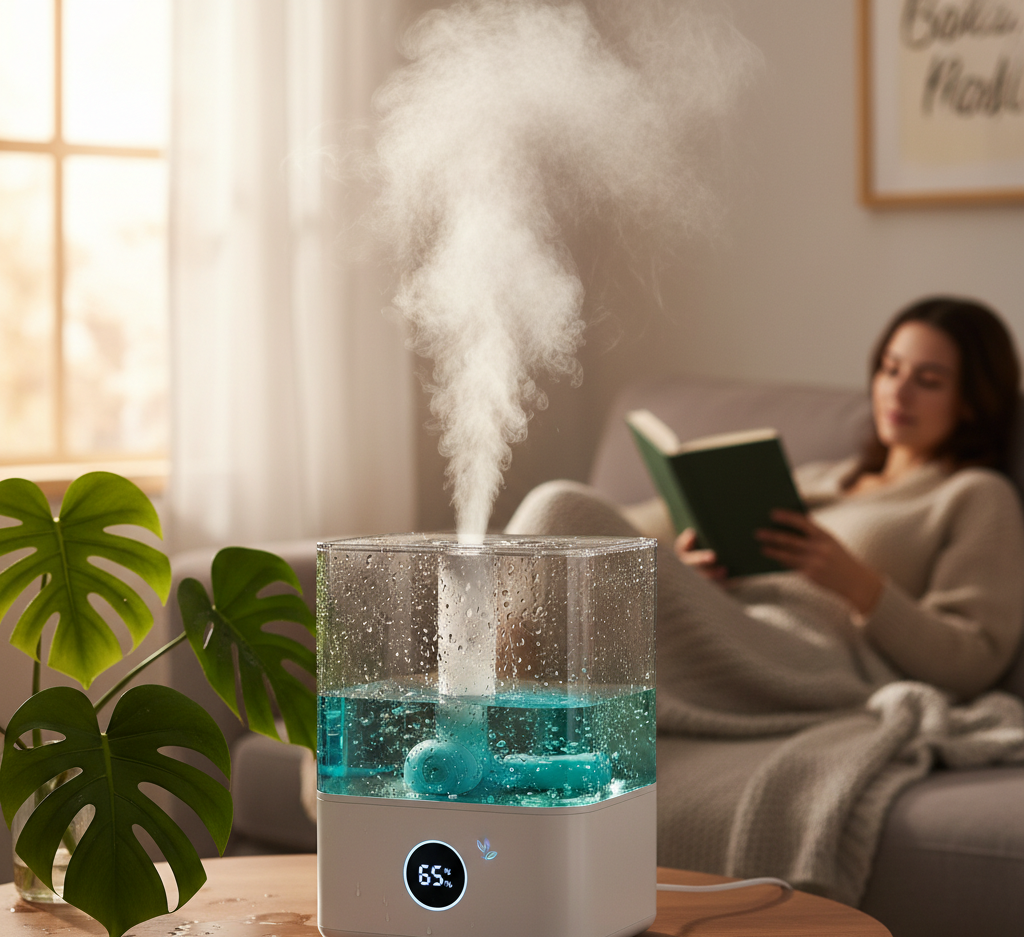
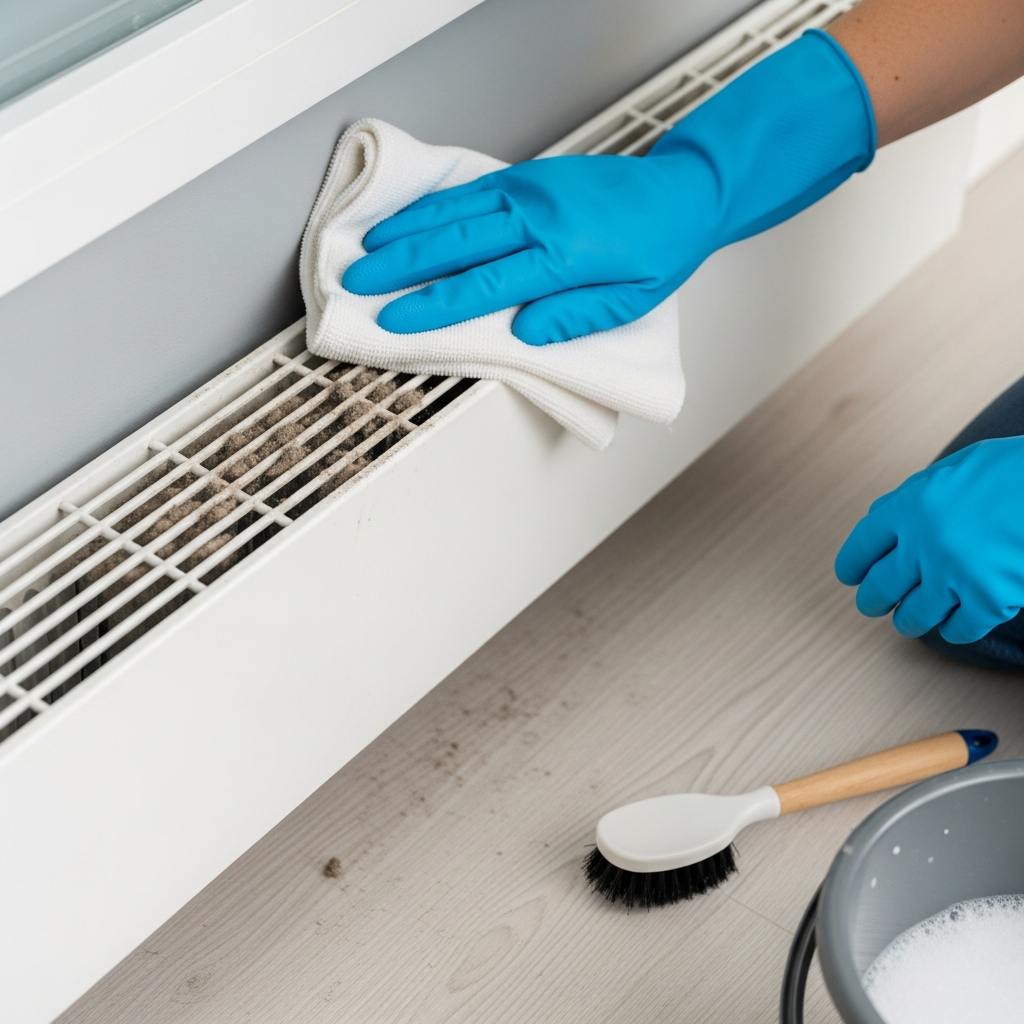
September brings a welcome stunning display of autumn colours. But this seasonal shift also signals the start of the miserable autumn allergy season, a time of sneezing, itchy eyes, and respiratory discomfort. While the beauty of fall is enjoyed outdoors, inside our homes, a battle against invisible intruders begins. The primary culprits of a Canadian autumn allergy are ragweed pollen, which can travel for hundreds of kilometers on the wind, and mold spores, which thrive in the damp conditions of early fall. These allergens infiltrate our homes, settling on surfaces, embedding in fabrics, and circulating through the air we breathe. Creating a healthy indoor environment is the most effective strategy for finding relief from a persistent autumn allergy. An essential, targeted cleaning plan can dramatically reduce the presence of these allergens, transforming your home from a source of misery into a true sanctuary. This is not about a simple tidy-up; it’s a strategic deep clean focused on eliminating the triggers of your autumn allergy where they live and breed. 1.The Bedroom We spend roughly a third of our lives in the bedroom, making it the most critical area to address for allergy relief. Soft furnishings like bedding, curtains, and mattresses are magnets for allergens. Bedding: Your sheets, pillowcases, and duvet covers accumulate a nightly collection of dust mites, their waste, pet dander, and pollen brought in on your hair and clothes. To combat this, all bedding must be washed weekly. The key is to use hot water, at least 130°F (54°C), as this temperature is required to kill dust mites. If your fabrics are too delicate for hot water, a warm wash followed by a cycle in a hot dryer for at least 15 minutes can achieve a similar result. Don’t forget your pillows and duvets themselves; wash them every few months. Using allergen-proof covers for your mattress and pillows is also a highly effective solution that creates an impermeable barrier against the triggers of an autumn allergy. Curtains and Window Treatments: Curtains act like large filters, trapping airborne dust and pollen that can make allergy symptoms worse. In the fall, take down all curtains and launder them. For non-washable window treatments like blinds, a thorough cleaning is necessary. Use a damp microfiber cloth to meticulously wipe down each slat. This simple step removes a significant amount of settled pollen that would otherwise aggravate your allergies every time you open or close them. Mattresses: Your mattress can harbor millions of dust mites, a year-round problem that exacerbates any autumn allergy. A deep clean in September is essential. Use the upholstery attachment on your vacuum cleaner to go over the entire surface of the mattress. This process is fundamental to creating a low-allergen sleeping environment and finding significant relief. 2.Floors and Air Quality Carpets and rugs can hold up to eight times their weight in dust, dirt, and allergens. Your cleaning method here is crucial for improving the air you breathe and managing your seasonal allergies. Vacuuming with a HEPA Filter: The single most important tool in your allergy-fighting arsenal is a vacuum cleaner equipped with a High-Efficiency Particulate Air (HEPA) filter. Standard vacuums often just stir up fine particles like pollen, making allergy symptoms worse. A HEPA filter, by contrast, is designed to capture 99.97% of tiny particles, ensuring that allergens are trapped and removed from your home. This is non-negotiable for anyone suffering from a severe autumn allergy. Proper Vacuuming Technique: Move slowly and methodically, making multiple overlapping passes over your carpets. This gives the vacuum enough time to pull up allergens from deep within the carpet fibers. Aim to vacuum high-traffic areas at least twice a week during the peak autumn allergy season. 3.Controlling Moisture and Eliminating Mold Mold is a major autumn allergy trigger, and its growth is directly linked to moisture. The cooler, damper weather of early fall can create ideal conditions for mold to thrive. Bathrooms: The bathroom is a prime location for mold growth. Use an exhaust fan during and for at least 20 minutes after every shower to vent moisture outside. Regularly clean tile grout with a mixture of vinegar and water to kill any emerging spores. Controlling moisture here is a critical step in managing mold-related allergies. Basements and Crawl Spaces: These below-ground areas are naturally prone to dampness. Invest in a good dehumidifier to keep the humidity level below 50%. The musty smell often found in basements is a clear sign of a problem that can significantly worsen allergy symptoms. Kitchens: Always use the exhaust fan over your stove when cooking. Regularly check under the sink and around the dishwasher for any leaks. Preventing mold growth is a proactive way to fight these allergies before they start. 4.General Household Cleaning for Autumn Allergy Relief Pollen and dust settle on every surface. A comprehensive cleaning plan must include these often-overlooked areas to provide true allergy relief. Dusting Technique: Dry dusting merely displaces allergens. The most effective method is to use a damp microfiber cloth, which traps dust particles instead of sending them airborne and triggering allergy symptoms. Always work from the top of a room down to the bottom. HVAC System Maintenance: Your home’s HVAC system can either help or hinder your fight against allergies. Before you turn on your furnace for the first time in the fall, replace the filter. Consider upgrading to a high-efficiency filter designed to capture smaller particles like pollen and mold spores. Upholstery and Soft Furnishings: Sofas and armchairs are just as susceptible to allergen buildup as carpets. Vacuum them weekly using the upholstery attachment to minimize allergen buildup. A proactive and thorough cleaning plan is your best defense against the onslaught of the autumn allergy season. By systematically targeting the areas where pollen, mold, and dust mites accumulate, you can significantly improve your home’s indoor air quality and create a healthier, more comfortable living space for your family during the fall season in Canada. A comprehensive cleaning plan is your best defense against the misery of an autumn allergy. To ensure every allergen is thoroughly removed from your home, from washing textiles to deep vacuuming and controlling moisture, consider the expert

Autumn Allergy: 4 Essential Cleaning Plan For a Healthy Home Read More »

Back to School and Home Clean

Back to School: 7 Effective Ways to Keep Your Home From Turning Into Chaos

September in Canada is a vibrant month of energy and back to school time. The leaves begin to change color, the air grows crisp, and the country prepares for the autumn season. At the heart of every home, the most significant transition is the much-anticipated Back to School period. Mornings become more hurried, evenings are filled with homework and extracurricular activities, and the constant flow of backpacks, lunchboxes, and outdoor shoes can quickly transform an organized house into chaos. For Canadian families, this Back to School period demands more than just buying school supplies; it requires an adaptation of household routines, especially in cleaning and organizing, to ensure that the home remains a sanctuary of peace and order amidst the bustle of the new Back to School season. A well-managed home during this time is not only more pleasant to live in but also a fundamental pillar for the well-being and productivity of all its members. The Chaos of the Back to School Period The end of summer and the start of the academic year bring with them a host of new challenges for home organization and hygiene. Suddenly, the spaces that once housed summer play now need to accommodate school uniforms, books, art supplies, and gear for countless after-school activities. The increased traffic of children and teenagers entering and leaving the house means more dirt, more germs, and often, more clutter. Backpacks dropped by the entrance, papers scattered across the kitchen table, damp gym clothes on the bedroom floor, these are familiar scenarios for many Canadian families as the Back to School rush begins in September. Furthermore, the school environment is a fertile ground for the spread of germs. Children bring home not only new knowledge but also the viruses and bacteria circulating in classrooms, elevating the importance of cleaning focused on disinfection. Adapting cleaning strategies to face this new rhythm is essential for maintaining health and sanity at home during the Back to School transition. 1.Key Areas of Focus for Back to School Clean-up To combat the chaos of the Back to School season, it’s crucial to concentrate cleaning and organizing efforts in areas most impacted by the school routine: Entrances and Mudrooms: These are the first lines of defense against outdoor dirt. In many Canadian homes, the mudroom or entry area quickly becomes a repository for dirty shoes, coats, backpacks, and lunchboxes as everyone rushes for Back to School. To prevent dirt from spreading throughout the house and to maintain order: Create Designated Zones: Install hooks for coats and backpacks, and trays or shelves for shoes. This prevents items from piling up on the floor. Daily Cleaning: Sweep or vacuum this area daily. In Calgary and other Canadian cities, shoes track in a lot of dirt, especially as the weather begins to change. Regular Disinfection: Wipe down doorknobs and surfaces that hands frequently touch with a disinfectant, vital during Back to School germ season. The Kitchen: The kitchen shifts from a place of relaxed summer meals to a headquarters for lunchbox prep and quick meals, a core part of the Back to School routine. Lunchbox Organization: Dedicate a cupboard or shelf for lunchboxes and water bottles. Wash them immediately after use and allow them to dry. Countertop Cleaning: Wipe and disinfect countertops after each food and snack preparation. Crumbs and spills are inevitable. Refrigerator Organization: With more food being prepared and stored, keep the refrigerator organized and clean up spills immediately. Spotless Sink: Encourage immediate washing of dishes or loading the dishwasher to prevent accumulation. Study Areas and Desks: With homework in full swing, these areas can quickly become disorganized as part of the Back to School workload. Keep It Simple: Encourage a clean and minimalist study space to reduce distractions. Material Storage: Use desk organizers, drawers, and shelves to store pens, papers, books, and school supplies. Regular Cleaning: Dust and wipe down desk surfaces regularly. Encourage children to put away their materials after each study session. Bedrooms: Bedrooms can easily become clutter zones with clothes and personal items, especially with the morning Back to School rush. Make the Bed: The habit of making the bed every day creates a foundation of order for the room. Laundry Hampers: Ensure each bedroom has a laundry hamper to prevent clothes from ending up on the floor. Quick Tidy-Up Routine: Teach children to spend 5-10 minutes before bedtime tidying their rooms, putting away clothes and toys. Bathrooms: With increased exposure to germs at school, bathrooms need extra attention during the Back to School period. Daily Wipe-Down: Quickly wipe down the sink and toilet to remove visible dirt. Frequent Disinfection: Use a disinfectant on doorknobs, faucets, toilets, and light switches several times a week. Clean Towels: Encourage the use of clean face and hand towels daily or every other day. 2.Implementing New Routines The secret to maintaining order during the Back to School season is establishing routines that become habits: Daily Power Clean (15-20 Minutes): At the end of the day, just before the family settles down, do a collective 15-20 minute “power clean.” Each family member can have a task: one tidies the living room, another puts away dishes, another wipes kitchen countertops. This ensures you wake up to a relatively organized home, setting a positive tone for the next day as the Back to School routine begins again. Weekly Zone Cleaning: Instead of trying to clean the entire house in one day, divide the house into “zones” and dedicate one day of the week to each. This approach is highly effective for managing cleaning tasks alongside Back to School schedules. Envolve the Children: Cleaning should not solely be the parents’ responsibility. Assign age-appropriate chores to children. Making cleaning a family effort not only distributes the load but also teaches responsibility and the value of a clean environment, crucial lessons during the Back to School transition. 3.Fighting Back-to-School Germs With increased social interaction at schools, disease prevention becomes a priority. High-Touch Surfaces: Focus on regularly disinfecting doorknobs, light switches, remote controls, cell phones, and other frequently touched surfaces, especially important as children bring home germs during Back to School. Hand Hygiene: Reinforce the habit of frequent handwashing, especially upon returning home from school, before meals, and after using the bathroom. Keep hand sanitizer available in strategic areas. Lunchboxes and Water Bottles: Wash lunchboxes and water

Back to School: 7 Effective Ways to Keep Your Home From Turning Into Chaos Read More »

getting ready for fall cleaning

September Cleaning: 7 Quick And Easy Steps To Get Ready For Fall

September in Canada marks an essential transition, the end of summer and the beginning of preparations for autumn and winter. This period demands a thorough house cleaning, not just to get rid of accumulated dust and clutter from the warmer months, but also to prepare the home for the long periods when we spend more time indoors. An effective September cleanup is the foundation for a healthy, organized, and welcoming environment during the colder seasons, contributing to both physical and mental well-being. The approach should be systematic, starting with planning and decluttering, and moving on to detailed cleaning of each area of the house. 1.Planning Preparation for the September cleanup begins with creating an action plan and decluttering. It is essential to adopt an organized approach to avoid feeling overwhelmed. Start by scheduling specific time blocks for different areas or types of tasks. This transforms what seems like a gigantic chore into manageable steps. Take an inventory of your cleaning supplies. Make sure you have microfiber cloths, a vacuum cleaner with various attachments, a mop, buckets, protective gloves, and a variety of cleaning products such as an all-purpose cleaner, disinfectant, glass cleaner, bathroom cleaner, and floor cleaner. Consider investing in eco-friendly and non-toxic products, especially if there are children, pets, or people with allergies in the home. 2.Three-Box Method Decluttering should be the first step in every room before any cleaning begins. This process is crucial for freeing up space and facilitating deep cleaning. Adopt the “three-box method”: one for items to keep and organize, one for donating or selling, and another for trash or recycling. Start with seasonal summer items, putting away beach gear, garden decorations, and summer clothes. Evaluate clothing, toys, books, and stationery. Getting rid of excess not only organizes the space but also reduces the amount of dust and clutter to clean. In the kitchen, clear out the pantry and refrigerator, discarding expired food and reorganizing the rest. In living areas, collect and categorize papers, magazines, and personal items. In bedrooms, perform a wardrobe rotation, putting away summer clothes and preparing for autumn/winter. Once decluttering is complete, plan to deliver items for donation or recycling. 3.Focus On The Kitchen With decluttering done, cleaning of each room can begin. The kitchen, being a hub of activity, requires special attention. Perform a deep clean of appliances. The oven should be cleaned internally, removing grease and residue. The microwave needs a complete internal and external cleaning. Empty the refrigerator, discard old food, clean shelves and drawers, and wash the interior with mild soap and water. The dishwasher should be run with a vinegar cycle to remove deposits and odors. Clean all cabinets and drawers, both inside and out, and wash countertops and backsplashes. Disinfect the sink and faucets, and pay attention to cleaning the garbage disposal, if you have one. Finish by mopping or steaming the floor. 4.Bathroom In bathrooms, hygiene is paramount. Scrub toilets, showers, and bathtubs, paying attention to tile grout to remove mold and mildew. Wash or replace shower curtains and liners. Clean mirrors, light fixtures, and all contact surfaces, such as faucets, doorknobs, and light switches, with an effective disinfectant. The bathroom floor should be thoroughly washed and disinfected. Organize medicine cabinets and drawers, discarding expired or unused products. In bedrooms, start by washing all bedding (sheets, duvets, blankets) and curtains. Vacuum the mattress and consider flipping or rotating it to extend its lifespan. Dust all surfaces, furniture, light fixtures, and ceiling fans. Vacuum or mop the floor, including under the bed and furniture. Reorganize closets and drawers, taking the opportunity for the seasonal clothing swap prepared during decluttering. 5.Living Room Living and common areas also require detailed cleaning. Dust all furniture, electronics, and decorative items. Vacuum or clean upholstery on sofas and chairs. Clean windows and window treatments, such as blinds and curtains. Vacuum or mop floors. Dedicate time to cleaning high-touch surfaces, such as remote controls, light switches, and doorknobs. Hallways and entryways, which are the first points of contact with the outdoors, need to be kept free of clutter. Clean and organize shoe racks and coat hooks. Wipe down walls to remove any marks or scuffs. Deeply vacuum or mop floors in these areas, removing any salt, mud, or debris that may have been tracked in. 6.Laundry Room In the laundry room, wipe down the exterior of the washing machine and dryer. Clean the dryer’s lint trap thoroughly to ensure efficiency and fire safety. Wash the utility sink, if present, and organize detergents and cleaning supplies. Beyond the main rooms, there are often overlooked areas that need attention during the September cleanup. Windows, both inside and out, should be cleaned to maximize natural light during the darker months. Clean walls and baseboards to remove marks and accumulated dust. Doors and doorframes also accumulate fingerprints and dust, requiring thorough cleaning. Light fixtures and ceiling fans should be dusted and cleaned. A crucial step is cleaning or replacing air filters in heating and air conditioning systems. This significantly improves indoor air quality, which is essential when windows remain closed. Wash and disinfect trash cans in all rooms. Small appliances like toasters, coffee makers, and kettles also deserve a thorough cleaning. Although the focus is internal, a brief outdoor preparation to put away summer items, such as patio furniture and barbecues, is also part of the transition to autumn. 7.Maintenance Maintaining a clean and organized home after the big September cleanup requires implementing long-term maintenance strategies. Reinforce daily “mini-cleaning” habits to prevent dirt accumulation. Create a weekly schedule for deeper cleaning tasks, rotating areas so none are neglected. Conduct seasonal check-ins to plan future cleanups, adapting them to the needs of each season. Invest in smart storage solutions to maintain organization and reduce clutter. Delegate responsibilities among family members so that maintenance is a joint effort. Considering the Canadian lifestyle, with its distinct seasons, the September cleanup is particularly important for preparing the home for colder months. This includes storing summer equipment, such as

September Cleaning: 7 Quick And Easy Steps To Get Ready For Fall Read More »

Home Clean and Organized

Home Clean and Organized: 5 Tips From Cleaning Experts For a Stunning Home

Keeping a clean and organized home is an ongoing process that demands more than just sporadic cleaning sessions. It involves adopting a proactive mindset and integrating simple habits into daily life. An organized home is not just aesthetically pleasing; it contributes significantly to mental well-being, reducing stress and increasing productivity. The physical environment we live in has a direct impact on our mental clarity and energy. When the house is in order, there are fewer distractions, and the sense of control over one’s space translates into greater tranquility and focus in other areas of life. The key to this consistency lies in functional and practical strategies that transform the task of maintaining the home into a habit, rather than an overwhelming burden. 1.Small Continuous Efforts The foundation for an always clean and organized home begins with forming consistent daily habits. Instead of viewing cleaning as a monumental task reserved for a single day of the week, adopt the philosophy of small, continuous efforts. The “one-minute rule” is a fundamental example: if a task takes less than a minute to complete, do it immediately. This could be putting away a book, wiping up a spill, or putting away a cup. These quick actions prevent the accumulation of small messes that, together, become overwhelming. Another essential habit is the “daily reset.” This means dedicating 10-15 minutes at the end of the day to tidy up the main rooms, such as the kitchen and living room. Put away dishes, wipe countertops, arrange sofa cushions. Waking up in a tidy environment sets a positive tone for the day. Involving all household members in this routine is crucial. Assign responsibilities and encourage collaboration. When everyone contributes, the load is shared, and the result is a collective benefit. Having “a place for everything and everything in its place” is the maxim of organization. This means every item in your home should have a designated storage location. When you use something, the natural habit should be to return it to its place, eliminating the accumulation of misplaced objects and reducing the need for large tidying sessions. 2.The Most Important Rooms The kitchen is undoubtedly one of the rooms that requires the most daily attention due to its constant use. After each meal, the routine should include immediately washing dishes and utensils or loading the dishwasher. Wipe countertops with a damp cloth and an all-purpose cleaner to remove crumbs and spills. Quickly sweep or vacuum the floor to pick up debris. Once a week, kitchen cleaning should be more thorough. This includes cleaning the inside and outside of the microwave, the stovetop and oven surface (if necessary), the sink, and faucets, ensuring no grease or food residue accumulates. Check and wipe the exterior of the refrigerator and other appliances, and empty and clean the trash can. Bathrooms also require strict daily and weekly attention. Daily, quickly wipe the sink, mirror, and countertop to remove splashes and stains. A quick scrub of the toilet can prevent dirt buildup. Weekly, perform a thorough cleaning: disinfect the toilet inside and out, clean the shower or bathtub (paying attention to mold and mildew), wash the floor, and wipe all surfaces with an appropriate disinfectant. Wash towels and shower curtains regularly. In living areas and bedrooms, daily organization is key. In the living room, arrange sofa cushions, fold blankets, and put away remote controls, magazines, and other personal items. In bedrooms, the simple act of making the bed every morning already transforms the room’s appearance. Put dirty clothes in the hamper and clean clothes in drawers or the closet. Weekly, vacuum or sweep floors in all living areas and bedrooms. Use a microfiber cloth to dust all surfaces, furniture, shelves, and electronics. Don’t forget to clean mirrors and glass surfaces. 3.High-Traffic Areas Hallways and entryways, often high-traffic areas, need to be kept free of clutter. Ensure shoes, coats, and bags have a designated spot and are put away immediately after use. Sweep or vacuum these areas frequently, as they are the first to accumulate dirt from outside. Decluttering and organization are the pillars of long-term home cleanliness. The “one in, one out” principle is effective: every time you buy a new item, donate, sell, or discard a similar old item. This prevents unnecessary accumulation. Start by categorizing and containing items. Group similar objects and use boxes, baskets, drawer dividers, and organizers to keep them together and accessible. Vertical organization is an excellent way to maximize space, using shelves, wall organizers, and hooks. Labels are simple but powerful tools that ensure everyone in the house knows where each item belongs, facilitating both organization and the return of items to their place. Beyond physical decluttering, digital organization also contributes to mental clarity. Organize files on your computer, clean your email inbox, and get rid of unused apps on your devices. 4.Right tools The correct choice and use of cleaning tools and techniques are crucial for efficiency. Always start from top to bottom: when dusting or cleaning, begin with the highest surfaces and work your way down. This ensures any dust or dirt that falls is cleaned up at the end. Invest in the right tools: microfiber cloths are excellent for capturing dust and polishing surfaces without leaving lint. A good vacuum cleaner with various attachments is indispensable for different floor types and surfaces. Also have an appropriate mop, cleaning brushes, and sponges. Regarding products, an all-purpose cleaner, a glass cleaner, a disinfectant, a floor cleaner, and a bathroom cleaner are essential. Consider eco-friendly and non-toxic options, especially if there are children, pets, or people with allergies in the home. Always wear protective gloves to protect your hands and ensure good ventilation when using chemical products. It is crucial to know your home’s surfaces and use appropriate products to avoid damage. For example, never use abrasive products on delicate surfaces like marble or sealed wood. Addressing specific daily life challenges requires adapted strategies. If you have pets, frequent cleaning is a necessity. Vacuum regularly to

Home Clean and Organized: 5 Tips From Cleaning Experts For a Stunning Home Read More »

Airbnb Cleaning Service

How to Choose The Best Airbnb Cleaning Services in Toronto: 5 Key Factors

Professional Airbnb cleaning services in Toronto Shine Cleaning manage the rigorous turnover process, ensuring every unit is flawless for the next arrival. 1.The Turnover The successful operation of a short-term rental hinges on a single, critical process: the turnover. This is not a simple tidy-up; it is a complete, systematic reset of the guest experience. For a property in a world-class city, the standards are exceptionally high, and meeting them consistently is the work of dedicated professionals. The level of detail required to earn five-star reviews is the baseline expectation for the best Airbnb cleaning services in Toronto. Every turnover must transform the property from a lived-in space back to the immaculate condition promised in the listing, a task that demands a rigorous, repeatable system. The smallest oversight, a stray hair, a sticky spot on the counter, can compromise the entire guest stay. This is why hosts who are serious about their business invest in professional Airbnb cleaning services in Toronto. 2.Ventilation The moment a guest departs, the clock begins on the turnover. The first action is to air out the entire unit. All windows and balcony doors are opened to flush out stale air and any lingering odors from cooking or personal fragrances. This simple step creates a neutral, fresh canvas for the cleaning to begin. While the space ventilates, a preliminary walkthrough is conducted. This initial sweep is not for cleaning but for assessment. The crew scans each room for any new damage, such as scuffs on the walls, stains on the carpet, or broken items. Any issues are immediately documented with clear, time-stamped photographs and reported to the host. This documentation is a crucial protective measure and a standard operating procedure for reliable Airbnb cleaning services in Toronto. Concurrently, all used linens are gathered. Beds are stripped completely, and all towels, bathmats, and kitchen cloths are collected and placed in designated laundry bags to prevent cross-contamination and clear the way for efficient cleaning. 3.Details The bedroom is a guest’s sanctuary, and its cleanliness must be absolute. After stripping the linens, the mattress protector and pillows are carefully inspected for any stains or soiling. Maintaining the hygiene of these core items is paramount, and they are laundered or replaced as needed. The mattress itself is thoroughly vacuumed with an upholstery attachment to remove dust, allergens, and skin cells. A fresh, crisp set of linens is then used to remake the bed. This is not just a functional task; it’s a presentation. Sheets must be taut, corners tucked tightly in a hotel-style finish, and the duvet spread perfectly without a wrinkle in sight. This level of precision is a signature of high-quality Airbnb cleaning services in Toronto. All other surfaces in the bedroom are meticulously wiped down, including the headboard, nightstands, and dressers. Drawers and closets are opened, checked for any items left behind by the previous guest, and wiped clean. All picture frames, lamps, and window sills are dusted. Finally, the entire floor is vacuumed, with careful attention paid to the areas under the bed and behind furniture, where debris loves to hide. The consistent execution of these details is what defines professional Airbnb cleaning services in Toronto. Nowhere is cleanliness scrutinized more intensely than in the bathroom. For any reputable provider of Airbnb cleaning services in Toronto, this room is a testament to their thoroughness. The process begins by clearing all surfaces and emptying the trash bin. A powerful, quality disinfectant cleaner is sprayed on the shower, bathtub, toilet, and sink, and it is left to sit for several minutes to effectively dissolve soap scum, grime, and bacteria. The shower and tub are scrubbed wall to wall, with special brushes used for grout lines and around the drain to ensure it is clear of hair. Glass shower doors are cleaned and squeegeed to achieve a flawless, streak-free finish. The toilet is disinfected inside and out, from the bowl and seat to the tank and the entire base down to the floor. The sink basin is scrubbed, the faucet is polished until it shines, and the mirror is cleaned to perfection. The quality of a rental is often judged by its bathroom, a fact that top-tier Airbnb cleaning services in Toronto understand well. Once sanitized, the space is restocked. This is a critical function of comprehensive Airbnb cleaning services in Toronto. Ample toilet paper, fresh hand soap, and full bottles of shampoo, conditioner, and body wash are replenished. A complete set of fresh, professionally laundered towels, bath towel, hand towel, and washcloth per guest, is folded and displayed neatly. The floor is mopped last, and final touches include wiping down light switches, door handles, and the exhaust fan cover. The best Airbnb cleaning services in Toronto leave no surface untouched. 4.Disinfect The kitchen is another high-stakes area where hygiene is non-negotiable. The turnover starts with emptying the refrigerator and freezer of any food left behind. All interior shelves, drawers, and door seals are then wiped clean with a food-safe disinfectant. The exterior of all appliances, including handles, is wiped down and polished. The microwave is checked for splatters and cleaned thoroughly. The oven is inspected for spills, and the stovetop is degreased and scrubbed until it shines. All countertops are cleared of items like the coffee maker and toaster so that the surface underneath can be completely sanitized. The trust that guests place in the property is directly tied to the cleanliness of the kitchen, a responsibility that expert Airbnb cleaning services in Toronto take very seriously. The sink is scoured and disinfected, and the faucet is polished. Cupboards and drawers are spot-checked for cleanliness and organization. All provided dinnerware, glassware, and cutlery are inspected to ensure they are clean and ready for use. A key part of the service provided by Airbnb cleaning services in Toronto is restocking essentials. This includes fresh paper towels, a new sponge or dishcloth, dish soap, and dishwasher pods. The coffee station is cleaned and fully restocked. Finally, the trash and recycling bins are emptied, wiped clean, and relined with fresh bags. The floor

How to Choose The Best Airbnb Cleaning Services in Toronto: 5 Key Factors Read More »

housekeeper deep cleaning

Deep Cleaning Services in Toronto, We Do It Right!

Deep cleaning services in Toronto offer a comprehensive, top-to-bottom restoration of your home’s cleanliness, tackling the built-up grime that regular maintenance leaves behind. 1.What is a deep clean? A deep clean is not an extension of regular housekeeping; it is a fundamental reset of a home’s environment. It is a forensic, systematic process that addresses the accumulated grime, dust, and bacteria that settle in a home over time, often in places unseen and untouched by routine cleaning. This process is about restoration, moving beyond surface appearances to achieve a state of foundational, hygienic cleanliness. The demand for meticulous, professional-grade deep cleaning services in toronto has grown as more people recognize the profound impact such a service has on their living space, health, and well-being. It is an investment in reclaiming the home as a sanctuary. 2.Degrease The Kitchen The kitchen, as the hub of daily activity, is ground zero for this intensive process. The challenge here is multifaceted, involving grease, food particles, moisture, and high-touch surfaces. A deep clean dissects the kitchen environment. It begins with the cabinetry. Every cupboard and pantry is emptied completely. This is not just to clean the shelves, but to inspect for any signs of pests, spills, or long-forgotten items. The interior surfaces are then degreased and sanitized, removing the sticky film from cooking oils and the dust that settles within. The exterior of the cabinets, including the handles and knobs, receives focused attention to remove the buildup of fingerprints and aerosolized grease that becomes a tacky, dirt-attracting layer. This level of detail is a defining characteristic of superior deep cleaning services in toronto. Appliances are subjected to a level of cleaning they rarely, if ever, receive. The oven is deconstructed; racks, trays, and any removable elements are soaked and scrubbed individually to dissolve baked-on carbon. The interior cavity is treated with professional-grade degreasers to break down the carbonized spills that can cause smoke and odors during cooking. The oven door, often clouded with grime between its glass panels, is carefully cleaned to restore perfect visibility. The stovetop is similarly dismantled. Burner grates are soaked, burner caps are cleaned, and the surface beneath is scoured free of boiled-over liquids and burnt-on food. Pulling the stove away from the wall to clean the sides of the appliance and the floor and wall behind it is a non-negotiable step for any reputable deep cleaning services in toronto. The refrigerator and freezer are fully emptied. All shelves, drawers, and compartments are removed and washed in warm, sanitary solution before being dried and returned. The interior walls are wiped down, eliminating spills, bacteria, and odors. The rubber gasket sealing the doors, a notorious trap for mold and crumbs, is meticulously cleaned with a detail brush. Moving the fridge to vacuum the condenser coils on the back is a task that distinguishes professional deep cleaning services in toronto; it not only cleans but can improve the appliance’s energy efficiency and lifespan. Smaller appliances are not overlooked; the toaster’s crumb tray is emptied and cleaned, the coffee maker is descaled, and the microwave is scrubbed internally, including the ceiling, to remove hardened food splatters. 3.Bathroom Without Mold and Bacteria The bathroom presents a hygienic battleground where soap scum, hard water deposits, bacteria, and mildew converge. A deep clean here is a sanitizing mission. The shower and bathtub are the primary focus. Soap scum, a resilient compound of soap, body oils, and minerals, is dissolved with specialized cleaners. Glass doors and enclosures are polished to a streak-free clarity. The metal tracks for sliding doors are purged of the soap and hair that accumulates within them. For tiled showers, the grout lines are painstakingly scrubbed to remove discoloration and mildew, a task that dramatically revitalizes the appearance of the entire bathroom and a key reason clients seek out deep cleaning services in toronto. The toilet is sanitized far beyond the bowl. The entire exterior, from the tank top to the base where it meets the floor, is disinfected. The hinges of the toilet seat, a common collection point for grime, are thoroughly cleaned. Some deep cleaning services in toronto will even clean inside the toilet tank to remove sediment and prevent ring formation. The bathroom vanity and sink area are given equal attention. The sink overflow hole is flushed and cleaned to eliminate odors. Faucets and fixtures are descaled to remove chalky hard water stains and polished to a shine. Medicine cabinets and vanity drawers are emptied and wiped clean of dust, spilled powders, and toothpaste residue. The bathroom exhaust fan cover, often caked with lint and dust, is removed and washed, restoring proper ventilation and improving air quality. 4.A Nice Place Living rooms, bedrooms, and common areas are the primary repositories for dust, which is a complex mixture of skin cells, pet dander, fabric fibers, pollen, and dust mite allergens. The methodology for deep cleaning these spaces is strictly top-to-bottom. It starts at the ceiling with the removal of all cobwebs. Light fixtures, ceiling fan blades, and the tops of high shelves or cabinets are all wiped down, preventing this collected dust from being redistributed into the air. Walls are spot-cleaned to remove scuffs, marks, and fingerprints. This is followed by one of the most transformative tasks in a deep clean: the hand-wiping of all baseboards, doorframes, window frames, and light switch plates. This painstaking detail work is what elevates the work of professional deep cleaning services in toronto. Furniture is not simply cleaned around; it is moved. Pulling sofas, beds, and dressers away from the walls reveals a hidden world of dust, lost items, and dirt. This entire area is then thoroughly vacuumed or mopped. The furniture itself is cleaned; upholstered pieces are vacuumed with specialized attachments to clean crevices and underneath cushions. Wood furniture is dusted and polished. Items that are often ignored in weekly cleaning, like lampshades, curtains or blinds, and decorative items, are all dusted or wiped down. This comprehensive approach is why people searching for the best deep cleaning services in toronto look for providers who guarantee

Deep Cleaning Services in Toronto, We Do It Right! Read More »

August cleaning preparation

How To Prepare For August Cleaning: 7 Steps Fast and Easy

August cleaning is a specific kind of reset, the air in Toronto during August carries a distinct weight. This is the month where summer hits its peak just before beginning its slow retreat. Inside your home, the evidence of a season lived to its fullest is everywhere. Preparing for the August cleaning isn’t just about tidying; it’s about resetting the home after months of high activity and preparing it for the shift into autumn. The purpose of a dedicated August cleaning is to systematically remove the specific grime of summer and create a clean foundation for the indoor months to come. 1.HVAC A critical first step in any thorough August cleaning is addressing the air your family breathes. With windows open for weeks, allergens, city dust, and pollen have infiltrated every room. Your HVAC system has been in constant use, and its filter is the first line of defense. Changing it is a non-negotiable starting point for your August cleaning. A clogged, grey filter is not only inefficient but also circulates the very particles you want to remove. Once replaced, use a vacuum with a brush attachment to clean all intake and outtake vents. This foundational task sets the stage for the rest of your August cleaning, ensuring the air moving through your home is as clean as possible. 2.Windows and Doors Now, turn your attention to the windows and doors. The screens have been interceptors of bugs, leaves, and dirt all summer. A proper August cleaning demands they be removed and washed. A soft brush, mild soap, and a gentle spray from a garden hose will dislodge the grime. While they dry, focus on the window tracks and sills. These channels are graveyards for dust and insects. Vacuum the loose debris and use an old toothbrush to scrub the caked-on dirt. This level of detail is a hallmark of a successful August cleaning. Washing the glass, inside and out, on an overcast day will prevent streaking and let pristine light into your newly refreshed space. Completing this part of the August cleaning makes an immediate, visible difference to the brightness of your home. 3.The Floors The floors hold the story of summer. Sand from The Beaches, soil from the garden, and grass from the park have been ground into every surface. A deep floor treatment is non-negotiable for a proper August cleaning. For hard floors, a thorough mopping, perhaps even twice in high-traffic areas, is required to lift the settled-in dirt. For carpets and area rugs, this is the time for a deep extraction clean. Renting or owning a carpet cleaner is essential for this part of the August cleaning, as it pulls out the deep-set allergens and grit that a standard vacuum cannot reach. The murky water you dispose of is proof of the effectiveness of this task. Moving furniture to clean underneath is a vital step in a comprehensive August cleaning; the dust and lost items accumulated over three months need to be addressed. This aspect of the August cleaning removes the literal grit of the season from your home. 4.Fat in the Kitchen The kitchen August cleaning is a project in itself. The refrigerator has been a revolving door of summer treats and barbecue ingredients. Empty it completely. Wash all shelves and drawers in warm, soapy water. Wipe the interior with a food-safe cleaner, checking expiration dates as you go. The exterior and handles, covered in fingerprints, also need attention. Summer cooking often involves more frying and grilling, leaving a sticky film of grease on cabinets, the backsplash, and especially the range hood. A good degreaser is your best tool for this part of the August cleaning. Spray it on, let it work for a few minutes, then wipe clean. Don’t forget the hidden areas during your August cleaning; pull out the oven and stove to clean the sides and the floor underneath, which are magnets for crumbs and grease. This part of the August cleaning is about health as much as it is about aesthetics. 5.Sofa Cushion Your living room August cleaning should focus on soft surfaces where dust and dander settle. If your sofa cushion covers are machine-washable, now is the time to launder them. For all other upholstery, a meticulous vacuuming with the correct attachment is key. Go into every seam and crevice. For a deeper refresh, sprinkling baking soda over the fabric, letting it sit to absorb odors, and then vacuuming it up is a great technique to include in your August cleaning schedule. All throw blankets and pillows should be washed or cleaned according to their care tags. Dusting is another crucial element. Use a damp microfiber cloth to trap dust, not just move it. The goal of this August cleaning is to touch every surface, including the tops of picture frames, ceiling fan blades, and lamp shades. This comprehensive dusting is what makes an August cleaning so effective. Think of this as resetting the comfort zones of your home with your August cleaning. 6.Bathroom The bathroom August cleaning targets the buildup from summer humidity and increased traffic. Go beyond the basic wipe-down and scrub the grout lines on the floor and in the shower where soap scum and mineral deposits have accumulated. A paste of baking soda and vinegar is an effective, natural solution. Wash the shower curtain and its liner. The exhaust fan cover, likely caked with dust, should be removed and cleaned to ensure it can effectively pull moisture from the air. A successful August cleaning restores these high-use spaces to a state of hygienic freshness. Take the time to empty and wipe out medicine cabinets and vanities, organizing the contents as you go. 7.The Summer Gear A key part of the August cleaning process is managing the transition of seasonal items. The summer gear pool toys, beach chairs, inflatable rafts needs to be cleaned, deflated, and stored properly to protect it for next year. The barbecue grill deserves a deep clean after a season of heavy

How To Prepare For August Cleaning: 7 Steps Fast and Easy Read More »