Maid Service

Laundry Room Cleaning 101: The Ultimate Guide to a Sparkling Space

Laundry Room Cleaning 101: The Ultimate Guide to a Sparkling Space A laundry room only works well when it is clean, decluttered, and logically arranged. The fastest route to that goal is a full reset: empty the room, deep clean every surface, and rebuild the space around the way you actually do laundry. This guide walks through the whole process so the room stops being a chore and starts being a calm, efficient workspace. Step 1: Empty the Room Completely Pull out every bottle of detergent, every box of dryer sheets, every hamper, and every stray sock. Move furniture aside until the room is bare. Only then can you see the space you truly have and break the habits that created the clutter. Sort everything into three groups as you go: keep, donate or discard, and relocate. That half-empty fabric softener you never reach for? Pour it out and recycle the bottle. The pile of wire hangers from the dry cleaner? Recycle them. Tools that wandered in by accident? Return them to the garage or toolbox. This ruthless purge is the foundation of every later step. Step 2: Deep Clean From the Top Down With the room empty, clean it properly, starting high and working low. Dust ceiling corners and light fixtures, then wash walls and baseboards with warm water and an all-purpose cleaner. Pay special attention behind the washer and dryer, where lint, dust, and lost items accumulate. Then tackle the appliances: Pull the machines away from the wall and vacuum the dryer vent hose and wall opening with a long attachment or vent brush; impacted lint here is a fire hazard, not just an eyesore Wipe down the exterior of both machines Run an empty cleaning cycle in the washer with a washing machine cleaner or a vinegar and baking soda mix to remove soap scum and mildew odours Wash the dryer lint trap with soap and water to clear the fabric softener film that restricts airflow Scrub the now-accessible floor, reaching the corners behind the machines Moisture control matters in this room: Health Canada’s mould and humidity guidance explains why damp, poorly ventilated spaces grow mould, and its dust mite advice notes how regular hot washing of bedding and towels keeps allergens down. A vented dryer, an open window, or a small dehumidifier keeps the room dry between loads. Step 3: Plan Zones That Follow the Workflow Think of laundry as a production line: dirty clothes arrive and get sorted, move to the washer, pass through the dryer, land on a clear folding surface, and finally leave the room. Arrange the room to follow that flow so clean items never mix with dirty ones and you never backtrack. Every laundry room benefits from four zones: sorting, washing and drying, folding and stain treatment, and supply storage. Zone Purpose Key items Sorting Separate loads as they come in Multi-bin hamper on wheels, labelled bins Washing and drying Run the machines Detergent, softener, stain remover within reach Folding Clear surface for warm laundry Countertop over front-loaders or a sturdy table Supply storage Keep products tidy and visible Uniform containers, shelves, labelled baskets Step 4: Use Vertical Space and the Walls Most laundry rooms are compact, so build upward. Wall-mounted shelving positioned over the pair of machines holds daily-use products in clear containers or uniform baskets, while closed cabinets hide less attractive stock. If you have front-loading machines, a countertop across them creates the single most useful surface in the room: a dedicated spot for sorting, treating stains, and folding straight from the dryer, which prevents the mountain of clean laundry that lives in a basket for days. A freestanding table works just as well when a built-in counter is not possible. Wall-mounted, collapsible drying racks fold flat for delicates and athletic wear, a pegboard holds small baskets, hooks, and a lint roller in endlessly adjustable arrangements, and a wall-mounted ironing board holder frees a corner completely. Step 5: Tame the Supplies and the Sorting Mismatched, brightly coloured bottles make any room feel chaotic. Decant detergents, softeners, and stain removers into a matching set of clear containers with waterproof labels; glass beverage dispensers suit liquids, while large canisters with scoops work for powders. You see at a glance when a product is running low, and the shelves instantly look calmer. Group like items together, all stain treatments in one tray, all wash products in another, so nothing is ever hunted for. For dirty clothes, replace the single hamper with a three-bin sorter on wheels, one bin each for whites, darks, and colours, or add a fourth for delicates and heavily soiled workwear. Labelling the bins means clothes are pre-sorted as they are dropped in, and wash day becomes simply grabbing a full bin. Step 6: Add the Finishing Details Small systems prevent the room from sliding back into chaos. Keep a lidded trash can beside the dryer for lint and used dryer sheets. Set a visible dish or basket as a lost-and-found for pocket finds and the inevitable lone sock. Mount a small whiteboard for the shopping list or a stain removal cheat sheet. Good lighting is worth the upgrade, too: a brighter LED fixture or under-cabinet strip over the folding surface makes stains easier to spot and the room feel larger. Finally, build a five-minute reset into the end of every laundry day: put supplies back, wipe the folding surface, empty the lint trap and trash, and return lost-and-found items. That small routine is what keeps the system working for years. Laundry Room Cleaning FAQs How often should I clean my washing machine? Run a cleaning cycle once a month, or more often in hard water areas or homes with heavy use. Leave the door ajar between loads so the drum dries out and never smells musty. Why is dryer vent cleaning so important? Lint is highly flammable, and a blocked vent traps heat inside the dryer, raising the risk of fire. Vacuum the hose and vent opening

Laundry Room Cleaning 101: The Ultimate Guide to a Sparkling Space Read More »

housekeeper deep cleaning

Deep Cleaning Services in Toronto, We Do It Right!

Deep Cleaning Services in Toronto: The Complete Reset Your Home Needs A regular cleaning keeps surfaces tidy, but the grime that accumulates below the surface quietly builds up over the months. That is the domain of specialized deep cleaning services in Toronto. Unlike standard housekeeping, a deep clean is a comprehensive, methodical process that tackles dirt in every often-overlooked, hidden corner of your home: a fundamental reset that restores your space to a truly pristine state. What Makes a Deep Clean Different? Professional deep cleaning focuses on a thorough, top-to-bottom reset of every room, targeting buildup that routine visits simply do not reach. It goes far beyond the surface and into the details: grease on cabinet fronts, dust in air vents, limescale on fixtures, and grime in grout lines. The scope demands expertise and specialized equipment, and more and more Toronto homeowners and businesses are investing in it, whether for a spring reset or as part of ongoing maintenance. For a fuller breakdown of what a session covers, see our guide to deep cleaning services in Toronto. Kitchen Deep Cleaning: Degreasing and Appliance Interiors In kitchens, the work is all about degreasing and disinfecting, starting inside your cupboards. Crews empty cupboards and pantries to inspect for spills, sticky residue, forgotten food, and signs of pests, then degrease and sanitize every interior surface. Handles and cabinet fronts get attention too, because repeated hand contact leaves a sticky film. Appliances receive treatment they almost never get at home: Oven: racks soaked, interior carbon buildup scrubbed, door glass cleaned for a like-new view. Stovetop: grates and burner caps removed and cleaned, boiled-over residue scrubbed from the surface. Range: pulled out so the sides, the floor behind it, and the wall are reached and wiped clean. Refrigerator and freezer: emptied, shelves and drawers washed, door gaskets detailed with a small brush, condenser coils vacuumed of dust to support efficiency and lifespan. Small appliances: toaster crumb trays emptied, coffee makers and kettles descaled, microwave interiors scrubbed, including the often-splattered ceiling. Bathroom Deep Cleaning: Soap Scum, Limescale, and Grout Bathrooms are scrubbed and sanitized top to bottom, dissolving soap scum and body residue from tubs and showers with specialized agents made for stubborn film. Shower doors and glass enclosures are cleaned until streak-free, the tracks at the base are cleared of accumulated gunk, and tiles and grout lines are meticulously scrubbed to lift mildew and dirt from porous grout. Stubborn mold and mildew in damp bathrooms are common culprits, and the CDC’s guidance on mold and your health explains why proper removal matters. Health Canada also recommends keeping indoor humidity low and fixing moisture sources so mould cannot take hold in the first place. Fixtures get their shine back as limescale and mineral deposits are removed from faucets and showerheads, and chrome is polished. Toilets are cleaned inside the bowl and across the entire exterior, from the tank lid and handle to the seat, hinges, base, and surrounding floor, plus the often-ignored overflow hole inside the tank, flushed clean with disinfectant. Vanity and medicine cabinets are emptied and wiped inside, and exhaust fan covers are removed and washed, because a dusty fan cannot ventilate properly and traps the humidity that leads to mildew. Living Areas and Bedrooms: A Top-to-Bottom Reset Crews work from the ceiling down to the floor in every room. Cobwebs are removed from corners and ceiling edges, light fixtures and ceiling fan blades are dusted, and the tops of bookcases, wardrobes, and cabinets are reached. Walls are spot-cleaned of scuffs and splatters, and baseboards, door frames, window frames, and switch plates are hand-wiped one by one. The process continues behind and beneath the obvious. Furniture is moved so the floors underneath are reached, and upholstery is vacuumed with crevice tools to extract dust, skin cells, and allergens from fabric. Wood furniture is polished, lampshades and blinds are dusted, and the air system itself is addressed: vents and grilles are vacuumed and wiped, and HVAC return air covers are pulled and dusted out. Professional crews rely on HEPA-filter vacuums that capture microscopic allergens rather than recirculating them, and steam cleaners that sanitize without harsh chemicals. When Toronto Homes Need a Deep Clean Most Deep cleaning requests tend to follow life events: Moving into or out of a home, when deposits and first impressions are at stake. Post-renovation cleanup after the construction dust settles in every crack. Seasonal refreshes, especially the annual spring clean. Before hosting an event or gathering, such as a wedding at home or the holidays. Preparing a space for a new baby or toddler who will crawl across every floor. Allergy season, when dust, dander, and pollen accumulate indoors. How to Choose a Professional Deep Cleaning Company Not all services are created equal, so choose carefully. Look for a company that offers a range of deep cleaning options with a detailed, transparent list of what each package includes. Prioritize experienced, trained professionals who understand the right products and techniques for different surfaces, and verify that the company is insured and bonded to protect your home and belongings. What to check Why it matters Transparent scope and checklist You can compare packages and know what is covered before booking. Trained, vetted crew Correct products and techniques protect finishes instead of damaging them. Insurance and bonding Toronto Shine carries a $1,000,000 insurance policy and a $10,000 accidental breakage and surety bond. Flat, upfront pricing Our deep clean starts at $270.38 before HST for a studio or one-bedroom, shown on our pricing page. Deep Cleaning Service FAQs What is included in a deep cleaning service in Toronto? A full reset of each room: kitchen cabinets and appliances inside and out, bathrooms degreased and descaled with grout scrubbed, walls spot-cleaned, baseboards and switch plates wiped, vents dusted, furniture moved, and floors and carpets thoroughly cleaned. How is deep cleaning different from regular housekeeping? Regular visits maintain cleanliness on visible surfaces. A deep clean restores the areas maintenance skips, which is why many homes pair

Deep Cleaning Services in Toronto, We Do It Right! Read More »

housekeeper

What Is a Housekeeper? 3 Reasons Why You Should Hire One

A Housekeeper Is a Manager, Not Just a Visitor With a Vacuum Most people picture a housekeeper with a duster or a vacuum, but the actual role runs far deeper. A professional housekeeper maintains the order, cleanliness, and function of a household as a whole system, which is why busy families and professionals treat the position as backbone rather than luxury. The job is not to perform one task and leave; it is to sustain an environment where the people who live there can thrive. Here is what the role genuinely covers, how it differs from standard cleaning, and three reasons households hire for it. What a Housekeeper Actually Handles Deep and routine cleaning: kitchens, bathrooms, floors, careful dusting, vacuuming, and laundry. Organization: clutter control, storage systems, tidy play spaces, and orderly shelves. Light management: stocked supplies, small errands, pet care, plants, and vendor coordination. The duties fall into three broad categories. The first is cleaning of every depth: kitchen and bathroom sanitizing, grout scrubbing, fixture polishing, and floor care matched to hardwood, tile, carpet, or laminate so each material lasts longer. Dusting reaches baseboards, light fixtures, ceiling fans, blinds, and decor rather than stopping at tabletops, and vacuuming and mopping go under furniture and into forgotten corners. Laundry is commonly part of the role too: washing, drying, folding, ironing, and putting away clothes, linens, and towels, plus beds made with real care. The second category is organization. A housekeeper reduces clutter and builds storage systems for closets, pantries, and common areas, tidies children’s play spaces, and straightens bookshelves and paperwork. The payoff is fewer hours hunting for things and a home that flows through the day instead of fighting you. The third is light household management: keeping cleaning products, toiletries, and pantry staples stocked, running small errands like groceries or dry cleaning, handling basic pet-care tasks such as feeding or tidying pet areas, and watering indoor plants. In larger homes, a housekeeper can also coordinate plumbers, electricians, and gardeners, acting as the single point of contact so maintenance actually happens while you are at work. Cleaner or Housekeeper: Know What You Are Hiring The distinction matters when you book. A cleaner arrives for a set number of hours, completes defined tasks, and leaves; the focus is the condition of the space that day. A housekeeper holds an ongoing relationship with the home, handling continuous upkeep, proactive organization, and the daily rhythm of the place, and learns its quirks and your preferences over time. That accumulated knowledge is what turns a service into a partnership. Dimension Standard cleaner Housekeeper Relationship Scheduled visit, task list Ongoing steward of the household Scope Cleaning the space Cleaning, organizing, light management Knowledge General best practice Your routines, materials, and preferences Typical result A clean house today A smoothly run house every week Reason 1: You Buy Back Your Time The first case for hiring is arithmetic. Careers, family, social commitments, and personal goals all compete with chores, and cleaning hours accumulate quietly, swallowing weekends and evenings. A housekeeper liberates that time for what actually enriches your life: people you love, hobbies, exercise, or genuine rest. Coming home to a finished sanctuary instead of a to-do list is not indulgence; it is a transfer of the day’s least rewarding hours to someone whose job it is to do them well. If reclaimed hours go toward movement, the CDC summary of the benefits of physical activity is a good reminder of what that time is worth. Reason 2: Less Stress and a Genuinely Healthier Home An untidy space runs a constant background process in your mind: the guilt, the planning, the nagging awareness of what still needs doing. A housekeeper closes that process. The mental load lifts when you know professionals care for the home consistently, chore arguments in shared households evaporate, and the space is always ready for impromptu guests or for your own enjoyment. The hygiene side is just as real. Housekeepers are trained in technique and product use, and they sanitize in ways that limit germs, dust, and allergens, which matters most in homes with children, pets, or anyone with allergies or respiratory sensitivities. Consistent cleaning improves indoor air quality, slows the spread of illness, and handles trouble spots like bathroom mildew or pollutant-loaded carpet. Hand-in-hand with that, reliable habits like the ones in the CDC’s handwashing guidance protect a household most when the surfaces around them are kept clean too. Reason 3: Expertise That Pays for Itself Professional knowledge of surfaces, materials, and agents means contents are preserved, not just wiped. Housekeepers work fast with systematic methods, and they spot what you might miss: a small repair before it grows, early signs of pests, a failing seal. That extra pair of watchful eyes extends the life of furnishings, appliances, and finishes, which defers replacement costs you would otherwise pay later. The role also flexes to household type. Dual-career parents get hours back with their kids. Elderly or mobility-limited residents keep their independence in a safe, comfortable home. Frequent travelers return to a place that kept running. And for people who simply dread cleaning, the dread itself is removed. Consistency builds trust, and trust is the product. What the Investment Really Covers Yes, there is a cost, and yes, it buys more than square footage. Toronto Shine Cleaning’s regular housekeeping visits start at $212.63 before HST for a studio or one-bedroom and $273 for a typical two-bedroom home, with deeper resets priced from $270.38; the full menu sits on our pricing page. We are bonded and insured under a $1,000,000 policy with a $10,000 accidental breakage and surety bond, and you can read what clients say on our reviews page. Weigh that against the value of your evenings and your peace of mind, and the math tends to favor the hire. Compare it with a one-off deep clean or book recurring help through our regular maid service, and call (647) 424-0355 when you are ready. Housekeeper Questions, Answered Do I need a

What Is a Housekeeper? 3 Reasons Why You Should Hire One Read More »

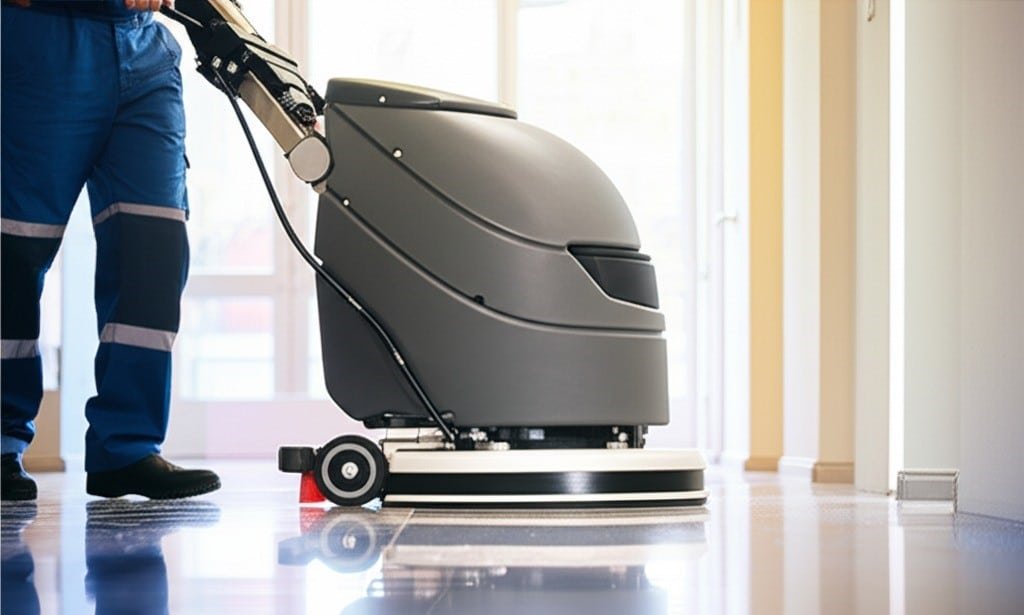
Professional Floor Cleaning

5 Benefits of Professional Floor Cleaning

Why Professional Floor Cleaning Matters Floors bear the brunt of daily life: constant foot traffic, spills, furniture being dragged around, and the slow buildup of dust, soil, and allergens that ordinary sweeping and mopping leave behind. Routine maintenance cleans the surface, but deep-seated grime in grout lines, carpet fibers, and wood grain can damage flooring and worsen indoor air quality over time. Professional floor cleaning closes that gap with specialized equipment, professional-grade solutions, and trained technique. Here are five concrete benefits of bringing in experts, and what each service actually involves. Benefit 1: Hardwood and Laminate Stay Protected Hardwood floors need a delicate touch. Professionals start with dry soil removal using commercial vacuums with soft-bristle heads and HEPA filters that trap microscopic dust and allergens without scratching the finish. The next stage is a controlled damp clean, never a wet one: excess water seeps between planks and can cause swelling, warping, or cupping. Microfiber mops hold just enough solution to lift embedded dirt, and a pH-neutral cleaner formulated for wood protects the polyurethane or wax finish, which harsh all-purpose products can dull. For worn floors, low-speed buffing with a soft pad removes minor scuffs and restores an even sheen. Laminate is handled with the same care but with even less moisture, since its fiberboard core swells and blisters when water penetrates the seams. Steam mops are off the list for laminate: their heat and pressure can push moisture into the joints and delaminate the planks. Benefit 2: Tile and Grout Look New Again Ceramic and porcelain tiles wipe clean with ease, but the grout joining them is porous and soaks up cooking grease, food soil, soap film, and bacteria like a sponge. Everyday mopping can actually make things worse, driving dirty water down into the recessed grout lines. Professional tile and grout cleaning applies a high-alkaline solution that breaks down years of accumulated soil, lets it dwell so it penetrates the pores, and then agitates every line with specialized grout brushes or orbital scrubbers. The final step is extraction with a high-pressure hot water system that flushes the loosened grime and vacuums it away. A clear penetrating grout sealer is then applied to create an invisible barrier that keeps future spills from soaking in and makes routine maintenance much easier. Benefit 3: Carpets Are Deep Cleaned and Air Quality Improves Carpets function like a giant air filter, capturing dust, pollen, pet dander, and soil tracked in from outside. Everyday vacuuming lifts only the surface layer, while heavier soils and oily residues settle toward the base of the pile, where they can damage fibers and feed allergens. The industry standard for a deep carpet clean is hot water extraction, often called steam cleaning. Technicians pre-inspect the fiber type and treat stains individually, apply a pre-conditioner that breaks down oily soil, then inject hot water deep into the pile and extract it with a powerful vacuum. Commercial-grade machines recover far more water than rental units, which means a deeper clean and faster drying. Air movers speed the process and help prevent mold or mildew, and grooming the pile keeps fibers standing straight. Health Canada explains how dust and dust mites collect in carpets and bedding and can aggravate allergies and asthma, which is why removing trapped pollutants matters for everyone in the home. Keeping floors clean is one practical step toward fewer indoor air contaminants. Benefit 4: Resilient Floors Can Be Restored, Not Replaced Luxury vinyl tile and linoleum are durable and water-resistant, but they suffer from scuffs and from old layers of finish that yellow and trap dirt over time. Professionals restore these floors with stripping and waxing. A chemical stripper dissolves the old acrylic finish, and a rotary machine fitted with an aggressive pad works it into a slurry that a wet-vac lifts away. After a neutralizing rinse and full drying, fresh finish or wax goes on in several thin, even coats, each allowed to dry completely. The payoff is a glossy, protected surface that looks newly installed and shrugs off everyday wear. Benefit 5: Your Flooring Investment Lasts Longer Regular professional care extends the life of every floor type and keeps your home healthier in the process. What pros bring that daily mopping cannot: Commercial vacuums with HEPA filtration that trap allergens instead of recirculating them. pH-balanced and material-specific cleaners that protect finishes. Hot water extraction equipment that sanitizes carpet and cuts drying time. Sealing and finishing steps that guard grout, stone, and resilient floors. Professional Floor Cleaning by Surface Type Floor Type Professional Method Main Benefit Hardwood HEPA vacuum, damp microfiber, pH-neutral cleaner, buffing Finish protected, scuffs removed Laminate Dry vacuum, minimal-moisture clean No swelling or delamination Tile and grout Alkaline dwell, agitation, hot water extraction, sealer Grout restored and stain resistant Carpet Pre-conditioning and hot water extraction Allergens removed, faster drying LVT and linoleum Stripping and waxing Glossy finish restored Frequently Asked Questions How often should floors be professionally cleaned? Carpets usually benefit from hot water extraction every 12 to 18 months, while tile, grout, and hard surfaces can go 6 to 12 months depending on traffic. Homes with kids, pets, or allergy sufferers may need shorter intervals. Is steam cleaning the same as professional carpet cleaning? Steam cleaning is the common name for hot water extraction, the method professionals use. It injects hot water and rinsing agents into the pile and extracts them with powerful vacuum equipment, which delivers a deeper clean than rental machines. Can professional cleaning damage hardwood floors? Not when done correctly. Professionals use soft-bristle vacuums, damp rather than wet mopping, and pH-neutral wood cleaners. The risk of damage comes from excessive water and harsh chemicals, which trained technicians avoid by design. Why does grout stay dirty no matter how much I mop? Grout is porous and absorbs what mop water leaves behind. Only agitation with the right cleaning chemistry followed by hot water extraction removes soil from inside the pores, and a sealer then keeps it from returning quickly. Hiring professionals

5 Benefits of Professional Floor Cleaning Read More »

cleaning professional

4 Reasons Why You Should Hire a Cleaning Service

4 Reasons Why You Should Hire a Cleaning Service Hiring a cleaning service is usually framed as a simple trade of money for convenience. The real return runs much deeper than that. What you are actually buying is time you cannot manufacture, a healthier indoor environment, a calmer household, and a home whose floors, fixtures, and finishes last longer because someone maintains them properly. Here are four reasons that calculation usually tips in favour of hiring help. 1. You Get Your Time Back A home is meant to be a sanctuary, a place of rest after the demands of the day, yet keeping that sanctuary in shape can become a second job. Hours spent dusting, vacuuming, mopping, and scrubbing are hours that never come back. Those hours could go to family, personal interests, professional growth, or simply resting. Delegating the cleaning does not just buy clean floors; it buys back the most finite resource you own. Think of the weekend as two days to live rather than two days of catching up on chores. The quality gap matters too. A professional cleaner brings expertise and speed that most homeowners cannot match, having refined a system over hundreds of homes. They know which product is safe on which surface, how to lift stubborn soap scum without damaging tile, and how to leave glass genuinely streak-free. They also notice the details a hurried weekly wipe-down misses: dust gathering on baseboards, grime on cabinet doors, fingerprints on switch plates, and the forgotten corners behind furniture. 2. Professional Standards, Better Tools, Better Air That standard is backed by equipment. Instead of a household vacuum and a few all-purpose sprays, a service arrives with high-filtration vacuums that trap fine dust and allergens instead of blowing them back into the room, plus a color-coded microfiber system that stops cross-contamination between the bathroom and the kitchen. Task-specific solutions do their jobs faster and better, and you no longer have to research, buy, and store a shelf of chemicals that mostly sit unused. Health is where this pays off most. Looking clean and being hygienically clean are two different standards. Dust carries skin cells, fabric fibers, pollen, pet dander, and dust mites, and every one of those irritates allergies and asthma. Thorough professional dusting and vacuuming lowers those airborne irritants and improves indoor air quality. The kitchen and bathroom need special attention because they can become breeding grounds for bacteria, mold, and mildew. A good service does more than wipe counters; it sanitizes them, disinfects toilets, sinks, and showers, and spots the conditions that let mold take hold before it becomes a bigger repair. For pet owners, the CDC healthy pets guidance is a useful reminder of how much dander and tracked-in soil animals add to a home, and the CDC mold and moisture guidance explains why damp bathrooms and kitchens need consistent attention. 3. Less Stress, Calmer Household Living in a cluttered or dirty space raises levels of the stress hormone cortisol, and the low-grade awareness that chores are waiting wears on the mind. Stepping into a home that stays clean and orderly brings an immediate sense of calm and control. The relief is not limited to the hours the cleaner is present, because the task stops occupying your thoughts entirely once it is scheduled. Cleaning is also a frequent source of domestic friction. Arguments over whose turn it is, or over what the word clean even means, create tension between partners and family members. Outsourcing removes the dispute altogether. It becomes a neutral, scheduled service that holds one consistent standard for everyone in the household. Kitchens and bathrooms scrubbed, sanitized, and reset. Floors vacuumed and mopped on a set schedule. Dust removed from surfaces, sills, and vents. Supplies and scheduling handled for you. 4. Consistency That Protects Your Home Life gets busy, and cleaning is the first thing postponed. One skipped week becomes two, and grime settles in deeper and takes more effort to remove later. A scheduled service restores the home to a baseline on a regular rhythm, whether that is weekly, bi-weekly, or monthly, which prevents heavy buildup and preserves floors, fixtures, and surfaces over the long term. That proactive care can save money later on restoration or replacement work you would otherwise need. Certain life moments turn a cleaning service from a luxury into a near-necessity. Moving into a new home deserves a deep clean so you start with a fresh, sanitized space. A move-out clean is often required for renters to recover a deposit. Post-renovation work is its own specialty, since construction leaves a fine, pervasive dust that needs specific techniques and equipment. Hosting a holiday party or overnight guests is stressful enough without a top-to-bottom clean on the list. And for new parents, older adults, or anyone recovering from illness or injury, professional help makes daily life manageable and safe. Service Best for What it covers Regular cleaning Weekly, bi-weekly, or monthly upkeep Kitchens, bathrooms, floors, dusting, and the high-touch points that get dirty fastest. Deep cleaning First visits, seasonal resets, pre-event prep Baseboards, tile, grout, appliance interiors, vents, and the corners a routine clean skips. Move-in and move-out cleaning Tenancy changes and post-renovation work Empty-unit detailing, inside cabinets, construction dust, and deposit-standard finishes. For routine hygiene between visits, the CDC guidance on cleaning and disinfecting your home is a clear primer on where germs collect and which surfaces deserve daily attention. Frequently Asked Questions How often should I book a cleaning service? Most households do well with bi-weekly visits, which keeps dust and grime from building between appointments. Busy homes with pets or children often choose weekly service, while smaller homes or single occupants can stay comfortable on a monthly rhythm. A deep clean is worth adding for a first visit or after a long gap. Do I need to be home during the clean? No. Many clients provide access instructions and return to a finished home. If you would rather be present for the first visit, that works

4 Reasons Why You Should Hire a Cleaning Service Read More »

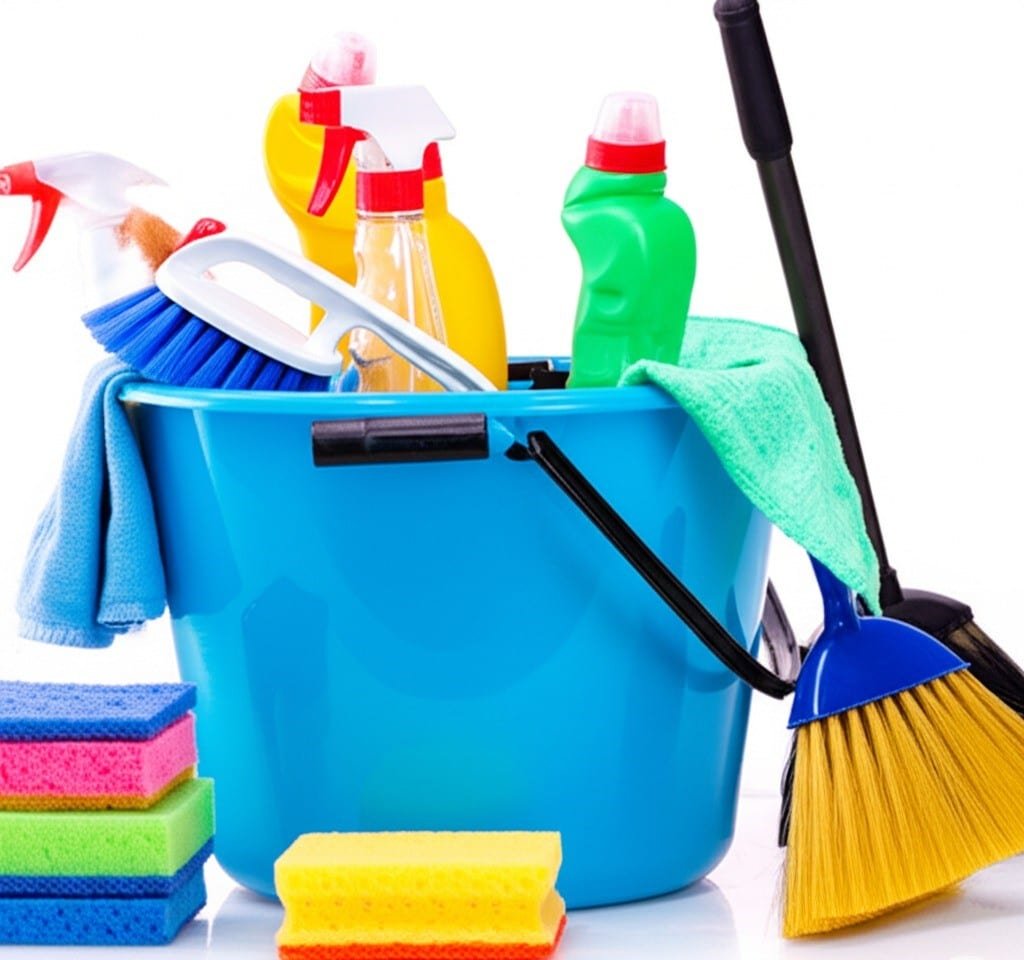
various cleaning tools

13 Essential Cleaning Tools Every Home Needs

13 Essential Cleaning Tools Every Home Needs A consistently clean home is not built on effort alone. It is built on having the right implement within reach, so each mess meets the tool built for it. With the correct kit, chores stop feeling overwhelming, and you stop leaving the film of dust and germs that cheap substitutes miss. Here are the thirteen tools worth owning and how to get the most from each. Why the Right Tools Matter Good tools save time, protect surfaces, and make the work lighter on your body: A poor cloth pushes dirt around instead of lifting it. A poor brush scratches a finish you cannot repair. A poor mop spreads grime from room to room. The right set repays you in every clean that follows. The 13 Tools at a Glance Tool What It Handles One Key Tip Microfiber cloths Dust, bacteria, spills on most surfaces Skip fabric softener and high heat in the wash Sponges Spills, stuck-on food, cookware Disinfect regularly and replace at the first off-smell Spray bottles Custom mixes and diluted concentrates Label each and choose chemical-resistant plastic Scrub and detail brushes Grout, faucets, tile, stove tops Match bristle stiffness to the surface strength Toilet brush and holder Bowl surfaces, including under the rim Choose a ventilated holder so the brush dries Broom and dustpan Crumbs, tracked-in dirt, dust bunnies Use a dustpan with a thin rubber lip Mop and bucket Washing and sanitizing hard floors A dual-compartment bucket keeps rinse water clean Vacuum cleaner Carpets, rugs, upholstery, hard floors Empty the bin and clean filters on schedule Squeegee Windows, mirrors, glass shower doors Wipe the blade after every stroke Extendable duster Ceilings, fan blades, tall furniture Choose a bendable, washable microfiber head Cleaning gloves Chemicals, hot water, dirt Keep separate pairs for bathrooms and dishes Cleaning caddy Carrying supplies Choose multiple compartments and a sturdy handle Paper towels and trash bags Spills, greasy messes, waste disposal Keep several bag sizes for cleanouts What Each Tool Does Best Cloths, Sponges, and Spray Bottles Microfiber cloths trap dust, dirt, and bacteria instead of moving them around, and their electrostatic fibres hold particles that cotton rags leave behind. Tighter weaves polish glass and mirrors streak-free, while plusher textures handle general wiping and light scrubbing, and a well-cared-for cloth lasts hundreds of washes. Sponges cover jobs needing absorbency plus a little abrasion, and dual-purpose versions pair a soft side with a scouring pad. Choose non-scratch pads for non-stick pans, glass cooktops, and ceramic dishes, and disinfect sponges often, since a damp, porous sponge is a favourite home for bacteria. Reusable spray bottles let you dilute concentrates and mix your own solutions, so keep several labelled bottles for all-purpose work, glass, and disinfecting, with nozzles that switch between a mist and a stream. Brushes, Brooms, and Mops For grime that resists gentler methods, build a set of brushes in different sizes and bristle strengths. A large stiff utility brush takes on concrete, tile, and outdoor furniture, a narrow angled grout brush dislodges mold and embedded dirt from grout lines, and small detail brushes, including retired toothbrushes, reach around faucets, drains, and window tracks. Every bathroom kit also needs a sturdy toilet brush with an under-rim extension, stored in a holder that lets it dry rather than sit in dirty water. A broom and dustpan remain the first line of defense on hard floors. Flagged bristles sweep fine dust on smooth surfaces, stiffer unflagged bristles move heavier debris, and an angled head reaches corners and baseboards. A mop and bucket finish the job: flat microfiber mops glide and pick up fine dirt, spin mops control how wet the floor gets for faster drying, and steam mops sanitize with heat alone, though they are not safe for unsealed wood. Vacuums, Squeegees, and Dusters A quality vacuum pulls dust, pet hair, and allergens from carpets, rugs, upholstery, and floors. Uprights suit large carpeted areas, canisters offer hoses and attachments for stairs and drapes, stick models handle quick cleanups, and handhelds suit spills and car interiors. A crevice tool, an upholstery tool, a soft dusting brush, and an adjustable floor head extend what one machine can do. Dirty filters choke suction, so empty the bin and clean or replace them as the manufacturer advises. A squeegee delivers streak-free glass when you overlap each stroke by about an inch and wipe the blade clean as you go, and it also pulls water off tiled shower walls to slow mildew and soap scum. An extendable duster with a washable microfiber head reaches ceilings, ceiling fans, and tall furniture without a ladder, catching dust instead of scattering it into the air. Gloves, Caddies, and Disposables Cleaning gloves create a waterproof barrier against chemicals, hot water, and bacteria, preventing irritation, dryness, and chapping. A pair that fits well, plus separate pairs per room, keeps cross-contamination down. A caddy or tote holds your sprays, cloths, sponges, and brushes in one portable place, cutting trips back to the supply closet. Paper towels still earn their spot for greasy spills, pet accidents, and anything you would rather throw away than launder. Finally, trash bags in several sizes, from small bathroom bins to heavy-duty cleanout bags, contain everything the other tools gather. Sponges, cloths, and gloves all touch food and bathroom surfaces, so the CDC guidance on cleaning and disinfecting your home is worth bookmarking, and handwashing habits matter just as much, as the CDC notes on hand hygiene. Homes with pets will appreciate the CDC tips on healthy pets for keeping animal gear and floors hygienic. Frequently Asked Questions How many microfiber cloths should I own? A practical starter set is eight to twelve, which lets you keep one per room, rotate through the laundry, and still have cloths ready for glass. When should I throw out a sponge? Replace it at the first sour smell, and disinfect it in between by microwaving a damp sponge or running it through a dishwasher cycle. Do I need

13 Essential Cleaning Tools Every Home Needs Read More »

Middle aged man work as a professional cleaner while brooming

7 Must-Know Tips Before Hiring a Cleaning Service

7 Must-Know Tips Before Hiring a Cleaning Service Bringing a cleaning team into your home should take weight off your shoulders, not add worries. The right service saves hours every week and gives you time back for work, family, and rest, which is genuinely good for your mental health and wellbeing. The wrong choice, however, costs money and trust. These seven must-know tips before hiring a cleaning service will help you check the important boxes, ask the right questions, and book with confidence. Read Online Reviews and Look for Patterns Review sites such as Google, Yelp, and Facebook reveal how a company actually behaves between marketing pages. Look for repeated comments about punctuality, consistency, and attention to detail, and note whether customers book again and again. Happy repeat clients are a strong sign that results are reliable, not accidental. Negative feedback is just as informative. If several people mention missed spots, late arrivals, or weak communication, treat that as a warning. One bad day happens, but a pattern tells you how the business operates. Browse our customer reviews to see what regular clients say about our team. Confirm Insurance, Bonding, and Staff Screening Before anyone enters your home, ask whether the company is insured and bonded and request proof. Coverage protects you if an item is damaged or a worker is injured on the job, and bonding adds another layer of security. A professional firm shares this paperwork without hesitation; vagueness is a red flag. Toronto Shine Cleaning is fully bonded and insured, carrying a $1,000,000 insurance policy plus a $10,000 accidental breakage and surety bond, so your home and belongings are protected. Also ask how workers are screened and whether the same team returns each visit. Background checks and familiar faces make it easier to relax and enjoy the results. Ask What Supplies They Bring and What the Service Includes Some companies expect you to stock every spray, mop head, and cloth. A prepared team arrives with its own professional supplies and the know-how to match products to surfaces, which protects your countertops, floors, and fixtures. Health Canada’s household products information is a good reference for choosing safe, effective cleaners at home. Before booking, ask exactly what each visit covers. Basic packages may include dusting and vacuuming, while others go further into kitchen appliances and bathroom tile. Request a written or digital checklist so nothing is left to guesswork, and confirm whether extras such as inside-the-fridge cleaning or baseboard scrubbing are available as add-ons. Know Who Will Be in Your Home It is normal to feel hesitant about handing over your keys. Ask whether the company sends the same team every time or rotates staff, and whether workers are background-checked and professionally screened. Some services even introduce their cleaners by profile or photo before the first appointment, which turns a formal transaction into a comfortable relationship. When you know who is arriving, you can enjoy a clean home without hovering. Check Scheduling Flexibility and Compare Real Value Your calendar changes, and your cleaning plan should bend with it. Look for a company that offers weekly, bi-weekly, or one-time visits, allows rescheduling without penalty, and provides easy online booking. Life gets busy, and a regular cleaning service should simplify your week, not complicate it. Finally, compare value instead of chasing the lowest quote. A rock-bottom price often means cut corners, skipped details, or surprise fees. Weigh what is included: insurance, supplies, a clear checklist, guarantees, and responsive communication. Paying a fair price for a thorough, insured team is the better investment in the long run. Before you sign up, confirm these points with any candidate: Proof of insurance and bonding. Bring-your-own professional supplies and products. A written checklist of included tasks. Background-checked staff and consistent teams. Flexible scheduling with simple rescheduling. Clear, all-in pricing with no surprise fees. Responsive communication before and after visits. Use this cheat sheet during your phone interviews: Question What It Tells You Consider It a Red Flag If Are you insured and bonded? You are covered if something breaks The company will not provide proof Do you bring your own supplies? The right products are used on every surface You must buy all supplies yourself What is included in each visit? The scope of work is clear There is no checklist and answers stay vague Who will clean my home? Staff are screened and accountable Teams rotate with no notice or introduction Can I reschedule easily? The service fits your lifestyle Every change costs a fee or hassle Frequently Asked Questions About Hiring a Cleaning Service How much does a cleaning service cost in Toronto? Pricing depends on home size, visit frequency, and the condition of the space. Toronto Shine Cleaning’s regular cleaning rates before HST start at $212.63 for a studio or one-bedroom, with a two-bedroom home at $273 and a three-bedroom at $327; see our pricing page for full details. Do I need to be home during the cleaning? Many clients prefer to be present for the first visit, and after that the arrangement is flexible. Ask the company about entry options such as a spare key or building concierge access, and choose whatever makes you most comfortable. What happens if something is damaged during a visit? A properly insured and bonded company will walk you through its claims process. Toronto Shine Cleaning carries a $1,000,000 insurance policy and a $10,000 accidental breakage and surety bond to cover these situations. How do I know the cleaner will do a good job? Start with reviews, a written scope of work, and a clear checklist. After the first visit, inspect the results and give feedback, because a quality company uses your input to make the next clean even better. Choosing a cleaning service does not need to be a gamble. Check reviews, verify insurance and bonding, confirm the scope, and compare real value, and you will find a partner that respects your home and your time. Whether you need a one-time reset or ongoing

7 Must-Know Tips Before Hiring a Cleaning Service Read More »

Hand-painted image about rosedale, landscape format

House Cleaning Services in Rosedale: Get a Spotless Home

House Cleaning Services in Rosedale: A Guide for Homeowners Rosedale homes are generous in size, rich in original millwork and rarely empty. Between a full work week, children, pets and a century house that collects dust in every corner, keeping the place guest-ready is a job of its own. That is where a professional crew earns its keep. A trained team arrives with commercial equipment, works through the house in a fixed order and leaves a Rosedale property looking the way you want visitors to see it. This guide covers what a house cleaning service in Rosedale actually does, what each service level costs, and how to choose a company you can hand a key to. Why Rosedale Homeowners Hire Professional Cleaners Time back in your week. Deep cleaning a detached home in Rosedale takes most people the better part of a Saturday. A crew finishes in a few hours. Equipment you do not own. Commercial vacuums, steam tools and neutral pH products reach results that grocery store supplies cannot match. Better air indoors. Dust, pollen and pet dander settle into rugs, upholstery and vents. Removing them improves indoor air quality for anyone with allergies or asthma. Care for fine finishes. Hardwood, marble, brass and antique furniture need the right product. Professional cleaners use methods that protect the surface instead of dulling it. Less stress at home. A tidy house changes how the whole family feels about the space. What a Standard House Cleaning Includes Most visits follow a room-by-room checklist. The exact scope depends on the size of your home, how many bathrooms it has and whether you book weekly, biweekly or monthly service. Living areas: dusting shelves, tables, mantels and light fixtures; wiping switches and door frames; vacuuming carpet and washing hard floors; emptying bins and replacing liners. Kitchen: countertops, cabinet fronts, backsplash and sink; appliance exteriors; floors swept and washed. Bathrooms: sinks, toilets, tubs and shower walls; mirrors and glass; disinfecting of high-touch points; floors washed. Cleaning and disinfecting are two separate steps, as the CDC explains in its guidance on cleaning and disinfecting a home. Bedrooms: dusting furniture and decor; vacuuming around and under bed edges; optional bed making and linen changes on request. Regular, Deep and Move-Out Cleaning Compared The right service depends on whether the house needs maintenance or a reset. A deep clean reaches baseboards, vents, inside appliances, grout and the areas behind furniture. A move-in or move-out clean goes further still, because a new occupant or a landlord will inspect corners, cupboards and fixtures. Service Best For Starting Price Before HST Regular cleaning Ongoing upkeep on a weekly, biweekly or monthly schedule $212.63 for a studio or one bedroom Deep cleaning A first visit, a seasonal reset or a home that has not been serviced in months $270.38 for a studio or one bedroom Move-in and move-out cleaning Handing back a lease or preparing to unpack in a new home $242.63 for a studio or one bedroom Larger homes scale from those base rates: a two bedroom regular clean runs $273 and a three bedroom $327, while a two bedroom deep clean is $393.75, a three bedroom $441 and a four bedroom $527.63. Every number on the pricing page is quoted before HST. How to Choose a Cleaning Company in Rosedale Read recent reviews. A steady stream of specific, detailed feedback tells you more than a single glowing testimonial. Ask about vetting. A serious company screens and trains its staff before sending anyone to your door, and can tell you how. Confirm insurance. Bonded and insured teams protect you if something breaks. Ask for the coverage amount in writing. Request a clear quote. You want a written price based on square footage, bathrooms and add-ons, not a vague hourly estimate that grows on the day. Check the service list. Deep cleans, post-renovation work and end-of-tenancy cleans are not offered by every company. Confirm yours covers what you need. Ask about products. If anyone in the house has sensitivities, ask about fragrance-free and hypoallergenic options. Book a Rosedale House Cleaning Toronto Shine Cleaning serves Rosedale and the surrounding midtown neighbourhoods, along with the rest of Toronto and the GTA, all listed on the locations page. The team is bonded and insured, with a $1,000,000 insurance policy and a $10,000 accidental breakage and surety bond, so high-end furnishings and delicate surfaces are covered. Call (647) 424-0355 to book a walkthrough, or visit the office at 140 Yonge St Suite 285, Toronto ON M5C 1X6. FAQ: House Cleaning in Rosedale How much does house cleaning cost in Rosedale? Rates depend on the size of the home and the service. A regular clean starts at $212.63 for a studio or one bedroom, a deep clean at $270.38 for the same size, and a move-out clean at $242.63. Two and three bedroom homes run higher, with all figures published before HST. Rosedale houses are often larger and older than the average Toronto home, so request a quote with your square footage and bathroom count for an exact price. Do I need to be home during the cleaning? No. Many clients in Rosedale provide a key, a lockbox code or a door code, and the crew works while the house is empty. If you prefer to be present, that is fine as well. For a first visit, being there for the walkthrough helps the team learn your priorities, then you can leave for later appointments. What is the difference between a regular and a deep clean? A regular clean maintains a home that is already in good shape, covering floors, surfaces, kitchens and bathrooms. A deep clean adds the items those visits skip, including baseboards, vents, grout, inside appliances, light fixtures and furniture that has to be moved. Most homes start with one deep clean and then switch to a regular schedule. Can you clean a home with pets or allergies? Yes. Tell the team about pets when you book so doors and gates are handled correctly

House Cleaning Services in Rosedale: Get a Spotless Home Read More »

Janitor cleaning office floor with mop.

5 Benefits of Professional Janitorial Cleaning

5 Benefits of Professional Janitorial Cleaning for Your Business An office that looks tired costs money in ways that never show up on a cleaning invoice. Dust in the air, cluttered walkways and a reception area nobody wants to photograph all influence how staff feel and how clients judge the business. Professional janitorial cleaning is the operational fix, and it pays back in health, output, image, equipment life and budget control. Here are the five benefits that matter most to Toronto employers, plus what a realistic program looks like. 1. A Healthier Workplace Shared keyboards, door handles, kitchen taps and elevator buttons are the transfer points where a single cold travels through a whole team. A trained crew uses the right dwell time and the right product for each surface instead of a quick wipe, which is the difference between looking clean and being hygienic. High touch points get daily attention, washrooms get hospital grade disinfection, and touch free dispensers cut contact altogether. The result is fewer sick days, less last minute coverage and a team that is not passing the same bug back and forth all winter. Air quality matters too: dust trapped in carpets, vents and fabric partitions keeps circulating until it is physically removed, which is why a professional program includes extraction and vent work rather than dusting alone. 2. Better Focus and Output Clutter is visual noise. When desks are buried, supply rooms are disorganized and the kitchen counter is a pile of unwashed mugs, people spend working time hunting for things and feeling behind before they start. A consistent cleaning routine resets shared spaces daily so the environment stops competing for attention. Staff who walk into a tidy, well-stocked kitchen and a clean meeting room arrive at their first task calmer and more focused. That effect compounds over a year far beyond the cost of the service. 3. A Professional Impression Clients read the state of your space as a statement about how you run everything else. Streaked glass, dusty reception furniture and a tired washroom plant doubts that no sales deck can undo. Janitorial cleaning keeps the front of house presentation ready at any hour, with spotless entry glass, polished floors, fresh washrooms and a lobby that photographs well. Tenants and visitors notice consistency, and staff take more pride in a workplace that is clearly cared for. 4. Longer Life for Furniture and Equipment Dirt is abrasive. Grit left in carpet backing grinds fibers down, dust in computer and printer vents raises operating temperatures, and soil on hard floors dulls the finish faster than foot traffic alone. Scheduled cleaning and periodic extraction protect those investments, so carpet, seating and equipment stay in service longer and need fewer replacements. Slippery floors, blocked exits and cluttered storage areas also cause preventable injuries, and a documented cleaning routine is one of the cheapest ways to reduce that liability. 5. A Plan Built Around Your Schedule No two workplaces generate the same mess. A law office with a client lounge needs different frequency than a warehouse office with forty staff and one microwave. A proper janitorial plan sets the scope in writing: which rooms, which tasks, how often, and what happens after a flu outbreak, an event or a renovation. Daily, weekly and monthly frequencies can be mixed so the highest traffic areas get the most attention without paying for work the space does not need. Sample Scope and Frequency Area Typical Frequency Core Tasks Reception and lobby Daily Glass, floors, seating, entry mats Washrooms Daily, plus spot checks Disinfection, restock, fixtures Kitchen and break room Daily Counters, sinks, appliance fronts, floor Workstations and meeting rooms Weekly Desks, screens, bins, chairs Carpets and vents Quarterly or twice a year Extraction, vent and partition dusting What to Check Before You Hire Written scope with task list and frequencies, not a verbal promise. Proof of insurance and a clear bonding statement for the staff who enter your space. A named supervisor and a response time for complaints. After hours access rules, alarm codes and key handling in writing. Supply and equipment responsibility spelled out in the agreement. A trial period with a review meeting after the first month. Health and hygiene details are worth getting right. Washroom and kitchen sanitizing should follow the clean first, disinfect second order described by the CDC cleaning and disinfecting guidance, and anyone handling waste or shared equipment should wash hands properly afterwards, as the CDC hand hygiene page sets out. Bleach based products, where a facility uses them, need the dilution and ventilation rules in the CDC bleach guidance. Working With Toronto Shine Cleaning Toronto Shine Cleaning supports offices and commercial spaces across the city with trained crews, commercial grade equipment and a scope written around your operating hours. Staff are bonded and insured, and the company carries a $1,000,000 insurance policy plus a $10,000 accidental breakage and surety bond, so a facility manager can hand over after hours access with confidence. Quote requests start with a walkthrough: square footage, washroom and kitchen counts, floor types and traffic all set the plan. Home side rates give a sense of the pricing structure before HST, from $212.63 for a studio or one bedroom on a regular plan to $270.38 for a deep clean, and the pricing page lists the details. Add a deep cleaning visit for carpet and vent work, read what clients say in the reviews section, or call (647) 424-0355 from 140 Yonge St Suite 285, Toronto ON M5C 1X6 to book a site visit. Frequently Asked Questions How much does janitorial cleaning cost in Toronto? Price depends on square footage, washroom count, floor types and frequency, so a quote follows a walkthrough rather than a flat rate. Offices cleaned two or three times a week usually cost less per visit than daily service because the crew works more efficiently. Ask for a written scope with both a weekly and a monthly option so you can compare. Can cleaning happen outside business

5 Benefits of Professional Janitorial Cleaning Read More »

Professional maid in uniform diligently cleans office space with supplies.

How to Choose the Best Janitorial Services: 5 Key Factors

How to Choose the Best Janitorial Services: 5 Key Factors A workspace that looks after itself does not exist. Behind every consistently clean office, clinic or retail floor is a janitorial arrangement that was chosen carefully. Five factors separate providers that deliver month after month from those that fade after the first invoice, and every one of them can be checked before you sign. 1. Reputation and Reviews Start with what other clients already know. Reviews on Google, Yelp and the Better Business Bureau reveal patterns: how often a provider arrives on schedule, how steady the quality stays between visits, and how quickly problems get answered. Read for repetition rather than for a single glowing or furious post. Recurring complaints are the real signal. Missed visits, uneven results from different crews and slow replies to emails tend to appear in reviews long before a contract ends. Ask the company for references as well, then actually call them. Questions about reliability, the professionalism of the staff on site and how past issues were resolved give you a picture no marketing page can. 2. Range of Services Offered Match the provider’s capabilities to what the building actually needs. Routine janitorial work covers dusting, vacuuming and waste removal, but most sites need more: carpet extraction and hard floor care to protect the flooring investment, window washing to keep daylight coming through, and sanitizing in washrooms and other busy zones. Some sectors carry extra requirements. A medical or dental office needs disinfection protocols, careful handling of clinical waste and products that meet healthcare standards. If a provider has never worked in that environment, the gap will show up during an inspection. Hiring one company that covers the full scope saves you from coordinating several vendors and keeps accountability in one place. Ask for the scope in writing before you compare quotes. Two providers can advertise the same list of services and still differ on how often each task happens, which rooms are included and whether supplies are part of the fee. A written scope is what makes one bid comparable with another. 3. Experience and Expertise Longevity matters, though not on its own. A firm that has operated for years has usually refined its processes and learned how to handle unexpected messes, but relevant sector experience counts just as much as the calendar. A crew familiar with clinics understands strict sanitation routines; a crew that only services offices may not. Ask about staff training too. Ongoing instruction and certification keep workers current on safe chemical handling, equipment use and newer methods. A company that invests in its team tends to produce consistent results and fewer incidents, which matters in a space where employees and visitors spend their whole day. 4. Customized Cleaning Plans No two buildings are cleaned the same way. Lobbies, lunchrooms and washrooms may need daily attention, while storage areas and executive offices can wait for a weekly pass. Server rooms, labs and other sensitive spaces call for specific products and extra care around electronics. Before signing, ask how the provider builds its plan. A serious company walks the site first, noting traffic patterns, floor types and problem areas, then writes a schedule around them. Flexibility is the real test: as headcount grows or operating hours change, can the plan be adjusted without a drop in quality? 5. Eco-Friendly Practices Green cleaning is now a practical requirement for many landlords and corporate tenants. It means non-toxic, biodegradable products, waste reduction, recycling programs and equipment chosen to use less water and energy, such as microfiber systems and vacuums with HEPA filtration. The benefits land close to home. Fewer harsh chemicals in the air means fewer allergic and respiratory complaints among employees, which shows up in morale and sick days. A greener building also supports sustainability reporting. The CDC’s hygiene overview and its guidance on when and how to clean and disinfect explain the health logic behind those routines. Questions to Ask Before You Sign Which tasks are included in every visit, and which ones cost extra? Who supervises the crew, and how are quality checks recorded? How much notice is needed for a schedule change or an added deep clean? Which products will be used, and are they suitable for your floors and fixtures? How are complaints logged, and how fast is a response expected? Janitorial Services in the Greater Toronto Area Toronto Shine Cleaning works with businesses across the Greater Toronto Area and brings the same standards to a commercial contract that it applies in homes: trained staff, tailored schedules, and a bond and insurance package that includes $1,000,000 in coverage and $10,000 for accidental breakage. Rates are listed on the pricing page, the service area is set out on the locations page, and feedback from past clients sits on the reviews page. Call (647) 424-0355 to arrange a walkthrough of your premises. Frequently Asked Questions How do I check a janitorial company’s reputation quickly? Read reviews across more than one platform to spot repeated themes, then ask for two or three client references and phone them. Ask each reference how the crew handled a problem, since that tells you more than a list of happy outcomes. Should I hire one provider for all cleaning tasks? Usually yes, when the company can cover routine work, floor care, windows and sanitizing. One contract means one point of accountability, and it removes the scheduling gaps that appear when several vendors share a building. Why does staff training matter in a janitorial contract? Trained workers handle chemicals and equipment safely and clean consistently from one visit to the next. Ongoing certification also keeps a team current as products and standards change, which lowers the risk of incidents on your site. What makes a commercial cleaning plan flexible? A provider that reassesses the site when your headcount, hours or floor plan change. Ask how often plans are reviewed and what happens if you need extra attention in one area for a week.

How to Choose the Best Janitorial Services: 5 Key Factors Read More »