Maid Service

Dangerous to Your Health: 5 Common Products That are Dangerous For Your Daily Life

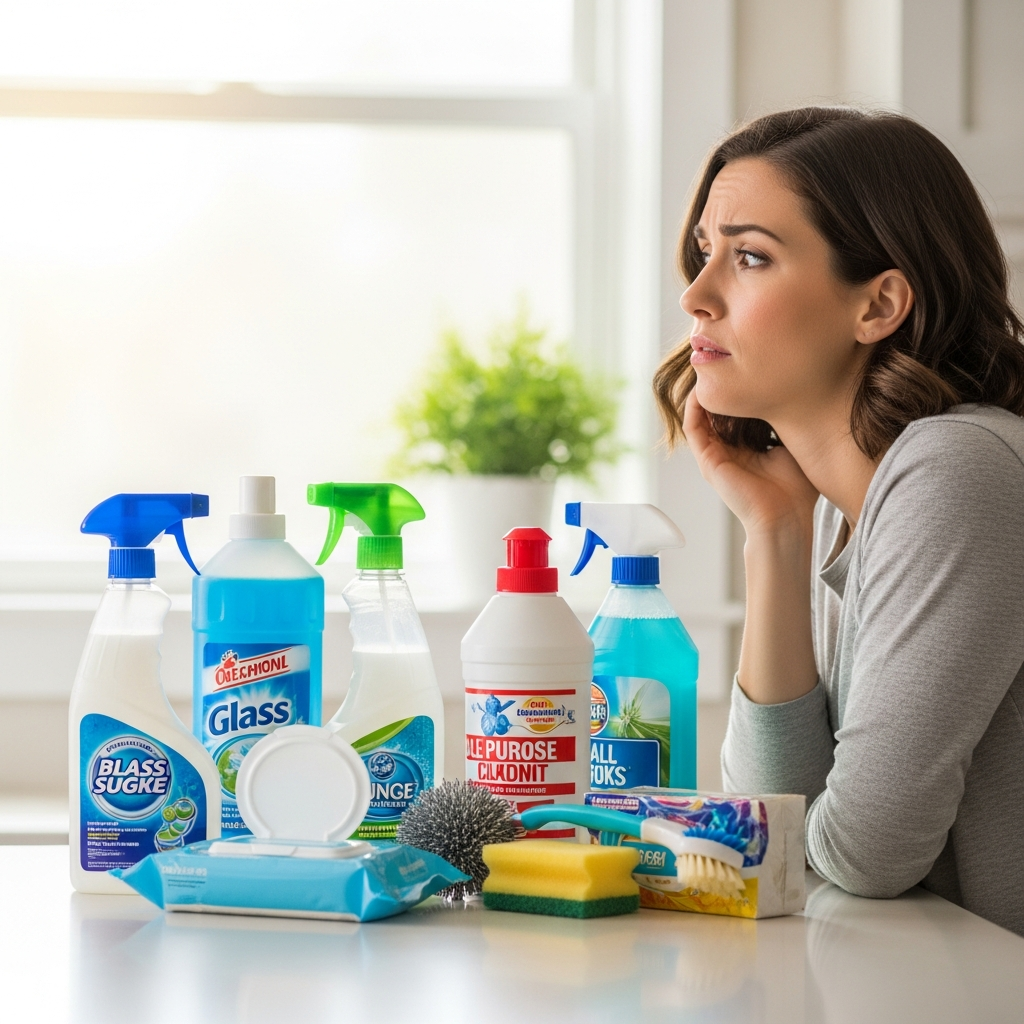
Are Everyday Cleaning Products Dangerous to Your Health? Your home feels like the safe place, sealed off from city pollution. Inside many Toronto houses the opposite is true: the sprays under the sink can make indoor air more toxic than the air outside. Health Canada warns that household chemical products can cause poisonings, burns, fires and explosions when handled unsafely. A strong chemical smell is not proof of clean. Here is what five everyday products actually do, and the simpler habits that keep homes safe. Five Common Products Dangerous to Your Health 1. Bleach Bleach, the sodium hypochlorite default against mold, mildew and bathroom grime, is corrosive enough to burn skin and eyes on contact, and it is highly volatile. In a closed shower stall or small bathroom, its fumes react with organic matter and form chlorinated volatile organic compounds that immediately inflame the mucous membranes of the throat and lungs, especially dangerous with respiratory conditions. The deadliest habit is mixing: bleach plus ammonia, which lives in urine and many glass cleaners, generates chloramine gas, and bleach plus an acidic cleaner releases chlorine gas. Both can lead to hospitalization or worse. 2. Ammonia Glass and Window Cleaners Ammonia is why glass cleaner dries fast without streaks, and why it demands respect. It hunts moisture, so inhaled ammonia attacks the eyes, throat and lungs directly. High concentrations cause chemical burns in the respiratory tract and aggravate chronic conditions like asthma. Trigger-sprays aerosolize it into a fine mist that lingers in your breathing zone. That sharp odor is a warning signal, not evidence the glass needs you. 3. Fragrance, Air Fresheners and Fabric Deodorizers The word fragrance, or parfum, on a label is a regulatory loophole: scents count as trade secrets, so the hundreds of chemicals behind the scent are never listed. The cocktail commonly includes phthalates, added to make scents linger, which are known endocrine disruptors that mimic hormones and can interfere with reproductive development over long-term exposure. Air fresheners and fabric sprays do not clean anything. Some release agents that deaden your nerves or coat nasal passages with oily film; others bury odors under volatile organic compounds tied to headaches, dizziness and fatigue. Aerosol propellants add flammable lung irritants. The Government of Canada’s household products safety hub lists hazards in everyday cleaning items. 4. Oven Cleaners and Drain Openers Oven cleaners are built on lye, or sodium hydroxide, which strips baked-on grease by turning it into soap. That same reaction destroys living tissue: splashes cause severe burns and permanent blindness. Spraying a warm oven vaporizes the lye into a toxic cloud that fills the kitchen. Drain openers burn through hair and grease clogs with concentrated sulfuric acid or lye, generating intense heat that can damage old pipes; if a plumber later snakes a surviving clog, the splash-back is caustic. 5. Disinfectant Wipes and Sprays Quaternary ammonium compounds, the quats behind most disinfectant wipes and sprays, kill germs well, but they are powerful lung irritants. Growing evidence suggests frequent exposure can cause asthma even in otherwise healthy users. Quats also leave a residue, and a child who touches a wiped table then sucks their fingers is ingesting a pesticide. Blanketing whole rooms instead of high-touch points adds chemical load and feeds antibiotic resistance. Two Traps Behind Friendly Labels Carpet cleaners and upholstery shampoos bring their own risks. Many spot removers rely on perchloroethylene, a dry-cleaning solvent that is a neurotoxin and a classified carcinogen, and across a large floor it keeps off-gassing for days or weeks. Naphthalene, the mothball chemical in some carpet cleaners, releases fumes that can cause confusion, nausea and liver damage. Fibers trap all of it and release it back with every step and sit. Green labels deserve the same skepticism. The word natural is largely unregulated in cleaning products, and a green bottle can still carry allergens like limonene, a citrus oil that reacts with ozone in your air to form formaldehyde, a known carcinogen. Concentrated plant-based detergents can still irritate skin and lungs. Read the ingredient list, not the leaf on the label. The Real Risk Is the Daily Total Toxicologists call the running tally your body burden. One spray does little; a weekly ritual of glass cleaner, floor polish, counter spray, toilet cleaner and air freshener becomes a chemical soup the body must filter. When that load stays high, chronic inflammation, skin conditions and respiratory sensitivity can follow. Children and pets pay the most because smaller bodies and faster metabolisms process the same exposure less efficiently. Safer Swaps That Still Clean The most effective cleaner is usually the simplest: mechanical action. Removing dirt beats masking it. Instead of Reach for Why it works Everyday surface sprays Microfiber cloth, water and real scrubbing Fibers trap dirt and pathogens, removing more bacteria than a light chemical wipe, with no residue left behind Bleach on general surfaces Hydrogen peroxide Disinfects without chlorine fumes or toxic residue Commercial limescale removers White vinegar A mild acid that dissolves mineral deposits and soap scum without off-gassing Scouring powders Baking soda Gentle physical abrasion for sinks, tubs and baked-on messes Ventilation and Protection: The Free Upgrades Even safe cleaners need discipline. Health Canada’s page on using household chemicals safely covers the buying, use and storage rules that prevent accidents, and these habits carry it into daily practice: Ventilate. Never clean a sealed room: open a window and run the exhaust fan, especially in small bathrooms where fume levels spike fastest. Protect your skin. It is the body’s largest organ and absorbs chemicals readily, so glove up around degreasers and solvents and wear a mask for concentrated products. Remove, don’t mask. The goal is neutral air and residue-free surfaces, not a perfume cloud that signals a fresh chemical dose. Frequently Asked Questions Is it really dangerous to mix cleaning products? Yes. Bleach plus ammonia releases chloramine gas, and bleach plus any acidic cleaner releases chlorine gas. Both react within seconds in a closed room and can lead to hospitalization. Use one product

Dangerous to Your Health: 5 Common Products That are Dangerous For Your Daily Life Read More »
Washroom Cleaning

Beyond the Surface: Why Washroom Cleaning Requires a Different Strategy

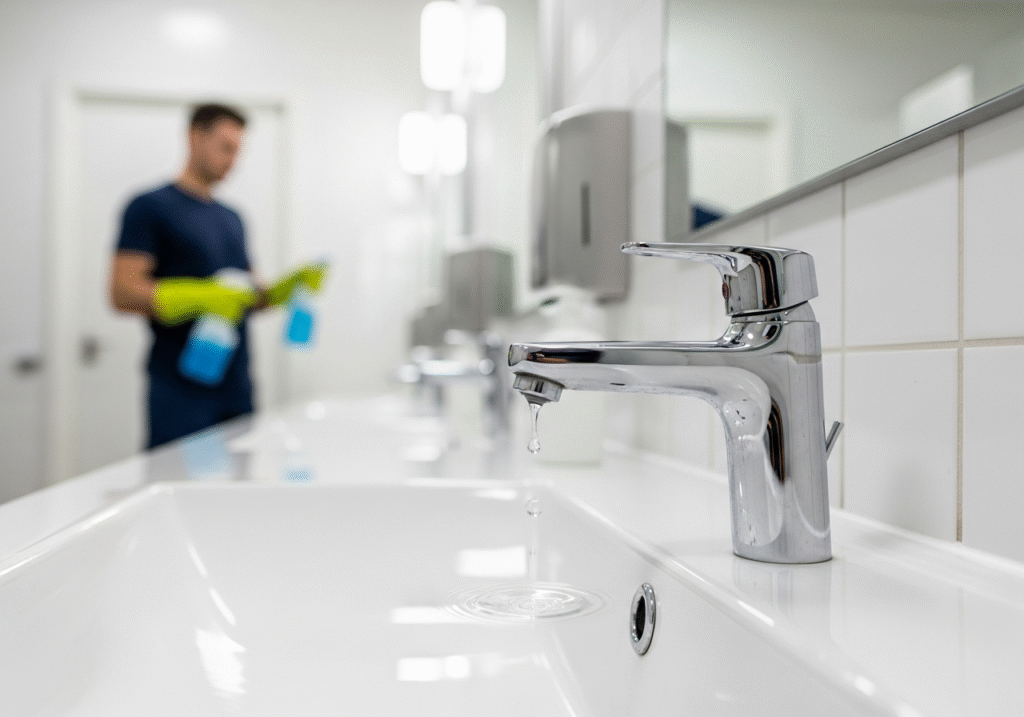
Bathroom Cleaning Fails Because Most People Wipe the Wrong Things A washroom is the most demanding room in any home. Living rooms gather dust; bathrooms cycle constantly between soaking wet and bone dry, and every cycle leaves mineral deposits, soap residue, and bacterial colonies clinging to tile, porcelain, and grout. Surface wiping hides the problem for a day, then the film returns. Real bathroom hygiene means identifying what is actually on the surfaces, choosing chemistry that attacks it, and giving products enough contact time to finish the job. Households that get this routine right stop fighting their bathrooms. Soap Scum Is a Mineral Problem, So It Needs an Acid The waxy film on shower walls and tub surrounds is calcium stearate: fatty acids from bar soap bonding with hard-water minerals into an insoluble precipitate. That bond is alkaline, which is why pH-neutral all-purpose sprays glide right over it. Professionals reach for acidic cleaners, typically phosphoric or citric acid, to dissolve the mineral lattice so the film releases. One serious exception: acid etches natural stone permanently, so marble and travertine must never meet these products. Biofilm Versus Mold: Two Different Enemies The pink or orange slime in shower corners is biofilm, a bacterial colony sealed to the surface with a glue-like matrix. It wipes away easily and returns fast, because you removed the outer layer, not the colony. Genuine mold is a fungus that sends roots into porous material, and grout is cement, a sponge for water and organic matter. Once mold establishes in grout, surface scrubbing fails; you need a cleaner that penetrates below the surface to kill the roots, then a sealer that locks moisture out so spores cannot re-establish. The CDC’s mold health overview explains why damp materials drive these growths. The Toilet Is an Aerosol Problem Before It Is a Stain Problem Flushing with the lid up fires a plume of microscopic droplets onto nearby surfaces, so close the lid and clean top down. The two most neglected areas are structural rather than cosmetic. The seam where the porcelain base meets the floor collects condensation, dust, and stray moisture. And the siphon jets, the small holes under the rim that release flush water, silently accumulate minerals and mold, weakening the flush and harboring bacteria. A bent bottle brush is the only tool that reaches inside them. The Aerator, the Overflow Hole, and Other Hidden Traps The faucet aerator is a mesh screen straining sediment from supply water; when flow turns irregular, calcium has choked it. Unscrew the tip and soak it in vinegar. The overflow opening near the top of the basin is a dark, damp cave nobody scrubs. Biofilm grows inside and exhales a musty, sewer-like smell; pour cleaner into the hole and agitate the walls with a small brush. Bathroom glass hates humidity: dust sticks to mirrors and smears into streaks. A glass-grade microfiber cloth lifts oils with tiny hooks instead of heavy detergents, and ammonia-based sprays belong on the cloth, never the mirror, because liquid seeping behind the glass corrodes its edges. Floors and the Exhaust Fan Matter More Than Any Countertop Bathroom dust is damp, so it smears instead of sweeping and packs into corners and grout lines. Mopping mostly redistributes that grey slurry, so the perimeter needs hand work, including the cramped strip behind the toilet where dust bunnies absorb moisture and begin to rot. Up above, the exhaust fan is the room’s invisible cleaner: it pulls out humid air, and with it dust and hairspray, until the blades and grille are caked in sticky grey fuzz that strangles airflow and lets humidity linger on the walls. Vacuum the grille, remove the cover, and wipe the blades. Tool Discipline and Dwell Time: The Two Free Upgrades Cross-contamination is solved with laundry. A cloth that touched the toilet base must never reach the sink, counter, or door handle, so keep dedicated cloths per zone. Then change how you spray: almost every disinfectant needs the surface visibly wet for three to ten minutes before it kills germs, and CDC household cleaning guidance recommends removing soil first and letting products work for their labeled contact time. Spray-and-wipe lifts dirt but leaves pathogens standing, and dwell time also softens soap scum so you scrub less. When Weekly Maintenance Stops Being Enough Heat and moisture accelerate decay, so a washroom degrades faster than any other room, and weekly cleaning only reaches the surface layer. Reversing that takes restorative work: descaling shower glass, sanitizing grout, and reaching behind the toilet by hand. It is bending, scrubbing labor done close to strong cleaners, exactly what our deep cleaning service resets. Tenants heading out face the same hidden zones during move-out cleaning, where inspections look at grout and base seams, not countertops. Zone Main enemy What actually works Shower and tub Soap scum, biofilm Acidic cleaner with dwell time; never on natural stone Grout lines Rooted mold Penetrating treatment, then a moisture sealer Toilet Aerosol, clogged jets Lid-down flush, bent brush under the rim, dried base seam Sink and mirror Aerator scale, smeared dust Vinegar soak on the screen; microfiber sprayed on the cloth Floor and fan Damp slurry, humid air Hand-clean corners; vacuum and wipe the fan grille Frequently Asked Questions What removes soap scum from a bathtub fastest? An acidic product with phosphoric or citric acid, sprayed on and left wet for its labeled dwell time so the chemistry dissolves the mineral bonds. Wipe top to bottom, rinse, and squeegee the surface afterward to slow the next layer. Skip acids on marble or travertine, which they etch permanently. Why does my bathroom smell clean for a day and then musty again? The odor source usually lives where the routine never touches: biofilm inside the sink overflow, the grime ring at the toilet base, or wet dust rotting behind the toilet. Each needs physical scrubbing rather than fragrance. Do I really need separate cloths for the toilet? Yes. Transferring toilet bacteria to a sink or counter where you

Beyond the Surface: Why Washroom Cleaning Requires a Different Strategy Read More »

5 Reasons Why Hiring a Cleaning Service is the Best Form of Self-Care

The Chore Math Nobody Wants to Do The modern home is a hub of work, rest, and family life, and keeping it clean can feel like a relentless task. Dust resettles almost as soon as you wipe it, floors attract dirt overnight, and the kitchen and bathrooms demand constant attention. The weekend, which should recharge you, disappears into a chore list instead. That cycle drains stress reserves and the one resource you cannot buy back: time. A professional residential cleaning service lives in the gap between wanting a calm, spotless home and living a genuinely busy life. Here are five reasons hiring one qualifies as the best form of self-care available. Reason 1: It Hands You Back Your Weekends A cleaning service is often framed as a luxury, but it is more accurately an investment in quality of life. In a moderately sized home, sweeping, mopping, scrubbing, and dusting easily consume four, five, or more hours every week. A professional reclaims those hours for family, hobbies, exercise, or well-earned rest. The cumulative effect is profound: less burnout, better work-life balance, and a home that becomes a sanctuary you enter feeling at ease rather than confronting a to-do list. Reclaimed hours can fund movement that the CDC ties to real physical and mental benefits, and a calmer home is one of the simplest supports for everyday mental health. Reason 2: The Clean Is Deeper and Smarter Than DIY Professional cleaners bring trained technique that is difficult for an average homeowner to match. They know which products suit natural stone versus laminate, how to clean stainless steel without streaks, and the right method for stubborn soap scum on glass shower doors, which prevents costly damage from the wrong chemical or an abrasive sponge. They also arrive with commercial-grade equipment: high-powered vacuums with HEPA filters capture a far higher percentage of dust, allergens, and pet dander, improving indoor air quality for households with allergy sufferers, asthmatics, children, or pets. The process itself is systematic. Cleaners work from a detailed checklist, top to bottom so falling dust lands before floors are addressed, and side to side across each room. A standard recurring visit covers comprehensive dusting of furniture, shelves, and window sills; cleaning and disinfecting of kitchen countertops, sinks, and appliance exteriors; scrubbing toilets, showers, tubs, and vanities; plus vacuuming carpets and mopping hard floors. Reason 3: Deep Cleans and Move Days Stop Being Dreaded Homes that have gone a while without a thorough clean, and clients new to a service, often start with a deep clean, the reset button. It includes everything in a standard visit, then goes further: washing baseboards and trim, cleaning light fixtures and ceiling fans, wiping doors and frames, reaching behind and underneath furniture and appliances, scrubbing grout lines, and cleaning interior window surfaces. Specialized move services matter just as much. A move-out clean is the most exhaustive of all, performed on an empty home down to cabinet and drawer interiors, closets, the oven, and the refrigerator. It is frequently a requirement for retrieving a security deposit, and it presents the property at its best for agents and buyers. A move-in clean lets you start your new chapter in a sanitized, freshly prepared space, peace of mind before a single box is unpacked. Reason 4: Vetted People and Real Protection The biggest hesitation about letting anyone into your home is trust, and reputable companies engineer that trust deliberately. They background-check and thoroughly vet their employees, then stand behind the work with bonding and insurance. Bonding provides protection against theft, while insurance covers accidental damage during a clean, so you are working with an organization accountable for its people and its work. Customization is part of the relationship too: a good company builds a plan around your needs, priorities, and budget, whether that means a weekly, bi-weekly, or monthly visit, a focus on just the kitchen and bathrooms, or a request for eco-friendly products. You pay for what you actually need. Reason 5: Permission to Focus on What Matters Ultimately, a residential cleaning service addresses a practical need, a sanitary home, while delivering intangible returns: free time, reduced stress, and improved well-being. It is self-care with a checklist, and it protects what is likely your largest single investment. Walking into a consistently clean, fresh space frees mental and physical energy for your career, your family, and your passions, with confidence that the foundations are handled. Reclaimed hours every week, without lifting a broom A deeper, more consistent clean than a rushed DIY pass Vetted, insured professionals with real damage protection Lower daily stress and a healthier home for everyone under your roof Self-care benefit What the service delivers Reclaimed time Four or more weekly chore hours returned to you Healthier air HEPA vacuums and trained dusting cut allergens and dander Lower stress A predictable, checklist-driven home reset on your schedule Peace of mind Vetted staff, plus bonded and insured protection Book the Kindness You Deserve Toronto Shine Cleaning brings this whole philosophy to your address at 140 Yonge St Suite 285, Toronto ON M5C 1X6, serving households across the city with routine maintenance, restorative deep cleaning, and recurring maid service plans tailored to your budget, with every base laid out on the pricing page. Property owners can vouch for the results on our reviews page. Call (647) 424-0355 and treat your home, and yourself, to the upgrade. Cleaning Service Questions, Answered How often should I book a cleaning service for it to count as self-care? Most households settle into weekly, bi-weekly, or monthly visits depending on size and lifestyle. Even a monthly recurring clean prevents the deep buildup that turns DIY weekends into all-day marathons, so start where your budget is comfortable and adjust from there. What is the difference between a regular clean and a deep clean? A regular visit maintains: dusting, kitchen and bathroom surfaces, toilets, tubs, vacuuming, and mopping. A deep clean resets: baseboards, trim, light fixtures, ceiling fans, doors and frames, grout, interior windows, and

5 Reasons Why Hiring a Cleaning Service is the Best Form of Self-Care Read More »

woman giving her friend a cleaning gift card

Cleaning Gift: The Most Thoughtful Thanksgiving Gift You Can Give

The Hostess Gift Nobody Expects but Everybody Needs Thanksgiving revolves around gathering: a packed table, handed-down recipes, and a room full of people worth being grateful for. Menus get planned, turkeys get brined, and side dishes get assigned. What rarely gets assigned is the enormous job hiding underneath all that cheer. The host of the dinner almost always absorbs the pre-holiday clean alone, and it is the one task nobody thanks them for. You have watched a friend do it. The week before guests arrive turns into a sprint of scrubbing and dusting, fueled by the quiet pressure to present a home that looks effortless. It is hours on hands and knees wiping baseboards and floors, stolen from pie-testing and quiet breaths before the happy chaos starts. This year, skip the bottle of wine and the third scented candle. Offer something that actually lightens the load: the gift of a clean home. It sounds unconventional, but a pre-Thanksgiving clean is one of the most practical and emotionally generous presents you can hand a host. It is not really about dirt. It is a transfer of time, calm, and support. Reason One: You Are Handing Back a Whole Day A genuine guest-ready clean is not a quick counter wipe. When you add up the real scope, a proper pre-hosting deep clean easily takes five to eight hours of hard physical work in an average home: Dusting: not just the coffee table but door frames, ceiling fan blades, baseboards, and window sills, easily an hour or more. Kitchen: stovetop scrubbed, appliance fronts wiped, microwave cleaned, countertops disinfected, sink shining. A solid hour of focused work at minimum. Guest bathroom: toilet, sink and faucet, streak-free mirror, washed floor. Floors: every hard surface swept and mopped, every carpet vacuumed with furniture moved, another hour or two depending on home size. Final touches: entryway glass, clutter sweeps, one last polish everywhere. A cleaning gift gives that block of hours back. Your friend can finalize the menu, bake without rushing, sit on the couch with their kids, or simply rest before hosting. You are not saving them a chore. You are giving them space to enjoy the process. Reason Two: You Are Quietening the Mental Checklist The physical labor is only half of it. Hosting anxiety runs as a loop in the background: did I dust the lampshades, is the guest bathroom presentable, does the house smell fresh? Every smudge can start to feel like a personal failing right before people arrive. There is a real well-being cost to running a home event in that headspace, and public health resources on mental health and everyday stress make the same point most of us learn the hard way: relief comes from removing burdens, not from positive thinking about them. A professionally cleaned house silences that inner monologue. Your friend walks in a day or two before Thanksgiving and the work is simply done: floors gleaming, kitchen sanitized, bathroom sparkling. Their energy shifts from presentation to purpose, from worrying about baseboard dust to being a relaxed, present host. Reason Three: It Sets Up the Whole Season Thanksgiving is the opening bell for everything that follows. A home deep-cleaned for the long weekend starts December from a clean baseline. Holiday decorating stops needing a heroic dust-and-vacuum session beforehand. Surprise drinks with friends feel easy because the house is already welcoming. One gift quietly supports months of gatherings, which is rare value for a single gesture. Two Ways to Give a Clean Home Choose based on your budget and how close you are to the host. Both routes land the same message: I see how hard you are working for everyone else, and I want to make it easier. If you want ammunition for the kitchen leg of either plan, the CDC’s guide to cleaning and disinfecting your home is a one-page refresher on doing surfaces right. Gifting approach What it looks like Best when DIY cleaning bee A few friends descend the weekend before with supplies and a playlist, splitting rooms and turning labor into a hangout Your friend would welcome company and you want a heartfelt, low-cost option Professional service A gift certificate or a coordinated booking, so the host leaves the house and returns to a spotless result You want a fully hands-off gift with zero awkwardness Professionals bring the right tools, products, and training to deep clean in a fraction of amateur time, and a booked service removes the slight weirdness of friends rummaging through your bathroom cabinets. If you go this route, a service like our deep cleaning timed for the weekend before Thanksgiving is the sweet spot, and our recurring cleaning plans make an even bigger statement: a tidy home that keeps going through December. Browse options at our pricing page, and when you are deciding who to trust, past clients say it best on our reviews page. Ready to surprise someone? Call us at (647) 424-0355 and we will help you arrange a gift that gets remembered long after the candles burn down. Frequently Asked Questions Is a cleaning service really an appropriate gift? Yes, and it keeps growing in popularity because it respects the recipient more than objects do. A cleaning gift asks for no storage space, creates no clutter, and lands at the exact moment a host needs help. Most people are genuinely touched when someone notices how hard hosting is and removes a five-to-eight-hour task from their list. When should I schedule the cleaning for the best effect? Aim for one or two days before Thanksgiving. That timing lets your friend enjoy a spotless house during the cooking marathon without risking a third-party visit on the big day itself. Book early, because the pre-holiday window fills up quickly. What if my friend is embarrassed about the state of their home? Frame it as support, not inspection. Send a message like “I want your week to be easier” rather than anything about cleanliness. Professional crews also work without judgment; a

Cleaning Gift: The Most Thoughtful Thanksgiving Gift You Can Give Read More »

The Benefits of Hiring a Professional

Post-Construction Cleaning: 3 The Benefits of Hiring a Professional

Post-Construction Cleaning: The Final Step That Makes a Renovation Livable The day the contractors pack up is not the day your space is ready to live in. Between the finished drywall and the first evening on the new couch sits a layer of fine dust, sticker residue, paint splatter, and debris that no ordinary cleaning routine was built to handle. Post-construction cleaning is a specialized discipline: a top-to-bottom reclamation project that turns a hazardous worksite into a clean, breathable home. Here is what makes the job so demanding, the three-phase process professionals follow, and the equipment it takes to do it right. What Makes Construction Debris Different from Everyday Dirt Construction dust is not the soft fluff that gathers on bookshelves. It is a fine, gritty, abrasive particulate cocktail of drywall compound (gypsum), plaster, sawdust, cement powder, and silica. The particles are light enough to go airborne at the slightest disturbance, travel through HVAC systems, and settle in a uniform, ghostly layer on every surface: inside cabinets, on top of door frames, within light fixtures, on ceiling fan blades, and deep in the fibers of any existing carpet. Because this dust is a significant respiratory irritant, removing it completely is a health matter, not just an aesthetic one. Health Canada’s overview of indoor air contaminants explains why dust and construction-stage chemicals deserve serious removal, not a quick sweep. Beyond the dust, a finished job site holds stray nails, orphaned screws, wood and drywall offcuts, plastic shavings from plumbing work, and hardened blobs of caulk or adhesive. New windows, appliances, and fixtures arrive covered in protective plastic films and manufacturer stickers that leave stubborn, sticky residue. There are almost always errant paint splatters on hinges, glass, or flooring, and ladder scuffs on brand-new baseboards. A household all-purpose cleaner and a roll of paper towels will only smear this grime and risk permanent damage to expensive new surfaces. The Three-Phase Post-Construction Cleaning Process A truly effective post-construction clean is systematic, not one chaotic wipe-down. Each phase builds on the last so no detail is overlooked. Phase When it happens Main focus Rough clean During the final days of construction or right after the contractors leave Bulk debris removal, peeling protective films, first heavy vacuum pass Deep clean Once the space is free of major hazards and clutter Top-to-bottom cleaning of every surface, inside and out Final touch-up 24-48 hours after the deep clean, before furniture arrives Light vacuum, horizontal surfaces, smudge check on glass and fixtures Phase 1: The Rough Clean This stage clears the battlefield. The crew collects, removes, and properly disposes of all large trash and debris, from wood scraps and leftover materials to hardware packaging and cardboard. Large piles of drywall dust and sawdust are scraped and swept from the floors, every protective plastic film is peeled off windows, doors, appliances, and fixtures, and a heavy-duty shop-vac takes a preliminary pass over the thickest dust layers. The space still looks dirty when this phase ends, but it is now safe and accessible for detailed work. Phase 2: The Deep Clean The deep clean is the heart of the process, and it follows one guiding principle: start high and work down, so dislodged dust only ever falls onto surfaces you have not yet cleaned. Ceilings, walls, light fixtures, ceiling fans, and recessed lighting are wiped first, then the tops of door frames, window casings, and molding. Both sides of every window and glass door are cleaned, with paint splatters, caulk, and sticker residue lifted off by a professional razor scraper, while sills and tracks give up their surprising haul of sawdust. Doors are wiped completely, including hinges, knobs, and the often-forgotten top edge. Trim, baseboards, built-in shelving, and every cabinet, cupboard, and drawer are cleaned inside and out, which matters before clean dishes, food, or linens move in. In the kitchen and bathrooms, countertops are cleaned and disinfected following CDC guidance on cleaning and disinfecting your home, sinks and faucets are freed of plumber’s putty, appliances are wiped inside and out, and showers, tubs, toilets, mirrors, and chrome are polished to a shine. Floors come last: edges and corners with a vacuum crevice tool, hard surfaces vacuumed and mopped in multiple passes with fresh water, and carpets gone over with a commercial-grade vacuum in several directions to pull fine dust from the pile. Phase 3: The Final Touch-Up After the intensive deep clean, the space rests for 24-48 hours so any airborne dust stirred up during cleaning settles one last time. The final pass is deliberately light: another quick vacuum of floors and carpets, a wipe of countertops, tables, and window sills, and a close check for smudges on glass, mirrors, and shiny fixtures. The goal is a pristine, move-in-ready space that feels brand new from every angle. The Equipment a True Post-Construction Clean Requires None of this works with standard household supplies. The essential toolkit looks like this: Shop-vac with a HEPA filter: The most crucial piece. Household vacuums clog on fine dust and often exhaust microscopic particles straight back into the air, while a HEPA filter traps them permanently. A large supply of microfiber cloths: Their split fibers trap and hold dust instead of smearing it the way cotton rags and paper towels do. A-frame ladders and extension dusters: For safe, effective reach to high ceilings, fixtures, and cabinet tops. Plastic and razor-blade scrapers: For stubborn stickers, paint, and caulk without damaging new surfaces. Appropriate cleaning solutions: A kitchen degreaser, a pH-neutral floor cleaner safe for your specific new flooring, and a mineral deposit remover for bathroom fixtures. Frequently Asked Questions About Post-Construction Cleaning Can I skip the rough clean and go straight to a deep clean? No. Bulk debris and protective films have to come out first. Scrubbing around piles of nails, cardboard, and thick dust wastes effort and risks scratched or permanently stained surfaces. Why wait 24-48 hours before the final pass? Cleaning agitates fine particles into the air, where they hang for a day

Post-Construction Cleaning: 3 The Benefits of Hiring a Professional Read More »

House Cleaning Services Calgary

House Cleaning Services Calgary: Have a Spotless Home Today

Why Calgary Households Are Delegating the Dirty Work Modern life in Calgary, with its demands and opportunities, leaves little room for household chores. Busy professionals, parents with packed schedules, and outdoor enthusiasts all hunt for ways to buy back time, and house cleaning services Calgary residents rely on have become the practical, increasingly popular answer. A clean, organized home is fundamental to well-being, a tranquil and healthy refuge from the daily grind. For many Calgarians, delegating that work is not a luxury but a necessity, freeing attention for what matters and more of what the city offers. What Professional Cleaning Services Actually Cover The scope of professional cleaning extends far beyond a tidy-up, and specialized companies offer distinct services for distinct moments. Regular maintenance cleaning is the foundation: dusting surfaces, vacuuming carpets and floors, mopping, and wiping countertops and mirrors. The focus is consistency, keeping the home pleasant and hygienic so grime never reaches overwhelming levels. Deep cleaning is the intensive option when dirt accumulates: appliance interiors like ovens and refrigerators, scrubbed bathroom and kitchen grout, thorough disinfection of toilets and showers, and meticulous work on baseboards and corners. That same detail is what our deep cleaning service brings to every visit. Move-in and move-out cleaning covers transitions top to bottom. Moving out, it returns the property in impeccable condition, which can be crucial for recovering a security deposit. Moving in, it readies the new home for fresh, hygienic occupancy. See how a move-out clean is scoped. Post-renovation cleaning tackles the considerable dust and debris that renovations leave behind, which demands specific equipment and techniques for safe removal. Specialized add-ons such as window washing, steam carpet cleaning, and upholstery cleaning can be booked alone or folded into packages. The Benefits Go Beyond a Sparkling Counter The most obvious gain is recovered time: instead of surrendering weekends to scrubbing, Calgarians can spend those hours on work, family, hobbies, or rest. Less visible is consistency. Professionals hold high standards with products and methods that remove dust, allergens, bacteria, and viruses, improving indoor air quality, which matters greatly for anyone with allergies or respiratory problems; regular dusting and sanitizing is exactly what the CDC recommends for a healthy home. A messy home also generates anxiety and guilt; delegating that burden restores calm. Finally, regular professional cleaning is preventive property maintenance. Removing dirt before it ingrains extends the life of floors, furniture, carpets, and finishes, and consistent bathroom and kitchen care prevents the mold and limescale buildup that causes costly damage, echoed by the CDC’s resources on mold health. Why the City Itself Makes Services Relevant Calgary’s character amplifies the case. Demanding careers limit hours for chores; a family-oriented culture means work, school, and activities compete for every evening, and cleaning time is usually the first casualty. Proximity to the Rocky Mountains and countless parks fuels an outdoor passion that tracks mud, dust, and snow indoors, demanding more frequent, robust cleaning. Each season brings its own mess: winter salt and slush underfoot, spring pollen and thawed grime, summer foot traffic, autumn leaves and debris. Good services tailor solutions to each season. How to Choose a Cleaning Service in Calgary Reputation and reliability. Check Google and Yelp reviews and ask for local testimonials; a track record of punctual visits is the starting point. Licensing, insurance, and bonding. Non-negotiables that protect you against property damage, theft, or accidents during service. Customization. Each home is unique; the provider should adapt frequency, rooms, and task lists to your priorities, budget, and schedule. Products and methods. Ask what they use, especially if you want eco-friendly or non-toxic options around children, pets, or chemical-sensitive family members. Pricing transparency. Request a detailed written quote spelling out what is included and what costs extra; avoid vague models and hidden fees. Trained, screened team. Background checks and experience are what make it comfortable to hand someone your house keys. Communication and guarantees. Responsive scheduling channels matter, and a satisfaction guarantee or redo promise shows confidence in the work. Pick the Frequency That Fits Your Household Frequency Best suited to What it delivers Weekly High-traffic homes, families with children and pets, larger houses A consistently high standard with no accumulation cycles Bi-weekly Most households balancing budget and upkeep Enough rhythm to stop dirt building, without daily intervention Monthly Smaller homes, low-traffic households, or residents who maintain between visits Deep periodic work on top of light self-care One-time Before an event, after a party, spring cleaning, or a move Targeted intensity exactly when life demands it The Misconceptions Holding People Back The most common objection is cost. In practice, prices vary considerably and are often more affordable than imagined once recovered time is counted, and flexible packages and personalized quotes make professional cleaning viable across income levels. Others fear losing control of how the house is cleaned; reputable teams work from your preferences and checklists, even using products of your choice. Trust is a third barrier, answered by established companies’ background checks, insurance, and bonds. The oldest objection, that help is only for the wealthy, has aged out: as personal time grows more valuable, cleaning help is now a practical home-management tool for a wide spectrum of families. What the Process Looks Like Engaging a service is straightforward. An initial consultation covers home size, cleaning type, focus areas, and special requirements like eco-friendly products. A detailed, transparent quote follows, and once approved, scheduling flexes around you, weekly, bi-weekly, or monthly. Preparation is minimal: most companies simply ask that significant clutter, toys on the floor, dishes in the sink, be tidied so the team can clean rather than organize. Afterward, expect feedback requests, the habit of a partnership that intends to stay good. Bring the Professional Standard Home Think of a cleaning service as an investment in quality of life, health, and your property’s longevity, not a line-item expense. If you are weighing a regular plan, a seasonal reset, or a move-out blitz, Toronto Shine Cleaning is bonded, insured, and obsessive about checklists, from regular

House Cleaning Services Calgary: Have a Spotless Home Today Read More »

Best Ways To Clean Window Screens And Make Them Look Like New

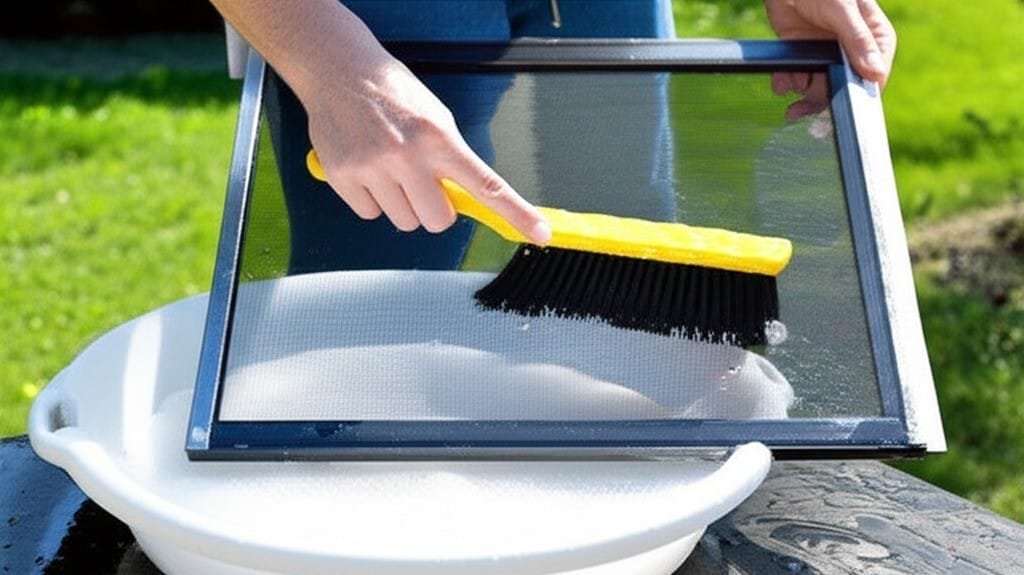
Best Ways to Clean Window Screens and Restore Your View Windows only look their best when every component is clean, and that work starts with the screens, not the glass. Begin by gathering your kit: a garden hose for rinsing, two buckets, a squeegee with a supple rubber blade, a strip applicator, microfiber cloths, a soft-bristled brush, and the cleaning solution you prefer. The classic recipe is one gallon of cool water plus a few drops of mild dish soap: slightly soapy, never foamy, because excess suds leave a film that attracts fresh dirt. Keep the second bucket full of clean water for rinsing your tools. Indoors, a spray bottle with the same solution is more practical, and for stubborn mineral deposits, keep distilled white vinegar or #0000 grade steel wool on hand. Step 1: Remove and Clean the Screens First Cleaning the glass before the screens is wasted effort, because reinstalling dirty screens instantly coats your fresh panes with a new layer of dust and grime. Start by carefully removing each screen from its frame. Note the fastening mechanism, which may be plunger bolts, tension springs, or clips, and label every screen with a small piece of masking tape noting its location, such as “Dining Room, Right,” since sizes can vary subtly between windows. For screens with only light dust, a dry method is fastest. Lay each screen flat on a drop cloth or lean it securely against a wall, then work a soft-bristled brush or the brush attachment of your vacuum over the whole mesh to dislodge loose particles without water. Screens with caked-on dirt, pollen, or greasy buildup need a wet cleaning. Move them to a driveway or lawn and pre-rinse gently on a low-pressure hose setting, since a powerful jet can stretch or tear the mesh and dent frames. Mix warm water with a little mild dish soap, scrub both sides with a soft brush using light, overlapping strokes, and pay extra attention to the frame channels, which trap dirt. Rinse completely: any lingering soap film acts as a magnet for new dust. Check by running a finger across the mesh: it should not feel slippery. Screen Condition Cleaning Method Key Detail Light dust only Dry brushing or a vacuum brush attachment Fastest option; no drying time needed Dust and pollen film Low-pressure rinse, then a mild soap scrub on both sides Keep rinsing until the mesh no longer feels slippery Caked-on or greasy grime Warm soapy water with a soft brush Focus on frame channels, then dry fully before reinstalling Step 2: Dry Screens Fully and Clean the Tracks Let the screens air dry completely against a wall, fence, or outdoor furniture in a spot with good airflow and some sun. Do not rush this step. Reinstalling damp screens traps moisture inside the window frame and track, creating ideal conditions for mold and mildew that can damage your home and health; the CDC explains how mold thrives wherever moisture collects. While they dry, clean the window assembly itself. Open the window fully, vacuum the tracks with a crevice tool to remove loose dirt, cobwebs, and dead insects, and loosen compacted grime in the corners with a stiff dry brush or putty knife before vacuuming again. Follow with a wet pass: scrub the tracks with a small firm brush such as an old toothbrush dipped in your solution, wipe out the loosened grime with a microfiber cloth, and use a cloth wrapped around a flathead screwdriver tip to reach tight corners. Wipe the frame and sill inside and out, then dry everything thoroughly. Step 3: Squeegee the Glass Like a Professional If the exterior glass is very dirty, rinse off the loose grit first so you do not drag it across the pane. Soak the strip applicator in the sudsy bucket, squeeze off the surplus liquid, then glide it across the full pane from edge to edge. Then reach for the squeegee. Before the first pull, wipe a narrow one-inch vertical dry strip down one side of the pane so the blade starts dry and does not skip. Set the squeegee at the top of the pane so it overlaps that dry strip, tilt the handle so the blade meets the glass at roughly 30 degrees, press evenly but gently, and draw the tool down in one smooth motion. Wipe the rubber blade after every pull, because a dirty blade drags a line of grime across the next stroke. Overlap each pass by about an inch and a half to avoid leaving lines, and finish by drying the edges and sill with a clean microfiber cloth. For interior glass, the technique is the same but the setup needs more care. Lay a towel or drop cloth on the sill and floor below to catch drips, mist the pane with a spray bottle instead of dipping into a bucket, and use the same top-to-bottom overlapping strokes, wiping the blade after each pass and detailing the edges with a dry cloth. Step 4: Reinstall Screens and Keep Them Clean Once the glass sparkles and the frames and tracks are dry, return each screen to its labeled window and secure it properly. This full-sequence clean, from mesh to tracks to glass, extends the life of your screens and delivers an unobstructed view. Keep them that way with a few simple habits: Reinstall every screen only after frames, tracks, and mesh are completely dry. Fasten all clips, plunger bolts, and tension springs firmly when you are done. Wipe the frames and sills occasionally so dust does not settle straight back onto fresh glass. The same attention to detail matters in damp climates and humid summer air, and Health Canada offers practical steps for controlling moisture and mold at home. If you would rather leave ladders, buckets, and squeegees to the pros, Toronto Shine Cleaning handles screens, tracks, and glass across the GTA as part of our regular cleaning and deep cleaning service, and we also prepare windows for tenants

Best Ways To Clean Window Screens And Make Them Look Like New Read More »

Clean-Looking House vs. Sanitized House

Clean-Looking House vs. Sanitized House: Why It’s More Important Than You Think

Clean-Looking House vs. Sanitized House: Why the Difference Matters A tidy home can be a deceptive space. Countertops gleam, cushions are fluffed, and floors show no visible debris, which is exactly the picture most of us aim for during a weekly clean. Yet this visual order has little to do with the true hygienic condition of the home. That tidy look is an aesthetic victory built for optics: damp cloth swipes over counters, one fast vacuum pass, clutter hurried into closets before guests arrive. A sanitized house, by contrast, is defined by science rather than looks, with germs, bacteria, viruses, and fungi reduced to levels considered safe for human health. Understanding the gap between the two is the first step toward a home that genuinely protects your family. The Limits of a Clean-Looking Home Chasing a visibly tidy space is not pointless. Living in cluttered, visibly dirty surroundings contributes to stress, while tidying and organizing have real psychological benefits and create a calmer, more restful home. The problem is that the very tools used to create that look can spread the unseen world. A damp sponge that has been used for days removes crumbs while spreading millions of bacteria across the counter it is meant to clean. A dust cloth moves particles around, some of which float into the air and settle again later. A vacuum without a HEPA filter can suck allergens from the carpet and blast them back out of the exhaust. Appearance-based cleaning manages the macro while the micro is left to thrive. Cleaning, Sanitizing, and Disinfecting Are Not the Same These three words are often used as synonyms, but they describe different levels of action, and each has its place. Process What It Does Where It Matters Cleaning Removes visible soil, dirt, and organic matter with soap, water, and friction Everywhere; it is the required first step before any chemical treatment Sanitizing Lowers germs to a safe public-health level, killing 99.9% of specified bacteria in a short time Kitchen counters and sinks after food prep, and bathrooms Disinfecting Kills virtually all microorganisms, including hardy viruses and fungi Doorknobs, light switches, and remotes after illness; toilet bowls You cannot sanitize a dirty surface: soil gives germs a place to hide and can neutralize the chemicals, which is why the CDC’s home cleaning guidance says to clean first and disinfect when needed. Sanitizing a counter after wiping away crumbs actively targets bacteria like E. coli and Salmonella that cause foodborne illness, and sanitizing the sink where raw meat juices splashed is just as critical. Disinfection is more of a targeted intervention, such as treating surfaces after a family member has had the flu. The most overlooked ingredient in both is dwell time: the product must stay wet on the surface for the minutes listed on its label. Spraying and immediately wiping is often ineffective. Hotspots Where Appearance Hides Risk High-touch surfaces can look perfectly clean while carrying germs transferred from unwashed hands. Give regular attention to: Doorknobs, cabinet pulls, faucet handles, and the refrigerator door. Remote controls, keyboards, and cell phones. Kitchen details: the sink drain, faucet aerator, microwave handle, coffee maker buttons, and stove knobs. Bathroom details: the toilet base, toothbrush holder, and shower curtain or door. A polished stainless sink still hides biofilm in the drain, and a rinsed wooden cutting board can harbor bacteria in its knife grooves, risking cross-contamination between raw meat and fresh vegetables. In the bathroom, moisture at the toilet base and in the toothbrush holder fosters bacterial growth, while shower curtains and doors are prime spots for mold and mildew, which release spores that can affect respiratory health. Soft Surfaces and the Air You Breathe A truly sanitized home also includes what you cannot see: carpets, upholstery, and curtains act as giant filters that trap dust, pollen, pet dander, and microscopic organisms. A standard vacuum may lack the filtration to remove deep-down grit, so choose a HEPA-filtered model whose trapped particles are never recirculated, and every so often bring in professionals for hot water extraction or steam cleaning, whose heat kills dust mites, bacteria, and other deeply embedded allergens. Cleaning methods affect air quality too: harsh chemical cleaners release volatile organic compounds, while dry dusting sends allergens airborne. The healthier approach is damp-wiping with microfiber cloths, ventilating during and after cleaning, and using a HEPA air purifier where needed. For safe handling of any product you do use, Health Canada’s household chemical safety advice covers buying, storing, and disposing of cleaners correctly. Building a Sanitized Home Without Going Overboard Moving from a clean-looking house to a sanitized one is a shift in perspective: from reactive and appearance-based to proactive and health-based. It means reading labels, respecting dwell times, and focusing on hotspots rather than broad visible surfaces. A germ-free bubble is not the goal: full sterility is neither achievable nor desirable in a family home. The aim is smart management of the microbial world so your living space actively supports your well-being. Toronto Shine Cleaning specializes in exactly this gap between tidy and truly clean, with a deep cleaning service that reaches the hotspots above and regular maintenance cleanings that keep them that way. See our pricing, browse client reviews, or call (647) 424-0355 to book a healthier home. Frequently Asked Questions About Sanitizing Your Home What is the difference between cleaning and sanitizing? Cleaning removes visible dirt and organic matter with soap, water, and friction. Sanitizing is a chemical step that lowers remaining germs to a safe public-health level, killing 99.9% of specified bacteria in a short contact time. How long should a disinfectant stay on a surface? Long enough to stay wet for the dwell time printed on the product label, often several minutes. Wiping it away immediately defeats the purpose, so let the product sit before you dry the surface. Which surfaces should I sanitize most often? Food preparation areas, sinks, and bathrooms carry the highest risk, and high-touch spots like doorknobs, light switches, remotes, and phones

Clean-Looking House vs. Sanitized House: Why It’s More Important Than You Think Read More »

Cleaning services in laval

House Cleaning Services in Laval: Get a Fascinating Home Today!

Why Laval Residents Hire Professional House Cleaning A spotless Laval home no longer depends on abundant free time. Reputable cleaning services have become the go-to answer for households and businesses that want a genuinely sanitary space but cannot spare the hours, bringing expertise and dedicated time to everything from steady maintenance to full deep cleans. The payoff reaches past looks: healthier indoor air and a more pleasant home. Busy schedules push deep cleaning down the priority list even though its importance for well-being never changes, and a systematic professional service fills exactly that gap. Demand across the South Shore reflects a community that values its time and its surroundings alike. What a Proper Regular Clean Actually Covers Effective maintenance is a chain of meticulous habits, starting with dust on every horizontal and vertical surface. A professional approach reaches shelf tops, doorframes, baseboards, and window sills that quick wipes forget, capturing dust rather than redistributing it. Floors then get full attention: carpets and rugs are vacuumed edge to edge with equipment strong enough to lift dirt, allergens, and pet dander from deep fibers, while wood, tile, and laminate are mopped with pH-neutral solutions that sanitize without damage or residue. Performed consistently, this baseline separates a superficially tidy house from a truly clean one. The Kitchen and Bathroom Checklists The kitchen, hub of culinary activity, gets a rigorous multi-point process. Countertops are cleared and disinfected against bacteria and food particles. Refrigerator, oven, dishwasher, and microwave exteriors are wiped and polished until fingerprints vanish. The stovetop is degreased and scrubbed, the sink scoured, faucets polished against limescale and mildew, cabinet fronts freed of drips and hand marks, and the floor given a final meticulous sweep and mop. Bathrooms are held to a near-clinical standard, working top to bottom: Every fixture on the toilet is sanitized, inside the bowl and outside, including spots most people never touch. Sinks and countertops are scrubbed free of soap residue and germs, and mirrors come up streak-free. Showers and tubs get the heavy artillery: tile walls, grout lines, and glass doors are worked to remove soap scum, hard water staining, and any trace of mold or mildew. Wastebaskets are emptied and the floor sanitized last, so the room finishes fresher than it started. That scrubbing alone explains the value of hiring help; between visits, the CDC guide to cleaning and disinfecting your home flags which touchpoints matter most. Deep Cleaning: The Whole-Home Reset A deep clean does everything a regular visit does, then expands the boundary: windows are washed inside, and their tracks and channels are cleared out. Dust is pulled carefully off light fixtures, ceiling fans, and vents. Appliances are opened up, ovens degreased inside, refrigerators emptied and sanitized, microwaves cleaned in and out. Doors, frames, and baseboards are washed down, blinds may be wiped slat by slat, and furniture gets moved so the floors beneath and behind it are included. Homeowners schedule this reset seasonally, before a holiday or major event, or whenever the house needs a fresh start; our deep cleaning service lists the scope line by line. Move-In, Move-Out, and Post-Renovation Work Life events demand specialized cleaning. A move-out clean is the most intensive service on the menu: an empty residence scrubbed top to bottom and inside every cabinet, drawer, and closet, with walls spot-cleaned and fixtures polished, exactly what a tenant needs to protect a full security deposit or an owner needs to prep a listing for sale. The mirror image is a move-in clean, sanitizing your new home free of the previous residents’ dust before a single box is unpacked. Our move-in and move-out service covers both sides of the move. Post-construction and post-renovation cleaning is its own discipline. Job sites fill a home with extraordinarily fine drywall, wood, and material dust that is not ordinary dirt: it lodges in every crevice and needs specific equipment for safe removal. Industrial HEPA-filter vacuums capture these particles from air and surfaces, then multiple staged phases of dusting and wiping finish the job. This is not cosmetic polish but what makes a renovated space healthy to breathe, which is why contractors and homeowners treat it as a necessity. The Benefits That Keep the Market Growing Hiring out the work pays dividends beyond appearances. The most tangible is time: hours not spent scrubbing, dusting, and mopping return to career, family, hobbies, or rest, lifting the mental weight of an unfinished to-do list. Whole-house scrubbing is also real exercise, and the CDC breakdown of physical activity puts that daily labor in perspective. Health follows: a professionally cleaned home carries a markedly lower load of allergens, bacteria, and viruses, improving air quality for anyone with asthma, allergies, or respiratory sensitivities. Consistency compounds it: recurring visits stop cyclical grime buildup, keep the home ready for surprise guests, and act as preventative maintenance, protecting floors, fixtures, and finishes from permanent staining and wear so the property holds its value. Choosing the Right Cleaning Partner in Laval Evaluate companies the way a careful client should: Criterion What to look for Why it matters Insurance and bonding A fully insured, bonded company Peace of mind while crews work in your home Staff and supplies Trained, vetted teams with commercial-grade products Stronger results than consumer bottles and rented hands Green options Eco-conscious product lines on request Powerful cleaning that stays safe for kids and pets Service range Regular, deep, move, and post-construction work One trusted team for every life event, listed on our service areas page Toronto Shine Cleaning brings this standard to Laval directly, from regular maintenance visits to intensive resets, delivered by bonded and insured professionals. Call (647) 424-0355 to talk through your home, or request a quote online. Frequently Asked Questions How often should a Laval home book a regular cleaning? Most households choose weekly or biweekly visits, which stop dust and grime reaching the buildup stage. Busy families, pet owners, and anyone managing allergies benefit most from the shorter interval; single professionals often find twice a month enough.

House Cleaning Services in Laval: Get a Fascinating Home Today! Read More »

Airbnb Cleaning Service

How to Choose The Best Airbnb Cleaning Services in Toronto: 5 Key Factors

Airbnb Cleaning Services in Toronto: 5 Key Factors for a Five-Star Turnover A successful short-term rental lives or dies by one process: the turnover. This is not a simple tidy-up; it is a complete, systematic reset of the guest experience. In a world-class city the standards are exceptionally high, and the smallest oversight, a stray hair or a sticky spot on the counter, can compromise an entire stay. If you are choosing between companies offering Airbnb cleaning services in Toronto, here are the five factors that separate a professional reset from a rushed wipe-down. Factor 1: A Systematic Process That Starts at Checkout The moment a guest departs, the clock begins. The first action is ventilation: all windows and balcony doors open to flush out stale air and lingering odors from cooking or fragrances, creating a neutral, fresh canvas while the space airs out. During this window, a professional crew runs a preliminary walkthrough for assessment, not cleaning, scanning each room for new damage such as scuffs on walls, carpet stains, or broken items. Issues are documented immediately with clear, time-stamped photographs and reported to the host, standard operating procedure for any reliable service. Beds are stripped completely, and all towels, bathmats, and kitchen cloths go into laundry bags to prevent cross-contamination. Factor 2: Bedroom and Bathroom Detail Work The bedroom is a guest’s sanctuary, and its cleanliness must be absolute. After the linens come off, the mattress protector and pillows are inspected for staining and laundered or replaced as needed, and the mattress itself is vacuumed with an upholstery attachment to lift dust, allergens, and skin cells. Fresh linens go back on with intent: taut sheets, hotel-style corners, and a wrinkle-free duvet, because the bed is a presentation. Headboards, nightstands, and dressers are wiped down, drawers and closets are opened and checked for items left behind, and picture frames, lamps, and window sills are dusted before the floor is vacuumed under the bed and behind furniture. Nowhere is cleanliness scrutinized more intensely than the bathroom. A quality disinfectant goes on the shower, bathtub, toilet, and sink, then sits for several minutes to dissolve soap scum, grime, and bacteria, following the CDC’s logic for cleaning and disinfecting surfaces at home. The shower and tub are scrubbed wall to wall with special brushes for grout lines and drains, and glass doors are squeegeed to a streak-free finish. The toilet is disinfected inside and out, from bowl and seat to tank and the entire base down to the floor. Once sanitized, the space is restocked: ample toilet paper, fresh hand soap, full shampoo, conditioner, and body wash bottles, and three freshly laundered towels per guest, a bath towel, hand towel, and washcloth, folded neatly. The floor is mopped last, and light switches, door handles, and the exhaust fan cover get a final wipe. Factor 3: Kitchen Disinfection and Restocking The kitchen is where guest trust is won or lost. Turnover cleaning starts by emptying the refrigerator and freezer of any food left behind, then wiping every interior shelf, drawer, and door seal with a food-safe disinfectant. Appliance exteriors and handles are polished, the microwave is cleared of splatters, the oven is inspected for spills, and the stovetop is degreased until it shines. Countertop items like the coffee maker and toaster are lifted so the surfaces underneath can be fully sanitized. The sink is scoured, the faucet polished, and cupboards and drawers spot-checked, with all provided dinnerware, glassware, and cutlery inspected. When it is a DIY job, follow Health Canada’s advice on using household chemicals safely; a professional crew handles those products for you. Restocking is part of the service: fresh paper towels, a new sponge, dish soap, dishwasher pods, a cleaned and full coffee station, and bins emptied, wiped, and relined before the floor is swept and mopped. Factor 4: Living Areas and the Extra-Mile Details The living room is where first impressions form, so every surface from coffee tables to the television stand and bookshelves is dusted. Upholstery is vacuumed with cushions removed to clean the frame beneath, cushions are fluffed and arranged, and throw blankets are folded. Books and magazines are organized, rugs are straightened and vacuumed, and the floor is finished with attention to corners and baseboards. Then come the details that elevate a clean from standard to exceptional: Baseboards wiped down to remove scuffs and dust. Door frames, doorknobs, and light switches sanitized as high-touch points. Interior windows checked for fingerprints and smudges. Every light bulb checked so none are burnt out for the arriving guest. Factor 5: The Final Walkthrough and Handoff The last step is quality control with fresh eyes: a supervisor or the cleaner tours the property as a newly arriving guest would, checking that pillows are perfectly arranged, the welcome mat is straight, and the air smells neutrally clean. The thermostat is set to a comfortable temperature, blinds are adjusted to a uniform position, and only then is the property securely locked and a confirmation message sent to the host. For hosts aiming for Superhost status, this level of turnover is not a luxury; it is a strategic necessity. Toronto Shine Cleaning serves properties across the city and the GTA, which you can confirm on our locations page. The Turnover at a Glance Area Reset essentials Restocking and checks Bedroom Vacuumed mattress, hotel-style bed-making, wiped surfaces Fresh linens, lost-item sweep of drawers Bathroom Disinfected and scrubbed tub, shower, toilet; squeegeed glass Three fresh towels per guest, soap and TP stocked Kitchen Disinfected fridge, degreased stove, scoured sink Coffee station, dish supplies, relined bins Living areas Dusted surfaces, vacuumed upholstery, finished floors Bulbs, blinds, thermostat, final walkthrough Airbnb Cleaning FAQs How quickly can a turnover crew reset my unit? Professional crews work from a fixed checklist and arrive fully equipped, built around tight turnover windows between late checkouts and evening arrivals. Book a company that treats those windows as non-negotiable and confirms completion after every visit. Do Airbnb cleaners handle laundry as well? A

How to Choose The Best Airbnb Cleaning Services in Toronto: 5 Key Factors Read More »