Winter Cleaning

Valentine's Day and cleaning home

Valentine’s Day: 5 Essential Cleaning Tasks You Should do Before February 14th

Valentine’s Day is a holiday that carries a heavy weight of expectation. We are culturally conditioned to view February 14th as a litmus test for our relationships, a day defined by grand gestures, expensive dinners, and tangible gifts. The traditional narrative involves escaping the home—fleeing to a high-end restaurant or a boutique hotel—to find romance. However, there is a shifting trend toward “staying in.” Whether driven by a desire for privacy, the comfort of home, or simply the exhaustion of navigating crowded venues, many couples are choosing to celebrate within their own four walls. This shift changes the dynamic of the holiday entirely. When the home becomes the venue, the state of the home becomes the atmosphere. You cannot create a romantic, intimate vibe in a space that is cluttered, dusty, or chaotic. In this context, cleanliness is not just a chore; it is the foundation of romance. It is the invisible architecture that allows connection to happen without distraction. Peace of Mind To understand why a clean home is the ultimate aphrodisiac, one must look at the psychology of relaxation. It is biologically difficult to be intimate or relaxed when the brain is processing “visual noise.” Clutter, dirty dishes, and laundry piles serve as visual cues for work. They remind us of the to-do list. When you sit on the sofa to enjoy a glass of wine with your partner, but your eye catches a dust bunny rolling across the floor or a stack of bills on the coffee table, your cortisol levels spike. You are pulled out of the moment and back into the grind of daily management. A pristine home silences this noise. It creates a neutral, serene canvas where the only focus is on the person sitting next to you. It signals that the “work” of the household is paused, granting permission for the “play” of the relationship to begin. 1.Bedroom The bedroom is the sanctuary of Valentine’s Day, yet it is often the room that suffers the most from “lived-in” syndrome. We tend to let the master bedroom become a catch-all for the things we don’t want guests to see in the living room. Piles of clothes on the chair, a nightstand crowded with charging cables and water glasses, and bedding that has lost its crispness all conspire to kill the mood. Transforming this space requires a hotel-level approach to detail. It starts with the bed itself. Laundering the sheets, duvet cover, and pillowcases is non-negotiable. There is a tactile luxury to sliding into a bed that smells fresh and feels crisp. Beyond the linens, the floors need to be cleared. Vacuuming under the bed—a place where dust accumulates undisturbed for months—improves the air quality of the room, removing that subtle, stale scent that often lingers in bedrooms. Clearing the surfaces of the dresser and nightstands allows for the addition of mood lighting, such as candles or a dimmer lamp, without creating a fire hazard or looking cluttered. 2.Bathroom The bathroom creates a different set of challenges. If you are planning a romantic bath or simply want to get ready for the evening in a pleasant environment, the bathroom must be impeccable. Nothing destroys a romantic illusion faster than a ring around the tub, a toothpaste-splattered mirror, or a trash can that hasn’t been emptied. A “spa-level” clean involves scrubbing the grout to remove any mildew, polishing the chrome fixtures until they gleam, and ensuring that the towels are fluffy and fresh. It is about removing the evidence of daily biological maintenance to create a space of pampering. The sensory experience of the bathroom—the smell of soap rather than damp towels, the shine of the tiles—sets the tone for self-care and mutual appreciation. 3. Kitchen and Dining Area For those planning a romantic dinner at home, the kitchen and dining area become the stage. Cooking a meal together can be incredibly romantic, but cooking in a dirty kitchen is stressful. If the sink is full of the morning’s coffee mugs and the stove is covered in last night’s grease splatters, the cooking process becomes a battle against the mess. A pre-Valentine’s deep clean of the kitchen ensures that you have a clean slate. It involves degreasing the stovetop, wiping down the cabinet fronts, and ensuring the dishwasher is empty and ready to receive the dirty dishes as you cook. This logistical preparation allows the evening to flow smoothly. Furthermore, the dining table needs to be reclaimed. In many homes, the table serves as a desk, a mail sorting station, or a laundry folding area. Clearing it completely and polishing the surface allows you to set the table properly, perhaps with a tablecloth, candles, and the “good” china. It signals that this meal is different; it is an occasion. 4.Lighting and Scent Lighting and scent are the final touches of a romantic atmosphere, but they rely heavily on cleanliness to be effective. You cannot light a room beautifully if the light bulbs are coated in dust or if the glass shades are filmy. Dust diffuses light, making a room feel dimmer and dingier. Wiping down light fixtures and cleaning windows allows for a sparkle that mimics a high-end venue. Similarly, scent is powerful. Many people try to mask household odors with heavy perfumes or scented candles. However, the smell of “Vanilla Cupcake” layered over the smell of a full garbage bin or a musty carpet creates a cloying, unpleasant aroma. True freshness comes from removing the source of the odor first. Deep cleaning the carpets, taking out the trash, and scrubbing the sink drains ensures that the air is neutral. Once the air is clean, the subtle scent of fresh flowers or a high-quality candle can actually shine without competing with the funk of the house. Acts of Service There is also the concept of “Acts of Service” as a love language. For many people, seeing their partner scrubbing the floor or taking the initiative to deep clean the bathroom is a profound expression of

Valentine’s Day: 5 Essential Cleaning Tasks You Should do Before February 14th Read More »

winter work

February Checklist: 5 Cleaning Tasks That are Actually Easier and More Efficient in Winter

February occupies a unique and often challenging position in the Canadian calendar. It is the shortest month of the year, yet psychologically, it frequently feels like the longest. The novelty of the first snowfall has long since evaporated, replaced by the gritty reality of grey slush and biting wind. The “New Year, New Me” energy of January has typically waned, leaving homeowners in a state of maintenance fatigue. We are deep in the heart of winter, a time when our homes are subjected to the maximum stress of the elements. The windows have been sealed tight for months, the furnace has been running relentlessly, and the entryway has become a battleground against road salt. A cleaning checklist for February is not about the optimism of spring cleaning; it is about resilience and defense. It is a strategic intervention designed to protect your property from the specific chemical and physical assaults of the deep freeze, while simultaneously combating the stale, dusty atmosphere that contributes to the mid-winter blues. 1.Entryway Floors The absolute priority for any Canadian home in February is the management of the entryway floors. By this point in the season, the mats are saturated, and the hardwood or tile surrounding the door is likely coated in a chalky, white haze. This residue is not merely dirt; it is a chemical compound, usually calcium chloride or rock salt, tracked in from the municipal plow trucks. These salts are highly alkaline and hygroscopic, meaning they draw moisture from the air and the wood itself. If left to sit, this brine eats through the polyurethane finish of hardwood floors and degrades the sealants in tile grout, leading to permanent staining and pitting. A standard wet mop is often insufficient here, as it merely dilutes the salt and spreads it over a larger surface area. The February protocol requires neutralization. A solution of warm water and white vinegar provides the necessary acidity to dissolve the salt bonds. This must be applied carefully—damp, not soaking—to lift the mineral deposits without waterlogging the wood. Furthermore, the boot trays themselves, often filled with a grim slurry of melted snow and gravel, must be emptied and scrubbed in a utility sink to prevent them from overflowing and damaging the baseboards. 2.Air As we move inward from the door, the focus must shift to the air we breathe. Canadian homes are built to be airtight for thermal efficiency, but in February, this virtue becomes a vice. We are living in a closed-loop system where dust, pet dander, and cooking oils are recirculated endlessly by the HVAC system. The result is a home that feels stuffy and surfaces that become dusty within hours of being wiped. February is the critical month to address the “lungs” of the house. The furnace filter, likely installed in early winter, is now clogged with the debris of the heavy heating season. Replacing it is non-negotiable for maintaining airflow and protecting the furnace motor from overheating. Beyond the filter, the vents and cold air returns require vacuuming. Removing the vent covers and using a hose extension to extract the dust bunnies hiding in the ducts prevents them from being blown back into the room every time the heat cycles on. This simple act significantly reduces the ambient dust load and improves the respiratory health of the household during flu season. The humidity balance in February is a delicate dance that requires cleaning intervention. The furnace dries the air out aggressively, leading to static electricity, dry skin, and cracking wood furniture. To combat this, we run humidifiers. However, a humidifier that has been running constantly since December is a prime breeding ground for mold and bacteria if not maintained. The pink slime often found in the water tank is a bacterial biofilm that, when aerosolized, can cause respiratory irritation. A weekly descaling of the humidifier with vinegar and a thorough disinfection is essential to ensure that the moisture being added to the air is clean. Conversely, on the windows, the clash between the warm interior air and the freezing exterior glass creates condensation. This water pools on the window sills, creating a perfect environment for black mold. Inspecting every window sill and wiping away any black spots with a fungicide or a bleach solution is a vital February task to prevent the mold from rooting into the drywall or wood casing. 3.Bedroom and Bathroom Mid-February brings Valentine’s Day, which offers a thematic excuse to tackle the master bedroom and bathroom with a level of detail usually reserved for guests. We spend more time in bed in winter than in any other season, turning the mattress into a reservoir for sweat and dead skin. February is the time to strip the bed completely, including the mattress protector and the duvet. While the linens wash, vacuum the mattress surface thoroughly to remove dust mites and allergens. If the mattress is flip-able or rotatable, do so now to prevent sagging. In the ensuite bathroom, the focus should be on the tub and shower. The desire for long, hot baths in winter leads to a buildup of soap scum and bath oil residue. A deep restorative clean of the tub, removing the mineral deposits from the faucet and the biological film from the grout, transforms the bathroom from a utility space into a sanctuary. It allows for a moment of relaxation that is actually hygienic. 4. Kitchen The kitchen in February suffers from what can be called “comfort food fatigue.” We tend to cook heavier, greasier meals in the winter—roasts, stews, and fries. This airborne grease settles on the tops of the kitchen cabinets, the top of the refrigerator, and the range hood. This sticky layer attracts dust, creating a stubborn gunk that is difficult to remove if left until spring. Using a degreaser to wipe down these high surfaces now prevents the buildup from hardening. Additionally, the oven likely needs attention. If it was used heavily during the holidays and has been roasting root vegetables ever since,

February Checklist: 5 Cleaning Tasks That are Actually Easier and More Efficient in Winter Read More »

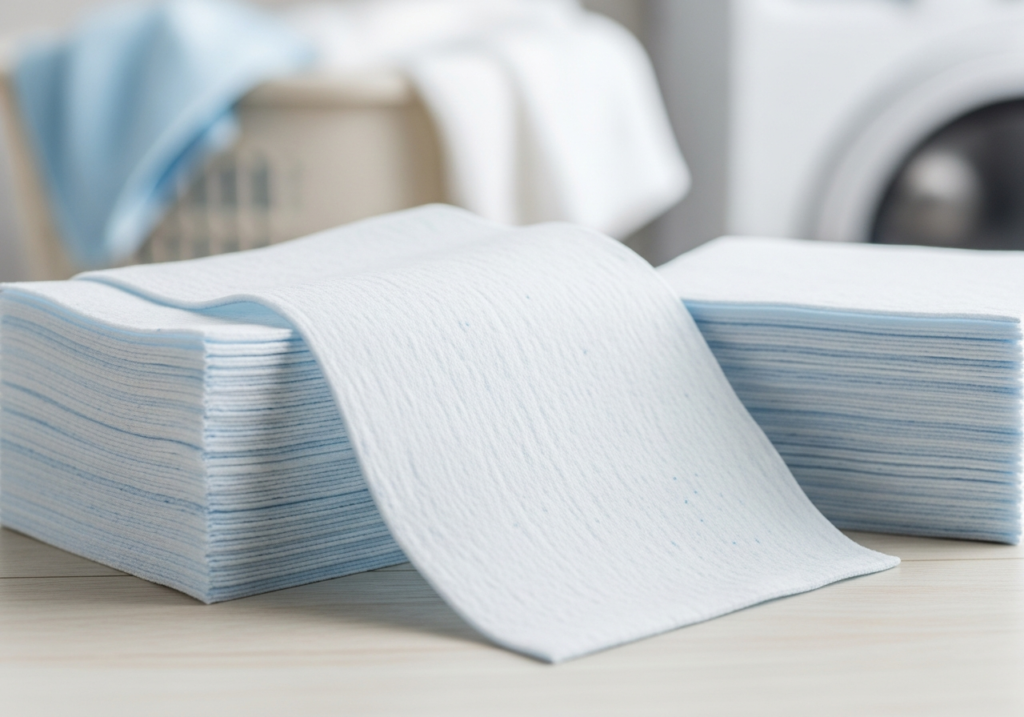
Fabric Softener vs. Vinegar: Which is Better for Your Laundry?

Fabric softener has become synonymous with the concept of “clean” for millions of households. We are conditioned to believe that clothes are not truly finished until they are perfumed with “ocean breeze” or “lavender fields” and feel silky to the touch. However, this staple of the laundry room is currently the subject of a significant debate in the world of textile care and appliance maintenance. While the immediate sensory benefits of fabric softener are undeniable, the long-term chemical effects on your wardrobe and your washing machine tell a more complicated story. To make an informed decision about whether to use these products, one must understand that fabric softener is not a cleaning agent; it is a conditioning agent that operates by coating fibers in a specific type of chemical residue. How Does Fabric Softener Work? To understand the pros and cons, we must first understand the mechanism of action. When you wash clothes, the agitation and the detergents strip away oils and dirt, leaving the fibers clean but often stripped of their natural lubricity. Furthermore, the mechanical action of the wash can leave natural fibers like cotton feeling rough or stiff, especially in areas with hard water where mineral deposits settle on the fabric. Fabric softeners are composed primarily of cationic surfactants. These are positively charged chemical molecules. Wet fabric fibers are generally negatively charged. Due to electrostatic attraction, the softener molecules bind tightly to the surface of the fabric, creating a thin, lubricating layer of fatty acids or silicones. It is essentially a layer of wax that stays on your clothes after the rinse cycle. The primary argument for the use of fabric softener is, naturally, the tactile improvement. For natural fibers like cotton and linen, which can become harsh and scratchy after repeated washing, softener restores a feeling of plushness. This is particularly noticeable with bedsheets and everyday clothing like t-shirts. The lubricating layer reduces friction between the individual fibers within the thread, allowing them to move against each other more freely. This results in a fabric that drapes better and feels smoother against the skin. For individuals with sensitive skin that is easily irritated by rough textures, this softening effect can make the difference between a comfortable garment and an unwearable one. Static Electricity Beyond the feel, there is the issue of static electricity. Static cling is a common annoyance, particularly in the winter months when the air is dry. Synthetic fabrics like polyester and nylon are prone to building up electrical charges as they tumble against each other in the dryer. The coating provided by fabric softeners and dryer sheets is conductive, which helps to neutralize these charges and prevent the fabrics from sticking together or sparking. If you live in a dry climate or wear a lot of synthetics, the anti-static properties of softener are a significant functional benefit that saves you from the embarrassment of a skirt clinging to your legs. The aesthetic appeal of fragrance is another massive driver of softener use. Laundry detergents often have scents that wash away or fade quickly. Fabric softeners are engineered with encapsulation technology, where fragrance molecules are trapped in microscopic bubbles that burst when the fabric is rubbed or moved. This ensures that the scent lingers for days or even weeks after the wash. For many, this lingering scent is the primary indicator of hygiene. A home that smells like fresh laundry is perceived as a clean home, and softener is the easiest way to achieve that olfactory standard. Additionally, the lubricating effect of the softener can help reduce wrinkling, making ironing easier or, in some cases, unnecessary for casual clothing. Absorption However, the very mechanism that provides these benefits—the coating of the fibers—is the source of the product’s significant downsides. The most detrimental effect of fabric softener is on absorbency. The waxy layer that makes a towel feel soft also makes it hydrophobic, meaning it repels water. When you use softener on bath towels, you are essentially waterproofing them. Over time, the buildup of these fatty acids coats the loops of the terry cloth. You end up with a towel that feels plush to the touch but merely pushes water around on your skin rather than soaking it up. This defeat of the towel’s primary function is a major drawback. To restore a towel’s absorbency, one often has to strip the fabric using vinegar and hot water to melt away the accumulated softener. This blocking of the fiber’s pores is even more catastrophic for modern athletic wear. Performance fabrics are engineered with a specific weave designed to wick moisture away from the body and allow it to evaporate quickly. This is a mechanical function of the textile. When you wash yoga pants or running shirts with fabric softener, the residue fills the micropores of the fabric. This traps sweat, dead skin cells, and bacteria inside the weave. The result is twofold: first, the garment loses its ability to wick sweat, leaving you clammy during a workout; second, it develops a “perma-stink.” Because the bacteria are trapped under a layer of silicone or wax, the detergent cannot reach them in the next wash. The clothes begin to smell musty even when they are technically clean. Manufacturers of high-end athletic gear almost universally advise against the use of softeners for this reason. Children’s Clothing The flammability of textiles is another serious safety concern that is often overlooked. Children’s sleepwear is legally required to be flame-resistant. This is achieved either through the use of specific synthetic fabrics or chemical treatments. Fabric softener, being derived from emulsified fats and oils, is inherently flammable. Coating flame-resistant pajamas in a layer of flammable residue reduces their resistance to fire. Most fabric softener bottles carry a warning label advising against use on children’s sleepwear or garments labeled as flame-resistant, yet many consumers pour it into every load indiscriminately, unknowingly compromising the safety features of the clothing. The impact on the washing machine itself is a “hidden cost” of fabric softener usage.

Fabric Softener vs. Vinegar: Which is Better for Your Laundry? Read More »

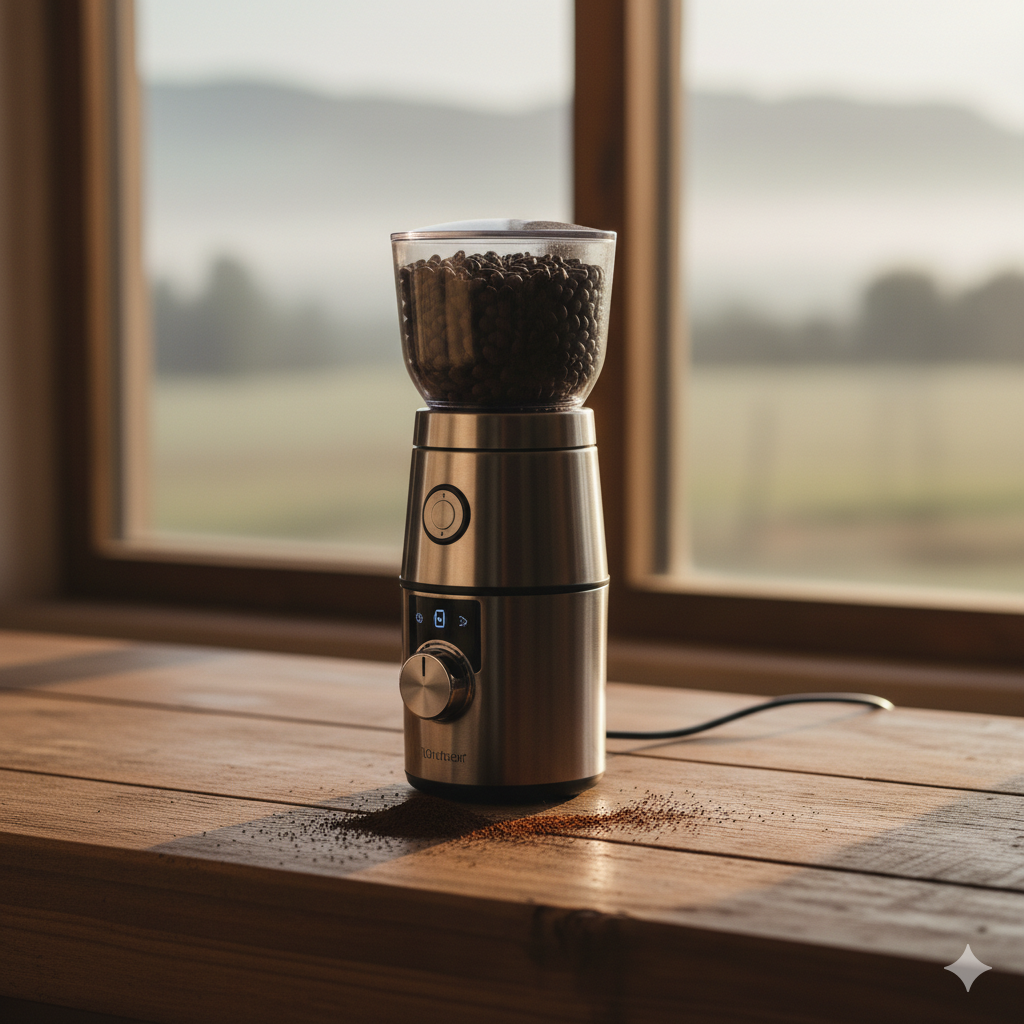
Mugs, Thermal Bottles, and Travel Mugs

3 Smart and Effective Ways to Clean Mugs, Thermal Bottles, and Travel Mugs

The daily ritual of a morning coffee or an afternoon tea is a simple comfort, centered around a favorite mug or a trusted thermos. These vessels are constant companions, yet over time, they begin to show the signs of their service. A once-pristine white ceramic interior develops a stubborn brown film, and the clean, metallic sheen of a stainless steel thermos becomes dull and stained. A faint, stale odor might begin to linger, tainting the taste of a fresh brew. Standard washing with soap and water often proves futile against this gradual buildup, leaving behind a frustrating residue that seems impossible to remove. Restoring these daily essentials to their original, pristine state requires a deeper understanding of the stains and a more targeted approach to cleaning. Rinse Immediately The foundation of maintaining any mug or thermos is the immediate rinse. As soon as you finish your beverage, giving the vessel a quick but thorough rinse with hot water removes the majority of the liquid residue before it has a chance to dry and set into a stain. This single, simple habit can dramatically reduce the frequency and intensity of deep cleaning required. For daily washing, a soft sponge or a dedicated bottle brush with a non-scratch head, combined with a small amount of mild dish soap and warm water, is perfectly sufficient. It is crucial to avoid abrasive tools like steel wool or harsh scouring pads, especially on ceramic mugs with printed designs or on the interior of insulated thermoses, as these can create microscopic scratches that will paradoxically hold onto stains even more tenaciously in the future. While many ceramic and glass mugs are dishwasher safe, most insulated thermoses and travel mugs are not. The high heat and harsh detergents of a dishwasher can damage the vacuum seal that is essential for insulation, and can degrade the rubber or silicone gaskets in the lid, causing them to leak. Always check the manufacturer’s instructions, but when in doubt, hand washing is the safest and most effective method. When the daily wash is no longer enough to combat the brown film left by the tannins in coffee and tea, it is time to employ more powerful, yet simple, household remedies. The first and most gentle of these is baking soda. Its power lies in its nature as a mild alkali and a very fine, gentle abrasive. To clean a stained mug or thermos, simply sprinkle about a tablespoon of baking soda into the bottom. Add just enough warm water to form a thick paste, similar in consistency to toothpaste. Using a soft cloth or a sponge, scrub this paste around the interior of the vessel, concentrating on the stained areas. The fine particles will gently lift the set-in stains from the surface without scratching. For a deeper clean, let the paste sit in the mug for twenty to thirty minutes before scrubbing and rinsing thoroughly. The baking soda not only removes stains but is also a fantastic natural deodorizer, absorbing any stale coffee smells that have lingered. Homemade Combination For thermoses or bottles with narrow openings where a sponge cannot easily reach, a more mechanical cleaning method is highly effective. A combination of coarse salt and either crushed ice or lemon wedges can work wonders. Pour a few tablespoons of coarse salt—like kosher or sea salt—into the empty thermos. If using ice, fill the thermos about a quarter of the way with crushed ice. If using lemon, add a few thickly sliced wedges. Seal the lid tightly and shake the thermos vigorously for several minutes. The coarse salt acts as a powerful abrasive, scouring the interior walls, while the ice or lemon wedges help to agitate the salt and reach every corner. The acid in the lemon also provides an additional chemical cleaning and deodorizing boost. After shaking, empty the contents and rinse the thermos thoroughly with hot water to remove all traces of salt.   Another powerful tool is white vinegar, a mild acid that is excellent at dissolving both organic stains and mineral deposits. If your mugs suffer from hard water spots or a chalky film in addition to coffee stains, vinegar is the ideal solution. To use it, fill the mug or thermos about halfway with white vinegar and top it off with hot water. Let this solution soak for at least an hour, or even overnight for the most stubborn, set-in stains. The acetic acid will work to break down and dissolve the buildup. After the soak, pour out the solution and wash the vessel as usual with soap and water, using a bottle brush to scrub away any remaining loosened particles. The initial smell of vinegar will be strong, but it dissipates completely after a thorough rinse, leaving the interior fresh and odor-free. Denture Cleaning Tablets A surprisingly effective and effortless method for deep cleaning involves a product found in the dental care aisle: denture cleaning tablets. These tablets are specifically designed to remove tough stains and kill odor-causing bacteria in a gentle, non-abrasive way. Their effervescent, fizzing action is what makes them so effective. To use them, simply drop one or two tablets into your mug or thermos, fill it with warm water, and let it sit. The tablet will begin to fizz, creating a powerful cleaning solution that lifts the brown film from the surface with minimal effort. After about thirty minutes, or whenever the fizzing stops, pour out the water and give the interior a light scrub with a bottle brush before rinsing it thoroughly. This method is particularly useful for complex travel mug lids and the hard-to-reach bottoms of tall thermoses. Speaking of thermoses and travel mugs, the lid is often the true culprit behind persistent odors and a less-than-clean experience. These lids are marvels of engineering, designed to be leak-proof with complex mechanisms involving push-buttons, sliders, and multiple silicone or rubber gaskets. This complexity, however, creates countless tiny crevices where old coffee, cream, and sugar can become trapped. Over time,

3 Smart and Effective Ways to Clean Mugs, Thermal Bottles, and Travel Mugs Read More »

Sticker Removal

Sticker Removal: 5 Expert Tips For Removing Stickers From Different Types of Surfaces

The presence of a sticker on a newly purchased item is one of the most baffling contradictions in modern retail. We buy a beautiful glass vase, a sleek stainless steel appliance, or a handcrafted wooden picture frame because we admire its aesthetic qualities. Yet, directly across the face of this pristine object, the manufacturer or the retailer often places a price tag or a brand decal using an adhesive that seems engineered to survive atmospheric reentry. The attempt to remove it usually results in one of two tragedies: the paper tears, leaving a fuzzy, white layer of impossible-to-remove strata, or the sticker comes off but leaves behind a gummy, sticky residue that attracts dust and turns grey within days. Mastering the removal of stickers is not just about having strong fingernails; it is a lesson in chemistry and material science. To defeat the adhesive, one must understand the nature of the bond and select the correct solvent or mechanical agent to break it without destroying the substrate beneath. Heat up The first rule of sticker removal is to resist the urge to scrape immediately. When we see a sticker, our instinct is to pick at the corner. While this works for the rare, low-tack adhesive, it is usually a trap. By picking at the sticker, you often separate the top layer of paper or plastic from the adhesive layer below. Once that top layer is gone, you lose your leverage. You are left with the adhesive exposed, which is infinitely harder to remove than when it was attached to the label. Therefore, the removal process should begin with preparation, not aggression. The method you choose must be dictated entirely by the surface the sticker is on. What works for a glass jar will ruin a wooden table, and what saves a hardcover book will melt a plastic laptop case. For the vast majority of stickers, particularly those on hard, non-porous surfaces like glass, ceramic, or metal, heat is the most effective and least damaging first line of defense. The adhesive used on stickers is typically a polymer that exists in a semi-solid state. When heated, these polymers soften and become more viscous. A standard hair dryer is the tool of choice here. Set the dryer to medium heat and hold it a few inches away from the sticker for about forty-five seconds to a minute. You are not trying to scorch the item; you are trying to warm the glue. Once heated, the adhesive loosens its grip on the surface and adheres more tightly to the sticker backing. If you lift the corner slowly while applying heat, the sticker often peels away in one satisfying, clean sheet. This method is particularly crucial for removing decals from car bumpers or stickers from laptops, where liquid solvents might cause damage to the paint or internal electronics. Oil However, heat has its limits. On certain plastics, high heat can warp the material. On items where the adhesive has cured for years—such as a price tag on a thrift store find—heat might not be enough to reactivate the dried-out glue. In these instances, we must turn to chemistry. The principle of “like dissolves like” is the guiding star of adhesive removal. Most sticker adhesives are lipid-based or rubber-based. Therefore, oil is a potent solvent. This is why common pantry items like cooking oil, olive oil, or even peanut butter are legendary sticker removers. The fats in the oil seep through the paper of the sticker (or around the edges if it is plastic) and mix with the adhesive, essentially diluting it until it loses its stickiness. To use this method effectively, one must score the surface of a paper sticker to allow the oil to penetrate, apply a generous layer of oil, and let it sit. Patience is the active ingredient. After twenty minutes, the sticker should slide off, leaving an oily residue that can be easily washed away with soap and water. This method is exceptionally safe for glass and reactive plastics but should be avoided on unsealed wood or porous stone, which will absorb the oil and stain permanently. Alcohol For surfaces where oil is not an option, or for stubborn residues that oil cannot touch, alcohol is the next tier of escalation. Isopropyl alcohol, commonly known as rubbing alcohol, is a solvent that breaks down the chemical bonds of the adhesive. It dries instantly, making it safe for electronics (when applied to a cloth, not sprayed directly) and unfinished surfaces that cannot get wet. It is particularly effective on the gummy residue left behind after a sticker has been peeled off. A microfiber cloth dampened with alcohol acts as an eraser for this goop. However, caution is required. Alcohol can act as a paint thinner. If used on certain painted surfaces or varnished wood, it can strip the finish along with the sticker. A spot test in an inconspicuous area is always mandatory before attacking the main stain. There is a specific category of stickers that creates a unique nightmare: the plastic-coated or laminated label. These are waterproof, meaning that oil, water, and vinegar cannot penetrate them from the top. To remove these, you must attack from the edges or compromise the surface. This is where mechanical removal tools come into play. A plastic razor blade or a specialized scraper is infinitely superior to a metal razor blade or a fingernail. Metal blades scratch glass and gouge plastic. A plastic scraper is harder than the adhesive but softer than the substrate. It allows you to get under the rim of the label and apply the necessary lifting force. For glass windows, a metal razor blade held at a precise forty-five-degree angle is permissible and effective, provided the glass is wet to provide lubrication, but this requires a steady hand to avoid scratching. Vinegar Vinegar, specifically white distilled vinegar, offers a different chemical approach. It is acidic. For old, dried-out masking tape or stickers on windows that have been baked by

Sticker Removal: 5 Expert Tips For Removing Stickers From Different Types of Surfaces Read More »

tidying the bedroom in 5 minutes

How to Clean Your Room in 5 Minutes: A Step-by-Step Routine for Busy Mornings

How to clean a room in 5 minutes? The state of a bedroom is often a direct reflection of the state of the mind inhabiting it. When life becomes frantic, deadlines loom, and fatigue sets in, the room is usually the first casualty. Clothes pile up on the chair that was meant for reading, water glasses accumulate on the nightstand like a glass menagerie, and the bed becomes a tangled nest of unmade linens. This chaos creates a feedback loop of stress. You retreat to your room for rest, but the visual noise of the clutter signals your brain that there is still work to be done, preventing true relaxation. The common assumption is that rectifying this disaster zone requires a dedicated afternoon of scrubbing and organizing. This belief leads to procrastination, allowing the mess to grow until it feels insurmountable. However, the trajectory of a room can be completely altered in a remarkably short window of time. A five-minute rapid reset is not about deep cleaning; it is about functional triage. It is a strategic strike against entropy that restores order, clear floor space, and mental calm without requiring a significant investment of energy. Perfectionist To execute a five-minute cleanup effectively, one must abandon the perfectionist mindset that demands every item be returned to its specific, color-coded home. That is organization, and organization takes time. This is a rescue mission. The goal is to clear the horizontal surfaces—the floor, the bed, and the desk—to reduce the visual burden. To achieve this, you need the right tools before the clock starts. Entering the battle without a plan will result in you wandering aimlessly, picking up a single sock and staring at it. You need a large trash bag and a laundry hamper. If you already have a hamper in the room, ensure it is empty enough to receive a heavy load. You also need a “relocation basket”—any box or bin that will serve as a temporary holding cell for items that belong in other rooms. Once you have these three vessels, you are ready to move with speed and purpose. 1.Trash The first minute is dedicated strictly to garbage. This is the easiest decision-making process for the brain because there is no sentimental attachment to trash. Scan the room specifically for rubbish. This includes the obvious items like snack wrappers, tissues, and tags from new clothes, but it also includes the insidious clutter of daily life like empty water bottles and receipts. Be ruthless. If a magazine is tattered and unread, it goes. If a cardboard box from an online order is sitting in the corner, break it down immediately. Removing the garbage instantly elevates the hygiene of the room. It removes the elements that suggest decay or neglect. By the time sixty seconds have passed, you should have cleared the bulk of the “gross” items, leaving only the things that actually have value. 2.Floordrobe The second and third minutes are for the floor, specifically focusing on textiles. The “floordrobe” is a universal phenomenon where clothes that are not quite dirty but not quite clean end up in a purgatory on the rug. In a five-minute speed clean, you do not have the luxury of sniffing shirts to determine their freshness. If it is on the floor, it goes in the hamper. The priority is a clear floor, not a perfectly sorted laundry load. Grab everything—towels, jeans, socks, and sweaters—and deposit them into the hamper. If the hamper is overflowing, press it down or move it into the hallway. Seeing the floorboards or the carpet again is a massive psychological win. It expands the perceived size of the room and removes the obstacle course that makes navigating your own space stressful. If there are clean clothes in a pile that you haven’t put away, do not try to hang them up now. Fold the pile once, neatly, and place it on the chair or the foot of the bed. A neat stack reads as “intentional,” whereas a sprawled pile reads as “messy.” 3.Making the bed The fourth minute is the pivot point where the room begins to look habitable: making the bed. The bed is the focal point of the bedroom. It occupies the largest surface area and dictates the aesthetic of the space. A messy room with a made bed looks like a room in transition; a clean room with an unmade bed still looks messy. You do not need to perform a military-grade tuck with hospital corners. Simply pull the duvet or comforter up to the pillows and smooth it out. Fluff the pillows and stack them upright. This single action, which takes perhaps forty-five seconds, instantly anchors the room in a state of order. It provides a large, calm, flat surface that counteracts the busyness of the rest of the space. Even if the nightstand is still a little cluttered, a smooth bed suggests that the room is under control. 4.Surface Triage The final minute is for surface triage using the relocation basket. Look at the nightstand, the dresser, and the desk. These areas attract “migratory clutter”—coffee mugs from the kitchen, mail from the hallway, a screwdriver from the garage. Do not leave the room to put these things away. Leaving the room is the death of the five-minute clean. You will get distracted by the dishwasher or the television. Instead, sweep all these foreign objects into your relocation basket. Clear the surfaces until only the essential items remain—a lamp, a book, a clock. Place the basket outside the door to be dealt with later. At the end, open the curtains or blinds. Letting in natural light (or turning on a warm lamp if it is night) changes the atmosphere. Stale, dark air makes a room feel dirtier than it is. Light and airflow serve as the finishing polish that makes the space feel fresh. This method works because it prioritizes visual impact over detailed sanitation. It does not address the dust bunnies under the bed

How to Clean Your Room in 5 Minutes: A Step-by-Step Routine for Busy Mornings Read More »

Woman using a squeegee in the bathroom to prevent mold.

Preventing Shower Mold: Daily Habits You Should Adopt to Fight Fungi

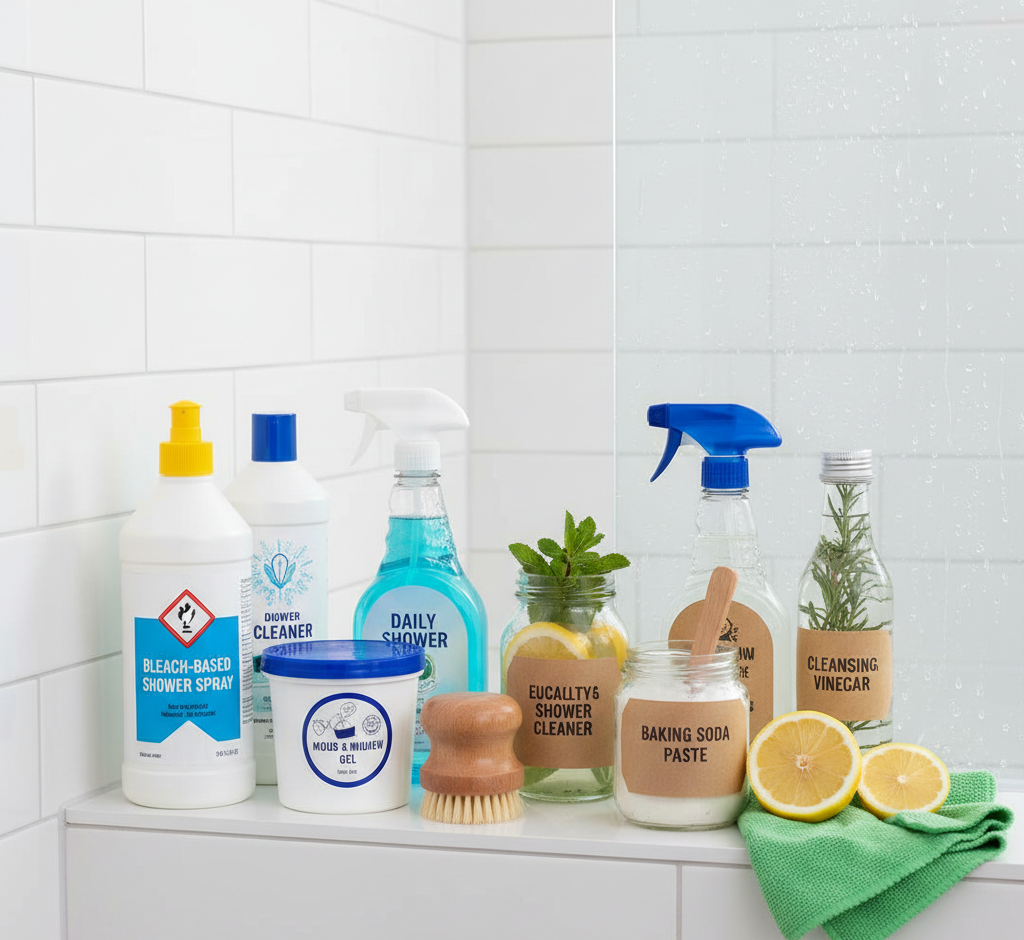
The bathroom is intended to be a sanctuary of hygiene, a bright and tiled space where we wash away the grime of the day. However, this room is also the site of a relentless biological siege. The combination of high humidity, warmth, and organic matter creates an environment that is hostile to cleanliness but perfectly suited for the growth of fungi. The appearance of dark, fuzzy spots on the grout or a slimy film on the tiles is not just an aesthetic failure; it is the arrival of shower mold. This invader is tenacious, unsightly, and potentially hazardous to your health. Unlike the dust in a living room that sits passively on a shelf, shower mold is a living organism that eats into the surfaces of your home. Removing it requires more than just a quick wipe; it demands a strategic understanding of what allows it to thrive and the chemical weapons necessary to destroy it at the root. Fungi To effectively combat this enemy, one must first understand what shower mold actually is. It is a fungus that reproduces by releasing microscopic spores into the air. These spores are everywhere, floating dormant until they find a hospitable surface. In a bathroom, they find everything they need: moisture from the steam, low light, and a food source. The food source for shower mold is often the soap scum, dead skin cells, and body oils that accumulate on the walls and floor. When you see a colony establishing itself, you are witnessing a complex biological system that has taken root in the porous materials of your washroom. Ignoring shower mold allows it to spread rapidly, moving from the surface of the tile into the drywall and insulation behind it, where it can cause structural damage that costs thousands to repair. What does mold look like? A common point of confusion arises between true shower mold and the pinkish-orange slime that often appears around drains and shampoo bottles. This pink substance is technically not a mold; it is a bacterium known as Serratia marcescens. While it thrives in the same damp conditions as shower mold, it is generally easier to clean. True shower mold is usually black, dark green, or brown, and it possesses a root structure known as hyphae. These roots dig deep into porous surfaces like grout and silicone caulk. This is why you can scrub a black spot until it disappears, only to see the shower mold return in the exact same spot three days later. You removed the visible “bloom,” but you left the roots alive and intact beneath the surface. Bleach The instinct for most homeowners when faced with shower mold is to reach for a bottle of chlorine bleach. There is a pervasive belief that bleach is the ultimate fungicide. This is a dangerous misconception. Bleach is highly effective at killing surface mold on non-porous materials like glass or glazed tile. However, on porous surfaces like grout and caulk, bleach cannot penetrate deep enough to reach the roots of the shower mold. Instead, the chemical structure of bleach prevents it from soaking in. It effectively bleaches the color out of the mold, making it invisible, but it leaves the root structure alive. Furthermore, the water component of the bleach solution soaks into the grout, actually feeding the roots that remain. The shower mold then regenerates, often coming back stronger and more resistant than before. Vinegar For a truly deep kill, the chemistry must be different. White distilled vinegar is often a superior weapon against shower mold in porous areas. Vinegar is a mild acid that penetrates porous materials. It does not just bleach the color; it attacks the membrane of the fungal cells, causing them to rupture and die. To treat shower mold effectively, one should spray undiluted vinegar onto the affected grout and let it sit for at least an hour. This dwell time is critical. It allows the acid to seep into the microscopic holes of the cement. Following the soak, a paste made of baking soda and water can be applied. The scrubbing action of the baking soda, combined with the foaming reaction from the vinegar, helps to physically lift the dead shower mold out of the pores. Hydrogen Peroxide Another powerful alternative for battling shower mold is hydrogen peroxide. Like vinegar, it is an antifungal agent that penetrates better than bleach. A three percent solution can be sprayed directly onto the moldy areas. It will fizz upon contact with organic matter, a visual signal that it is reacting with the fungal proteins. For those who dislike the smell of vinegar, peroxide is a scent-free option that effectively oxidizes the shower mold, killing it and helping to whiten the stains it leaves behind. However, one must be careful not to mix these chemicals. Mixing vinegar and bleach creates toxic chlorine gas, a deadly hazard that is far worse than the shower mold itself. Silicone Caulk The hardest battleground in the war on shower mold is the silicone caulk. Caulk is used to seal the joints between the tub and the wall, or the corners of the shower stall. Over time, the adhesion of the silicone can fail, creating microscopic pockets between the caulk and the wall. Water gets trapped in these pockets, and shower mold begins to grow from the back. If you see black spots that seem to be inside the clear or white silicone, surface cleaning will be futile. No amount of scrubbing or chemical soaking can reach shower mold that is encapsulated within or behind the waterproof sealant. In this scenario, the only effective cleaning method is removal. The infected caulk must be cut out completely using a razor knife, the area must be sterilized and dried thoroughly, and new, mold-resistant silicone must be applied. It is a maintenance task that many avoid, but leaving compromised caulk allows water to leak into the wall studs, inviting rot alongside the shower mold. Safety Equipment Safety is paramount during this cleaning process. When you scrub dry shower mold, you release thousands of spores into the air. In a small, enclosed space like a bathroom, the concentration of spores can become high enough to trigger asthma attacks, allergic reactions, and respiratory inflammation. It is essential

Preventing Shower Mold: Daily Habits You Should Adopt to Fight Fungi Read More »

Woman unsure whether to put a blanket in the washing machine.

Blankets Washing: 9 Laundry Mistakes That Destroy Blanket Fibers

Blankets are perhaps the most intimate object in the domestic ecosystem. It is the vessel of comfort, the shield against the cold, and the companion to our most vulnerable moments of sleep and relaxation. Unlike the bedsheets, which are generally subjected to a rigorous weekly washing cycle, the blanket often occupies a hygienic gray zone. We wrap ourselves in it daily, dragging it from the bed to the sofa, sharing it with pets, and occasionally spilling coffee or tea on its fibers. Yet, because it does not sit directly against the mattress, we frequently underestimate the biological load it carries. A blanket is a trap for dead skin cells, body oils, dust mites, and pet dander. Over time, this accumulation does not just create a musty odor; it degrades the fabric, matting the fibers and reducing the thermal efficiency of the item. Restoring a blanket to its original state of softness and sanitation requires a nuanced approach that respects the diversity of materials found in the modern linen closet. 1.Synthetic Fleece The cleaning process must begin with a proper diagnosis of the material. Treating a heavy wool heirloom with the same aggression as a synthetic fleece throw is a recipe for disaster. The most common household blanket is the synthetic fleece or microfiber. These are durable, warm, and generally hydrophobic, meaning they repel water. However, their texture acts as a magnet for hair, lint, and static electricity. The greatest mistake made when washing fleece is the use of high heat and fabric softener. Fleece is essentially made of plastic fibers. When exposed to high heat in a dryer, these fibers can slightly melt or fuse at the tips, creating a rough, scratchy texture that can never be reversed. Furthermore, fabric softener coats these fibers in a waxy lipid layer. While this might feel soft initially, it eventually builds up, trapping dirt and making the blanket less breathable and more flammable. Fleece should always be washed in cold water with a small amount of mild detergent and an extra rinse cycle to ensure no soap residue remains to irritate the skin. 2.Wool Blankets Wool blankets represent the opposite end of the spectrum. Wool is a protein fiber with a scaled structure similar to human hair. It is naturally antimicrobial and resistant to odors, which means it requires washing far less frequently than synthetics. However, when it does need cleaning, the stakes are high. The combination of heat, moisture, and agitation causes the scales on the wool fibers to lock together, a process known as felting. Once a wool blanket has felted, it shrinks dramatically and transforms from a soft, draping fabric into a stiff, thick mat. To wash wool safely, one must minimize agitation. If using a machine, it must be on a specific wool or hand-wash cycle with cold water. Ideally, wool should be washed by hand in a bathtub using a detergent specifically formulated with lanolin, the natural oil that keeps wool soft. Never wring out a wool blanket; twisting the wet fibers will break them. Instead, press the water out gently and roll the blanket in heavy towels to extract moisture before laying it flat to dry. Hanging wet wool will cause it to stretch under its own weight, ruining the rectangular shape. 3.Heavy Blanket The weighted blanket has become a staple for anxiety relief and better sleep, but it presents a massive logistical challenge for cleaning. These blankets are filled with glass beads or plastic pellets distributed in sewn pockets. The sheer weight of the item—often fifteen to twenty pounds—can destroy the motor of a standard residential washing machine or throw the drum off balance during the spin cycle. Before attempting to wash a weighted blanket, you must verify the weight capacity of your machine. If the blanket exceeds twenty pounds, it is safer to take it to a laundromat with industrial-sized machines. Furthermore, you must check the fill material. Plastic pellets are generally washable, but they can melt in a hot dryer. Glass beads are durable but heavy. The drying process for a weighted blanket is a multi-day affair. It must be air-dried to prevent damage to the inner lining that holds the beads. If the lining rips, the beads will leak out, ruining the blanket and potentially damaging the machine. 4.Electric Blankets Electric or heated blankets add a layer of electrical complexity to the wash. Many people assume these cannot be washed, but most modern electric blankets are designed to be submerged, provided the control cord is detached. The internal wiring is insulated against water. However, the internal wiring is not insulated against the violent twisting of a spin cycle. The danger with electric blankets is not the water; it is the mechanical stress breaking the fine heating wires inside the fabric. These blankets should be washed on the gentlest cycle possible with warm water and never, ever dry cleaned. The harsh solvents used in dry cleaning can dissolve the insulation on the wires, creating a severe fire hazard. Drying must be done carefully, usually by partially drying in a machine on low heat and finishing by air drying. The blanket must be completely bone dry before it is plugged in again; any residual moisture near the connection point can cause a short circuit. 5.Comforters Down comforters and duvet inserts require a strategy focused on loft. Down clusters are nature’s insulators, trapping warm air. When they get wet, they collapse into heavy, sodden clumps. If these clumps are not dried thoroughly and agitated during the drying process, they will develop mildew inside the blanket, ruining the item. Washing down requires a specialized detergent that does not strip the natural oils from the feathers. The drying phase is critical and requires clean tennis balls or wool dryer balls. These balls bounce around the dryer drum, pounding the blanket to break up the wet clumps of feathers and redistribute them evenly. Without this agitation, the down will dry in hard lumps, leaving the blanket flat and

Blankets Washing: 9 Laundry Mistakes That Destroy Blanket Fibers Read More »

How to Clean a Yoga Mat: The Ultimate Guide for PVC, Rubber, and Cork

The yoga mat is a sanctuary for the practitioner, a rectangular island of stability in a chaotic world where breath and movement synchronize. However, beneath the spiritual veneer of the practice lies a biological reality that is far less serene. A yoga mat is, by its very design and function, a trap for sweat, dead skin cells, oils, and the microscopic debris of the floor it rests upon. Every time you press your face into the mat for a child’s pose or dig your heels in for a downward dog, you are interacting with a porous surface that has absorbed the biological output of your previous sessions. The warm, humid environment created by a vigorous vinyasa class turns that foam or rubber sheet into an ideal incubator for bacteria, fungi, and viruses. Cleaning a yoga mat is therefore not merely a cosmetic preference to remove smudges; it is a fundamental hygiene protocol essential for preventing skin infections, neutralizing odors, and extending the lifespan of the equipment. Rugs Made of Different Materials To approach the task of cleaning a mat correctly, one must first understand the engineering of the material. Not all mats are created equal, and treating a natural rubber mat with the same chemical aggression used on a synthetic PVC mat will lead to rapid degradation. Mats generally fall into two categories: open-cell and closed-cell. Open-cell mats are designed to provide grip even when wet; they are porous and act like a sponge, absorbing sweat instantly to prevent slipping. Because they absorb moisture, they also absorb bacteria deep into their core. Closed-cell mats, conversely, are impermeable. Sweat pools on top of them, making them easier to wipe down but often slipperier during a sweaty practice. Identifying which type you own is the prerequisite to choosing the correct cleaning method, as soaking an open-cell mat improperly can lead to it becoming waterlogged and heavy, essentially rotting from the inside out if not dried perfectly. For the routine maintenance that should occur after every single practice, the goal is to remove surface bacteria and body oils before they have a chance to migrate deeper into the material or dry into a sticky film. The most effective solution for this daily maintenance is often the simplest. A mixture of distilled water and white vinegar, typically in a ratio of three parts water to one part vinegar, provides a gentle acidic environment that dissolves grease and neutralizes odors without damaging the polymer structure of most mats. Essential oils can be added to this mixture, but with extreme caution. While tea tree oil is heralded for its antifungal properties and lavender for its scent, oils can be slippery. If too much essential oil is applied and not thoroughly wiped away, the mat becomes a hazard, transforming the next session into a sliding match that risks injury. This solution should be spritzed lightly over the entire surface of the mat and wiped down immediately with a damp microfiber cloth. The friction of the wiping is just as important as the solution itself, as it physically dislodges the debris. Persistent Odor There comes a time, however, when a light spray is insufficient. If a mat has developed a persistent funk that rises to greet you the moment you unroll it, or if it has visibly darkened in the areas where your hands and feet land, a deep clean is required. For closed-cell mats made of PVC or TPE, the bathtub method is the most thorough approach. This involves filling a bathtub with warm water and a very small amount of mild dish soap. The emphasis must be on the word small; using too much soap is the most common mistake in mat maintenance. Soap residues are notoriously difficult to rinse out of foam materials. If soap is left behind, it reactivates the moment you start sweating in your next class, turning the mat into a slip-and-slide. A single teaspoon of detergent is usually enough for a full tub. The mat should be submerged and allowed to soak for fifteen to twenty minutes, allowing the water to penetrate and lift the grime. After the soak, the physical agitation process begins. Gently squeezing the mat with your hands or stepping on it lightly with bare feet helps to push the soapy water in and out of the texture. You will likely see the water turn a murky gray, a disturbing but satisfying visual confirmation of the dirt that was harboring in your equipment. The rinsing phase is the most critical and labor-intensive part of the deep clean. The mat must be drained and refilled with fresh water, or showered down, repeatedly until the water runs absolutely clear and no bubbles appear when the mat is squeezed. Any lingering soap is an enemy to your practice. Once the water is clear, the mat is heavy and saturated, and handling it requires care to avoid stretching or tearing the material. Dry The Right Way Drying the mat is a lesson in patience and physics. A wet yoga mat can take anywhere from twenty-four to forty-eight hours to dry completely, and using it while it is damp is a recipe for mold growth. The “burrito method” is the most effective way to jumpstart the drying process. Lay the wet mat flat on top of a large, dry bath towel. Roll the mat and the towel up together tightly, like a sleeping bag. Once rolled, step on the roll or kneel on it, using your body weight to transfer the water from the non-absorbent mat into the absorbent towel. Unroll it, and if necessary, repeat the process with a second dry towel. This mechanical extraction removes the bulk of the moisture that would otherwise take days to evaporate. After the towel extraction, the mat must be hung to dry, but the location is paramount. One must never hang a yoga mat in direct sunlight. Ultraviolet rays are destructive to both natural rubber and synthetic plastics. They break down the chemical bonds

How to Clean a Yoga Mat: The Ultimate Guide for PVC, Rubber, and Cork Read More »

Fragrance with natural products at home

Natural Fragrance: How to Scent Your Home Using Only Natural Products

The olfactory experience of a home is arguably its most defining characteristic. While we often obsess over the visual elements of interior design—the color of the walls, the texture of the rugs, the arrangement of furniture—it is the scent of a space that hits us first and lingers longest in our memory. For decades, the standard approach to managing home fragrance has been chemical warfare. We plug in synthetic warmers that promise “Ocean Breeze” or “Linen Fresh,” we spray aerosols that mask odors with heavy, artificial perfumes, and we burn candles made of paraffin wax that release soot into the air we breathe. While these products might effectively cover up the smell of last night’s dinner or a damp dog, they often do so at the cost of indoor air quality. They coat the nasal passages with volatile organic compounds and create a flat, one-dimensional scent profile that feels sterile and manufactured. A truly inviting home, however, smells alive. Shifting to natural room fragrances is not just a health-conscious decision; it is an aesthetic upgrade that introduces complexity, freshness, and a genuine connection to the botanical world into your living space. Synthetic Fragrances To understand the superiority of natural fragrance, one must first appreciate the biological connection between scent and the brain. The olfactory bulb is directly linked to the limbic system, the ancient part of the brain responsible for emotion and memory. This is why the smell of pine can instantly transport you to a winter forest, or the scent of lavender can induce a physical sensation of relaxation. Synthetic fragrances attempt to mimic these molecules, but they often lack the subtle chemical nuances of the real thing. A real lemon contains hundreds of different chemical compounds that create its zest; a synthetic lemon scent might contain only a handful. The brain registers the difference. Natural fragrances, derived from essential oils, herbs, fruits, and spices, interact with our biology in a way that feels grounding rather than overpowering. They evolve in the air, changing slightly as they evaporate, creating a dynamic atmosphere that feels fresh and clean rather than perfumed and heavy. Steam One of the most accessible and effective methods of natural scenting is the stovetop simmer pot. This technique relies on the basic physics of evaporation and steam. By simmering water filled with aromatic ingredients, you release their essential oils into the air, carried by the humidity of the steam. This method is particularly powerful because it addresses two winter problems at once: dry air and stale odors. The beauty of the simmer pot lies in its versatility and its use of kitchen scraps. You do not need to buy expensive ingredients; the peels of an orange or a lemon, which would otherwise be composted, are packed with limonene, a potent aromatic compound. Combine these citrus peels with a cinnamon stick, a few whole cloves, and a sprig of rosemary in a small saucepan of water. As the water gently bubbles, it breaks down the cellular structure of the plants, releasing a warm, spicy, and clean scent that permeates even large open-concept spaces. Unlike a candle, which burns locally, the steam from a simmer pot travels with the airflow of the house, reaching into corners and upper floors. It is a ritualistic act of cooking that results in a home that smells welcoming and seasoned. Reed Diffusers For a more passive, constant fragrance, the reed diffuser is a staple, yet the commercial versions are often filled with mineral oils and synthetic solvents. Creating a natural version at home allows you to control the intensity and the purity of the ingredients. The mechanics of a reed diffuser rely on capillary action. The reeds are porous; they draw the liquid up through microscopic channels to the top, where it evaporates into the room. To make this work naturally, you need a carrier oil that is thin enough to travel up the reed. Safflower oil or sweet almond oil are excellent choices as they are light and odorless. You mix this base oil with a high concentration of essential oils—perhaps a blend of eucalyptus and peppermint for a bathroom, or bergamot and cedarwood for a living area. A splash of high-proof alcohol, like vodka, acts as a binding agent that thins the oil slightly and aids in evaporation. The result is a subtle, background scent that doesn’t assault the nose but simply exists in the space, lending it a signature character. Alcohol The fabric of our homes—the curtains, the sofas, the rugs—often traps odors that are difficult to remove with air fresheners alone. For these surfaces, a natural linen spray is the solution. Water and oil do not mix, so simply dropping essential oils into a spray bottle of water results in the oil floating on top and clogging the nozzle. To create a stable emulsion without synthetic chemicals, you again turn to high-proof alcohol or witch hazel. These solvents disperse the oil into tiny droplets that remain suspended in the mixture. When sprayed onto linen or upholstery, the alcohol evaporates almost instantly, leaving the essential oil molecules clinging to the fabric fibers. A spray made with lavender and chamomile is perfect for misting pillows before bed, creating a sensory cue for sleep. A blend of lemon and tea tree oil, both known for their antibacterial properties, works wonders on a sofa that has seen too much pet traffic, neutralizing the odor at the source rather than masking it. Baking Soda However, adding scent is only half the battle. A truly fresh-smelling home requires the neutralization of bad odors. This is where the chemistry of baking soda becomes invaluable. Bad smells, such as those from garbage, compost, or sweat, are often acidic in nature. Baking soda (sodium bicarbonate) is a base. When it comes into contact with these acidic odors, it neutralizes them chemically, turning them into inert, odorless salts. A small jar of baking soda mixed with a few drops of lemon essential oil, placed at the bottom

Natural Fragrance: How to Scent Your Home Using Only Natural Products Read More »