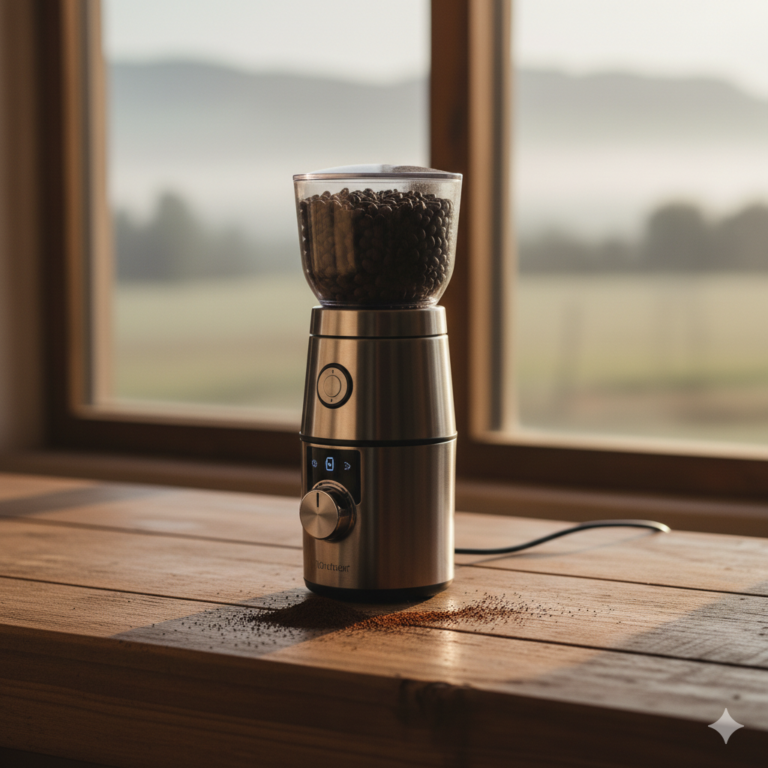










The coffee grinder is the unsung hero of the morning ritual. While the espresso machine or the pour-over dripper gets the glory on the countertop, boasting chrome finishes and pressure gauges, it is the grinder that dictates the quality of the cup. It is the gatekeeper of flavor. You can buy the most expensive, single-origin Gesha beans and use a top-of-the-line brewing system, but if your grinder is dirty, you are drinking compromised coffee. The accumulation of stale grounds and rancid oils inside the grinding chamber acts as a corrupting agent, introducing bitter, sour, and off-flavors to every fresh batch you grind. Cleaning a coffee grinder is not just about equipment maintenance; it is a culinary necessity required to preserve the integrity of the bean.
To understand the urgency of cleaning this appliance, one must first understand the chemistry of the coffee bean. Roasted coffee is rich in volatile compounds and lipids—oils. These oils are what give coffee its body, crema, and mouthfeel. However, once these oils are released from the bean during grinding, they coat the internal surfaces of the grinder. Over time, exposure to oxygen causes these accumulated oils to oxidize and go rancid. Rancid oil has a distinct, sharp smell, akin to old crayons or spoiled nuts. If you do not clean your grinder, every time you pulverize fresh beans, they are being dragged through this layer of decaying oil. Furthermore, “fines”—microscopic dust particles of coffee—get trapped in the crevices of the burrs or under the blades. These old particles eventually dislodge and mix with your fresh grounds, adding a stale, muddy taste to your brew.

The cleaning protocol depends entirely on the architecture of your machine. There are two distinct categories: the blade grinder and the burr grinder. The blade grinder, often a small, cylindrical device, operates like a blender, chopping beans with a spinning metal propeller. The burr grinder, the tool of choice for connoisseurs, crushes beans between two abrasive surfaces (burrs) to create a uniform particle size. Each requires a different approach.
The Blade Grinder
The blade grinder is mechanically simple but notoriously difficult to clean because the blade is usually permanently fixed to the motor shaft. You cannot remove it to scrub it. The first rule, which cannot be overstated, is to unplug the unit. Cleaning a blade grinder involves putting your fingers near sharp metal that spins at high RPMs. Disconnecting the power is a non-negotiable safety step.
Once safe, the primary cleaning method involves a damp cloth or a microfiber towel. Wipe out the metal chamber to remove loose grounds and visible oil. However, because the blade obstructs the bottom, wiping is rarely enough. This is where the “rice trick” comes into play. Pouring a quarter cup of uncooked, dry rice into the grinder and running it for thirty seconds is a time-honored hack. The rice acts as a mild abrasive, scouring the sides of the chamber and the underside of the blade. More importantly, the starch in the rice absorbs the coffee oils. When you dump the pulverized rice flour out, it takes the oil and the stale odors with it.

A word of caution regarding rice: some manufacturers warn against this because rice is harder than coffee beans and can strain the motor. If you choose to use this method, use “minute rice” or parboiled rice, which is softer and brittle, posing less risk to the engine. After dumping the rice, wipe the chamber again with a damp cloth to remove the starchy white residue.
Blade grinders are often used double-duty for spices. If you have ground cumin or peppercorns in your coffee grinder, the flavor transfer will be potent. Coffee that tastes like curry is rarely a desired outcome. To deodorize a blade grinder effectively, grind a small piece of stale bread or a tablespoon of baking soda. These materials are excellent at neutralizing strong odors without damaging the blades.
The Burr Grinder
Cleaning a burr grinder is a more mechanical process. Whether you have a conical burr or a flat burr grinder, the internal complexity means there are more places for oil and fines to hide.
Start by unplugging the machine and removing the hopper (the plastic container that holds the whole beans). The hopper can usually be washed by hand with warm, soapy water. This is the only part of a burr grinder that should see water. The oils from the beans often leave a sticky yellow film on the inside of the hopper. Scrub this away, rinse thoroughly, and—this is critical—let it air dry completely. If you reassemble a grinder with a wet hopper, moisture will drip into the burrs and the motor, causing rust and clogging the chute with wet coffee cement.
Next, you must access the burrs. In most consumer models, the upper burr is removable. It usually twists out or unclips. Once removed, you will expose the lower burr and the grinding chamber. Do not use water here. High-quality burrs are made of high-carbon steel or ceramic. Steel will rust if washed. Instead, use a stiff-bristled brush. Many grinders come with a cleaning brush, but a clean toothbrush or a specialized espresso brush works perfectly.

Scrub the teeth of both the upper and lower burrs aggressively. You want to dislodge the compacted coffee dust that gets wedged between the cutting edges. This compacted coffee changes the geometry of the burr, leading to inconsistent grind sizes. Once you have loosened the debris, gravity and suction are your best tools. Turn the grinder upside down (if small enough) and tap it gently over a bin. For larger, heavy units, use a vacuum cleaner with a hose attachment. Suck the loose grounds out of the grinding chamber and the chute where the coffee exits. This exit chute is a common choke point; if it gets clogged with oil-laden fines, the grinder will jam.
For a deeper clean without disassembly, or for the parts of the burrs you cannot reach with a brush, commercial cleaning tablets are the professional standard. These are pellets made from food-safe grains and cereals, formulated to the same hardness as coffee beans. You run a capful of these tablets through the grinder just like coffee. As they pass through the burrs, they crush and expand, scrubbing the metal surfaces and absorbing the oils. They are essentially a safer, engineered version of the rice trick. After running the tablets, run a small handful of “sacrificial” coffee beans through the machine to push out any remaining tablet dust. This ensures your next cup tastes like coffee, not grain.
The Exterior and Maintenance Schedule
While the internals dictate flavor, the exterior dictates hygiene. Coffee grounds are messy. They create a fine dust that settles around the base of the machine and under the catch bin. Wipe down the housing of the grinder with a mild all-purpose cleaner or a damp cloth to remove the electrostatic dust and oily fingerprints. If your grinder has a rubber seal or gasket between the hopper and the body, check it for cracks and clean it carefully, as this seal prevents air from entering the burrs.
Frequency is the final variable. How often should you do this?
Daily: A quick brush of the chute and a wipe of the exterior.
Weekly: If you use oily, dark roast beans, wipe out the hopper and vacuum the chamber weekly. Dark roasts have surface oils that accumulate much faster than light roasts.
Monthly: A full deep clean. Disassemble the burrs, scrub with a brush, and use cleaning tablets. This resets the flavor profile.
Quarterly: Inspect the burrs for sharpness. If the edges feel dull to the touch (carefully!), it may be time to replace the burrs entirely. Even clean burrs eventually wear out.
The difference in taste after a deep clean is often startling. The brightness and acidity of the coffee return, unmasked by the heavy, oxidized notes of old oil. The grinder runs quieter and faster because it is not fighting against friction and clogs. It transforms the morning cup from a routine caffeine delivery into a genuine culinary experience.

Conclusion
Maintaining a coffee grinder is an exercise in precision. It requires respecting the machinery and understanding the organic nature of the product it processes. It is a rejection of the “set it and forget it” mentality. By keeping the burrs free of oil and the chamber free of stale dust, you honor the effort of the farmers, roasters, and baristas who strive for the perfect cup. A clean grinder is the invisible foundation of excellent coffee.
However, the attention to detail required to brush out microscopic coffee fines is just a microcosm of the care required for the rest of the home. We often neglect the small appliances and the hidden corners until they stop working or start smelling. Maintaining a pristine environment, from the kitchen counter to the baseboards, is a labor-intensive process that demands time and expertise. When the list of maintenance tasks exceeds the hours in your day, professional support can bridge the gap.
Toronto Shine Cleaning understands that a clean home is a collection of small details done perfectly. While we might not disassemble your coffee grinder during a standard visit, we bring that same philosophy of deep, restorative cleaning to your entire living space. From degreasing the stovetop where your coffee brews to removing the dust from the air vents that affects your sense of smell, our professional team ensures your home is a sanctuary of hygiene. Whether you need a seasonal deep clean to reset your kitchen or regular maintenance to keep your home sparkling, Toronto Shine Cleaning provides the meticulous service that allows you to enjoy your morning coffee in a space that feels as fresh as the brew itself.