









February occupies a unique and often challenging position in the Canadian calendar. It is the shortest month of the year, yet psychologically, it frequently feels like the longest. The novelty of the first snowfall has long since evaporated, replaced by the gritty reality of grey slush and biting wind. The “New Year, New Me” energy of January has typically waned, leaving homeowners in a state of maintenance fatigue. We are deep in the heart of winter, a time when our homes are subjected to the maximum stress of the elements. The windows have been sealed tight for months, the furnace has been running relentlessly, and the entryway has become a battleground against road salt. A cleaning checklist for February is not about the optimism of spring cleaning; it is about resilience and defense. It is a strategic intervention designed to protect your property from the specific chemical and physical assaults of the deep freeze, while simultaneously combating the stale, dusty atmosphere that contributes to the mid-winter blues.
1.Entryway Floors
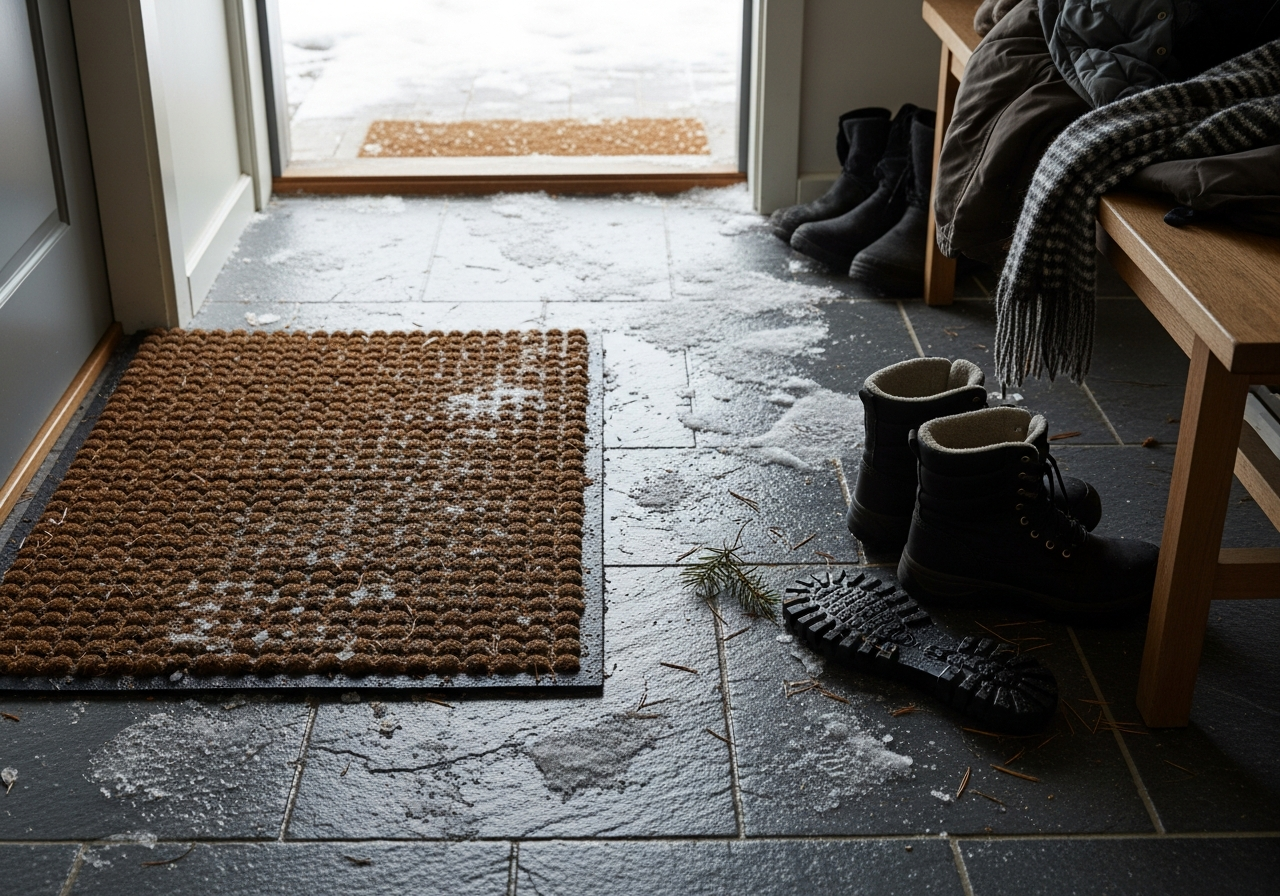
The absolute priority for any Canadian home in February is the management of the entryway floors. By this point in the season, the mats are saturated, and the hardwood or tile surrounding the door is likely coated in a chalky, white haze. This residue is not merely dirt; it is a chemical compound, usually calcium chloride or rock salt, tracked in from the municipal plow trucks. These salts are highly alkaline and hygroscopic, meaning they draw moisture from the air and the wood itself. If left to sit, this brine eats through the polyurethane finish of hardwood floors and degrades the sealants in tile grout, leading to permanent staining and pitting. A standard wet mop is often insufficient here, as it merely dilutes the salt and spreads it over a larger surface area. The February protocol requires neutralization. A solution of warm water and white vinegar provides the necessary acidity to dissolve the salt bonds. This must be applied carefully—damp, not soaking—to lift the mineral deposits without waterlogging the wood. Furthermore, the boot trays themselves, often filled with a grim slurry of melted snow and gravel, must be emptied and scrubbed in a utility sink to prevent them from overflowing and damaging the baseboards.
2.Air
As we move inward from the door, the focus must shift to the air we breathe. Canadian homes are built to be airtight for thermal efficiency, but in February, this virtue becomes a vice. We are living in a closed-loop system where dust, pet dander, and cooking oils are recirculated endlessly by the HVAC system. The result is a home that feels stuffy and surfaces that become dusty within hours of being wiped. February is the critical month to address the “lungs” of the house. The furnace filter, likely installed in early winter, is now clogged with the debris of the heavy heating season. Replacing it is non-negotiable for maintaining airflow and protecting the furnace motor from overheating. Beyond the filter, the vents and cold air returns require vacuuming. Removing the vent covers and using a hose extension to extract the dust bunnies hiding in the ducts prevents them from being blown back into the room every time the heat cycles on. This simple act significantly reduces the ambient dust load and improves the respiratory health of the household during flu season.
The humidity balance in February is a delicate dance that requires cleaning intervention. The furnace dries the air out aggressively, leading to static electricity, dry skin, and cracking wood furniture. To combat this, we run humidifiers. However, a humidifier that has been running constantly since December is a prime breeding ground for mold and bacteria if not maintained. The pink slime often found in the water tank is a bacterial biofilm that, when aerosolized, can cause respiratory irritation. A weekly descaling of the humidifier with vinegar and a thorough disinfection is essential to ensure that the moisture being added to the air is clean. Conversely, on the windows, the clash between the warm interior air and the freezing exterior glass creates condensation. This water pools on the window sills, creating a perfect environment for black mold. Inspecting every window sill and wiping away any black spots with a fungicide or a bleach solution is a vital February task to prevent the mold from rooting into the drywall or wood casing.

3.Bedroom and Bathroom
Mid-February brings Valentine’s Day, which offers a thematic excuse to tackle the master bedroom and bathroom with a level of detail usually reserved for guests. We spend more time in bed in winter than in any other season, turning the mattress into a reservoir for sweat and dead skin. February is the time to strip the bed completely, including the mattress protector and the duvet. While the linens wash, vacuum the mattress surface thoroughly to remove dust mites and allergens. If the mattress is flip-able or rotatable, do so now to prevent sagging. In the ensuite bathroom, the focus should be on the tub and shower. The desire for long, hot baths in winter leads to a buildup of soap scum and bath oil residue. A deep restorative clean of the tub, removing the mineral deposits from the faucet and the biological film from the grout, transforms the bathroom from a utility space into a sanctuary. It allows for a moment of relaxation that is actually hygienic.
4. Kitchen
The kitchen in February suffers from what can be called “comfort food fatigue.” We tend to cook heavier, greasier meals in the winter—roasts, stews, and fries. This airborne grease settles on the tops of the kitchen cabinets, the top of the refrigerator, and the range hood. This sticky layer attracts dust, creating a stubborn gunk that is difficult to remove if left until spring. Using a degreaser to wipe down these high surfaces now prevents the buildup from hardening. Additionally, the oven likely needs attention. If it was used heavily during the holidays and has been roasting root vegetables ever since, the interior glass is probably opaque with carbonized grease. Cleaning the oven in February improves its efficiency and removes the acrid smell of burning food that can permeate a closed-up house. However, caution is advised with the self-clean cycle in deep winter; if the house cannot be ventilated due to extreme cold, the fumes can be overwhelming. A manual clean with a paste of baking soda is safer for indoor air quality.

5.Laundry
Laundry safety is another critical component of the mid-winter checklist. We wear bulkier clothes in February—fleece, wool, and heavy cottons. These fabrics shed significantly more lint than summer clothes. Coupled with the static electricity of dry air, this creates a heightened fire risk in the dryer vent. Disconnecting the dryer duct and vacuuming out the lint trap and the exhaust pipe is a safety measure that cannot wait for spring. A clogged vent also extends drying times, wasting electricity and frustrating the user. While behind the dryer, check for lost socks and the accumulation of dust that gathers around the warm motor, which can also be a fire hazard.
6.Lamps and Fans
Lighting fixtures often go unnoticed, but in the darkest month of the year, every lumen counts. Dust accumulates on lightbulbs and glass shades, dimming the output of your fixtures by a surprising percentage. A dark room feels colder and dirtier. Taking the time to wipe down bulbs (when cool) and wash glass fixtures in warm soapy water instantly brightens the home. It combats the gloom of the season and makes the space feel vibrant again. This also applies to ceiling fans. Even if they are not in use, the tops of the blades harbor thick layers of dust. If you turn them on in the spring without cleaning them first, it will rain gray clumps onto your furniture. Cleaning them now, or running them in reverse to push warm air down, keeps the dust under control.

Hibernation Zones
At the end, February is the time to audit the “hibernation zones.” These are the areas where we pile things up when we don’t want to go outside to the garage or shed. The recycling bin often overflows; the donation pile sits in the corner of the bedroom; the broken electronics wait on a desk. The clutter contributes to a feeling of entrapment. Because we are spending almost all our time indoors, visual clutter carries a heavier psychological weight than it does in summer. clearing these piles—taking the recycling out, dropping the donations at a center, organizing the winter gear that has been flung into the closet—opens up the floor space and restores a sense of order. It is a mental health intervention as much as a cleaning task.
The February clean is not about perfection; it is about preservation. It is about protecting your floors from salt, your lungs from dust, and your mind from the chaos of being cooped up. It is the bridge that gets the home safely from the holidays to the spring thaw. However, finding the motivation to scrub a boot tray or vacuum a mattress when it is dark at five o’clock and minus twenty degrees outside can be an insurmountable hurdle. The hibernation instinct is strong, and the physical energy required for a deep clean is often lacking during the mid-winter slump.

This is where Toronto Shine Cleaning becomes the ultimate ally in your winter survival strategy. We understand the specific toll that the Canadian winter takes on a home. Our professional team is equipped to handle the heavy lifting that you simply do not have the energy for. We have the industrial-grade vacuums to extract the winter dust from your carpets and upholstery, the chemical expertise to neutralize road salt without damaging your hardwood, and the attention to detail to banish mold from your windowsills. Whether you need a one-time “mid-winter rescue” to lift your spirits and sanitize your space, or a regular service to keep the salt and grime at bay until the snow melts, Toronto Shine Cleaning offers the expertise you need. Let us handle the grit and the grime so that you can enjoy the warmth and comfort of your home, knowing it is clean, safe, and protected against the elements.