









The winter season is traditionally a time of culinary indulgence. As the temperature outside drops, the kitchen becomes the epicenter of the home, a warm sanctuary filled with the aromas of roasting meats, simmering stews, and frying comfort foods. We rely on these heavy, rich meals to sustain us through the cold months, turning the stove into a furnace of activity. However, every time you sear a steak or reduce a sauce, you are releasing a byproduct into the air that does not simply vanish. Aerosolized grease, carried on plumes of steam and smoke, travels upward, seeking an escape route. The primary guardian against this airborne assault is the range hood, a ventilation system that works tirelessly to filter the air. Yet, by the time March arrives, this essential appliance is often choked, suffocated by months of accumulated lipid residue that has transformed from a liquid into a sticky, amber resin. Resetting your kitchen for spring requires more than wiping down the counters; it demands a deep, restorative excavation of the grease trap that looms above your head.
Why is a Greasy Filter Dangerous?
To understand the urgency of this task, one must look beyond the aesthetic unsightliness of a yellowed filter and recognize the serious safety hazard it represents. The range hood filter is designed to catch grease particles before they enter the ductwork, but it has a finite capacity. When the metal mesh becomes saturated with old oil, it ceases to function as a filter and begins to function as a fuel source. In the event of a stovetop flare-up—a common occurrence when cooking with high heat—flames can leap upward. If they make contact with a clean filter, they might scorch the metal. If they make contact with a grease-laden filter, the accumulated fat can ignite instantly. This can pull the fire up into the ductwork and into the structure of the house within seconds. A sticky fan filter is essentially a piece of kindling suspended directly above an open flame. Furthermore, a clogged filter restricts airflow, forcing the fan motor to work harder to pull air through the blockage. This strain can lead to the motor overheating and failing prematurely, turning a cleaning issue into an expensive repair bill.
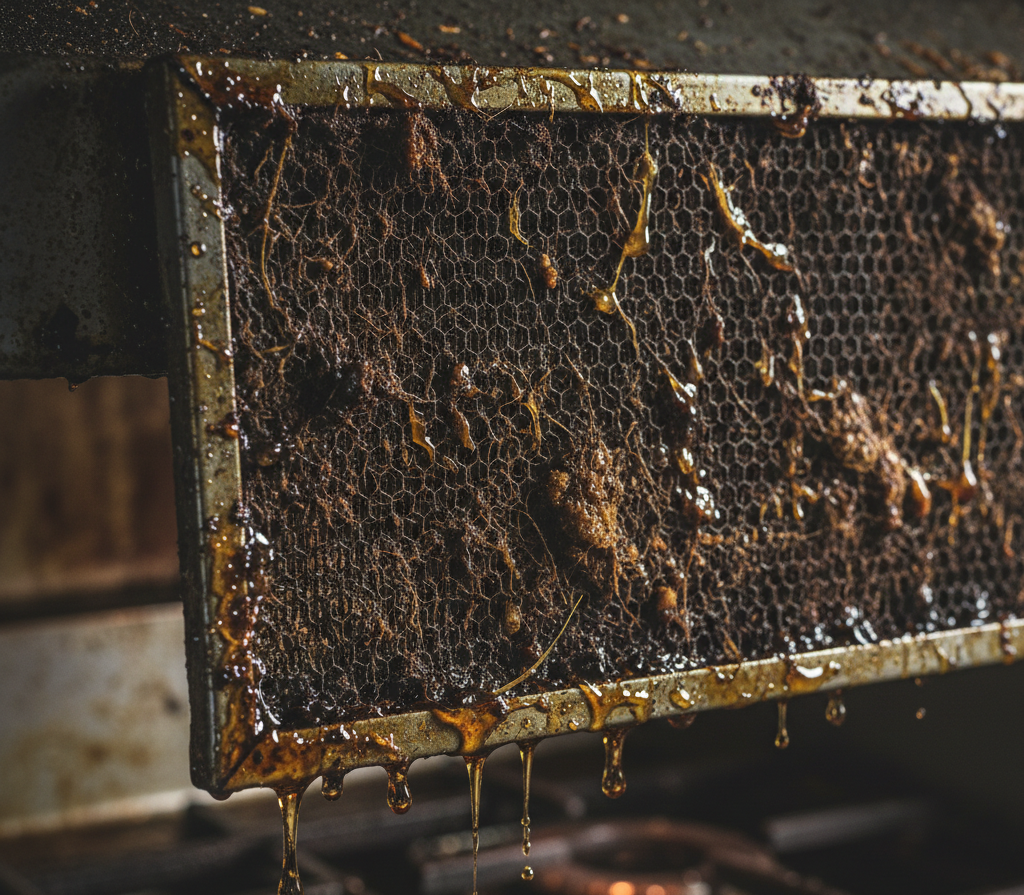
The restoration of the range hood begins with the removal of the metal mesh or baffle filters. Upon inspection, these are likely coated in a thick, tacky layer of grime that feels unpleasant to the touch. While some manufacturers claim these are dishwasher safe, the standard dishwasher cycle is often insufficient for the heavy, polymerized grease of a long winter. The water simply isn’t hot enough, and the detergent isn’t concentrated enough to break the chemical bonds of the aged oil. To truly strip the metal clean, you need to employ a method that utilizes thermal shock and extreme alkalinity.
Boiling Water and Baking Soda
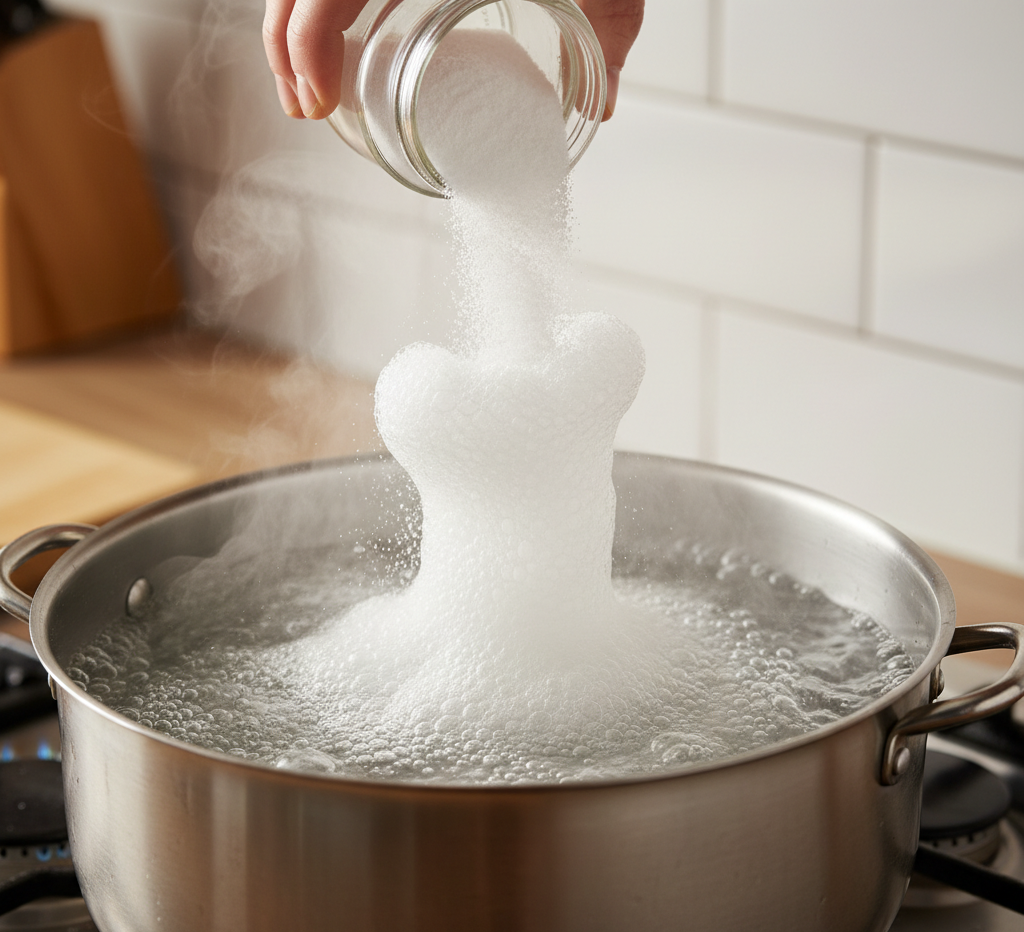
The “boiling water and baking soda” method is the gold standard for this restoration. It is a process that relies on basic chemistry to perform heavy labor. You begin by filling a large stockpot with water and bringing it to a rolling boil. While the water heats, locate a vessel large enough to accommodate your filters—a utility sink, a large bucket, or even a bathtub lined with a towel to prevent scratching. Place the filters in the basin. Slowly pour the boiling water over them until they are fully submerged. The heat alone will begin to liquefy the outer layers of the grease. Next, add a generous cup of baking soda. Pour it slowly, as the interaction with the hot water will cause a vigorous, fizzing eruption. This effervescence is not just for show; the baking soda increases the alkalinity of the water, which helps to saponify the grease, effectively turning the oil into soap that can be washed away. For an extra boost, add a squirt of high-quality degreasing dish soap. Let the filters soak in this bubbling cauldron for at least thirty minutes.
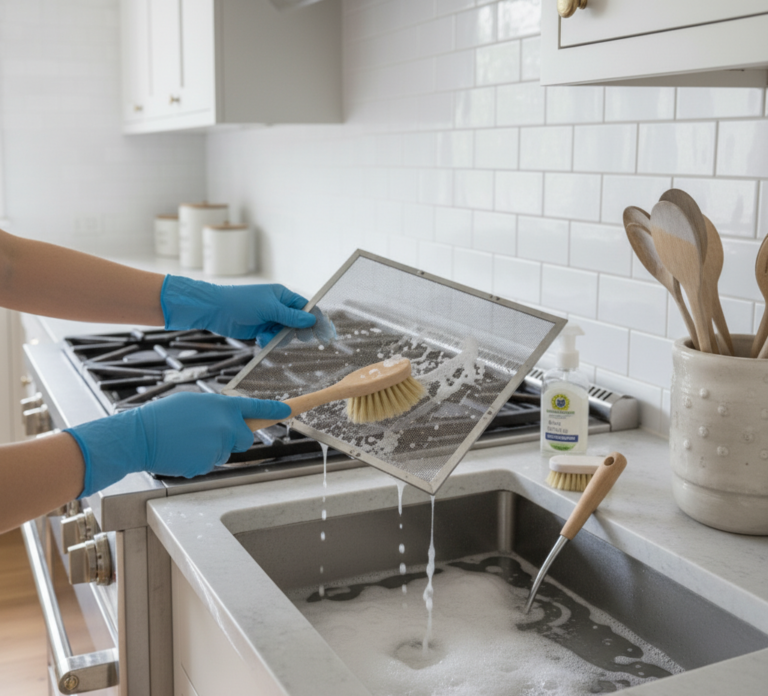
As the filters soak, you will witness the water turning a murky, dark brown, a visceral confirmation of the filth that was hovering over your food. Once the water has cooled, use a stiff non-abrasive brush to scrub the remaining residue from the mesh. It should peel away easily. Rinse the filters thoroughly with hot water and let them air dry completely before reinstalling. Returning a wet filter to the hood can suck moisture into the fan motor, so patience is key.
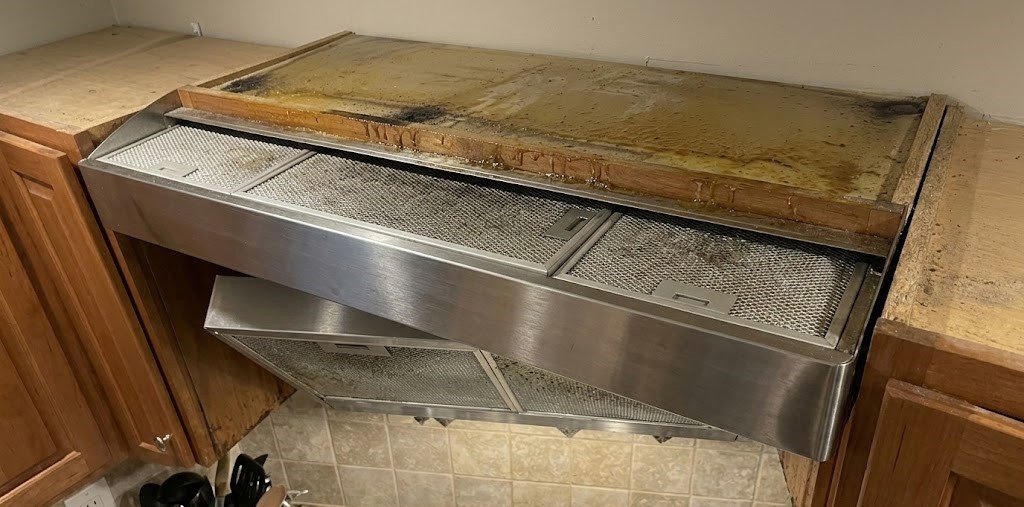
However, the filter is only the first line of defense. The grease that escapes the capture of the fan does not disappear; it continues to rise until it hits a solid surface. This leads us to the most neglected and arguably the most repulsive area of the kitchen: the tops of the cabinets. In most kitchens, there is a gap between the upper cabinetry and the ceiling. This space is out of the line of sight and therefore out of mind. Throughout the winter, grease-laden steam drifts into this dead space and settles. It mixes with dust, pet dander, and flour particles floating in the air. Over time, this mixture solidifies into a compound that is less like dust and more like glue. It is a fuzzy, grey, sticky carpet that covers the top of your kitchen infrastructure.
Top of the Cabinets
Cleaning the tops of the cabinets requires a different strategy than the filters. You cannot soak a wooden cabinet. If you attack this sticky film with a dry cloth or a duster, you will simply smear it around or get the cloth stuck to the surface. You need a solvent. A commercial degreaser is effective, but for those preferring a pantry solution, the principle of “oil dissolves oil” is surprisingly powerful. Applying a small amount of mineral oil or vegetable oil to a paper towel and rubbing it onto the gunk can re-liquefy the hardened grease, allowing you to wipe it up. Once the bulk of the sticky residue is removed, follow up with warm soapy water to remove the oil slick. If the buildup is years old, you may need a plastic scraper or a putty knife to physically lift the layers of grime before you can even begin to wipe. This is a labor-intensive, upper-body workout that requires a sturdy stepladder and determination.
While you are at that elevation, the exterior of the range hood itself requires attention. Stainless steel hoods often develop a yellow/brown haze near the intake vents. This is polymerized oil. Scrubbing this with abrasive pads will permanently scratch the finish. Use a soft microfiber cloth and a dedicated stainless steel cleaner, or a mixture of vinegar and water, to cut through the haze. Always wipe with the grain of the steel to maintain its luster. The light fixture inside the hood is another detail often missed. The plastic or glass cover over the bulb eventually becomes opaque with grease, dimming the light over your stove. Removing this cover and washing it in the sink restores the brightness of your workspace, making the kitchen feel cleaner and more functional.
Revitalizing Your Kitchen
Addressing the kitchen exhaust system is a task of reclamation. It is about removing the ghosts of winter dinners past. The smell of old grease that often lingers in a kitchen, often attributed to the trash can or the drain, is frequently emanating from the range hood filters. By stripping this residue away, you are improving the indoor air quality of your home. You are removing a fire hazard and extending the life of your appliances. It is a messy, unglamorous job that rewards you with better airflow and a kitchen that smells fresh rather than like stale frying oil.
The transition from winter cooking to lighter spring fare is the perfect psychological trigger for this deep clean. You are closing the chapter on the season of heavy roasting and preparing the space for salads and open windows. However, the physical reality of scrubbing sticky, polymerized grease from delicate mesh and high cabinets is daunting. It involves climbing ladders, handling boiling water, and dealing with stubborn chemical bonds that resist standard cleaning products. It is the type of cleaning that leaves you feeling greasy yourself.

This is where Toronto Shine Cleaning becomes an invaluable resource for your spring reset. We understand that the kitchen is the hardest working room in the house and that the grime it accumulates is chemically complex. Our professional team is equipped with industrial-strength degreasers and the tools necessary to tackle the sticky film on your cabinets and the deep clogging of your filters without damaging your finishes. We handle the heights and the chemistry so you don’t have to. Whether you need a focused kitchen deep clean to recover from the winter culinary marathon or a full-home refresh to welcome the spring, Toronto Shine Cleaning provides the expertise and the elbow grease to restore your home to a pristine, safe, and sparkling condition. Let us handle the grease trap, so you can get back to enjoying your kitchen.