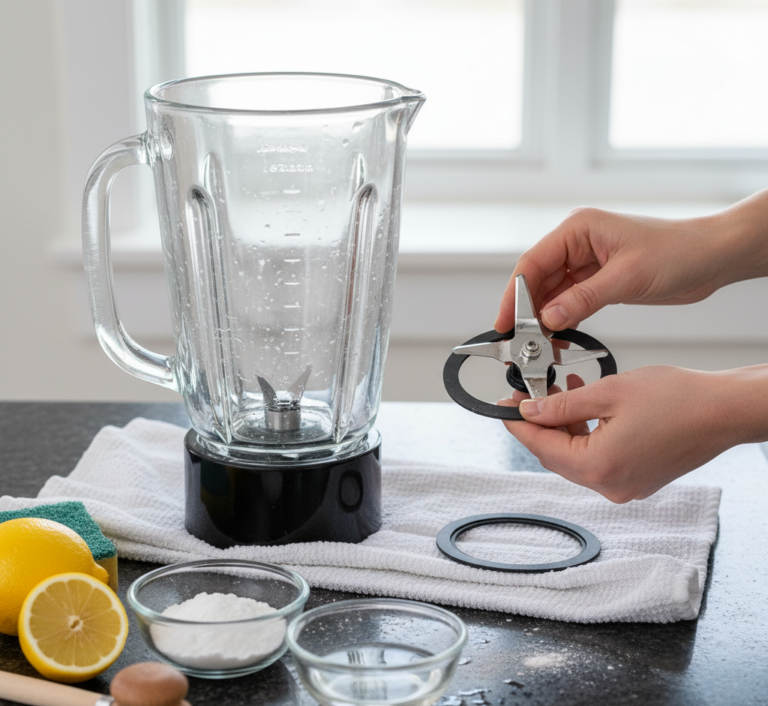










The washroom is undeniably the most functionally demanding environment within any architectural structure. It is a dedicated zone where the biological realities of human life intersect with the rigid requirements of sanitation. Unlike a living room or a bedroom, where cleaning is largely a matter of aesthetics and dust management, washroom cleaning is a constant battle against microbiology and chemistry. Every surface in a bathroom is subjected to a relentless cycle of wetting and drying, a process that creates distinct layers of mineral deposits, soap scum, and bacterial colonies known as biofilm. To clean a washroom effectively, one must move beyond the superficial act of wiping surfaces and understand the microscopic warfare taking place on the tile, the porcelain, and the grout.
1.Soap Residue
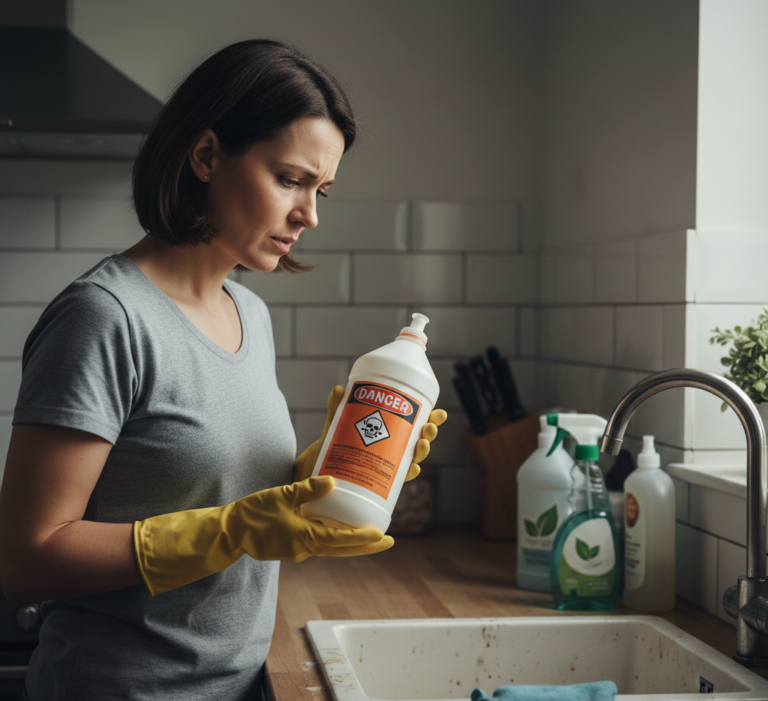
The foundation of effective washroom hygiene lies in understanding the nature of the dirt you are fighting. In the shower and bathtub, the primary enemy is calcium stearate, commonly known as soap scum. This substance acts as a binding agent for filth, formed when the fatty acids in bar soap react with the minerals in hard water. This reaction creates a waxy, insoluble precipitate that clings tenaciously to fiberglass, glass, and tile. Trying to remove this substance with a standard all-purpose cleaner is often an exercise in futility because most general cleaners are pH-neutral. To break down the alkaline mineral bonds of soap scum, you need an acidic cleaner. This is why professional cleaners often rely on products containing phosphoric or citric acid. However, this chemical warfare requires caution; acid can etch natural stone like marble or travertine, destroying the finish permanently.
2.Mold
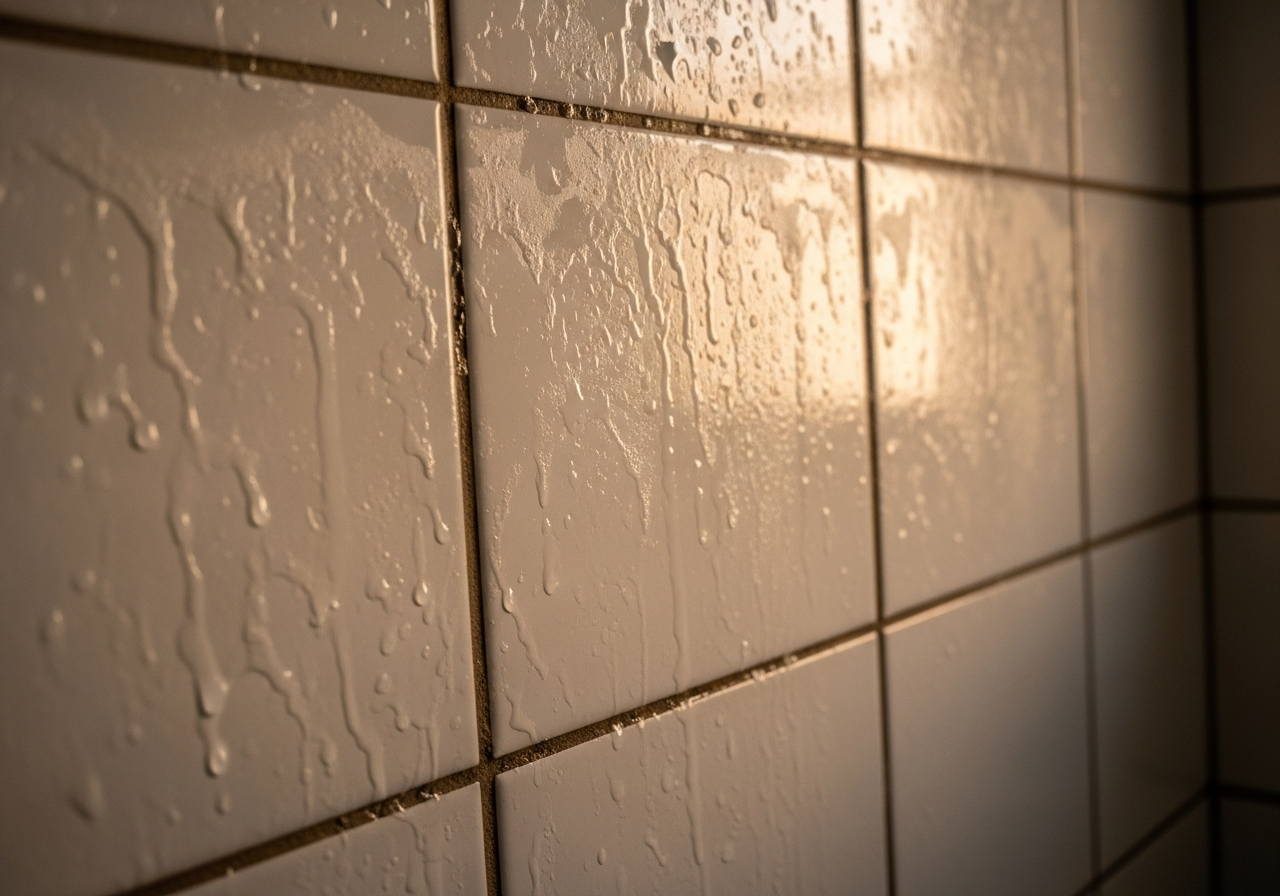
Biofilm presents a different, more insidious challenge than simple dirt. This slime layer is a complex colony of bacteria that adheres to surfaces and secretes a protective, glue-like substance. In the washroom, this often manifests as the pink or orange discoloration seen in the corners of the shower. While it wipes away easily, it returns rapidly because the colony is resilient. True mold, typically black or dark green, is a fungus that roots into porous surfaces. The grout lines between your tiles are the most vulnerable points in the room. Grout is essentially cement, a porous material that absorbs water and organic matter like a sponge. When mold establishes itself in grout, surface scrubbing is often insufficient because the root structure lies deep within the pores. Effective remediation requires penetrating cleaners that can reach the sub-surface level to kill the root, followed by a sealer to lock moisture out.
3.Toilet
The toilet, often viewed as the centerpiece of washroom cleaning, is frequently cleaned incorrectly due to a focus on the visible bowl rather than the invisible hygiene hazards. The mechanics of the flush create what is known as an aerosol plume. When a toilet is flushed with the lid up, microscopic droplets of water mixed with waste are ejected into the air, settling on nearby surfaces. Cleaning the toilet requires a top-down approach that addresses this spread. The most neglected area is the intersection between the toilet base and the floor. This area often accumulates a mix of condensation, dust, and stray urine, creating a persistent odor that no amount of air freshener can mask. Furthermore, the siphon jets—the small holes under the rim where water enters the bowl—often become clogged with mineral deposits and mold, reducing flush power and harboring bacteria. A bent brush is necessary to physically dislodge this buildup.

4.Faucet Aerator
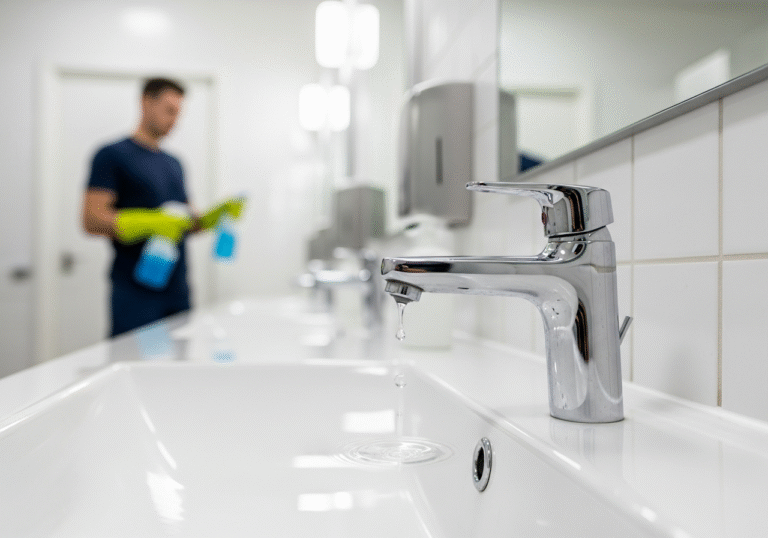
The sink and vanity area suffer from a unique cocktail of toothpaste splatters, hair, and makeup residues. The faucet aerator, the small mesh screen at the tip of the spout, is a hidden trap. It filters sediment from the water lines, but it also creates a damp environment where bacteria can grow. If the water flow seems irregular, it is likely because the aerator is calcified. Unscrewing this piece and soaking it in vinegar is a maintenance step that ensures the water you use to brush your teeth is actually clean. The sink drain, specifically the overflow hole near the top of the basin, is a dark, damp cave that rarely gets cleaned. It creates a perfect breeding ground for biofilm, which releases a musty, sewer-like odor. Pouring a cleaning solution down the overflow and using a small brush to agitate the interior walls is necessary to eliminate this phantom smell.
5.Mirrors and Glass Surfaces
Mirrors and glass surfaces in the washroom are unforgiving of poor technique. The high humidity of the room often causes dust to stick to the glass, creating a muddy streak when wiped with a damp cloth. The secret to streak-free glass is not the chemical, but the tool. Traditional cotton cloths often leave lint or residues that cause streaking. A high-quality microfiber cloth, specifically woven for glass, uses microscopic hooks to lift oils and dust without the need for heavy detergents. Furthermore, the edges of the mirror, where the glass meets the frame, are often prone to corrosion caused by harsh ammonia-based cleaners seeping behind the glass. Cleaners should always be sprayed onto the cloth, never directly onto the mirror.

6.Floor
The floor of the washroom is the final resting place for everything that falls or settles in the room. Because of the high moisture levels, dust on a bathroom floor does not sweep up easily; it smears. This mud-like dust packs into the corners and the grout lines. Mopping is often ineffective because it simply pushes this dirty water around, filling the low-lying grout lines with a slurry of gray filth. True floor hygiene in a washroom requires hand-cleaning the perimeter and the corners where the mop cannot reach. The area behind the toilet, often cramped and difficult to access, is a prime location for dust bunnies to collect moisture and begin to rot. This area should always be cleaned by hand to ensure that the source of potential odors is physically removed.
7. Exhaust Fan
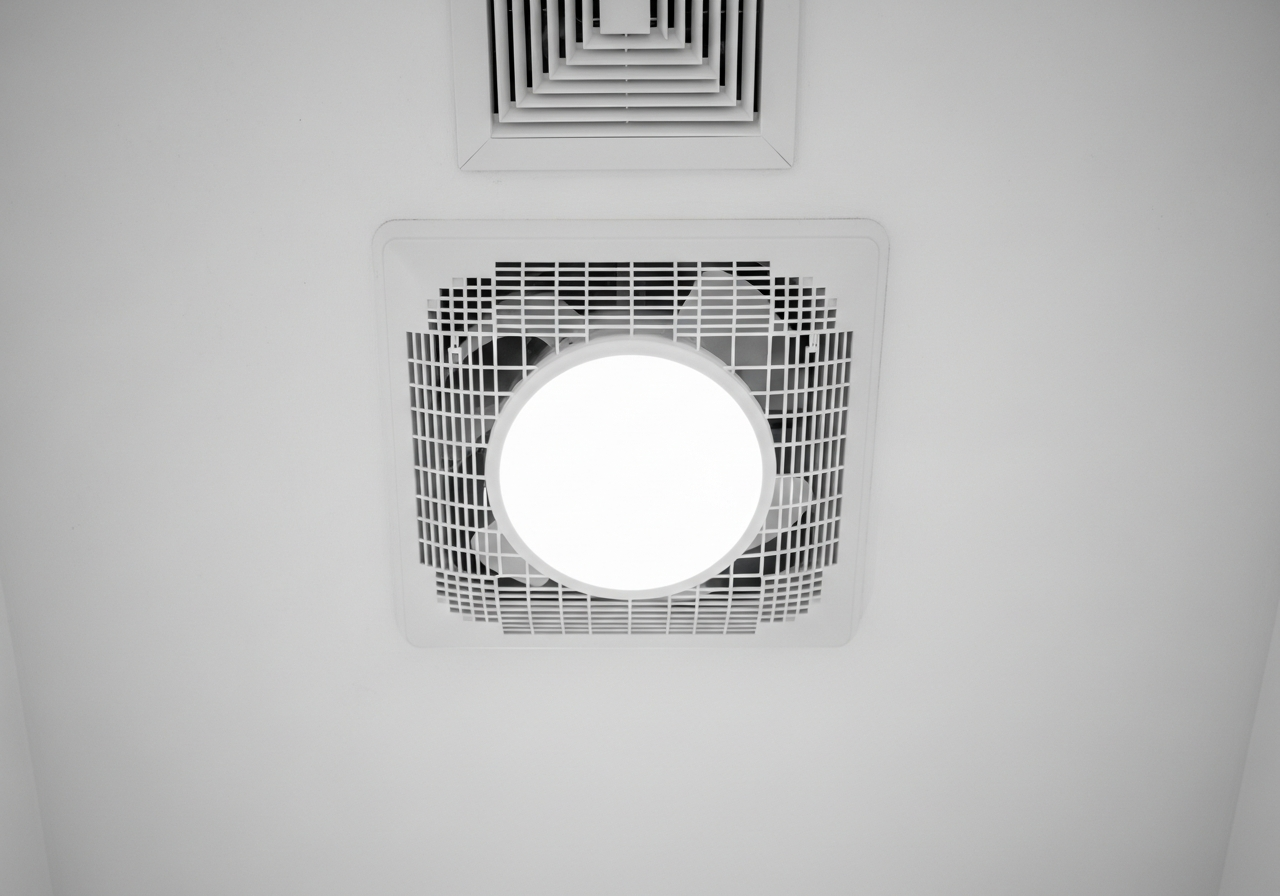
Ventilation is the invisible cleaner of the washroom. The exhaust fan is the single most important tool for preventing mold growth, yet it is rarely maintained. As the fan pulls moist air out of the room, it also pulls in dust and hair spray particles. Over time, the fan blades and the grille become caked with a thick, sticky gray fuzz. This buildup reduces the efficiency of the fan, allowing humidity to linger on the walls and ceiling. Vacuuming the fan grille and removing the cover to wipe the blades is a critical preventative measure. Without effective ventilation, all other cleaning efforts are temporary, as the environment remains hospitable to fungal growth.
8.The Tools
The tools used in the washroom require strict segregation to prevent cross-contamination. A cloth used on the toilet should never touch the sink, the countertop, or the door handle. In a home, distinct cloths must be maintained to ensure that bacteria are not transferred to surfaces where you place your toothbrush or wash your face. Furthermore, the tools themselves must be sanitized. A toilet brush sitting in a holder of stagnant water is a biological hazard. After use, the brush should be rinsed and allowed to dry completely before being returned to its holder.
9.Desinfectant
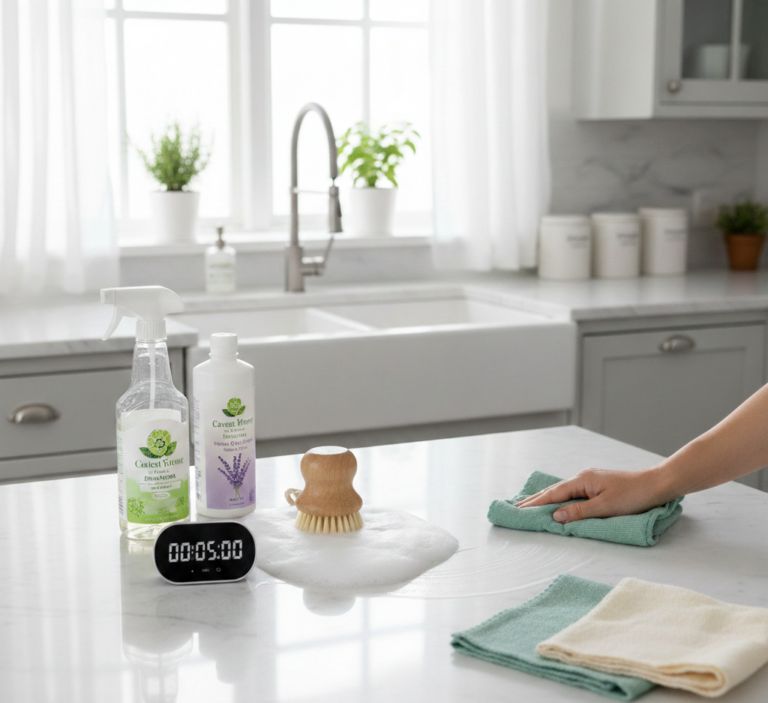
The chemistry of dwell time is perhaps the most overlooked aspect of washroom cleaning. We live in a culture of “spray and wipe,” but disinfection is a biological process that takes time. Almost all disinfectant cleaners require the surface to remain wet for a specific period—usually between three and ten minutes—to effectively kill bacteria and viruses. Spraying a counter and wiping it immediately removes the dirt, but it does not kill the pathogens. The chemical needs time to penetrate the cell walls of the bacteria. For tough jobs like dissolving soap scum or mold, dwell time allows the acid or oxidizer to do the heavy lifting, reducing the amount of physical scrubbing required.
10.Deep Cleaning
The washroom is a dynamic environment where entropy is accelerated by heat and moisture. It degrades faster than any other room in the house. A standard weekly cleaning often only addresses the surface layer, leaving the deep-seated biological and mineral issues to compound over time. Reversing this process requires a deep, restorative approach that tackles the chemistry of the stains and the biology of the growth. It is hard, physical labor that requires bending, scrubbing, and breathing in close quarters with cleaning agents. It is a task that demands respect for the materials and an understanding of the science of sanitation.
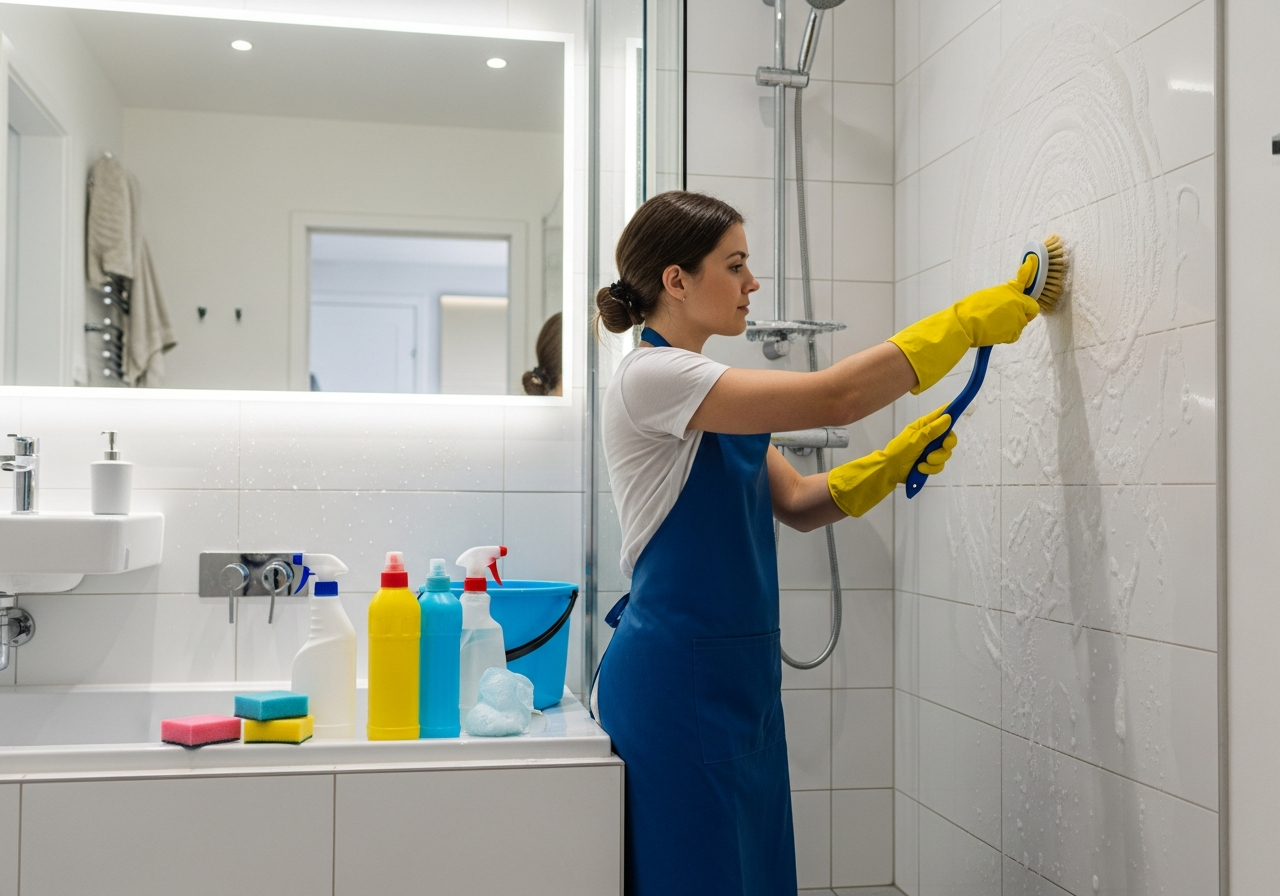
Maintaining a sanitary environment involves managing a thousand small details, and the washroom is the most unforgiving of all spaces. When the accumulation of minerals and biofilm becomes overwhelming, or when the routine maintenance feels like a losing battle against humidity, professional intervention is often the only way to reset the standard. Toronto Shine Cleaning offers a level of service that goes far beyond the cosmetic wipe-down. Just as we have explored the complex chemistry and rigorous mechanical effort required to truly clean a washroom, Toronto Shine Cleaning applies that same expert knowledge to your entire home. Whether it is descaling the shower glass, sanitizing the grout, or ensuring that the hidden corners behind the toilet are immaculate, their professional team has the tools and the expertise to handle the biological warfare of the bathroom.