









Are Everyday Cleaning Products Dangerous to Your Health?
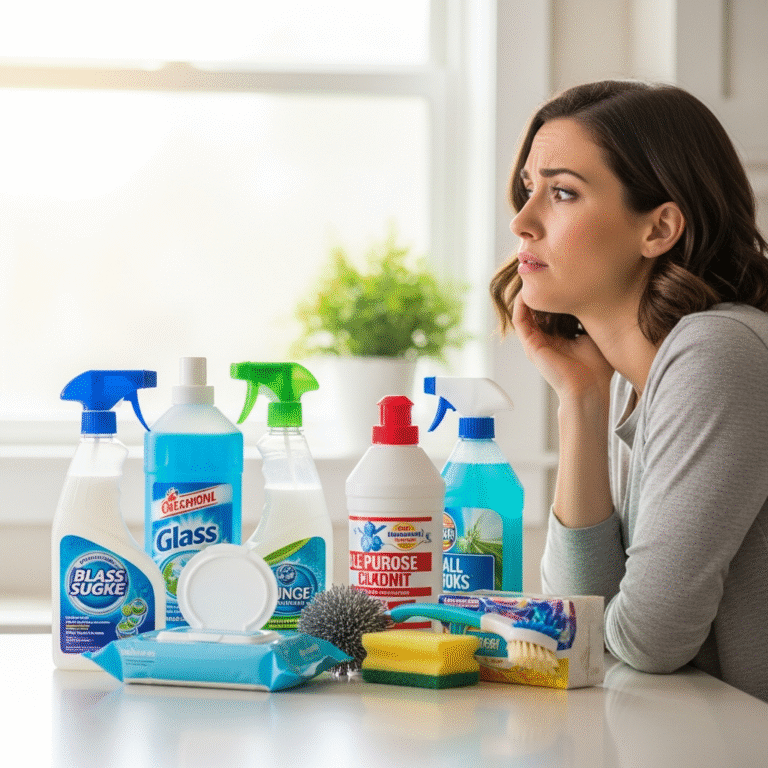
Your home feels like the safe place, sealed off from city pollution. Inside many Toronto houses the opposite is true: the sprays under the sink can make indoor air more toxic than the air outside. Health Canada warns that household chemical products can cause poisonings, burns, fires and explosions when handled unsafely. A strong chemical smell is not proof of clean. Here is what five everyday products actually do, and the simpler habits that keep homes safe.
Five Common Products Dangerous to Your Health
1. Bleach
Bleach, the sodium hypochlorite default against mold, mildew and bathroom grime, is corrosive enough to burn skin and eyes on contact, and it is highly volatile. In a closed shower stall or small bathroom, its fumes react with organic matter and form chlorinated volatile organic compounds that immediately inflame the mucous membranes of the throat and lungs, especially dangerous with respiratory conditions. The deadliest habit is mixing: bleach plus ammonia, which lives in urine and many glass cleaners, generates chloramine gas, and bleach plus an acidic cleaner releases chlorine gas. Both can lead to hospitalization or worse.
2. Ammonia Glass and Window Cleaners
Ammonia is why glass cleaner dries fast without streaks, and why it demands respect. It hunts moisture, so inhaled ammonia attacks the eyes, throat and lungs directly. High concentrations cause chemical burns in the respiratory tract and aggravate chronic conditions like asthma. Trigger-sprays aerosolize it into a fine mist that lingers in your breathing zone. That sharp odor is a warning signal, not evidence the glass needs you.
3. Fragrance, Air Fresheners and Fabric Deodorizers
The word fragrance, or parfum, on a label is a regulatory loophole: scents count as trade secrets, so the hundreds of chemicals behind the scent are never listed. The cocktail commonly includes phthalates, added to make scents linger, which are known endocrine disruptors that mimic hormones and can interfere with reproductive development over long-term exposure. Air fresheners and fabric sprays do not clean anything. Some release agents that deaden your nerves or coat nasal passages with oily film; others bury odors under volatile organic compounds tied to headaches, dizziness and fatigue. Aerosol propellants add flammable lung irritants. The Government of Canada’s household products safety hub lists hazards in everyday cleaning items.
4. Oven Cleaners and Drain Openers
Oven cleaners are built on lye, or sodium hydroxide, which strips baked-on grease by turning it into soap. That same reaction destroys living tissue: splashes cause severe burns and permanent blindness. Spraying a warm oven vaporizes the lye into a toxic cloud that fills the kitchen. Drain openers burn through hair and grease clogs with concentrated sulfuric acid or lye, generating intense heat that can damage old pipes; if a plumber later snakes a surviving clog, the splash-back is caustic.
5. Disinfectant Wipes and Sprays
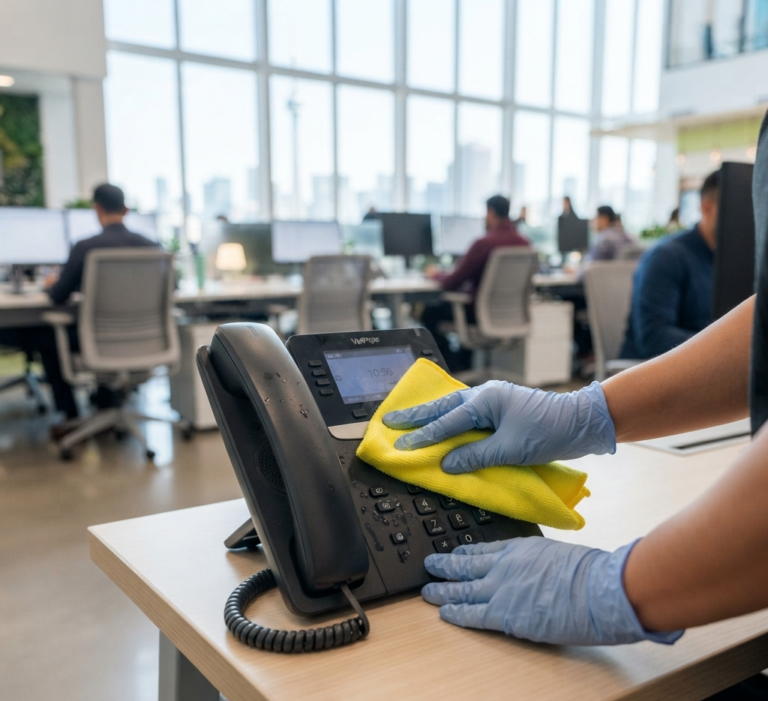
Quaternary ammonium compounds, the quats behind most disinfectant wipes and sprays, kill germs well, but they are powerful lung irritants. Growing evidence suggests frequent exposure can cause asthma even in otherwise healthy users. Quats also leave a residue, and a child who touches a wiped table then sucks their fingers is ingesting a pesticide. Blanketing whole rooms instead of high-touch points adds chemical load and feeds antibiotic resistance.
Two Traps Behind Friendly Labels
Carpet cleaners and upholstery shampoos bring their own risks. Many spot removers rely on perchloroethylene, a dry-cleaning solvent that is a neurotoxin and a classified carcinogen, and across a large floor it keeps off-gassing for days or weeks. Naphthalene, the mothball chemical in some carpet cleaners, releases fumes that can cause confusion, nausea and liver damage. Fibers trap all of it and release it back with every step and sit.
Green labels deserve the same skepticism. The word natural is largely unregulated in cleaning products, and a green bottle can still carry allergens like limonene, a citrus oil that reacts with ozone in your air to form formaldehyde, a known carcinogen. Concentrated plant-based detergents can still irritate skin and lungs. Read the ingredient list, not the leaf on the label.
The Real Risk Is the Daily Total
Toxicologists call the running tally your body burden. One spray does little; a weekly ritual of glass cleaner, floor polish, counter spray, toilet cleaner and air freshener becomes a chemical soup the body must filter. When that load stays high, chronic inflammation, skin conditions and respiratory sensitivity can follow. Children and pets pay the most because smaller bodies and faster metabolisms process the same exposure less efficiently.
Safer Swaps That Still Clean
The most effective cleaner is usually the simplest: mechanical action. Removing dirt beats masking it.
| Instead of | Reach for | Why it works |
|---|---|---|
| Everyday surface sprays | Microfiber cloth, water and real scrubbing | Fibers trap dirt and pathogens, removing more bacteria than a light chemical wipe, with no residue left behind |
| Bleach on general surfaces | Hydrogen peroxide | Disinfects without chlorine fumes or toxic residue |
| Commercial limescale removers | White vinegar | A mild acid that dissolves mineral deposits and soap scum without off-gassing |
| Scouring powders | Baking soda | Gentle physical abrasion for sinks, tubs and baked-on messes |
Ventilation and Protection: The Free Upgrades
Even safe cleaners need discipline. Health Canada’s page on using household chemicals safely covers the buying, use and storage rules that prevent accidents, and these habits carry it into daily practice:
- Ventilate. Never clean a sealed room: open a window and run the exhaust fan, especially in small bathrooms where fume levels spike fastest.
- Protect your skin. It is the body’s largest organ and absorbs chemicals readily, so glove up around degreasers and solvents and wear a mask for concentrated products.
- Remove, don’t mask. The goal is neutral air and residue-free surfaces, not a perfume cloud that signals a fresh chemical dose.
Frequently Asked Questions
Is it really dangerous to mix cleaning products? Yes. Bleach plus ammonia releases chloramine gas, and bleach plus any acidic cleaner releases chlorine gas. Both react within seconds in a closed room and can lead to hospitalization. Use one product at a time and ventilate.
Are fragrance-free products always safe? Not automatically. Perfume-free means no phthalates, but preservatives and surfactants remain, and concentrated formulas still irritate. Read the ingredient list on every bottle, green or not, and never assume natural means harmless.
How do I disinfect without raising asthma risk? Reserve disinfectants for high-touch points like handles, switches and shared remotes, not whole rooms. For daily cleaning, use microfiber and water with good ventilation to lower germ counts without stacking lung irritants in your air.
Clean Without the Hazard List
If your under-sink arsenal reads like a warning label, a professional reset clears both the buildup and the habit. Toronto Shine Cleaning removes contaminants instead of perfuming over them, and we are bonded and insured with a $1,000,000 policy and a $10,000 accidental breakage bond. Book a deep cleaning, set up a recurring maid service, or compare plans on our pricing page. Call (647) 424-0355 to talk through your sensitivities first.