










Blankets are perhaps the most intimate object in the domestic ecosystem. It is the vessel of comfort, the shield against the cold, and the companion to our most vulnerable moments of sleep and relaxation. Unlike the bedsheets, which are generally subjected to a rigorous weekly washing cycle, the blanket often occupies a hygienic gray zone. We wrap ourselves in it daily, dragging it from the bed to the sofa, sharing it with pets, and occasionally spilling coffee or tea on its fibers. Yet, because it does not sit directly against the mattress, we frequently underestimate the biological load it carries. A blanket is a trap for dead skin cells, body oils, dust mites, and pet dander. Over time, this accumulation does not just create a musty odor; it degrades the fabric, matting the fibers and reducing the thermal efficiency of the item. Restoring a blanket to its original state of softness and sanitation requires a nuanced approach that respects the diversity of materials found in the modern linen closet.
1.Synthetic Fleece
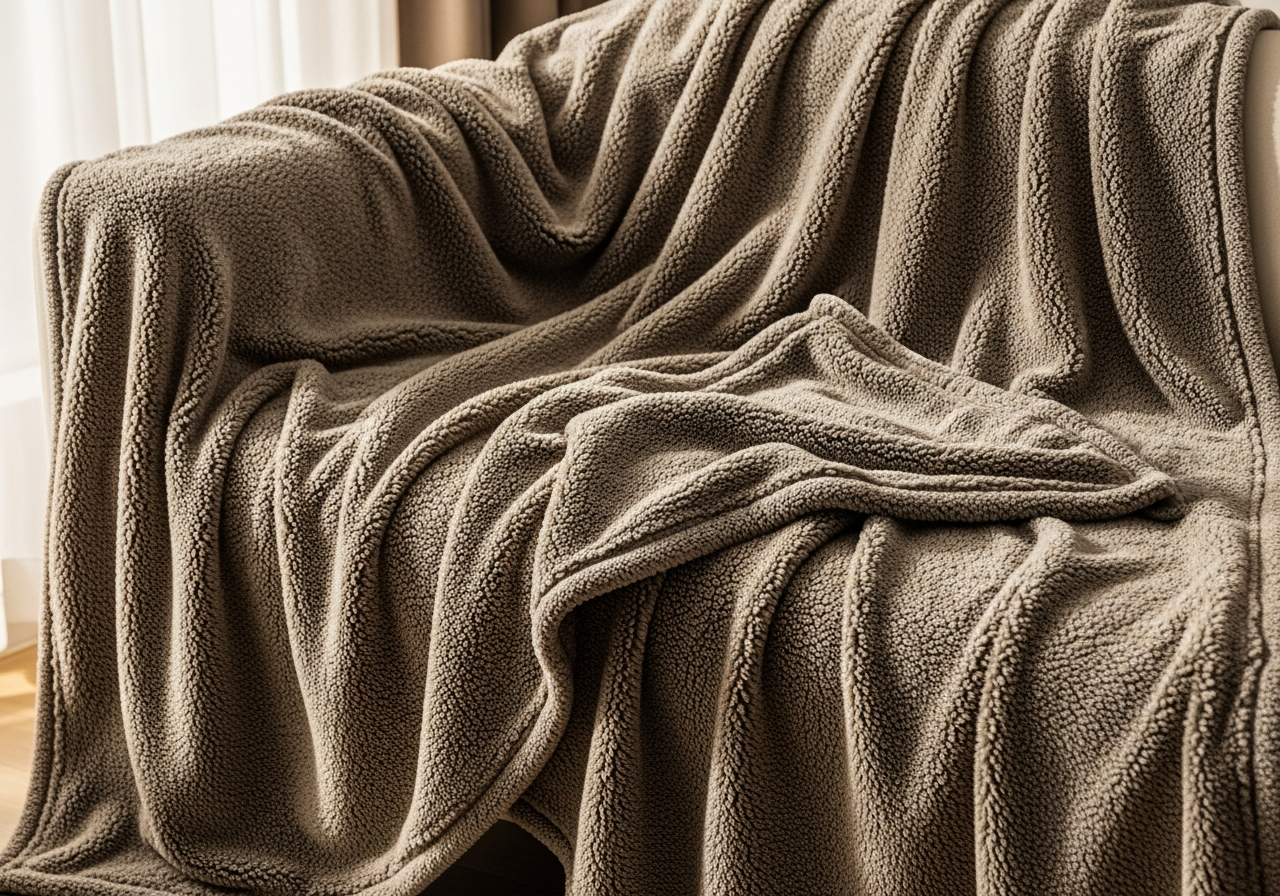
The cleaning process must begin with a proper diagnosis of the material. Treating a heavy wool heirloom with the same aggression as a synthetic fleece throw is a recipe for disaster. The most common household blanket is the synthetic fleece or microfiber. These are durable, warm, and generally hydrophobic, meaning they repel water. However, their texture acts as a magnet for hair, lint, and static electricity. The greatest mistake made when washing fleece is the use of high heat and fabric softener. Fleece is essentially made of plastic fibers. When exposed to high heat in a dryer, these fibers can slightly melt or fuse at the tips, creating a rough, scratchy texture that can never be reversed. Furthermore, fabric softener coats these fibers in a waxy lipid layer. While this might feel soft initially, it eventually builds up, trapping dirt and making the blanket less breathable and more flammable. Fleece should always be washed in cold water with a small amount of mild detergent and an extra rinse cycle to ensure no soap residue remains to irritate the skin.
2.Wool Blankets
Wool blankets represent the opposite end of the spectrum. Wool is a protein fiber with a scaled structure similar to human hair. It is naturally antimicrobial and resistant to odors, which means it requires washing far less frequently than synthetics. However, when it does need cleaning, the stakes are high. The combination of heat, moisture, and agitation causes the scales on the wool fibers to lock together, a process known as felting. Once a wool blanket has felted, it shrinks dramatically and transforms from a soft, draping fabric into a stiff, thick mat. To wash wool safely, one must minimize agitation. If using a machine, it must be on a specific wool or hand-wash cycle with cold water. Ideally, wool should be washed by hand in a bathtub using a detergent specifically formulated with lanolin, the natural oil that keeps wool soft. Never wring out a wool blanket; twisting the wet fibers will break them. Instead, press the water out gently and roll the blanket in heavy towels to extract moisture before laying it flat to dry. Hanging wet wool will cause it to stretch under its own weight, ruining the rectangular shape.
3.Heavy Blanket
The weighted blanket has become a staple for anxiety relief and better sleep, but it presents a massive logistical challenge for cleaning. These blankets are filled with glass beads or plastic pellets distributed in sewn pockets. The sheer weight of the item—often fifteen to twenty pounds—can destroy the motor of a standard residential washing machine or throw the drum off balance during the spin cycle. Before attempting to wash a weighted blanket, you must verify the weight capacity of your machine. If the blanket exceeds twenty pounds, it is safer to take it to a laundromat with industrial-sized machines. Furthermore, you must check the fill material. Plastic pellets are generally washable, but they can melt in a hot dryer. Glass beads are durable but heavy. The drying process for a weighted blanket is a multi-day affair. It must be air-dried to prevent damage to the inner lining that holds the beads. If the lining rips, the beads will leak out, ruining the blanket and potentially damaging the machine.
4.Electric Blankets
Electric or heated blankets add a layer of electrical complexity to the wash. Many people assume these cannot be washed, but most modern electric blankets are designed to be submerged, provided the control cord is detached. The internal wiring is insulated against water. However, the internal wiring is not insulated against the violent twisting of a spin cycle. The danger with electric blankets is not the water; it is the mechanical stress breaking the fine heating wires inside the fabric. These blankets should be washed on the gentlest cycle possible with warm water and never, ever dry cleaned. The harsh solvents used in dry cleaning can dissolve the insulation on the wires, creating a severe fire hazard. Drying must be done carefully, usually by partially drying in a machine on low heat and finishing by air drying. The blanket must be completely bone dry before it is plugged in again; any residual moisture near the connection point can cause a short circuit.

5.Comforters
Down comforters and duvet inserts require a strategy focused on loft. Down clusters are nature’s insulators, trapping warm air. When they get wet, they collapse into heavy, sodden clumps. If these clumps are not dried thoroughly and agitated during the drying process, they will develop mildew inside the blanket, ruining the item. Washing down requires a specialized detergent that does not strip the natural oils from the feathers. The drying phase is critical and requires clean tennis balls or wool dryer balls. These balls bounce around the dryer drum, pounding the blanket to break up the wet clumps of feathers and redistribute them evenly. Without this agitation, the down will dry in hard lumps, leaving the blanket flat and cold.
6.Cotton Blankets
Cotton blankets, such as cellular blankets or heavy quilts, are often viewed as low-maintenance, yet they are prone to shrinkage. Cotton fibers swell when wet and contract when dried with heat. A king-sized cotton blanket can easily shrink to a queen size if blasted in a hot dryer. To preserve the dimensions, cotton should be washed in cool or warm water and dried on low heat until it is slightly damp, then air-dried the rest of the way. This prevents the “over-drying” that locks in shrinkage. Furthermore, heavy cotton quilts become incredibly heavy when wet, which can strain the seams and stitching. Supporting the weight of the wet blanket when removing it from the washer is important to prevent popping stitches.
7.Stain Removal
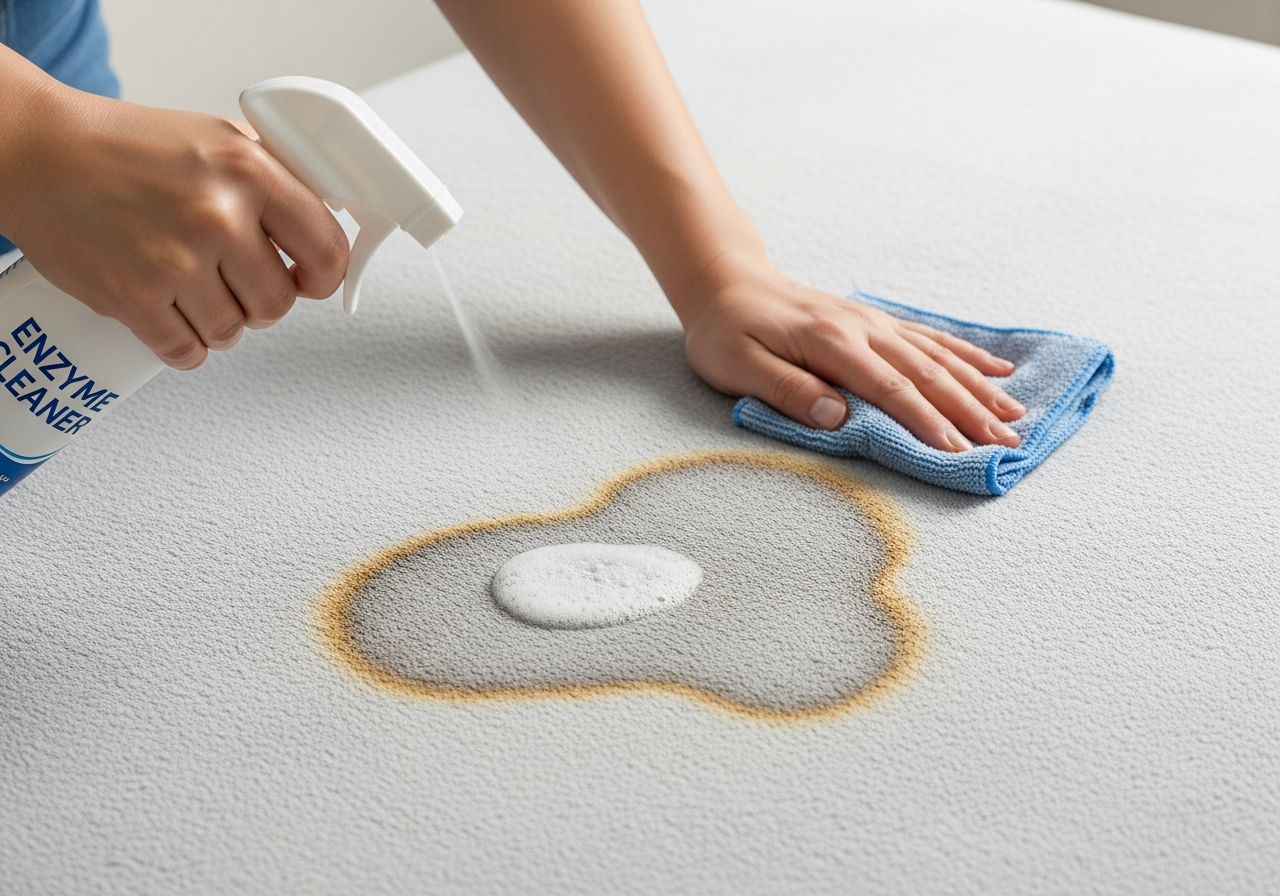
Stain removal on blankets is often complicated by the thickness of the fabric. A spill on a sheet goes right through; a spill on a blanket soaks in. Spot cleaning is often the best first line of defense, especially for large items that are difficult to wash. The key is to draw the stain out, not rub it in. Blotting with a clean white cloth and a mild cleaning solution is effective. For organic stains like sweat or body oils, an enzyme-based cleaner is superior to soap, as the enzymes digest the protein structures of the stain. For blankets that have developed a general musty smell but are not visibly dirty, UV sterilization is a powerful, chemical-free tool. Hanging a blanket outside on a sunny, breezy day allows ultraviolet light to kill bacteria and the fresh air to carry away odors. This “sun bath” is particularly effective for wool and vintage quilts that cannot withstand frequent washing.
8.Storage
Storage is the final component of blanket hygiene. Storing a blanket that holds even a hint of moisture is a guarantee of mold growth. Blankets must be one hundred percent dry before being folded. Furthermore, blankets should be stored in breathable containers, such as cotton bags or pillowcases, rather than airtight plastic bins. Natural fibers need to breathe. If sealed in plastic, any residual humidity can turn into mildew, and the lack of airflow can yellow fabrics over time. Cedar blocks or lavender sachets are preferable to mothballs, which leave a toxic chemical odor that is nearly impossible to remove.
9.Frequency of Cleaning
The frequency of cleaning depends on usage. A top sheet protects the blanket from direct skin contact, allowing the blanket to go months without washing. However, throw blankets in the living room, which come into direct contact with skin, hair, and pets, should be washed monthly. The visual cue of a clean blanket is its texture; it should look fluffy, vibrant, and free of pilling. Pilling—the formation of small fuzzballs—is caused by friction during use and washing. A fabric shaver can restore the appearance of a blanket, removing the pills and making the surface smooth again.
10.Final Analysis
Ultimately, the care of blankets is an exercise in material preservation. It is about understanding that different fibers react differently to water, heat, and agitation. By tailoring the cleaning method to the specific needs of the blanket—whether it is the gentle soaking of wool, the cold washing of fleece, or the careful drying of down—you extend the life of these comfort objects. A well-maintained blanket does not just look better; it performs better, retaining heat more efficiently and feeling softer against the skin. It transforms the act of sleep or relaxation from a mundane necessity into a hygienic, luxurious experience.

Maintaining the soft goods of a home, from the heavy duvets to the delicate throws, is a time-consuming and often technically difficult aspect of housekeeping. The sheer volume of laundry involved, combined with the risks of ruining expensive items through improper washing, can be daunting. When the laundry pile becomes a mountain, or when you simply want to ensure your home is sanitized to the highest standard, professional support is the solution. Toronto Shine Cleaning offers a level of service that goes beyond the surface. We understand that a clean home includes the textiles that touch your skin. Just as we have explored the intricate care required for different types of blankets, Toronto Shine Cleaning applies that same rigorous attention to detail to every aspect of your living space. Whether you need a deep seasonal clean to refresh your home for the winter or regular maintenance to keep dust and allergens at bay, our professional team has the expertise to handle the heavy lifting.