









Pollen season is approaching, the last traces of winter snow are receding, and the first timid buds are appearing on the trees, a palpable sense of relief and optimism fills the air. April in Canada is a month of renewal, a time when we collectively shake off the lethargy of hibernation and eagerly anticipate the warmth of the coming seasons. However, for millions of allergy sufferers, this same period marks the beginning of the “allergy gauntlet.” The very air that signifies rebirth is suddenly laden with an invisible assault of pollen from trees like birch, maple, and oak. This airborne barrage transforms the simple act of breathing into a battle, triggering itchy eyes, sneezing, and respiratory distress. While we cannot control the pollen count outdoors, we possess a significant degree of control over the environment within our own homes. Creating a “safe zone” or a low-allergen sanctuary is not just about popping an antihistamine; it is a strategic cleaning mission designed to remove the reservoirs where pollen accumulates and to filter it from the air you breathe.
The Invisible Enemy
To effectively combat seasonal allergies indoors, one must first understand the enemy’s mode of transport. Pollen particles are microscopic, lightweight, and designed by nature to travel long distances on the wind. They enter our homes through open windows and doors, but they also hitch a ride on our clothing, our hair, and the fur of our pets. Once inside, they do not simply vanish. They settle, and their primary target is the soft, fibrous surfaces of the home. Carpets, area rugs, upholstered furniture, and heavy drapery act as giant, passive traps. Their woven texture is perfect for grabbing and holding onto these tiny irritants. A standard household cleaning routine, which might involve a quick pass with a vacuum, is often insufficient to deal with this seasonal influx. The suction might lift the loose debris from the surface, but it rarely has the power to extract the deep-seated allergens that have been ground into the base of the carpet pile or embedded in the dense foam of a sofa cushion.
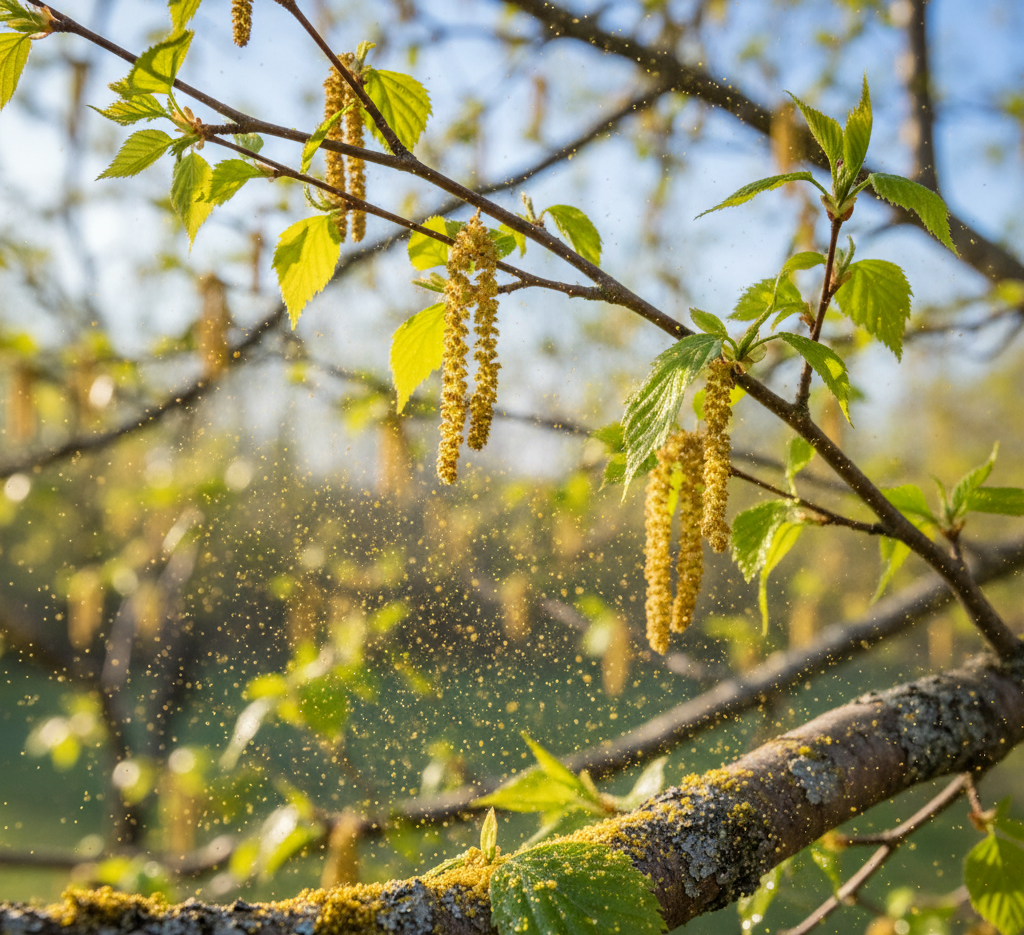
The cornerstone of an effective allergy defense is the elevation of your vacuuming game. This begins with the machine itself. A vacuum cleaner without a HEPA (High-Efficiency Particulate Air) filter is not a cleaning tool; it is a dust redistribution device. A standard filter can trap larger particles like pet hair and crumbs, but microscopic allergens like pollen and dust mite waste are often small enough to pass right through the motor and be blasted back into the room’s air. A HEPA filter is certified to capture 99.97% of particles as small as 0.3 microns, effectively trapping the pollen rather than recirculating it. In April, vacuuming frequency must increase. High-traffic carpeted areas should be vacuumed at least twice a week. Furthermore, the technique matters. Slow, overlapping passes allow the vacuum’s brush roll and suction to agitate and lift particles from deep within the fibers. Rushing the job only cleans the surface.
Vacuum Cleaner
Beyond the floors, upholstery requires dedicated attention. Every time you sit on a sofa, you are compressing the cushions like a bellows, puffing out a cloud of trapped dust and pollen into the air. Using the upholstery attachment on your vacuum to clean sofas, armchairs, and even fabric headboards on a weekly basis is crucial. For a deeper clean, hot water extraction (often called steam cleaning) is the only method that truly flushes out the accumulated allergens. This process injects hot water and a cleaning solution deep into the fabric and immediately extracts it with powerful suction, pulling the dissolved soil and biological matter out with it. A professional extraction clean in April effectively “resets” your furniture for the allergy season.
The second major reservoir for pollen is the bedding. We spend a third of our lives in bed, with our faces pressed against pillows and sheets. Pollen that has been collected on our hair and skin during the day is transferred directly to the pillowcase. During spring, bedding should be washed more frequently, at least once a week, in hot water. The hot water is necessary to kill dust mites and denature the protein structure of the pollen grains. Furthermore, the pillows and the duvet themselves, which often only get washed seasonally, must be addressed. If they are machine washable, they should be laundered to remove the allergens that have accumulated over the winter. If not, a session in a hot dryer for twenty minutes can help kill dust mites.
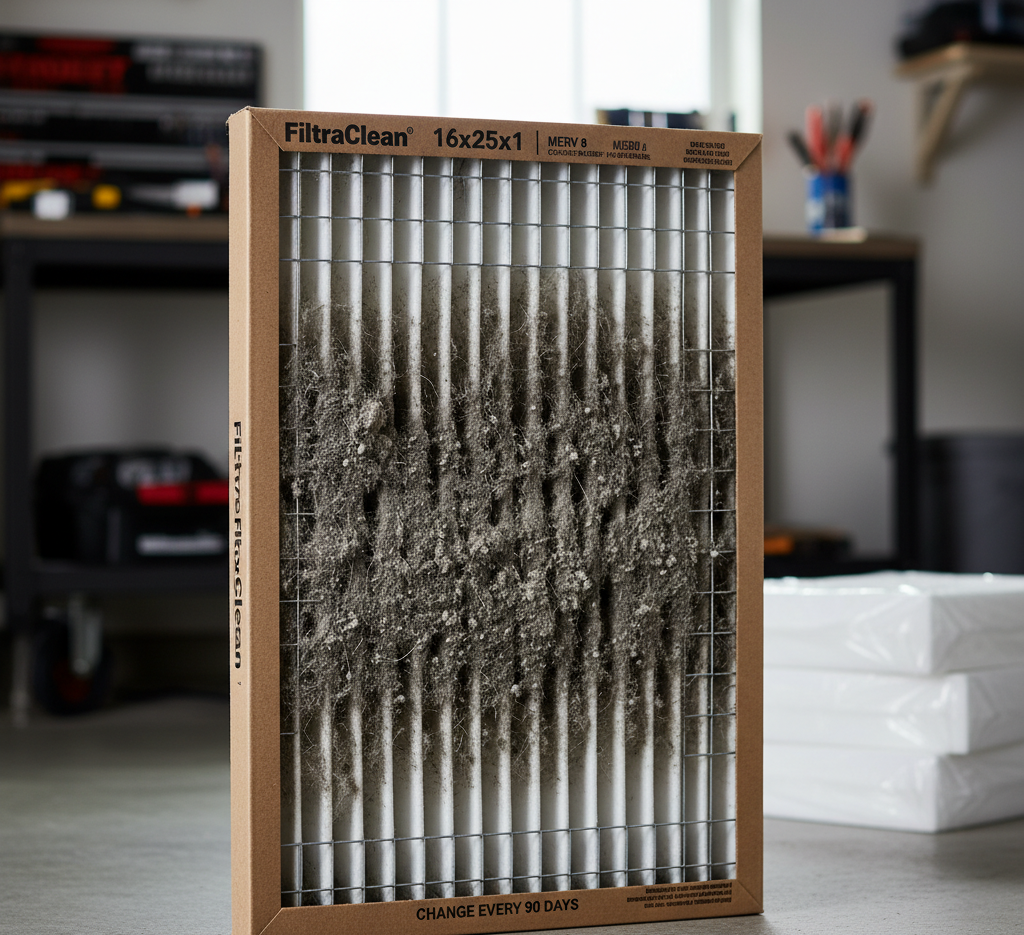
Furnace Filter
The “lungs” of your home—the HVAC system—play a pivotal role in either spreading or trapping allergens. The furnace filter is the gatekeeper. After a long winter of filtering the recirculated air, the filter is likely clogged with a thick mat of dust. A clogged filter not only strains the furnace motor but also becomes ineffective at capturing new particles. April is the mandatory month to change your furnace filter, and it is wise to invest in a high-quality filter with a MERV (Minimum Efficiency Reporting Value) rating of 11 or higher. These filters are specifically designed to trap smaller particles like pollen and mold spores. Additionally, the intake and output vents throughout the house should be vacuumed. The grilles of the cold air returns are often coated in a layer of dust that gets sucked into the system every time the furnace kicks on. Removing this source material improves the overall efficiency of your filtration.
The final and perhaps most overlooked battlefront is the “high dust” zones. These are the surfaces that are above eye level and out of the daily line of sight: the tops of kitchen cabinets, the tops of door frames, the blades of ceiling fans, and high window ledges. Gravity and the convection currents from your heating system deposit a fine layer of dust on these surfaces all winter long. When you finally throw open the windows to let in the spring breeze, the draft disturbs this settled dust, sending it cascading down into the air. Before you open the windows for the season, a top-to-bottom dusting strategy is required. Using an extendable duster or a vacuum with a brush attachment, you must clear these high altitudes. This preventative measure ensures that the fresh air you let in remains fresh, rather than becoming a vehicle for mobilizing old dust.
There is also a strategic element to how you interact with the outside world during peak pollen season. Implementing a “de-pollination” protocol at the entryway of your home can significantly reduce the amount of allergens tracked inside. This involves creating a designated zone for removing shoes, which carry a heavy load of pollen from lawns and sidewalks. Placing a sticky mat inside the door can help capture particles. Furthermore, if you have spent significant time outdoors, changing your clothes immediately upon returning home and putting them directly into the laundry hamper prevents the pollen on your shirt and pants from being distributed onto the furniture. Rinsing your hair before bed is another effective tactic to avoid transferring pollen from your head to your pillow.
Final Analysis
Ultimately, creating an allergy-safe sanctuary is a game of management. It is about understanding that allergens are physical particles that can be trapped, contained, and removed. While the battle against the outdoor pollen cloud is unwinnable, the battle for clean indoor air is entirely within your control. It requires a more rigorous, more detailed, and more frequent cleaning regimen than at any other time of year. It transforms cleaning from an aesthetic chore into a vital health practice.
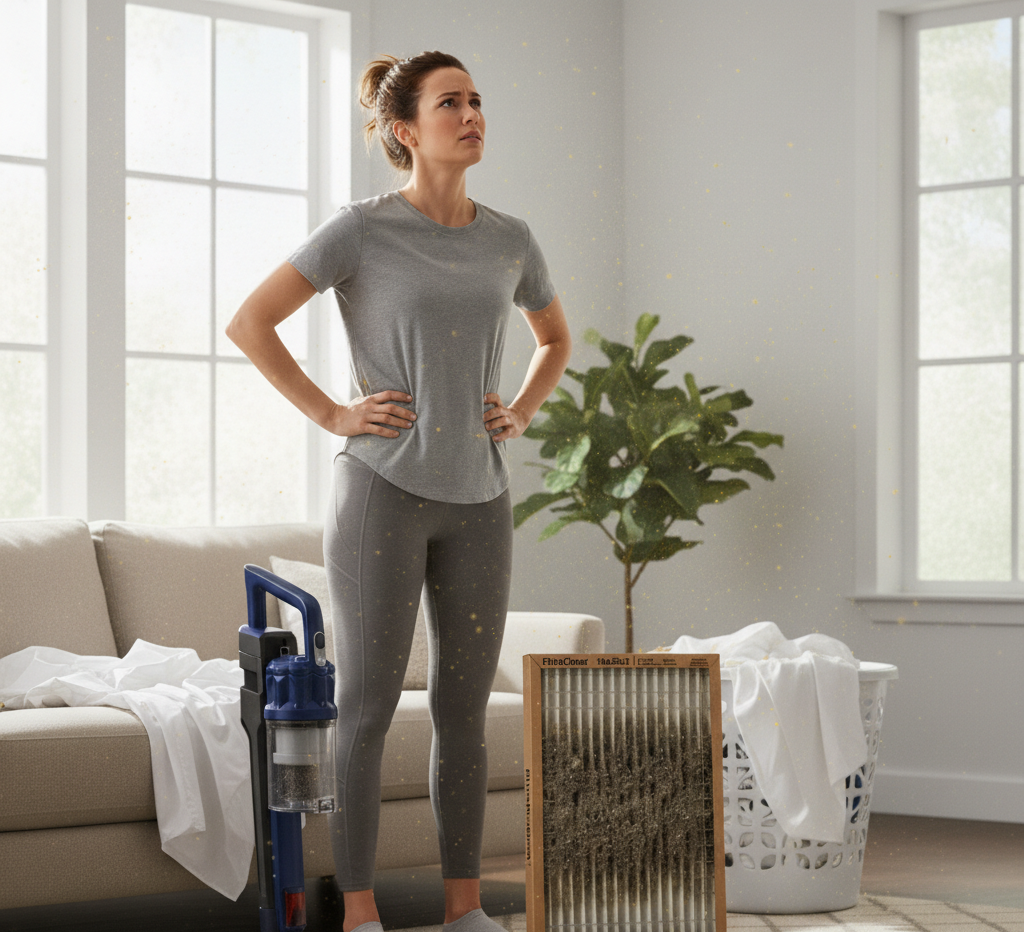
However, the sheer volume of work required to execute a comprehensive anti-allergen deep clean can be overwhelming, especially when you are already feeling the physical effects of allergy season. The deep extraction of carpets, the meticulous dusting of high surfaces, and the laundering of heavy bedding is a significant labor investment. When the thought of tackling this on your own feels like too much, professional assistance is the most effective solution.
Toronto Shine Cleaning understands that a clean home in the spring is a healthy home. We specialize in the deep, restorative cleaning that goes beyond the surface to target the microscopic irritants that trigger allergies. Our professional team utilizes HEPA-filter vacuums to capture allergens rather than recirculating them. We offer hot water extraction services for carpets and upholstery that flush out the deep-seated pollen and dust that household machines leave behind. We handle the high dusting and the detailed vent cleaning that improves your indoor air quality from the top down. By entrusting your spring clean to Toronto Shine Cleaning, you are not just tidying your house; you are creating a sanctuary for your respiratory health. Let us handle the dust, so you can breathe easier and truly enjoy the arrival of the new season.