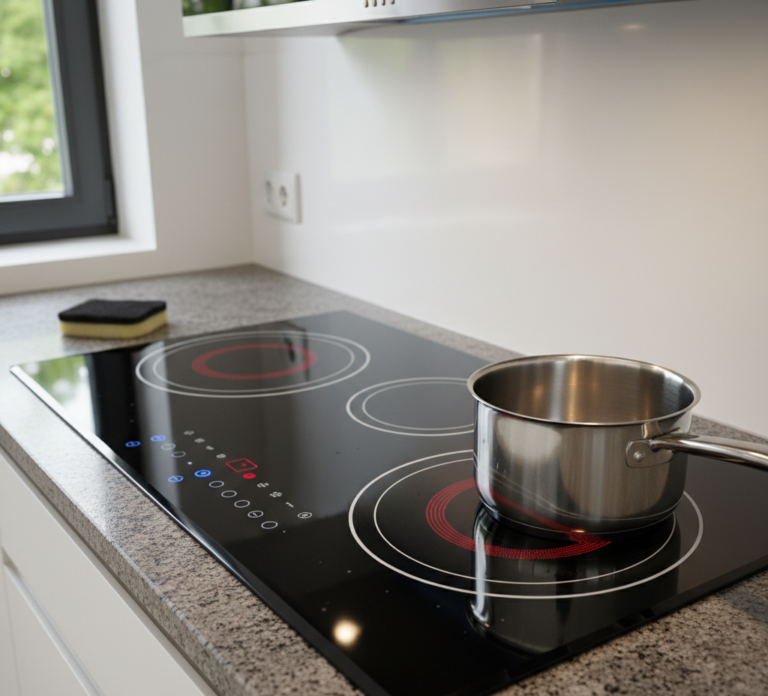










The glass stovetop, also known as the ceramic or glass-ceramic cooktop, is the epitome of modern kitchen design. Its sleek, black, uninterrupted surface offers a minimalist aesthetic that is both beautiful and, in theory, easy to clean. Unlike the coils and grates of traditional electric or gas ranges, which create a complex geography of hard-to-reach crevices, the flat plane of a glass stovetop promises a simple wipe-and-go experience. However, any owner of this appliance knows that this promise is conditional. While a brand-new glass stovetop is a joy to behold, a neglected one can quickly become a landscape of stubborn, baked-on messes, hazy white films, and microscopic scratches that permanently dull its shine. The key to maintaining that factory-new gleam lies in understanding the specific chemistry of the material and the physics of the soil that adheres to it. Cleaning a glass stovenol is not a battle of brute force; it is a science of solvency and precise mechanical leverage.
Vitroceramic
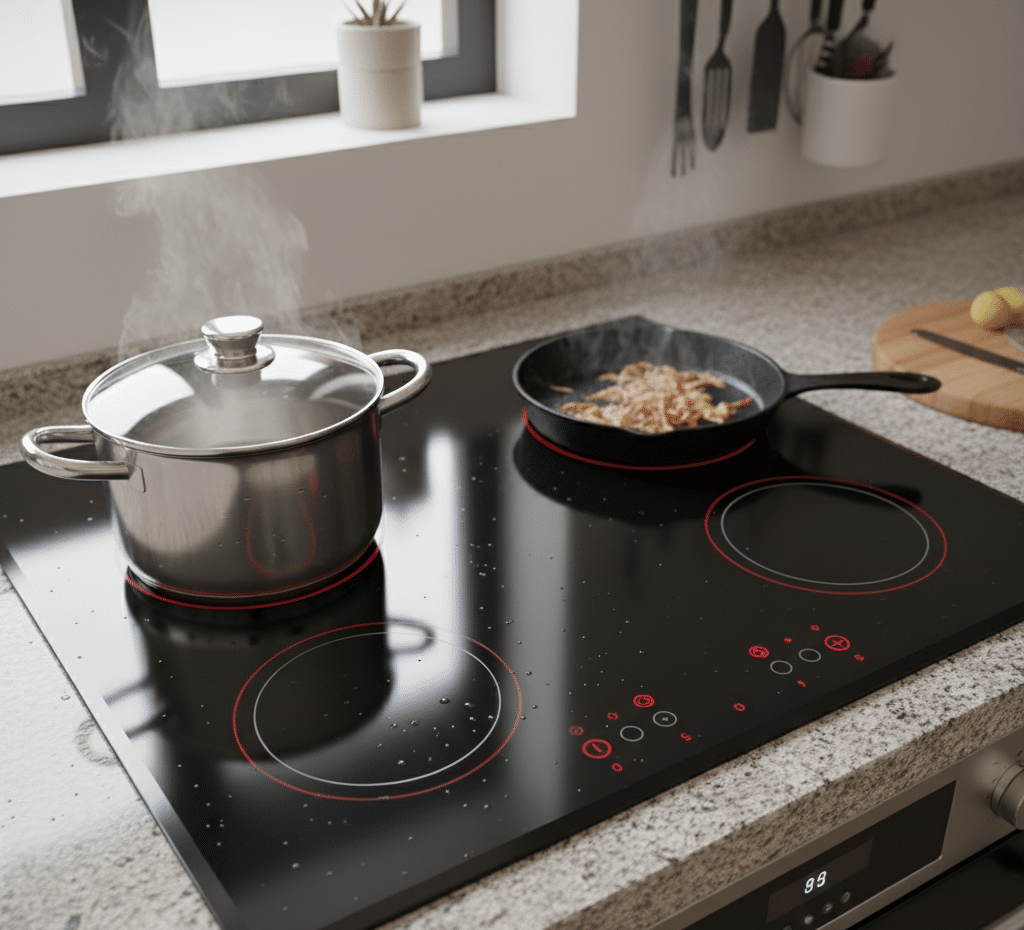
To clean a glass stovetop effectively, one must first appreciate the nature of the material. It is not ordinary window glass. It is a specialized ceramic glass engineered to withstand extreme and rapid temperature fluctuations without shattering. This “vitroceramic” material is incredibly hard and durable, but it is not impervious to damage. Its greatest vulnerability is scratching. The mistake that ruins most cooktops is the use of abrasive cleaners or scrubbing pads. A green scouring pad, a steel wool ball, or a powdered abrasive cleanser will act like sandpaper on the surface. While they may successfully remove the burnt-on food, they will leave behind a network of fine scratches. These micro-abrasions scatter the light, creating a dull, hazy appearance that can never be polished out. Furthermore, these scratches create microscopic valleys where future spills can get trapped, making the glass stovetop even harder to clean next time.
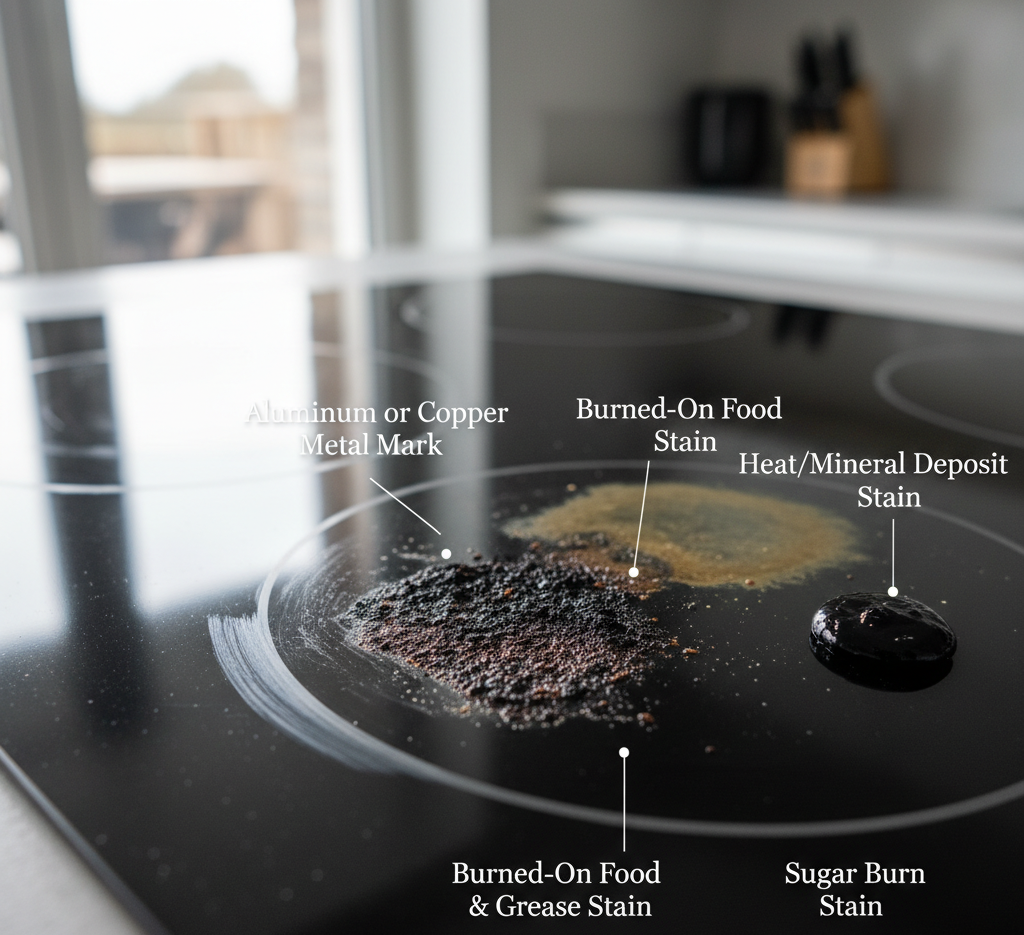
The most common enemy of a glass stovetop is the boil-over. When a pot of starchy pasta water or sugary sauce bubbles over and hits the hot surface, the liquid evaporates instantly, leaving behind a carbonized crust that fuses to the glass. To the touch, this crust can feel as hard as concrete. The instinct is to scrub it, but the correct approach is a two-step process that combines chemical softening with mechanical shearing.
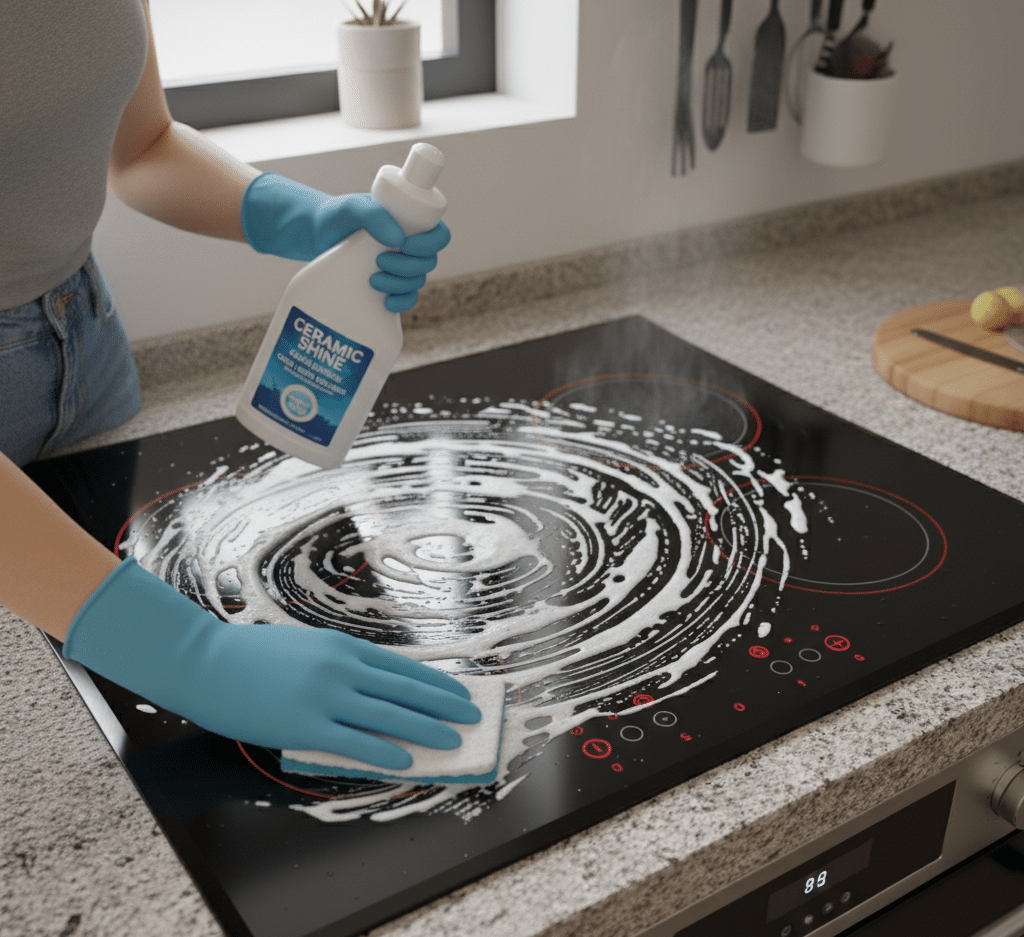
The chemical softening phase involves using a specialized cleaner formulated for a glass stovetop. These are usually creamy, non-abrasive polishes that contain mild solvents and conditioners. The cream should be applied generously to the cool cooktop and spread over the burnt areas. The active ingredients need “dwell time” to work. They must sit on the stain for at least fifteen minutes to penetrate the carbon and begin to break down its molecular structure. Simply wiping the cleaner on and off immediately does nothing.
Homemade Solution
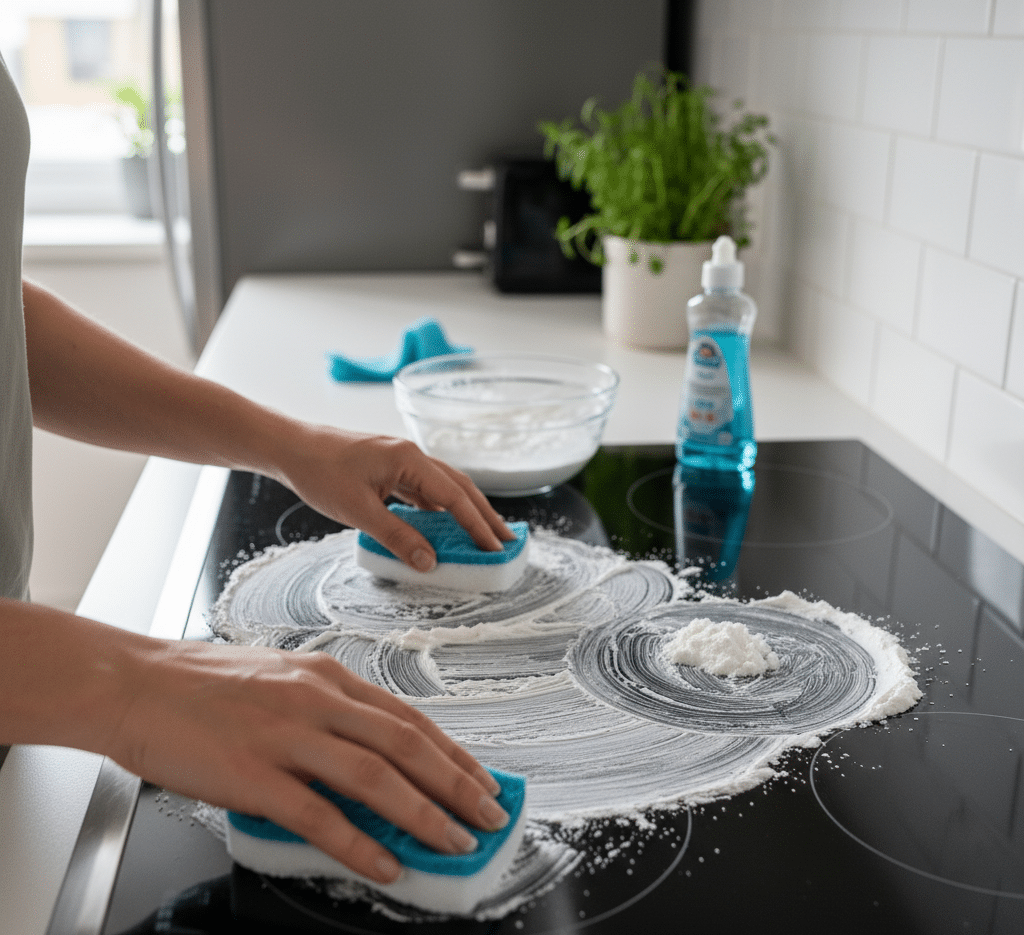
For those who prefer a pantry solution, a paste of baking soda and water is an excellent non-toxic alternative. The baking soda is alkaline, which helps to dissolve the acidic components of the burnt food, and its fine crystalline structure provides a gentle abrasion that is safe for the glass. This paste should also be allowed to sit and soften the debris. Some users enhance this method by spraying a light mist of white vinegar over the baking soda paste, creating a fizzing reaction that helps to lift the stain. However, the true power of the baking soda lies in its alkalinity and gentle scrubbing action.
Once the chemical agents have had time to work, the mechanical shearing phase begins. This is where the single most important tool for glass stovetop maintenance comes into play: the razor blade scraper. While the idea of taking a metal razor to a glass surface sounds terrifying, it is the method recommended by almost every manufacturer. The key is that the steel of the razor blade is softer than the ceramic glass. When held at a shallow, forty-five-degree angle, the blade slides underneath the softened, burnt-on food, lifting it off the surface in a single sheet or flake. It does not scratch because it is not grinding; it is shearing.
Using a scraper requires lubrication. It should never be used on a dry surface. The cleaning cream or the baking soda paste acts as a lubricant, allowing the blade to glide smoothly. The motion should be a firm, forward push. Never drag the blade backward, as this can cause the edge to chip, and a chipped blade will scratch the glass. After each pass, wipe the debris from the blade. This process removes the physical mass of the burn that no amount of scrubbing could touch.
Sugar
There is, however, a specific type of spill that requires immediate, urgent attention: sugar. If a sugary liquid, such as syrup, jam, or the juice from a fruit pie, spills onto a hot glass stovetop, you must act while it is still hot. As sugar cools, it can form a bond with the glass that is so strong it can actually cause the surface to pit or crack upon contraction. Keeping a razor blade scraper handy and, while wearing an oven mitt, carefully scraping the hot sugar off the surface immediately is the only way to prevent this permanent damage.
Beyond the dramatic spills, a glass stovetop is often plagued by a subtle, hazy white film. This is usually caused by two things: mineral deposits from hard water or the use of aluminum or copper-bottomed pans. When water boils over, the calcium and magnesium in the water are left behind, creating a cloudy residue. This mineral scale is alkaline, so it requires an acid to dissolve it. A wipe-down with a cloth soaked in white vinegar will usually cut through this haze instantly.
Metal Deposits
The marks left by aluminum or copper pans are different. They are not stains; they are microscopic metal deposits. When the soft metal of the pan rubs against the hard glass, it leaves a trace of itself behind, much like a pencil leaves graphite on paper. These silvery or coppery streaks cannot be removed with standard cleaners. They require a mild abrasive polish, such as the aforementioned specialty cooktop cleaners or a paste of baking soda, to physically buff the metal off the surface.
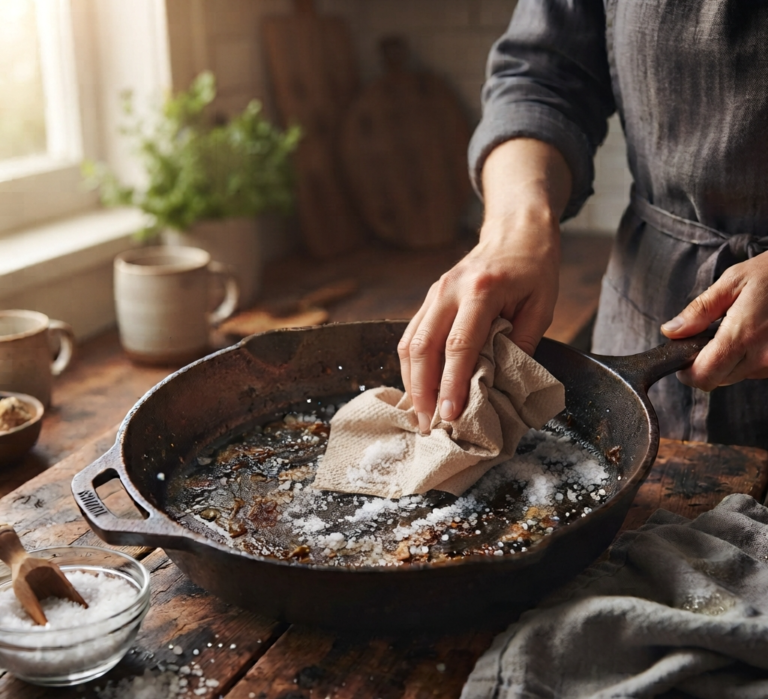
Prevention is a critical component of maintaining a glass stovetop. The cleanliness of your cookware matters. If the bottom of your pot is dirty or has burnt-on residue, that residue will transfer to the cooktop and burn onto it. Always start with a clean, dry pan. Avoid sliding pots and pans across the surface, especially heavy cast iron, which can easily cause scratches. Lift, do not slide. Also, be mindful of salt and sugar crystals. A single grain of salt or sugar caught under a heavy pot can act like a piece of sandpaper, creating a deep scratch when the pot is moved.
The daily cleaning routine for a glass stovetop should be simple and non-abrasive. After the cooktop has cooled completely, a spray of a pH-neutral cleaner or a vinegar and water solution, followed by a wipe with a clean microfiber cloth, is all that is needed to remove fingerprints and light grease. Microfiber is ideal because it traps oils and does not leave lint behind. For a streak-free shine, a final buff with a dry microfiber cloth polishes the surface.
Stove Edges
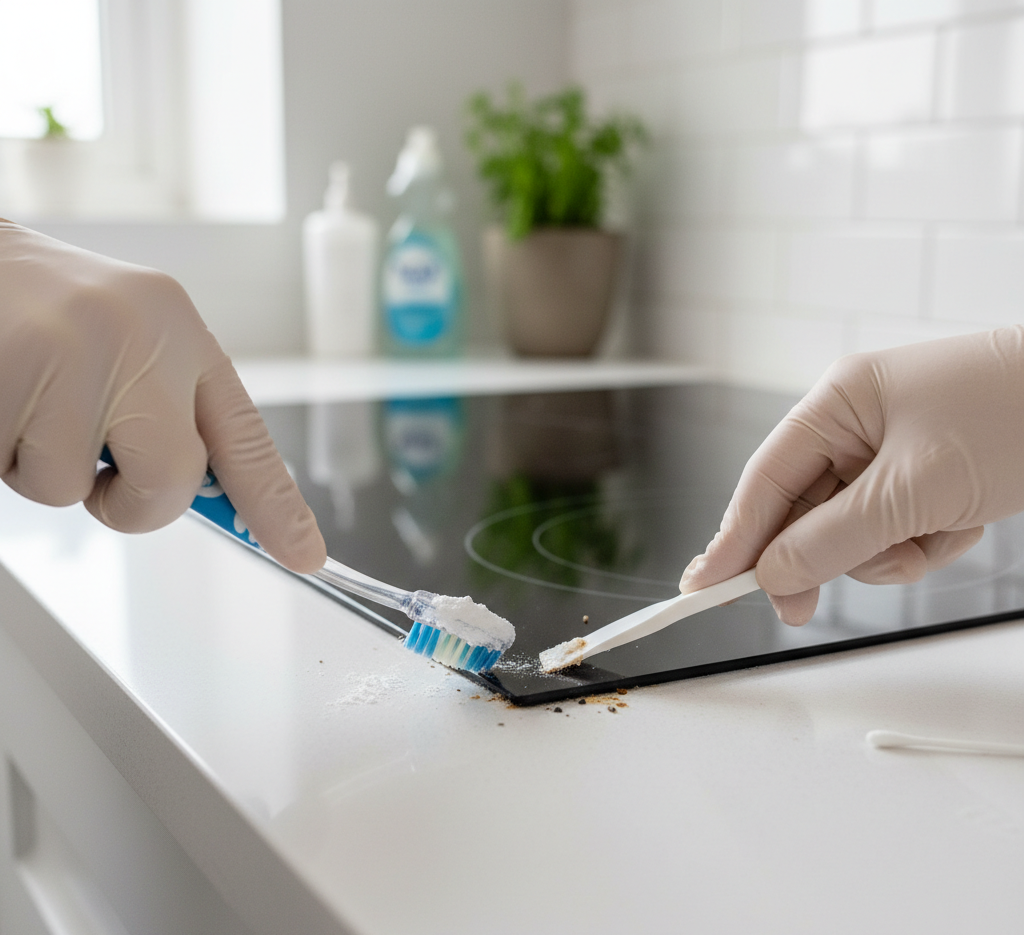
Another common issue is the buildup of residue around the edges of the cooktop, where the glass meets the metal frame or the countertop. This crevice is a trap for crumbs and grease. An old toothbrush is the perfect tool for detailing this area, agitating the grime so it can be wiped away. Neglecting this edge allows a grimy halo to form that detracts from the clean appearance of the main surface.
Ultimately, the key to a pristine glass stovetop is consistency and the right tools. The combination of a non-abrasive creamy cleanser and a razor blade scraper can handle almost any disaster, while a daily wipe with microfiber and vinegar prevents the slow accumulation of haze and grease. It is a surface that rewards gentle, intelligent cleaning and punishes brute force and impatience.
Maintaining the sleek, modern aesthetic of a glass stovetop is a task that requires specific knowledge and tools. While a daily wipe-down is manageable, the periodic deep clean to remove baked-on carbon and metal deposits can be a frustrating and time-consuming process. When the haze refuses to lift or the black spots seem permanent, professional assistance can restore your kitchen’s centerpiece to its original showroom condition.
Toronto Shine Cleaning understands the delicate chemistry of ceramic glass. Our professional team is trained in the correct techniques for deep cleaning a glass stovetop without causing the scratches and dullness that come from improper methods. We use professional-grade, non-abrasive polishes and the right mechanical tools to safely shear away even the most stubborn burnt-on food, restoring the deep black shine of your appliance. Whether you need a comprehensive kitchen deep clean to address the buildup on your glass stovetop and other appliances, or regular service to maintain a pristine cooking environment, Toronto Shine Cleaning provides the expert care your home deserves. Let us handle the tough stains, so you can enjoy the beauty and functionality of a perfectly clean glass stovetop.