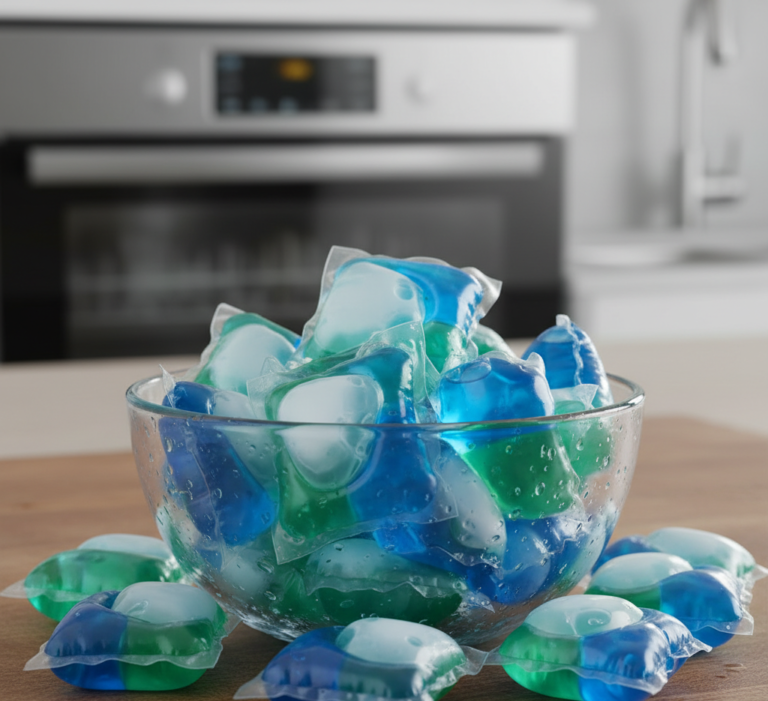










The dishwasher pod is a marvel of modern convenience, a small, self-contained packet that has transformed a daily chore. It represents the pinnacle of a long evolution, from messy powders and goopy liquids to a single, pre-measured dose that promises a perfect clean every time. This tiny pod is a masterful piece of chemical engineering, containing a complex, multi-part cleaning system designed to work in perfect sequence with the cycles of your dishwasher. However, to truly unlock the power of this convenience, one must understand how it works and, more importantly, how to use it correctly. A simple mistake in placement or preparation can be the difference between sparkling dishes and a frustrating, residue-covered mess.
Cleaning System
1.Polyvinyl Alcohol
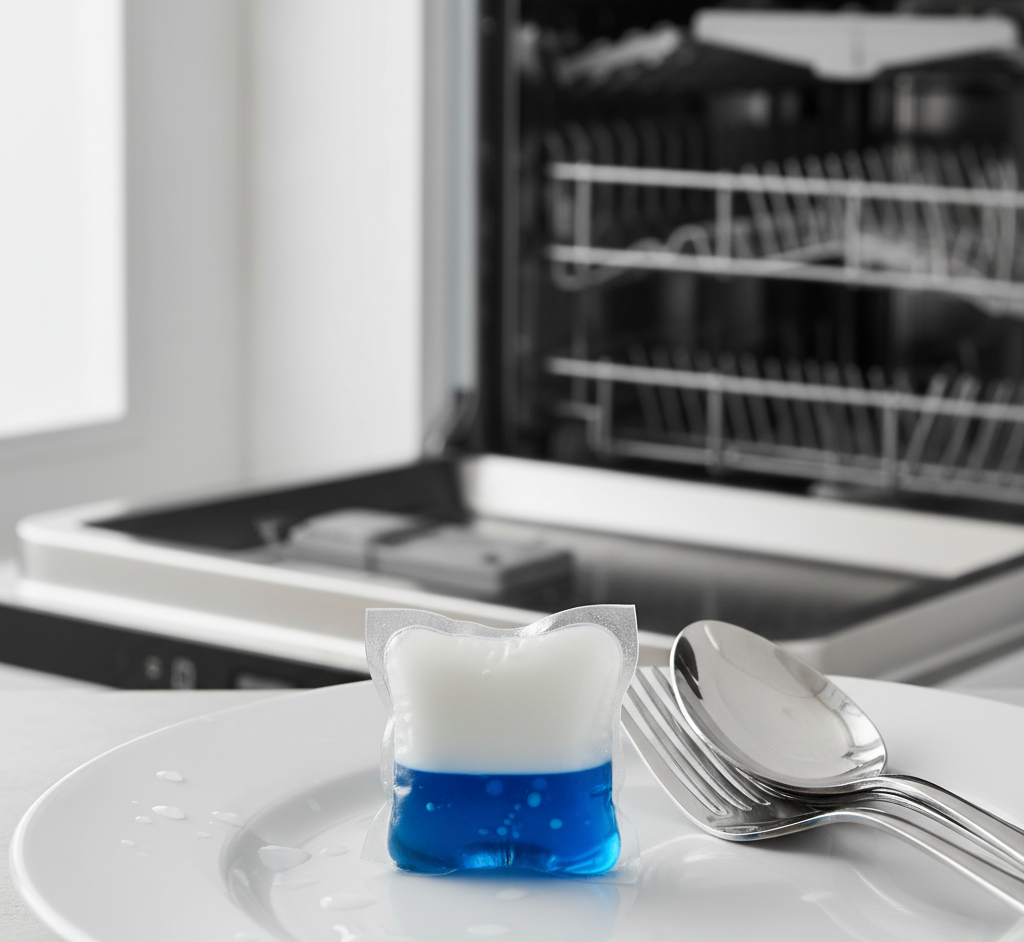
At the heart of the dishwasher pod is a transparent, water-soluble film, typically made from a polymer called polyvinyl alcohol (PVA). This film is the pod’s magic trick, a stable barrier that keeps the potent cleaning agents safely contained until the precise moment they are needed. When the main wash cycle begins and the pod is hit with hot water, this film dissolves completely, releasing its contents into the machine. This is why it is absolutely essential to handle the pods with completely dry hands; even a small amount of moisture can begin to break down the PVA prematurely, causing the pods to stick together in their container or dissolve before they even make it into the machine.
2.Enzymatic Cleaners
Inside this dissolvable skin lies a carefully formulated, multi-chambered cleaning system. The largest component is usually a powder. This is the heavy-lifting detergent, containing powerful enzymes that target specific types of food waste. Lipase enzymes are included to break down fats and oils, while amylase enzymes are designed to tackle starches from foods like potatoes, rice, and pasta. The powder also contains builders, which are chemicals that soften the water by binding to mineral ions like calcium and magnesium. This is crucial because hard water can interfere with the detergent’s effectiveness and leave behind a chalky, white film on glassware.
3.Rinse Aid
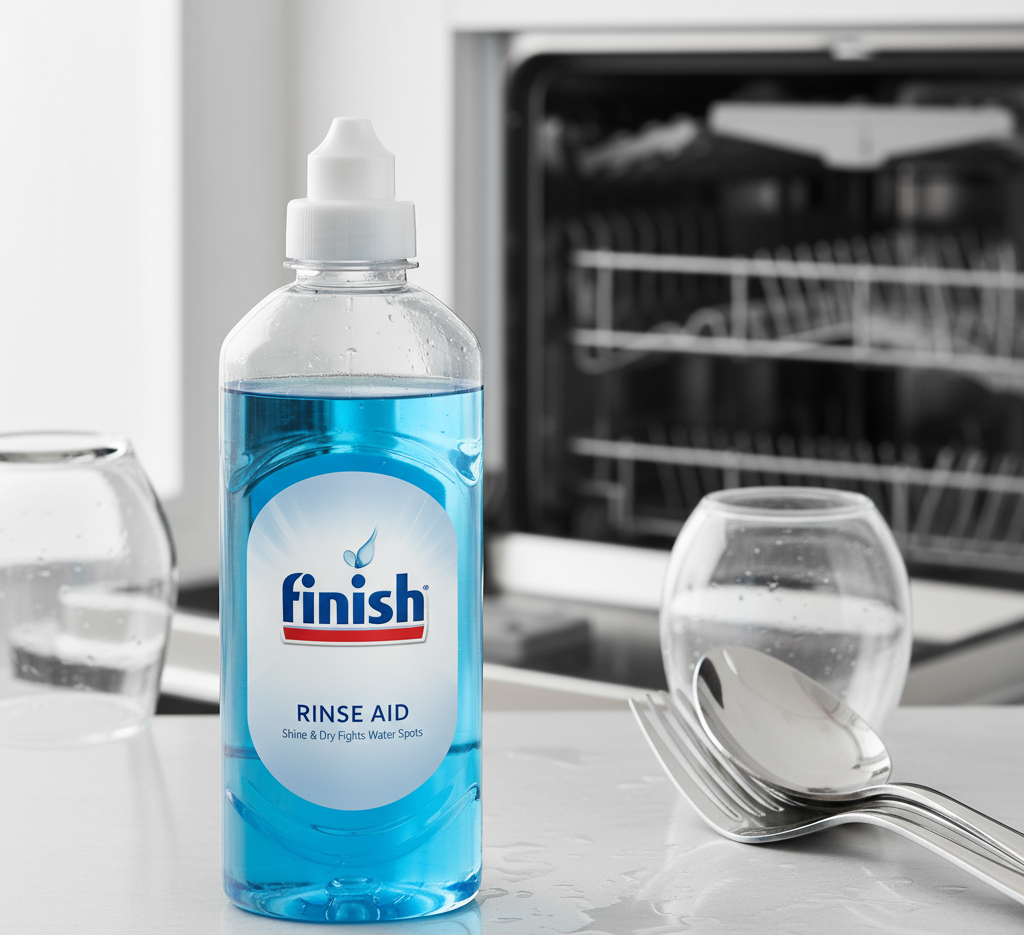
The other chambers of the pod, often containing brightly colored liquids or gels, hold different agents that are released at the same time. These typically include surfactants, which are the same types of compounds found in dish soap. They work on a molecular level to break the surface tension of water and surround grease particles, allowing them to be washed away. This liquid portion also frequently contains a pre-measured dose of rinse aid. Rinse aid is essential for achieving a spot-free and streak-free finish, especially on glass and silverware. It works by reducing the surface tension of the water during the final rinse cycle, causing the water to sheet off the dishes in a thin layer rather than forming individual droplets that would otherwise evaporate and leave mineral spots behind. The multi-chamber design is a clever way to keep these different components stable and separate until they are all released together into the wash cycle.
The Correct Use
The proper use of a dishwasher pod is a simple process, yet it is where most mistakes are made. The most common and most critical error is placing the pod in the main detergent dispenser cup-the small, covered compartment on the inside of the dishwasher door. This seems like the logical place, but it is fundamentally wrong for how a dishwasher cycle operates. Most dishwashers begin with a pre-wash or pre-rinse cycle. During this brief cycle, the machine sprays the dishes with water to remove loose food particles, and then the dispenser cup pops open to release the detergent. If your pod is in that cup, it will be released and washed away with the pre-rinse water before the main, hot-water wash cycle even begins. This leaves your machine to complete its longest and most important cycle with no detergent at all, resulting in dirty, greasy dishes.
The correct placement for a dishwasher pod is directly on the bottom of the dishwasher tub, usually near the filter or tucked into a corner of the silverware basket. Placing it here ensures that it remains safely in place during the pre-rinse cycle and will be dissolved by the hot water at the start of the main wash, allowing the detergent to be distributed effectively throughout the entire cycle.
To ensure the pod dissolves completely and works at its peak performance, several other conditions must be met. First, do not overload the dishwasher. This is a cardinal rule of dishwashing in general, but it is especially important when using pods. The spray arms inside the machine must be able to spin freely to distribute water and detergent to every dish. If a large pot, pan, or cutting board is blocking a spray arm, it can prevent hot water from reaching and dissolving the pod, leaving you with a partially dissolved, goopy mess at the end of the cycle.
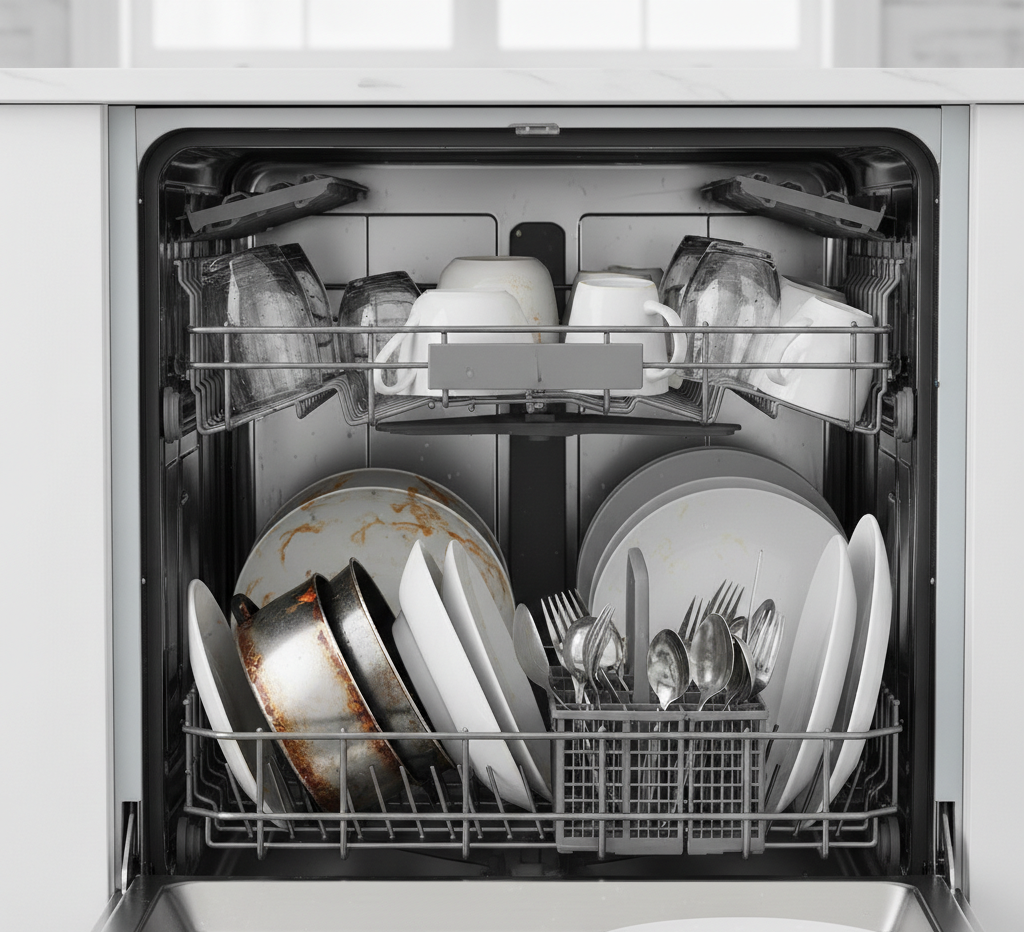
Water temperature is another critical factor. While some modern pods are formulated to work in lower temperatures, most perform best with hot water, typically at least one hundred and twenty degrees Fahrenheit or fifty degrees Celsius. The heat is what activates the enzymes and ensures the PVA film dissolves quickly and completely. If your dishes are consistently coming out with a residue, it may be because your home’s hot water heater is set too low. Running the hot water at your kitchen sink for a minute before starting the dishwasher is a good practice, as it ensures that hot water, not cold water from the pipes, is the first thing to enter the machine.
Even with perfect technique, you may occasionally encounter issues. If you find your pod has not fully dissolved, the first thing to check is the spray arms. Make sure they are not clogged with food debris and can spin without obstruction. Another common issue is a white, chalky film on glassware and cutlery. This is almost always a sign of very hard water. While pods contain water-softening agents, extremely hard water may require an additional boost. Ensure your dishwasher’s dedicated rinse aid dispenser is also filled with a liquid rinse aid, even if your pods claim to contain one. This extra dose can make a significant difference.
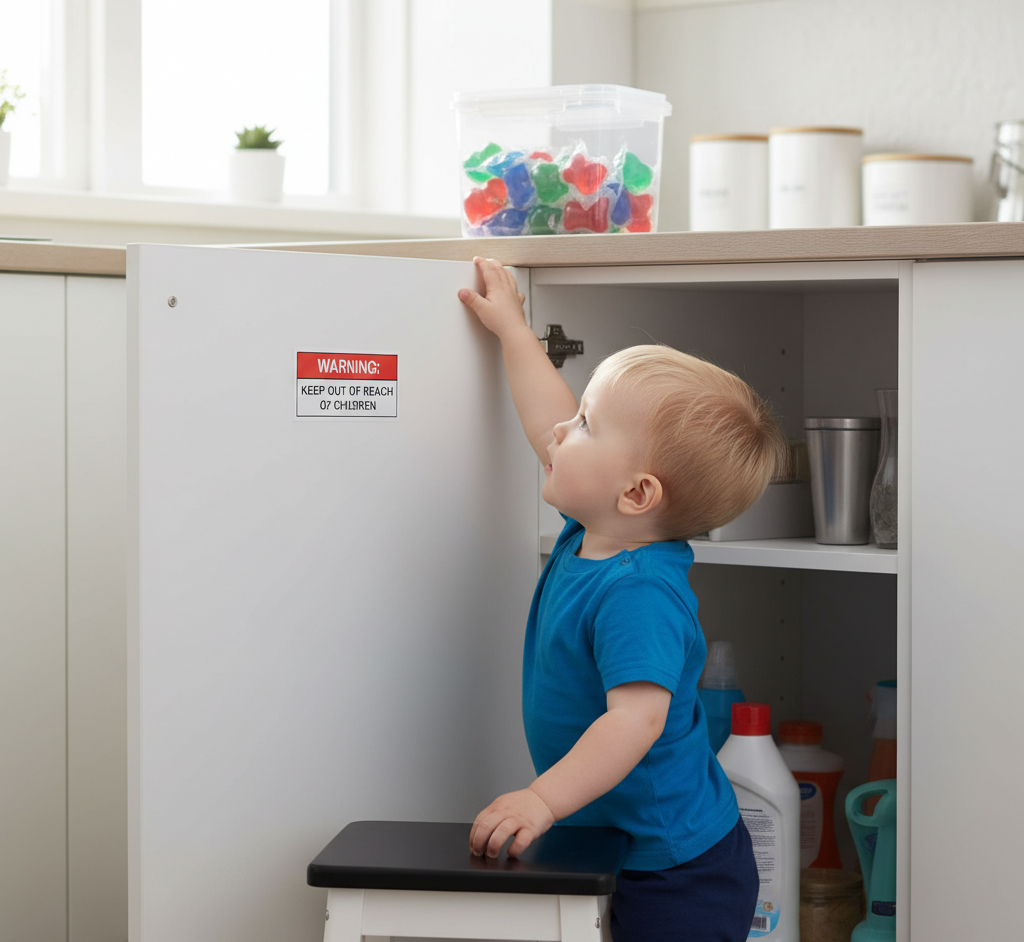
It is also important to acknowledge the few drawbacks of dishwasher pods. Their pre-measured nature, while convenient, lacks flexibility. A small, lightly soiled half-load receives the same potent dose of detergent as a large, heavily soiled load, which can be wasteful. They are also, on a per-load basis, generally more expensive than loose powders or liquids. At the end, their small, colorful, and often candy-like appearance poses a significant safety risk in households with young children. They must always be stored in their original container, tightly sealed, and kept in a secure location far out of the reach of curious hands.
The dishwasher pod is a testament to the power of thoughtful chemical design, offering a simple and highly effective solution to a daily chore. By understanding the science packed into that small, dissolvable packet and respecting the simple rules of its use-proper placement, not overloading, and ensuring adequate heat-you can harness its full potential, achieving a consistently brilliant, spot-free clean every time.
Just as using a dishwasher pod correctly is the key to achieving spotless dishes through the right application of a powerful tool, a professional cleaning service is the key to a spotless home. Toronto Shine Cleaning applies expert knowledge and the right techniques to every surface, handling the complex task of a deep, comprehensive clean with the same efficiency and effectiveness as a perfectly used dishwasher pod.