









Germ Hotspots in Your Home and How to Clean Them
A house can look spotless and still be the reason everyone keeps catching colds. The surfaces that carry the most microbes are rarely the ones you notice, because they are touched dozens of times a day and almost never wiped. Below are the seven worst offenders, what tends to live on each one, and a cleaning routine that is realistic enough to actually keep up with.
1. Kitchen Sponge and Sink Drain
A sponge stays damp, holds food residue and sits in the warmest room in the house, which is close to ideal conditions for bacteria. The sink is no better: the area around the drain and the tap handle collect whatever came off raw meat and vegetables. Replace sponges every one to two weeks, and sanitize the one you are using by microwaving it damp for one to two minutes or running it through the dishwasher. Wash the sink basin with hot soapy water or a disinfectant daily, and keep separate sponges for dishes, counters and the floor.
2. Doorknobs, Handles and Light Switches
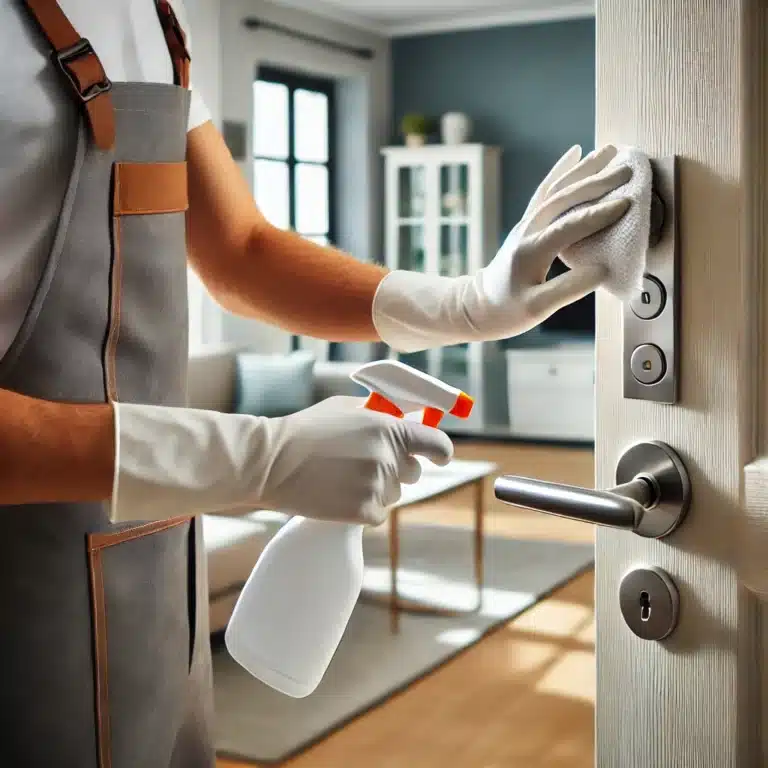
Every hand in the household touches the same door handles, cabinet pulls and switches, often within minutes of coughing or handling food. Viruses can survive on hard surfaces for hours and sometimes days. Wipe these points with a disinfectant wipe or spray daily, giving extra attention to bathroom and kitchen switches. Cleaning first with a microfiber cloth removes the film that stops disinfectant from working, so do that step before you spray. Anyone in the house who washes their hands more often, following the CDC hand hygiene guidance, reduces how much lands on these surfaces to begin with.
3. Remote Controls, Phones and Game Controllers
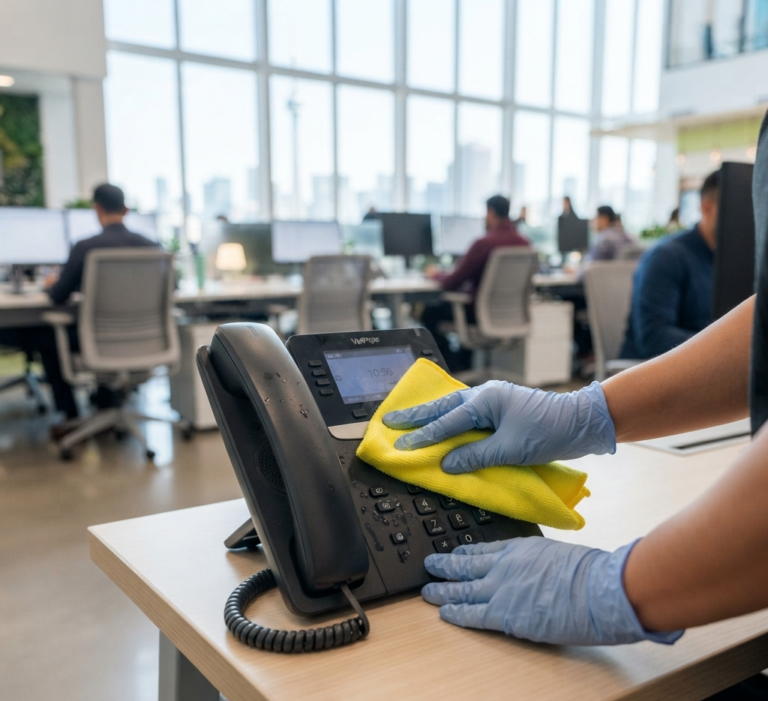
Remotes and phones travel from the kitchen table to the couch to the bedroom, and they rarely get cleaned. Phones often carry more bacteria than a toilet seat. Wipe remotes and controllers with a disinfectant wipe daily, working into the seams where crumbs collect. For phones and tablets, use a microfiber cloth barely dampened with isopropyl alcohol, since too much liquid can damage screens and ports.
4. Toothbrush Holders and Faucet Handles
Bathrooms stay humid, and that is all the encouragement bacteria need. Toothbrush holders pool water at the bottom, while faucet handles are touched before and after every handwash. Rinse the holder out and wash it in hot soapy water weekly, and store brushes upright so they dry between uses. Replace toothbrushes every few months. Disinfect faucet handles daily with a spray or wipe, especially in a shared bathroom where several people use the same tap. For dilution ratios on stronger products, see the CDC page on cleaning and disinfecting with bleach.
5. Pillows, Mattresses and Bedding
Beds collect sweat, skin cells and dust mites, which is a problem for anyone with allergies or asthma. Wash sheets and pillowcases weekly in hot water, add a mattress protector that can be washed, and vacuum the mattress surface monthly before airing it out. Dust mites struggle in dry, cool air, so ventilate the bedroom. Pillows should be replaced every one to two years, or washed every few months if the care label allows it.
6. Fridge Handles and Drawer Pulls
The refrigerator handle is touched constantly, usually on the way to or from raw ingredients. Cabinet pulls and drawer fronts in the kitchen and bathroom collect the same traffic. Wipe the fridge handle daily with disinfectant, and clean the outside of drawers and cabinets weekly. Empty and wash drawers once a month so crumbs and grease do not build up in the corners.
7. Pet Bowls and Toys
Pet bowls, especially the water bowl, develop a slippery film of bacteria and yeast within a day. Wash food and water bowls daily in hot soapy water, and sanitize rubber or plastic toys weekly by soaking them in a diluted vinegar solution or washing them with mild soap. Throw out anything cracked, chewed through or mouldy, since scratches cannot be cleaned properly.
Which Spots to Hit Daily, Weekly and Monthly
| Frequency | Surfaces |
|---|---|
| Daily | Sponges, sink, fridge handle, doorknobs, switches, remotes, faucet handles, pet bowls |
| Weekly | Toothbrush holder, pet toys, drawer fronts, sheets and pillowcases, bath mats and towels |
| Monthly | Inside kitchen drawers, mattress vacuuming, airing pillows, deep clean of grout and shower seals |
A short daily pass over high-touch points is the single most effective habit here, and it takes about five minutes. Cleaning first and disinfecting second matters, since disinfectant cannot reach a surface that is still greasy or dusty, as the CDC explains in its guidance on when and how to clean and disinfect your home.
Tools Worth Keeping Handy
- Disinfectant spray or wipes with a registered claim
- Microfiber cloths for removing soil before you disinfect
- Hydrogen peroxide in a spray bottle
- Hot soapy water and a sponge kept for sinks only
Get Help With the Areas You Skip
Kitchen and bathroom grime builds in exactly the places a weekly tidy-up misses. A deep cleaning targets appliances, grout, vents and the hidden edges where microbes gather, while a regular maid service keeps high-touch surfaces on a consistent schedule. Deep cleans start at $270.38 and regular cleaning at $212.63 for a studio or one bedroom before HST, with all rates listed on the pricing page. Toronto Shine Cleaning is bonded and insured with a $1,000,000 policy and a $10,000 accidental breakage and surety bond, and reviews from local clients are collected on the reviews page. Call (647) 424-0355 to book, or visit 140 Yonge St Suite 285, Toronto ON M5C 1X6.
FAQ: Cleaning Germ Hotspots
How often should I disinfect high-touch surfaces? Once a day is enough for most households, and more often when someone in the house is sick. Clean the surface first to remove grease and dust, then apply disinfectant and leave it wet for the contact time printed on the label.
Can vinegar replace disinfectant? Vinegar is a useful cleaner for light mineral film and odours, but it is not a registered disinfectant and should not be relied on to kill viruses. Keep it for pet toys, coffee makers and glass, and use a proper disinfectant on sinks, handles, switches and bathroom fixtures.
Should I worry about germs on my phone? Yes, since phones are handled constantly and pressed against your face. Wipe the screen and case with a cloth lightly dampened with isopropyl alcohol, and avoid spraying liquid directly onto the device. A wipeable case makes the routine simpler, and washing your hands after using shared devices helps as well.
How do I clean a sponge without a microwave? Run it through a hot dishwasher cycle, or soak it in a diluted bleach solution for a minute and rinse thoroughly. Whatever method you use, replace the sponge every one to two weeks, because a worn sponge has scratches that trap food and stay damp longer.