Appliance Cleaning

Cornstach being used for cleaning

6 Clever Uses for Cornstarch in Household Cleaning

Cornstarch isn’t just for cooking—it’s one of the most versatile household cleaning hacks you can use. If you’re looking for eco-friendly cleaning solutions, cornstarch can help remove grease, polish surfaces, and freshen up fabrics. Unlike harsh chemical cleaners, cornstarch is non-toxic, affordable, and highly effective at tackling common household messes. Want to know the best uses for cornstarch in cleaning? Here are six clever ways to use this simple ingredient for a spotless and fresh home. 1. Remove Grease Stains from Fabric One of the most effective uses for cornstarch is its ability to absorb grease stains from fabric. Whether it’s a cooking oil spill on your shirt or a greasy mark on your couch, cornstarch can lift stains without damaging the material. To start, sprinkle a generous amount of cornstarch for stain removal directly onto the affected area. Let it sit for at least 15 minutes so it can absorb the oil or grease. Then, gently brush off the excess powder with a dry cloth or vacuum. If the stain remains, repeat the process before washing the fabric as usual. This method works on clothing, upholstery, and carpets, making it one of the most useful household uses for cornstarch. Instead of reaching for chemical stain removers, try this natural and effective cleaning trick. 2. Polish Stainless Steel Without Streaks If you’re struggling with streaky stainless steel appliances, cornstarch is an excellent natural polisher. Many store-bought cleaners leave behind a residue, but cornstarch for cleaning stainless steel gives a streak-free shine. To use, mix a small amount of cornstarch with water to create a paste. Apply the mixture to your stainless steel fridge, sink, or faucets using a microfiber cloth. Gently buff the surface in circular motions, then wipe it dry with a clean cloth. Using cornstarch as a polishing agent is a great way to maintain your appliances without using harsh chemicals. It works wonders on kitchen appliances, cookware, and even stainless steel fixtures, making it a must-try in your cleaning routine. 3. Freshen Up Carpets and Rugs Did you know that one of the best deodorizing uses for cornstarch is freshening up carpets and rugs? Over time, carpets can trap odors from pets, food, and general foot traffic. Instead of using artificial deodorizers, cornstarch provides a natural way to eliminate odors. Simply sprinkle cornstarch generously over your carpet, focusing on high-traffic areas. Let it sit for 30 minutes to an hour, allowing it to absorb moisture and neutralize odors. Then, vacuum up the cornstarch to reveal a fresher, cleaner carpet. This technique is especially useful for pet owners looking for safe and non-toxic ways to deodorize carpets. Regular use of cornstarch will keep your rugs smelling clean without the need for artificial fragrances. 4. Clean Windows and Mirrors If you’re tired of streaky glass, cornstarch for window cleaning is a game-changer. Many commercial glass cleaners leave behind smudges, but cornstarch helps break down grime and prevents streaks. To make a DIY glass cleaner, mix cornstarch with water and a small amount of dish soap. Apply the mixture to windows, mirrors, and glass surfaces using a microfiber cloth. Gently wipe in circular motions to remove dust and fingerprints, then buff with a dry cloth for a streak-free shine. This trick works wonders for bathroom mirrors, shower doors, and glass tabletops. It’s one of the most underrated uses for cornstarch, but once you try it, you’ll never go back to store-bought glass cleaners. 5. Deodorize Shoes Naturally Smelly shoes? Cornstarch is a natural shoe deodorizer that absorbs moisture and eliminates odors without any artificial fragrances. To use, sprinkle a small amount of cornstarch inside your shoes before bed. Let it sit overnight so it can absorb sweat and neutralize odors. In the morning, shake out the excess powder or wipe the insides with a dry cloth. This method works well for sneakers, leather shoes, and even gym bags. Using cornstarch regularly will help keep your shoes fresh, dry, and odor-free. If you’re looking for simple yet effective uses for cornstarch, this one is a must-try. 6. Remove Furniture Polish Buildup Over time, excessive use of furniture polish can leave behind a dull residue on wooden surfaces. One of the best household uses for cornstarch is removing this buildup while restoring the natural shine of your furniture. Lightly sprinkle cornstarch onto wooden tables, cabinets, or shelves, then wipe it away with a soft cloth. The cornstarch will absorb excess oils and polish, leaving your furniture looking clean and refreshed. For deeper cleaning, mix cornstarch with a small amount of water to create a paste and gently rub it into the wood before wiping clean. This technique is safe for all types of wood surfaces and helps maintain your furniture without causing damage. Instead of relying on store-bought polish, use cornstarch for a natural and effective shine. Keep Your Home Clean with Toronto Shine Cleaning While cornstarch is an excellent natural cleaning solution, keeping up with household chores can be overwhelming. If you need professional help, Toronto Shine Cleaning offers top-quality cleaning services to keep your home spotless. Our expert team provides deep cleaning, regular home maintenance, and customized cleaning plans tailored to your needs. Whether you need a one-time deep clean or ongoing cleaning services, we’ve got you covered. Contact Toronto Shine Cleaning today for a cleaner, fresher home—so you can enjoy the benefits of a tidy space without the hassle!

6 Clever Uses for Cornstarch in Household Cleaning Read More »

Baking soda used for cleanliness

6 Household Items To Remove Oil Stains Like Magic

Oil stains can be one of the toughest messes to clean, whether they’re on your favorite shirt, your kitchen countertop, or even your driveway. The worst part? If not treated quickly, oil can seep deep into fabrics and surfaces, making it even harder to remove. But before you panic or toss out that stained clothing, try these six common household items that can remove oil stains like magic! 1. Dish Soap Dish soap is a powerhouse when it comes to fighting grease, and it’s not just for washing dishes. Since it’s specifically designed to break down oils, it’s one of the best solutions to remove oil stains on fabric, upholstery, and even kitchen surfaces. To use dish soap, apply a few drops directly onto the stain, gently rub it in with your fingers or a soft brush, and let it sit for at least 10 minutes. For fabric stains, rinse the area with warm water before tossing it into the washing machine. If you’re dealing with a tough, set-in stain, repeat the process or soak the item in warm water mixed with dish soap for about 30 minutes. For oil spills on kitchen counters or stovetops, mix dish soap with warm water and scrub the affected area with a sponge. You’ll be surprised at how quickly it cuts through the grease! If you have a delicate fabric like silk or wool, be sure to use a mild dish soap and test a small area first. Dish soap is safe for most materials, but some delicate fabrics require extra care. Always air-dry your clothes after washing to make sure the stain is completely gone before using heat, as heat can set the stain permanently. 2. Baking Soda Baking soda is one of the best natural oil absorbers, making it a great solution for fresh and even some older oil stains. Its fine particles soak up the oil, helping to remove oil stains from fabrics, carpets, and even hard surfaces like tile or stone. If you catch an oil spill early, sprinkle a generous amount of baking soda over the stain and let it sit for at least 15–20 minutes. Then, use a brush to scrub it off, or vacuum the residue if you’re working on a carpet or upholstery. For deeper stains, you can create a paste by mixing baking soda with a small amount of water. Apply the paste to the stain, let it sit for another 15 minutes, and then scrub with a brush before rinsing or washing. This method works particularly well on clothing, as baking soda can lift even stubborn grease stains that dish soap alone might not tackle. Baking soda is also useful for removing oil stains from concrete driveways or garage floors. Simply sprinkle a thick layer over the stain, let it sit overnight, and scrub it off the next day with warm water and a stiff brush. Since baking soda is non-toxic and gentle, it’s a great option for families with pets and kids. 3. Cornstarch Cornstarch works similarly to baking soda when it comes to oil stain removal. It absorbs grease quickly and effectively, making it a handy alternative if you don’t have baking soda on hand. Just like with baking soda, sprinkle a generous amount of cornstarch onto the stain and let it sit for at least 30 minutes to an hour. This allows it to fully absorb the oil before you brush or vacuum it away. If you’re dealing with an oil stain on clothing, press the cornstarch into the fabric using your fingers or a spoon. Let it sit before brushing it off, then wash the clothing as you normally would. For fresh oil spills on furniture, you can also apply cornstarch, let it absorb the oil, and then wipe it away with a damp cloth. For larger stains, such as grease spills on carpets or rugs, you can combine cornstarch with a small amount of mild detergent for extra cleaning power. Let the mixture work its magic before scrubbing gently with a soft brush. This method is effective for delicate surfaces that might not hold up well to stronger chemical cleaners. 4. Chalk Chalk may seem like an unexpected oil stain remover, but it works wonders on fresh grease stains—especially on clothing. Chalk is made of calcium carbonate, which naturally absorbs grease and oil. The best way to use it is to rub white chalk directly onto the oil stain as soon as possible. Let it sit for a few minutes before brushing off the excess powder and washing the fabric as usual. This trick is particularly useful for on-the-go emergencies. If you’re eating out and accidentally spill salad dressing or butter on your clothes, rubbing a piece of chalk over the stain can help prevent the oil from setting in. Keep a small piece of white chalk in your bag for quick stain treatments when you’re not at home. Chalk works best on lighter fabrics, so if you’re trying to remove oil stains from dark clothing, test a small area first to ensure it doesn’t leave a visible residue. It’s a quick and easy solution for those last-minute stain mishaps before an important event! 5. Rubbing Alcohol Rubbing alcohol is a powerful oil and grease remover that works well on clothes, furniture, and even some hard surfaces. It helps break down oils and evaporates quickly, leaving little residue behind. To use rubbing alcohol on fabric stains, pour a small amount onto a clean cloth or cotton ball and blot the stained area. Let it sit for a few minutes before rinsing with water or washing the item in the laundry. For stains on upholstery, apply rubbing alcohol using a soft cloth and gently dab at the stain until the oil lifts. Be careful not to rub too hard, as this might spread the stain further. Rubbing alcohol is also effective on glass and countertops—just apply it to a paper towel and wipe away greasy fingerprints or residue.

6 Household Items To Remove Oil Stains Like Magic Read More »

Clean glass on the city

6 Expert Tips for Cleaning Glass Without Streaks

Keeping your glass surfaces clean and streak-free can be a challenge, especially when dealing with fingerprints, dust, and water spots. A perfectly clear window or mirror can instantly brighten a space, making it look fresher and more inviting. However, using the wrong techniques or products can leave annoying streaks that ruin the look. With the right methods, you can achieve a professional-quality finish every time. Here are six expert tips to help you with Cleaning glass surfaces without streaks. 1. Use a Microfiber Cloth or Squeegee When cleaning glass, the tool you use is just as important as the cleaning solution. Many people reach for paper towels, but these often leave lint behind and create more streaks. Instead, opt for a microfiber cloth, which is designed to trap dust and absorb moisture without leaving behind fibers. Microfiber cloths are also reusable, making them a more eco-friendly and cost-effective choice. Another great option is a squeegee, a tool used by professional window cleaners. A good-quality squeegee removes excess water and cleaner in a smooth motion, preventing streaks from forming. If you’re cleaning large windows, using a squeegee will make the process much faster and more effective. Just make sure to wipe the blade clean after each swipe to avoid smearing dirt back onto the glass. For best results, dedicate specific microfiber cloths or squeegees to Cleaning glass only. Using the same cloths for other household cleaning tasks can transfer grease and residue, which can cause streaks and make the glass look cloudy. 2. Choose the Right Glass Cleaner Not all glass cleaners are created equal, and choosing the wrong one can lead to streaks or even damage to certain types of glass. Many store-bought Cleaning Glass contain ammonia, which can be effective but also harsh, especially on tinted windows or delicate surfaces. If you’re sensitive to strong chemical smells or have children and pets, consider using an ammonia-free cleaner. A simple but effective alternative is mixing a few drops of dish soap with water. This solution gently cuts through grease and dirt without leaving behind a sticky residue. If your glass has stubborn spots, you can also use a small amount of rubbing alcohol on a cloth to dissolve them before wiping the entire surface. Always apply the cleaner directly to the cloth or squeegee instead of spraying it directly on the Cleaning glass. This prevents excess product from dripping down, which can cause streaks and require extra wiping. A little cleaner goes a long way—too much product can leave behind a filmy residue that attracts dust and makes the Cleaning glass look dull over time. 3. Clean on a Cloudy Day It may seem like a good idea to clean windows on a sunny day, but direct sunlight can actually make the process harder. When Cleaning glass  dries too quickly, it can leave behind streaks and water spots, making it difficult to achieve a flawless finish. Instead, choose an overcast day or clean in the early morning or evening when the sun isn’t as strong. If you must clean on a sunny day, work on smaller sections at a time. Spray the cleaner, wipe immediately, and move on to the next section to prevent the solution from drying too fast. Keeping a dry microfiber cloth handy can also help you quickly buff out any streaks that appear. For exterior windows that are exposed to the sun all day, consider using a hose to rinse off excess dust and dirt before applying the cleaner. This step prevents dirt from being smeared around and helps the cleaner work more effectively. 4. Wipe in One Direction How you wipe the glass makes a big difference in preventing streaks. Many people make the mistake of wiping in random motions, which can spread dirt around and make streaks harder to spot. Instead, use a systematic approach by wiping in one consistent direction. For windows, a great trick is to wipe the inside glass vertically and the outside horizontally (or vice versa). This way, if streaks appear, you’ll know which side needs extra attention. On mirrors and smaller glass surfaces, use long, even strokes rather than circular motions to prevent smudges. Additionally, avoid using old or dirty cloths, as they can leave behind lint and streaks. If you’re cleaning multiple glass surfaces, switch to a fresh microfiber cloth when you notice it getting damp or dirty. Keeping your tools clean is just as important as the cleaning method itself. 5. Don’t Use Too Much Cleaner It’s easy to think that more cleaner equals better results, but using too much product can actually cause streaks. When there’s excess cleaner on the Cleaning glass, it can leave a soapy film that’s difficult to remove completely. This residue attracts dust and dirt, making your glass look dirty again sooner than expected. The key is to use a light mist—just enough to loosen dirt and smudges without drenching the surface. If needed, you can always apply a second, small amount for stubborn spots. Spraying too much cleaner also increases the risk of drips running down onto window sills and frames, which can cause buildup over time. If you accidentally use too much cleaner, go over the Cleaning glass with a dry microfiber cloth or squeegee to remove the excess. This extra step will ensure a streak-free, polished finish. Remember, a little product goes a long way when cleaning glass. 6. Dry With a Lint-Free Cloth The final step in achieving streak-free glass is drying it properly. Even after wiping with a microfiber cloth or squeegee, some moisture can remain on the surface. If left to air-dry, these droplets can leave behind water spots and streaks. To avoid this, always follow up with a dry, lint-free cloth for a final buffing. Some people swear by using crumpled newspaper for this step. While it can be effective, not all newspapers are the same—some contain inks that can smudge or leave residue on the Cleaning glass. If you prefer a guaranteed streak-free

6 Expert Tips for Cleaning Glass Without Streaks Read More »

Spring cleaning essentials, tools for cleaning

Spring Cleaning Essentials: Must-Have Products for a Sparkling Home

Spring is finally here, which means it’s time for a deep cleaning session to refresh your home after the long winter. To get the best results, you need the right spring cleaning essentials that make the job easier, faster, and more effective. From dusting to disinfecting, having high-quality cleaning products ensures your home looks and feels fresh. Here are the top seven must-have products for a thorough spring cleaning routine. 1. Microfiber Cloths – The Best Dusting Essential When it comes to spring cleaning essentials, microfiber cloths are a must-have. Unlike regular cloths or paper towels, microfiber is designed to trap dust, dirt, and bacteria without spreading it around. They’re perfect for dusting furniture, wiping down countertops, and even cleaning delicate surfaces like glass and electronics. One of the best features of microfiber cloths is their versatility. Use them dry to remove dust, or dampen them slightly with water or an all-purpose cleaner to wipe away grime. They also work well on stainless steel appliances, leaving a streak-free shine. Another reason to love microfiber cloths is their reusability. They can be washed and reused multiple times, making them an eco-friendly and cost-effective option on your Spring Cleaning Essentials checklist. Keep a stack of these on hand to tackle dust and dirt all over your home. 2. All-Purpose Cleaner – A Must for Every Surface An all-purpose cleaner is a key item on any spring cleaning essentials list. It helps cut through grease, grime, and bacteria on various surfaces, including kitchen counters, bathroom sinks, and even walls. Instead of juggling multiple products, a good all-purpose cleaner simplifies your cleaning routine. Look for a multi-surface formula that’s safe for tile, wood, and laminate surfaces. Some all-purpose cleaners also have disinfecting properties, which are especially useful for high-touch areas like doorknobs, light switches, and appliance handles. For a greener alternative, opt for a non-toxic, biodegradable cleaner. These options are just as effective without harsh chemicals, making them safer for kids and pets. No matter what formula you choose, an all-purpose cleaner is one of the top Spring Cleaning Essentials products to have on hand. 3. A High-Powered Vacuum – Essential for Deep Cleaning No spring cleaning routine is complete without a powerful vacuum cleaner. Over the winter months, dust, dirt, and pet hair accumulate deep in carpets and upholstery, making a deep-cleaning vacuum an absolute necessity. Choose a vacuum with strong suction power and multiple attachments to clean beyond just floors. A HEPA-filter vacuum is ideal for trapping allergens, making it a great choice for those with allergies. Attachments like a crevice tool and an upholstery brush help you clean hard-to-reach spots, blinds, and even mattresses. Don’t forget to vacuum behind furniture, baseboards, and under the bed as part of your Spring Cleaning Essentials checklist. A good vacuum ensures your home is free from dust, allergens, and dirt, leaving it fresh and clean. 4. Scrub Brushes – Tough on Grime and Stains Certain areas of your home require more than just a wipe-down. That’s where scrub brushes come in handy. A durable scrub brush with stiff bristles is essential for tackling bathroom tiles, grout, and kitchen sinks, removing built-up dirt and soap scum. For deep-cleaning tight spaces, a smaller detail brush is perfect for areas like faucets, shower corners, and window tracks. Even stubborn stains on stovetops and bathtubs can be removed with a good scrub brush and the right cleaner. If you want to save time and effort, consider using an electric scrub brush. These battery-powered tools provide extra scrubbing power, making it easier to remove grime without exhausting your arms. Having scrub brushes in your spring cleaning kit ensures every part of your home gets a thorough clean. 5. Glass Cleaner – Streak-Free Shine for Windows and Mirrors Spring brings in more sunshine, which highlights every fingerprint and smudge on your windows and mirrors. A high-quality glass cleaner is one of the most important spring cleaning essentials for getting a streak-free shine. For the best results, use a microfiber cloth instead of paper towels, as it prevents lint and streaks. Clean both the inside and outside of your windows to remove dust, pollen, and smudges that built up over winter. Glass cleaner is also useful for shiny surfaces like glass tables, shower doors, and even stainless steel appliances. A few sprays and a quick wipe will leave your home looking spotless and refreshed. 6. Storage Bins – Declutter and Organize Spring Cleaning Essentials isn’t just about deep cleaning, it’s also about decluttering and organizing. Storage bins help you sort and store seasonal clothing, household items, and paperwork efficiently. Clear plastic bins allow you to see what’s inside, making organization easier. Using labeled bins can help streamline your home. Sort items into categories like “Winter Clothes,” “Holiday Décor,” and “Donate” to keep things in order. Stackable bins are perfect for small spaces, maximizing storage in closets, garages, and under beds. Decluttering your home during spring cleaning not only makes it feel fresher but also helps reduce stress. Having a storage system in place makes it easier to maintain a tidy home all year long. 7. Rubber Gloves – Protect Your Hands While Cleaning With all the scrubbing, disinfecting, and handling of cleaning chemicals, your hands need protection. Rubber gloves are a must-have for your Spring Cleaning Essentials checklist to prevent skin irritation and dryness caused by exposure to harsh cleaners. Gloves aren’t just for dealing with chemicals—they also protect your hands when tackling germ-prone areas like toilets, garbage bins, and pet messes. A good pair of gloves with a non-slip grip makes cleaning safer and more comfortable. Invest in durable, reusable rubber gloves to keep your hands soft and irritation-free. After all, the goal of spring cleaning is a fresh home, not dry and damaged skin! Let Toronto Shine Cleaning Handle Your Spring Cleaning! Spring cleaning can be time-consuming and exhausting, but you don’t have to do it alone! Toronto Shine Cleaning offers professional deep cleaning services to make your home sparkle. Whether you

Spring Cleaning Essentials: Must-Have Products for a Sparkling Home Read More »

Person preparing a move out cleaning

5 Reasons Why Move-In & Move-Out Cleaning is a Must

1. Ensures a Fresh and Hygienic Start Move-out cleaning should feel refreshing, but leftover dirt, dust, and bacteria from previous occupants can create an unsanitary environment. A thorough move-in cleaning eliminates allergens, germs, and unpleasant odors, giving you a fresh start in a spotless home. Neglecting deep move-in cleaning before moving in can lead to respiratory issues and allergic reactions due to accumulated dust and pet dander. Even if the previous residents cleaned superficially, deep sanitization is necessary for peace of mind. Professional cleaners use specialized tools and products to target hidden bacteria and mold, ensuring a truly fresh start. Additionally, a deep move-in cleaning before unpacking saves time and effort in the long run. Cleaning an empty house is significantly easier than maneuvering around furniture and belongings. Investing in move-in cleaning ensures you settle into a pristine, comfortable space without unnecessary hassle. 2. Increases Your Chances of Getting a Full Security Deposit For renters, leaving an apartment or house in pristine condition is crucial to getting back the full security deposit. Many landlords require professional move-out cleaning to ensure the property is rental-ready for the next tenant. Deep move-out cleaning carpets, scrubbing kitchens, and sanitizing bathrooms can make all the difference. Landlords conduct detailed inspections before returning security deposits. Stains on carpets, grease buildup in kitchens, or soap scum in bathrooms can lead to deductions. A thorough move-out cleaning minimizes the risk of financial penalties and disputes, making it a wise investment for tenants. Moreover, leaving a clean space enhances your rental history and reputation. Future landlords often ask for references, and a positive review from your previous landlord can improve your chances of securing your next rental. A spotless move-out cleaning strengthens your rental record and ensures a smooth transition to your next home. 3. Saves Time and Reduces Stress Moving is already a stressful process with packing, organizing, and setting up in a new place. Handling deep move-in and move-out cleaning on top of everything else can be overwhelming. Hiring a professional cleaning service for move-in and move-out cleaning saves time and energy, allowing you to focus on settling into your new home stress-free. Cleaning a home thoroughly requires hours of work, from scrubbing floors to washing windows and dusting every surface. Adding this responsibility to an already packed moving schedule can lead to exhaustion and unnecessary delays. Professional cleaners handle the workload efficiently, ensuring every corner is spotless without burdening you. Furthermore, outsourcing move-in and move-out cleaning allows you to manage other critical moving tasks, such as setting up utilities, coordinating with movers, and unpacking belongings. A clean home not only eases the transition but also provides a sense of relief, making your move significantly less stressful.     4. Enhances Property Value and Appeal For homeowners selling a property, a deep move-out cleaning makes a lasting impression on potential buyers. A clean, well-maintained home attracts buyers faster and may even increase property value. Sparkling floors, sanitized bathrooms, and dust-free surfaces create an inviting atmosphere that enhances the overall appeal of the home. First impressions are crucial in real estate. Buyers are more likely to place competitive offers on a home that appears move-in ready. Lingering odors, dusty corners, and grimy kitchens can deter buyers, reducing the likelihood of a quick sale. Professional move-out cleaning services help create an immaculate environment that appeals to buyers instantly. Additionally, a well-cleaned property showcases responsible homeownership. Buyers appreciate a home that has been maintained with care, increasing their confidence in the purchase. Investing in move-out cleaning not only enhances property value but also speeds up the selling process by making your home more desirable. 5. Eliminates Hidden Dirt and Germs Many areas of a home are often overlooked during regular cleaning routines. Move-in and move-out cleaning ensures that hidden grime behind appliances, inside cabinets, and deep within carpets is thoroughly removed. This reduces allergens, eliminates bacteria, and creates a healthier indoor environment. Hidden dirt can accumulate over the years, leading to potential pest infestations and mold growth. Kitchen cabinets, under sinks, and air vents are common areas where dirt and moisture build up unnoticed. Deep move-in and move-out cleaning these neglected areas prevents long-term damage and promotes a healthier home for the next occupants. Moreover, maintaining cleanliness ensures a safer living space, particularly for families with children or individuals with allergies. Dust mites, pet dander, and bacteria thrive in unclean environments. A thorough move-in and move-out cleaning eradicates these contaminants, offering a fresh and hygienic living space.     6. Improves Indoor Air Quality Indoor air quality is a crucial factor that directly affects your health and well-being. Dust, pet dander, mold spores, and other airborne particles accumulate over time, leading to respiratory issues and allergies. A comprehensive move-in and move-out cleaning eliminates these contaminants, ensuring cleaner, fresher air for you and your family. Carpets, curtains, and upholstery trap dust and allergens that are often overlooked in routine cleaning. Professional move-in and move-out cleaning includes deep carpet cleaning and dusting hard-to-reach areas, significantly improving indoor air quality. This is especially important for individuals with asthma or allergies, as it reduces potential triggers. Additionally, using high-quality cleaning products and proper ventilation during move-in and move-out cleaning prevents the buildup of toxic chemicals. Many commercial cleaning products contain volatile organic compounds (VOCs) that can linger in the air. Opting for eco-friendly cleaning solutions further enhances the air quality in your new or vacated home. Final Thoughts Skipping move-in and move-out cleaning can lead to unwanted stress, lost security deposits, and potential health risks. Investing in a professional move-in and move-out cleaning service ensures a smooth transition, whether you’re moving in or out. Don’t overlook the importance of a deep clean—it makes all the difference! Moreover, hiring a professional move-in and move-out cleaning service like Toronto Shine Cleaning saves you time and effort while guaranteeing a high level of cleanliness. Whether you are preparing a house for sale, moving into a new home, or vacating a rental property, a deep clean

5 Reasons Why Move-In & Move-Out Cleaning is a Must Read More »

Automatic cleaning utencils for time saving cleaning

6 Easy Time Saving Cleaning Hacks You Need to Try

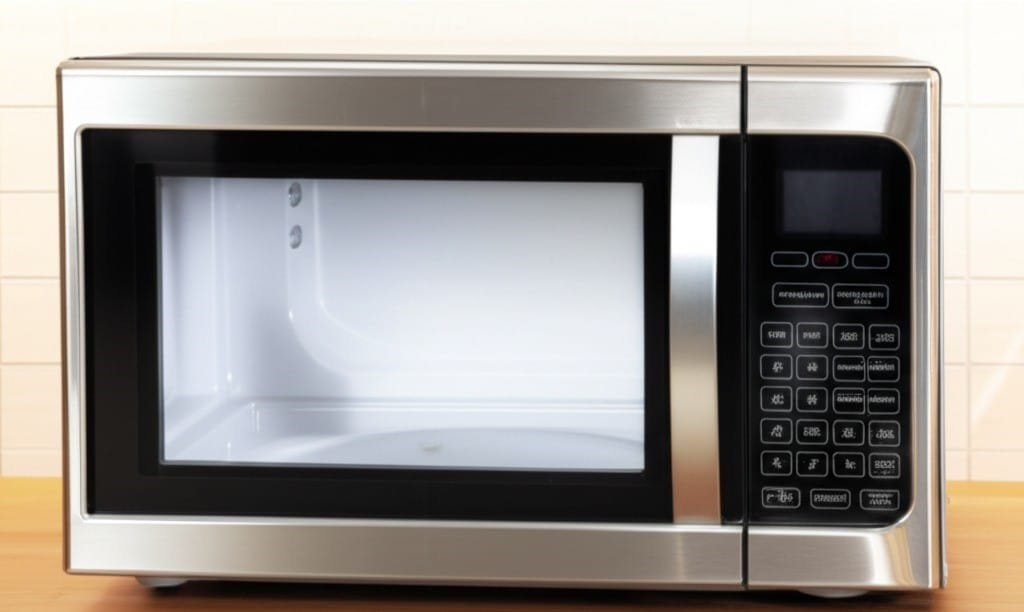
Keeping your home clean doesn’t have to be a time-consuming task. With these smart time saving cleaning hacks, you can maintain a spotless home while reducing effort. These quick and effective tricks will make time saving cleaning easier, allowing you to enjoy a tidy space without dedicating hours to chores. Try them today and experience the benefits of a well-maintained home with minimal effort. 1. Clean as You Go Avoid spending hours cleaning by tidying up throughout the day. Wipe down counters after cooking, put things away immediately, and do small time saving cleaning tasks instead of letting messes build up. Taking a few seconds to wipe up spills and crumbs prevents dirt from accumulating, making deep cleaning less frequent and much easier. Another great way to clean as you go is to use multitasking techniques. While waiting for food to cook or water to boil, quickly wipe down kitchen surfaces, organize utensils, or take care of small time saving cleaning tasks. Using these idle moments effectively helps maintain a cleaner space effortlessly. Developing a habit of putting things away immediately after use also contributes to a more organized and clutter-free environment. Whether it’s hanging up coats, putting dishes directly into the dishwasher, or folding laundry right away, these simple steps prevent messes from piling up.     2. Set a Timer for Speed Cleaning Set a 10–15 minute timer and challenge yourself to clean as much as possible. Focusing on one room at a time prevents overwhelm and helps maintain a consistently tidy home. By setting a short time limit, time saving cleaning feels more manageable, making it easier to stay motivated. Breaking down cleaning tasks into small, timed sessions prevents procrastination and ensures no single task feels too daunting. You can even make it a fun challenge by racing against the clock or involving family members to see who can tidy up the fastest. This method is especially helpful for daily maintenance. Instead of waiting for clutter to accumulate, dedicate a few minutes each day to targeted time saving cleaning. Over time, this habit keeps your home looking fresh without requiring hours of deep cleaning. 3. Keep Cleaning Supplies in Every Room Store essential time saving cleaning products where you use them most. Having a small set of supplies in the kitchen, bathroom, and living room saves time and encourages quick cleanups. Instead of searching for cleaning sprays or cloths, having them within reach ensures you can tackle messes immediately. For example, keeping disinfectant wipes under the bathroom sink allows you to quickly wipe down counters and sinks every day, preventing grime buildup. Similarly, storing dusting tools in the living room makes it easy to freshen up furniture and shelves in seconds. Consider using caddies or organizers for easy access. A well-organized time saving cleaning station in each area of your home eliminates wasted time and encourages consistent upkeep. 4. Steam Clean Your Microwave in Minutes Place a bowl of water with lemon slices in the microwave and heat for three minutes. The steam loosens stuck-on food, making it easy to wipe clean with a cloth. This method eliminates the need for scrubbing, saving you time and effort. Using natural ingredients like lemon not only breaks down grease and stains but also leaves a fresh scent. If you don’t have lemons, white vinegar works just as effectively. Once the microwave’s interior is steamed, simply wipe down the walls, removing all residues effortlessly. To maintain a clean microwave, make it a habit to cover food before heating to prevent splatters. Regularly using this steam-cleaning method keeps your microwave fresh and ready to use without any buildup.     5. Keep a Shoe-Free Home Encourage family members and guests to remove their shoes at the door. This reduces dirt and dust buildup, keeping your floors cleaner for longer and cutting down on mopping time. Shoes track in dirt, bacteria, and allergens, making your home harder to maintain. Placing a designated shoe rack or mat near the entrance makes it convenient for everyone to leave their shoes at the door. Offering indoor slippers can also encourage compliance while keeping feet comfortable. By enforcing this simple rule, you’ll notice a significant reduction in dust and debris on your floors. This small change results in cleaner carpets, less frequent vacuuming, and a healthier indoor environment. 6. Use a Dishwasher for More Than Just Dishes Your dishwasher isn’t just for plates and utensils—it can clean a variety of household items. Throw in sponges, plastic toys, oven knobs, and even certain types of shoes for a deep clean without extra effort. It saves time and ensures a thorough time saving cleaning, making household chores easier and more efficient. Many small household items, like toothbrush holders, soap dishes, and even pet bowls, can benefit from a cycle in the dishwasher. Cleaning these objects regularly helps eliminate germs and bacteria that accumulate over time. The heat and steam provide a deep time saving cleaning effect that hand washing might not achieve. Before placing any item in the dishwasher, always check the manufacturer’s recommendations to ensure it is dishwasher-safe. Avoid putting delicate or electronic components in the dishwasher, as high temperatures and water pressure may cause damage. By incorporating this hack into your time saving cleaning routine, you can maintain a cleaner home with less effort.     Time Saving Cleaning With Toronto Shine Cleaning! These time saving cleaning hacks will help you maintain a tidy home without spending hours scrubbing. By incorporating these practical strategies, you can enjoy a cleaner, more organized space with minimal effort! If you’re looking for a hassle-free way to keep your home spotless, consider hiring Toronto Shine Cleaning. Their professional time saving cleaning services ensure every corner of your home is deeply cleaned and maintained, saving you even more time and effort. With expert cleaners and customized service plans, Toronto Shine Cleaning makes it easy to enjoy a pristine home without lifting a finger. Contact Toronto Shine Cleaning today to schedule

6 Easy Time Saving Cleaning Hacks You Need to Try Read More »

Cleaning wooden furniture with microfiber cloth

5 Best Ways to Clean Wooden Furniture and Keep It Looking New

Wooden furniture adds warmth and elegance to any home, but it requires proper care to maintain its beauty. Using the wrong cleaning methods can cause damage, dull the finish, or lead to buildup. If you want to clean wooden furniture effectively and keep it looking like new, follow these five best methods. With the right cleaning techniques, your wooden furniture can maintain its natural shine and durability for years. 1. Dust Regularly with a Microfiber Cloth One of the easiest ways to clean wooden furniture is by dusting it regularly. Dust buildup can make your furniture look dull and neglected, affecting its natural beauty. If dust accumulates for too long, it can mix with moisture in the air and create a sticky residue that is difficult to remove. Using a soft microfiber cloth helps trap dust without scratching the wood’s surface, making it the best option for maintaining your furniture’s finish. For best results, dust your wooden furniture at least once a week. When dusting, move the cloth in the direction of the wood grain to prevent tiny scratches. Avoid using dry paper towels or rough fabrics, as they can leave micro-abrasions on the wood. If your wooden furniture has detailed carvings or hard-to-reach corners, use a soft brush or an old toothbrush to remove dust from small crevices without damaging the finish. In addition to regular dusting, consider using a static duster or a vacuum with a brush attachment for larger pieces of furniture. These tools help remove dust from underneath tables, along chair legs, and inside cabinets. Keeping wooden furniture dust-free not only enhances its appearance but also prevents dirt buildup that could require deeper cleaning in the future.     2. Use a Gentle Wood Cleaner When it comes to cleaning wooden furniture, using a gentle and safe wood cleaner is essential. Harsh chemical-based cleaners can strip away the protective finish, leaving the wood vulnerable to stains and damage. A simple yet effective way to clean wooden furniture is by using mild dish soap mixed with warm water. This solution is strong enough to remove grime but gentle enough to preserve the wood’s natural texture and sheen. To clean wooden furniture properly, dampen a soft cloth with the soapy water solution and wipe the surface in circular motions. Never soak the wood or allow water to sit on the surface, as excessive moisture can cause warping, discoloration, or even mold growth. Always follow up by drying the furniture immediately with a clean, dry cloth to remove any leftover moisture. This prevents water damage and keeps the wood looking polished. If you prefer a store-bought wood cleaner, choose a product specifically designed for natural wood furniture. Avoid cleaners with ammonia, bleach, or silicone, as these ingredients can cause long-term damage. A high-quality wood cleaner will help remove dirt and fingerprints while preserving the protective finish of your wooden furniture, ensuring that it remains in top condition for years to come. 3. Polish with Natural Oils for Shine To keep wooden furniture looking vibrant and polished, regular oiling is essential. Natural oils like mineral oil or lemon oil work wonders in restoring the wood’s shine while preventing it from drying out. Unlike wax-based polishes that leave behind residue, natural oils penetrate the wood, keeping it nourished and protected from cracks or discoloration. To properly clean wooden furniture and enhance its shine, apply a small amount of oil to a soft cloth and rub it gently onto the surface using circular motions. Let the oil sit for a few minutes before buffing it with a clean, dry cloth. This method helps seal in moisture, making wooden furniture more resistant to dust, dirt, and environmental factors like humidity. Polishing once every few months can significantly extend the life of your furniture and keep it looking brand new. It’s important to use the right type of oil for your wooden furniture. Avoid vegetable oils or olive oil, as they can turn rancid and attract dust. Instead, opt for high-quality wood oils or specialized furniture polishes designed for wooden surfaces. By incorporating regular polishing into your furniture care routine, you can keep your wooden furniture glowing with a natural, healthy finish.     4. Protect Against Scratches and Spills Scratches, spills, and stains are some of the biggest threats to wooden furniture. Without proper protection, wooden surfaces can easily develop unsightly marks that are difficult to remove. To prevent scratches, always use coasters under glasses, placemats under plates, and felt pads under decorative objects. These small precautions can help minimize the risk of surface damage and keep your wooden furniture in top shape. If your wooden furniture does get scratched, there are easy ways to fix minor imperfections. A simple trick is to rub a walnut over light scratches—the natural oils in the nut help darken the scratch, making it less visible. For deeper scratches, furniture wax or wood repair markers can help restore the original finish. Keeping a wood touch-up kit on hand is a great way to maintain your furniture’s appearance in case of accidental damage. Spills are another common problem that can ruin wooden furniture. Always clean up spills immediately using a dry cloth to prevent liquid from seeping into the wood. If water rings or stains appear, applying a small amount of wood polish can help restore the finish. By taking preventative measures, you can clean wooden furniture more effectively and prevent long-term damage. 5. Keep Wooden Furniture Away from Direct Sunlight and Humidity Environmental factors like sunlight and humidity can significantly impact the condition of wooden furniture. Prolonged exposure to direct sunlight can cause wood to fade, dry out, or develop cracks over time. To protect wooden furniture, place it away from windows or use curtains and blinds to block intense sunlight. If rearranging furniture isn’t an option, consider using UV-protective furniture sprays to reduce sun damage. Humidity is another major factor that affects wooden furniture. Excess moisture in the air can cause wood to swell and

5 Best Ways to Clean Wooden Furniture and Keep It Looking New Read More »

Cleaning a keyboard with microfiber cloth

How to Safely Clean Plastic Electronics Without Causing Damage: 5 Expert Tips

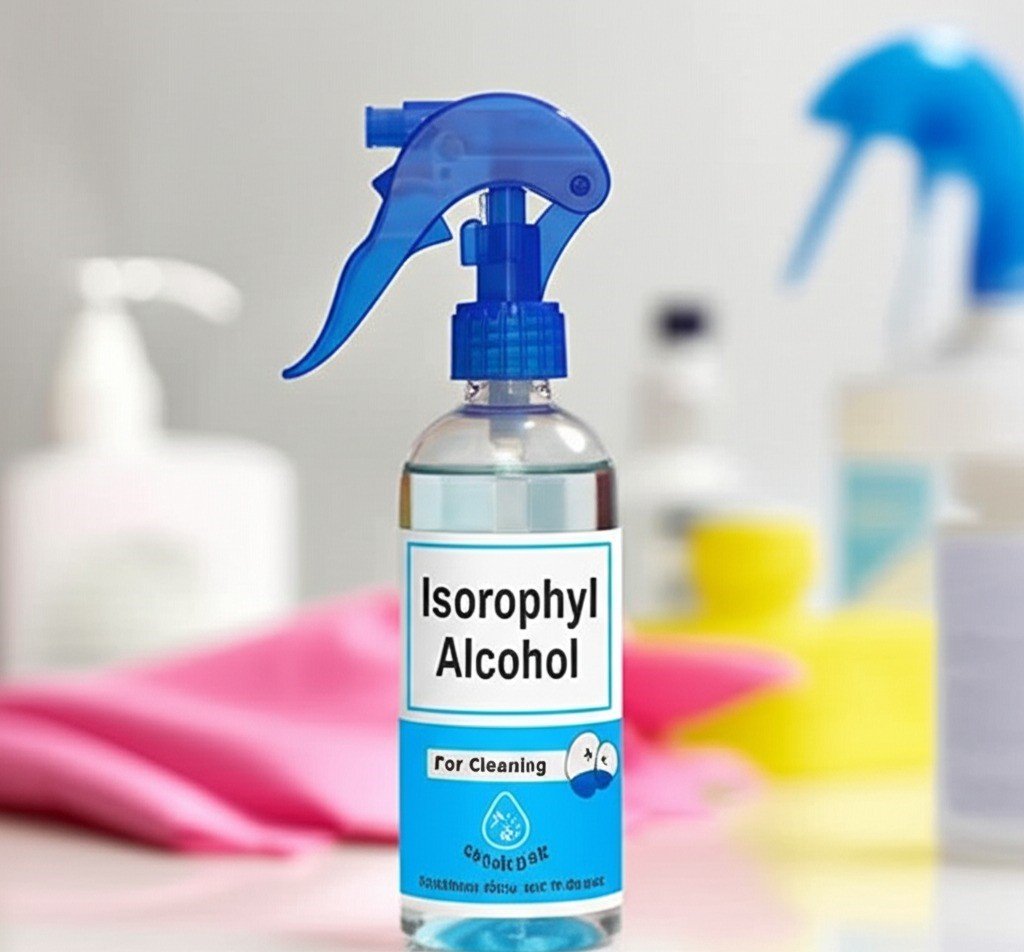
Keeping plastic electronics clean is essential for their longevity and functionality. Dust, dirt, and grime can accumulate over time, affecting performance. However, cleaning them improperly can cause irreversible damage. Follow these five expert tips to safely clean plastic electronic without causing harm. 1. Use a Microfiber Cloth for Regular Dusting A microfiber cloth is the best tool for removing dust and smudges from clean plastic electronic devices. Unlike paper towels or regular cloths, microfiber does not scratch the surface or leave lint behind. Its fine fibers trap dust and dirt efficiently, making it a reliable choice for everyday cleaning. Regular use of a microfiber cloth prevents the accumulation of grime, reducing the frequency of deep cleaning sessions and preserving the original appearance of your clean plastic electronic devices. Dust particles tend to settle on the surface of plastic electronic devices, leading to a dull and dirty look over time. By using a microfiber cloth in gentle circular motions, you can lift away dust without causing micro-abrasions. This method is particularly useful for screens, keyboards, and outer casings, as it removes debris while maintaining the smooth texture of the device. Ensuring that your microfiber cloth is clean before each use is also crucial to avoid transferring dirt back onto your devices. In addition to dust removal, a microfiber cloth is effective in tackling fingerprints and smudges. Oils from hands can create streaks on plastic surfaces, making them look unclean. Lightly dampening the cloth with water or an electronic-safe cleaning solution enhances its ability to break down oils and restore the sleek finish of your clean plastic electronic devices. By incorporating this simple yet effective cleaning routine, you can keep your devices looking polished and well-maintained for longer periods.     2. Choose Isopropyl Alcohol for Stubborn Stains For tough stains and grime, use isopropyl alcohol with at least 70% concentration. Dampen a microfiber cloth with a small amount and gently wipe the clean plastic electronic surface. Isopropyl alcohol effectively breaks down oils, ink marks, and sticky residues that accumulate over time. However, it is important to avoid oversaturation, as excessive moisture can seep into the device’s internal components, leading to malfunctions or damage. When using isopropyl alcohol, always apply it to the cloth first rather than directly onto the device. This ensures even distribution and prevents liquid from pooling in crevices or openings. Wipe gently in circular motions to lift stains without pressing too hard on the plastic surface. Allow the device to air dry for a few minutes before powering it back on to ensure all moisture has evaporated. For persistent stains that do not come off with alcohol alone, repeat the process using a slightly firmer touch. Avoid scrubbing aggressively, as this may cause fine scratches on the plastic surface. A combination of patience and the right technique will help maintain the pristine appearance of your clean plastic electronic devices without causing damage. 3. Compressed Air for Hard-to-Reach Areas Keyboards, vents, and ports collect dust over time. Using compressed air is an effective way to dislodge debris without causing damage. Hold the canister upright and spray short bursts to avoid moisture buildup inside your clean plastic electronic devices. Compressed air is particularly useful for delicate areas where wiping is not practical, such as USB ports, headphone jacks, and ventilation grilles. When using compressed air, maintain a safe distance of at least a few inches to prevent excessive pressure from damaging sensitive internal components. Tilting the canister too much or shaking it before use can release liquid propellant, which can cause condensation or leave behind residues. Keeping the canister upright ensures a dry and steady stream of air that effectively removes dust without introducing additional issues. Regular use of compressed air can significantly extend the lifespan of your clean plastic electronic devices by preventing dust buildup that may interfere with proper airflow and cooling. Integrating this method into your maintenance routine helps keep your devices functioning efficiently, reducing the risk of overheating and performance degradation over time. 4. Avoid Harsh Chemicals and Abrasive Cleaners Harsh chemicals such as ammonia, bleach, or acetone can degrade plastic and cause discoloration. Stick to mild solutions like isopropyl alcohol and gentle, electronic-safe cleaning wipes to ensure the longevity of your clean plastic electronic devices. Chemical-based cleaners often contain ingredients that react negatively with plastic, leading to cracks, fading, or warping over time. Abrasive cleaners and rough sponges should also be avoided, as they can leave permanent scratches on the surface of plastic electronics. Instead, opt for non-abrasive materials such as microfiber cloths and soft cotton pads. These tools effectively clean without causing friction that could damage delicate surfaces. If you need a deeper clean, using a damp cloth with a mild soap solution is a safer alternative. Ensure the cloth is only slightly moist, as excess water can penetrate seams and openings. Wipe the surface gently and dry it immediately with another clean cloth to prevent streaks or water damage. Keeping your cleaning methods gentle and chemical-free will help maintain the integrity of your clean plastic electronic devices for years to come.     5. Always Power Down Before Cleaning Before starting any cleaning process, turn off and unplug your clean plastic electronic devices. This prevents electrical hazards and protects sensitive components. Electrical currents running through a device while cleaning can pose a risk of short circuits, especially when dealing with liquid-based cleaning solutions. After powering down the device, remove any detachable parts such as batteries, cables, or accessories. This allows you to clean each component separately and reach hidden areas that may collect dust and grime. Taking apart removable sections also prevents liquid from accidentally seeping into connectors or delicate internal circuits. Once cleaning is complete, allow the device to dry fully before reassembling and turning it back on. This ensures that any residual moisture has evaporated, reducing the risk of damage. Following this precautionary step each time you clean plastic electronic devices adds an extra layer of protection, ensuring both safety

How to Safely Clean Plastic Electronics Without Causing Damage: 5 Expert Tips Read More »

Spotless brown leather couch with cushions in a polished living room setting.

How to Clean Upholstery: 5 Simple Methods

Keeping your upholstery looking fresh and clean can be a bit of a challenge, especially with the daily wear and tear it goes through. But don’t worry! Here are five simple methods to help you clean your upholstery effectively and maintain its beauty. 1. Vacuum Regularly Vacuuming regularly is the simplest and most efficient method for maintaining the cleanliness of your upholstery. The upholstery attachment on your vacuum cleaner is specifically designed to handle the delicate fabrics and intricate details of your furniture. By consistently using this tool, you can easily remove dust, crumbs, and pet hair that tend to accumulate on your sofas, chairs, and other upholstered items. To start, remove any loose cushions to ensure you can access every part of your furniture. This step allows you to reach areas that are often neglected and where dirt and debris tend to settle. Using the upholstery attachment, begin cleaning the surface of the fabric with gentle, even strokes. This method ensures that you lift away dust and dirt without damaging the material. Pay special attention to the crevices and seams, as these are common spots where grime can build up over time. The attachment’s design helps you navigate these tight spaces effectively. If your cushions are removable, take the extra time to vacuum both sides. This thorough approach guarantees that no part of your upholstery is overlooked. Regular vacuuming not only enhances the appearance of your furniture but also extends its lifespan by preventing the accumulation of dirt and allergens. By making vacuuming a routine part of your cleaning schedule, you ensure that your upholstery remains fresh and inviting, providing a clean and comfortable environment in your home.     2. Spot Cleaning Spot cleaning is an essential technique for maintaining the beauty and longevity of your upholstery. Given the inevitability of spills and stains, knowing how to address them promptly can prevent permanent damage. The key to effective spot cleaning is quick action and the use of appropriate cleaning solutions. When a spill occurs, the first step is to blot the area immediately with a clean, dry cloth. This initial action helps absorb as much liquid as possible, reducing the risk of the stain setting into the fabric. Avoid rubbing the spill, as this can cause the liquid to penetrate deeper into the upholstery, making it harder to remove and potentially damaging the fabric fibers. By gently blotting, you can manage the spill more effectively and preserve the integrity of your furniture. Before applying it to the stained area, it’s crucial to test this solution on a small, inconspicuous section of the upholstery. This precaution ensures that the cleaning agent does not discolor or damage the fabric. After confirming the solution is safe, use a soft cloth to gently dab the stain. The key is to dab, not rub, as rubbing can spread the stain and embed it further into the fabric. After treating the stain, blot the area with a clean, damp cloth to remove any soap residue. Finally, allow the upholstery to air dry completely, ensuring no moisture is left behind, which could lead to mold or mildew growth. By incorporating these spot-cleaning techniques into your routine, you can effectively manage accidental spills and stains on your upholstery. This not only maintains the aesthetic appeal of your furniture but also extends its lifespan. 3. Use a Steam Cleaner Steam cleaning is an excellent method for giving your upholstery a deep and thorough clean. Unlike other cleaning techniques that rely on harsh chemicals, steam cleaning uses the power of hot water vapor to lift dirt, stains, and allergens from the fabric. This makes it a more environmentally friendly option and safer for households with children and pets. To begin, it’s essential to vacuum the upholstery thoroughly. This step removes loose dirt and debris that could interfere with the steam cleaning process. By ensuring the surface is free from particles, you allow the steam cleaner to penetrate deeper into the fabric, effectively removing embedded dirt and grime. Once the upholstery is prepped, fill the steam cleaner with water and a suitable upholstery cleaning solution. This combination will enhance the cleaning power of the steam and help break down tough stains. When using the steam cleaner, it’s crucial to follow the manufacturer’s instructions to achieve the best results and avoid damaging your upholstery. Work in small sections to ensure each area is cleaned evenly. It’s important to avoid over-wetting the fabric, as excessive moisture can lead to mold and mildew growth. By carefully controlling the amount of steam applied, you can effectively clean the upholstery without soaking it. After steam cleaning, allow the upholstery to dry completely before using it again. This drying period is essential to prevent any lingering dampness, which can attract more dirt and compromise the cleanliness you’ve just achieved. Regular steam cleaning not only revitalizes the appearance of your upholstery but also promotes a healthier living environment by eliminating allergens and bacteria. This method keeps your furniture looking fresh and extends its lifespan by maintaining the integrity of the fabric.     4. Baking Soda Deodorizer Using baking soda as a deodorizer is an effective and natural way to refresh your upholstery and eliminate lingering odors. This common household item is known for its ability to absorb and neutralize smells, making it an ideal choice for keeping your furniture smelling fresh without the need for harsh chemicals. To deodorize your upholstery, begin by evenly sprinkling a generous amount of baking soda over the entire surface. This allows the baking soda to come into contact with all areas of the fabric, ensuring a thorough deodorizing effect. Let the baking soda sit for at least 15-20 minutes. During this time, it will absorb any unwanted odors trapped in the upholstery fibers. If your furniture has particularly stubborn smells, you might consider leaving the baking soda on for a longer period, even overnight, for maximum absorption. For a more intensive clean, especially if there are stains involved,

How to Clean Upholstery: 5 Simple Methods Read More »

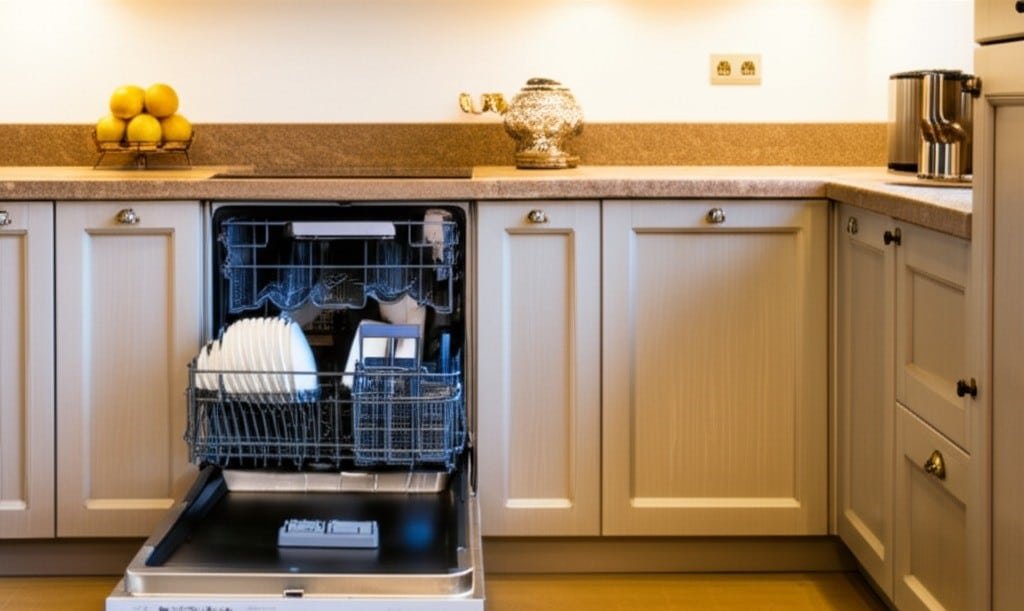
Immaculate open dishwasher with shining stainless steel and clean racks.

How to Clean Dishwasher: 6 Steps for a Sparkling Finish

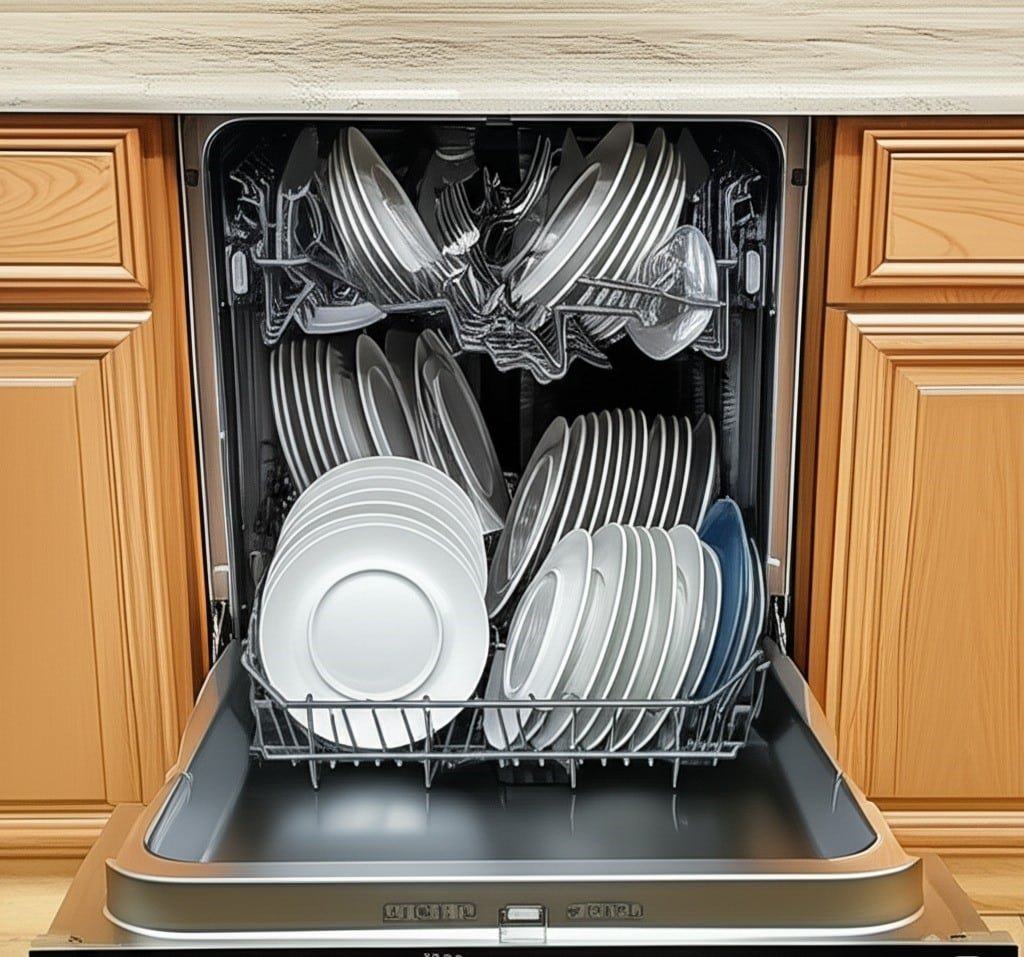
Keeping a clean dishwasher is essential for ensuring your dishes come out sparkling and your appliance lasts longer. In this guide, we’ll walk you through the simple steps to clean your dishwasher effectively. Let’s dive into how to clean your dishwasher and keep it running smoothly! 1. Gather Your Cleaning Supplies Before you embark on your mission to clean your dishwasher, it’s essential to gather all the necessary supplies: White vinegar Baking soda A soft brush or toothbrush Dish soap Microfiber cloth A bowl or cup These everyday household items are powerful allies in your cleaning arsenal, making the process smooth and efficient. White vinegar is a natural cleaner known for its ability to break down grease and eliminate odors, making it perfect for tackling the inside of your dishwasher. Baking soda, on the other hand, is great for scrubbing away stains and providing a fresh finish. A soft brush or toothbrush will help you get into those nooks and crannies, especially around the filter and spray arms, where food particles often get stuck. Dish soap and a microfiber cloth will ensure you can wipe down surfaces effectively without scratching them. Lastly, a bowl or cup will be used to hold the vinegar during one of the cleaning cycles. Having these items ready and within reach is crucial as it allows you to clean your dishwasher in one go, without interruptions. By preparing your cleaning supplies beforehand, you ensure that the cleaning process is quick and efficient, saving you time and effort. Plus, using these common household items means you don’t need to spend extra money on specialized cleaning products, making it a cost-effective solution for maintaining a clean dishwasher. Having these items on hand will make the cleaning process quick and efficient.     2. Empty and Inspect the Dishwasher To begin the process to clean your dishwasher effectively, start by removing all dishes, utensils, and racks from the interior. This step ensures that you have unobstructed access to every part of the dishwasher, allowing you to clean it thoroughly. As you empty the appliance, take a moment to notice any obvious signs of debris or buildup that might be affecting its performance. Once the dishwasher is empty, carefully inspect the interior for any food debris or grime. It’s common for particles to accumulate in hidden corners, around the door seals, and especially near the drain. The drain area is a critical spot to check because clogs here can impede the dishwasher’s ability to drain water properly, leading to potential issues with cleanliness and functionality. Similarly, the spray arms should be examined closely, as blockages in the small holes can reduce the effectiveness of the water jets, resulting in dishes that aren’t thoroughly cleaned. Pay special attention to these areas and make a mental note of any spots that need extra care. Sometimes, simply wiping away visible debris can make a significant difference. However, for a deep clean, it’s essential to address any hidden grime that might not be immediately visible. By thoroughly inspecting and identifying problem areas, you set the stage for a more effective cleaning process. This careful inspection ensures that when you proceed with the cleaning steps, you’ll be able to target and eliminate all the dirt and buildup, resulting in a truly clean dishwasher that performs at its best. 3. Clean the Filter A crucial step in ensuring you maintain a clean dishwasher is addressing the filter, which can often become clogged with food particles and grease over time. The filter is usually located at the bottom of the dishwasher, and its primary function is to trap food debris, preventing it from recirculating onto your dishes during the wash cycle. When the filter is clogged, it can hinder your dishwasher’s performance, leading to poor cleaning results and unpleasant odors. To begin, locate the filter at the base of your dishwasher. Carefully remove it, paying attention to how it is installed so you can easily replace it later. Once removed, rinse the filter thoroughly under hot running water to loosen and wash away the accumulated debris. For stubborn particles or greasy buildup, use a soft brush, such as an old toothbrush, to gently scrub the filter. This will help ensure that all the tiny holes and mesh are free of obstructions, allowing water to flow through it properly. After cleaning, make sure to inspect the filter to ensure it’s completely free of any residue. A clean filter is essential for the efficient operation of your dishwasher, as it allows the appliance to drain water correctly and prevents food particles from sticking to your dishes. Once you’re satisfied with its cleanliness, reinstall the filter securely in its original position. 4. Clean the Spray Arms To maintain a clean dishwasher, paying attention to the spray arms is essential. These components are responsible for distributing water during the wash cycle, ensuring that every dish and utensil gets thoroughly cleaned. Over time, the tiny holes in the spray arms can become clogged with mineral deposits, food particles, and other debris, which can significantly reduce their effectiveness. Begin by removing the spray arms from the dishwasher. This process usually involves unscrewing or unclipping them, depending on your dishwasher model. Once removed, rinse the spray arms under warm water. This initial rinse helps to dislodge any loose debris and prepares them for a more thorough cleaning. Next, use a toothpick or a small brush to carefully clear any clogged holes in the spray arms. This step is crucial because even small blockages can disrupt the water flow, leading to subpar cleaning results. Ensure you check each hole meticulously, as the effectiveness of your dishwasher depends on these spray arms being fully operational. After you have cleaned each hole and are satisfied that water can flow freely through all of them, reattach the spray arms securely. Properly maintained spray arms will ensure that your dishwasher can clean your dishes effectively, contributing to a consistently clean dishwasher and spotless dishware. 5. Run a

How to Clean Dishwasher: 6 Steps for a Sparkling Finish Read More »