Carpet and Rug Cleaning

How to Tackle Tough Stains on Clothes: 5 Proven Methods

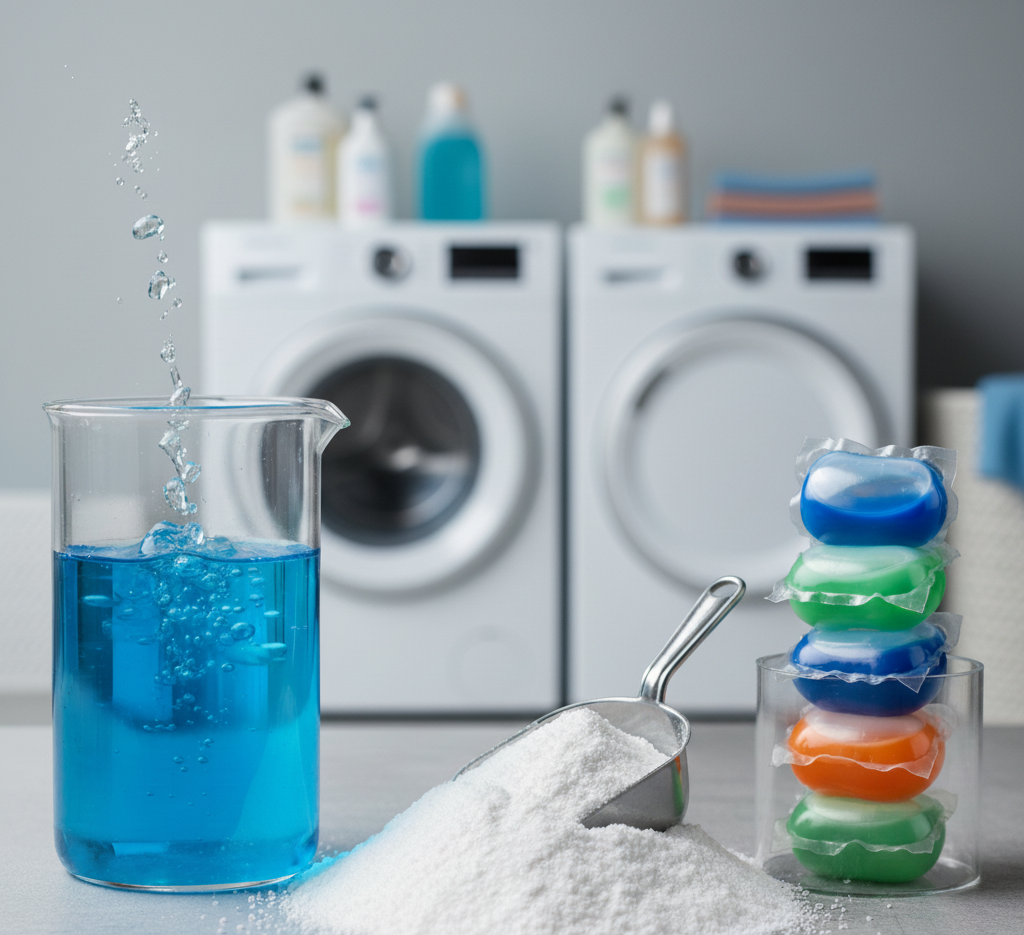
An inevitable part of life is stains on clothes. A drop of coffee on a crisp white shirt, a splash of red wine at a party, or a grass stain after a day at the park: these incidents are universal. The panic that follows, however, doesn’t have to be. Understanding the nature of stains on clothes and knowing the correct approach to treat them can transform a potential wardrobe disaster into a minor inconvenience. The key to successfully removing stains on clothes is not a single magic product, but a combination of swift action, correct technique, and knowledge of how different substances interact with fabric. The first and most critical rule of stain removal is to act as quickly as possible. A fresh stain is a temporary problem; a set-in stain is a long-term challenge. The longer a staining agent has to penetrate and bond with the fabric fibers, the more difficult it will be to remove. The moment a spill occurs, your goal is to remove as much of the excess substance as possible without making the situation worse. This leads to the second rule: blot, don’t rub. Rubbing stains on clothes grinds the particles deeper into the fabric and can spread the stain over a larger area, weakening or fraying the fibers in the process. Use a clean white cloth or a paper towel to gently blot the stain, working from the outside edges inward to prevent it from spreading. Before applying any cleaning solution, always test it on an inconspicuous area of the garment, such as an inside seam or hem. This ensures the solution won’t cause discoloration or damage to the fabric itself. Finally, and perhaps most importantly, never put a garment with stains on clothes in the dryer. The high heat of a dryer will permanently set most stains, making them nearly impossible to remove. Always check to ensure a stain is completely gone after washing and before drying. If a faint trace remains, repeat the treatment and wash it again. Air-drying is the safest option until you are certain the stain has vanished. To effectively tackle any stains on clothes that come your way, it’s wise to have a basic stain removal toolkit on hand. You don’t need a cabinet full of expensive, specialized products. Most common stains on clothes can be treated with a few simple household items: Cold Water: Your first line of defense for many stains, especially unknown ones and those that are protein-based. Dish Soap (Clear, without bleach): An excellent degreaser that is gentle on most fabrics. It’s the go-to for oil-based stains. White Vinegar: A mild acid that works well to break down tannin stains like coffee, tea, and juice. It also helps to remove odors. Baking Soda: A gentle abrasive and natural deodorizer. It can be made into a paste with water to lift stains. Hydrogen Peroxide (3% Solution): A mild oxygen bleach that is great for whitening and removing organic stains like blood and grass. Always test on colored fabrics first. Rubbing Alcohol: A solvent that is effective on ink and some dye stains. Enzyme Cleaner: A product specifically designed to break down protein-based stains on clothes like blood, sweat, and dairy. These are often sold as pet stain removers. Clean White Cloths and a Soft-Bristled Brush (like an old toothbrush): For blotting and gently scrubbing. Stains can be broadly categorized by their origin, and each category requires a different approach to deal with stains on clothes. Tannin Stains (Plant-Based)  These stains come from plant-based compounds and include some of the most common culprits: coffee, tea, red wine, fruit juice, berries, and grass. They are essentially dyes from plants. Coffee and Tea: Immediately blot the stain and flush with cold water from the back of the fabric to push the stain out. Mix a solution of equal parts white vinegar and water. Apply it to the stain and let it sit for 10-15 minutes. If the stain persists, create a paste of baking soda and a few drops of water, apply it, and gently scrub with a soft brush. Launder as usual. Red Wine: This stain requires immediate action. Blot thoroughly. One of the most effective methods is to cover the fresh stain completely with salt. The salt will draw the wine out of the fabric fibers. Let it sit for at least an hour, then scrape off the salt and rinse with cold water. For any remaining discoloration, treat with a paste of hydrogen peroxide and a small amount of dish soap. Apply, let it sit for 30 minutes, then rinse and wash. Grass Stains: These are a combination of tannin and protein. Start by treating with a small amount of dish soap or an enzyme cleaner, working it into the stain. Let it sit for 15 minutes. For stubborn grass stains on clothes, rubbing alcohol can be effective. Dab it onto the stain with a clean cloth, then rinse thoroughly before laundering. Oil-Based Stains (Greasy)   These stains come from fats and oils and include cooking oil, butter, salad dressing, grease, and many types of makeup (like foundation and lipstick). Water alone will not remove these stains on clothes; they need a substance that can break down the oil. Cooking Oil and Grease: First, cover the stain with an absorbent powder like baking soda, cornstarch, or talcum powder. This will help draw the oil out of the fabric. Let it sit for at least 30 minutes, then scrape it off. Apply a generous amount of clear dish soap directly to the stain and work it in with your fingers or a soft brush. Let it sit for 10-15 minutes to allow the soap to break down the grease. Wash the garment in the hottest water the fabric can safely tolerate. Makeup: For liquid foundation or lipstick, gently scrape off any excess. Apply a few drops of dish soap or an oil-free makeup remover to the stain. Work it in and let it sit. For tougher stains, dabbing with rubbing alcohol can help break down the waxy components. Rinse and launder. Protein-Based Stains (Organic)  These stains come from animal or human sources and include

How to Tackle Tough Stains on Clothes: 5 Proven Methods Read More »

Hydrogen Peroxide for cleaning

Understand The Formula For Hydrogen Peroxide And 4 Ways To Use It For Cleaning

In the world of cleaning, few products offer the versatility, affordability, and eco-friendly power of hydrogen peroxide. Often found in a simple brown bottle in the first-aid aisle, this unassuming liquid is a formidable ally in the quest for a truly clean and disinfected home. Its chemical formula, H₂O₂, is just one oxygen atom away from water (H₂O). This extra oxygen atom is what makes it a powerful oxidizer, allowing it to break down stains, kill germs, and deodorize surfaces effectively. When its work is done, it safely decomposes into nothing more than water and oxygen, making it a much gentler choice for your home and the environment compared to harsh chemical cleaners like chlorine bleach. Understanding the humble brown bottle is the first step to unlocking its potential. For household cleaning, the standard 3% solution is all you need. While higher concentrations exist, they can be corrosive and are not intended for general use. The dark bottle is essential because hydrogen peroxide is sensitive to light, which causes it to break down more quickly into water and oxygen, losing its cleaning power. For best results, it’s often helpful to attach a spray nozzle directly to the original bottle. Before you begin, always remember a few key safety rules: wear gloves to protect your skin, ensure good ventilation, and most importantly, never mix hydrogen peroxide with bleach or ammonia, as this can create toxic gases. 1.Hydrogen Peroxide in the Kitchen The kitchen is where hygiene is paramount, and hydrogen peroxide shines as a non-toxic disinfectant and cleaner. Disinfecting Cutting Boards and Countertops: Wooden and plastic cutting boards can harbor dangerous bacteria like Salmonella and E. coli. After washing your cutting board with soap and water, spray it liberally with 3% hydrogen peroxide. Let it sit and bubble for about 10 minutes, this bubbling action is the peroxide working to lift and kill germs from the pores of the surface. Rinse thoroughly with water. The same process can be used on non-porous countertops (avoiding unsealed natural stone like marble) for a food-safe disinfection. Cleaning and Deodorizing the Sink: The kitchen sink is often one of the dirtiest places in the home. To clean and sanitize it, wash it first with soap and water. Then, spray the entire basin and faucet with hydrogen peroxide. Let it sit for 15-20 minutes before rinsing. For tough stains, create a paste of baking soda and hydrogen peroxide, apply it to the stained area, let it sit, and then scrub gently with a non-abrasive sponge. This not only cleans but also eliminates lingering odors. Brightening Stained Cookware: Burnt-on food and stains on baking sheets, pots, and pans can be incredibly stubborn. To tackle them, create a paste of baking soda and hydrogen peroxide. Apply a thick layer to the stained areas, let it sit for several hours or even overnight. The peroxide will work to break down the carbonized food, and the baking soda will act as a gentle abrasive. Scrub with a sponge, and you’ll find much of the staining lifts away with minimal effort. Sanitizing the Refrigerator and Dishwasher: Because hydrogen peroxide is food-safe, it’s perfect for cleaning appliances that handle your food. Wipe down shelves, drawers, and the interior walls of your refrigerator with a cloth dampened with peroxide to disinfect surfaces and eliminate odors. You can also run an empty dishwasher cycle with a cup of hydrogen peroxide in the bottom to help kill mold, mildew, and bacteria that can build up inside the machine. 2.Tackling the Bathroom The bathroom is a constant battleground against germs, mold, and mildew. Hydrogen peroxide is an indispensable tool in this fight. Eliminating Mold and Mildew: In damp environments like showers, mold and mildew are common. To treat affected areas, spray 3% hydrogen peroxide directly onto the mold. Let it sit for at least 30 minutes to an hour. The peroxide will kill the mold spores. After it has sat, use a stiff brush to scrub the area and then rinse with water. This is particularly effective on tile grout, shower curtains, and around fixtures. Disinfecting the Toilet: Hydrogen peroxide is a fantastic toilet bowl cleaner and disinfectant. Pour about half a cup of peroxide into the toilet bowl and let it sit for 30 minutes. The solution will work to break down stains and kill germs. After waiting, scrub the bowl with a toilet brush and flush. You can also spray the exterior, seat, and handle with peroxide and wipe clean for a complete sanitization. Whitening Grout: Grout between tiles can become discolored over time. To restore its brightness, make a thick paste of baking soda and hydrogen peroxide. Apply the paste directly to the grout lines using an old toothbrush or a small brush. Let it sit and bubble for 10-15 minutes, then scrub vigorously. Wipe away the excess paste with a damp cloth. You may need to repeat the process for heavily stained areas, but the results are often dramatic. Sanitizing Toothbrushes and Bath Toys: Items that go in the mouth need regular sanitizing. Soak toothbrushes in a small cup of hydrogen peroxide for about 5-10 minutes once a week to kill bacteria. Similarly, bath toys can be soaked in a solution of warm water and peroxide to eliminate mold and mildew that can grow inside them. Rinse everything thoroughly before use. 3.Around the House The applications of hydrogen peroxide extend far beyond the kitchen and bathroom. Effective Stain Removal in Laundry: Hydrogen peroxide is a mild bleach, making it excellent for removing stubborn stains, especially from white fabrics. It is particularly effective on organic stains like blood, grass, and red wine. For blood stains, apply peroxide directly to the fresh stain (it will bubble as it reacts with an enzyme in blood) and blot with a clean cloth before washing. For general stains, mix two parts hydrogen peroxide with one part dish soap. Apply to the stain, let it sit, and then launder as usual. Important: Always spot-test on a hidden area of colored fabrics first, as it can cause

Understand The Formula For Hydrogen Peroxide And 4 Ways To Use It For Cleaning Read More »

getting ready for fall cleaning

September Cleaning: 7 Quick And Easy Steps To Get Ready For Fall

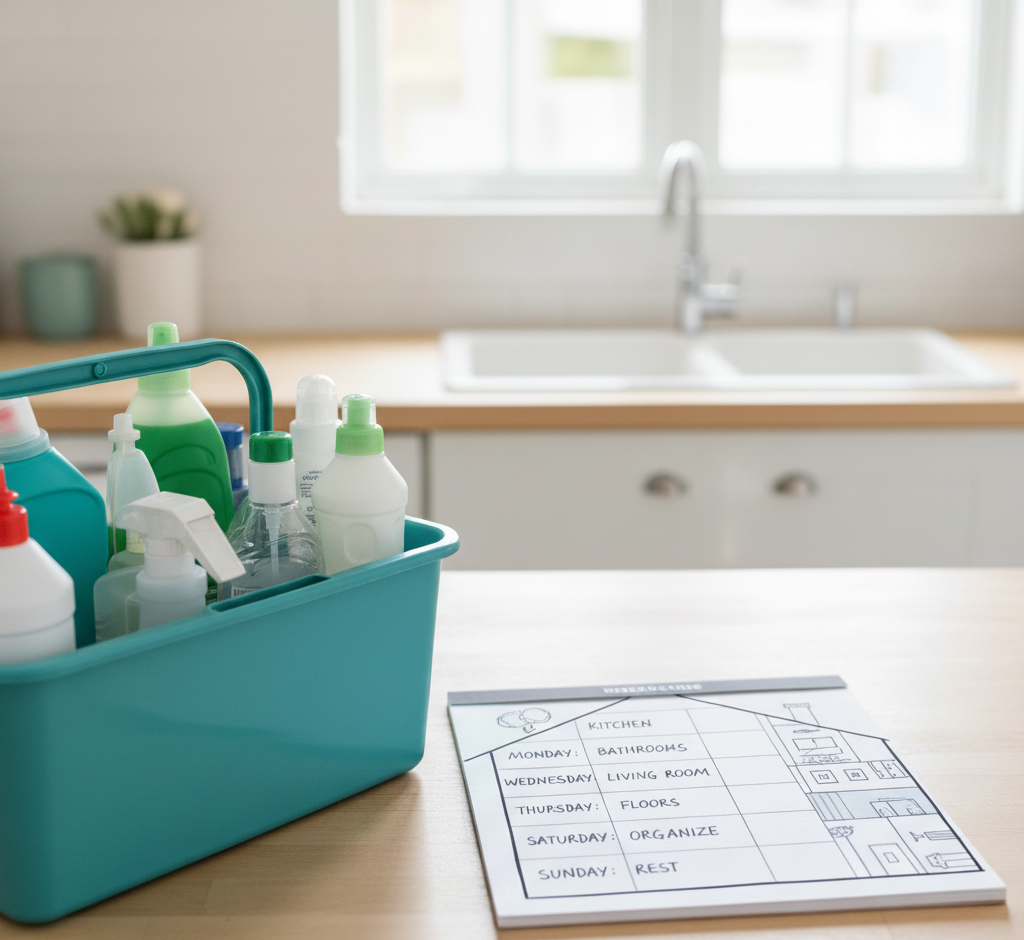
September in Canada marks an essential transition, the end of summer and the beginning of preparations for autumn and winter. This period demands a thorough house cleaning, not just to get rid of accumulated dust and clutter from the warmer months, but also to prepare the home for the long periods when we spend more time indoors. An effective September cleanup is the foundation for a healthy, organized, and welcoming environment during the colder seasons, contributing to both physical and mental well-being. The approach should be systematic, starting with planning and decluttering, and moving on to detailed cleaning of each area of the house. 1.Planning Preparation for the September cleanup begins with creating an action plan and decluttering. It is essential to adopt an organized approach to avoid feeling overwhelmed. Start by scheduling specific time blocks for different areas or types of tasks. This transforms what seems like a gigantic chore into manageable steps. Take an inventory of your cleaning supplies. Make sure you have microfiber cloths, a vacuum cleaner with various attachments, a mop, buckets, protective gloves, and a variety of cleaning products such as an all-purpose cleaner, disinfectant, glass cleaner, bathroom cleaner, and floor cleaner. Consider investing in eco-friendly and non-toxic products, especially if there are children, pets, or people with allergies in the home. 2.Three-Box Method Decluttering should be the first step in every room before any cleaning begins. This process is crucial for freeing up space and facilitating deep cleaning. Adopt the “three-box method”: one for items to keep and organize, one for donating or selling, and another for trash or recycling. Start with seasonal summer items, putting away beach gear, garden decorations, and summer clothes. Evaluate clothing, toys, books, and stationery. Getting rid of excess not only organizes the space but also reduces the amount of dust and clutter to clean. In the kitchen, clear out the pantry and refrigerator, discarding expired food and reorganizing the rest. In living areas, collect and categorize papers, magazines, and personal items. In bedrooms, perform a wardrobe rotation, putting away summer clothes and preparing for autumn/winter. Once decluttering is complete, plan to deliver items for donation or recycling. 3.Focus On The Kitchen With decluttering done, cleaning of each room can begin. The kitchen, being a hub of activity, requires special attention. Perform a deep clean of appliances. The oven should be cleaned internally, removing grease and residue. The microwave needs a complete internal and external cleaning. Empty the refrigerator, discard old food, clean shelves and drawers, and wash the interior with mild soap and water. The dishwasher should be run with a vinegar cycle to remove deposits and odors. Clean all cabinets and drawers, both inside and out, and wash countertops and backsplashes. Disinfect the sink and faucets, and pay attention to cleaning the garbage disposal, if you have one. Finish by mopping or steaming the floor. 4.Bathroom In bathrooms, hygiene is paramount. Scrub toilets, showers, and bathtubs, paying attention to tile grout to remove mold and mildew. Wash or replace shower curtains and liners. Clean mirrors, light fixtures, and all contact surfaces, such as faucets, doorknobs, and light switches, with an effective disinfectant. The bathroom floor should be thoroughly washed and disinfected. Organize medicine cabinets and drawers, discarding expired or unused products. In bedrooms, start by washing all bedding (sheets, duvets, blankets) and curtains. Vacuum the mattress and consider flipping or rotating it to extend its lifespan. Dust all surfaces, furniture, light fixtures, and ceiling fans. Vacuum or mop the floor, including under the bed and furniture. Reorganize closets and drawers, taking the opportunity for the seasonal clothing swap prepared during decluttering. 5.Living Room Living and common areas also require detailed cleaning. Dust all furniture, electronics, and decorative items. Vacuum or clean upholstery on sofas and chairs. Clean windows and window treatments, such as blinds and curtains. Vacuum or mop floors. Dedicate time to cleaning high-touch surfaces, such as remote controls, light switches, and doorknobs. Hallways and entryways, which are the first points of contact with the outdoors, need to be kept free of clutter. Clean and organize shoe racks and coat hooks. Wipe down walls to remove any marks or scuffs. Deeply vacuum or mop floors in these areas, removing any salt, mud, or debris that may have been tracked in. 6.Laundry Room In the laundry room, wipe down the exterior of the washing machine and dryer. Clean the dryer’s lint trap thoroughly to ensure efficiency and fire safety. Wash the utility sink, if present, and organize detergents and cleaning supplies. Beyond the main rooms, there are often overlooked areas that need attention during the September cleanup. Windows, both inside and out, should be cleaned to maximize natural light during the darker months. Clean walls and baseboards to remove marks and accumulated dust. Doors and doorframes also accumulate fingerprints and dust, requiring thorough cleaning. Light fixtures and ceiling fans should be dusted and cleaned. A crucial step is cleaning or replacing air filters in heating and air conditioning systems. This significantly improves indoor air quality, which is essential when windows remain closed. Wash and disinfect trash cans in all rooms. Small appliances like toasters, coffee makers, and kettles also deserve a thorough cleaning. Although the focus is internal, a brief outdoor preparation to put away summer items, such as patio furniture and barbecues, is also part of the transition to autumn. 7.Maintenance Maintaining a clean and organized home after the big September cleanup requires implementing long-term maintenance strategies. Reinforce daily “mini-cleaning” habits to prevent dirt accumulation. Create a weekly schedule for deeper cleaning tasks, rotating areas so none are neglected. Conduct seasonal check-ins to plan future cleanups, adapting them to the needs of each season. Invest in smart storage solutions to maintain organization and reduce clutter. Delegate responsibilities among family members so that maintenance is a joint effort. Considering the Canadian lifestyle, with its distinct seasons, the September cleanup is particularly important for preparing the home for colder months. This includes storing summer equipment, such as

September Cleaning: 7 Quick And Easy Steps To Get Ready For Fall Read More »

Home Clean and Organized

Home Clean and Organized: 5 Tips From Cleaning Experts For a Stunning Home

Keeping a clean and organized home is an ongoing process that demands more than just sporadic cleaning sessions. It involves adopting a proactive mindset and integrating simple habits into daily life. An organized home is not just aesthetically pleasing; it contributes significantly to mental well-being, reducing stress and increasing productivity. The physical environment we live in has a direct impact on our mental clarity and energy. When the house is in order, there are fewer distractions, and the sense of control over one’s space translates into greater tranquility and focus in other areas of life. The key to this consistency lies in functional and practical strategies that transform the task of maintaining the home into a habit, rather than an overwhelming burden. 1.Small Continuous Efforts The foundation for an always clean and organized home begins with forming consistent daily habits. Instead of viewing cleaning as a monumental task reserved for a single day of the week, adopt the philosophy of small, continuous efforts. The “one-minute rule” is a fundamental example: if a task takes less than a minute to complete, do it immediately. This could be putting away a book, wiping up a spill, or putting away a cup. These quick actions prevent the accumulation of small messes that, together, become overwhelming. Another essential habit is the “daily reset.” This means dedicating 10-15 minutes at the end of the day to tidy up the main rooms, such as the kitchen and living room. Put away dishes, wipe countertops, arrange sofa cushions. Waking up in a tidy environment sets a positive tone for the day. Involving all household members in this routine is crucial. Assign responsibilities and encourage collaboration. When everyone contributes, the load is shared, and the result is a collective benefit. Having “a place for everything and everything in its place” is the maxim of organization. This means every item in your home should have a designated storage location. When you use something, the natural habit should be to return it to its place, eliminating the accumulation of misplaced objects and reducing the need for large tidying sessions. 2.The Most Important Rooms The kitchen is undoubtedly one of the rooms that requires the most daily attention due to its constant use. After each meal, the routine should include immediately washing dishes and utensils or loading the dishwasher. Wipe countertops with a damp cloth and an all-purpose cleaner to remove crumbs and spills. Quickly sweep or vacuum the floor to pick up debris. Once a week, kitchen cleaning should be more thorough. This includes cleaning the inside and outside of the microwave, the stovetop and oven surface (if necessary), the sink, and faucets, ensuring no grease or food residue accumulates. Check and wipe the exterior of the refrigerator and other appliances, and empty and clean the trash can. Bathrooms also require strict daily and weekly attention. Daily, quickly wipe the sink, mirror, and countertop to remove splashes and stains. A quick scrub of the toilet can prevent dirt buildup. Weekly, perform a thorough cleaning: disinfect the toilet inside and out, clean the shower or bathtub (paying attention to mold and mildew), wash the floor, and wipe all surfaces with an appropriate disinfectant. Wash towels and shower curtains regularly. In living areas and bedrooms, daily organization is key. In the living room, arrange sofa cushions, fold blankets, and put away remote controls, magazines, and other personal items. In bedrooms, the simple act of making the bed every morning already transforms the room’s appearance. Put dirty clothes in the hamper and clean clothes in drawers or the closet. Weekly, vacuum or sweep floors in all living areas and bedrooms. Use a microfiber cloth to dust all surfaces, furniture, shelves, and electronics. Don’t forget to clean mirrors and glass surfaces. 3.High-Traffic Areas Hallways and entryways, often high-traffic areas, need to be kept free of clutter. Ensure shoes, coats, and bags have a designated spot and are put away immediately after use. Sweep or vacuum these areas frequently, as they are the first to accumulate dirt from outside. Decluttering and organization are the pillars of long-term home cleanliness. The “one in, one out” principle is effective: every time you buy a new item, donate, sell, or discard a similar old item. This prevents unnecessary accumulation. Start by categorizing and containing items. Group similar objects and use boxes, baskets, drawer dividers, and organizers to keep them together and accessible. Vertical organization is an excellent way to maximize space, using shelves, wall organizers, and hooks. Labels are simple but powerful tools that ensure everyone in the house knows where each item belongs, facilitating both organization and the return of items to their place. Beyond physical decluttering, digital organization also contributes to mental clarity. Organize files on your computer, clean your email inbox, and get rid of unused apps on your devices. 4.Right tools The correct choice and use of cleaning tools and techniques are crucial for efficiency. Always start from top to bottom: when dusting or cleaning, begin with the highest surfaces and work your way down. This ensures any dust or dirt that falls is cleaned up at the end. Invest in the right tools: microfiber cloths are excellent for capturing dust and polishing surfaces without leaving lint. A good vacuum cleaner with various attachments is indispensable for different floor types and surfaces. Also have an appropriate mop, cleaning brushes, and sponges. Regarding products, an all-purpose cleaner, a glass cleaner, a disinfectant, a floor cleaner, and a bathroom cleaner are essential. Consider eco-friendly and non-toxic options, especially if there are children, pets, or people with allergies in the home. Always wear protective gloves to protect your hands and ensure good ventilation when using chemical products. It is crucial to know your home’s surfaces and use appropriate products to avoid damage. For example, never use abrasive products on delicate surfaces like marble or sealed wood. Addressing specific daily life challenges requires adapted strategies. If you have pets, frequent cleaning is a necessity. Vacuum regularly to

Home Clean and Organized: 5 Tips From Cleaning Experts For a Stunning Home Read More »

The Dirtiest Places In Your Home

The Dirtiest Places In Your Home Can Be Harmful To Your Health

A house is merely a structure until the dirt from the garden, the dust from the road, and the smudges of daily life turn it into a home. Beneath the surface of tidy countertops and vacuumed floors, a complex ecosystem of bacteria, viruses, mold, and fungi thrives, often in the very places we overlook during our routine cleaning. We are conditioned to tackle the visible dirt, the spill on the rug, the smudges on the window, but the most significant threats to our household hygiene are microscopic and insidious. They multiply in the damp, the dark, and on the surfaces we touch most frequently. Understanding this hidden microbial landscape is the key to elevating your cleaning from a superficial chore to a meaningful act of health protection. KITCHEN The kitchen, the very place we prepare our food, is paradoxically the most germ-laden room in the house. Its combination of raw food, moisture, and high-touch surfaces creates a paradise for pathogens. The kitchen sink is ground zero for contamination. Far from being self-cleaning, the sink basin is a repository for food particles rinsed from plates and cutting boards. These particles create a sticky, invisible layer known as a biofilm, a complex community of microorganisms that adheres to the sink surface and drain. This biofilm can host dangerous bacteria like E. coli and Salmonella. Every time you turn on the faucet, water can splash these germs from the basin onto your hands, counters, or clean dishes. The garbage disposal adds another layer of risk, as running it can aerosolize bacteria-laden water droplets into the surrounding air. The faucet handles and the small, damp aerator cap at the end of the spout are also hotspots, collecting both germs from our hands and trapping biofilm within their small components. SPONGES The tools we use to clean the kitchen are often the dirtiest items of all. The kitchen sponge is a notorious microbial incubator. Its porous, absorbent structure remains damp for hours, providing the perfect environment for bacteria to multiply exponentially. A single sponge can harbor billions of bacteria, including Campylobacter, a leading cause of foodborne illness. When you wipe a surface with a contaminated sponge, you are not cleaning; you are performing a microbial transfer, spreading a film of germs across your counters. Dishcloths are no better, as they hold moisture and trap food particles. CUTTING BOARDS Cross-contamination is a constant threat. Cutting boards, particularly those with deep knife grooves, are a major culprit. Bacteria from raw meat and poultry become embedded in these cuts and can survive even vigorous washing, ready to contaminate the salad vegetables you chop next. For this reason, using separate, color-coded boards for raw meats and produce is a critical food safety practice. Appliance handles and knobs, on the refrigerator, microwave, oven, and dishwasher, are the Grand Central Station of household germs. We touch them constantly, often after handling raw foods and before washing our hands. Viruses like influenza can survive on stainless steel surfaces for up to 48 hours, making these handles a primary vector for transmission within a family. Even the coffee maker’s water reservoir, a dark and perpetually damp container, is a prime breeding ground for mold and yeast, which you then brew into your morning cup. The knife block, with its dark, narrow slots, is another forgotten hazard, trapping moisture and debris that can contaminate supposedly clean knives. TOILET In the bathroom, our focus is often misplaced. While the toilet bowl receives regular attention, the surrounding area is frequently ignored. Every flush without the lid down creates a “toilet plume,” an aerosolized mist of microscopic water droplets containing fecal bacteria that can travel up to six feet and settle on every surface, including the floor, countertops, and your toothbrush. The flush handle itself is one of the most contaminated touchpoints. Your toothbrush holder is another cesspool, collecting drips of water and toothpaste that form a murky sludge at the bottom where bacteria like Staphylococcus and mold can flourish, just inches from the toothbrush you put in your mouth. SHOWER AND BATH The shower and bathtub are a battleground against mold and mildew. The primary fuel for this fungal growth is soap scum. This is not just dried soap; it’s a stubborn, waxy compound of soap fats and hard water minerals like calcium and magnesium. It provides a food source and a protective, water-resistant layer for mold to grow underneath. This is where you find the common pink “mold” (actually a bacterium called Serratia marcescens) and more dangerous black molds. The showerhead itself is another hidden danger. Its nozzles can harbor biofilms containing bacteria like Mycobacterium avium, which can cause pulmonary infections, especially in those with compromised immune systems. These bacteria are then aerosolized in the warm shower mist and inhaled directly into the lungs. Damp bath mats, which rarely dry completely, become breeding grounds for mold and bacteria, which are then tracked around the bathroom. EVERYDAY ITEMS Throughout the rest of the house, the primary sources of filth are us. The items we touch the most are often the ones we clean the least. These objects, known as fomites, are inanimate surfaces capable of carrying infectious agents. Remote controls, light switches, doorknobs, and game controllers are handled by everyone, dropped on the floor, and exposed to coughs and sneezes, yet are rarely disinfected. They accumulate a sticky film of skin oils, sweat, and grime that helps germs adhere and thrive. Our personal electronics are even worse. The average mobile phone has been proven to carry more bacteria than a toilet seat, a direct result of being constantly touched and placed on various surfaces. Computer keyboards are a catch-all for crumbs, dead skin, and oils, creating a microbial buffet between the keys. CARPETS Soft surfaces act as giant filters, trapping and holding contaminants. Carpets and upholstery collect dust, pet dander, pollen, tracked-in dirt, and food particles. More insidiously, they are home to colonies of dust mites. These microscopic arachnids don’t bite, but they feast on the 1.5

The Dirtiest Places In Your Home Can Be Harmful To Your Health Read More »

Clean-Looking House vs. Sanitized House

Clean-Looking House vs. Sanitized House: Why It’s More Important Than You Think

What’s the difference between a sanitized house and a clean house? A tidy home can be a deceptive space. Surfaces gleam under the lights, countertops are clean, cushions are fluffed, and the floor is free of visible debris. To the eye, this is the very picture of cleanliness. It brings a sense of calm, of order, and of accomplishment. This is the goal for most people when they embark on their weekly cleaning routine: to restore visual harmony to their environment. This is the clean-looking house. It is an aesthetic achievement, a curated space that feels organized and pleasant to inhabit. The methods used to achieve this look are often focused on speed and appearance. A quick wipe with a damp cloth, a swift pass of the vacuum, the stowing away of objects into closets and drawers. The primary function of this type of cleaning is to manage clutter and remove surface-level dust and dirt. It addresses what is immediately apparent to our senses. A pleasant scent from a candle or air freshener might be employed to complete the illusion, masking any underlying odors and signaling to our brain that the area is fresh and therefore clean. Psychological Benefits This pursuit of a clean-looking house is not without merit. Living in a cluttered, visibly dirty environment can contribute to stress and a feeling of being overwhelmed. The act of tidying and organizing has psychological benefits, creating a space that feels more manageable and restful. However, it is crucial to understand that this visual state of order has very little to do with the actual hygienic condition of the home. The clean-looking house is a stage set for daily life, but it often conceals a microscopic world that is far from pristine. The very tools used to create this appearance can be part of the problem. A sponge used to wipe down the kitchen counter may effectively remove crumbs, but if it is damp and has been used for days, it is simultaneously spreading millions of bacteria across the very surface it is meant to clean. The cloth used to dust the coffee table moves particles around, some of which become airborne, only to settle again later. The vacuum cleaner without a HEPA filter can suck up allergens and dust mites from the carpet and expel them back into the air to be inhaled. The focus is on the macro, the visible, while the micro, the unseen, is allowed to thrive. Intruders In stark contrast to the clean-looking house is the sanitized house. This state of cleanliness is not defined by aesthetics, but by science. A sanitized house is one where the populations of germs, bacteria, viruses, and fungi, have been reduced to levels that are considered safe for human health. It is a space where the invisible threats have been systematically addressed. This requires a completely different mindset, a different set of tools, and a more thorough methodology. The goal is not just to make a surface look clean, but to ensure that what remains on that surface is not a threat to the well-being of the inhabitants. This process goes far beyond a simple wipe-down. It involves understanding the difference between cleaning, sanitizing, and disinfecting, and knowing when and where to apply each process. Cleaning is the foundational step. It is the removal of visible soil, dirt, and organic matter from a surface. You cannot sanitize a dirty surface. The dirt itself provides a place for germs to hide and can neutralize the effectiveness of sanitizing agents. Cleaning is what is done with soap, water, and friction. It is the act of scrubbing the cutting board, washing the dishes, and mopping the floor to lift away the grime. This is an essential first step, and it is where the process for a clean-looking house often ends. Sanitization Sanitizing is the next level. It is a chemical process that lowers the number of microorganisms to a safe level, as judged by public health standards. This means killing 99.9% of specified bacteria in a short period of time. Sanitizing is most critical in areas where food is prepared and in bathrooms. When you use a proper sanitizing spray on a kitchen counter after wiping it clean of crumbs, you are actively working to kill bacteria like E. coli and Salmonella that could cause foodborne illness. Sanitizing the sink, where raw meat juices may have splashed, is another critical step. This is a targeted action, designed to mitigate a specific health risk. Disinfecting is the most potent of the three processes. It involves using chemicals to kill virtually all microorganisms, including hardy viruses and fungi, on a surface. Disinfection is less about daily maintenance and more about targeted intervention. It is what you do after a family member has been sick with the flu, using a disinfectant on doorknobs, light switches, and remote controls to prevent the illness from spreading. It is the process used to treat a toilet bowl or an area contaminated with bodily fluids. A crucial component of both sanitizing and disinfecting that is almost always overlooked in the pursuit of a merely clean-looking home is dwell time. This is the amount of time a chemical product must remain wet on a surface in order to effectively kill the germs it claims to kill. Simply spraying and immediately wiping is often ineffective. The product needs to sit for several minutes—the specific time is always listed on the product label—to do its job. This patient, methodical approach is a hallmark of a truly sanitized environment. Small Details The areas where a clean-looking house most dangerously diverges from a sanitized house are the high-touch surfaces and hidden spots. Think of all the items handled by multiple people throughout the day: doorknobs, cabinet pulls, faucet handles, the refrigerator door, remote controls, keyboards, and cell phones. These items may look perfectly clean. They are not sticky, they have no visible dirt, but they can be teeming with microorganisms transferred from unwashed hands.

Clean-Looking House vs. Sanitized House: Why It’s More Important Than You Think Read More »

cleaning product mint with mint branch

Mint Cleaning Products: Discover The 6 Benefits of Mint in Cleaning

Using a mint cleaning products transforms the chore of tidying up into a refreshing experience. The sharp, cool scent cuts through stale air, replacing lingering cooking odors or bathroom stuffiness with a crisp aroma that signals true cleanliness. It’s a clean you can smell long after the cloths have been put away. 1.Citrus Note The scent of a clean home is often as important as the visual sparkle. While citrus notes are known for their zesty, energizing effect and lavender provides a sense of calm, mint occupies a unique and powerful space in the world of cleaning. It delivers a crisp, cool, and unmistakably clean fragrance that signifies a truly refreshed environment. The use of mint cleaning products transforms the chore of cleaning into a more invigorating and rewarding sensory experience. The sharp, piercing scent cuts through stale air and lingering odors, leaving behind a feeling of pure, unadulterated freshness that is difficult to replicate with other fragrances. It is a scent that doesn’t just mask odors, but seems to eradicate them, replacing them with an aura of hygienic purity. 2.Kitchen Odors In the kitchen, where grease and food odors present a constant battle, mint cleaning products are exceptionally effective. The natural compounds found in mint, particularly menthol, have a degreasing quality that helps break down oily residues on stovetops, backsplashes, and countertops. After cooking a fragrant meal, the air can feel heavy and saturated. A quick wipe-down of surfaces with a quality mint-based spray not only removes spills and splatters but also neutralizes those stubborn smells of garlic, onion, or fish. The versatility of mint cleaning products is on full display here. The sink, often a source of unpleasant smells, benefits immensely from a scrub with a mint-infused cleaner. It tackles food particles and leaves the basin smelling cool and clean for hours. Even the garbage disposal can be refreshed by using mint cleaning products, sending a plume of invigorating scent up from the drain instead of a whiff of yesterday’s waste. When mopping kitchen floors, a mint-based solution does more than just lift dirt; it leaves the entire room smelling revitalized from the ground up. 3.Mold and Damp in The Bathroom The bathroom is another area where the power of mint cleaning products truly shines. This space demands a high level of hygiene, and the scent of mint is psychologically associated with that very concept. It smells sterile in the best possible way. When used in a toilet bowl cleaner, it provides a powerful clean while effectively deodorizing the entire fixture. For showers and tubs, the challenges are soap scum and the potential for musty, damp smells. A good mint cleaning product cuts through the chalky residue and replaces any mildewy notes with its sharp, clean fragrance. The antimicrobial properties often associated with the essential oils in mint cleaning products make them ideal for this space. Wiping down sinks, faucets, and countertops leaves them gleaming and imbued with a scent that makes the entire room feel like a spa. Even cleaning mirrors and chrome fixtures with a mint-based glass cleaner is a more pleasant task; as you wipe away streaks, you are met with a cool, refreshing aroma rather than the harsh chemical smell of ammonia. 4.Homemade Recipes Creating your own mint cleaning products is a straightforward and cost-effective way to harness this power throughout your home. The satisfaction of making effective mint cleaning products at home is immense. A simple all-purpose spray can be made by combining one part white vinegar with one part water in a spray bottle and adding 15-20 drops of high-quality peppermint or spearmint essential oil. Shake well before each use. This homemade mint cleaning product is perfect for countertops, sinks, and other hard surfaces. It disinfects, deodorizes, and leaves that signature fresh scent. For more abrasive cleaning needs, such as scrubbing a stained sink or a grimy bathtub, a paste can be made from baking soda, a small amount of liquid castile soap, and several drops of mint essential oil. Apply the paste, let it sit for a few minutes, and then scrub with a damp sponge. You now have a powerful, abrasive mint cleaning product that is tough on grime but free from harsh chemicals. A wonderfully effective floor cleaner is just as easy: add a quarter-cup of white vinegar and 10 drops of mint essential oil to a gallon of hot water. This simple solution is one of the most effective DIY mint cleaning products you can make for mopping tile, linoleum, or vinyl floors, leaving them spotless and the air in your home feeling exceptionally clean. 5.Carpets and Rugs The utility of mint cleaning products extends far beyond the kitchen and bathroom. To freshen up carpets and rugs, mix a cup of baking soda with 10-15 drops of peppermint essential oil in a jar. Shake it vigorously, then sprinkle the mixture over the carpet. Let it sit for at least 15 to 20 minutes to absorb odors, then vacuum it up thoroughly. This simple trick is one of the most underrated uses for the components of mint cleaning products, leaving your textiles smelling crisp and new. The inside of a trash can, even when lined with a bag, can develop persistent odors. A quick spray and wipe with a mint-based cleaner after you take out the trash will keep it smelling fresh. For homes with pets, mint cleaning products can be a game-changer for cleaning pet areas, neutralizing odors without overwhelming sensitive noses with artificial perfumes. Stainless steel appliances, which often show every fingerprint and smudge, can be polished to a brilliant shine using a soft cloth and a mint-based cleaner, which helps to cut through greasy marks and leaves a streak-free, aromatic finish. The finish left by certain mint cleaning products on appliances is both visually appealing and olfactorily pleasing. 6.Mental Health The experience of using mint cleaning products goes beyond the physical act of cleaning; it has a noticeable psychological effect. The scent of mint is

Mint Cleaning Products: Discover The 6 Benefits of Mint in Cleaning Read More »

Carpets Cleaning: 12 Mistakes You Need to Stop Making

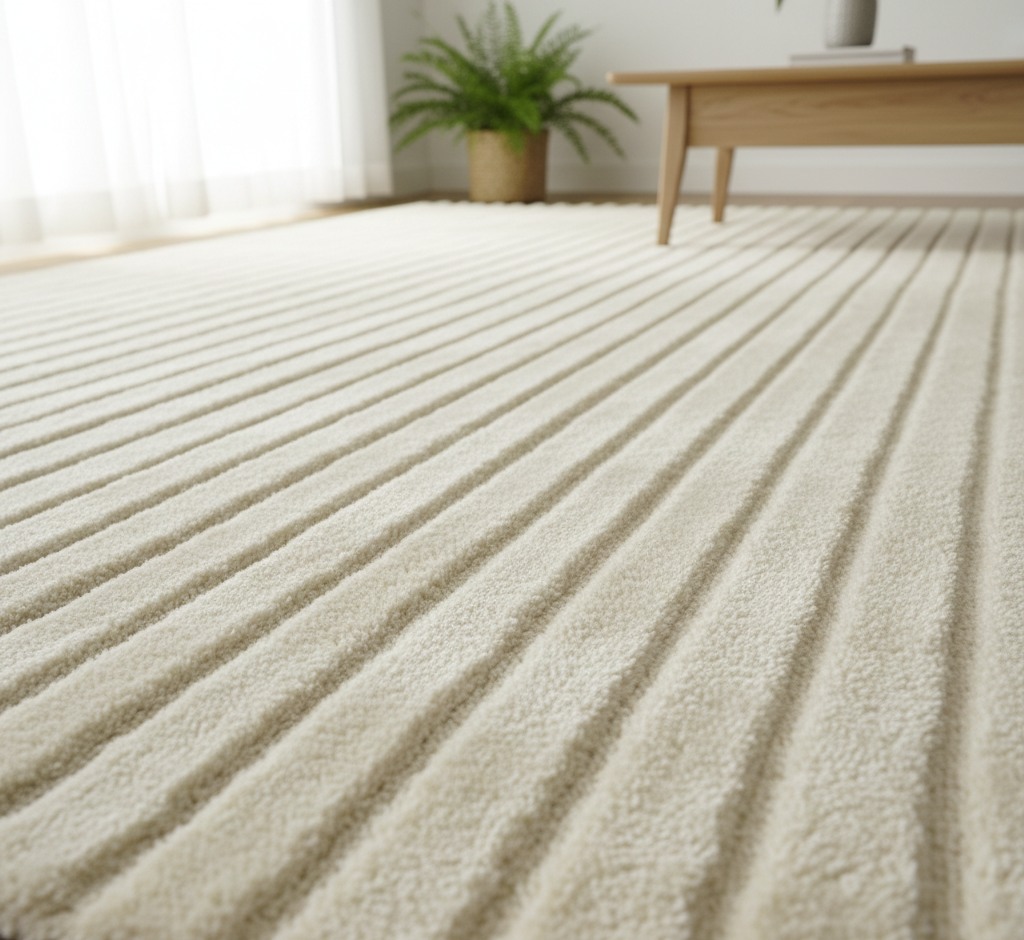
Using the wrong cleaning product is a foundational error. The carpets is not just a floor covering; it is a textile made of specific fibers, dyes, and backings. Grabbing an all-purpose cleaner from under the sink is a gamble with high stakes. Many household cleaners contain bleach or bleaching agents that can permanently strip color from your carpet, leaving behind noticeable light spots. Others are highly alkaline or acidic, which can chemically burn synthetic fibers or dissolve natural ones like wool. Dish soap is a frequent culprit. While it is effective at cutting grease, it is designed to produce a large volume of suds and leaves behind a sticky, soapy residue that is nearly impossible to fully rinse out with home equipment. This residue acts as a magnet, attracting dirt and dust at an accelerated rate, causing the cleaned spot to become soiled much faster than the surrounding area. Always use a cleaning solution specifically formulated for carpets, and even then, one that is appropriate for your carpet’s specific material, be it wool, nylon, polyester, or olefin. 1.Do Not Rub Scrubbing a stain aggressively is a natural, yet entirely incorrect, impulse. When you see a spill, the instinct is to apply pressure and friction to remove it. On a carpet, this action is destructive. Vigorous scrubbing does not lift the stain; it pushes it deeper into the carpet fibers and, more critically, into the padding beneath. This can make the stain impossible to remove and can create a breeding ground for mildew. Furthermore, the harsh mechanical action untwists and frays the delicate carpet fibers. This damage is irreversible. Once the fibers are frayed, they lose their texture and sheen, creating a permanently fuzzy or distorted patch that looks different from the rest of the carpet, even after the stain is gone. The correct method is blotting. Using a clean, white, absorbent cloth, gently press down on the spill to soak up as much liquid as possible. Work from the outside of the spill inward to prevent it from spreading. Repeat with fresh sections of the cloth until no more of the stain is transferring. 2.Do Not Apply Products Directly Applying cleaning solution directly onto the carpet is another common misstep. Pouring or spraying cleaner straight onto a stain creates a concentrated, oversaturated area. This excess liquid immediately soaks through the carpet fibers and into the backing and padding. Not only does this make the stain harder to remove by spreading it underneath the surface, but it also creates a high risk of water damage to your subfloor. An oversaturated pad can take days or even weeks to dry completely, fostering the growth of mold and mildew, which leads to persistent musty odors and potential health concerns. The proper technique is to apply a small amount of the appropriate cleaning solution to a clean cloth, and then use that cloth to blot the stained area. This gives you complete control over the amount of moisture being introduced to the carpet, ensuring the fibers are cleaned without soaking the layers beneath. 3.Without Excess Water Using too much water during a deep clean is arguably the most damaging mistake. This is particularly common with rented carpet cleaning machines, which often entice users to make multiple wet passes in the belief that more water equals a better clean. The opposite is true. Excess water saturates the carpet backing and the foam padding, a combination that can lead to a cascade of problems. Delamination can occur, where the glue holding the primary and secondary backings of the carpet together dissolves, causing the carpet to ripple and buckle. The waterlogged padding, as mentioned, becomes a perfect environment for mold and mildew. Another significant issue is “wicking,” where dirt and stains trapped deep in the padding are dissolved by the excess water and then carried up to the tips of the carpet fibers as the carpet dries, causing old stains to mysteriously reappear. A properly cleaned carpet should feel only slightly damp to the touch and should dry completely within 6 to 12 hours. If it remains wet for 24 hours or more, it has been overwetted. 4.Do Not Rinse Well Failing to rinse the carpet thoroughly after cleaning is the direct consequence of using too much soap or the wrong kind of cleaner. Any cleaning solution left behind in the fibers will leave a sticky or stiff residue. This residue acts like flypaper for dirt, dust, and grime. Every particle that lands on it or is tracked in on shoes will adhere to the fibers. This is why spots often reappear and look darker shortly after being cleaned. The area becomes a dirt magnet, leading to a frustrating cycle of cleaning that never seems to last. When spot cleaning, after blotting the stain, you should lightly mist the area with clean water and blot again with a dry cloth to “rinse” the fibers and remove any lingering solution. During a machine cleaning, the rinsing and extraction phase is the most critical part of the process. A slow, deliberate extraction pass that removes as much water and solution as possible is paramount. 5.Don’t Wait Too Long Waiting too long to address a spill transforms a minor incident into a potential permanent stain. The longer a substance sits on carpet fibers, the more time it has to chemically bond with them. Many common household spills, such as wine, coffee, juice, or pet urine, contain dyes or acids that can permanently alter the color of the carpet fibers. The “golden rule” of stain removal is to act immediately. The moment a spill occurs, the cleanup process should begin. Blot up the excess, identify the type of stain, and use the appropriate removal technique right away. Letting a spill dry and set is a guarantee of a much more difficult, and often less successful, cleaning effort later on. 6.Do Not Test The Product On a Small Area Neglecting to test cleaning products in an inconspicuous area is a needless

Carpets Cleaning: 12 Mistakes You Need to Stop Making Read More »

Why is My House So Dusty in August? – 8 Professional Tips For a Flawless Home

You look at the coffee table an hour after cleaning it and see that a familiar, frustrating film of dust has already settled. You run your hand over a bookshelf and come away with a grey residue. In August, it can feel like you are fighting a losing battle against dust, a relentless invasion that reappears almost as soon as you’ve dealt with it. This isn’t your imagination. Several environmental and lifestyle factors converge during this specific time of year, turning your home into a perfect collector for fine particulate matter. The most significant contributor is the world right outside your windows. August is typically one of the driest months of the year. The lack of rain means that soil in gardens, parks, and on construction sites becomes loose and powdery. Every gust of wind, every passing car, and even your own footsteps as you walk up the driveway can lift these fine particles of dirt, sand, and dried organic matter into the air. With windows and doors frequently open to catch a breeze, you are essentially providing a wide-open invitation for this airborne grit to enter and settle on every available surface inside your home. What you’re seeing isn’t just internally generated dust; it’s a fine layer of the outside world being imported directly into your living space. 1.Inviting This outdoor invasion is compounded by the botanical calendar. Late summer is the peak season for specific types of pollen, most notably ragweed. These pollen grains are microscopic, lightweight, and designed for wind travel. They drift for miles, easily passing through standard window screens. Once inside, they mix with the existing dust particles, adding to the overall volume and often triggering allergic reactions. So, that film on your television screen is a complex mixture of dried soil, silica, pollen, and other pollutants from the neighborhood, all courtesy of the pleasant summer breeze you’re letting in. 2.HVAC Your home’s primary defense and a potential major culprit in this battle is your HVAC system. In August, the air conditioning is likely running almost constantly to combat the heat. The system works by pulling in air from your rooms, cooling it, and then pushing it back out. In the process, all the airborne dust, pet dander, and other particles are pulled toward the return vents. The only thing standing between this dust and it being redistributed throughout your entire house is the air filter. If that filter is cheap, old, or clogged, it becomes shockingly ineffective. A clogged filter can no longer trap new particles. Instead, the force of the air moving through the system can dislodge older, trapped dust and blow it right back into your rooms. The constant cycling of the AC ensures this dust never has a chance to fully settle; it’s kept in a state of perpetual motion, moving from room to room until the system shuts off and it can finally land on your furniture. Furthermore, the very process of air conditioning removes humidity from the air. While this makes the environment feel more comfortable, it also creates ideal conditions for dust. In humid air, dust particles absorb moisture, become heavier, and fall out of the air more quickly. In the dry, air-conditioned environment of an August home, these same particles remain lightweight and buoyant, floating for longer periods and traveling further before they finally settle. Your comfort system may be inadvertently creating the perfect indoor dust storm. 3.Pets Human and pet activity also peaks in a way that contributes to the problem. Summer holidays mean children may be home more often, increasing the general foot traffic and activity within the house. Every time someone walks across a carpet, plops onto a sofa, or even just moves through a room, they create air currents that kick settled dust back into the air. We also bring in more dust from the outside on our shoes, clothing, and hair after spending more time outdoors. Pets contribute significantly during this season as well. Many dogs and cats go through a late-summer shed, losing their thicker undercoats to prepare for the coming cooler months. This releases a tremendous amount of pet dander and fine hairs into the environment. Dander, which is essentially dead skin flakes, is a primary component of household dust and a major allergen. It is incredibly light and can remain airborne for hours, eventually settling everywhere and acting as a binder for other dust particles. 4.Carpets The contents of your home itself act as a massive reservoir for dust. Fabric-heavy environments are particularly susceptible. Your carpets, area rugs, upholstered furniture, and curtains are all made of fibers that are experts at trapping and holding onto dust particles. A carpet can hold pounds of dust and dirt deep within its pile without even looking particularly dirty. Every footstep on that carpet acts like a small bellows, puffing microscopic clouds of this trapped dust back into the room. When you sit on the couch, a similar plume is released. These soft surfaces store the dust from spring and early summer, and the increased activity and air circulation of August helps to continuously release it. 5.Duster Effectively combating August dust requires a shift in cleaning strategy and an understanding of how to trap and remove it, rather than just moving it around. The common feather duster is one ofthe least effective tools for this job. It does little more than flick dust from a surface into the air, where it floats for a while before settling somewhere else, often on the floor you just cleaned. The goal must be removal, not relocation. 6.Microfiber Cloth The most effective tool for dusting surfaces is a damp microfiber cloth. Microfiber is made of infinitesimally small synthetic fibers that are split, creating a massive surface area with a static charge that actively attracts and traps dust particles. When the cloth is dampened slightly with water or a suitable cleaning solution, it holds onto the dust even more effectively, preventing it from becoming airborne. The method

Why is My House So Dusty in August? – 8 Professional Tips For a Flawless Home Read More »

cleaning services in Edmonton

Edmonton Move-Out Cleaning: Common Mistakes to Avoid

Move-out cleaning services in Edmonton offer a few options because we’re made for this job. The process of moving is a study in controlled chaos. Boxes stack up like a makeshift fortress, furniture is wrapped and disassembled, and every day is a countdown to a new beginning. Amid this whirlwind of logistics and forward-thinking, there is one critical task that looks backward: the move-out clean. This is not your average weekly tidying. It is a forensic-level deep clean, a final act of stewardship for a space you once called home, and often, the single most important factor in retrieving your full security deposit from your Edmonton landlord. 1.Contract The rental agreement, a document often signed with optimism and filed away, becomes paramount at this stage. Clauses detailing the condition the property must be left in are no longer fine print; they are a direct checklist for your departure. The term “broom-swept condition” is a common but dangerously misleading phrase. To a tenant, it might mean a quick pass with a vacuum and a wipe of the counters. To a property manager or landlord preparing to show the unit to prospective new tenants, it means something entirely different. It means a property that is not just empty, but immaculate. It means a space that looks and feels as close as possible to the way it did the day you moved in. The gap between these two interpretations is where security deposits are lost. Every move-out clean begins with the understanding that you are cleaning for someone else’s inspection. You must adopt the critical eye of a landlord who is financially motivated to find fault. This means looking beyond the obvious surfaces and delving into the areas that accumulate grime over months and years of habitation. It is a top-to-bottom, inside-and-out operation that requires time, physical effort, and a specific set of tools and cleaning agents. 2.Removing Dust Let’s begin with the general spaces, living rooms, bedrooms, hallways, and entryways. The work starts high and ends low. Ceiling corners must be cleared of cobwebs. Light fixtures and ceiling fans, often magnets for dust, need to be carefully wiped down. Walls themselves are a primary focus. They bear the subtle marks of life: scuffs from furniture, fingerprints around light switches, and faint smudges that are only visible in certain light. A gentle but thorough washing of walls, doors, and doorframes is not optional; it’s essential. Light switch plates and outlet covers need to be wiped clean. Baseboards are another critical checkpoint. They trace the perimeter of every room and collect a surprising amount of dust, scuffs, and dirt. Cleaning them properly means getting on your hands and knees and wiping down every inch. It is tedious but non-negotiable. Windows must be cleaned inside and out, where accessible, but the detail work is in the sills and tracks. These channels collect dust, dirt, and dead insects, and cleaning them out with a brush and vacuum attachment is a sign of a truly thorough job. 3.Steam Cleaning Closets cannot be forgotten. They must be completely emptied, and all shelving, rods, and walls wiped down. The floor should be vacuumed and mopped, leaving no trace of previous storage. At the end, all hard flooring needs to be meticulously vacuumed and mopped, paying special attention to the edges and corners where dust bunnies congregate. If the unit has carpets, a professional steam cleaning is often stipulated in the lease agreement or, at the very least, expected. A standard household vacuum cannot remove the deep-set dirt, allergens, and odors that a year or more of foot traffic leaves behind. The kitchen is the heart of the home, and consequently, the heart of the move-out cleaning challenge. It is a zone of grease, food splatters, and built-up grime that requires significant effort to restore. Every single cabinet and drawer must be emptied, then cleaned from the inside out. This includes wiping down the interior shelves and surfaces, the drawer bottoms, and the exterior faces of the cabinetry, including the handles. Pay special attention to the areas above and around the stove, where aerosolized grease settles and becomes a sticky, dust-attracting film. 4.Electronics The appliances are the main event. The refrigerator must be completely emptied and cleaned. This means removing all shelves and drawers and washing them separately in warm, soapy water. The interior walls of the fridge and freezer must be scrubbed to remove any spills or stains. The exterior needs to be wiped down, including the top, and if possible, the unit should be carefully pulled away from the wall. The space behind and underneath the refrigerator is a forgotten landscape of dust, crumbs, and lost items that must be thoroughly cleaned. The coils on the back should be vacuumed to improve efficiency for the next tenant. The oven is often the most dreaded task. A simple wipe-down is insufficient. Years of baked-on grease and carbonized food require a powerful oven cleaner and a great deal of scrubbing. The oven racks must be removed and soaked, the interior walls scraped and scrubbed, and the glass on the door cleaned until it is transparent. The stovetop requires similar dedication. Burners must be cleaned, drip pans scrubbed or replaced, and the entire surface degreased. The range hood above the stove is equally important; its surface must be degreased, and its filter removed and thoroughly cleaned or replaced as per the manufacturer’s instructions. The dishwasher, too, needs a final clean. The interior should be wiped down, the filter at the bottom cleared of any food debris, and a cleaning cycle run with a dishwasher-specific cleaner to remove soap scum and hard water deposits. Finally, the sink, faucet, countertops, and backsplash must be scrubbed, disinfected, and polished until they shine. 5.Greasy The bathroom presents its own unique set of challenges, primarily involving soap scum, hard water stains, and sanitation. The toilet is the first priority and must be cleaned and disinfected from top to bottom. This includes the tank, the exterior

Edmonton Move-Out Cleaning: Common Mistakes to Avoid Read More »