Cleaning Checklist

Why is My House So Dusty in August? – 8 Professional Tips For a Flawless Home

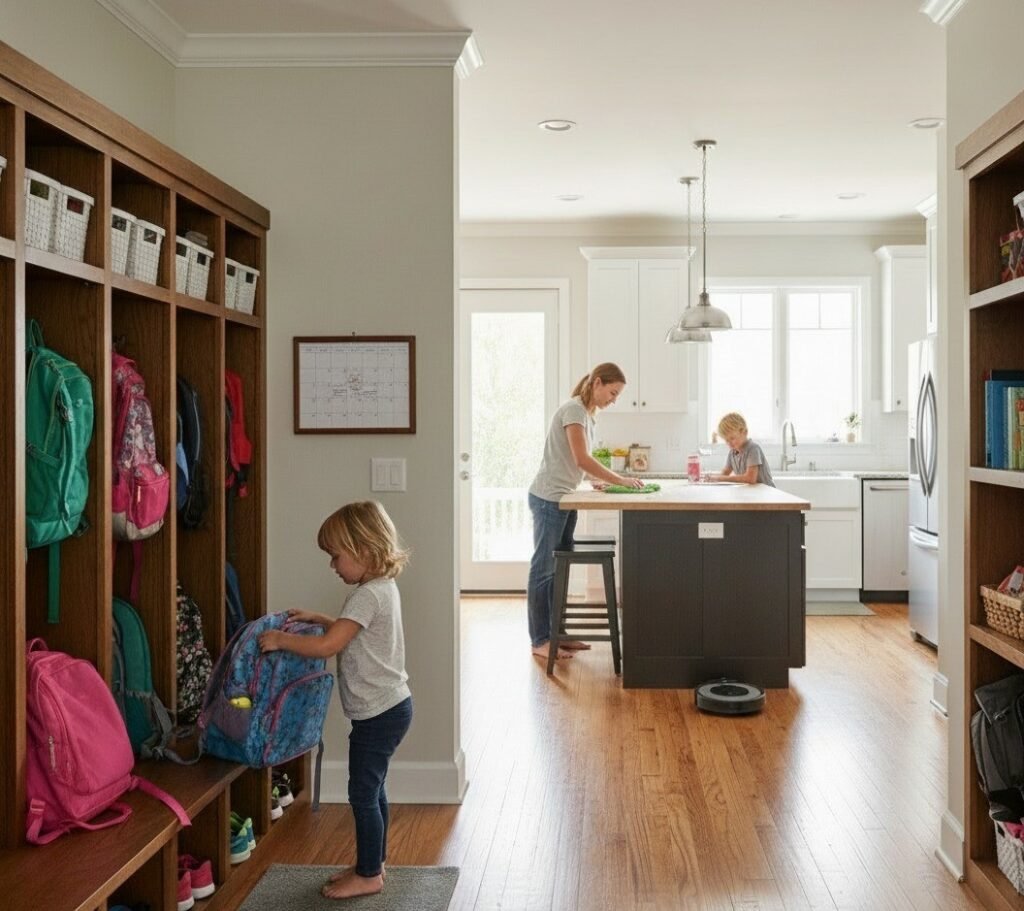
You look at the coffee table an hour after cleaning it and see that a familiar, frustrating film of dust has already settled. You run your hand over a bookshelf and come away with a grey residue. In August, it can feel like you are fighting a losing battle against dust, a relentless invasion that reappears almost as soon as you’ve dealt with it. This isn’t your imagination. Several environmental and lifestyle factors converge during this specific time of year, turning your home into a perfect collector for fine particulate matter. The most significant contributor is the world right outside your windows. August is typically one of the driest months of the year. The lack of rain means that soil in gardens, parks, and on construction sites becomes loose and powdery. Every gust of wind, every passing car, and even your own footsteps as you walk up the driveway can lift these fine particles of dirt, sand, and dried organic matter into the air. With windows and doors frequently open to catch a breeze, you are essentially providing a wide-open invitation for this airborne grit to enter and settle on every available surface inside your home. What you’re seeing isn’t just internally generated dust; it’s a fine layer of the outside world being imported directly into your living space. 1.Inviting This outdoor invasion is compounded by the botanical calendar. Late summer is the peak season for specific types of pollen, most notably ragweed. These pollen grains are microscopic, lightweight, and designed for wind travel. They drift for miles, easily passing through standard window screens. Once inside, they mix with the existing dust particles, adding to the overall volume and often triggering allergic reactions. So, that film on your television screen is a complex mixture of dried soil, silica, pollen, and other pollutants from the neighborhood, all courtesy of the pleasant summer breeze you’re letting in. 2.HVAC Your home’s primary defense and a potential major culprit in this battle is your HVAC system. In August, the air conditioning is likely running almost constantly to combat the heat. The system works by pulling in air from your rooms, cooling it, and then pushing it back out. In the process, all the airborne dust, pet dander, and other particles are pulled toward the return vents. The only thing standing between this dust and it being redistributed throughout your entire house is the air filter. If that filter is cheap, old, or clogged, it becomes shockingly ineffective. A clogged filter can no longer trap new particles. Instead, the force of the air moving through the system can dislodge older, trapped dust and blow it right back into your rooms. The constant cycling of the AC ensures this dust never has a chance to fully settle; it’s kept in a state of perpetual motion, moving from room to room until the system shuts off and it can finally land on your furniture. Furthermore, the very process of air conditioning removes humidity from the air. While this makes the environment feel more comfortable, it also creates ideal conditions for dust. In humid air, dust particles absorb moisture, become heavier, and fall out of the air more quickly. In the dry, air-conditioned environment of an August home, these same particles remain lightweight and buoyant, floating for longer periods and traveling further before they finally settle. Your comfort system may be inadvertently creating the perfect indoor dust storm. 3.Pets Human and pet activity also peaks in a way that contributes to the problem. Summer holidays mean children may be home more often, increasing the general foot traffic and activity within the house. Every time someone walks across a carpet, plops onto a sofa, or even just moves through a room, they create air currents that kick settled dust back into the air. We also bring in more dust from the outside on our shoes, clothing, and hair after spending more time outdoors. Pets contribute significantly during this season as well. Many dogs and cats go through a late-summer shed, losing their thicker undercoats to prepare for the coming cooler months. This releases a tremendous amount of pet dander and fine hairs into the environment. Dander, which is essentially dead skin flakes, is a primary component of household dust and a major allergen. It is incredibly light and can remain airborne for hours, eventually settling everywhere and acting as a binder for other dust particles. 4.Carpets The contents of your home itself act as a massive reservoir for dust. Fabric-heavy environments are particularly susceptible. Your carpets, area rugs, upholstered furniture, and curtains are all made of fibers that are experts at trapping and holding onto dust particles. A carpet can hold pounds of dust and dirt deep within its pile without even looking particularly dirty. Every footstep on that carpet acts like a small bellows, puffing microscopic clouds of this trapped dust back into the room. When you sit on the couch, a similar plume is released. These soft surfaces store the dust from spring and early summer, and the increased activity and air circulation of August helps to continuously release it. 5.Duster Effectively combating August dust requires a shift in cleaning strategy and an understanding of how to trap and remove it, rather than just moving it around. The common feather duster is one ofthe least effective tools for this job. It does little more than flick dust from a surface into the air, where it floats for a while before settling somewhere else, often on the floor you just cleaned. The goal must be removal, not relocation. 6.Microfiber Cloth The most effective tool for dusting surfaces is a damp microfiber cloth. Microfiber is made of infinitesimally small synthetic fibers that are split, creating a massive surface area with a static charge that actively attracts and traps dust particles. When the cloth is dampened slightly with water or a suitable cleaning solution, it holds onto the dust even more effectively, preventing it from becoming airborne. The method

Why is My House So Dusty in August? – 8 Professional Tips For a Flawless Home Read More »

before and after grouting

Grout Cleaning: Essential Products for a Sparkling Home

Grout lines, the fine cement-based filler between your tiles, are an essential component of any tiled surface. They lock tiles in place, account for minor size variations, and provide a finished look. However, their composition is their greatest weakness. Grout is inherently porous, meaning it is filled with microscopic holes. These pores act like tiny sponges, eagerly absorbing water, dirt, soap scum, oils, and anything else that comes into contact with them. Over time, this absorption leads to discoloration, staining, and the growth of mold and mildew, transforming what was once a crisp, clean grid into a network of grimy, unappealing lines. This not only detracts from the aesthetic of your bathroom, kitchen, or entryway but can also harbor bacteria and allergens. The process of cleaning grout is more than just a surface-level wipe-down; it requires a systematic approach to penetrate these pores and lift the embedded grime. The effectiveness of any cleaning method depends on understanding the type of stain and the condition of the grout. Before beginning any intensive cleaning, a preparatory phase is critical for safety and success. 1.Ventilation First, ensure adequate ventilation. Open windows and doors, and use a fan to circulate air, especially if you plan to use commercial cleaners or even vinegar, as the fumes can be irritating or harmful in a confined space. Protective gear is non-negotiable. Wear waterproof gloves to protect your skin from detergents and prolonged water exposure, and safety glasses or goggles to shield your eyes from accidental splashes. 2.Warm Water and a pH-neutral Cleaner The next step in preparation is to clean the tile surface itself. Applying a grout cleaner to dirty tiles is counterproductive, as you will simply be pushing surface dirt into the grout lines. Sweep or vacuum the floor to remove loose debris, then mop with a simple solution of warm water and a pH-neutral cleaner. For walls, wipe them down with a damp cloth. This initial cleaning removes the top layer of grime and allows you to focus your efforts directly on the grout. 3.Baking Soda For routine maintenance or light discoloration, the simplest methods are often sufficient. A paste made from baking soda and water is an excellent starting point. Baking soda is a mild abrasive that gently scrubs away surface stains without scratching the tiles or damaging the grout. Create a thick paste, apply it directly to the grout lines with your finger or a small spatula, and let it sit for 10-15 minutes. Then, use a stiff-bristled grout brush—not a wire brush, which is too harsh and will erode the grout—to scrub the lines in a circular motion. This agitation helps lift the grime from the pores. Once scrubbed, rinse the area thoroughly with clean water and wipe it dry with a microfiber cloth. 4.Mixture To increase the cleaning power for more stubborn dirt and soap scum, a combination of baking soda and white vinegar can be used. After applying the baking soda paste, spray it with a solution of equal parts white vinegar and water. The two ingredients will react, creating a fizzing action that helps to dislodge dirt from deep within the grout. Let the mixture bubble for several minutes before scrubbing vigorously with your brush. It is important to note, however, that the acidic nature of vinegar can be detrimental to certain materials. If you have natural stone tiles like marble, travertine, or limestone, avoid vinegar entirely, as it can etch and dull the stone’s surface. Similarly, repeated use of acid on unsealed grout can slowly weaken it over time. Always test this solution in an inconspicuous area first. 5.Mold and Mildew For stains caused by mold or mildew, or for whitening grout that has turned yellow or gray, hydrogen peroxide is a more effective agent. You can create a paste using baking soda and hydrogen peroxide instead of water. Apply this paste, let it sit for at least 15 minutes to allow the peroxide’s oxidizing properties to work on the stains, and then scrub. For an even stronger whitening effect, you can apply a 3% hydrogen peroxide solution directly to the grout lines, let it sit, scrub, and rinse. Unlike chlorine bleach, hydrogen peroxide is less harsh and does not produce toxic fumes, making it a safer alternative for deep cleaning. 6.Steam Cleaning Another powerful, non-toxic method is steam cleaning. A handheld steam cleaner uses high-pressure, high-temperature steam to blast away dirt, kill mold, and sanitize surfaces without any chemicals. The heat loosens the embedded grime, and the pressure forces it out of the grout’s pores. Simply direct the steam nozzle along the grout lines, moving slowly to allow the steam to penetrate. Follow behind with a clean cloth to wipe away the loosened dirt and moisture. Steam is safe for most tile types, including ceramic, porcelain, and granite, but exercise caution on less durable surfaces and ensure your grout is in good condition, as the high pressure could dislodge loose or crumbling sections. 7.Alkaline Cleaners When do-it-yourself solutions fall short, it may be time to consider commercial grout cleaners. These products are specifically formulated to tackle the unique challenges of grout. They generally fall into two categories: alkaline and acidic. Alkaline cleaners (with a high pH) are excellent at breaking down organic stains like grease, soap scum, and grime. They are typically safer for most tile and grout types. Follow the manufacturer’s instructions precisely, which usually involve applying the cleaner, letting it dwell for a specified time to break down the soil, and then scrubbing. 8.Acidic Cleaners Acidic cleaners (with a low pH) are designed to remove mineral deposits, such as rust stains, efflorescence (a white, powdery mineral residue), and hard water stains. These are much more powerful and require extreme caution. They can severely damage natural stone, and their fumes are potent. Always wear full protective gear and ensure maximum ventilation when using an acidic cleaner. Never, under any circumstances, mix an acidic cleaner with an alkaline cleaner or one containing bleach, as this can

Grout Cleaning: Essential Products for a Sparkling Home Read More »

cleaning services in Edmonton

Edmonton Move-Out Cleaning: Common Mistakes to Avoid

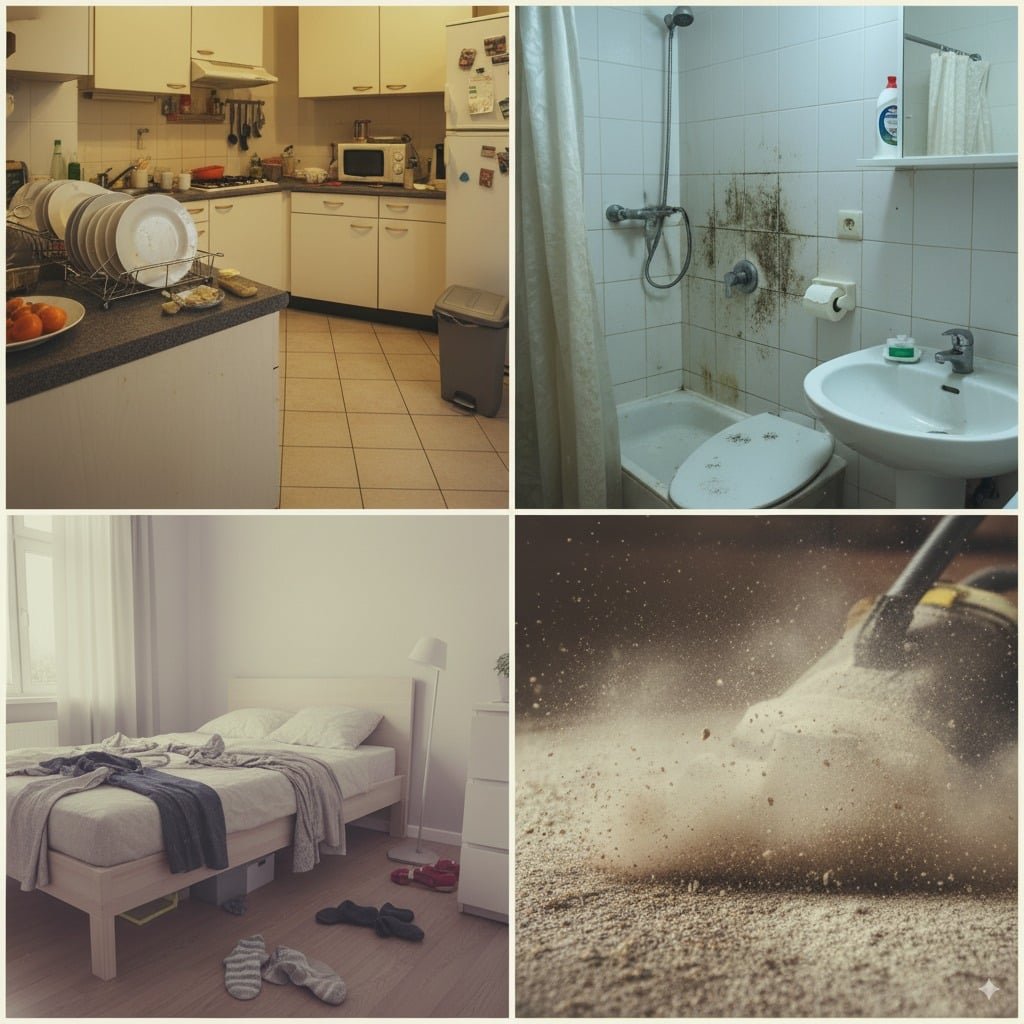
Move-out cleaning services in Edmonton offer a few options because we’re made for this job. The process of moving is a study in controlled chaos. Boxes stack up like a makeshift fortress, furniture is wrapped and disassembled, and every day is a countdown to a new beginning. Amid this whirlwind of logistics and forward-thinking, there is one critical task that looks backward: the move-out clean. This is not your average weekly tidying. It is a forensic-level deep clean, a final act of stewardship for a space you once called home, and often, the single most important factor in retrieving your full security deposit from your Edmonton landlord. 1.Contract The rental agreement, a document often signed with optimism and filed away, becomes paramount at this stage. Clauses detailing the condition the property must be left in are no longer fine print; they are a direct checklist for your departure. The term “broom-swept condition” is a common but dangerously misleading phrase. To a tenant, it might mean a quick pass with a vacuum and a wipe of the counters. To a property manager or landlord preparing to show the unit to prospective new tenants, it means something entirely different. It means a property that is not just empty, but immaculate. It means a space that looks and feels as close as possible to the way it did the day you moved in. The gap between these two interpretations is where security deposits are lost. Every move-out clean begins with the understanding that you are cleaning for someone else’s inspection. You must adopt the critical eye of a landlord who is financially motivated to find fault. This means looking beyond the obvious surfaces and delving into the areas that accumulate grime over months and years of habitation. It is a top-to-bottom, inside-and-out operation that requires time, physical effort, and a specific set of tools and cleaning agents. 2.Removing Dust Let’s begin with the general spaces, living rooms, bedrooms, hallways, and entryways. The work starts high and ends low. Ceiling corners must be cleared of cobwebs. Light fixtures and ceiling fans, often magnets for dust, need to be carefully wiped down. Walls themselves are a primary focus. They bear the subtle marks of life: scuffs from furniture, fingerprints around light switches, and faint smudges that are only visible in certain light. A gentle but thorough washing of walls, doors, and doorframes is not optional; it’s essential. Light switch plates and outlet covers need to be wiped clean. Baseboards are another critical checkpoint. They trace the perimeter of every room and collect a surprising amount of dust, scuffs, and dirt. Cleaning them properly means getting on your hands and knees and wiping down every inch. It is tedious but non-negotiable. Windows must be cleaned inside and out, where accessible, but the detail work is in the sills and tracks. These channels collect dust, dirt, and dead insects, and cleaning them out with a brush and vacuum attachment is a sign of a truly thorough job. 3.Steam Cleaning Closets cannot be forgotten. They must be completely emptied, and all shelving, rods, and walls wiped down. The floor should be vacuumed and mopped, leaving no trace of previous storage. At the end, all hard flooring needs to be meticulously vacuumed and mopped, paying special attention to the edges and corners where dust bunnies congregate. If the unit has carpets, a professional steam cleaning is often stipulated in the lease agreement or, at the very least, expected. A standard household vacuum cannot remove the deep-set dirt, allergens, and odors that a year or more of foot traffic leaves behind. The kitchen is the heart of the home, and consequently, the heart of the move-out cleaning challenge. It is a zone of grease, food splatters, and built-up grime that requires significant effort to restore. Every single cabinet and drawer must be emptied, then cleaned from the inside out. This includes wiping down the interior shelves and surfaces, the drawer bottoms, and the exterior faces of the cabinetry, including the handles. Pay special attention to the areas above and around the stove, where aerosolized grease settles and becomes a sticky, dust-attracting film. 4.Electronics The appliances are the main event. The refrigerator must be completely emptied and cleaned. This means removing all shelves and drawers and washing them separately in warm, soapy water. The interior walls of the fridge and freezer must be scrubbed to remove any spills or stains. The exterior needs to be wiped down, including the top, and if possible, the unit should be carefully pulled away from the wall. The space behind and underneath the refrigerator is a forgotten landscape of dust, crumbs, and lost items that must be thoroughly cleaned. The coils on the back should be vacuumed to improve efficiency for the next tenant. The oven is often the most dreaded task. A simple wipe-down is insufficient. Years of baked-on grease and carbonized food require a powerful oven cleaner and a great deal of scrubbing. The oven racks must be removed and soaked, the interior walls scraped and scrubbed, and the glass on the door cleaned until it is transparent. The stovetop requires similar dedication. Burners must be cleaned, drip pans scrubbed or replaced, and the entire surface degreased. The range hood above the stove is equally important; its surface must be degreased, and its filter removed and thoroughly cleaned or replaced as per the manufacturer’s instructions. The dishwasher, too, needs a final clean. The interior should be wiped down, the filter at the bottom cleared of any food debris, and a cleaning cycle run with a dishwasher-specific cleaner to remove soap scum and hard water deposits. Finally, the sink, faucet, countertops, and backsplash must be scrubbed, disinfected, and polished until they shine. 5.Greasy The bathroom presents its own unique set of challenges, primarily involving soap scum, hard water stains, and sanitation. The toilet is the first priority and must be cleaned and disinfected from top to bottom. This includes the tank, the exterior

Edmonton Move-Out Cleaning: Common Mistakes to Avoid Read More »

Airbnb Cleaning Service

How to Choose The Best Airbnb Cleaning Services in Toronto: 5 Key Factors

Professional Airbnb cleaning services in Toronto Shine Cleaning manage the rigorous turnover process, ensuring every unit is flawless for the next arrival. 1.The Turnover The successful operation of a short-term rental hinges on a single, critical process: the turnover. This is not a simple tidy-up; it is a complete, systematic reset of the guest experience. For a property in a world-class city, the standards are exceptionally high, and meeting them consistently is the work of dedicated professionals. The level of detail required to earn five-star reviews is the baseline expectation for the best Airbnb cleaning services in Toronto. Every turnover must transform the property from a lived-in space back to the immaculate condition promised in the listing, a task that demands a rigorous, repeatable system. The smallest oversight, a stray hair, a sticky spot on the counter, can compromise the entire guest stay. This is why hosts who are serious about their business invest in professional Airbnb cleaning services in Toronto. 2.Ventilation The moment a guest departs, the clock begins on the turnover. The first action is to air out the entire unit. All windows and balcony doors are opened to flush out stale air and any lingering odors from cooking or personal fragrances. This simple step creates a neutral, fresh canvas for the cleaning to begin. While the space ventilates, a preliminary walkthrough is conducted. This initial sweep is not for cleaning but for assessment. The crew scans each room for any new damage, such as scuffs on the walls, stains on the carpet, or broken items. Any issues are immediately documented with clear, time-stamped photographs and reported to the host. This documentation is a crucial protective measure and a standard operating procedure for reliable Airbnb cleaning services in Toronto. Concurrently, all used linens are gathered. Beds are stripped completely, and all towels, bathmats, and kitchen cloths are collected and placed in designated laundry bags to prevent cross-contamination and clear the way for efficient cleaning. 3.Details The bedroom is a guest’s sanctuary, and its cleanliness must be absolute. After stripping the linens, the mattress protector and pillows are carefully inspected for any stains or soiling. Maintaining the hygiene of these core items is paramount, and they are laundered or replaced as needed. The mattress itself is thoroughly vacuumed with an upholstery attachment to remove dust, allergens, and skin cells. A fresh, crisp set of linens is then used to remake the bed. This is not just a functional task; it’s a presentation. Sheets must be taut, corners tucked tightly in a hotel-style finish, and the duvet spread perfectly without a wrinkle in sight. This level of precision is a signature of high-quality Airbnb cleaning services in Toronto. All other surfaces in the bedroom are meticulously wiped down, including the headboard, nightstands, and dressers. Drawers and closets are opened, checked for any items left behind by the previous guest, and wiped clean. All picture frames, lamps, and window sills are dusted. Finally, the entire floor is vacuumed, with careful attention paid to the areas under the bed and behind furniture, where debris loves to hide. The consistent execution of these details is what defines professional Airbnb cleaning services in Toronto. Nowhere is cleanliness scrutinized more intensely than in the bathroom. For any reputable provider of Airbnb cleaning services in Toronto, this room is a testament to their thoroughness. The process begins by clearing all surfaces and emptying the trash bin. A powerful, quality disinfectant cleaner is sprayed on the shower, bathtub, toilet, and sink, and it is left to sit for several minutes to effectively dissolve soap scum, grime, and bacteria. The shower and tub are scrubbed wall to wall, with special brushes used for grout lines and around the drain to ensure it is clear of hair. Glass shower doors are cleaned and squeegeed to achieve a flawless, streak-free finish. The toilet is disinfected inside and out, from the bowl and seat to the tank and the entire base down to the floor. The sink basin is scrubbed, the faucet is polished until it shines, and the mirror is cleaned to perfection. The quality of a rental is often judged by its bathroom, a fact that top-tier Airbnb cleaning services in Toronto understand well. Once sanitized, the space is restocked. This is a critical function of comprehensive Airbnb cleaning services in Toronto. Ample toilet paper, fresh hand soap, and full bottles of shampoo, conditioner, and body wash are replenished. A complete set of fresh, professionally laundered towels, bath towel, hand towel, and washcloth per guest, is folded and displayed neatly. The floor is mopped last, and final touches include wiping down light switches, door handles, and the exhaust fan cover. The best Airbnb cleaning services in Toronto leave no surface untouched. 4.Disinfect The kitchen is another high-stakes area where hygiene is non-negotiable. The turnover starts with emptying the refrigerator and freezer of any food left behind. All interior shelves, drawers, and door seals are then wiped clean with a food-safe disinfectant. The exterior of all appliances, including handles, is wiped down and polished. The microwave is checked for splatters and cleaned thoroughly. The oven is inspected for spills, and the stovetop is degreased and scrubbed until it shines. All countertops are cleared of items like the coffee maker and toaster so that the surface underneath can be completely sanitized. The trust that guests place in the property is directly tied to the cleanliness of the kitchen, a responsibility that expert Airbnb cleaning services in Toronto take very seriously. The sink is scoured and disinfected, and the faucet is polished. Cupboards and drawers are spot-checked for cleanliness and organization. All provided dinnerware, glassware, and cutlery are inspected to ensure they are clean and ready for use. A key part of the service provided by Airbnb cleaning services in Toronto is restocking essentials. This includes fresh paper towels, a new sponge or dishcloth, dish soap, and dishwasher pods. The coffee station is cleaned and fully restocked. Finally, the trash and recycling bins are emptied, wiped clean, and relined with fresh bags. The floor

How to Choose The Best Airbnb Cleaning Services in Toronto: 5 Key Factors Read More »

Laundry Room Cleaning 101: The Ultimate Guide to a Sparkling Space

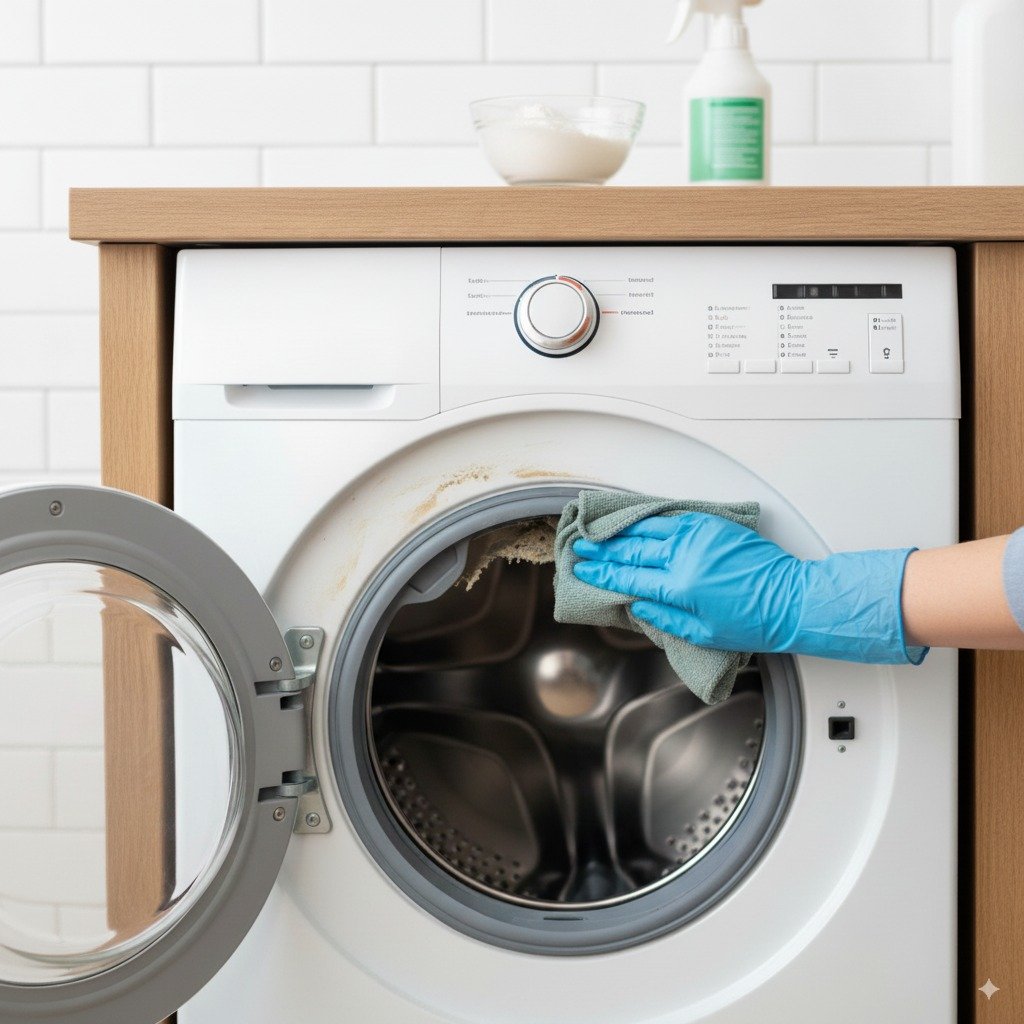
A functional laundry room starts not with buying new containers, but with a complete reset of the space. To achieve true, lasting organization, the room must be entirely emptied. Remove every bottle of detergent, every stray sock, every box of dryer sheets, and every piece of equipment. Take the clothes hampers out. If there is furniture, move it out. The goal is a completely bare room. 1.Donate/Discard, and Relocate This is the only way to accurately assess the space you have and to break old habits of clutter. As you remove items, sort them into three piles: keep, donate/discard, and relocate. Be ruthless. That half-empty bottle of fabric softener you never liked? Discard it. The collection of wire hangers from the dry cleaner? Return or recycle them. The tools that ended up in the laundry room by accident? Relocate them to the garage or toolbox. This initial purge is the most critical step. It declutters your inventory and your mind, creating a blank slate. 2.Deep Cleaning Once the room is empty, perform a deep clean. This is not a quick wipe-down. Start from the top down. Dust the ceiling corners and light fixtures. Wash the walls with a mixture of warm water and a gentle all-purpose cleaner. Pay special attention to the area behind the washer and dryer, which accumulates a surprising amount of lint, dust, and lost items. Scrub the baseboards. Next, address the appliances themselves. Pull the washer and dryer away from the wall. Disconnect the dryer vent hose and use a vacuum with a long attachment, or a specialized vent cleaning brush, to remove all the impacted lint from the hose and the vent opening in the wall. This is not just a cleaning task; it is a critical fire safety measure. Wipe down the exterior of both machines. For the washing machine, run a cleaning cycle with a dedicated washing machine cleaner or a mixture of vinegar and baking soda to eliminate soap scum and mildew odors. Clean the lint trap in the dryer thoroughly, washing it with soap and water to remove any film from dryer sheets that can reduce airflow. Finally, scrub the floor, getting into all the corners that were previously inaccessible. You are now working with a truly clean and empty space. 3.Planning With a blank canvas, the next phase is planning the workflow and storage. Think about the process of doing laundry in distinct zones. You need a zone for sorting dirty clothes, a zone for washing and drying, a zone for folding and treating stains, and a zone for storing supplies. The layout should follow a logical progression to minimize unnecessary steps. Ideally, dirty clothes come in and are sorted, then move to the washer, then the dryer, then a clear surface for folding, and finally out of the room. This linear flow prevents clean clothes from mixing with dirty ones and makes the entire process more efficient. Maximizing vertical space is essential, as most laundry rooms are compact. Install sturdy shelving above the washer and dryer. Open shelving is excellent for frequently used items, as it keeps them visible and accessible. Use clear containers or uniform baskets on these shelves to maintain a tidy appearance. For items used less frequently, or to hide visual clutter, closed cabinetry is the superior choice. If you have front-loading machines, installing a countertop over them is one of the most transformative additions you can make. This instantly creates a large, dedicated surface for sorting, treating stains, and, most importantly, folding clothes as soon as they come out of the dryer. This single feature prevents the classic pile-up of clean laundry in a basket that then sits for days. If a built-in countertop is not an option, a sturdy freestanding table can serve the same purpose. Wall space should not be wasted. A wall-mounted, collapsible drying rack is an invaluable tool for air-drying delicates, sweaters, or athletic wear. It folds flat against the wall when not in use, consuming zero floor space. Another smart use of wall space is a pegboard. A pegboard system is infinitely customizable. It can hold small baskets for clothespins and dryer balls, hooks for scrub brushes and a lint roller, and even small shelves for stain removers. You can also mount your ironing board on the wall with a dedicated holder, which often includes a spot for the iron itself, freeing up a significant amount of closet or corner space.    4.Visual Chaos Now, address the supplies themselves. The visual chaos of mismatched, brightly colored bottles and boxes contributes significantly to a room feeling cluttered. The solution is to decant. Purchase a set of uniform, clear containers for your liquid and powder detergents, fabric softeners, scent boosters, and stain removers. Glass beverage dispensers with spigots work wonderfully for liquids, while large glass or acrylic canisters with scoops are perfect for powders. Label each container clearly with a waterproof label. This not only creates a serene, cohesive look but also allows you to see at a glance when you are running low on a product. Group like items together on your shelves or in your cabinets. All stain treatment products should be in one tray or basket. All washing agents in another. This creates a system where you know exactly where to find what you need, when you need it. The sorting process needs its own dedicated system. A single hamper is not sufficient. Invest in a multi-bin sorting hamper, ideally on wheels for easy transport. A three-bin system is a good starting point: one for whites, one for darks, and one for colors. A four-bin system can add a separate category for delicates or heavily soiled work clothes. Label each bin. This simple act of pre-sorting as clothes are discarded into the hamper eliminates the dreaded task of sorting through a giant pile on the floor before you can even begin to wash. It transforms laundry from a massive, multi-step project into a simple task of grabbing a full

Laundry Room Cleaning 101: The Ultimate Guide to a Sparkling Space Read More »

housekeeper deep cleaning

Deep Cleaning Services in Toronto, We Do It Right!

Deep cleaning services in Toronto offer a comprehensive, top-to-bottom restoration of your home’s cleanliness, tackling the built-up grime that regular maintenance leaves behind. 1.What is a deep clean? A deep clean is not an extension of regular housekeeping; it is a fundamental reset of a home’s environment. It is a forensic, systematic process that addresses the accumulated grime, dust, and bacteria that settle in a home over time, often in places unseen and untouched by routine cleaning. This process is about restoration, moving beyond surface appearances to achieve a state of foundational, hygienic cleanliness. The demand for meticulous, professional-grade deep cleaning services in toronto has grown as more people recognize the profound impact such a service has on their living space, health, and well-being. It is an investment in reclaiming the home as a sanctuary. 2.Degrease The Kitchen The kitchen, as the hub of daily activity, is ground zero for this intensive process. The challenge here is multifaceted, involving grease, food particles, moisture, and high-touch surfaces. A deep clean dissects the kitchen environment. It begins with the cabinetry. Every cupboard and pantry is emptied completely. This is not just to clean the shelves, but to inspect for any signs of pests, spills, or long-forgotten items. The interior surfaces are then degreased and sanitized, removing the sticky film from cooking oils and the dust that settles within. The exterior of the cabinets, including the handles and knobs, receives focused attention to remove the buildup of fingerprints and aerosolized grease that becomes a tacky, dirt-attracting layer. This level of detail is a defining characteristic of superior deep cleaning services in toronto. Appliances are subjected to a level of cleaning they rarely, if ever, receive. The oven is deconstructed; racks, trays, and any removable elements are soaked and scrubbed individually to dissolve baked-on carbon. The interior cavity is treated with professional-grade degreasers to break down the carbonized spills that can cause smoke and odors during cooking. The oven door, often clouded with grime between its glass panels, is carefully cleaned to restore perfect visibility. The stovetop is similarly dismantled. Burner grates are soaked, burner caps are cleaned, and the surface beneath is scoured free of boiled-over liquids and burnt-on food. Pulling the stove away from the wall to clean the sides of the appliance and the floor and wall behind it is a non-negotiable step for any reputable deep cleaning services in toronto. The refrigerator and freezer are fully emptied. All shelves, drawers, and compartments are removed and washed in warm, sanitary solution before being dried and returned. The interior walls are wiped down, eliminating spills, bacteria, and odors. The rubber gasket sealing the doors, a notorious trap for mold and crumbs, is meticulously cleaned with a detail brush. Moving the fridge to vacuum the condenser coils on the back is a task that distinguishes professional deep cleaning services in toronto; it not only cleans but can improve the appliance’s energy efficiency and lifespan. Smaller appliances are not overlooked; the toaster’s crumb tray is emptied and cleaned, the coffee maker is descaled, and the microwave is scrubbed internally, including the ceiling, to remove hardened food splatters. 3.Bathroom Without Mold and Bacteria The bathroom presents a hygienic battleground where soap scum, hard water deposits, bacteria, and mildew converge. A deep clean here is a sanitizing mission. The shower and bathtub are the primary focus. Soap scum, a resilient compound of soap, body oils, and minerals, is dissolved with specialized cleaners. Glass doors and enclosures are polished to a streak-free clarity. The metal tracks for sliding doors are purged of the soap and hair that accumulates within them. For tiled showers, the grout lines are painstakingly scrubbed to remove discoloration and mildew, a task that dramatically revitalizes the appearance of the entire bathroom and a key reason clients seek out deep cleaning services in toronto. The toilet is sanitized far beyond the bowl. The entire exterior, from the tank top to the base where it meets the floor, is disinfected. The hinges of the toilet seat, a common collection point for grime, are thoroughly cleaned. Some deep cleaning services in toronto will even clean inside the toilet tank to remove sediment and prevent ring formation. The bathroom vanity and sink area are given equal attention. The sink overflow hole is flushed and cleaned to eliminate odors. Faucets and fixtures are descaled to remove chalky hard water stains and polished to a shine. Medicine cabinets and vanity drawers are emptied and wiped clean of dust, spilled powders, and toothpaste residue. The bathroom exhaust fan cover, often caked with lint and dust, is removed and washed, restoring proper ventilation and improving air quality. 4.A Nice Place Living rooms, bedrooms, and common areas are the primary repositories for dust, which is a complex mixture of skin cells, pet dander, fabric fibers, pollen, and dust mite allergens. The methodology for deep cleaning these spaces is strictly top-to-bottom. It starts at the ceiling with the removal of all cobwebs. Light fixtures, ceiling fan blades, and the tops of high shelves or cabinets are all wiped down, preventing this collected dust from being redistributed into the air. Walls are spot-cleaned to remove scuffs, marks, and fingerprints. This is followed by one of the most transformative tasks in a deep clean: the hand-wiping of all baseboards, doorframes, window frames, and light switch plates. This painstaking detail work is what elevates the work of professional deep cleaning services in toronto. Furniture is not simply cleaned around; it is moved. Pulling sofas, beds, and dressers away from the walls reveals a hidden world of dust, lost items, and dirt. This entire area is then thoroughly vacuumed or mopped. The furniture itself is cleaned; upholstered pieces are vacuumed with specialized attachments to clean crevices and underneath cushions. Wood furniture is dusted and polished. Items that are often ignored in weekly cleaning, like lampshades, curtains or blinds, and decorative items, are all dusted or wiped down. This comprehensive approach is why people searching for the best deep cleaning services in toronto look for providers who guarantee

Deep Cleaning Services in Toronto, We Do It Right! Read More »

August cleaning preparation

How To Prepare For August Cleaning: 7 Steps Fast and Easy

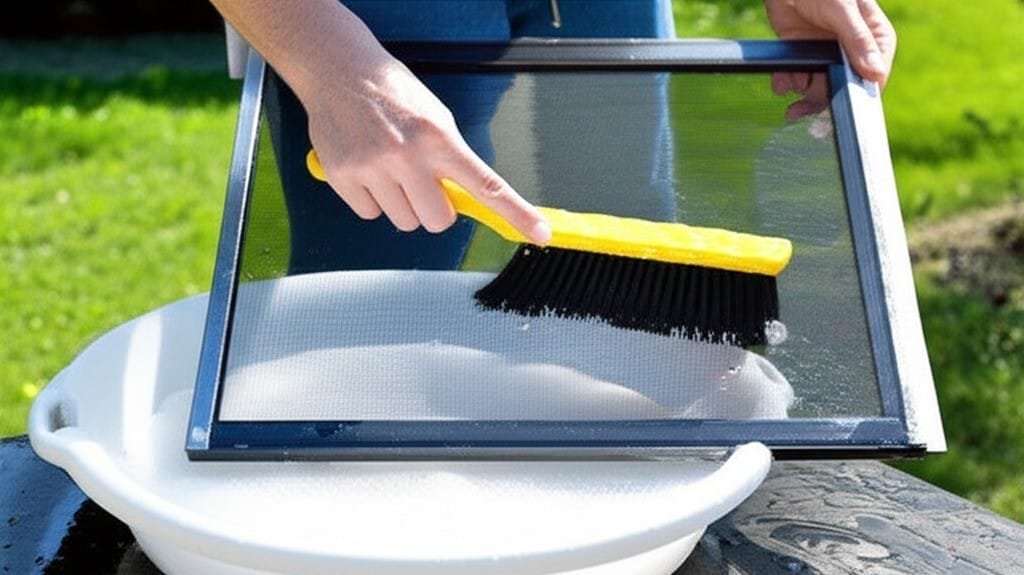
August cleaning is a specific kind of reset, the air in Toronto during August carries a distinct weight. This is the month where summer hits its peak just before beginning its slow retreat. Inside your home, the evidence of a season lived to its fullest is everywhere. Preparing for the August cleaning isn’t just about tidying; it’s about resetting the home after months of high activity and preparing it for the shift into autumn. The purpose of a dedicated August cleaning is to systematically remove the specific grime of summer and create a clean foundation for the indoor months to come. 1.HVAC A critical first step in any thorough August cleaning is addressing the air your family breathes. With windows open for weeks, allergens, city dust, and pollen have infiltrated every room. Your HVAC system has been in constant use, and its filter is the first line of defense. Changing it is a non-negotiable starting point for your August cleaning. A clogged, grey filter is not only inefficient but also circulates the very particles you want to remove. Once replaced, use a vacuum with a brush attachment to clean all intake and outtake vents. This foundational task sets the stage for the rest of your August cleaning, ensuring the air moving through your home is as clean as possible. 2.Windows and Doors Now, turn your attention to the windows and doors. The screens have been interceptors of bugs, leaves, and dirt all summer. A proper August cleaning demands they be removed and washed. A soft brush, mild soap, and a gentle spray from a garden hose will dislodge the grime. While they dry, focus on the window tracks and sills. These channels are graveyards for dust and insects. Vacuum the loose debris and use an old toothbrush to scrub the caked-on dirt. This level of detail is a hallmark of a successful August cleaning. Washing the glass, inside and out, on an overcast day will prevent streaking and let pristine light into your newly refreshed space. Completing this part of the August cleaning makes an immediate, visible difference to the brightness of your home. 3.The Floors The floors hold the story of summer. Sand from The Beaches, soil from the garden, and grass from the park have been ground into every surface. A deep floor treatment is non-negotiable for a proper August cleaning. For hard floors, a thorough mopping, perhaps even twice in high-traffic areas, is required to lift the settled-in dirt. For carpets and area rugs, this is the time for a deep extraction clean. Renting or owning a carpet cleaner is essential for this part of the August cleaning, as it pulls out the deep-set allergens and grit that a standard vacuum cannot reach. The murky water you dispose of is proof of the effectiveness of this task. Moving furniture to clean underneath is a vital step in a comprehensive August cleaning; the dust and lost items accumulated over three months need to be addressed. This aspect of the August cleaning removes the literal grit of the season from your home. 4.Fat in the Kitchen The kitchen August cleaning is a project in itself. The refrigerator has been a revolving door of summer treats and barbecue ingredients. Empty it completely. Wash all shelves and drawers in warm, soapy water. Wipe the interior with a food-safe cleaner, checking expiration dates as you go. The exterior and handles, covered in fingerprints, also need attention. Summer cooking often involves more frying and grilling, leaving a sticky film of grease on cabinets, the backsplash, and especially the range hood. A good degreaser is your best tool for this part of the August cleaning. Spray it on, let it work for a few minutes, then wipe clean. Don’t forget the hidden areas during your August cleaning; pull out the oven and stove to clean the sides and the floor underneath, which are magnets for crumbs and grease. This part of the August cleaning is about health as much as it is about aesthetics. 5.Sofa Cushion Your living room August cleaning should focus on soft surfaces where dust and dander settle. If your sofa cushion covers are machine-washable, now is the time to launder them. For all other upholstery, a meticulous vacuuming with the correct attachment is key. Go into every seam and crevice. For a deeper refresh, sprinkling baking soda over the fabric, letting it sit to absorb odors, and then vacuuming it up is a great technique to include in your August cleaning schedule. All throw blankets and pillows should be washed or cleaned according to their care tags. Dusting is another crucial element. Use a damp microfiber cloth to trap dust, not just move it. The goal of this August cleaning is to touch every surface, including the tops of picture frames, ceiling fan blades, and lamp shades. This comprehensive dusting is what makes an August cleaning so effective. Think of this as resetting the comfort zones of your home with your August cleaning. 6.Bathroom The bathroom August cleaning targets the buildup from summer humidity and increased traffic. Go beyond the basic wipe-down and scrub the grout lines on the floor and in the shower where soap scum and mineral deposits have accumulated. A paste of baking soda and vinegar is an effective, natural solution. Wash the shower curtain and its liner. The exhaust fan cover, likely caked with dust, should be removed and cleaned to ensure it can effectively pull moisture from the air. A successful August cleaning restores these high-use spaces to a state of hygienic freshness. Take the time to empty and wipe out medicine cabinets and vanities, organizing the contents as you go. 7.The Summer Gear A key part of the August cleaning process is managing the transition of seasonal items. The summer gear pool toys, beach chairs, inflatable rafts needs to be cleaned, deflated, and stored properly to protect it for next year. The barbecue grill deserves a deep clean after a season of heavy

How To Prepare For August Cleaning: 7 Steps Fast and Easy Read More »

housekeeper

What Is A Housekeeper – 3 Reasons Why You Should Hire

A housekeeper is far more than just someone who cleans your home. While the primary image that comes to mind might be someone with a vacuum or a dust cloth, the reality of a professional housekeeper’s role is much broader, encompassing a comprehensive approach to home management and the overall well-being of a living space. They are individuals entrusted with maintaining the order, cleanliness, and functionality of a household, often serving as a crucial backbone for busy individuals and families. It’s about creating and sustaining an environment where you can truly thrive, not just exist. Think of a housekeeper not as a visitor who performs a single task, but as a dedicated manager of your domestic environment. Their responsibilities extend well beyond surface-level tidiness. They delve into the intricate details of what makes a house feel like a home  a place of comfort, peace, and efficiency. This often includes a wide array of duties that can be customized to suit specific household needs, but generally covers everything from meticulous cleaning to organizational tasks and even light household management. They are experts in ensuring that every corner of your home is not just clean, but cared for, reflecting an understanding of proper maintenance and the nuances of different materials and surfaces. 1.Light and Heavy Cleaning For instance, their cleaning duties are exhaustive. This isn’t just a quick sweep or a superficial wipe-down. A professional housekeeper engages in deep cleaning protocols for kitchens and bathrooms, sanitizing surfaces, scrubbing grout, polishing fixtures, and ensuring these critical areas are hygienic and sparkling. They handle floor care with precision, knowing the right methods for hardwood, tile, carpet, or laminate, ensuring longevity and shine. Dusting isn’t limited to visible surfaces; it extends to baseboards, light fixtures, ceiling fans, blinds, and intricate decor, preventing the buildup of allergens and maintaining a fresh atmosphere. Vacuuming and mopping are performed thoroughly, reaching under furniture and into corners that are often overlooked in daily tidying. Laundry management is also a common duty, involving washing, drying, folding, ironing, and putting away clothes, linens, and towels, ensuring that your wardrobe and household textiles are always fresh and ready. They make beds with an eye for detail, turning a simple chore into an act of creating a welcoming sanctuary. Beyond the immediate act of cleaning, a housekeeper is also an organizational wizard. They help in reducing clutter, creating systems for storage, and maintaining order in common areas, closets, and pantries. This proactive approach to organization means less time spent searching for items and more time enjoying a harmonious living space. They might assist with tidying up children’s play areas, ensuring toys are stored properly, or organizing bookshelves and filing systems. It’s about creating a flow in the home that makes daily living smoother and less stressful. This often involves an intuitive understanding of how a household operates and anticipating what areas might become disorganized, intervening before chaos takes hold. Furthermore, a housekeeper often takes on light household management responsibilities. This can include managing household supplies, ensuring that cleaning products, toiletries, and even certain pantry staples are always stocked. They might run light errands, such as dropping off dry cleaning or picking up groceries. For homes with pets, they might assist with basic pet care, like feeding or tidying up pet areas. They can also oversee plant care, ensuring your indoor greenery thrives. In some cases, especially in larger homes, a housekeeper might coordinate with other service providers, such as plumbers, electricians, or gardeners, ensuring maintenance schedules are met and issues are addressed promptly. They act as a central point of contact, ensuring the home functions like a well-oiled machine, even when you are not present to manage every detail yourself. The distinction between a “cleaner” and a “housekeeper” is critical. A cleaner typically comes for a few hours, performs specific cleaning tasks, and then leaves. Their focus is solely on the immediate cleanliness of the space. A housekeeper, on the other hand, often has a more encompassing and ongoing relationship with the household. They are involved in the continuous upkeep, proactive organization, and management of the home’s daily rhythm. They build an intimate understanding of the home’s needs, its inhabitants’ preferences, and the specific routines that keep everything running smoothly. This level of dedication and involvement fosters a deeper sense of trust and partnership, where the housekeeper becomes an invaluable asset to the household’s operational efficiency and overall peace. 2.Making Up For Lost Time So, why should you consider hiring a housekeeper? The reasons are multifaceted and profoundly impactful on your daily life. Primarily, it’s about reclaiming your time. In today’s fast-paced world, time is arguably our most precious commodity. Juggling demanding careers, family responsibilities, social obligations, and personal pursuits leaves very little room for the arduous and often relentless demands of household chores. The hours spent on cleaning, organizing, and maintaining a home can quickly accumulate, eating into weekends, evenings, and any potential moments of relaxation. Hiring a housekeeper liberates these hours, allowing you to dedicate them to activities that genuinely enrich your life – spending quality time with loved ones, pursuing hobbies, engaging in personal development, exercising, or simply enjoying uninterrupted rest. Imagine coming home after a long day not to a list of chores, but to a clean, organized, and welcoming sanctuary, ready for you to unwind. This isn’t just about saving time; it’s about investing in your personal well-being and life satisfaction. Beyond time, hiring a housekeeper significantly reduces stress and mental load. The burden of an untidy or disorganized home can weigh heavily on one’s mind, creating a constant hum of anxiety and guilt. The mental energy expended on planning cleaning schedules, remembering what needs to be done, or feeling overwhelmed by accumulated mess is immense. A housekeeper takes this entire burden off your shoulders. The peace of mind that comes from knowing your home is being professionally cared for, consistently and thoroughly, is immeasurable. It eliminates potential arguments or frustrations over chore distribution in shared living spaces and

What Is A Housekeeper – 3 Reasons Why You Should Hire Read More »

woman cleaning a leather sofa

Cleaning Leather Couch: How to Make Them Look Like New In 6 Steps

To properly clean a leather couch, you must first understand the material you are working with. The approach is not one-size-fits-all, and using the wrong method can cause permanent damage. Begin by identifying the type of leather. Most furniture is made from protected, aniline, or nubuck leather. The manufacturer’s tag is the best source for this information. If no tag is available, perform a water drop test on a hidden area, like under a cushion or on a back flap. If a drop of water beads on the surface and doesn’t soak in, you have protected leather. This is the most common and durable type, featuring a protective polymer coating that resists stains. If the water drop soaks in quickly and darkens the spot, it is aniline or semi-aniline leather. This type is very porous and delicate. If the material feels velvety and absorbs the water, it is nubuck or suede, which requires a completely different, water-free cleaning method. This guide will focus on the cleaning process for a protected or aniline leather couch, as they are the most prevalent. 1.Necessary For Cleaning Before starting, gather the correct supplies. You will need a vacuum with a soft brush attachment, several clean microfiber cloths, two buckets, distilled water, a pH-neutral, non-alkaline soap like castile soap or a dedicated leather cleaner, and a high-quality leather conditioner. Using the soft brush attachment is crucial to avoid scratching the surface of your leather couch. Microfiber cloths are essential because they trap dirt effectively without being abrasive. Distilled water is non-negotiable; the minerals in tap water can leave white, chalky residue on the material. A pH-neutral cleaner is vital because harsh chemicals will strip the natural oils from your leather couch, leading to dryness and cracking. 2.Dry Cleaning The first active step is a thorough dry cleaning. Attach the soft brush to your vacuum cleaner and meticulously go over the entire leather couch. Start from the top and work your way down, paying special attention to the seams, crevices, and the areas between and under the cushions. This is where dust, crumbs, pet hair, and other debris collect. The goal is to remove all loose particles before introducing any moisture. Wiping a dusty surface with a damp cloth creates a grime that gets pushed into the leather’s grain, making it harder to clean. After vacuuming, take a dry microfiber cloth and give the entire leather couch a final wipe-down to catch any remaining dust particles. This preparation ensures you are cleaning the leather itself, not just moving dirt around. A clean-from-the-start approach is the best way to care for your leather couch. 3.Solution Now, prepare your cleaning solution. Fill one bucket with lukewarm distilled water and the second bucket with clean, lukewarm distilled water for rinsing. In the first bucket, add a very small amount of your pH-neutral soap and agitate the water to create a generous amount of suds. You will be cleaning with the foam, not the saturated water, to minimize moisture exposure on the leather couch. Before applying this solution to the main surfaces, you must perform a patch test. Choose the same hidden spot you used for the water test. Dip a microfiber cloth into the sudsy foam, wringing it out until it is almost dry. The cloth should be damp, not wet. Gently rub the test area. Next, dip a separate clean cloth into the rinse bucket, wring it out thoroughly, and wipe the soap from the test spot. At the end, use a third, dry cloth to buff the area dry. Wait for the spot to dry completely and inspect it for any discoloration, stiffening, or texture changes. If the area looks perfect, you can proceed with cleaning the rest of the leather couch. To clean the leather couch, work in small, manageable sections, about two feet by two feet at a time. This methodical approach ensures you can rinse and dry each section before the cleaning solution has a chance to sit for too long. Always start from the top of the leather couch and work your way down. This prevents dirty suds from dripping onto already cleaned areas. Dip your cleaning cloth into the foam, wring it out aggressively, and then gently wipe down one section using light, circular motions. Do not scrub harshly. The goal is to lift the dirt from the surface. For a more durable protected leather couch, you can apply slightly more pressure, but for a delicate aniline leather couch, the touch should be exceptionally light. 4.Rinse Immediately after washing a section, take your dedicated rinse cloth. Dip it in the plain distilled water, wring it out until it is just damp, and wipe away all the soap residue from the area you just cleaned. It is imperative to remove all traces of the cleaner. Leftover soap will attract new dirt and can degrade the finish of your leather couch over time. After rinsing, take your third, completely dry microfiber cloth and immediately buff the section dry. This step is critical for preventing water spots and streaks, which can be particularly noticeable on aniline leather. Continue this three-step process—wash, rinse, dry—section by section until the entire surface of the leather couch is clean. Remember to change your rinse water if it becomes cloudy or dirty to avoid reapplying grime. After the general cleaning, you might find some stubborn stains still present on the leather couch. Addressing these requires specific techniques and caution. Always test any stain removal agent on your hidden spot first. For common grease or oil stains from food or hair products, sprinkle a generous amount of baking soda or cornstarch onto the spot. Let it sit for several hours; the powder will absorb the oil from the leather’s pores. Afterward, gently vacuum the powder away using the soft brush attachment. For ink stains on a protected leather couch, you can very carefully use a cotton swab dipped in isopropyl alcohol. Dab the stain gently, never rub, working from the

Cleaning Leather Couch: How to Make Them Look Like New In 6 Steps Read More »

Island Cleaning Supplies: The Ultimate Guide for a Sparkling Space

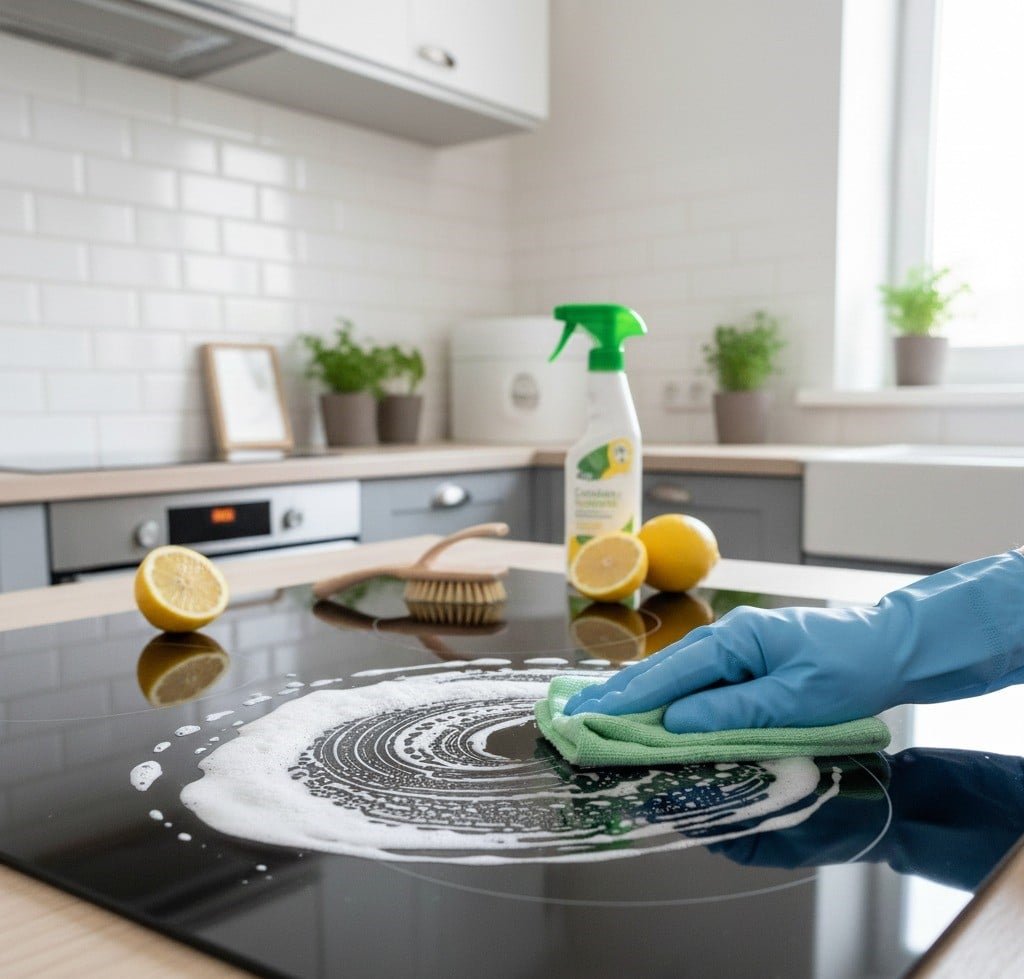
A cleaning cart should function as a self-sufficient ecosystem for island cleaning. This is the fundamental principle of island cleaning. The goal is to create a compact, portable kit that can tackle any common mess without requiring constant trips back to a supply closet overflowing with specialized, single-use products. This island cleaning approach isn’t about deprivation; it’s about efficiency. It prioritizes versatile tools and a deep understanding of how they work, saving space, time, and money. A well-executed island cleaning strategy means you’re always prepared, with a lean yet powerful arsenal ready for immediate deployment. This philosophy transforms cleaning from a scattered, reactive task into a streamlined, proactive process. 1.Indispensable The absolute foundation of any island cleaning kit is not a chemical, but a textile: the microfiber cloth. To underestimate the power of high-quality microfiber is to misunderstand the fundamentals of effective cleaning. A robust stack of these cloths is the most versatile component in your entire setup. Their composition of millions of fine, split fibers creates an immense surface area that grabs and traps dust, grime, and bacteria with an almost magnetic force. Unlike cotton rags that merely push dirt around, microfiber lifts and removes it from the surface. These cloths are also incredibly absorbent, capable of holding up to seven times their weight in liquid, which makes them superior for drying surfaces without leaving behind streaks or lint. A proper island cleaning inventory should include several types. General-purpose cloths are the daily workhorses. Glass and polishing cloths possess a tighter, smoother weave for a flawless finish on mirrors, windows, and chrome fixtures. Waffle-weave cloths are excellent for soaking up larger spills or drying dishes. Owning a dozen or more, color-coded for different rooms (e.g., blue for glass, green for kitchen, red for bathroom), prevents cross-contamination and is a cornerstone of a smart island cleaning system. 2.Spray Bottle With textiles in place, the next necessity is a proper vessel. A professional-grade, chemical-resistant spray bottle is a non-negotiable tool. The cheap, flimsy bottles from the dollar store will fail you; their triggers will stick and their nozzles will clog. Investing in one or two high-quality bottles with adjustable nozzles gives you complete control over your cleaning solutions. You can switch from a fine, wide mist for damp-dusting a delicate surface to a concentrated stream for targeting stubborn grout lines. This level of control is essential for efficient island cleaning. Alongside the bottle, a set of reliable brushes provides the necessary mechanical force. A simple, palm-held dish brush with durable nylon bristles is the starting point, perfect for scrubbing sinks and countertops. For more demanding jobs, a dedicated grout brush with a narrow profile and stiff bristles is indispensable for attacking tile lines, tracks, and tight corners. 3.White Vinegar Now we address the liquids, the true multi-taskers of the island cleaning philosophy. The first and most vital is simple white distilled vinegar. Its power is rooted in its acidity. The acetic acid in vinegar is brilliant for dissolving the mineral deposits found in hard water stains on faucets, shower heads, and inside coffee makers. Diluted with water in a spray bottle, it becomes an exceptional glass cleaner, cutting through grime and evaporating without leaving streaks. It’s also a natural and effective deodorizer, neutralizing odors rather than just masking them with fragrance. A small bowl of vinegar left in a smoky or food-scented room will absorb the unwanted smells. Its mild acidity also lends it disinfecting properties, making it a safe choice for many kitchen surfaces. The one critical exception is its use on natural stone like marble, granite, or travertine, as the acid will etch and permanently dull the finish. Understanding this limitation is part of mastering the island cleaning approach. 4.Dish Soap The second essential liquid is a quality dish soap, specifically one known for its potent degreasing formula. Dish soap is a surfactant, meaning it breaks down the surface tension of water, allowing it to mix with and lift away oils and grease. This property is useful far beyond the sink. A few drops mixed with warm water in a spray bottle creates a universal, all-purpose cleaner that is safe and effective on nearly any surface, including sealed wood floors, painted walls, countertops, and cabinets. It can be used to pretreat greasy stains on laundry or upholstery. For heavily caked-on grease on a stovetop, applying a thin layer of dish soap and letting it sit for ten to fifteen minutes will soften the grime, making it easy to wipe away. This gentle yet powerful action makes dish soap a non-negotiable component for true island cleaning. 5.Isopropyl Alcohol The third liquid that completes the primary arsenal is isopropyl alcohol, or rubbing alcohol, at a 70% concentration. Alcohol is both a powerful solvent and a fast-acting disinfectant. Its defining characteristic is its rapid evaporation rate. This makes it the perfect solution for cleaning stainless steel appliances, which are notoriously prone to streaking. A spray of 50/50 alcohol and water, wiped with a clean microfiber cloth, will lift fingerprints and grime and evaporate almost instantly, leaving a flawless, polished shine. It is also the ideal cleaner for electronics like keyboards, remote controls, and phones, as it disinfects effectively without the risk of moisture damage. This completes the liquid trifecta of any serious island cleaning caddy. 6.Baking Soda With liquids established, we turn to powders, which provide the abrasive force that chemicals alone cannot. The gentlest and most versatile of these is sodium bicarbonate, better known as baking soda. As a mild alkali and a fine, soft abrasive, it is the perfect scrubbing agent for surfaces you do not want to scratch, such as porcelain sinks, fiberglass tubs, and enamel cookware. Sprinkled directly onto a damp sponge or surface, it provides just enough grit to lift away stains and buildup. It can be mixed with a small amount of water to form a powerful scrubbing paste for tackling burnt-on food on stovetops or inside ovens. Like vinegar, it is also a fantastic deodorizer. An open box in the refrigerator absorbs ambient odors, while sprinkling it on

Island Cleaning Supplies: The Ultimate Guide for a Sparkling Space Read More »