Decoration

woman needing to organize the house for holiday guests

5 Ways to Organize Your Home to Accommodate Extra Guests

The end of the year brings a significant change to the atmosphere of a home, and we need to organize for guests; the house transforms from a private sanctuary, used for daily work and study routines, into a semi-public space dedicated to hospitality and celebrations. This metamorphosis brings with it a unique set of logistical challenges. Hosting guests, whether for a single dinner party or an extended stay, requires more than just a surface-level clean; it demands a structural reorganization of the living environment. The house must function differently when occupancy doubles or triples. Pathways need to be clearer, storage needs to be accessible, and the visual noise of daily life needs to be silenced to create a welcoming backdrop for the festivities. Organizing for guests is an exercise in empathy, requiring the host to walk through their own home with the eyes of a stranger to identify the friction points that might go unnoticed during the rest of the year. Entryway The organization process must begin at the threshold. The entryway is the bottleneck of the holiday home. In the winter months, this area is subjected to an onslaught of bulky coats, wet boots, scarves, and bags. A common mistake is failing to clear the family’s personal gear before the guests arrive. If the coat rack is already full of the host’s jackets, guests are left holding their outerwear or piling it on a bed in a distant room. The first step of organization is a ruthless purge of the front hall closet. Move the family’s winter gear to a secondary location, such as a garage, a basement, or a bedroom closet, to leave the prime real estate empty for visitors. Provide ample, sturdy hangers—not the flimsy wire ones that buckle under the weight of a wool peacoat. If the closet is small, setting up a temporary garment rack can prevent the “coat pile” on the sofa, which immediately clutters the living space. Floor space in the entryway is equally critical. In many regions, the end of the year means snow, mud, and salt. A standard doormat is rarely sufficient for a party’s worth of wet boots. Investing in large, rubber boot trays protects the flooring and keeps the slush contained. Organizing this area also means removing the visual clutter of mail, keys, and school permissions forms that tend to accumulate on entry tables. A clear surface at the door allows guests to set down a purse or a gift comfortably without knocking over a stack of bills. It sets the tone for the rest of the home; a chaotic entryway signals a chaotic visit, while a streamlined one suggests order and calm. Guest Room Moving into the guest accommodations, the definition of organization shifts from storage to comfort. If you have a dedicated guest room, it often serves as a storage unit for the other eleven months of the year, housing wrapping paper, out-of-season clothes, or exercise equipment. This debris must be removed, not just pushed into the corner. The guest needs to feel that the room was prepared specifically for them, not that they are invading a storage locker. This means clearing out the closet and the dresser drawers. It is uncomfortable for a guest to live out of a suitcase for a week because the drawers are full of the host’s old sweaters. Empty at least two drawers and provide cleared hanging space. The bedside area requires specific attention to modern needs. In the past, a lamp and a clock were sufficient. Today, the most important amenity is an accessible power outlet. Guests should not have to crawl under the bed or move heavy furniture to charge their phones. Organizing the room means checking the outlet situation and, if necessary, adding a power strip or an extension cord that sits on the nightstand. Bedding should be checked for freshness well in advance. Linens that have sat in a cupboard for a year often develop a stale, musty smell. Washing everything, including the duvet cover and the mattress protector, ensures the bed feels fresh. Adding an extra blanket at the foot of the bed is a functional organizational touch that prevents the guest from having to ask for more heat in the middle of the night. The bathroom is perhaps the most scrutinized room in the house. When organizing for guests, the goal is to make the space intuitive. Guests should never have to search for the essentials. Toilet paper should be stocked visibly, either in a basket or a clear stack, so there is no awkwardness when a roll runs out. Towels need to be distinct and plentiful. A common organizing tactic is to provide a specific color of towel for guests, separating them from the family’s daily linens. This prevents confusion and ensures that the guest always knows which towel is theirs. The countertops must be cleared of the host’s personal clutter. Toothbrushes, makeup bags, and razor stands should be stowed away in drawers or medicine cabinets. A guest needs surface area to place their own toiletries. If the shower is to be shared, clear the rim of the tub of half-empty shampoo bottles. A streamlined shower feels cleaner and more inviting than one crowded with the family’s grooming products. Kitchen The kitchen, usually the hub of the holiday, requires a zoning strategy. The danger in a kitchen during a party is that guests naturally congregate there, often blocking the work triangle (stove, sink, refrigerator) and hindering the cook. Organizing the kitchen for guests involves creating “self-serve” stations that draw people away from the active cooking zones. Set up a drinks station with glasses, ice, and beverages on a sideboard or a separate table. Create a snack zone on the island or a coffee table in the adjacent room. By physically separating the consumption areas from the preparation areas, you manage the flow of traffic. Inside the kitchen, the countertops must be ruthlessly decluttered. Appliances that are not essential for the holiday meal—the toaster,

5 Ways to Organize Your Home to Accommodate Extra Guests Read More »

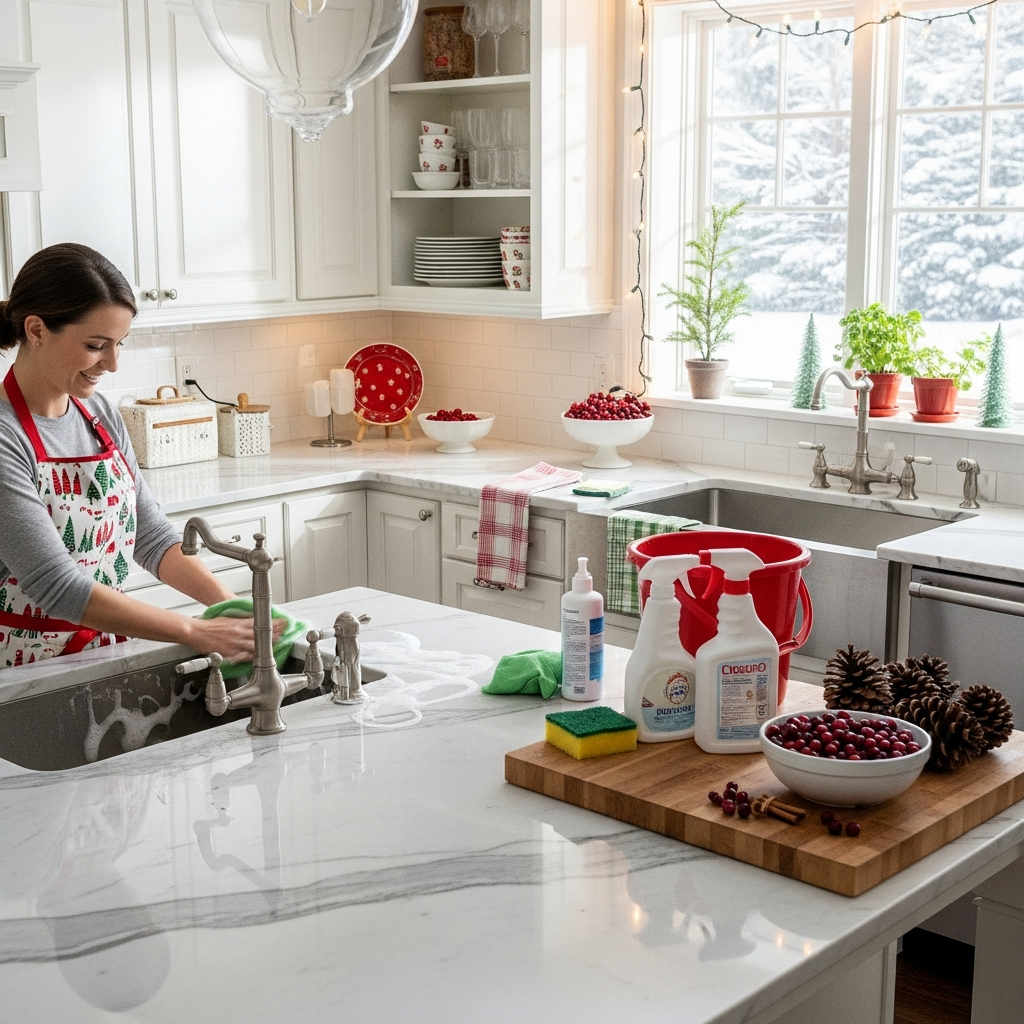
A family cleaning the kitchen for the end-of-year holidays.

Kitchen To-Do List Before The Holidays: 9 Essential Tips For a Worry-Free End of The Year

The kitchen is the undisputed command center of the holiday season. It is the engine room where the memories, the meals, and the chaos are manufactured. During the rest of the year, your kitchen might handle a quick breakfast and a simple dinner, but in December, it is expected to perform at an industrial level. The oven runs for hours at high heat, the refrigerator is packed to capacity with raw meats and precarious platters, and the dishwasher is cycled multiple times a day. If this machinery is not prepared for the onslaught, the result is not just a burnt turkey or a spoiled dessert; it can be a mechanical failure that brings the festivities to a grinding halt. Preparing the kitchen for the holidays is not merely about making it look presentable for guests; it is a logistical and sanitary necessity to ensure the safe and efficient execution of the season’s demands. 1.Refrigerator The first step in this preparation must be the refrigerator, effectively the staging ground for the entire holiday operation. Most people wait until they come home with bags of groceries to think about fridge space, which leads to a game of “Tetris” that compromises airflow and food safety. A packed refrigerator cannot circulate cold air effectively. If the air vents are blocked by boxes of leftovers or old condiments, the temperature in the back may freeze the lettuce while the temperature in the door rises to unsafe levels for milk and eggs. Two weeks before the holiday, a ruthless purge is required. Check every expiration date. The jars of pickles from three years ago and the crusty bottles of salad dressing must go. Once the space is cleared, the shelves and drawers need to be removed and washed with hot, soapy water. Spills from raw meat or sticky residues from soda bottles are breeding grounds for bacteria like Listeria, which thrives in cold environments. Sanitizing the fridge now prevents cross-contamination when you load it with the holiday roast. 2.Oven Once the cold storage is addressed, attention must shift to the heat source. The oven is the workhorse of the holiday meal, and a dirty oven is a liability. There is a dangerous temptation to run the “self-clean” cycle a few days before Christmas to make the interior sparkle. This is a critical error. The self-clean cycle heats the appliance to extreme temperatures, often exceeding 900 degrees Fahrenheit, to incinerate food residue. This thermal shock can blow fuses, fry electronic control boards, or burn out the heating element. Appliance repair technicians see a massive spike in calls right before holidays specifically because homeowners use this feature. Instead of risking a breakdown, you must clean the oven manually. Use a commercial degreaser or a paste of baking soda and water to lift the carbonized grease from the floor and walls of the oven. Clean the glass door so you can monitor the cooking without opening it and losing heat. Most importantly, clean the racks. Racks coated in old grease can smoke at high temperatures, flavoring your delicate pastries with the acrid taste of burning oil. 3.Exhaust Fan Ventilation is the invisible component of a successful holiday dinner. The range hood is responsible for removing steam, smoke, and airborne grease. If the metal mesh filters are clogged with a year’s worth of sticky yellow resin, the fan cannot breathe. Instead of venting the smoke, the system will recirculate it or, worse, drip hot grease back down onto the stovetop. Remove the filters and soak them in boiling water mixed with a heavy-duty degreaser or baking soda. You will be shocked by the amount of oil that releases. A clean filter ensures that when you sear the meat or boil the potatoes, the moisture and odors are actually removed from the house, keeping the air fresh for your guests. 4.Dishwasher The dishwasher is the unsung hero that prevents the host from spending the entire evening at the sink. However, a dishwasher cannot clean your plates if it is clogged with debris. At the bottom of the unit, usually under the lower spray arm, is a filter basket. This basket catches bones, glass shards, and undissolved food. If it is full, the water circulation is restricted, and the machine ends up spraying dirty, gritty water over your dishes. Pull this filter out and scrub it under hot running water with a stiff brush. Check the spray arms for clogged jets; a single apple seed stuck in a spray hole can leave an entire section of the rack unwashed. Run an empty cycle with a specialized dishwasher cleaner or a bowl of vinegar to remove hard water scale and buildup from the internal pipes. You need this machine to be operating at peak efficiency to handle the heavy, greasy loads of holiday cookware. 5.Countertop Countertop real estate is the most valuable commodity during holiday prep. In the weeks leading up to the main event, the counters act as the assembly line. Every square inch covered by a decorative jar, a seldom-used blender, or a stack of mail is a lost workspace. Be ruthless in your decluttering. If an appliance is not going to be used specifically for the holiday meal, move it to a cupboard or the basement. The goal is to create “zones” for preparation—a zone for chopping, a zone for mixing, and a zone for plating. Deep clean the corners where the backsplash meets the counter, as these areas often harbor crumbs and dust that you don’t want mixing with your cookie dough. Cleaning the undersides of the upper cabinets is also a detail that pays off; steam from cooking often creates a greasy film there that can drip when the kitchen heats up. 6.Microwave Small appliances also require a pre-holiday audit. The microwave will be working overtime to reheat side dishes and melt butter. Inspect the interior ceiling of the microwave, an area often coated in splatters that have been re-cooked dozens of times. These old food particles

Kitchen To-Do List Before The Holidays: 9 Essential Tips For a Worry-Free End of The Year Read More »

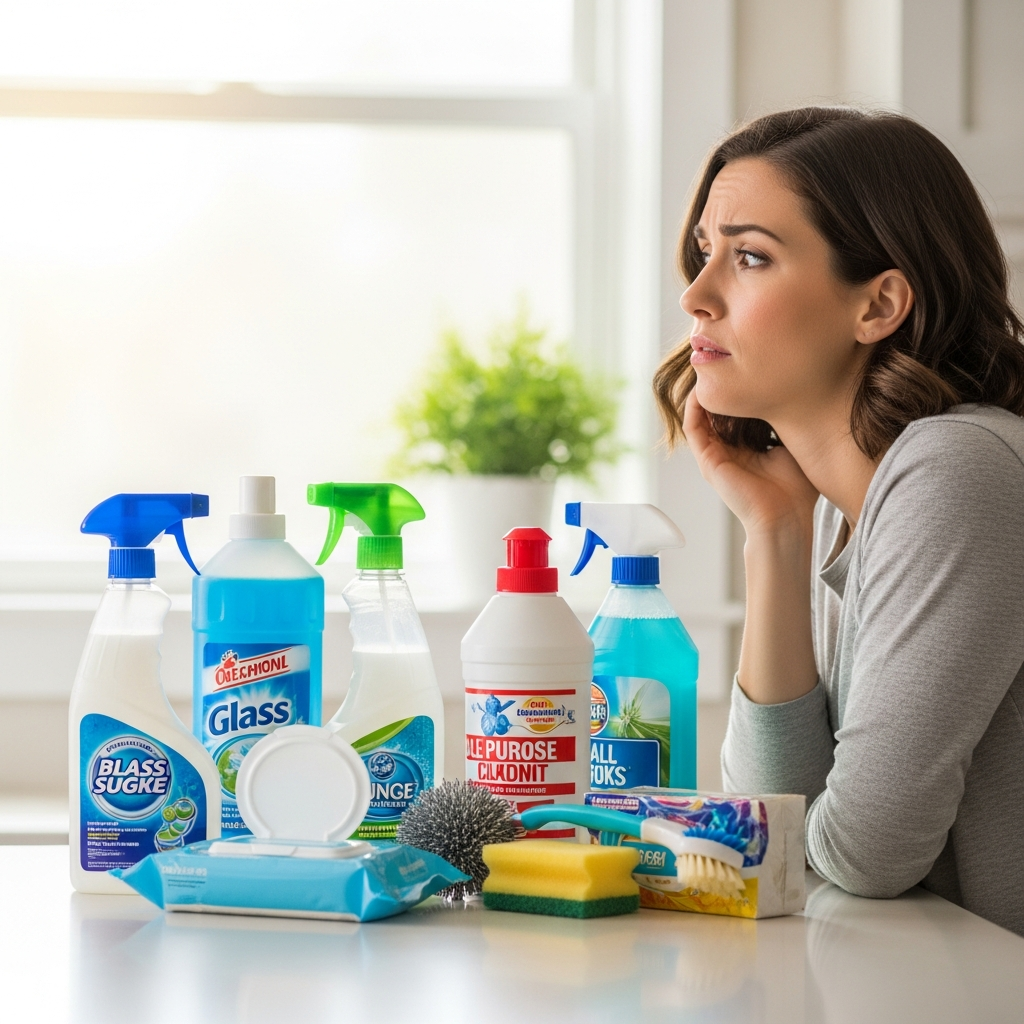
Dangerous to Your Health: 5 Common Products That are Dangerous For Your Daily Life

What would be dangerous to your health? The modern home is often viewed as a sanctuary, a controlled environment where we retreat from the pollution and chaos of the outside world. We scrub, spray, and polish surfaces with the intention of creating a safe, hygienic space for our families. However, there is a profound irony hidden within the cabinets under our sinks. In our aggressive pursuit of cleanliness, we have introduced a chemical arsenal that often makes the air inside our homes significantly more toxic than the air outside. The products we trust to sanitize our countertops and brighten our floors are frequently composed of volatile compounds that are potentially dangerous to your health. Understanding the chemistry of these common household items is the first step in dismantling the dangerous myth that a strong chemical smell equates to a clean home, when in reality, it often signals the presence of toxins. 1.Sodium Hypochlorite The most ubiquitous and perhaps most misunderstood chemical in the cleaning arsenal is sodium hypochlorite, commonly known as bleach. It is the default weapon for many when tackling mold, mildew, or bathroom grime. The risk of bleach lies not just in its corrosive nature, which can burn skin and eyes upon contact, but in its respiratory impact. Bleach is highly volatile. When used in a confined space like a shower or a small bathroom, the fumes react with organic matter to create chlorinated volatile organic compounds that are dangerous to your health, especially if you suffer from respiratory issues. inhaling these fumes causes immediate irritation to the mucous membranes of the throat and lungs. Furthermore, the chemical instability of bleach leads to one of the most common and deadly household accidents: the mixing of cleaners. If bleach is mixed with ammonia—which is found in urine and many glass cleaners—it produces chloramine gas. If mixed with acidic cleaners, it releases chlorine gas. Both of these reactions create an immediate atmospheric condition that is acutely dangerous to your health, leading to hospitalization or worse. 2.Ammonia Ammonia itself is another staple that warrants extreme caution. It is the primary active ingredient in many glass and window cleaners due to its ability to evaporate quickly without streaking. However, ammonia is a powerful irritant. Upon inhalation, it seeks out moisture, meaning it aggressively attacks the eyes, the throat, and the lungs. High concentrations of ammonia are dangerous to your health, causing chemical burns to the respiratory tract and exacerbating chronic conditions like asthma. The risk is compounded by the method of application. Most ammonia products are sold in spray bottles. When the trigger is pulled, the chemical is aerosolized into a fine mist. This mist hangs in the breathing zone, ensuring that the person cleaning inhales a significant dose with every breath. The distinct, sharp odor of ammonia is a warning signal from the body that the environment has become dangerous to your health, yet many push through the discomfort under the false impression that the pain is necessary for cleanliness. 3.Fragrance or Parfum Beyond the obvious corrosives, there is a silent and pervasive threat hiding in almost every bottle: fragrance. The word “fragrance” or “parfum” on an ingredient label represents a regulatory loophole. It is considered a trade secret, meaning manufacturers are not required to list the hundreds of specific chemicals that make up their signature scent. Within this chemical cocktail, one often finds phthalates. Phthalates are a group of chemicals used to make scents last longer, but they are also known endocrine disruptors. They mimic hormones in the body, potentially interfering with reproductive development, making them subtly but profoundly dangerous to your health over the long term. When you spray a lemon-scented counter spray or plug in a floral air freshener, you are releasing these compounds into the air. They settle on surfaces, are absorbed through the skin, and are inhaled into the bloodstream. 4.Air Fresheners and Fabric Deodorizers Air fresheners and fabric deodorizers are particularly egregious offenders in this category. These products do not clean; they coat. Many air fresheners work by releasing a nerve-deadening agent that temporarily interferes with your ability to smell, or by coating the nasal passages with an oily film. Others simply overload the air with volatile organic compounds (VOCs) to mask the underlying odor. These VOCs contribute to poor indoor air quality, leading to headaches, dizziness, and fatigue. The use of aerosol sprays adds another layer of risk, as the propellants themselves can be flammable and irritating to the lungs, making the very act of freshening the room dangerous to your health. Using these products is essentially solving a hygiene problem with a pollution problem, replacing a bad smell with a toxic chemical cloud. 5.Oven Cleaners and Drain Openers The heavy artillery of kitchen cleaning, oven cleaners and drain openers, represents the most immediate physical danger. Oven cleaners are typically formulated with lye (sodium hydroxide), a caustic substance that dissolves baked-on grease by turning it into soap. This chemical is so corrosive that it can cause permanent blindness if it splashes into the eyes and severe chemical burns on the skin. The fumes generated when spraying a cold oven are bad enough, but many people make the mistake of spraying the cleaner onto a warm oven. This vaporizes the lye, creating a toxic cloud that fills the kitchen and is immediately dangerous to your health upon inhalation. Similarly, drain openers rely on concentrated sulfuric acid or lye to burn through hair and grease clogs. These chemicals generate intense heat and can damage old pipes, but the health risk to the user is paramount. If the product fails to clear the clog and a plumber later tries to snake the drain, the splashing backwash creates a scenario that is physically dangerous to your health. 6.Quats In the post-pandemic world, the use of quaternary ammonium compounds, or “quats,” has exploded. These are the active ingredients in most disinfectant wipes and sprays. While effective at killing bacteria and viruses, quats are powerful lung irritants. There is growing evidence to suggest that frequent exposure to quats

Dangerous to Your Health: 5 Common Products That are Dangerous For Your Daily Life Read More »

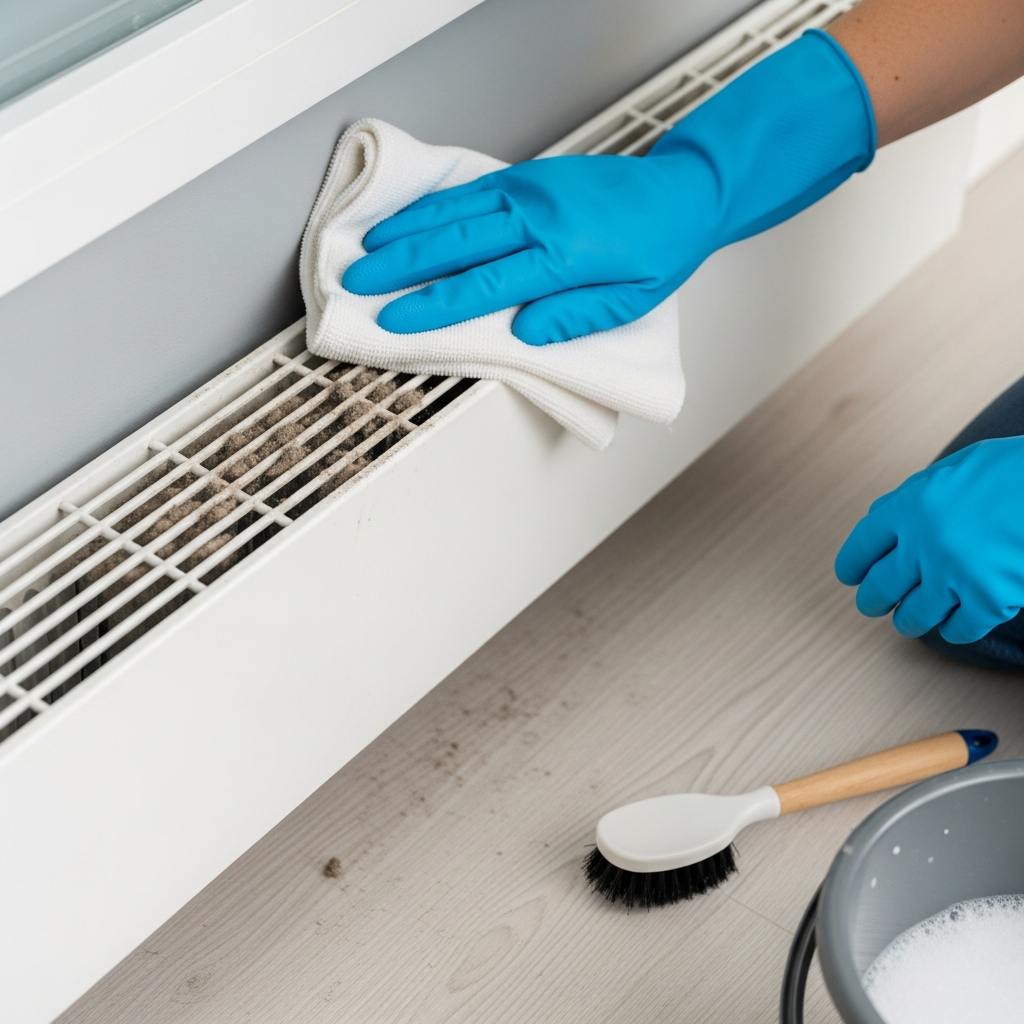
Baseboard Heaters routine day

Baseboard Heaters: The Step-by-Step Heater Cleaning Routine

Baseboard heaters are the silent, often ignored workhorses of residential heating. In many regions, particularly in older apartments and homes where retrofitting ductwork for forced air is structurally impossible, these metal units are the primary source of warmth. They sit unobtrusively at the floor level, usually beneath windows, occupying a visual blind spot that allows them to be easily disregarded until the first cold snap of autumn arrives. It is in that moment, when the thermostat is finally turned up, that the distinct, acrid scent of burning dust fills the room, signaling months of neglect. This smell is not merely a nuisance; it is the olfactory evidence of a system that is choked, inefficient, and potentially dangerous. While baseboard heaters are mechanically simple—essentially a heating element inside a metal pipe surrounded by aluminum fins—their placement and design make them magnets for the worst kind of household debris. Maintaining them is not just a matter of cleanliness; it is a critical component of energy efficiency, air quality, and home safety. How Does it Work? To understand why cleaning these units is so vital, one must first understand the physics of how they operate. Baseboard heaters rely on convection. Unlike a furnace that uses a blower fan to force air through vents, a baseboard heater is a passive engine. It utilizes the natural law that hot air rises and cold air sinks. Cold air from the floor creates a vacuum effect as it is drawn into the bottom of the heater. It passes over the heating element, warms up, and then rises out of the top of the unit, displacing the cooler air in the room. This cycle creates a continuous, silent current of air circulation. However, this same current acts as a low-level vacuum cleaner for the home. As the air is drawn into the bottom of the unit, it carries with it everything that settles on the floor: pet hair, human dander, textile fibers, and general dust. Because the heater is located at the lowest point of the room, it inhales the heaviest concentration of particulate matter. Once this debris enters the metal housing, it encounters the heat exchanger. This component consists of a central pipe surrounded by hundreds of thin, sharp aluminum fins. These fins are designed to maximize surface area, allowing the heat from the pipe to transfer to the air as efficiently as possible. However, the tight spacing between these fins makes them a perfect trap for debris. The dust and hair do not simply pass through; they get caught on the jagged edges of the aluminum and wedged between the plates. Over time, this buildup forms a thick, felt-like blanket of grey fuzz. This blanket acts as an insulator. The entire purpose of the fins is to release heat, but the dust layer traps that heat against the metal. The result is a heater that has to work significantly harder and run for longer periods to raise the room temperature, leading to a direct and noticeable spike in electricity bills. You are essentially paying to heat the dust, not the air. Security Beyond the financial cost of inefficiency, there is a legitimate safety concern. The heating element inside an electric baseboard heater gets incredibly hot. While the metal housing remains touchable, the internal components reach temperatures high enough to singe organic matter. The “burning smell” that permeates a home in October is literally the combustion of the dust and hair that has settled on the element during the summer months. While most of this dust simply carbonizes and floats into the air as soot, a heavy accumulation of lint—which is highly flammable—poses a fire risk. If a piece of paper, a curtain, or a thick clump of pet hair falls directly onto the element, it can ignite. This risk is compounded by the fact that baseboard heaters are often hidden behind furniture or drapes, meaning a small smolder could go unnoticed until it becomes a significant problem. The health implications of a dirty baseboard heater are also frequently underestimated. As the unit heats up and burns off the accumulated dust, it releases particulate matter and chemical byproducts of combustion back into the room’s airflow. For individuals with asthma, allergies, or respiratory sensitivities, this creates a toxic environment. The convection current that heats the room also serves to circulate these allergens efficiently, ensuring they remain suspended in the breathing zone. Furthermore, the dark, warm environment inside a heater that is not in use during the spring and summer can become a harbor for mold or pests. Cleaning the unit is the only way to break this cycle of recirculating filth. Cleaning a baseboard heater requires a specific methodology because the internal components are delicate and sharp. The aluminum fins are incredibly pliable; they can be bent by a stray vacuum attachment or a clumsy finger. If the fins are bent flat against each other, the airflow is blocked, and the unit’s efficiency drops to zero in that spot. Therefore, the first step in any cleaning regimen must be safety—both for the user and the machine. The power must be turned off at the main breaker panel. Simply turning the thermostat down is insufficient, as a sudden drop in temperature could trigger the unit to activate while your hands are inside. A voltage detector is a handy tool to confirm the power is truly dead before opening anything. Vacuum Cleaner The exterior cover, or the faceplate, is usually removable, though the difficulty varies by model. Removing this panel provides access to the fins and the element. The initial attack on the dust should always be dry. Introducing water to a caked-on layer of dust creates mud, which is nearly impossible to remove from the tight crevices of the fins. A vacuum cleaner with a strong suction and a crevice tool is the best starting point. The goal is to suck out the loose debris from between the fins without dragging the hard plastic of the vacuum nozzle

Baseboard Heaters: The Step-by-Step Heater Cleaning Routine Read More »

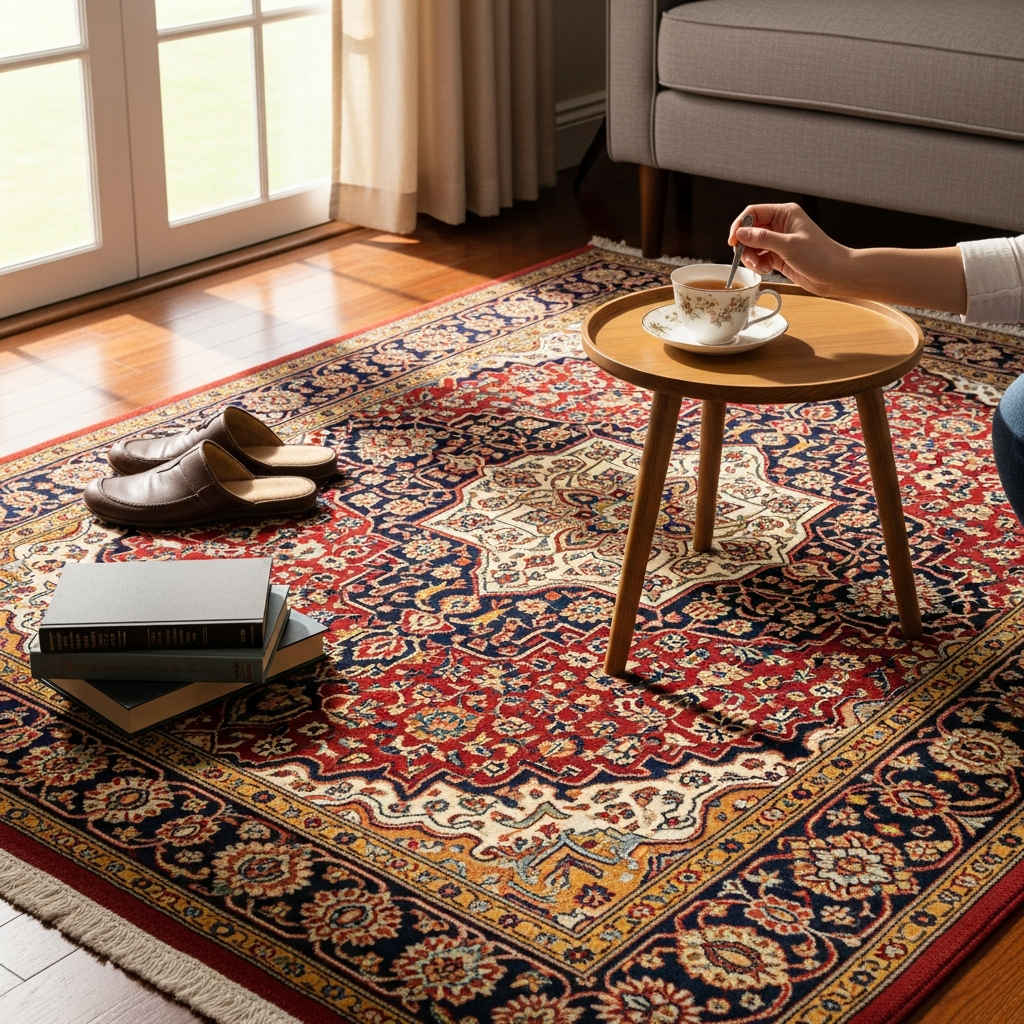
Persian rug being used

Persian Carpet: How to Identify if Your Rug Needs a Professional Wash or Just a Vacuum

A Persian carpet is far more than a simple floor covering; it is a piece of art, a historical document, and often a family heirloom that carries the weight of generations within its intricate fibers. Unlike the mass-produced, synthetic wall-to-wall carpeting that covers the floors of modern offices, a genuine Persian rug is a living, organic entity. It is composed of natural materials—typically wool, silk, and cotton—and dyed with complex pigments. Because of this intricate biology and craftsmanship, the cleaning and maintenance of these textiles require a philosophy that is fundamentally different from standard household cleaning. Treating a hand-knotted Persian rug with the same chemicals and mechanical aggression used on a polyester rug is the fastest way to destroy its value. Understanding the anatomy of the rug is the first step in stopping the unintentional damage that many owners inflict in the name of cleanliness. Structure The structural integrity of a Persian rug relies on the millions of knots tied by hand around the foundation threads. This density gives the rug its durability, but it also creates a unique problem regarding soil accumulation. In a standard carpet, dirt sits relatively loosely on the backing. In a Persian rug, fine dust and grit migrate down through the pile and settle deep within the foundation of the knots. This debris is not just unsightly; it is mechanically destructive. Under a microscope, these particles look like tiny shards of glass. Every time you walk over the rug, the pressure of your foot grinds these sharp particles against the delicate fibers, acting like a slow-motion guillotine that slices the wool at the base. Standard vacuuming is often insufficient to remove this deep-seated sediment, and using a vacuum with a beater bar—the rotating brush roll found on most upright machines—is a primary cause of damage. The beater bar pulls at the knots, shreds the delicate pile, and can tear the fringes off completely. The correct approach is to use suction only and to vacuum the back of the rug occasionally to vibrate the dirt out of the foundation using gravity. Cleaning Products Beyond the physical removal of dust, the chemical interaction between cleaning agents and the rug’s fibers is a minefield of potential disasters. Wool is a protein fiber, similar to human hair, protected by a layer of scales and natural oils called lanolin, which provide a soft sheen and stain resistance. Most commercial carpet cleaners are highly alkaline, formulated to blast through synthetic grease. When these products touch wool, they strip away the lanolin, leaving the fibers brittle, dry, and dull. High alkalinity can even cause a chemical burn, turning the wool yellow or brown permanently. The cleaning of a Persian rug requires a pH-neutral or slightly acidic solution that respects the protein structure of the wool. This is why traditional methods often utilize vinegar or specialized plant-based shampoos rather than harsh industrial detergents. The stability of the dye is another critical factor. Many older or tribal rugs use vegetable dyes that are not chemically locked into the fiber like modern synthetics. These dyes can bleed when wet. A common tragedy occurs when a homeowner attempts to spot-clean a spill with hot water and a generic cleaner. The heat opens the fiber cuticles, allowing the dye to migrate. Suddenly, deep reds bleed into creamy white areas, creating a muddy, irreversible stain. Furthermore, the use of hot water is almost always a mistake because wool shrinks when exposed to heat and agitation, a process known as felting. A hot steam cleaning session can distort the shape of the rug, causing it to buckle and ruin its ability to lay flat. Scrub Stain removal is the battlefield where most rugs are lost. The panic that sets in after a spill often leads to frantic scrubbing. This mechanical action is disastrous. When wet, wool fibers are swollen and vulnerable. Scrubbing distorts the pile, causing the fibers to untwist and fuzz, creating a texture difference called “blooming” that remains even after the stain is gone. The only correct immediate action is blotting—pressing straight down with a clean, white cotton towel to absorb liquid without lateral movement. Pet Urine Pet urine poses a specific, severe threat that goes beyond simple staining. Urine begins as an acid but creates a highly alkaline reaction as it decomposes. This shift can destabilize dyes, but more insidiously, it rots the cotton foundation of the rug, a condition known as dry rot. The salts left behind pull moisture from the air, keeping the foundation perpetually damp and feeding bacteria. This weakens the structural threads to the point where the rug can crack or tear when moved. Standard enzymatic cleaners often leave sticky residues that attract more dirt. Dealing with pet urine usually requires a full immersion wash by a professional to flush out the salts completely. The Fringe The fringe of the rug is another area of frequent abuse. The fringe is the end of the warp threads that form the rug’s skeleton. If the fringe unravels, the knots slide off, and the structure disintegrates. Homeowners often use bleach to keep the fringe white, but bleach degrades the cotton, causing the threads to become brittle and snap. The fringe should be cleaned gently with the same mild solution as the rest of the rug and never subjected to the vacuum cleaner’s beater bar. Water damage is frequently the result of improper drying after a DIY cleaning attempt. Because a Persian rug is dense, moisture trapped in the center becomes a breeding ground for mold and mildew if not dried rapidly. This can happen in as little as twenty-four hours, resulting in a distinct, permanent odor and fungal growth that eats away at the cellulosic fibers. Professional cleaning facilities use centrifuges and temperature-controlled drying rooms to ensure the rug is bone dry. Washing a rug on a driveway often results in a rug that stays wet for days, inviting rot. Steam Cleaning and True Rug It is also crucial to differentiate between steam cleaning

Persian Carpet: How to Identify if Your Rug Needs a Professional Wash or Just a Vacuum Read More »

Understanding Acetone: A Guide to the Powerful Cleaning Solvent

Acetone is a remarkably potent organic solvent, a chemical powerhouse whose utility in cleaning is matched only by the caution required for its use. Its effectiveness is rooted in its molecular structure; as a polar aprotic solvent, it has the unique ability to dissolve a vast array of substances that are resistant to water and other common cleaners. This includes non-polar materials like oils and greases, as well as polar substances. This dual-action capability is why it can tackle such a diverse range of problems, from varnish and lacquer to permanent ink and stubborn adhesives. Its high volatility, meaning it evaporates very quickly, is often considered an asset, as it can perform its function and then disappear, frequently leaving behind a clean, dry, and residue-free surface. However, this same strength means it is indiscriminately aggressive, making a thorough understanding of its properties essential before it is ever brought near a surface. Paint Remover One of its most celebrated roles is as a paint and finish remover. When dealing with dried latex or oil-based paint splatters on hard, non-porous surfaces like glass, tile, or bare metal, acetone works by breaking down the polymer binders that give the paint its structure. By dissolving these binders, it effectively liquefies the paint, allowing it to be wiped away. This is also why it is the go-to solvent for cleaning paint brushes, rollers, and spray gun components that have been used with lacquers or enamels, restoring them to a usable state when other thinners might fail. It can strip varnish and polyurethane from metal hardware or remove old, yellowed lacquer from brass fixtures, revealing the untarnished metal beneath. The process requires patience, applying the acetone, allowing it time to work on the coating, and then carefully scraping or wiping away the softened layers. Beyond paint, acetone excels at vanquishing adhesives. It is the active ingredient in most nail polish removers, effortlessly dissolving the tough acrylic polymers in nail lacquer. This same principle applies to more challenging adhesives like cyanoacrylate, commonly known as super glue. A small, careful application can break the bond of cured super glue on skin or countertops. It is also highly effective for removing the stubborn, gummy residue left behind by stickers, labels, and various types of tape. The acetone penetrates the adhesive mass, reducing its viscosity and tackiness until it can be easily wiped clean. For more substantial challenges, like removing contact cement or construction adhesives, acetone can soften the material, though it may require multiple applications and significant mechanical action to fully remove the buildup. Degreaser The solvent’s power is also invaluable for degreasing and deep cleaning in mechanical or workshop environments. When preparing a metal part for welding, painting, or powder-coating, any trace of oil, grease, or wax can compromise the integrity of the final bond or finish. Acetone cuts through these petroleum-based contaminants with ease, flashing off quickly to leave a perfectly clean substrate ready for the next step. It is used to clean automotive parts, machinery, and tools, dissolving grime and tar that would otherwise require harsh mechanical scrubbing. On a concrete garage floor, it can be used to lift deep-set oil stains, though it may drive the stain deeper if not used correctly with an absorbent material to pull the dissolved oil out of the porous concrete. It Can Cause Damage Despite this wide range of applications, the list of materials that acetone can damage is extensive and requires serious consideration. Its most dramatic effect is on plastics. It is a powerful solvent for many common polymers, including polystyrene (styrofoam), ABS (used in many electronics housings and car interiors), acrylic (Plexiglas), and polycarbonate. Contact will cause these materials to soften, warp, cloud over, or completely dissolve into a sticky mass. This is why it is critical to test acetone on an unseen area of any plastic item before use. Even brief contact can cause irreversible damage known as solvent crazing, creating a network of fine cracks in the plastic’s surface. Conversely, it is generally safe on high-density polyethylene (HDPE) and polypropylene, which is why acetone containers are often made from these materials. Finished wood surfaces are also highly vulnerable. Acetone will strip almost any finish, from shellac and varnish to lacquer and polyurethane, ruining the protective layer and exposing the raw wood. This action can be so aggressive that it also dehydrates the wood fibers themselves, potentially causing them to become brittle. It can lift wood veneers and damage laminates. For these reasons, acetone should never be used to clean wooden furniture, flooring, or cabinetry unless the specific goal is to completely strip the existing finish for a refinishing project. The danger extends to fabrics as well. Acetone will dissolve fabrics made from acetate, triacetate, and modacrylic fibers, literally creating holes in the material. While it is generally considered safe for natural fibers like cotton, wool, and silk, it can strip the color from dyed textiles. A spot test in an inconspicuous area, such as an inner seam, is absolutely mandatory before attempting to use it for stain removal on any fabric or carpet. Be careful Given its potent nature, safety protocols are non-negotiable. Acetone is extremely flammable, with a very low flash point, meaning its vapors can ignite at room temperature from a distant spark or flame. Ignition sources can be obvious, like a pilot light on a water heater, or subtle, like the spark from a refrigerator motor kicking on or a discharge of static electricity. Therefore, its use requires robust ventilation, such as opening windows and doors and using a fan to create a cross-breeze that directs fumes outside. Working outdoors is always the safest option when possible. Personal protective equipment is essential. Chemical-resistant gloves, specifically those made of butyl rubber or nitrile, are necessary to protect the skin. Latex gloves are not sufficient as acetone can degrade them quickly. Direct skin contact can cause defatting, leading to severe dryness, irritation, and cracking. Splash-proof safety goggles are also a must to protect

Understanding Acetone: A Guide to the Powerful Cleaning Solvent Read More »

5 Reasons Why Hiring a Cleaning Service is the Best Form of Self-Care

Why hire a specialized cleaning service? The modern home is a hub of activity, a place of work, rest, and family life. Yet, maintaining its cleanliness can feel like a relentless, never-ending task. The dust settles almost as soon as it’s wiped away, the floors seem to attract dirt, and the kitchen and bathrooms demand constant attention. For many, the weekend, which should be a time for relaxation and recharging, is instead consumed by a long list of chores. This constant cycle of cleaning can become a significant source of stress and a drain on our most valuable resource: time. It is in this gap between the desire for a clean, peaceful environment and the reality of a busy life that a residential house cleaning service finds its purpose, offering not just a service, but a solution to a pervasive modern problem. 1.Quality of Life Hiring a professional cleaning service is often viewed as a luxury, but it is more accurately described as an investment in your quality of life. Consider the hours spent each week sweeping, mopping, scrubbing, and dusting. For a moderately sized home, this can easily add up to four, five, or even more hours. A professional service reclaims those hours for you, handing them back to be spent on what truly matters. This could mean more time with family, pursuing a hobby, exercising, or simply enjoying a well-deserved rest. The cumulative effect of this reclaimed time is profound, reducing burnout and allowing for a better work-life balance. It transforms the home from a place of constant obligation into a true sanctuary, a space you can enter after a long day and immediately feel at ease, rather than being confronted with a list of tasks that need doing. 2.Quality of Cleanliness Beyond the gift of time, there is the undeniable difference in the quality of the clean itself. A professional cleaner brings a level of expertise and efficiency that is difficult for the average homeowner to replicate. They are trained in the most effective methods and understand the specific needs of different surfaces. They know which products to use on natural stone versus laminate, how to clean stainless steel without leaving streaks, and the best techniques for removing stubborn soap scum from glass shower doors. This knowledge prevents costly damage that can result from using the wrong chemical or an abrasive sponge on a delicate surface. Furthermore, professional services come equipped with commercial-grade tools and supplies that are often more powerful and effective than standard consumer products. Their high-powered vacuums with HEPA filters can capture a significantly higher percentage of dust, allergens, and pet dander, leading to improved indoor air quality. This is particularly beneficial for households with allergy sufferers, asthmatics, children, or pets. The result is not just a home that looks clean, but one that feels and is, on a microscopic level, healthier. The process of a professional clean is systematic and thorough. Cleaners typically work with a detailed checklist, ensuring that no area is overlooked. They employ methodical strategies, such as cleaning from top to bottom to ensure dust and debris fall downwards before the floors are addressed, and working from one side of a room to the other. This structured approach guarantees consistency and completeness. A standard recurring clean will typically involve a comprehensive dusting of all surfaces, including furniture, shelves, and window sills; cleaning and disinfecting kitchen countertops, sinks, and appliance exteriors; scrubbing toilets, showers, tubs, and bathroom vanities; and vacuuming carpets and mopping hard floors. This regular maintenance keeps the home at a consistent level of cleanliness, preventing the deep buildup of grime. 3.Deep Cleaning For homes that have gone some time without a thorough cleaning or for clients new to a service, a deep clean is often recommended. This is a far more intensive and detailed service that addresses the areas often missed in a regular routine. A deep clean will include all the tasks of a standard clean but will go much further. It can involve washing baseboards and trim, cleaning light fixtures and ceiling fans, wiping down doors and door frames, cleaning behind and underneath furniture and appliances, scrubbing grout lines, and cleaning the interior of windows. This is the reset button for your home, tackling the accumulated dirt and dust in every nook and cranny, and establishing a new baseline of clean that makes subsequent maintenance easier. Specialized services like move-in and move-out cleanings are another critical offering. Preparing a home for sale or ensuring a new home is pristine before you unpack is an enormous task on top of the already stressful process of moving. A move-out clean is designed to leave the property in immaculate condition for the next occupants, often a requirement for retrieving a security deposit. This is the most exhaustive clean of all, performed on an empty home. Every interior surface is addressed, including the inside of all cabinets, drawers, closets, the oven, and the refrigerator. It ensures the home is presented in its best possible light, which can be a significant factor for real estate agents and potential buyers. Conversely, a move-in clean provides immense peace of mind, sanitizing the space and ensuring you are starting your new chapter in a fresh, thoroughly cleaned environment. 4.Trust and Security One of the most significant barriers for people considering a cleaning service is the idea of trust and security. Inviting someone into your personal space requires confidence in their professionalism and integrity. This is why reputable cleaning companies place such a high emphasis on their hiring and training processes. They conduct background checks on their employees and ensure they are thoroughly vetted. Furthermore, professional services are bonded and insured. Bonding provides protection against theft, while insurance covers any accidental damage that might occur to your property during the cleaning process. This comprehensive protection offers homeowners the peace of mind that they are working with a trustworthy organization that stands behind its work and its people. The relationship with a cleaning service is

5 Reasons Why Hiring a Cleaning Service is the Best Form of Self-Care Read More »

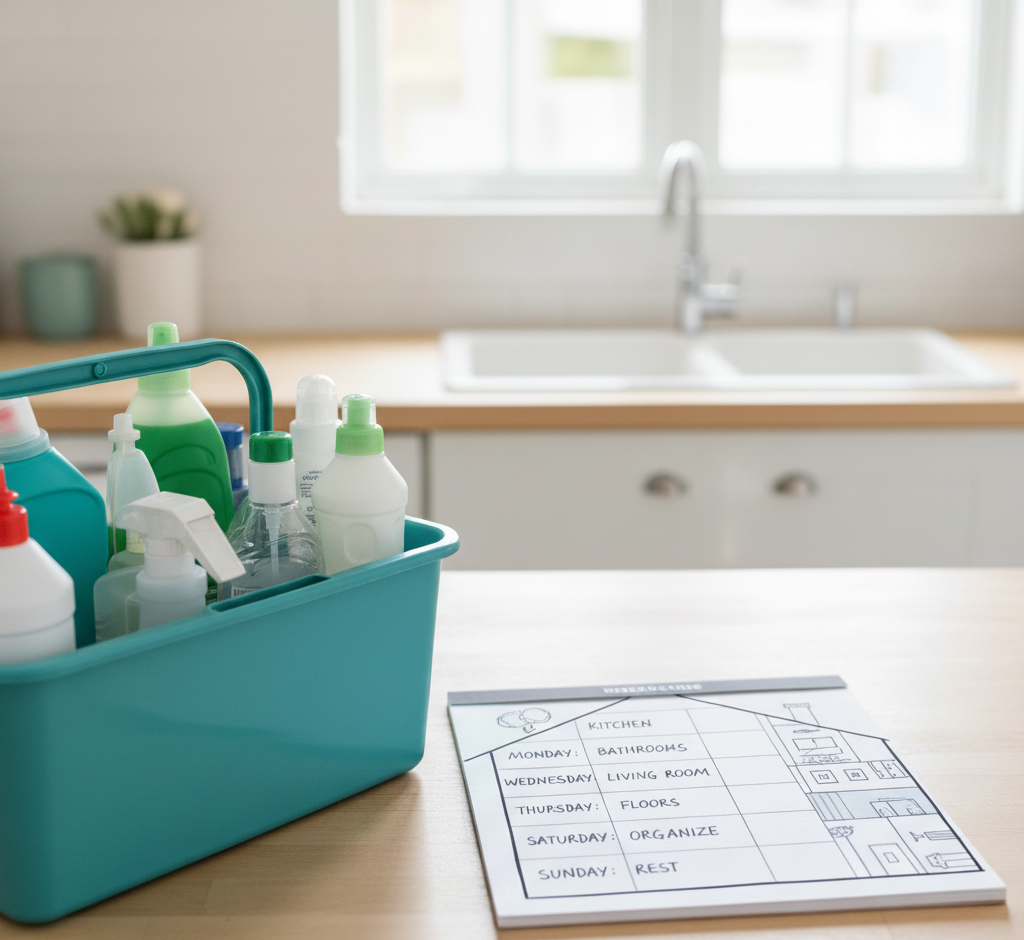
Perfect Cleaning Schedule

Cleaning Schedule: A Room-by-Room Guide to Your Perfect Cleaning Schedule

For many, cleaning a house is a cycle of chaos and control, and having a daily cleaning schedule becomes essential. It exists in the extremes: either a frantic, multi-hour marathon of scrubbing and scouring in a desperate attempt to reclaim a space that has descended into disarray, or a state of blissful ignorance where the dust bunnies multiply in the corners and the sticky film on the kitchen counter becomes an accepted part of the landscape. We clean in a panic before guests arrive, we clean in a fit of frustration when we can no longer stand the mess, and we clean on the first sunny day of spring with a burst of ambitious energy that quickly fades. This reactive approach to cleaning is exhausting, inefficient, and ultimately, a losing battle. The secret to a consistently clean, calm, and functional home does not lie in more powerful chemicals or more aggressive scrubbing. It lies in a simple, transformative tool: a cleaning schedule. Proactive Maintenance The very idea of a cleaning schedule can feel restrictive, conjuring images of a rigid, joyless routine. But in reality, a schedule is the opposite of a restriction; it is a form of freedom. It is the freedom from the overwhelming feeling of not knowing where to start. It is the freedom from the guilt of a messy home and the freedom from having to sacrifice an entire weekend to a cleaning binge. A schedule transforms the monumental task of “cleaning the house” into a series of small, manageable, and predictable habits. It is the difference between facing a mountain and climbing a single step each day. It is about proactive maintenance, not reactive disaster control. Creating a schedule that works is about understanding the different rhythms of your home and the tasks required to maintain it. These tasks can be broken down into different frequencies: daily, weekly, monthly, and seasonal. By assigning tasks to these categories, you create a system that ensures everything gets done in its own time, preventing the kind of deep-seated grime that requires a marathon session to remove. The daily tasks are the bedrock of the system, the small habits that take no more than fifteen to twenty minutes but have the greatest impact on the daily sense of order in your home. These are the actions that prevent chaos from ever taking root. This includes making the bed each morning, an act that takes less than two minutes but instantly makes an entire room feel more put-together. It means wiping down the kitchen counters and sink after every meal. This simple wipe prevents the buildup of sticky spills and crumbs that become harder to clean the longer they sit. A quick sweep of the kitchen floor at the end of the day catches the daily debris and stops it from being tracked throughout the rest of the house. Another cornerstone of the daily routine is the “one-load” rule for laundry. By doing a single load of laundry from start to finish each day—washing, drying, folding, and putting away—you prevent the dreaded mountain of clothes from ever forming. Cleaning Day From these high-impact daily habits, we move to the weekly core clean. This is the more traditional “cleaning day,” but when broken down and performed consistently, it becomes a much less daunting task. You can choose to tackle all of these tasks on a single day, or you can assign one or two rooms to different days of the week, a method often called “zone cleaning.” The weekly routine is about a more thorough reset of the main living areas. The bathrooms are a primary focus of the weekly clean. This is a matter of hygiene as much as appearance. This means a thorough scrubbing of the toilet, inside and out. It involves cleaning the shower or bathtub, scrubbing away the beginnings of soap scum before it can become a thick, stubborn film. The bathroom sink and countertops should be scrubbed and disinfected, and the mirror should be wiped to a streak-free shine. Finally, the bathroom floor should be swept and mopped. The kitchen, the heart of the home, also requires a weekly deep dive. This goes beyond the daily counter wipe. It means wiping down the exterior of all your appliances—the refrigerator, the dishwasher, the microwave, and the stovetop—to remove fingerprints and splatters. It involves cleaning the inside of the microwave, a task made simple by heating a bowl of water and vinegar to loosen the grime. The kitchen floor, which sees the most traffic and spills, needs to be thoroughly mopped. The rest of the home requires a focus on the universal enemy: dust. The weekly routine should include a thorough dusting of all surfaces in the living areas and bedrooms. This includes furniture, shelves, and any decorative items. Following the dusting, a comprehensive vacuuming of all floors is essential. This includes carpets, rugs, and hard surfaces. Regular vacuuming not only keeps floors looking clean but also improves indoor air quality by removing dust, dander, and other allergens. Deep Cleaning Beyond the weekly routine lies the monthly deep dive, the set of tasks that addresses the slow, creeping grime that is often overlooked. These are the details that separate a tidy house from a truly clean one. This is the time to wipe down all the baseboards in your home, which are magnets for dust and scuffs. Clean your light fixtures and ceiling fans, carefully wiping away the dust that accumulates on bulbs and blades. This is also the time to deep clean some of your hardworking appliances. Run a cleaning cycle on your washing machine to prevent the buildup of soap scum and mildew. Clean the filter in your dishwasher to improve its performance. This is also a good opportunity to clean your window sills and the tracks of your sliding doors, which are notorious for trapping dirt and insects. At the end, we have the seasonal, or quarterly, tasks. These are the major projects, the whole-home

Cleaning Schedule: A Room-by-Room Guide to Your Perfect Cleaning Schedule Read More »

woman preparing the house for Halloween

Halloween Cleaning: The Secret to a Stress-Free Halloween? A Pre-Holiday Clean.

October arrives with Halloween, a distinct change in the air, a freshness that signals a change in seasons and a turn toward festive preparations. For many, this means a flurry of activity centered around one of the year’s most anticipated celebrations: Halloween. The focus naturally falls on costumes, candy, and decorations, on carving pumpkins and creating a perfectly spooky ambiance. But beneath all this excitement lies a foundational step that is often overlooked in the rush, a preparatory ritual that is not just about tidiness, but about safety, functionality, and creating the perfect canvas for the holiday. This is the pre-Halloween cleaning, a comprehensive effort that readies your home for the ghosts, goblins, and guests to come. The Walkway of Your House This is not a typical weekly clean. It is a targeted, purposeful project that addresses your home from the outside in. The primary focus must begin where the Halloween experience itself begins: the exterior of your home. Your walkway, porch, and front door will be the stage for the entire evening’s events, the first and most important point of contact for every trick-or-treater who visits. Its condition sets the tone for the night and, more importantly, ensures the safety of your guests. Start with the path leading to your door. In October, this walkway is likely covered in a slick carpet of fallen leaves, twigs, and other natural debris. When damp, these leaves create a significant slipping hazard, especially for small children in bulky costumes who are excitedly running from house to house in the dark. The first and most critical task is to perform a thorough sweep. Clear the entire walkway, from the sidewalk to your front steps, of all leaves and debris. Follow this with a quick but powerful spray from a garden hose to wash away any residual mud or grime. This single act immediately makes your home safer and more welcoming. Once the path is clear, your attention must turn to the porch or stoop itself. This is the main stage, and it needs to be cleared for action. Remove any lingering summer items—empty planters, forgotten garden tools, or worn-out summer mats. Give the entire surface a comprehensive sweep, paying close attention to the corners where dust and spiderwebs accumulate. While some might consider real spiderwebs to be thematic, they often just look dirty and neglected, detracting from the intentional, spooky atmosphere you plan to create with carefully placed fake webbing. Remove the real ones to make way for the decorative ones. The Front Door With the porch floor clear, focus on the vertical surfaces. The front door will be the centerpiece of the evening. Give it a thorough wipe-down with a damp cloth and a simple solution of warm water and a few drops of dish soap. Clean off the fingerprints, smudges, and accumulated dust from the late summer months. A clean door provides a much better backdrop for a festive wreath or any other decorations you plan to hang. While you are there, wipe down the door handle and any hardware. Next, address the windows that flank your entryway. These windows are prime real estate for spooky silhouettes, window clings, or dramatic lighting effects. They will have a much greater impact if the glass is clean and free of streaks and grime. A simple solution of equal parts white vinegar and water in a spray bottle, wiped away with a squeegee or a clean microfiber cloth, will ensure your ghouls and ghosts are seen in perfect, terrifying clarity. Do not neglect the details of the porch. Wipe down railings and handrails, not just for appearance, but because they will be used by parents and children navigating your steps in the dark. Look up and address the exterior light fixtures. These lights are essential for both safety and atmosphere on Halloween night. A thick layer of dust and dead insects can significantly dim their glow. A careful wipe-down of the glass or plastic covers will ensure they shine as brightly as possible, illuminating the path and highlighting your best decorations. This is also a good time to check that the bulbs are working, replacing them if necessary. Inside the House With the exterior prepared, the focus shifts inward, beginning with the area that will bear the brunt of the evening’s traffic: the entryway. This space acts as an airlock between the autumn chill and the warmth of your home, and on Halloween night, it will see a constant stream of opening and closing doors. It is the buffer zone that helps to contain the dirt and leaves that will inevitably be tracked in. First, clear any clutter. Shoes, bags, and mail that have accumulated by the door should be put away to create a clear, wide path. A cluttered entryway is a tripping hazard, especially for a group of excited children. The floor in this area is the most important surface. Remove your doormat and give it a thorough cleaning. If it is a durable outdoor-style mat, take it outside, scrub it with soap and water, and let it dry completely. If it is an indoor mat, a vigorous vacuuming should suffice. Clean the floor underneath the mat, a spot that often traps a surprising amount of grit. This is the perfect time to place a heavy-duty boot tray by the door. While you may not see snow yet in October, it is the beginning of the wet season, and a boot tray provides a designated, contained space for wet or muddy footwear for the months ahead. Entryway From the entryway, move to the main living areas, the rooms that are visible from the front door. A pre-Halloween clean in these spaces is about creating a clean, dust-free environment before you begin adding the clutter of decorations. A thorough dusting of all surfaces is essential. Dust the mantelpiece where you might place a spooky candelabra, the bookshelves that might soon be draped in cobwebs, and the coffee and end tables that will

Halloween Cleaning: The Secret to a Stress-Free Halloween? A Pre-Holiday Clean. Read More »

woman giving her friend a cleaning gift card

Cleaning Gift: The Most Thoughtful Thanksgiving Gift You Can Give

Thanksgiving is a holiday centered on the beautiful, simple act of gathering. It’s about the warmth of a crowded table, gifts, the familiar comfort of shared recipes, and the expression of gratitude for the people in our lives. We plan menus, we brine turkeys, and we coordinate who will bring which dessert. But beneath this joyful preparation lies a silent, often stressful, and monumental task that almost always falls on the host: the pre-Thanksgiving deep clean. We have all felt it. The week before the guests arrive is a frantic race against the clock. It is a period of scrubbing, dusting, and mopping, driven by the quiet but intense pressure to present a home that is not just tidy, but impeccably clean. It is a labor of love, but it is labor nonetheless. It is hours spent on hands and knees, wiping baseboards and scrubbing floors, when that time could be spent perfecting a pie crust or simply taking a moment to breathe before the happy chaos begins. This year, consider a different kind of contribution. Instead of offering to bring another side dish that will crowd the refrigerator, think about giving a gift that truly serves the person you are thankful for. Consider giving the gift of a clean home. It may sound unconventional, but a pre-Thanksgiving cleaning, whether performed by you or a professional service, is one of the most thoughtful, practical, and profoundly impactful gifts you can possibly give a friend who is hosting. It is a gesture that transcends a simple present; it is a gift of time, of peace of mind, and of genuine, functional support. The Gift of Time In our busy lives, time is the most precious and non-renewable resource we have. During the holiday season, this becomes acutely apparent. The host of a Thanksgiving dinner is not just cooking a single meal; they are orchestrating a major event. Their to-do list is a marathon of planning, shopping, chopping, and baking. The last thing they have is a surplus of free hours. Let’s be honest about what a true guest-ready clean entails. It is not a quick wipe of the counters. It is a comprehensive, top-to-bottom effort. The Dusting: This means getting not just the coffee table, but the tops of the door frames, the ceiling fan blades, the baseboards, and the window sills. It is a detailed, meticulous job that can easily take an hour or more. The Kitchen Deep Clean: The kitchen is the heart of Thanksgiving, and it needs the most intensive work. This involves scrubbing the stovetop, wiping down the fronts of all appliances, cleaning the microwave, disinfecting the countertops, and making sure the sink is sparkling. This is a solid hour of focused work, at minimum. The Bathroom Scrub: The guest bathroom needs to be pristine. This means scrubbing the toilet, cleaning the sink and faucet, wiping down the mirror until it is streak-free, and washing the floor. The Floors: Every hard-surface floor in the main living areas needs to be thoroughly swept and mopped. Every carpet needs to be vacuumed, including moving furniture to get the dust bunnies hiding underneath. This can easily consume another hour or two, depending on the size of the home. The Final Touches: Cleaning entryway glass, tidying up clutter, and giving everything a final polish. When you add it all up, a proper pre-hosting deep clean can easily take five to eight hours of hard, physical work. By giving the gift of a cleaning, you are handing your friend an entire day of their life back. That is a day they can now use to finalize their menu, to bake a dessert without rushing, to spend time with their children who are excited for the holiday, or, most importantly, to simply sit down with a cup of tea and mentally prepare for the joy of hosting, rather than the stress of it. You are not just saving them a chore; you are giving them the space to enjoy the process. The Gift of Peace of Mind The physical labor of cleaning is only half the battle. For any host, the mental load can be even more exhausting. The pressure to have a “perfect” home is a real and often unspoken source of anxiety. Every dust bunny in the corner, every smudge on the window, and every crumb under the dining table can feel like a personal failing when you are about to welcome people into your home. This “hosting anxiety” creates a mental checklist that runs on a constant loop in a host’s mind. Did I remember to dust the lampshades? Is the guest bathroom clean enough? Does the house smell fresh? This internal monologue is a significant source of stress that detracts from the true spirit of the holiday. When you give the gift of a clean home, you are silencing that nagging voice. You are taking a huge, stressful item off their mental checklist and completely erasing it. Imagine the profound sense of relief your friend will feel, walking into their home a day or two before Thanksgiving to find that it is already done. The floors are gleaming. The kitchen is sanitized and ready for the culinary marathon. The bathroom is sparkling. This gift allows your friend to transition their focus from the presentation of their home to the purpose of the gathering. They can channel all their energy into what truly matters: the food, the conversation, and the connection with their loved ones. They can be a present, relaxed, and joyful host, not a frazzled, exhausted one who is secretly worrying about whether a guest noticed the dust on the baseboards. You are not just cleaning their house; you are clearing their mind. A Foundation for the Entire Holiday Season Thanksgiving in many ways is the official kick-off to the entire winter holiday season. The festivities of November flow directly into the preparations for December. A deep clean for Thanksgiving is therefore not just a gift for a single day; it is a foundational gift that keeps on

Cleaning Gift: The Most Thoughtful Thanksgiving Gift You Can Give Read More »