Floor Cleaning

cleaning running shoes

Are You Cleaning Your Running Shoes Wrong? 5 Mistakes to Avoid

Running shoes are a unique piece of equipment, a perfect marriage of high-performance materials and biomechanical engineering designed to absorb impact and support the foot through countless miles. Over time, however, they inevitably become a testament to the miles they have endured, accumulating a grimy mixture of trail mud, road dust, grass stains, and the unavoidable salt stains from sweat. Cleaning them is not merely a matter of cosmetic preference; it is an essential act of maintenance that preserves the integrity of the materials, extends the lifespan of the shoe, and can even contribute to a healthier, more comfortable run. A shoe caked in dried mud is less flexible, and one saturated with sweat is a breeding ground for odor-causing bacteria. Neglect The most common and most damaging mistake in cleaning running shoes is treating them like any other piece of dirty laundry. The temptation to toss them into the washing machine and then the dryer is strong, but this is a guaranteed way to destroy a sophisticated piece of athletic gear. A washing machine’s aggressive tumbling action can bend the shoe’s supportive structures out of shape and weaken the delicate mesh uppers. More importantly, the combination of hot water and harsh detergents is catastrophic for the specialized foams, like EVA, that make up the midsole. This foam is engineered with tiny air pockets to provide cushioning and rebound. The heat and chemicals can cause these pockets to break down, permanently compressing the midsole and stripping the shoe of its essential cushioning properties. The clothes dryer is even more destructive. The intense, direct heat will warp the shoe’s shape, shrink the upper materials, and, most critically, melt the industrial-strength adhesives that hold the entire shoe together, causing the layers to delaminate and separate. Similarly, harsh chemical cleaners like bleach must be avoided at all costs. While effective at whitening, bleach will degrade and discolor the synthetic fabrics and delicate mesh that make up the upper, making them brittle and prone to tearing. The correct approach to cleaning running shoes is a gentle, methodical, hands-on process that respects the materials and the construction of the shoe. Dry-Brushing Before you even introduce water, the first and most critical step is preparation and dry-brushing. Find a suitable workspace, either outdoors or on an old towel to contain the mess. The first action is to deconstruct the shoe. Remove the laces completely. This is essential for getting a thorough clean on both the laces themselves and the tongue and eyelets of the shoe. Next, remove the insoles. The insoles are a major source of odor as they absorb the most sweat, and they must be cleaned and dried separately to allow the interior of the shoe to air out properly. With the shoe disassembled, the dry work begins. Your goal is to remove as much caked-on, loose dirt and dust as possible before it turns into mud. Using a shoe brush or a dry, stiff-bristled brush, vigorously scrub the outsole and the midsole of the shoe. Use the tip of the brush to dig into the grooves of the tread and dislodge any trapped pebbles, dirt clods, or grit. Once the lower parts are clean, switch to a softer-bristled brush, like an old toothbrush, to gently brush away any loose dust and dirt from the delicate mesh and fabric uppers. Being thorough in this dry-brushing stage will make the subsequent wet cleaning phase significantly easier and more effective. Wet Cleaning Now, you can move on to the wet cleaning. Create a simple, mild cleaning solution by mixing a small amount of gentle soap into a bowl of warm water. A clear, gentle dish soap or a specialized shoe cleaner is ideal. Avoid using laundry detergent, as it can be too harsh and may leave a residue. Begin with the uppers. Dip your soft-bristled brush into the soapy solution and gently scrub the fabric in small, circular motions. Work on one section at a time, paying extra attention to any stained areas. Do not saturate the shoe with water; the goal is to use the suds and the gentle agitation of the brush to lift the dirt from the surface. Once you have scrubbed an area, use a clean, damp microfiber cloth to wipe away the suds and the lifted grime. Continue this process until the entire upper of the shoe is clean. Next, focus on the midsole. This is the foam section of the shoe that often shows the most scuffs and dirt. You can use a slightly stiffer brush on this area, as it is more durable than the upper. Use the same soapy solution to scrub away the dirt and scuff marks. For particularly stubborn marks on white midsoles, a magic eraser can be surprisingly effective, but use it gently to avoid abrading the surface. Outsole At the end, clean the outsole. This is the most durable part of the shoe, so you can scrub it vigorously with your stiff brush and soapy water to remove any remaining grime from the treads. You can rinse the outsole under a gentle stream of cool water from a tap, being very careful not to get the interior or the uppers of the shoe soaking wet. With the main body of the shoe clean, turn your attention to the laces and insoles. Submerge the laces in the bowl of soapy water and let them soak for a few minutes. Then, rub them between your hands or scrub them with a brush to work out the dirt. Rinse them thoroughly under clean water and squeeze out the excess moisture. For the insoles, use your brush and the soapy solution to give them a thorough scrubbing on both sides. These are a primary source of odor, so do not neglect this step. After scrubbing, rinse them completely to remove all soap residue. A final sprinkle of baking soda on the damp insoles can help to neutralize any lingering odors as they dry. Air Dry The final

Are You Cleaning Your Running Shoes Wrong? 5 Mistakes to Avoid Read More »

5 Versatile Household Items That Save Time and Money

Managing a household is a masterclass in efficiency, a constant balancing act of time, resources, and energy. The foundation of a well-run home is not an endless collection of specialized gadgets, but a curated arsenal of simple, versatile tools that can tackle a multitude of tasks with unwavering reliability. These are the unsung heroes of daily life, the items that save space, reduce waste, and simplify the endless list of chores that keep a home clean, comfortable, and functional. Embracing this philosophy of versatility is the key to working smarter, not harder. White Vinegar The humble bottle of plain white vinegar is perhaps the most powerful and underestimated tool in any home. Its magic lies in its gentle acidity, which makes it a formidable opponent against a specific category of grime: mineral deposits. In areas with hard water, the chalky, white buildup of limescale is a constant battle. A kettle crusted with mineral scale can be restored to its original shine by simply boiling a solution of equal parts vinegar and water inside it, letting it sit, and rinsing it clean. A showerhead clogged and sputtering from the same mineral deposits can be brought back to life by soaking it overnight in a bag full of vinegar. Its power extends to the laundry room, where a cup added to the rinse cycle acts as a natural fabric softener, breaking down detergent residue and leaving clothes feeling softer without the waxy buildup of commercial softeners. As a cleaner, a 50/50 solution of vinegar and water in a spray bottle is the ultimate streak-free glass and mirror cleaner, outperforming many ammonia-based chemical products. It disinfects countertops, cuts through soap scum on shower doors, and neutralizes odors, proving itself to be a true multi-purpose champion. Baking Soda Just as vinegar is the master of acidic cleaning, its chemical counterpart, baking soda, is the master of alkaline cleaning. This simple white powder is a gentle but effective abrasive and a phenomenal natural deodorizer. Its fine, gritty texture is perfect for creating a cleaning paste to scrub away stubborn food residue from pots and pans or to lift light stains from countertops without scratching the surface. A small dish of baking soda left in the refrigerator or freezer will absorb ambient odors, keeping the space smelling fresh. Sprinkled liberally over a carpet before vacuuming, it can help to lift dirt and neutralize pet or smoke smells that have settled deep within the fibers. For greasy, grimy messes, a sprinkle of baking soda acts as a mild alkali, helping to break down the fatty acids that make up grease, making it easier to wipe away. Its versatility is quiet but profound, a gentle workhorse for a huge variety of cleaning and deodorizing tasks. Microfiber Cloth Moving from consumables to tools, a set of high-quality microfiber cloths is an absolute non-negotiable. They are vastly superior to old cotton rags or disposable paper towels, and their effectiveness is rooted in their scientific design. The fibers of a microfiber cloth are incredibly fine and are split into a star-like shape, creating an enormous surface area. When used dry for dusting, these fibers generate a natural static charge that actively attracts and traps dust particles, rather than just pushing them around as a cotton cloth would. This makes dusting faster, more effective, and actually removes allergens from the home instead of just displacing them. When used damp, the same fine fibers can scrub away grime and absorb spills with remarkable efficiency. They are the key to a streak-free finish on windows, mirrors, and stainless steel appliances. A good set of microfiber cloths, designated for different tasks (e.g., blue for glass, green for general surfaces, yellow for the kitchen), replaces an entire cabinet of disposable wipes and paper towels, making them both an economical and an environmentally friendly choice. Cast Iron Frying Pan In the kitchen, the ultimate versatile tool is a well-seasoned cast iron skillet. In an age of specialized, non-stick pans with limited lifespans, the cast iron skillet is a testament to durability and multi-functionality. It is a single piece of equipment that can sear a steak on the stovetop, be transferred directly into the oven to finish cooking, bake a perfect cornbread or a rustic fruit crumble, and even be used over a campfire. Its ability to get screaming hot and retain that heat evenly is unparalleled. With proper care, which involves simple scraping, rinsing with hot water, and a light application of oil, it develops a natural, non-stick surface called seasoning that only improves with every use. A single cast iron skillet can replace a collection of frying pans, sauté pans, and even some baking dishes. It is an heirloom piece, a tool that performs flawlessly for generations, representing the very essence of buying once and buying well. Building on the principle of durable, multi-purpose cookware, a high-quality Dutch oven, typically made of enameled cast iron, is another indispensable workhorse. While a cast iron skillet excels at high-heat searing and frying, the Dutch oven is the master of slow, moist cooking. It is the perfect vessel for making soups, stews, and braising tough cuts of meat until they are meltingly tender. Its heavy lid seals in moisture and heat, allowing for even, consistent cooking. But its versatility extends far beyond stews. A Dutch oven is one of the best tools for baking artisanal, crusty bread at home, trapping the steam to create a perfect rise and a professional-quality crust. It can be used for deep-frying, for boiling pasta, or for serving a large dish directly at the table, where its excellent heat retention will keep the food warm. It is a single pot that serves as a stockpot, a roaster, a bread cloche, and a beautiful serving dish, embodying the principle of investing in quality pieces that perform multiple functions flawlessly. Sturdy Basket At the end, the simple, sturdy basket is a surprisingly versatile tool for managing the daily ebb and flow of household life. A

5 Versatile Household Items That Save Time and Money Read More »

5 Toxic Cleaning Products You Should Stop Buying Today

Do you know which products are toxic? In the quest for a clean and healthy home, a paradox often arises. We scrub, spray, and sanitize with the intention of creating a safe environment, yet the very products we use can introduce a host of hazardous chemicals into our living spaces. The brightly colored liquids lining the supermarket aisles often contain aggressive, industrial-strength compounds that, while effective at removing grime, can pose significant risks to our respiratory systems, our skin, and the overall air quality of our homes. Making informed choices about what we bring across our thresholds is not about succumbing to fear, but about embracing a more mindful and effective approach to cleaning, one where true cleanliness is not achieved at the expense of our well-being. Bleach One of the most ubiquitous and misunderstood products in the conventional cleaning arsenal is chlorine bleach. Marketed as the ultimate disinfectant and whitener, its power comes from its highly reactive nature. This reactivity is precisely what makes it so dangerous. The most immediate risk lies in its potential for accidental mixture. When chlorine bleach is combined with ammonia—a common ingredient in many glass and all-purpose cleaners—it creates toxic chloramine gas, which can cause severe respiratory distress. When mixed with an acid, such as a toilet bowl cleaner or even vinegar, it produces chlorine gas, a chemical weapon infamous for its devastating effects on the lungs. Even when used on its own in a poorly ventilated area, the fumes from bleach can be a powerful irritant to the eyes, throat, and lungs, particularly for individuals with asthma or other respiratory sensitivities. For a safer approach to disinfecting, a solution of white vinegar and water can handle most household germs. For whitening laundry and treating stubborn stains on white surfaces, hydrogen peroxide or oxygen-based bleach powders are excellent alternatives that break down into harmless water and oxygen. Ammonia Ammonia itself, even when not mixed with bleach, is another chemical to handle with extreme caution. It is the active ingredient in many popular window and glass cleaners, prized for its streak-free finish. However, ammonia is a potent respiratory irritant. Its sharp, pungent odor is a clear warning sign from our bodies that we are inhaling something harmful. The fumes can cause coughing and irritation in the throat and lungs, and can be particularly aggravating for people with chronic respiratory conditions. A far safer, cheaper, and equally effective alternative for cleaning glass and mirrors is a simple solution of equal parts white vinegar and water in a spray bottle. The mild acidity of the vinegar cuts through smudges and films effortlessly, and wiping with a clean microfiber cloth ensures a perfectly clear, streak-free shine without any toxic fumes. Caustic Soda Perhaps the most aggressive and overtly dangerous products found under our sinks are conventional drain cleaners. These products are designed to solve a stubborn problem by dissolving dense clogs of hair and grease deep within our plumbing. To achieve this, they rely on extremely caustic chemicals like sodium hydroxide, also known as lye. These substances are highly corrosive, designed to burn through organic matter. While they may burn through the clog, they can also cause severe chemical burns to the skin and eyes upon contact and can permanently damage older plumbing pipes. The risk is magnified when the cleaner fails to dislodge the clog, leaving a pipe full of highly toxic, standing liquid that is incredibly dangerous to deal with. A much safer approach to drain maintenance is preventative. A weekly flush with a kettle of boiling water can dissolve grease buildup before it becomes a problem. For minor clogs and odors, the classic combination of baking soda and vinegar, with its fizzing mechanical action, can loosen debris. For a true blockage, the most effective and safest solution is not chemical, but physical: a simple plastic drain snake can physically pull out the clog without any risk to your pipes or your health. Similarly caustic ingredients are found in most aerosol oven cleaners. These products are formulated to cut through thick layers of baked-on, carbonized grease, and they often contain the same lye found in drain cleaners. The aerosol spray format is particularly hazardous as it atomizes these caustic chemicals, making them easy to inhale. The fumes can cause immediate and severe respiratory irritation. The safer alternative requires a bit more time but is completely non-toxic and remarkably effective. Create a thick paste of baking soda and water and spread it liberally all over the cool interior surfaces of your oven, avoiding the heating elements. Let this paste sit overnight. The baking soda will work to soften and break down the carbonized grease. The next day, using a plastic scraper and a damp cloth, you can wipe and scrub away the paste, and the grime will come with it, all without a single toxic fume. Synthetic air Fresheners One of the most subtle but pervasive categories of harmful products is synthetic air fresheners. This includes aerosol sprays, plug-in diffusers, and scented candles made with fragrance oils. The goal of these products is not to clean, but to mask odors by releasing a continuous stream of chemicals into the air. The term “fragrance” on an ingredient list is a legal loophole that can hide a proprietary blend of hundreds of different chemicals, including phthalates and a host of volatile organic compounds (VOCs). Phthalates are endocrine disruptors that can interfere with the body’s hormonal systems, while VOCs can contribute to a wide range of health issues, from headaches and dizziness to long-term respiratory problems. True freshness comes not from masking odors, but from eliminating them. Open your windows to allow for natural ventilation. Place a small bowl of baking soda or activated charcoal in a room to absorb ambient smells. For a pleasant scent, simmer a pot of water on the stove with natural ingredients like cinnamon sticks, cloves, and citrus peels, or use a diffuser with pure, high-quality essential oils. Triclosan At the end, be wary

5 Toxic Cleaning Products You Should Stop Buying Today Read More »

beatiful wooden floor

Cleaning Hardwood Floors: Stop Scratching Your Wood Floors with These Essential Cleaning Habits

Hardwood floors represent a significant architectural and financial investment within a home. They provide an organic warmth and a timeless visual anchor that synthetic materials simply cannot replicate. However, this beauty is intrinsically tied to the biological reality of the material. Wood is a cellular, once-living entity that continues to respond dynamically to its environment long after it has been milled and installed. Furthermore, the surface that you walk on, clean, and interact with daily is rarely the raw wood itself. In contemporary flooring, it is almost exclusively a microscopic, transparent layer of polyurethane resin. This finish serves as a sacrificial shield, meticulously designed to absorb the intense friction of daily life and protect the highly vulnerable timber underneath. Understanding that your cleaning efforts are primarily directed at preserving this thin layer of plastic resin, rather than the wood itself, completely shifts the paradigm of floor maintenance. When the finish is preserved, the wood remains pristine; when the finish is compromised, the wood degrades rapidly and irreversibly. The Enemy 1. Silica, Sand, Dirt The most persistent, insidious enemy of this polyurethane finish is not the catastrophic spill or the heavy dropped object, but the invisible accumulation of dry grit. Every time a door opens, microscopic particles of silica, sand, dirt, and pavement dust are carried indoors by shoes, paws, and drafts. This debris settles onto the floorboards and acts with the exact same mechanical properties as low-grit sandpaper. When a foot presses down on a grain of sand and drags it even a fraction of an inch across the floor, it carves a microscopic trench into the finish. A single scratch is entirely invisible, but thousands of these micro-abrasions overlapping over months and years scatter the light that hits the floor. This light scattering is what creates the dull, cloudy appearance characteristic of high-traffic areas, transforming a glossy, luxurious floor into a matte, lifeless surface. 2.Brooms Therefore, the absolute foundation of hardwood maintenance is the relentless, daily removal of this dry, abrasive debris. Sweeping with a traditional bristle broom is highly inefficient for this specific task, as the stiff, thick bristles often flick the fine dust into the air, only for it to settle back onto the floor minutes later. A vacuum cleaner is far superior, but only if it is utilized correctly. The vacuum must be equipped with a specialized hard floor brush, and the rotating beater bar must be strictly disengaged. A spinning beater bar with stiff nylon bristles will continuously strike the floor, essentially beating the dirt into the finish and causing the exact mechanical scratching you are attempting to prevent. Alternatively, a wide, dry microfiber dust mop pushed in a continuous figure-eight motion traps the fine particulate matter using electrostatic attraction, lifting the grit safely away from the surface without requiring electricity or heavy machinery. 3.Water When dry removal is no longer sufficient and wet cleaning becomes necessary to address sticky spills, mud, or adhered biological matter, the homeowner faces the second major hazard: moisture. Wood is inherently hygroscopic. It possesses a cellular structure designed by nature to draw in and transport water. While the polyurethane finish provides a waterproof barrier on the top face of the planks, the microscopic seams between the boards, any deep scratches, and the unfinished undersides remain highly vulnerable entry points. Applying a traditional, saturated string mop to a hardwood floor is an unmitigated disaster. The excess water pools on the surface and inevitably seeps down into the joints through capillary action. Once the water breaches the surface, the wood fibers swell aggressively. Because the planks are installed tightly together, they have nowhere to expand but upward. The edges of the boards push against each other and buckle, creating a permanent, rippled distortion across the floor known as cupping. If the moisture intrusion is severe, the boards may crown in the center or buckle entirely, tearing free from the subfloor. Furthermore, trapped moisture sitting beneath the polyurethane layer breaks the chemical bond between the finish and the wood, causing the clear coat to peel, flake, and turn a milky white. Consequently, any wet cleaning must be executed as an exercise in extreme moderation. Mops The correct implement for washing hardwood floors is a flat microfiber mop system. Microfiber technology is fundamentally different from traditional cotton loops. The microscopic synthetic fibers are split during the manufacturing process, creating an immense surface area that traps dirt and absorbs liquid with extraordinary efficiency. This means a microfiber pad requires only a fraction of the water needed by a traditional mop to clean the exact same square footage. The mop pad should be dampened and wrung out with intense pressure until it is practically dry to the touch before it ever makes contact with the floor. The methodology of applying the cleaning solution is equally critical. You must never pour liquid directly onto a hardwood floor or use a bucket that encourages soaking the mop head. Instead, the cleaning solution should be lightly misted onto the floor using a spray bottle, targeting small, manageable sections of about four square feet at a time, or sprayed directly onto the microfiber pad itself. The ultimate metric of success in wet cleaning hardwood is the evaporation rate. The moisture left behind by the mop must evaporate entirely within sixty seconds. If the floor remains visibly wet and reflective for several minutes, the volume of liquid applied was dangerously high, and the risk of permanent structural damage increases exponentially. Cleaning Products The chemical composition of the cleaning solution is just as important as the mechanical application, and this is an area fraught with persistent, damaging myths. Perhaps the most widespread fallacy is the recommendation of a mixture of white vinegar and water as a safe, natural cleaner for hardwood floors. Vinegar is an aqueous solution of acetic acid. While it is highly effective at cutting through kitchen grease and dissolving mineral deposits on glass or ceramic tile, its acidity is fundamentally incompatible with polyurethane resins. Repeated exposure to

Cleaning Hardwood Floors: Stop Scratching Your Wood Floors with These Essential Cleaning Habits Read More »

Basic Things You Should Get Rid of at Home This Spring

Spring Declutter Checklist: 7 Basic Things You Should Get Rid of at Home This Spring

Spring Declutter Checklist to get you ready for this season, spring arrives with a specific, undeniable energy. It is a season defined by the return of light and the thawing of the earth, a biological signal for renewal that extends into our domestic lives. During the winter, our homes function as bunkers. We stockpile food, we layer ourselves in heavy textiles, and we accumulate items in a subconscious effort to create warmth and security against the cold. However, as the days lengthen and the sun begins to stream through the windows, that accumulated density shifts from being comforting to being suffocating. The light exposes the dust, the piles, and the excess. Spring cleaning is a time-honored tradition, but true restoration cannot begin with a mop or a vacuum. It must begin with subtraction. You cannot clean clutter. Trying to organize excess is a futile exercise in shuffling items from one pile to another. To truly embrace the season, one must engage in a ruthless, systematic purge of the items that have served their purpose and are now merely occupying valuable square footage and mental bandwidth. Entryway The most logical starting point for this seasonal excavation is the entryway, the transitional zone that has likely borne the brunt of winter’s logistical chaos. For months, this space has been a holding cell for bulky parkas, wool scarves, heavy boots, and the grit of road salt. As the temperature rises, the heavy winter gear becomes obsolete, yet it often lingers on hooks and racks well into May, creating a visual bottleneck every time you enter the house. The spring declutter demands a strict audit of this gear before it is packed away. Inspect every coat and pair of boots. If a zipper is broken, a sole is cracked, or a glove is missing its mate, it should not be stored. Storing broken items is simply deferring a decision until next November. Furthermore, the entryway often accumulates a sediment of “homeless” items—flyers, batteries, keys to unknown locks, and dried-out lip balms. Clearing these flat surfaces restores the flow of the home, allowing the energy of the new season to enter without obstruction. Wardrobe Moving from the door to the bedroom, the wardrobe presents the most significant psychological challenge. The “seasonal switch” is not just about moving wool sweaters to the top shelf and bringing linen shirts down; it is an opportunity to confront the reality of your lifestyle. We often hold onto clothes for the person we used to be or the person we aspire to be, rather than the person we are. As you handle each heavy winter garment, ask yourself if you actually wore it this season. If a sweater remained folded in the drawer through the coldest months of January and February, it is highly unlikely to be worn next year. It has become dead weight. Similarly, inspect your spring and summer wardrobe as you unpack it. Elastic degrades over time, and white fabrics often yellow in storage. There is no virtue in keeping a sundress that doesn’t fit or a t-shirt that is permanently stained. By culling the wardrobe now, you reduce the friction of getting dressed every morning, starting each day with a sense of abundance rather than scarcity. The Kitchen The kitchen, the engine room of the home, requires a forensic approach to decluttering, particularly within the pantry and the refrigerator. Winter is the season of comfort cooking and baking. We buy specific spices for holiday meals, bags of specialty flour for cookies, and jars of heavy sauces. By spring, many of these items are stale, expired, or simply forgotten in the dark recesses of the cupboards. An open bag of brown sugar that has turned into a rock, a jar of dried herbs that has lost all scent, or a bottle of festive sprinkles from three years ago are not assets; they are trash. They occupy space that could be used for fresh, seasonal ingredients. The refrigerator door is another common offender, often crowded with the dregs of condiments used for winter roasts. Clearing this space allows for better airflow and makes room for the lighter, fresher produce of spring. The plastic container drawer also demands attention. If a container has no matching lid, or if a lid has no matching bottom, it should be recycled immediately. The daily frustration of searching for a matching set is a micro-stressor that can be completely eliminated in ten minutes of sorting. Bathroom The bathroom medicine cabinet and vanity often escape scrutiny, yet they are repositories for expired chemistry. We tend to accumulate products in a linear fashion, buying new ones before finishing the old. Over the winter, you may have gathered half-empty bottles of heavy moisturizers, cold flu remedies, and chapsticks. Check the expiration dates on everything. Sunscreen from last summer has likely lost its efficacy and should be replaced. Mascara and liquid makeup harbor bacteria and have a short shelf life. Medications that have expired lose potency and can become chemically unstable. Disposing of these items safely clears the visual noise from your morning routine. A streamlined bathroom counter, free of dusty bottles and half-used products, creates a spa-like atmosphere that aligns with the refreshing nature of spring. Living Areas In the living areas, the clutter is often paper and technology. Winter is a time of hibernation, which often leads to the accumulation of “doom piles”—stacks of mail, catalogs, and school papers that we intend to deal with later. Spring, often coinciding with tax season, is the natural deadline for these piles. Be ruthless with paper. Most manuals, bills, and statements are available digitally. Shredding the physical copies liberates physical space and reduces dust, as paper piles are magnets for allergens. Technology clutter is the modern equivalent of the junk drawer. We hold onto cables for devices we no longer own, broken headphones, and old remote controls “just in case.” If you cannot identify what device a cable charges, or if you haven’t used a piece of

Spring Declutter Checklist: 7 Basic Things You Should Get Rid of at Home This Spring Read More »

Clean the carpets and sofa before spring.

Rugs and Sofa Cleaning: Why March is the Critical Month for Upholstery Care

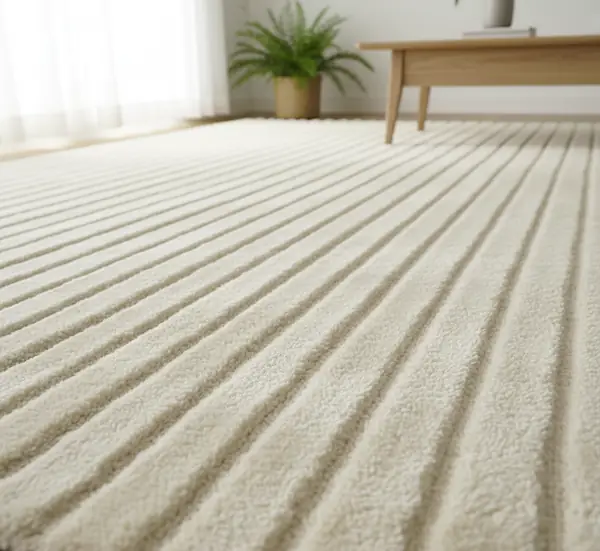
As the calendar turns toward March and the first genuine rays of spring sunlight begin to pierce the grey canopy of the Canadian winter, homeowners are often greeted by a stark and unflattering revelation. The sun, usually a welcome visitor, acts as a harsh spotlight when it hits the interior of a home that has been sealed tight against the cold for months. It illuminates the floating particulates in the air and casts a glare on the upholstery and flooring, revealing a dullness that was hidden by the ambient gloom of winter. During the cold months, our homes function as closed-loop ecosystems. We lock the windows and run the furnace, recirculating the same air repeatedly. In this environment, the soft furnishings—the wall-to-wall carpeting, the area rugs, and the upholstered sofas—cease to be mere decorations. They transform into giant, passive air filters. They trap the dust, the desiccated skin cells, the pet dander, and the microscopic debris that settles out of the stagnant air. By the time spring arrives, these items are not just dirty; they are saturated “dust sponges” that require a deep, restorative recovery to transition the home from a state of hibernation to a state of health. Vacuum Cleaner To understand the necessity of this recovery process, one must first recognize the limitations of the standard weekly vacuuming routine. While vacuuming is an essential maintenance task, it is strictly a surface-level intervention. A vacuum cleaner relies on suction and airflow to lift loose debris from the top layer of the carpet pile or the fabric weave. It is excellent at removing crumbs, pet hair, and surface dust. However, it is largely ineffective against the deep-seated particulates that have migrated to the base of the fibers. Gravity and the pressure of foot traffic drive grit and soil down to the backing of the carpet, where the vacuum’s airflow cannot reach. This trapped grit is not dormant; it is abrasive. Every time you walk across the rug or sit on the sofa, these sharp, microscopic particles grind against the base of the fibers like sandpaper. Over time, this friction cuts the fibers, leading to the premature baldness or “fuzzing” seen in high-traffic areas. Vacuuming manages the aesthetic, but it does not arrest this structural degradation. A specific and often baffling phenomenon that manifests after a long winter is known as filtration soiling. Homeowners often notice dark, greyish lines appearing around the perimeter of a room, underneath baseboards, or under closed doors. There is a common misconception that this is caused by a vacuum cleaner failing to reach the edge. In reality, it is a physics problem related to airflow. In a home with a forced-air heating system, air is constantly moving from areas of high pressure to areas of low pressure. When the furnace blows warm air into a room, that air seeks an escape route. It often finds it through the tiny gaps between the floorboards and the wall, or under a door. As the air is forced through the edge of the carpet to escape, the carpet acts exactly like a HEPA filter. It traps the microscopic pollutants—carbon soot from candles, road dust, and fine particulate matter—carried in the air. The resulting dark line is a concentrated deposit of oily, airborne soil that has chemically bonded to the carpet fibers. This is not dirt that can be vacuumed away; it is a stain caused by the house breathing through its floor. Sweat, Oils and Creams The composition of the soil trapped in your upholstery adds another layer of complexity. Unlike a hard floor, which allows dirt to sit on the surface, fabric absorbs. Throughout the winter, we spend more time indoors, often lounging on sofas and chairs. The fabric absorbs body oils, perspiration, and the lotions we use to combat dry winter skin. These oils act as a binder. They coat the fibers of the sofa and the rug, making them sticky. When dust settles on an oily fiber, it does not just sit there; it adheres. This creates a dull, heavy appearance that vacuuming cannot resolve because the dust is glued to the fabric. This sticky matrix also becomes a breeding ground for dust mites. These microscopic arachnids feed on dead skin cells, and in the warm, humid microclimate of a sofa cushion, their populations can explode. The waste products they produce are potent allergens. When you sit on a dusty sofa, you compress the cushion, acting like a bellows that puffs these allergens into the air you breathe. Recovering your textiles from this winter load requires a shift from maintenance cleaning to extraction cleaning. This is the fundamental difference between moving dirt around and removing it from the building. Spot cleaning, which is the go-to method for many homeowners dealing with a spill, is often detrimental when applied to general soiling. When you spray a detergent on a sofa armrest and scrub it with a cloth, you are essentially creating a mud slurry. You might lift some of the dirt onto the cloth, but much of the detergent and the dissolved soil is pushed deeper into the foam padding. Furthermore, the detergent residue left behind is sticky. It will attract new dirt faster than the surrounding area, leading to a phenomenon where the “cleaned” spot eventually turns blacker than the rest of the furniture. Extraction Cleaning Extraction cleaning, specifically hot water extraction (often mislabeled as steam cleaning), is the only method capable of breaking the bond between the oil, the dust, and the fiber. This process involves injecting hot water and a specialized cleaning solution into the carpet or upholstery under high pressure. The heat liquefies the body oils and sticky residues, while the pressure agitates the deep-seated grit. Crucially, this injection is immediately followed by high-powered vacuum extraction. The machine pulls the water, the detergent, and the suspended soil out of the fabric and into a waste tank. It is a flushing mechanism. It resets the chemical balance of the fiber, leaving it neutral

Rugs and Sofa Cleaning: Why March is the Critical Month for Upholstery Care Read More »

March Checklist: 8 Safety Checks to Do When You Change the Clocks

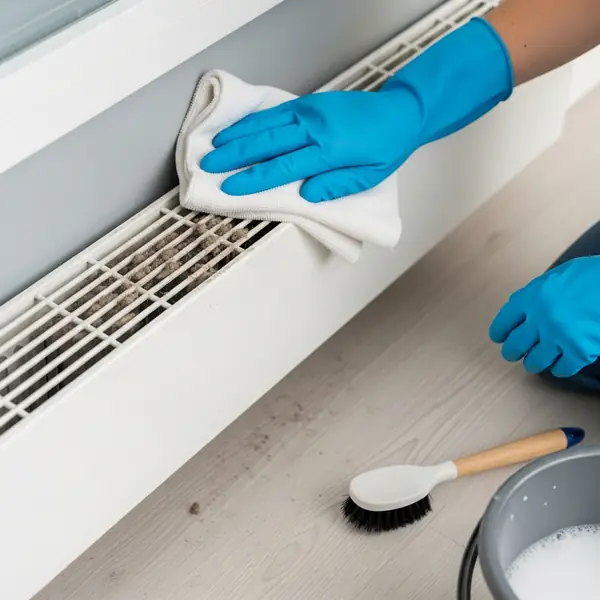
March is the month of muddy optimism. It occupies a liminal space in the calendar, acting as the volatile bridge between the bitter endurance of winter and the true renewal of spring. In many northern regions, the landscape is a chaotic mix of melting snow, exposing the grime of the past four months, and the first tentative buds of life. Psychologically, homeowners are ready to throw open the windows; physically, the weather often forces them to keep them shut a little longer. This tension makes March the critical month for preparation. It is not yet time for the full-blown “Spring Clean”—the ground is too wet, the air too cold—but it is the time for the “Pre-Spring Assessment.” The March checklist is about transitioning the home from defense mode, where the goal was keeping heat in and snow out, to operational mode, where the goal is airflow, light, and efficiency. Executing a strategic checklist now ensures that when the first true warm day arrives, you are free to enjoy it rather than being bogged down by a winter’s worth of deferred maintenance. 1. Safety Protocol The second Sunday in March usually marks the beginning of Daylight Saving Time. While we grumble about the lost hour of sleep, this date serves as the universal trigger for home safety maintenance. The mnemonic “change your clocks, change your batteries” is a life-saving habit. Smoke detectors and carbon monoxide detectors rely on fresh batteries to function. Even if they are hardwired into your electrical system, they almost certainly have a battery backup for power outages. Testing these units and replacing the batteries now is non-negotiable. However, the safety check should extend beyond batteries. Check the manufacturing date on the back of the detectors. Smoke alarms typically have a lifespan of ten years, and CO detectors often expire after seven. If they are out of date, the sensors may have degraded, rendering them useless. Furthermore, take a vacuum hose to the units. Over the winter, dust can accumulate inside the sensing chamber, leading to false alarms or delayed reactions. This simple act of maintenance ensures your family is protected as you head into the new season. 2. Mudroom March is the muddiest month of the year. The frozen ground thaws, turning the perimeter of your home into a swamp. Consequently, the entryway becomes a high-conflict zone. The heavy-duty winter strategy—thick rubber mats and boot trays—needs to be cleaned and potentially reconfigured. The boot trays are likely filled with a crusty, dried residue of road salt and gravel. Take them to a laundry tub or outside on a mild day and scrub them out. If you leave this salt sitting, it will eventually turn into airborne dust that settles on your furniture. This is also the time to audit the footwear. The heavy, rated-for-Arctic-tundra boots can likely be cleaned, conditioned, and moved to the back of the closet or down to the basement. In their place, bring out the rain boots and the “mud shoes.” Rotating the wardrobe now prevents the entryway from becoming overcrowded. Inspect the floor itself; the salt tracked in during February has likely created a haze on the hardwood or tile. A neutralizing wash with a vinegar solution removes this alkaline buildup before the humidity of spring sets in and makes the salt sticky. 3. Furnace Filter and Vent Reset Your HVAC system has been the MVP of the winter, running almost non-stop to combat the freeze. By March, the furnace filter is exhausted. It is choked with three months of dead skin, pet dander, and fabric lint. A clogged filter in March is dangerous because the fluctuating temperatures mean the furnace is cycling on and off frequently; restricted airflow can cause the heat exchanger to overheat. Changing the filter now lowers your energy bills immediately and improves the air quality for the remaining weeks of heating. Simultaneously, look at the cold air return vents. These grilles, usually located near the floor, act as vacuums, pulling dust and hair into the ductwork. Over the winter, they accumulate a thick felt-like layer of debris. Vacuuming these grilles allows the system to breathe. If you have floor registers, lift them out and vacuum as far down the duct as your hose will reach. You want to remove the winter dust before you eventually switch the system over to air conditioning, which would otherwise blow that dust back into the room. 4. Interior Glass While cleaning the exterior windows might still be a gamble due to sudden freezes or rain, March is the month to perfect the interior glass. The angle of the sun changes in March, shining directly into rooms that were dim in winter. This “truth lighting” reveals the haze of candle soot, cooking grease, and condensation marks on the inside of the panes. Cleaning the interior glass now maximizes the light intake, which is crucial for mental health and waking up the home. More importantly, tackle the window tracks. During winter, condensation often runs down the glass and pools in the tracks, mixing with dust to form a black sludge that promotes mold growth. Use an old toothbrush and a vacuum crevice tool to dig this gunk out. If you wait until you want to open the windows for fresh air, you will be blowing mold spores into your home. Cleaning the tracks now ensures that your windows glide open smoothly when the temperature finally breaks. 5. Refrigerator Coils and Kitchen Zone The kitchen is about to undergo a shift. We move from the heavy stews of winter to lighter fare. Prepare the appliances for this shift. The most critical, yet ignored, task is vacuuming the refrigerator coils. Located either behind or beneath the fridge, these coils release the heat removed from the interior. In a house full of winter dust and pet hair, these coils get blanketed in fuzz. This insulation forces the compressor to run longer and hotter to keep your food cold. Cleaning them takes ten minutes and can

March Checklist: 8 Safety Checks to Do When You Change the Clocks Read More »

Best Steam Cleaner: 5 Tips for Choosing the Ideal Steam Cleaner for Your Home

The search for the “best” steam cleaner is not merely a hunt for a new household gadget; it is a search for a fundamental shift in how we approach hygiene. In a world increasingly wary of harsh chemicals, volatile organic compounds, and the residue left behind by traditional detergents, the steam cleaner represents a return to the most elemental cleaning agent available: water. However, this water is superheated and pressurized to a point where it transforms into a powerful solvent and a lethal disinfectant. The efficacy of a steam cleaner lies in its ability to force thermal energy into microscopic crevices, exploding dirt from the inside out and denaturing the proteins of bacteria and viruses upon contact. To determine which machine deserves the title of “best,” one must look beyond the marketing of sleek plastic shells and understand the thermodynamics of the boiler, the pressure of the output, and the specific engineering required to tackle different surfaces within the home. Details That Make all the Difference To evaluate these machines, we must first categorize them by their mechanical architecture, as the “best” cleaner for a tiled mudroom is rarely the best cleaner for detailed kitchen degreasing. The market is broadly divided into handheld units, steam mops, and canister systems. The handheld unit is the scalpel of the steam world. It is portable, heats rapidly, and is designed for targeted strikes against specific enemies: the grease around a faucet handle, the grime in a window track, or the bacteria on a doorknob. However, its small water tank limits its run time, and its lower pressure often struggles with large surface areas. The steam mop is the specialist, engineered almost exclusively for sealed hard floors. It excels at sanitizing tile and stone without the bucket-and-mop cross-contamination, but it lacks the versatility to clean vertical surfaces or upholstery. The true heavyweight, and the category where the “best” all-around performers are found, is the canister or cylinder steam cleaner. Resembling a canister vacuum, these machines separate the heavy boiler from the cleaning wand, allowing for a much larger water capacity and a more powerful heating element. A superior canister steamer is defined by its ability to produce “dry” steam. This creates a linguistic paradox—how can steam be dry? In this context, dry steam refers to vapor that has been heated significantly above the boiling point, often reaching temperatures of 240 to 300 degrees Fahrenheit, containing less than five percent liquid water volume. The best cleaners produce this low-moisture vapor, which is critical for cleaning delicate surfaces like mattresses, upholstery, and carpets. Wet steam leaves fabrics sodden and prone to mold; dry steam cleans and evaporates almost instantly, leaving the surface sanitized and dry within minutes. Pressure Pressure is the second metric that separates the professional-grade machines from the toys. Measured in bars or PSI (pounds per square inch), pressure dictates the mechanical force with which the steam exits the nozzle. A low-pressure steamer simply billows hot fog; it might kill surface bacteria, but it will not dislodge the black gunk from grout lines. The best steam cleaners operate at a minimum of four to five bars of pressure. This force turns the steam into a kinetic weapon. When directed into a grout line or the crevices of a radiator, the pressurized vapor blasts the debris out physically while simultaneously dissolving the bonds of grease and dirt chemically. This combination of heat and force is what allows for “touchless” cleaning in the hardest-to-reach areas. The heating system itself is a point of divergence in quality. Lower-end models often use a flash-heating system that drips water onto a hot plate. While fast, this often results in inconsistent temperature and wetter steam. The best steamers utilize a pressurized boiler tank, essentially a miniature pressure cooker inside the machine. This ensures that the water is maintained at a constant high temperature and pressure, providing a steady, powerful stream rather than sputtering bursts. Furthermore, the premier models feature a continuous refill system. In a standard pressurized boiler, once the water runs out, you must turn the machine off, wait for it to cool down (to release the pressure safely), refill it, and wait for it to heat up again. This downtime kills momentum. A continuous refill system utilizes a secondary non-pressurized reservoir that pumps water into the boiler as needed, allowing for indefinite cleaning sessions without interruption. Accessories The versatility of the attachments is what truly unlocks the potential of the machine. The best steam cleaner is a transformer. It should come with a robust floor head for mopping, but also a triangular brush for corners, a jet nozzle for high-pressure blasting, and small nylon or brass brushes for detailed scrubbing. The brass brushes are particularly effective for oven racks and grill grates, where the steam softens the carbonized food and the brass bristles scour it away. A window squeegee attachment turns the machine into a glass cleaning powerhouse, melting away seasonal grime and leaving a streak-free finish without a drop of blue chemical spray. The quality of these accessories matters; flimsy bristles that melt under high heat render the machine useless. One of the most profound applications for a high-quality steamer is in the realm of pest control, specifically dust mites and bed bugs. These organisms are resilient against many poisons but cannot survive thermal shock. A steam cleaner that can maintain a tip temperature above 160 degrees Fahrenheit is lethal to these pests and their eggs on contact. For allergy sufferers, the best steam cleaner is a medical device. It allows for the sanitization of pillows, mattresses, and plush toys, denaturing the proteins in dust mite waste that trigger respiratory reactions. This deep sanitization, achieved without introducing potential allergens found in chemical sprays, is a primary reason why investing in a higher-end canister model is justified. Where Not to Use However, the power of steam comes with the responsibility of usage. The “best” machine in the hands of an uneducated user can cause damage. Steam is

Best Steam Cleaner: 5 Tips for Choosing the Ideal Steam Cleaner for Your Home Read More »

Detergent and Warm Water: 3 Amazing Tips on how to Clean Your Entire House With this Simple Mixture

We cannot ignore the mixture of detergent and warm water. In a world saturated with specialized cleaning products, each promising to be the ultimate solution for a specific mess, it is easy to overlook the profound and versatile power of the most fundamental combination in our cleaning arsenal: simple detergent and warm water. This humble duo is not merely a fallback option; it is the cornerstone of effective cleaning, a time-tested partnership whose efficacy is rooted in basic, yet brilliant, chemistry. It is a quiet miracle of science that takes place in our kitchen sinks and buckets every day, capable of tackling an astonishing range of household grime with unparalleled reliability and safety. Understanding how this simple solution works elevates it from a mere habit to a deliberate, powerful tool. Warm Water The magic begins with the water itself. Water is often called the universal solvent for its ability to dissolve more substances than any other liquid. When we add heat, we dramatically enhance this natural ability. Warm water possesses more kinetic energy than cold water; its molecules are moving faster and more erratically. This increased energy allows it to more effectively agitate and break down the bonds of many common messes, like sugar crystals from a spilled drink or the salt ring from a pot of boiled pasta water. The warmth also helps to soften and loosen tougher, more stubborn substances, particularly fats and oils. Think of trying to wash a greasy plate in cold water versus warm water. The cold water causes the grease to congeal and smear, while the warm water begins to melt it, making it far easier to remove. In essence, warm water is the catalyst that prepares the grime for the main event. The true genius of the partnership, however, lies in the detergent. A drop of dish soap seems unassuming, but it contains a masterful piece of chemical engineering known as a surfactant. Surfactant molecules are unique because they are two-sided, or amphiphilic. One end of the molecule is hydrophilic, meaning it is attracted to water. The other end is lipophilic (or hydrophobic), meaning it is attracted to oils and grease. These two opposing desires are what allow oil and water, two substances that famously refuse to mix, to be brought together and washed away. When you add detergent to greasy water, the lipophilic tails of the surfactant molecules immediately seek out and attach themselves to the droplets of grease. The hydrophilic heads, meanwhile, remain facing outwards, happily interacting with the water. As you agitate the water by scrubbing with a sponge or cloth, these surfactants completely surround the grease droplets, forming tiny spheres called micelles. The grease is now trapped inside a cage of surfactant molecules whose water-loving heads are facing out, allowing the entire package—grease and all—to be suspended in the water and effortlessly rinsed away down the drain. This is the fundamental mechanism that allows us to clean greasy dishes, oily stovetops, and grimy hands. Furthermore, surfactants dramatically reduce the surface tension of water. Water molecules naturally cling to one another very tightly, which is why water beads up on many surfaces. Detergent breaks these bonds, allowing the water to spread out, “become wetter,” and penetrate more effectively into the microscopic nooks and crannies of a surface, lifting and removing dirt that water alone would simply flow over. This combined action—the warm water providing the energy to loosen dirt and the detergent providing the chemical mechanism to lift and trap grease—creates a solution that is far more powerful than the sum of its parts. Practical Applications 1.Surfaces The practical applications of this simple solution are nearly endless, extending far beyond the kitchen sink. For daily cleaning of kitchen countertops, a cloth dampened with a weak solution of dish soap and warm water is often superior to harsh chemical sprays. It effectively cuts through food residue, light grease spatters, and sticky fingerprints on laminate, quartz, and sealed stone surfaces without leaving behind a chemical odor or a streaky film. For the stubborn, sticky film of aerosolized cooking grease that builds up on kitchen cabinet fronts, this solution is a true hero. Wiping the cabinets with a cloth soaked in warm, soapy water and wrung out well will dissolve this grimy layer far more effectively than most all-purpose cleaners. 2.Floors This same principle applies beautifully to floors. For vinyl, linoleum, and ceramic tile floors, mopping with a bucket of warm water and a small amount of detergent is an excellent way to lift dirt and footprints without creating the sticky residue that some specialized floor cleaners can leave behind. The key is to use the detergent sparingly—too much will require extensive rinsing—and to wring the mop out thoroughly to prevent excess water from damaging grout or seeping into seams. The same gentle solution is also perfect for washing walls, baseboards, and door frames to remove scuffs, fingerprints, and accumulated dust without damaging the paint. 3.Fabrics The miracle extends to textiles as well. For many common food and drink spills on carpets or upholstery, a highly diluted solution of clear dish soap and warm water can be a first line of defense. By gently blotting the stain with a clean cloth dipped in the soapy water, you can often lift the spill without resorting to harsh carpet-stain removers. It is essential, of course, to test this method on an inconspicuous area first and to follow up by blotting with a cloth dampened with plain water to “rinse” the area and remove any soap residue. Inadequate However, recognizing the limitations of this duo is as important as understanding its strengths. The very properties that make it so effective also mean it is unsuitable for certain surfaces. Unsealed wood floors or furniture should never be cleaned with water, as it can cause the wood to swell, warp, and stain. Similarly, natural, unsealed stone like marble or travertine can be porous, and the soap and water can seep in, potentially darkening or staining the stone.

Detergent and Warm Water: 3 Amazing Tips on how to Clean Your Entire House With this Simple Mixture Read More »

cleaning walls

Don’t Ruin Your Walls: 5 Common Mistakes Homeowners Make When Washing Walls

As the final weeks of winter drag on, we often find ourselves looking down. We scrutinize the floors for salt stains, check the carpets for crumbs, and inspect the grout lines for discoloration. Our concept of a clean home is largely horizontal, defined by the surfaces we walk on and the tables we eat from. However, this perspective ignores the vast majority of the square footage in any room: the vertical topography. The walls, doors, and baseboards constitute a massive surface area that, while not subjected to foot traffic, is subjected to a relentless atmospheric assault. During the long, sealed-up months of winter, these surfaces become magnetic traps for a specific type of grime that is often invisible to the naked eye until the unforgiving light of spring exposes it. Understanding the physics of this accumulation and the precise technique required to remove it is the missing link between a house that looks tidy and a house that feels profoundly clean. Static Electricity Station To appreciate the necessity of wall washing, one must understand the behavior of air in a heated home. Winter is the season of static electricity. The furnace pumps dry, warm air through the house, lowering the humidity levels significantly. This dry air generates a static charge on the vertical surfaces of your home, effectively turning your painted drywall into a magnet. Simultaneously, the heating system creates convection currents. As warm air rises and cool air falls, it creates a continuous cycle of circulation that carries microscopic dust, pet dander, cooking oils, and soot from candles or fireplaces. When this particulate matter brushes against the statically charged walls, it clings. It does not settle lightly like dust on a bookshelf; it bonds. Over months, this creates a uniform, grey film that dulls the color of the paint and absorbs light, making the room feel smaller and dimmer. This accumulation is often most visible in the form of “thermal tracking” or “ghosting.” If you look closely at the areas above your baseboard heaters or near your air vents, you may see faint, dark vertical streaks. This is caused by the temperature difference between the wall studs and the insulation, which affects how condensation and dust adhere to the paint. It is a visual map of the airflow in your home, drawn in soot and skin cells. Ignoring this buildup does not just degrade the aesthetic of the room; it degrades the air quality. The walls act as a reservoir for allergens. Every time a door is slammed or a draft blows through, microscopic particles detach from the wall and re-enter the breathing zone. Therefore, washing the walls is not merely a cosmetic task; it is a respiratory intervention essential for the transition into allergy season. However, the act of washing a wall is fraught with peril for the uninitiated. The most common and disastrous mistake is the direction of the clean. Intuition tells us to start at the top and work our way down, letting gravity help us. In the context of painted walls, gravity is the enemy. If you apply a wet sponge to the top of a dry, dirty wall, water will inevitably squeeze out and trickle down in long, narrow rivulets. These drips cut through the layer of dry dust and soot, creating clean streaks against the dirty background. The dry, porous paint absorbs this dirty water instantly. If you then try to wipe these streaks away, you will find they are permanent. You have essentially stained the wall with cleanliness. Prevent To prevent this streaking, you must adopt the professional “bottom-up” technique. It feels counter-intuitive, but it is chemically sound. You begin washing at the baseboard and work your way up to the ceiling. By wetting the lower section first, any drips that run down from your sponge as you move higher will land on a surface that is already wet and clean. A drip on a wet surface does not soak in; it floats on top of the film of water and can be easily wiped away without leaving a mark. This technique ensures a uniform finish without the “crying” lines that ruin a paint job. Furthermore, the cleaning solution should be mild. A mixture of warm water and a scant amount of dish soap or a specialized pH-neutral wall cleaner is sufficient. Harsh chemicals can strip the sheen off eggshell or satin paints, leaving dull patches that are just as unsightly as the dirt. The baseboards represent the horizon line of this vertical landscape, and they suffer a unique form of abuse. They act as the bumper rails for the vacuum cleaner and the collection shelf for everything that gravity pulls to the floor. In winter, the dust that settles on baseboards often mixes with the residual humidity from the bathroom or kitchen, turning from a loose powder into a grey, paste-like sludge that clings to the intricate profiles of the molding. The mistake most homeowners make is introducing water too early. If you take a wet rag to a dusty baseboard, you create mud. This mud gets pushed into the corners and caulking lines, where it dries into a dark, hard grout. The protocol for baseboards must be a two-stage process: dry removal followed by wet cleaning. First, the loose dust must be evacuated using a vacuum with a brush attachment or a dry microfiber duster. Only once the dry debris is gone should you introduce a damp cloth to remove the adhered grime. To protect your back and knees—baseboard cleaning is notoriously physically punishing—utilize tools with extension handles. A flat microfiber mop, usually reserved for floors, can be turned on its side to scrub long stretches of baseboard efficiently from a standing position. This ergonomic adjustment transforms a back-breaking chore into a manageable walkthrough. Doors and Switch Plates While walls and baseboards collect environmental debris, doors and switch plates collect biological evidence. These are the high-touch zones of the home. Consider the area around a light switch or a

Don’t Ruin Your Walls: 5 Common Mistakes Homeowners Make When Washing Walls Read More »