









Your Heater Works Overtime Until It Cannot Anymore
A heating system is the most dependable appliance in a Canadian house, which is exactly why it is so easy to forget. Its importance only surfaces on the first freezing morning when nothing blows warm. Repairs arrived at in January cost more, wait longer, and happen in worse weather than maintenance booked in September, and most breakdowns announce themselves for weeks beforehand through warning signs homeowners dismiss. Before reading the list, it helps to know what you are listening for, because the three common heater types complain in different voices.
The Three Systems Worth Understanding
- Forced-air furnace. Usually tucked in a basement, closet, or attic, it burns natural gas, oil, or propane to warm a heat exchanger while a blower fan pushes house air across the hot surfaces and out through supply ducts to every vent, all governed by the thermostat.
- Hydronic boiler. Instead of air, it heats water that travels through pipes to cast-iron radiators, baseboard units, or radiant floor tubing. The warmth is gentle, radiant, and slow to dry the air, and a good radiator keeps radiating for hours after the boiler cycles off.
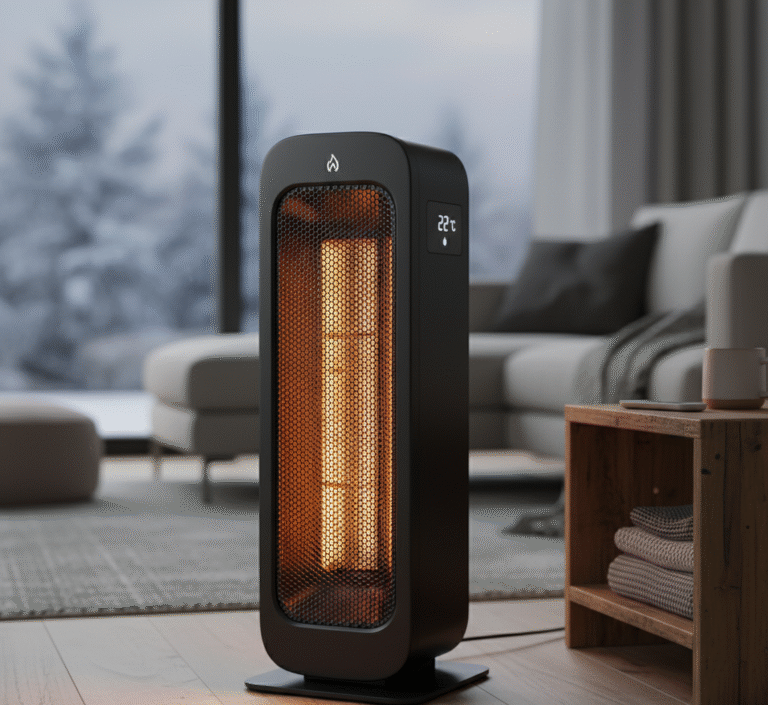
- Space heaters. Portable units split into convection models, such as nearly silent oil-filled radiators and faster ceramic fan heaters, and radiant models whose quartz elements warm people and objects directly like sunlight.
Sign 1: Weak Airflow, Rising Bills, and a Dusty House
The most important maintenance task any homeowner can do is checking and changing the furnace air filter, which is designed to trap dust, pollen, and pet dander before that debris enters the system. A clogged filter chokes airflow, forcing the blower to labor just to move air, which wastes energy, inflates utility bills, strains components toward early failure, and quietly degrades the air your family breathes. If vents feel feeble, dust settles faster than usual, or the furnace runs constantly without reaching temperature, the filter is suspect first and the blower second.
Sign 2: Strange Smells, Soot, Popping, or a Musty Blow
Scent and sound are a heater’s language. A fuel-burning system with dirty burners or a cracked heat exchanger can leak carbon monoxide, an invisible danger no nose can confirm, which is why a technician cleans and inspects burners, checks the exchanger for cracks, and tests safety controls during an annual professional tune-up. Popping metal, sooty streaks near the flame view, or a musty wave each time the fan starts are all worth a service call; recurring mustiness can point to mold growing somewhere in the system, an environment the CDC outlines as a genuine indoor air concern rather than a cosmetic one.
Sign 3: You Are Heating Room by Room With Portables
Space heaters exist for cold spots and extra warmth, not as a workaround for a central system that has quietly lost its strength. If every evening looks like a conference of glowing portables, the furnace or boiler needs professional eyes. Meanwhile, portable safety rules are non-negotiable: units belong on a flat, level floor at least three feet away from curtains, bedding, and furniture; they should never run unattended or overnight; and models with an automatic shut-off that trips when tipped are the only kind worth buying. The CDC’s winter weather safety guidance covers these heating precautions alongside cold-season basics worth sharing with everyone in the house.
The Upgrades That Reduce the Calls
Two technologies have changed the service calendar more than any other. Smart thermostats learn the household schedule, ease the temperature while everyone is out, recover comfort before arrival, and allow phone control from anywhere, which prevents wasted fuel and meaningful savings. Heat pumps take a different route to the same result: rather than burning anything, they extract latent heat from cold outdoor air and move it inside, making them remarkably energy-efficient because moving warmth costs far less than generating it.
Warning Sign Translator
| What you notice | What it may signal | Smart next move |
|---|---|---|
| Lukewarm vents, heavy dust | Clogged filter starving airflow | Replace filter, then reassess |
| Blue film, soot, odd exhaust smells | Burner or heat exchanger trouble | Book a professional inspection promptly |
| Banging or thumping during spin-up | Blower or balance strain | Schedule service before winter peak |
| Rooms never reach temperature | Undersized or worn central system | Get the furnace or boiler evaluated |
Frequently Asked Questions
How often does a central heater really need professional service? Every year is the standard for any system that burns fuel, ideally before the heating season begins. The technician cleans burners, examines the heat exchanger for cracks that could leak carbon monoxide, tests safety controls, and confirms the unit runs at peak performance, which protects both your family’s air and your repair budget.
My furnace smells burning on the first run each fall. Is that an emergency? A brief dust-burning smell when the season’s first cycle ignites is normal as particles on the heat exchanger char off. The smell should fade within minutes. If it lingers, returns mid-season, or comes with soot or headaches, treat it as a sign to shut the system down and call a professional rather than riding it out.
Are heat pumps worth it in a real winter? A heat pump is built to pull latent heat out of cold outdoor air and move it inside instead of combusting fuel, which makes it one of the most efficient ways to keep a home comfortable. That efficiency also means greener operation and lower heating costs, and pairing one with a smart thermostat squeezes further savings from the same energy.
Can radiant floor and radiator homes skip maintenance? Hydronic setups are quieter and gentler on the air, but the boiler still deserves annual attention because it is the engine behind every loop of hot water. Radiators and baseboards themselves ask little; the machine pressurizing and heating the water is where inspection, cleaning, and safety testing belong.
Book the Tune-Up and a Fresh Start Together
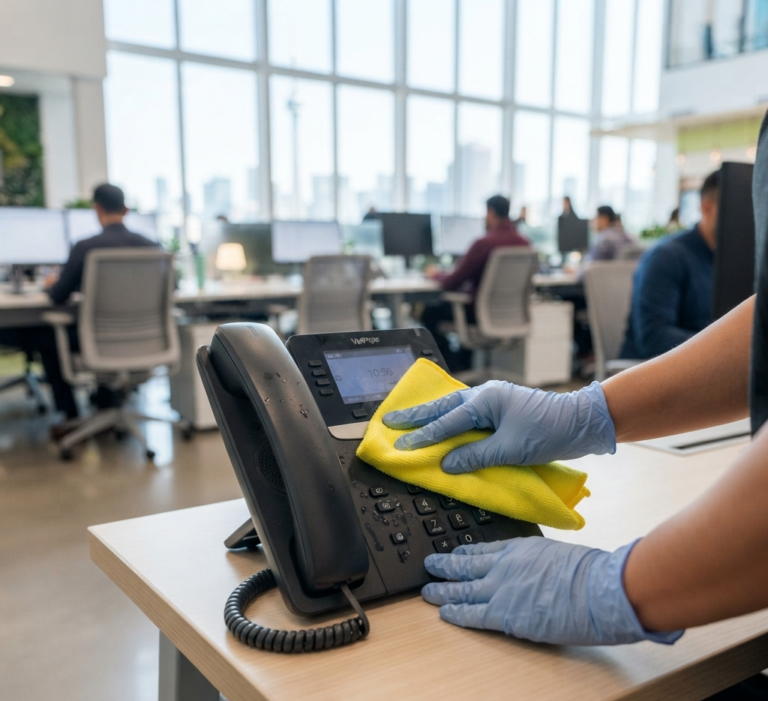
A serviced heater and a cleaned home solve the same problem from two directions, because dust, allergens, and musty air that stress your lungs also stress your furnace. Toronto Shine Cleaning brings the same reliability philosophy to your living space with deep cleans and recurring visits, and the company is bonded and insured. Reach the booking line at (647) 424-0355, browse the service areas on the locations page, review rates on the pricing page, or reserve a deep cleaning online.