









The toilet cleaning brush is the untouchable object of the household. It stands in the corner of the bathroom, often hidden behind the porcelain pedestal or tucked inside a decorative canister, treated as a necessary evil that is essential for hygiene yet repulsive in its very existence. It is the only cleaning tool that is almost universally disgusted by its user. However, this aversion often leads to neglect, and a neglected toilet brush is not a cleaning instrument; it is a biological hazard. To maintain a truly sanitary washroom, one must move past the discomfort and understand the mechanics, the materials, and the maintenance of this critical tool. The toilet brush determines the cleanliness of the most high-risk fixture in the home, and choosing the wrong one—or using the right one incorrectly—can spread more bacteria than it removes.

1.Nylon or Silicone?
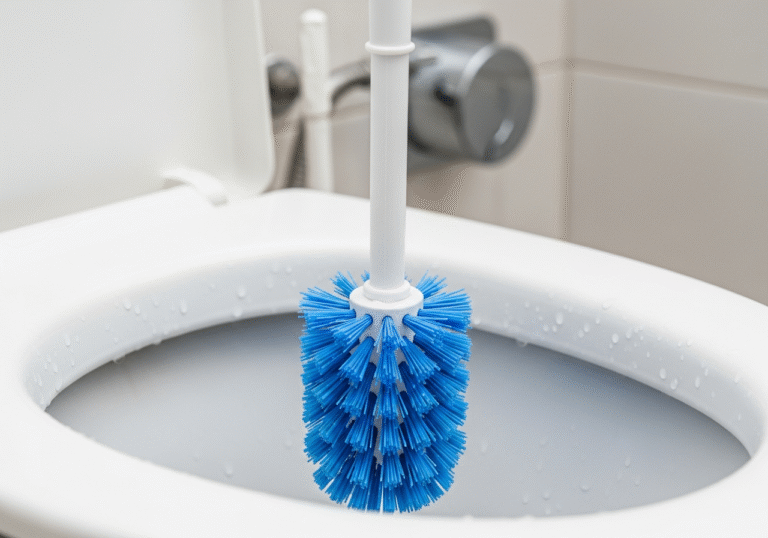
The efficacy of a toilet brush is determined primarily by its bristle material, and there is a significant divide in the market between traditional nylon and modern silicone. The classic nylon bristle brush has been the standard for decades. Its primary advantage is friction. The stiff, synthetic fibers are excellent at mechanical scrubbing, capable of scouring away the stubborn calcium deposits and organic rings that form at the waterline. However, the design of the nylon brush is fundamentally flawed from a hygiene perspective. The dense clusters of bristles act as a net. They trap toilet paper, hair, and organic waste deep within the core of the brush head where water cannot easily rinse them out. When you return a nylon brush to its holder, you are often returning a brush that is carrying a cargo of fecal bacteria and damp cellulose. Furthermore, nylon bristles are prone to splashing. The stiffness that makes them good scrubbers also makes them act like miniature catapults, flicking droplets of toilet water onto the seat, the floor, and the user’s clothing as the bristles snap back into place during scrubbing.
In response to these flaws, the silicone toilet brush has emerged as a superior alternative for the hygiene-conscious homeowner. Made from thermoplastic rubber (TPR), these brushes feature wide, widely spaced rubbery nubbins rather than dense bristles. The material is hydrophobic, meaning it repels water. When you pull a silicone brush from the bowl, the water beads off immediately, preventing the “drip walk” from the toilet to the holder. Because the bristles are widely spaced, debris cannot get trapped. A quick rinse leaves the head virtually sterile compared to its nylon counterpart. However, silicone brushes have a weakness: they lack abrasive power. They are excellent for maintaining a clean toilet, but if a bowl has been neglected and has developed hard mineral scale or heavy staining, the soft rubber often glides over the mess rather than cutting through it. For a household that cleans daily or weekly, silicone is the cleaner choice; for a deep clean of a neglected fixture, nylon still holds the crown for brute force.
2.The Format
The geometry of the brush head is just as important as the material. The standard hemispherical dome shape is ubiquitous, but it is inefficient. The most critical area of the toilet to clean is the rim—specifically the underside where the siphon jets release water. This dark, damp cavern is a breeding ground for mold, pink biofilm (Serratia marcescens), and mineral buildup that can clog the jets and weaken the flush. A round brush simply bumps against the rim, failing to reach the crevice. An effective toilet brush must have an under-rim extension—a protruding tuft of bristles angled upward—or a flexible head that can be bent to scrub upwards. Without this feature, the toilet is only being cleaned cosmetically. The visible bowl may sparkle, but the source of odors and bacteria remains untouched just out of sight.

The handle of the brush is a feature often overlooked until one is in the midst of cleaning. Length matters. A short handle forces the user to lean dangerously close to the bowl, placing their face in the splash zone and the path of aerosolized germs. A longer handle provides leverage and distance, allowing for vigorous scrubbing without compromising personal hygiene. Furthermore, the material of the handle should be a solid, non-porous plastic or stainless steel. Wooden handles, often chosen for their aesthetic appeal, are a mistake in a bathroom environment. The humidity and the inevitable exposure to toilet water will cause the wood to swell, crack, and harbor bacteria within the grain. A seamless, single-piece plastic handle is the most sanitary option as it has no joints where mold can establish itself.
3.Storage
The storage of the toilet brush is where the greatest hygiene crimes are committed. The holder is essentially a petri dish. After use, a brush is wet. If it is placed immediately into a tight-fitting, enclosed canister, the water pools at the bottom. This stagnant mixture of toilet water and chemical residue, kept in a dark, room-temperature environment, creates the perfect incubator for bacterial proliferation. The next time you pull the brush out, you are dipping it into a soup of pathogens. While open-air holders are aesthetically less pleasing because they expose the brush head, they allow for evaporation, which is the enemy of bacteria. If a closed holder is preferred for design reasons, it is imperative that the canister has a suspended design, where the brush hangs above the drip tray rather than sitting in it. This allows the brush to dry while the liquid pools below, separated from the cleaning tool.

Maintenance of the brush itself is a concept that baffles many. We wash our dish sponges and our laundry, but we rarely wash the tool used to clean human waste. A toilet brush is not self-cleaning just because it touches soap. To clean a toilet brush effectively, one can utilize the toilet bowl itself. After scrubbing the toilet, flush the toilet to bring in clean water. Add a cup of bleach or a strong disinfectant to the clean bowl water, and submerge the brush head. Let it soak for an hour. This disinfects the bristles. To dry it—and this is a crucial step—lift the brush out of the water and place the handle across the toilet seat, allowing the head to hang over the bowl. The seat holds the brush in place, allowing it to drip-dry completely into the bowl before it is returned to its holder. This “sandwich technique” prevents the pooling of water in the canister.
4.Handling
There is a psychological aspect to the toilet brush that affects how we use it. Because we are repulsed by it, we tend to rush the process. We squirt cleaner, swirl the brush for ten seconds, flush, and run. This is insufficient. Toilet bowl cleaners, especially those with hydrochloric acid for descaling or bleach for disinfecting, rely on dwell time. The chemical needs to sit on the porcelain to break down the bond of the stain. The brush should be used to spread the cleaner and agitate the surface, but then it should be left alone. A proper routine involves scrubbing, walking away for ten minutes to let the chemistry work, and then returning for a final scrub and flush.

The lifespan of a toilet brush is not infinite. While there is no hard expiration date, signs of wear are indicators that the tool has become a liability. If nylon bristles are flattened, matted, or discolored to an orange or brown hue, the brush is no longer cleaning; it is merely smearing. If a silicone brush has cracked rubber, bacteria will hide in the fissures. Generally, a toilet brush should be replaced every six months to a year, depending on frequency of use. It is an inexpensive tool, and holding onto an old one out of frugality is a hygiene error.
5.Disposable
Disposable toilet cleaning systems offer an alternative to the permanent brush. These consist of a permanent handle and a single-use scrubbing pad loaded with detergent. The user scrubs the bowl and then ejects the dirty pad into the trash. From a purely hygienic standpoint, this is the gold standard. There is no wet brush to store, no canister of bacteria, and no dripping. However, these systems have limitations. The scrubbing pads are often flimsy and lack the structural integrity to remove hard water scale or heavy soil. They are maintenance tools, not restoration tools. Furthermore, they generate significant waste and are expensive over time. They are ideal for guest bathrooms that see infrequent use, but perhaps less practical for the main family washroom.

The aesthetic design of the brush often leads to poor functional choices. In an attempt to make the toilet brush invisible, designers have created sleek, stainless steel cylinders that look like modern art. While beautiful, stainless steel in a bathroom is prone to rust, especially cheap grades used for accessories. A rusty toilet brush holder leaves orange rings on the tile floor that are incredibly difficult to remove. Plastic, while less elegant, is impervious to bleach, water, and urine, making it the superior material for this specific application. Function must always precede form when dealing with biohazards.
6.Final Analysis
Ultimately, the toilet cleaning brush is a tool that demands respect. It is the gatekeeper of the bathroom’s sanitation. Using a brush that is filthy, matted, or still wet from the last use defeats the purpose of cleaning. It spreads cross-contamination and ensures that the toilet is never truly safe. By selecting the right material—silicone for maintenance, nylon for deep cleans—ensuring the design reaches the rim, and rigorously drying and disinfecting the tool after use, the homeowner transforms a disgusting chore into an effective sanitary protocol. The toilet brush should be the cleanest tool in the bathroom, precisely because it deals with the dirtiest job.

Maintaining a sanitary home involves managing the tools of the trade just as much as the surfaces themselves. The bathroom, with its high bacterial load and constant humidity, requires a level of vigilance that can be exhausting to maintain alone. When the details of scrubbing under the rim or disinfecting the brush holder feel like one task too many, or when you want to ensure your washrooms are sterilized to a professional standard, it is time to call in the experts. Toronto Shine Cleaning offers a level of service that understands the microbiology of the home. Just as we have explored the critical importance of the humble toilet brush, Toronto Shine Cleaning applies that same rigorous attention to detail to every fixture in your bathroom. Whether it is removing the hard water scale that your silicone brush can’t budge, or ensuring the hidden areas of your washroom are biologically neutral, their professional team has the equipment and the expertise to handle it.