









The mattress is the silent giant of the household. It is the largest piece of furniture we own, the one we spend the most time in contact with, and paradoxically, the one we clean the least. We cover it with sheets and pads, creating a visual barrier that allows us to ignore the biological reality of what lies beneath. However, a mattress is essentially a giant sponge. Every night, it absorbs a fraction of the liter of sweat the average human loses during sleep. It collects the millions of dead skin cells we shed, which trickle down through the weave of the linens to settle in the seams and tufting. Over time, this accumulation of moisture and organic matter creates a complex ecosystem of bacteria, dust mites, and fungal spores. The result is a mattress that smells stale, looks discolored, and compromises the air quality of the very room designed for restoration. Eliminating these odors and extracting the deep-seated dirt is not a matter of a simple spray; it requires a systematic approach that utilizes chemistry to break down biological bonds and physics to extract the debris without ruining the structural integrity of the foam or springs.
The First Phase
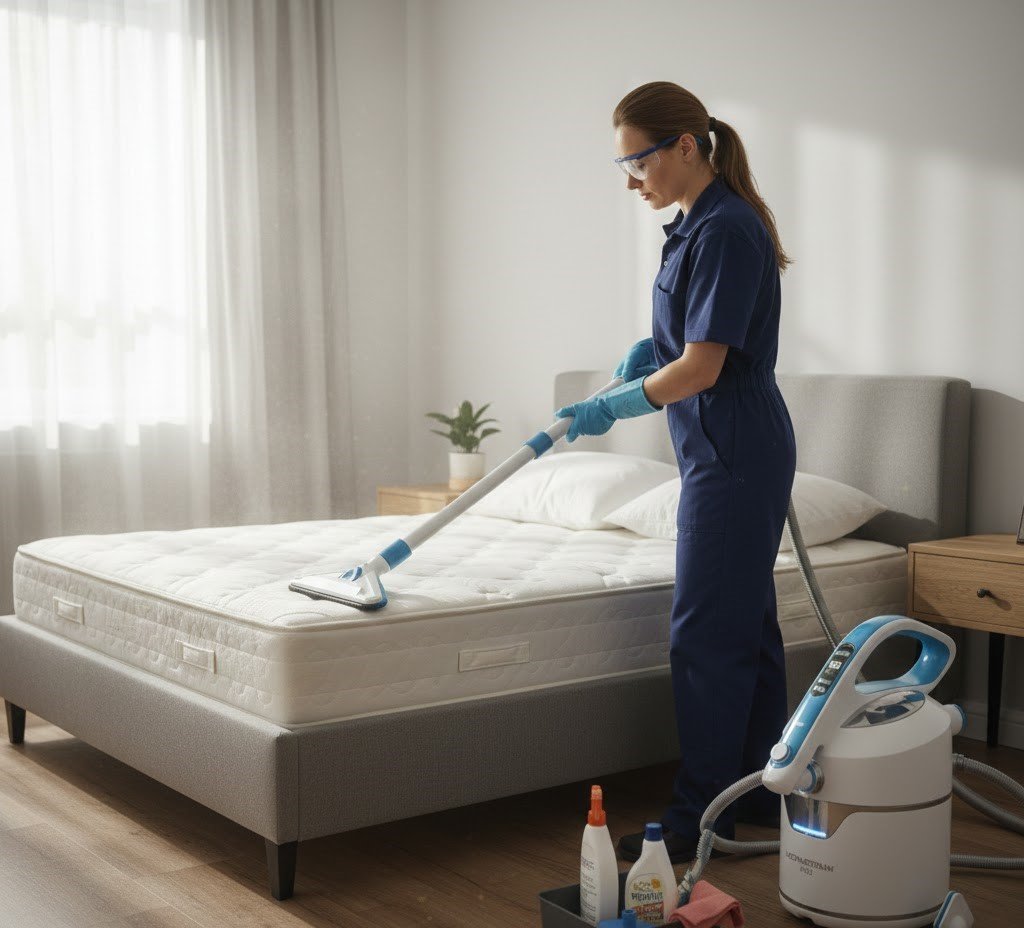
The first phase of mattress restoration is mechanical extraction. Before any liquid or chemical touches the surface, you must remove the dry particulate matter. If you wet a mattress that is full of dust and skin cells, you effectively create a layer of mud inside the fabric. Strip the bed completely, including the mattress protector and any foam toppers. Using a high-powered vacuum with a clean upholstery attachment is non-negotiable. The standard floor head of a vacuum is too dirty and often lacks the concentrated suction required. You must go over the entire surface of the mattress using slow, deliberate strokes. The goal is to pull dust mites and their waste products from deep within the cushioning. Pay particular attention to the piping around the edges and the valleys of the quilting; these are the trenches where gravity deposits the heaviest load of debris. This dry vacuuming step removes the food source for pests and prepares the canvas for chemical treatment.
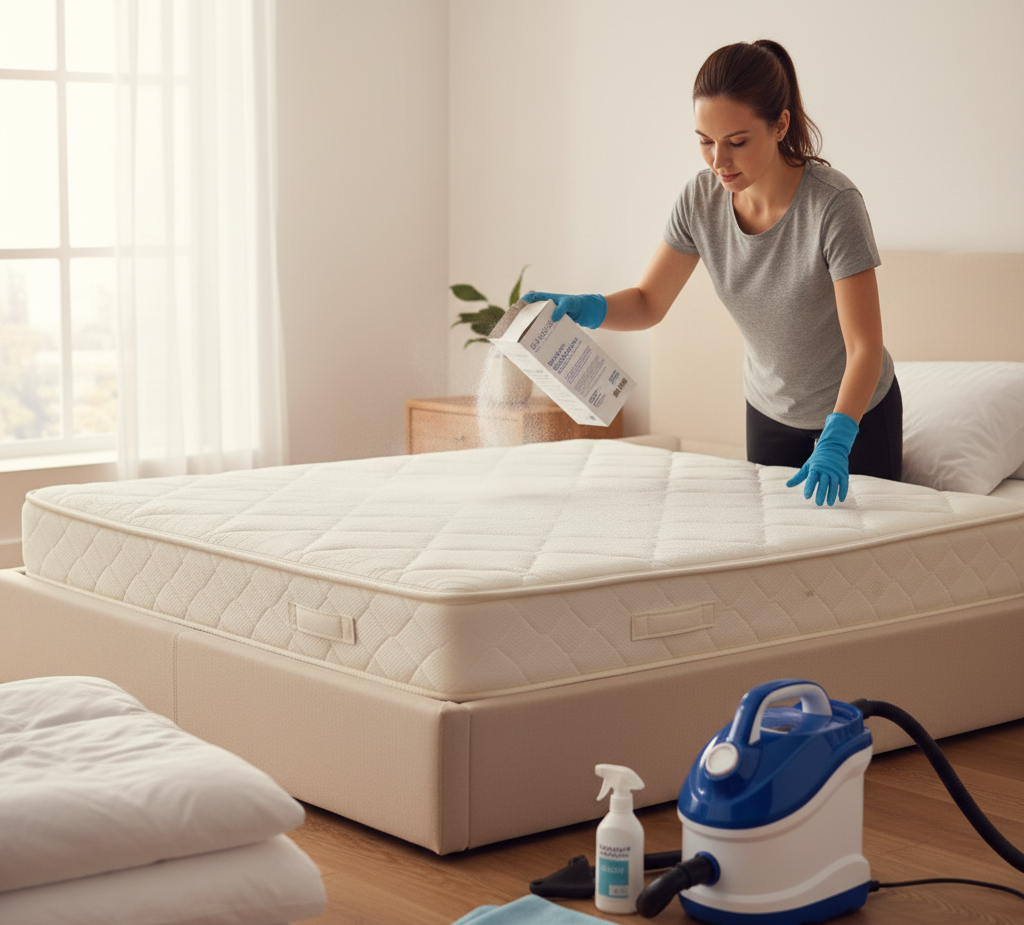
Once the surface is free of loose debris, the battle against odor begins. The most pervasive smell in a mattress is usually a combination of oxidized sweat and body oils. This creates a musty, sour scent that lingers even after the sheets are changed. To combat this, you need a dry absorbent. Baking soda (sodium bicarbonate) is the industry standard for a reason. It is not a perfume that masks odor; it is an amphoteric compound that reacts with both acidic and basic molecules to neutralize them chemically. Sift a generous layer of baking soda over the entire top surface of the mattress. Do not be stingy; the mattress should look like it has been dusted with snow. For an added antimicrobial boost, you can mix a few drops of essential oil, such as lavender or tea tree, into the baking soda before applying it.
Baking Soda
The critical element here is time. The baking soda needs to sit for at least four hours, though a full day is preferable. During this dwell time, the powder draws moisture and oils out of the fabric and binds the odor molecules. After the wait, vacuum the mattress again thoroughly. You will likely find that the powder has turned slightly grey or clumped, visual evidence that it has absorbed the dampness and dirt from the surface.
However, dry cleaning only addresses general odors. Specific, localized stains require a liquid intervention, but this is dangerous territory. A mattress is extremely difficult to dry. If water penetrates into the core foam or the spring encasement, it can get trapped, leading to the growth of mold from the inside out. Therefore, the golden rule of mattress cleaning is to treat the stain, not the bed. You must use as little liquid as possible. For the yellowing caused by sweat and body oils, a mixture of hydrogen peroxide, a small amount of dish soap, and baking soda creates a powerful oxidizing agent. When applied to the stain, the peroxide breaks down the protein structure of the sweat, bleaching the color safely, while the soap cuts through the lipid (fat) layer of the oil.
Apply this solution by blotting with a clean white cloth. Never scrub. Scrubbing damages the fibers of the ticking (the mattress fabric) and pushes the stain deeper into the cushioning. Blot gently until the stain lifts. Once the discoloration is gone, use a fresh damp cloth to “rinse” the area by blotting up the soap residue. Soap residue becomes sticky when dry, attracting new dirt faster, so removing it is crucial. To dry the spot, press dry towels firmly into the area to wick up moisture, and then use a hair dryer on a cool setting or a fan to accelerate evaporation.
Enzymatic Cleaner
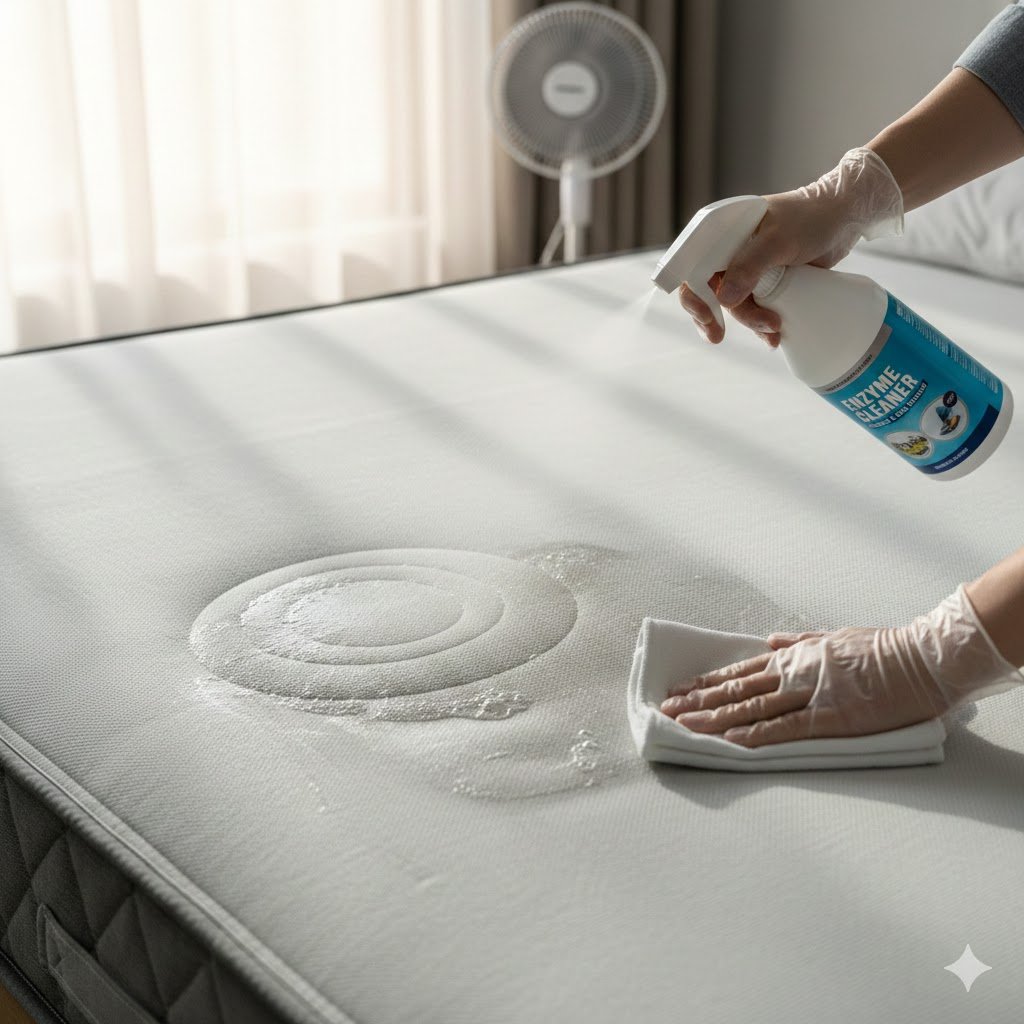
Biological accidents, such as urine, vomit, or blood, present a more severe challenge because they contain uric acid and enzymes that crystalize and smell stronger over time. Standard soap will not remove these; it will only clean the surface while the odor source remains in the padding. For these, an enzymatic cleaner is mandatory. These cleaners contain bio-engineered bacteria that literally eat the organic matter. Saturate the stain just enough to reach the depth of the accident. It needs to stay wet for a specific period (check the bottle) to allow the enzymes to digest the uric acid crystals. As the enzymes work, the smell may temporarily worsen—a sign that the bacteria are off-gassing as they consume the waste—before vanishing completely. This is the only way to permanently eliminate the “memory” of the stain.
For mattresses that have been in humid environments and have developed a mildew smell, sunlight is the most powerful disinfectant. If physically possible, dragging the mattress outside on a warm, dry, sunny day can perform miracles. The ultraviolet (UV) radiation from the sun kills mold spores and bacteria that chemical cleaners might miss, while the fresh air circulates through the layers to remove trapped moisture. If moving the mattress is impossible, placing it near an open, sunny window and running a dehumidifier in the room is the next best alternative.
Steam cleaning is a method often debated in mattress care. While steam is effective at killing dust mites and sanitizing surfaces at high temperatures, it introduces significant moisture. If you choose to steam clean a mattress, it must be done with a commercial-grade “dry steam” machine that heats water to a temperature where the vapor contains very little liquid water. It should be a rapid pass to sanitize the surface without saturating the core. Doing this with a standard clothes steamer or a wet-vac can be catastrophic, injecting water that will never dry before mold sets in.
Mattress Protector
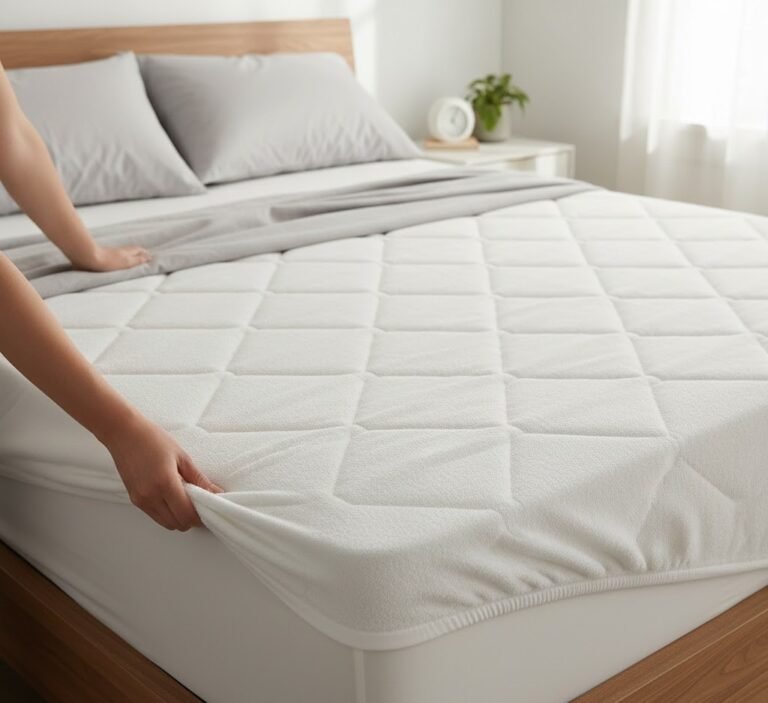
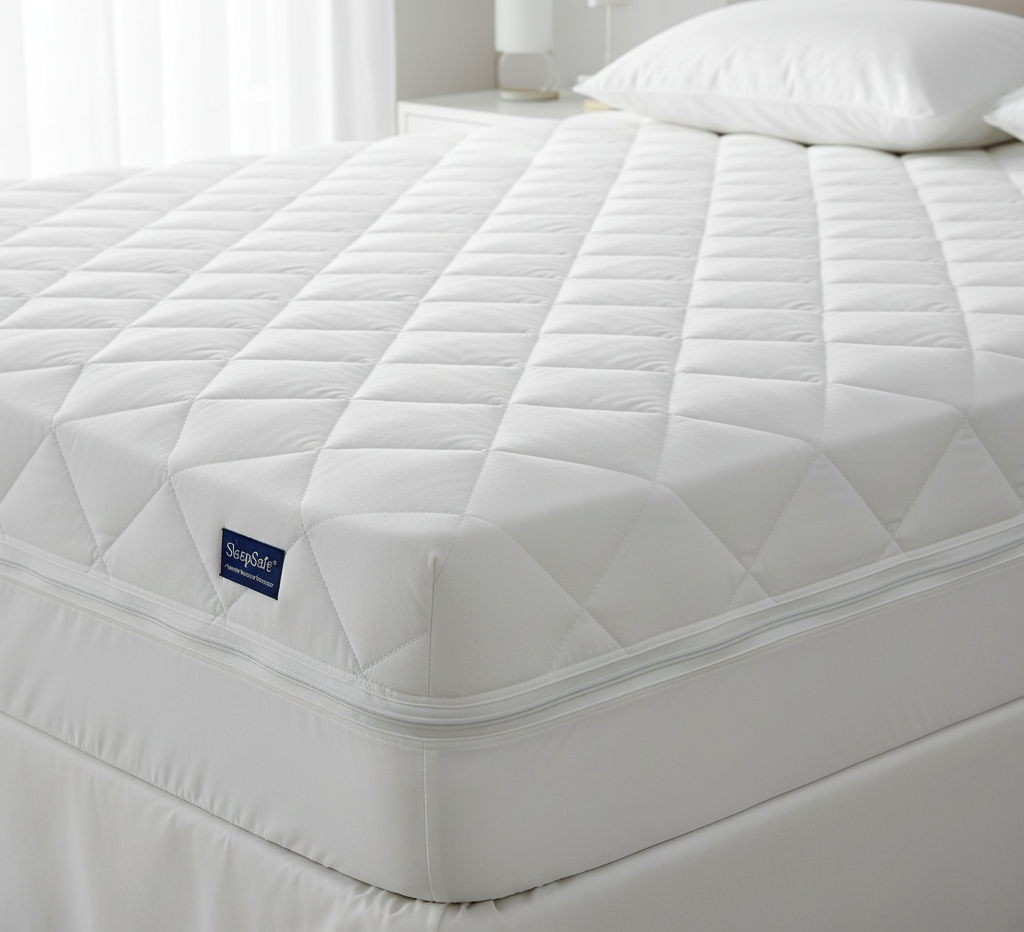
Prevention is the final and most important step in the cleaning process. Once you have labored to strip the odors and stains from your mattress, protecting that investment is vital. A high-quality, waterproof mattress protector is not an optional accessory; it is a shield. Modern protectors are breathable, allowing air to circulate while blocking liquids, skin cells, and dust mites from entering the mattress ecosystem. This transforms the cleaning process from a deep-scrubbing ordeal into a simple task of washing the protector in the laundry machine. Furthermore, allowing the mattress to “breathe” every time you change the sheets—leaving it bare for an hour with the window open—helps to evaporate the moisture accumulated from the previous week’s sleep.
Ultimately, cleaning a mattress is an act of reclaiming your health. We spend one-third of our lives in bed. Breathing in dust mite feces, mold spores, and stale chemical odors for eight hours a night taxes the immune system and disrupts sleep quality. A clean mattress feels different; the air around it is crisper, and the bedding feels fresher. It transforms the bed from a biological reservoir into a true sanctuary of rest.
Maintaining the hygiene of a home’s soft furnishings, from the deep foam of a mattress to the fibers of a sofa, is a heavy, labor-intensive process. It requires physical strength to maneuver heavy items, patience to allow for dwell times, and a specific understanding of chemistry to treat biological stains without causing water damage. When the burden of this deep cleaning becomes too much, or when you want to ensure that the job is done with industrial-grade efficiency, professional support is the solution. Toronto Shine Cleaning offers a level of service that goes far beyond the surface wipe. We understand the complex layers of your home’s hygiene. Our professional team is equipped with the high-powered extraction tools and the specialized enzymatic solutions required to restore your mattress to a state of purity. We handle the heavy lifting and the detailed stain removal, ensuring that your sleeping environment is not just visually clean, but biologically sanitized. By entrusting your home to Toronto Shine Cleaning, you can rest easy knowing that the place where you recharge is safe, fresh, and perfectly maintained.