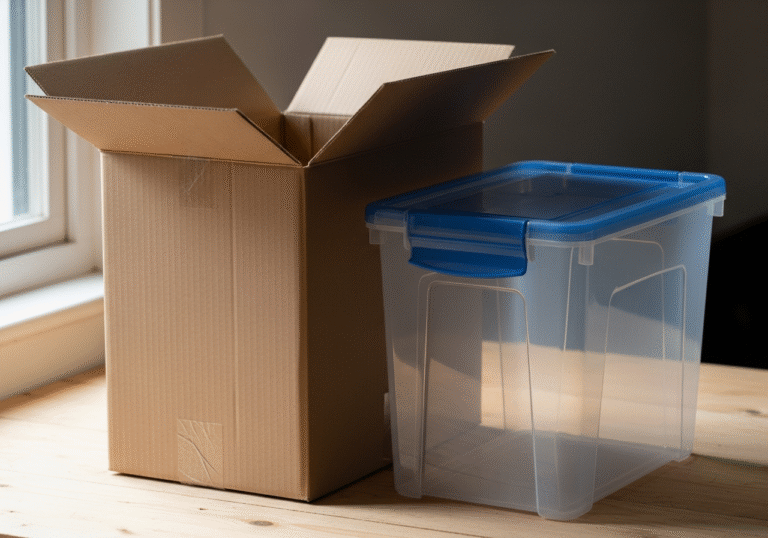










In the realm of home organization and storage, there is an ongoing battle between two distinct materials: the corrugated cardboard box and the plastic storage bin. For many homeowners, the choice is often made based on convenience or immediate cost. When we move houses, we accumulate mountains of cardboard; when we declutter a garage, we often rush to the big-box store to buy stacks of plastic. However, viewing these two storage methods as interchangeable is a fundamental error that leads to damaged possessions, pest infestations, and wasted space. Each material has a specific chemical and structural profile that dictates its utility. Cardboard is a porous, organic material designed for temporary transport, while heavy-duty plastic is a synthetic, non-porous barrier designed for long-term preservation. Understanding the physics and biology of these containers is essential to protecting your belongings and maintaining a clean, healthy home environment.
1.Accessibility and low Cost
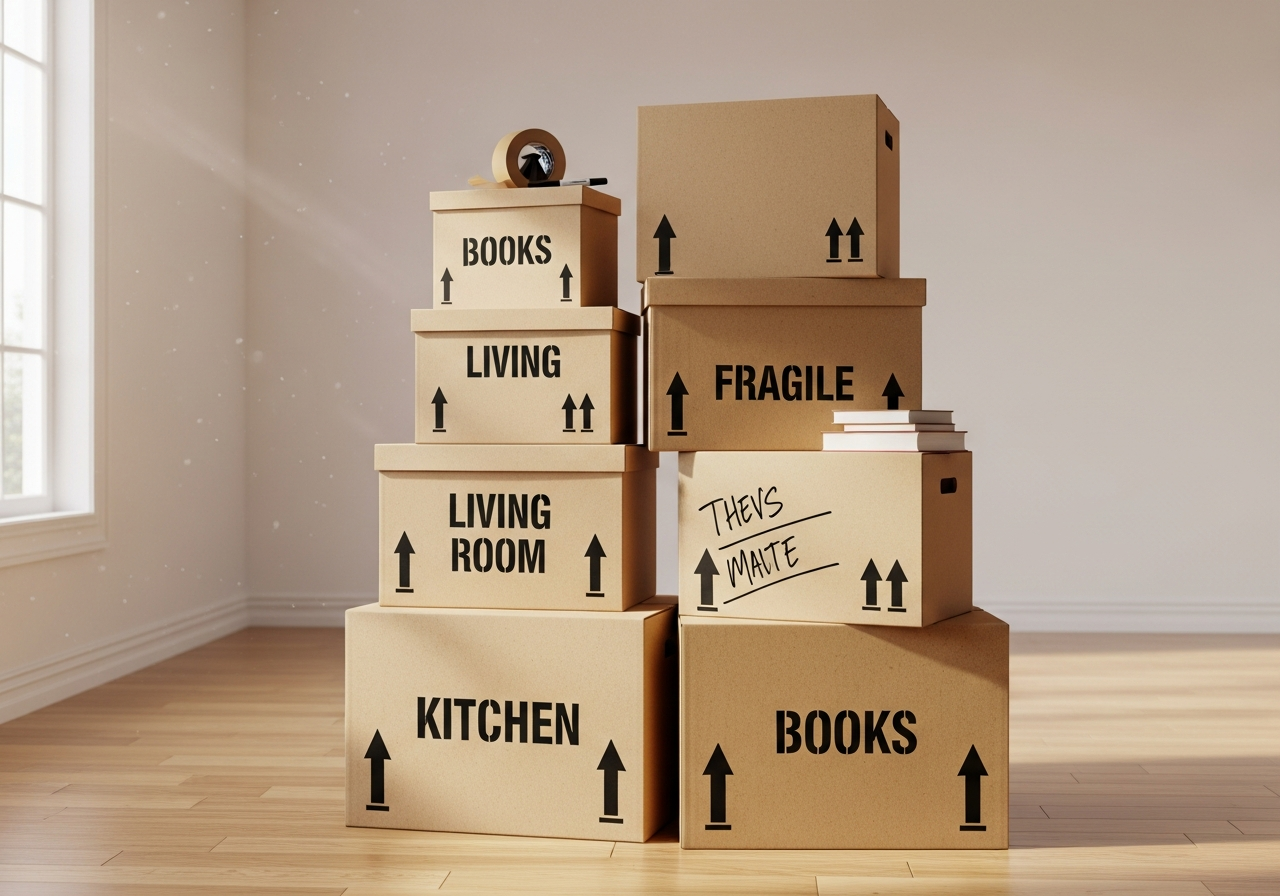
The cardboard box is the workhorse of the logistics world. Its primary virtue is its accessibility and low cost. It is lightweight, collapsible, and often free if you know where to look. For the specific purpose of moving house—getting items from Point A to Point B over a span of days or weeks—cardboard is the superior choice. Its rigid, rectangular structure is designed to be tessellated in the back of a moving truck, maximizing volume efficiency. Furthermore, cardboard is breathable. For very short-term storage of items that might hold residual humidity, this breathability can prevent immediate mildew formation. From an environmental standpoint, cardboard is biodegradable and easily recyclable, making it the guilt-free option for temporary needs.
However, the virtues of cardboard end the moment the moving truck pulls away. When cardboard is used for long-term storage—defined as anything longer than three months—it transforms from a container into a liability. The first and most significant failure of cardboard is its relationship with moisture. Cardboard is hygroscopic, meaning it actively absorbs moisture from the air. In a damp environment like a basement, a garage, or an attic, a cardboard box acts as a sponge. It pulls humidity into its fibers, which softens the structural integrity of the box, causing it to sag and eventually collapse under the weight of stacked items. More dangerously, this trapped moisture creates the perfect microclimate for mold and mildew. Once mold establishes itself in the fibers of the box, it inevitably migrates to the contents inside. Books, fabrics, and papers stored in cardboard in a damp basement are almost guaranteed to develop that distinct, musty odor that is nearly impossible to remove.
2.Destroyer of Valuables
Beyond moisture, cardboard is chemically reactive. Most standard cardboard is acidic. Over time, this acidity off-gasses and transfers to the items stored within. For delicate items like vintage linens, wedding dresses, photographs, or electronics, this acidic environment accelerates deterioration. Fabrics will yellow and become brittle; photographs will fade and curl. This is why archivists and museum curators never use standard cardboard for storage, relying instead on acid-free boxes or inert plastics. If you are storing sentimental heirlooms in an old Amazon box, you are slowly destroying them.
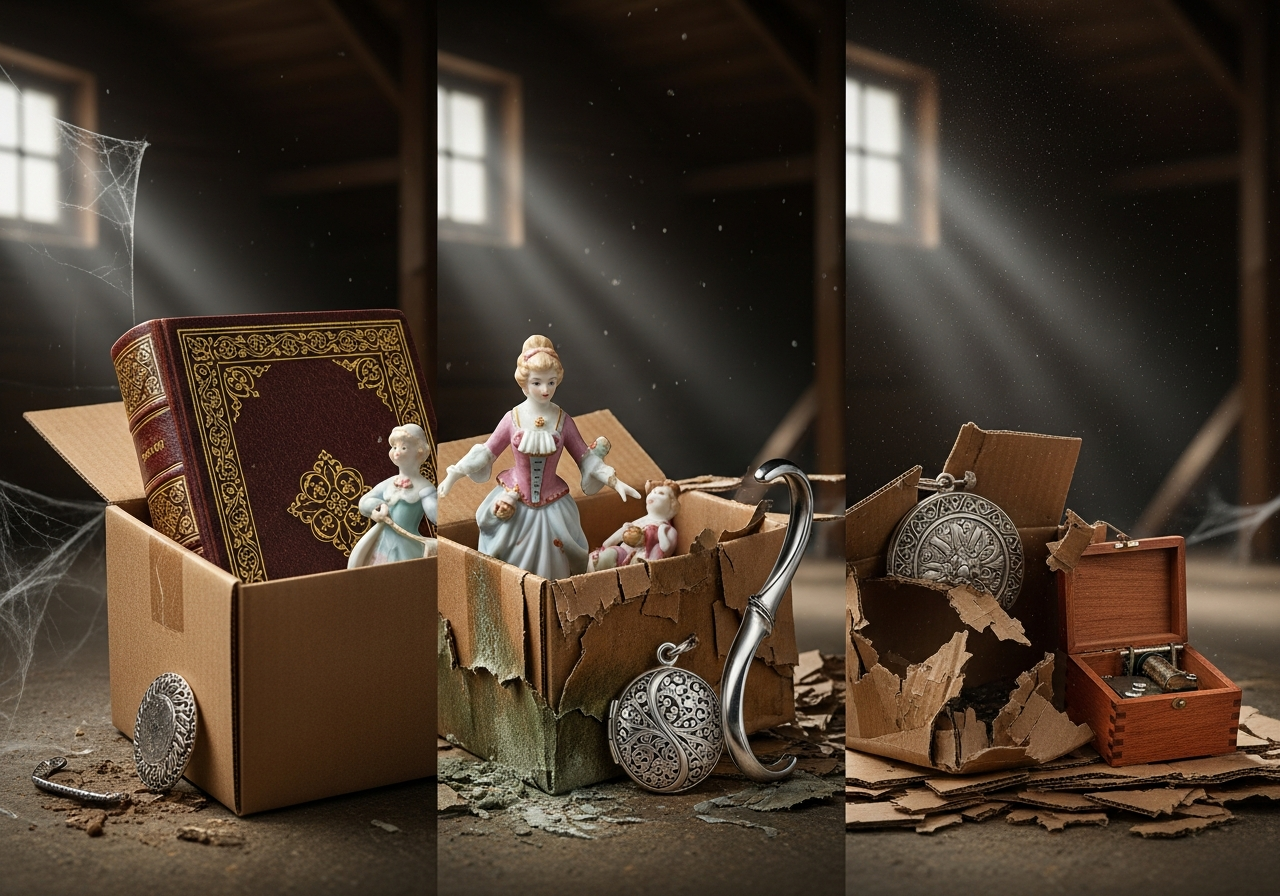
Perhaps the most repulsive quality of cardboard is its status as a food source. To a wide variety of pests, a stack of cardboard boxes is a buffet. The material itself is made of cellulose, and the layers are often bonded together with a starch-based glue. This combination is nutritionally attractive to silverfish, cockroaches, termites, and crickets. Silverfish, in particular, thrive on the starch in the glue and will eat their way through the box to get to the paper or fabric inside. Cockroaches are known to lay their egg cases (oothecae) in the corrugated flutes of the cardboard, using the insulated, dark spaces as a nursery. When you bring old cardboard boxes into your home from a garage or storage unit, you are frequently importing a pest infestation. Mice and rats also find cardboard to be an ideal nesting material, easily chewing through the soft walls to create warm bedding out of your sweaters or documents.
3.The Best Choice
Enter the plastic storage bin. High-density polyethylene (HDPE) or polypropylene (PP) bins are the solution to almost every failure of cardboard. Structurally, they are impervious to moisture. A plastic bin with a latching lid creates a hydrophobic barrier. If a pipe bursts in the basement or the roof leaks in the attic, the contents of a plastic bin will remain dry, whereas a cardboard box would disintegrate. This makes plastic the only viable option for storage in “unconditioned” spaces—areas of the home that are not climate-controlled and are subject to temperature and humidity fluctuations.
The pest resistance of plastic is equally superior. Insects cannot digest plastic, and rodents, while capable of chewing through thin plastic if motivated, generally prefer softer targets. A high-quality plastic bin with a gasket seal—a rubber lining around the rim of the lid—creates a hermetic seal that blocks not only water but also insects and dust. For long-term storage of clothing, bedding, or holiday decorations, this seal is critical. It ensures that when you open the box a year later, the contents smell exactly as they did when you packed them, free of dust mites and moth larvae.
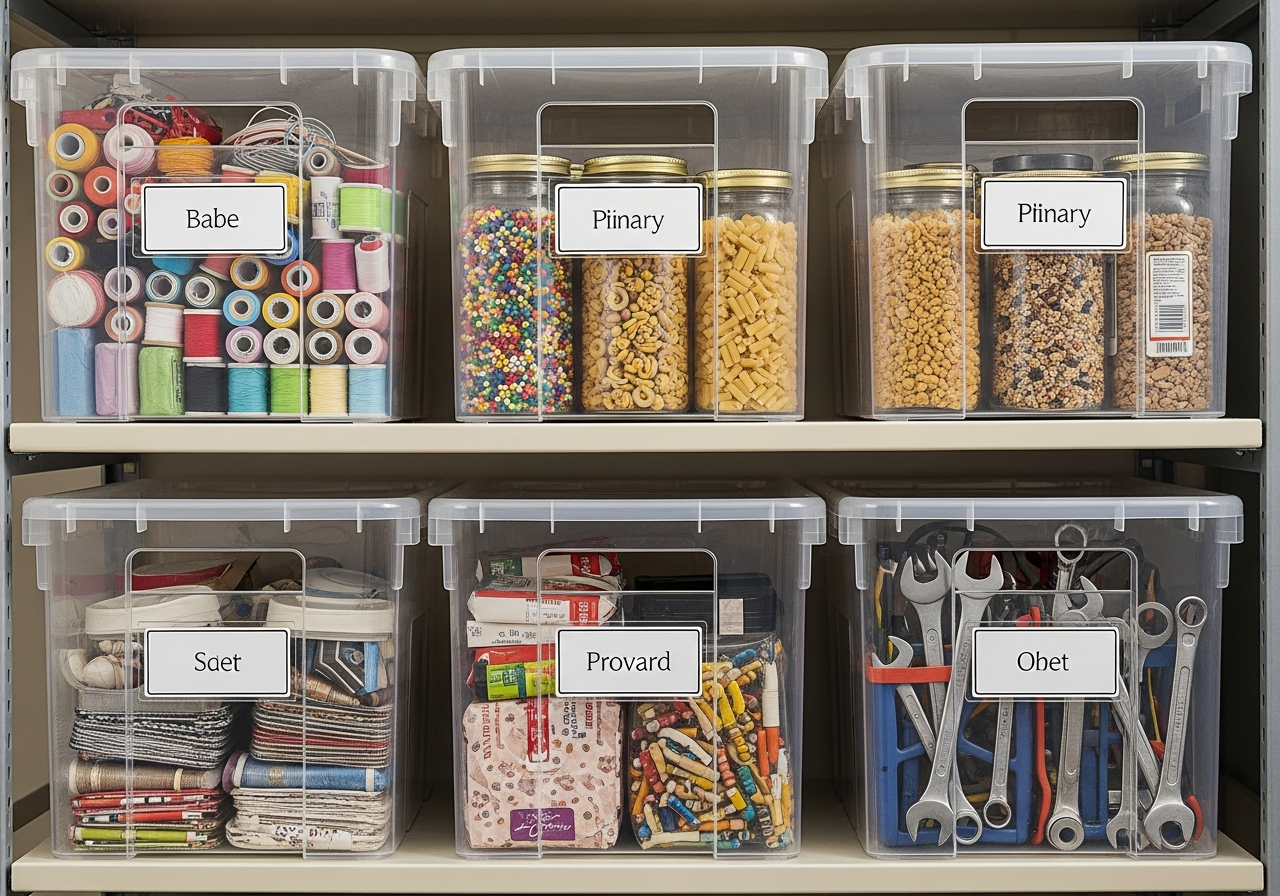
Plastic also offers the advantage of visibility. The “mystery box” phenomenon is a major contributor to household clutter. When items are packed in opaque cardboard, they are effectively lost. To find a specific item, you have to unstack, open, and rummage through multiple boxes. Clear plastic bins eliminate this friction. Being able to see the contents at a glance encourages better inventory management. You are less likely to buy duplicate items if you can see that you already have them. This visibility also aids in organization; seeing the contents often shames us into keeping the interior of the bin tidy, whereas a closed cardboard box allows us to hide chaotic jumbles of junk.
4.Disadvantages
However, plastic is not without its downsides, primarily cost and geometry. Outfitting an entire storage room with high-quality plastic bins is a significant financial investment compared to free cardboard. There is also the issue of shape. Many plastic bins are tapered at the bottom to allow them to nest when empty. This tapering creates “dead space” when the bins are placed side-by-side on a shelf. Square or rectangular bins are more space-efficient but often harder to find. Furthermore, plastic creates a sealed environment. While this keeps moisture out, it also keeps moisture in. If you pack damp clothes or wet camping gear into a sealed plastic bin, the water cannot evaporate. It will cycle inside the bin, causing rapid mold growth and rot. Therefore, the golden rule of plastic storage is that everything must be bone dry before the lid is latched.
5.The decision
The decision of when to use which material should be based on a strategic assessment of the item, the duration of storage, and the location.
For the duration of a move, cardboard reigns supreme. It is lighter than plastic, which makes a massive difference when lifting hundreds of boxes. Its friction prevents it from sliding around in a moving truck, unlike slick plastic bins that can topple over. Once the move is complete, however, the cardboard should be recycled immediately. It should not be repurposed for permanent storage.
For the basement, garage, and attic, plastic is non-negotiable. These are hostile environments. The temperature swings cause condensation, and the proximity to the outdoors invites pests. Seasonal items like Christmas decorations, camping gear, and off-season sports equipment should always live in heavy-duty plastic totes. Ideally, these should be opaque if stored in a garage to prevent sunlight from fading the contents, or clear if stored in a dark basement for easy identification.

For archival and sentimental items, the approach requires nuance. Photographs and documents should ideally be stored in specialized acid-free archival boxes, not standard cardboard or generic plastic (which can sometimes off-gas chemicals). However, if choosing between the two, a high-quality polypropylene box is safer than a standard cardboard box. Textiles, such as baby clothes or wedding dresses, should be wrapped in acid-free tissue paper and placed in a breathable plastic box stored in the main living area of the house (like a closet shelf), not the attic, to avoid heat damage.
6.More Beautiful Appearance
There is also an aesthetic argument to be made for plastic in the context of home organization. Uniformity creates a sense of calm. A shelf lined with matching bins looks intentional and organized. A shelf piled with mismatched cardboard boxes, some taped shut and some with flaps open, looks like a garbage pile. This visual clutter contributes to mental stress. When we see cardboard, our brains register “temporary,” “mess,” or “work to be done.” When we see organized bins, we register “system” and “order.”
One specific category where plastic is mandatory is the storage of hazardous materials or liquids. Cleaning supplies, paints, or automotive fluids should be stored in plastic bins. If a bottle leaks inside a plastic bin, the mess is contained. If it leaks inside a cardboard box, the box dissolves, the liquid spreads to the floor, and potentially damages whatever is stored below it.
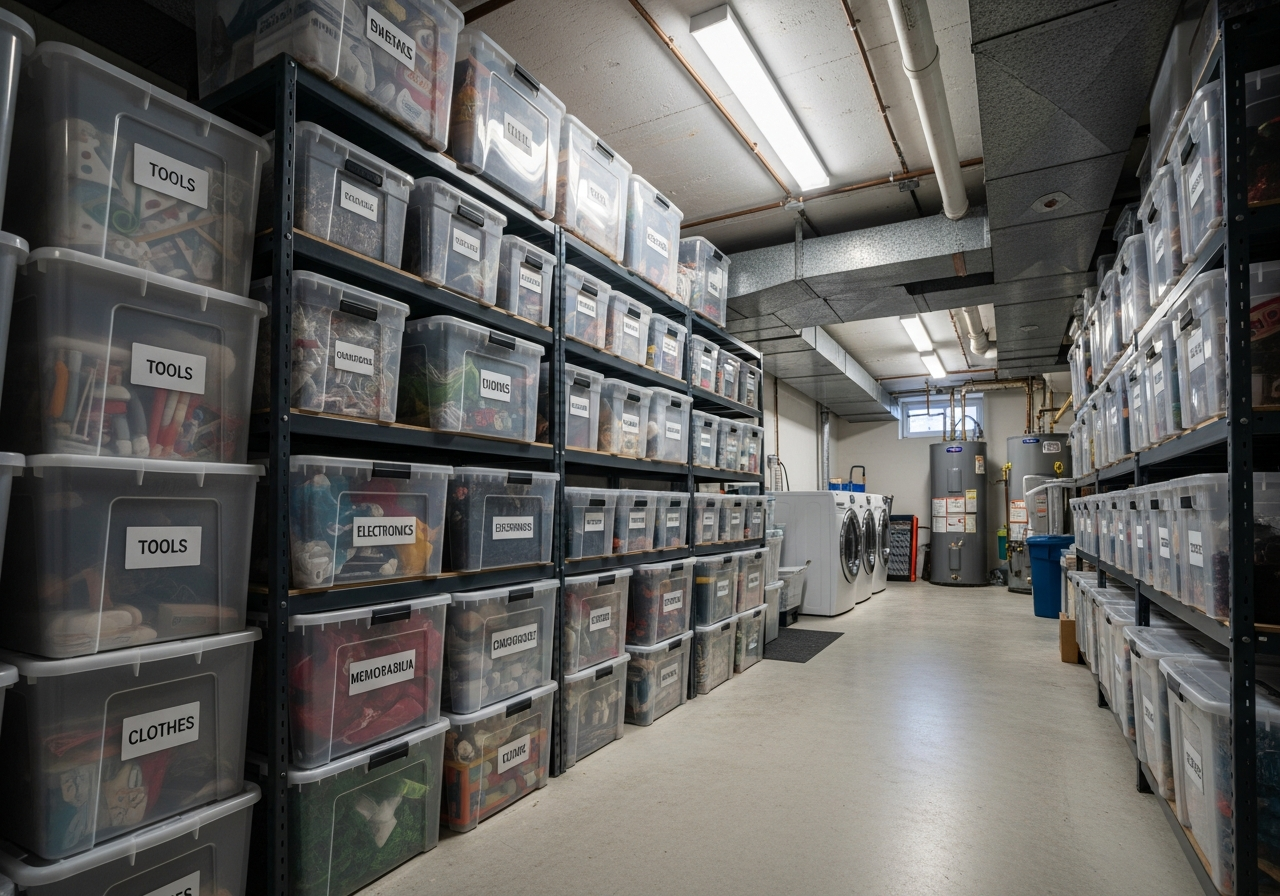
The environmental impact is often the counter-argument used by cardboard loyalists. It is true that plastic is a petroleum product and can persist in landfills for centuries. However, the environmental calculation changes when you consider the lifespan of the object. A cardboard box has a lifespan of one or two uses before it degrades. A high-quality plastic bin can last for thirty years or more. If that plastic bin protects your belongings from being ruined by water or moths, it prevents the waste of the items inside. The most environmentally damaging event is having to throw away and replace your possessions because of poor storage. Therefore, buying durable plastic once and using it for decades is a sustainable choice for asset protection.
7.Final Analysis
In summary, the hierarchy of storage is clear. Cardboard is a transport vessel; plastic is a storage vessel. Cardboard allows for the cheap, efficient movement of dry goods over short distances. Plastic provides a fortress against the elements, biology, and chemistry. It stops the slow degradation that turns our possessions into trash. By moving your long-term storage out of cardboard and into appropriate plastic containers, you are not just organizing your home; you are sanitizing it. You are removing the food source for pests, the sponge for mold, and the acidic environment that ages your treasures.
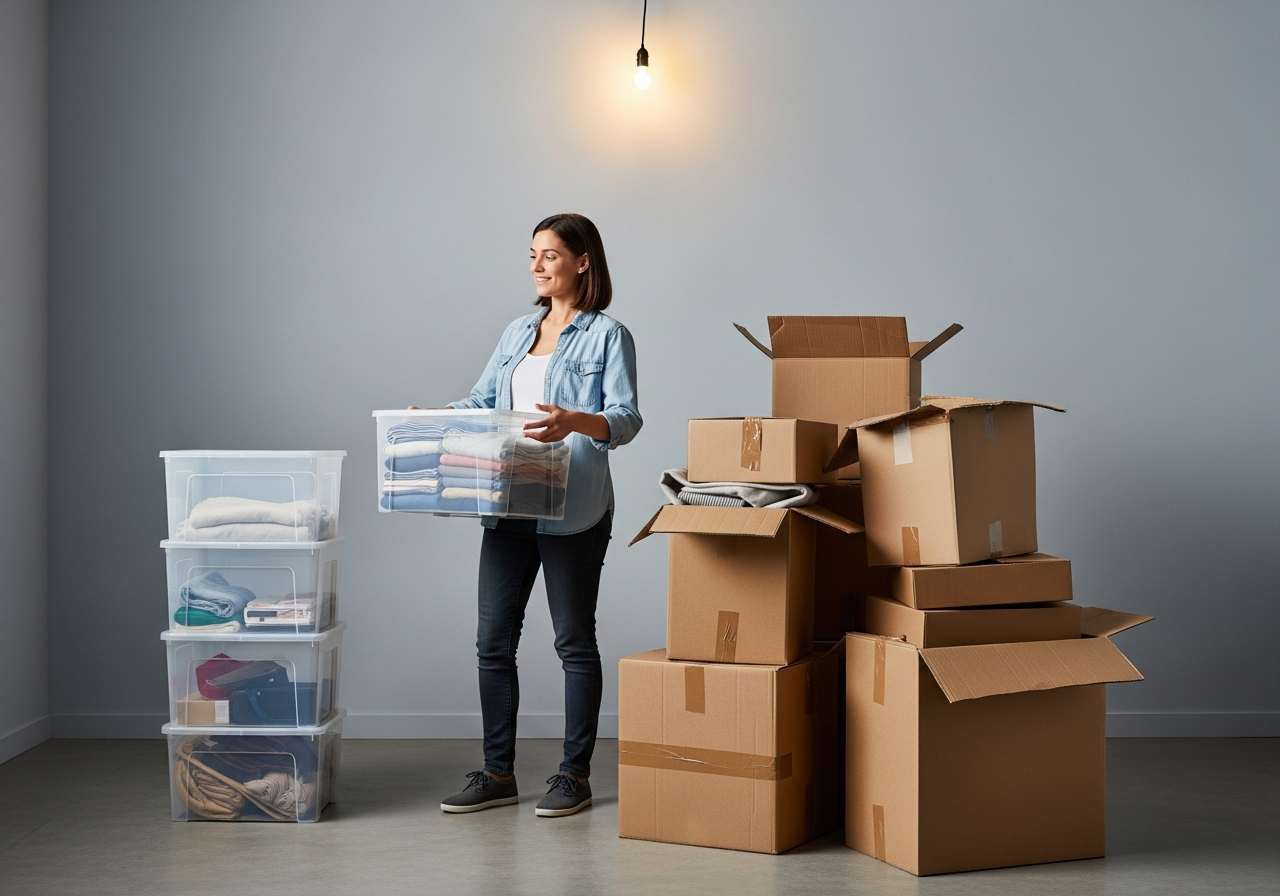
Maintaining a home that is free of clutter and safe from pests involves more than just buying bins; it requires a systematic approach to what you keep and how you keep it. Swapping cardboard for plastic is a heavy project, often involving dragging dusty, spider-filled boxes out of dark corners and resorting decades of accumulation. It is a physical and dusty job. When the scale of this reorganization feels overwhelming, or when you need a deep clean to prepare your basement for its new, organized life, professional assistance is the most effective path forward. Toronto Shine Cleaning offers the expertise and the manpower to help you reclaim your space. We understand the difference between surface cleaning and deep sanitization. We can help clear the dust and cobwebs from your storage areas, ensuring that your new bins are sitting on clean shelves. Whether you are recovering from a move or finally tackling the attic, Toronto Shine Cleaning provides the detailed, professional service you need to turn a chaotic storage room into a pristine, organized asset for your home.