AirBnB Cleaning

Sofa Cleaning: From Simple Vacuuming to Deep Stain Removal

A clean sofa is fundamental to a clean home. Over time, this central piece of furniture accumulates dust, allergens, food crumbs, and body oils, which can degrade the fabric and impact the indoor air quality of your living space. Regular cleaning not only preserves the appearance of your sofa but also extends its lifespan and contributes to a healthier environment for you and your family. Before beginning any cleaning process, it is essential to identify the material of your sofa and understand the manufacturer’s cleaning instructions. Most sofas have a care tag, typically found under the cushions, with a cleaning code. The code ‘W’ means it is safe to use water-based cleaners. ‘S’ indicates that only a solvent-based, water-free cleaner should be used. ‘WS’ or ‘SW’ signifies that you can use either water-based or solvent-based cleaners. An ‘X’ code means the fabric should only be cleaned by vacuuming; no water or solvents should be applied. Adhering to these codes is crucial to prevent irreversible damage like discoloration or shrinkage. If you cannot find a tag, it is always best to perform a spot test with your chosen cleaning solution on a small, inconspicuous area of the sofa first. 1.Aspiration The first step in any sofa cleaning routine is a thorough vacuuming. This initial action removes all loose dirt, dust, pet hair, and other debris from the surface and crevices of the furniture. Using a vacuum cleaner with an upholstery attachment and a crevice tool will yield the best results. It is important to remove all cushions and vacuum the base of the sofa, paying close attention to the seams and corners where debris tends to gather. For fabric sofas, a stiff brush can be used beforehand to loosen any dried-on dirt or hair, making the vacuuming process more effective. This step is not just a precursor to deep cleaning; regular weekly vacuuming is a key maintenance practice that prevents the buildup of abrasive dirt particles that can wear down fabric fibers over time. 2.Natural Mixtures For a general deep clean of a fabric sofa with a ‘W’ or ‘WS’ code, you can create a simple and effective cleaning solution at home. A common mixture involves a small amount of mild dish soap combined with warm water. Another popular natural cleaner can be made by mixing equal parts of white vinegar and water. Before applying any solution to the entire sofa, test it on a hidden spot to ensure it doesn’t cause any discoloration. Apply the solution sparingly with a microfiber cloth, gently blotting or scrubbing stained areas with a soft-bristled brush. It is important not to oversaturate the fabric, as excessive moisture can lead to water damage, mildew growth, or leave water marks, especially on certain materials. After cleaning, use a clean, damp cloth to wipe away any soap residue. 3.Baking Soda Baking soda is another powerful tool for cleaning and deodorizing fabric upholstery. You can sprinkle a generous layer of baking soda over the entire sofa, letting it sit for at least 20 to 30 minutes, or even for a few hours, to absorb odors and help lift dirt. After it has had time to work, vacuum it up thoroughly using a brush attachment. For tougher stains, a paste can be made by mixing baking soda with a small amount of water. Apply this paste to the stain, let it sit for about 15 to 30 minutes, and then gently wipe it away with a damp cloth before blotting the area dry. 4.Steam Cleaning Steam cleaning, also known as hot water extraction, is a highly effective deep cleaning method for many types of fabric sofas. A steam cleaner injects hot water and a cleaning solution into the upholstery to dislodge dirt, dust mites, and allergens, and then immediately extracts the dirty water with a powerful vacuum. This method provides a deep sanitization that can be particularly beneficial for households with allergy sufferers, children, or pets. While you can rent or purchase a steam cleaner for home use, it’s vital to use it correctly to avoid over-wetting the fabric. Professional services often use more powerful equipment that extracts a higher percentage of the moisture, leading to faster drying times and reducing the risk of mold or mildew. Always check your sofa’s cleaning code before using a steam cleaner, and start with the lowest heat setting. 5.Act Quickly Addressing spills and stains promptly is the most effective way to prevent them from becoming permanent. The golden rule is to blot, never rub. Rubbing a fresh spill can push the substance deeper into the fabric fibers and spread the stain. Use a clean, dry cloth or paper towel to gently absorb as much of the liquid as possible. For specific types of stains, different solutions may be required. A mixture of white vinegar and water can be effective against water stains. For grease stains, start by sprinkling cornstarch or baking soda on the spot to absorb the oil; let it sit for about 30 minutes before vacuuming it away. For tougher stains like wine or ink, you may need a commercial upholstery stain remover or a specific DIY solution. A paste of baking soda and water, or a mix of hydrogen peroxide and dish soap, can be effective on some stubborn stains, but always test these solutions on a hidden area first. 6.Attention The cleaning process varies significantly for different upholstery materials. Leather sofas, for instance, should not be cleaned with water-based solutions unless specified by the manufacturer. Typically, they require a wipe-down with a microfiber cloth dampened with a specialized leather cleaner or a mild soap and water solution. After cleaning, it’s often recommended to apply a leather conditioner to restore moisture and prevent the material from drying out and cracking. Suede and other delicate materials like velvet require a more careful approach. A suede brush should be used to gently brush away surface dirt in the direction of the nap. For stains on suede, a solution of equal parts white vinegar and water can be blotted on gently.

Sofa Cleaning: From Simple Vacuuming to Deep Stain Removal Read More »

Air Quality Through Cleaning

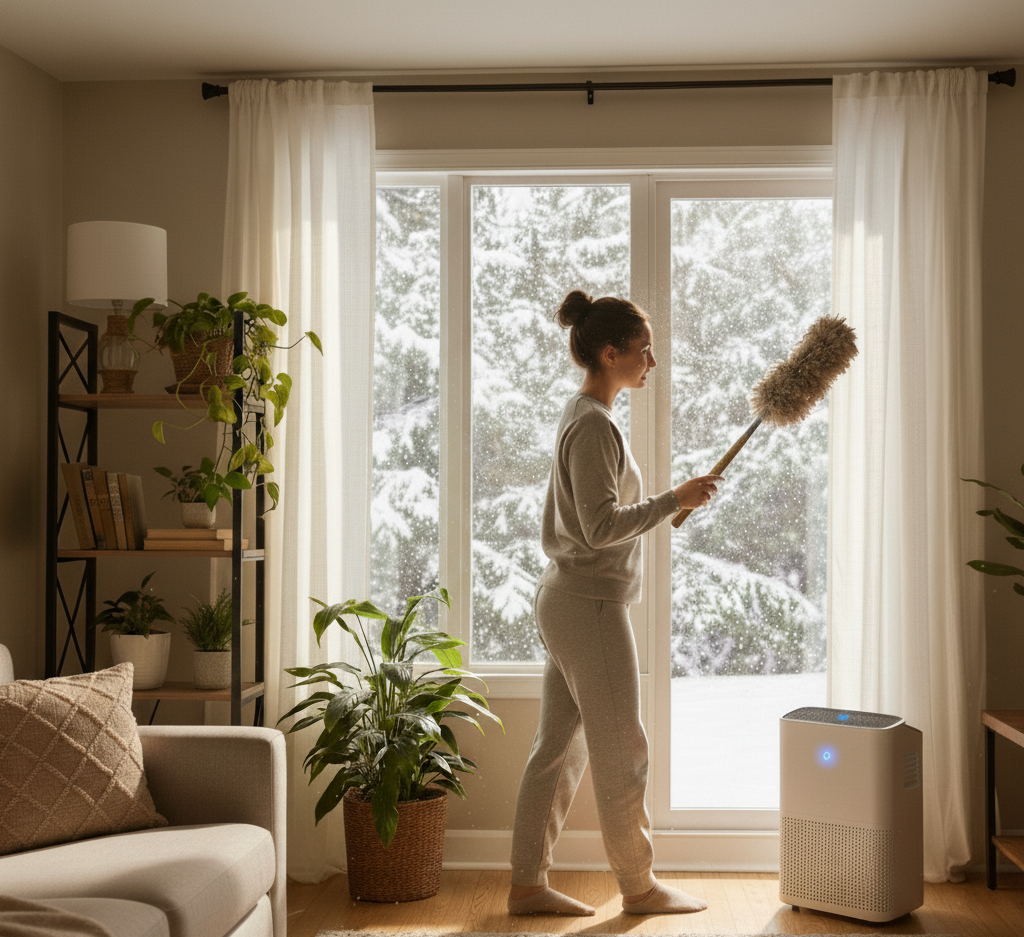
Breathe Easy This Winter: Improving Indoor Air Quality Through Cleaning

As the vibrant colors of autumn fade and the Canadian landscape prepares for its blanket of snow, air quality drops because we instinctively close up our homes. Turning up the heat and closing off the crisp, refreshing outdoor air. This natural response to the impending cold, while keeping us warm, inadvertently brings a significant challenge: maintaining good indoor air quality. When windows remain shut for extended periods, dust, allergens, pollutants, and even microbes can become trapped and accumulate, leading to a less-than-ideal breathing environment. Ensuring the air inside your home remains fresh and clean is not just about comfort; it’s crucial for your health and well-being throughout the long, often isolating, winter months. Poor indoor air quality can contribute to a range of issues, from mild irritation like dry eyes and scratchy throats to more severe health problems such as exacerbatedAs allergies, asthma attacks, and even respiratory infections. Understanding the sources the vibrant hues of autumn fade and the Canadian landscape prepares for its snowy blanket, we instinctively seal our homes, turning up the heat and closing off the crisp, refreshing outdoor air. This natural response to the impending cold, while keeping us warm, inadvertently brings a significant challenge: maintaining good indoor air quality. When windows remain shut for extended periods, preventing natural ventilation, dust, allergens, pollutants, and even microbes can become trapped and accumulate, leading to a less-than-ideal breathing environment. Ensuring the air inside your home remains fresh, clean, and healthy of indoor air pollution and implementing effective cleaning strategies is paramount is not just about comfort; it’ for creating a healthy sanctuary during the cold season. Dust One of, this accumulated dust can be circulated throughout your entire the most pervasive culprits affecting indoor air quality home. Each blast of warm is dust. It’s not just air can stir up settled particles, making them airborne and easily an aesthetic nuisance; dust is a complex inhaled. This continuous circulation affects respiratory health, potentially and often unsettling triggering allergies, asthma attacks, or simply causing general mixture of various particles irritation for those without pre-existing conditions. Its composition includes pet d. The key to effective dust control begins with systematicander, microscopic and deliberate dusting practices. Always flakes of human skin begin your dusting routine from the highest points in a room and meticulously work your way downwards, textile fibers from. This logical approach ensures that any dust disturbed from clothes and furnishings higher surfaces settles onto lower ones, which, outdoor pollen that can then be cleaned efficiently. Start with inevitably finds ceiling fans, light fixtures, and the tops of its way inside, mold spores, and even microscopic particles tall furniture like bookshelves and arm from pollution that infiltroires, paying close attention to intricateates from outside. When your heating system kicks into details or gear, especially forced-air systems, this fine textured surfaces where dust loves particulate matter can be continuously to cling. Next, move to circulated throughout your home eye-level surfaces such as window s, becoming airborne and easilyills, picture frames, mirrors inhaled. This constant, and televisions. Finally, address tables, desks, coffee circulation significantly impacts respiratory health and tables, and baseboards. Using a high can be a major trigger for individuals-quality microfiber cloth is highly recommended for dusting. Its suffering unique microscopic from allergies or asthma. The key fibers are designed to effectively trap and to effective dust control begins with systematic dusting hold dust particles, rather than simply pushing, a ritual them around or sending that should them airborne. Micro be performed regularly and thoughtfullyfiber cloths can be used dry for light dusting or slightly damp. Always start from the highest for a points in a room and work your way down. This ensures that any more thorough dust clean, which helps to further disturbed from higher capture particles surfaces settles on lower ones and prevent them from escaping back into the air. For, which can then be cleaned. Begin delicate with ceiling fans, light fixtures, and the tops of tall furniture electronics, such as computer screens or shelves before moving to eye-level surfaces like tables, keyboards, desks, and window sills. Finally, address baseboards and, and stereo equipment floor registers. Using, use specialized anti-static dusters or a very slightly damp microfiber cloth, always ensuring the devices are unplugged first to prevent any potential damage or safety hazards. Ventilation Grilles Beyond visible surfaces, your a microfiber cloth, either dry or slightly home’s air circulation system plays a damp, is highly effective. The profound role in dust distribution and overall indoor air quality. The air vents, unique structure both return and supply, in your heating and cooling system are magnets for dust and can become significant of microfiber’s tiny, conduits for its spread often static-charged fibers is designed to trap and hold. Before winter fully sets in and your dust particles, preventing furnace is working overtime, take the time them from merely being pushed around to meticulously vacuum and wipe down all air return and supply vents throughout your home. You might be surprised by the sheer or resettling amount of dust, pet hair, and debris that accumulates on elsewhere. For electronics, which are notorious dust magnets due to static electricity, use specialized these gr anti-static dustersates. For a more thorough and impactful approach to improving air quality, consider having your home or a very’s air ducts professionally cleaned periodically. This is particularly advisable if you’ve recently moved into an older home where duct history lightly damp cloth, always ensuring devices are unplugged first for safety. Regular cleaning of hard surfaces, at least weekly, significantly reduces the overall dust load in your home. Beyond visible surfaces, your home’s air circulation system plays a profound role in dust distribution and, consequently, indoor air quality is. The air vents in your unknown, if you’ve completed major renovations that generate heating and cooling system, both return a and supply registers, collect dust over time and can become conduits for its spread throughout your living lot of dust, space. Before winter truly sets in and or

Breathe Easy This Winter: Improving Indoor Air Quality Through Cleaning Read More »

Understanding Acetone: A Guide to the Powerful Cleaning Solvent

Acetone is a remarkably potent organic solvent, a chemical powerhouse whose utility in cleaning is matched only by the caution required for its use. Its effectiveness is rooted in its molecular structure; as a polar aprotic solvent, it has the unique ability to dissolve a vast array of substances that are resistant to water and other common cleaners. This includes non-polar materials like oils and greases, as well as polar substances. This dual-action capability is why it can tackle such a diverse range of problems, from varnish and lacquer to permanent ink and stubborn adhesives. Its high volatility, meaning it evaporates very quickly, is often considered an asset, as it can perform its function and then disappear, frequently leaving behind a clean, dry, and residue-free surface. However, this same strength means it is indiscriminately aggressive, making a thorough understanding of its properties essential before it is ever brought near a surface. Paint Remover One of its most celebrated roles is as a paint and finish remover. When dealing with dried latex or oil-based paint splatters on hard, non-porous surfaces like glass, tile, or bare metal, acetone works by breaking down the polymer binders that give the paint its structure. By dissolving these binders, it effectively liquefies the paint, allowing it to be wiped away. This is also why it is the go-to solvent for cleaning paint brushes, rollers, and spray gun components that have been used with lacquers or enamels, restoring them to a usable state when other thinners might fail. It can strip varnish and polyurethane from metal hardware or remove old, yellowed lacquer from brass fixtures, revealing the untarnished metal beneath. The process requires patience, applying the acetone, allowing it time to work on the coating, and then carefully scraping or wiping away the softened layers. Beyond paint, acetone excels at vanquishing adhesives. It is the active ingredient in most nail polish removers, effortlessly dissolving the tough acrylic polymers in nail lacquer. This same principle applies to more challenging adhesives like cyanoacrylate, commonly known as super glue. A small, careful application can break the bond of cured super glue on skin or countertops. It is also highly effective for removing the stubborn, gummy residue left behind by stickers, labels, and various types of tape. The acetone penetrates the adhesive mass, reducing its viscosity and tackiness until it can be easily wiped clean. For more substantial challenges, like removing contact cement or construction adhesives, acetone can soften the material, though it may require multiple applications and significant mechanical action to fully remove the buildup. Degreaser The solvent’s power is also invaluable for degreasing and deep cleaning in mechanical or workshop environments. When preparing a metal part for welding, painting, or powder-coating, any trace of oil, grease, or wax can compromise the integrity of the final bond or finish. Acetone cuts through these petroleum-based contaminants with ease, flashing off quickly to leave a perfectly clean substrate ready for the next step. It is used to clean automotive parts, machinery, and tools, dissolving grime and tar that would otherwise require harsh mechanical scrubbing. On a concrete garage floor, it can be used to lift deep-set oil stains, though it may drive the stain deeper if not used correctly with an absorbent material to pull the dissolved oil out of the porous concrete. It Can Cause Damage Despite this wide range of applications, the list of materials that acetone can damage is extensive and requires serious consideration. Its most dramatic effect is on plastics. It is a powerful solvent for many common polymers, including polystyrene (styrofoam), ABS (used in many electronics housings and car interiors), acrylic (Plexiglas), and polycarbonate. Contact will cause these materials to soften, warp, cloud over, or completely dissolve into a sticky mass. This is why it is critical to test acetone on an unseen area of any plastic item before use. Even brief contact can cause irreversible damage known as solvent crazing, creating a network of fine cracks in the plastic’s surface. Conversely, it is generally safe on high-density polyethylene (HDPE) and polypropylene, which is why acetone containers are often made from these materials. Finished wood surfaces are also highly vulnerable. Acetone will strip almost any finish, from shellac and varnish to lacquer and polyurethane, ruining the protective layer and exposing the raw wood. This action can be so aggressive that it also dehydrates the wood fibers themselves, potentially causing them to become brittle. It can lift wood veneers and damage laminates. For these reasons, acetone should never be used to clean wooden furniture, flooring, or cabinetry unless the specific goal is to completely strip the existing finish for a refinishing project. The danger extends to fabrics as well. Acetone will dissolve fabrics made from acetate, triacetate, and modacrylic fibers, literally creating holes in the material. While it is generally considered safe for natural fibers like cotton, wool, and silk, it can strip the color from dyed textiles. A spot test in an inconspicuous area, such as an inner seam, is absolutely mandatory before attempting to use it for stain removal on any fabric or carpet. Be careful Given its potent nature, safety protocols are non-negotiable. Acetone is extremely flammable, with a very low flash point, meaning its vapors can ignite at room temperature from a distant spark or flame. Ignition sources can be obvious, like a pilot light on a water heater, or subtle, like the spark from a refrigerator motor kicking on or a discharge of static electricity. Therefore, its use requires robust ventilation, such as opening windows and doors and using a fan to create a cross-breeze that directs fumes outside. Working outdoors is always the safest option when possible. Personal protective equipment is essential. Chemical-resistant gloves, specifically those made of butyl rubber or nitrile, are necessary to protect the skin. Latex gloves are not sufficient as acetone can degrade them quickly. Direct skin contact can cause defatting, leading to severe dryness, irritation, and cracking. Splash-proof safety goggles are also a must to protect

Understanding Acetone: A Guide to the Powerful Cleaning Solvent Read More »

Cleaning Products for Your Natural Stone

Natural Stone: Choosing the Right Cleaning Products for Your Natural Stone

Natural stone surfaces bring an unparalleled elegance and timeless durability to any space. However, their porous nature demands a mindful approach to cleaning and maintenance. Using the wrong products can lead to irreversible damage, such as dulling, etching, and staining. Understanding the specific needs of your stone, whether it be granite, marble, travertine, or limestone, is paramount to preserving its beauty for years to come. The cornerstone of proper natural stone care is the consistent use of pH-neutral cleaners. Harsh, acidic, or alkaline chemicals can react with the minerals in the stone, compromising its integrity and finish. Simple Mixture For daily cleaning of all-natural stone surfaces, the most recommended and safest solution is a simple mixture of warm water and a few drops of mild, pH-neutral dish soap. This gentle combination is effective at removing everyday dirt, grease, and grime without harming the stone or its sealer. After wiping the surface with this solution using a soft, microfiber cloth, it is crucial to rinse the area thoroughly with clean water and dry it completely with another soft cloth. This prevents soap scum buildup, which can leave a dull film on the surface over time, and averts water spots. When a more potent cleaning is required, particularly for disinfection, a solution of equal parts water and 70% isopropyl alcohol can be used. This mixture is effective at killing bacteria and germs without being abrasive or acidic. Spray the solution onto the surface, let it sit for a few minutes, and then wipe it clean with a damp cloth before drying thoroughly. This is an excellent option for kitchen countertops where food preparation occurs. It is imperative to know which products to avoid. Acidic substances are the primary adversary of natural stone, especially calcareous stones like marble, travertine, and limestone. These stones are primarily composed of calcium carbonate, which reacts vigorously with acids, leading to etching, a chemical burn that appears as a dull spot on the surface. Common household cleaners that contain vinegar, lemon juice, or other citrus-based ingredients should never be used on these stones. Likewise, harsh chemicals such as bleach and ammonia can degrade the sealer and dull the stone’s surface over time. Abrasive powders or creams are also to be avoided as they can scratch the stone. Granite Granite, being a siliceous stone, is generally more resistant to acids than its calcareous counterparts. However, repeated exposure to acidic substances can still weaken the sealer and eventually lead to damage. Therefore, it is best to adhere to pH-neutral cleaning practices for granite as well, ensuring its longevity and lustrous appearance. Marble is particularly susceptible to damage due to its soft and porous nature. Spills, especially from acidic liquids like wine, coffee, or fruit juice, should be blotted up immediately with a soft cloth. Wiping the spill can spread it further. After blotting, clean the area with a mild soap and water solution, rinse, and dry. For tougher organic stains on light-colored marble, a poultice made from hydrogen peroxide and an absorbent material like baking soda can be effective. Travertine Travertine and limestone share a similar composition to marble and thus require comparable care. Their surfaces are often characterized by small pits and fissures, which can trap dirt. Regular dusting with a dry microfiber cloth is beneficial to prevent the accumulation of abrasive particles. When cleaning, use a pH-neutral cleaner and ensure the surface is rinsed and dried thoroughly to prevent water from settling in the pores. For deep cleaning textured travertine, an alkaline-based cleaner may be necessary to lift embedded grime. In cases of efflorescence, a white, powdery deposit that can appear on the surface, it is crucial to use a non-acidic cleaner to remove the salt residue without harming the stone. Beyond daily cleaning, the most critical aspect of natural stone care is sealing. A sealer acts as a protective barrier, penetrating the pores of the stone to inhibit the absorption of liquids and prevent staining. There are two primary types of sealers: impregnating (or penetrating) and topical. Sealants Impregnating sealers are absorbed into the stone, filling the pores from within. They do not alter the appearance of the stone and allow it to “breathe,” meaning water vapor can still escape. This is particularly important for outdoor applications or in wet environments. Topical sealers, on the other hand, form a protective film on the surface of the stone. While they can provide a glossy finish and some protection against scratches, they are more prone to wear and tear and can trap moisture, potentially leading to discoloration. For most residential applications, an impregnating sealer is the preferred choice for its durability and natural look. The frequency of sealing depends on the type of stone and its usage. A simple water test can determine if it’s time to reseal. Place a few drops of water on the surface and observe. If the water beads up, the sealer is still effective. If the water is absorbed into the stone, leaving a dark spot, it’s time to reapply the sealer. As a general guideline, highly porous and frequently used stones like marble in a busy kitchen may need to be sealed every six to twelve months. Denser stones like granite can often go one to two years or even longer between sealing. For stubborn stains that have penetrated the stone, a poultice is an effective remedy. A poultice is a paste-like substance made from an absorbent material and a chemical solvent, which is applied to the stain to draw it out. The type of poultice depends on the nature of the stain. Stains For oil-based stains, a poultice made from baking soda and acetone or a commercial degreaser is effective. Mix the ingredients to a peanut butter-like consistency, apply it to the stain in a thick layer, cover it with plastic wrap, and tape the edges. Allow it to sit for 24 to 48 hours as it dries, which is the mechanism by which it pulls the stain from the stone. For organic stains like coffee

Natural Stone: Choosing the Right Cleaning Products for Your Natural Stone Read More »

5 Reasons Why Hiring a Cleaning Service is the Best Form of Self-Care

Why hire a specialized cleaning service? The modern home is a hub of activity, a place of work, rest, and family life. Yet, maintaining its cleanliness can feel like a relentless, never-ending task. The dust settles almost as soon as it’s wiped away, the floors seem to attract dirt, and the kitchen and bathrooms demand constant attention. For many, the weekend, which should be a time for relaxation and recharging, is instead consumed by a long list of chores. This constant cycle of cleaning can become a significant source of stress and a drain on our most valuable resource: time. It is in this gap between the desire for a clean, peaceful environment and the reality of a busy life that a residential house cleaning service finds its purpose, offering not just a service, but a solution to a pervasive modern problem. 1.Quality of Life Hiring a professional cleaning service is often viewed as a luxury, but it is more accurately described as an investment in your quality of life. Consider the hours spent each week sweeping, mopping, scrubbing, and dusting. For a moderately sized home, this can easily add up to four, five, or even more hours. A professional service reclaims those hours for you, handing them back to be spent on what truly matters. This could mean more time with family, pursuing a hobby, exercising, or simply enjoying a well-deserved rest. The cumulative effect of this reclaimed time is profound, reducing burnout and allowing for a better work-life balance. It transforms the home from a place of constant obligation into a true sanctuary, a space you can enter after a long day and immediately feel at ease, rather than being confronted with a list of tasks that need doing. 2.Quality of Cleanliness Beyond the gift of time, there is the undeniable difference in the quality of the clean itself. A professional cleaner brings a level of expertise and efficiency that is difficult for the average homeowner to replicate. They are trained in the most effective methods and understand the specific needs of different surfaces. They know which products to use on natural stone versus laminate, how to clean stainless steel without leaving streaks, and the best techniques for removing stubborn soap scum from glass shower doors. This knowledge prevents costly damage that can result from using the wrong chemical or an abrasive sponge on a delicate surface. Furthermore, professional services come equipped with commercial-grade tools and supplies that are often more powerful and effective than standard consumer products. Their high-powered vacuums with HEPA filters can capture a significantly higher percentage of dust, allergens, and pet dander, leading to improved indoor air quality. This is particularly beneficial for households with allergy sufferers, asthmatics, children, or pets. The result is not just a home that looks clean, but one that feels and is, on a microscopic level, healthier. The process of a professional clean is systematic and thorough. Cleaners typically work with a detailed checklist, ensuring that no area is overlooked. They employ methodical strategies, such as cleaning from top to bottom to ensure dust and debris fall downwards before the floors are addressed, and working from one side of a room to the other. This structured approach guarantees consistency and completeness. A standard recurring clean will typically involve a comprehensive dusting of all surfaces, including furniture, shelves, and window sills; cleaning and disinfecting kitchen countertops, sinks, and appliance exteriors; scrubbing toilets, showers, tubs, and bathroom vanities; and vacuuming carpets and mopping hard floors. This regular maintenance keeps the home at a consistent level of cleanliness, preventing the deep buildup of grime. 3.Deep Cleaning For homes that have gone some time without a thorough cleaning or for clients new to a service, a deep clean is often recommended. This is a far more intensive and detailed service that addresses the areas often missed in a regular routine. A deep clean will include all the tasks of a standard clean but will go much further. It can involve washing baseboards and trim, cleaning light fixtures and ceiling fans, wiping down doors and door frames, cleaning behind and underneath furniture and appliances, scrubbing grout lines, and cleaning the interior of windows. This is the reset button for your home, tackling the accumulated dirt and dust in every nook and cranny, and establishing a new baseline of clean that makes subsequent maintenance easier. Specialized services like move-in and move-out cleanings are another critical offering. Preparing a home for sale or ensuring a new home is pristine before you unpack is an enormous task on top of the already stressful process of moving. A move-out clean is designed to leave the property in immaculate condition for the next occupants, often a requirement for retrieving a security deposit. This is the most exhaustive clean of all, performed on an empty home. Every interior surface is addressed, including the inside of all cabinets, drawers, closets, the oven, and the refrigerator. It ensures the home is presented in its best possible light, which can be a significant factor for real estate agents and potential buyers. Conversely, a move-in clean provides immense peace of mind, sanitizing the space and ensuring you are starting your new chapter in a fresh, thoroughly cleaned environment. 4.Trust and Security One of the most significant barriers for people considering a cleaning service is the idea of trust and security. Inviting someone into your personal space requires confidence in their professionalism and integrity. This is why reputable cleaning companies place such a high emphasis on their hiring and training processes. They conduct background checks on their employees and ensure they are thoroughly vetted. Furthermore, professional services are bonded and insured. Bonding provides protection against theft, while insurance covers any accidental damage that might occur to your property during the cleaning process. This comprehensive protection offers homeowners the peace of mind that they are working with a trustworthy organization that stands behind its work and its people. The relationship with a cleaning service is

5 Reasons Why Hiring a Cleaning Service is the Best Form of Self-Care Read More »

Hot Tub Cleaning: Get Perfectly Balanced Hot Tub Water Every Time

The hot tub is a unique and cherished feature of a home, a vessel of relaxation and hydrotherapy that promises to melt away the stresses of the day. It is a place of quiet solitude under the stars or a centerpiece for social gatherings with friends and family. But this luxury comes with a non-negotiable responsibility. A hot tub is not a “set it and forget it” appliance like a refrigerator or a dishwasher. It is a small, self-contained, and highly active body of water, a delicate ecosystem that requires consistent, diligent maintenance to remain a source of pleasure and not become a source of murky, unsanitary, and potentially hazardous problems. The Chemistry of Water To own a hot tub is to become a part-time water chemist. The warm, bubbling environment that is so inviting to us is also the perfect breeding ground for bacteria, algae, and other microorganisms. The key to a clean, safe, and enjoyable hot tub experience is not about performing a massive, hours-long cleaning session once a year. It is about a regular, simple, and consistent routine of testing, balancing, and sanitizing. Understanding the fundamentals of this routine is the most important aspect of hot tub ownership. The foundation of hot tub care is water chemistry, and the three most important pillars of that chemistry are alkalinity, pH, and the sanitizer level. These three elements are interconnected, and a problem with one will inevitably affect the others. The first step for any hot tub owner is to get comfortable with testing the water, which should be done at least two or three times a week, or more often with heavy use. The most common method is with test strips, which are simple, color-coded strips of paper that you dip into the water for a few seconds. The first level you should check and adjust is the total alkalinity. Alkalinity is the water’s ability to resist changes in pH. It acts as a buffer, a stabilizing force that prevents the pH level from swinging wildly. The ideal range for total alkalinity in a hot tub is typically between 80 and 120 parts per million (ppm). If your alkalinity is too low, the pH will be unstable and can drop suddenly, making the water corrosive. If it is too high, it can cause the pH to drift upward, leading to cloudy water and scale formation. You can raise the alkalinity with a product often called “Alkalinity Increaser” (sodium bicarbonate) and lower it with a pH decreaser (sodium bisulfate). Always adjust the alkalinity first, before you address the pH. Alkalinity Once your alkalinity is in the correct range, you can adjust the pH. The pH is the measure of how acidic or basic your water is, on a scale of 0 to 14. A pH of 7 is neutral. The ideal range for a hot tub is between 7.4 and 7.6. This is not an arbitrary number; it is slightly alkaline to match the natural pH of the human eye, which is why it is the most comfortable for bathers. If the pH is too low (acidic), the water can be corrosive to the hot tub’s components, like the heater and the pump seals, and it can be irritating to the skin. If the pH is too high (basic), it will cause the sanitizer to become sluggish and ineffective, lead to cloudy water, and promote the formation of scale on the shell and in the plumbing. You can raise the pH with a “pH Increaser” (sodium carbonate) and lower it with a “pH Decreaser” (sodium bisulfate). Only after both the alkalinity and pH are properly balanced can you effectively manage the sanitizer. The sanitizer is the chemical that actively kills bacteria and other harmful microorganisms in the water. The two most common types of sanitizer are chlorine and bromine. Chlorine is fast-acting and a powerful oxidizer, but it can have a stronger chemical smell and is less stable in the hot, high-pH environment of a spa. Bromine is more stable at higher temperatures and has a less noticeable odor, making it a very popular choice for hot tubs. It also has the unique ability to be reactivated by “shocking” the water. The ideal level for chlorine is between 1 and 3 ppm, and for bromine, it is between 3 and 5 ppm. You must maintain these levels at all times to ensure the water is safe for bathing. Hot Tub Filters Even with a perfectly maintained sanitizer level, the water will accumulate other unwanted waste products over time. Soaps, lotions, deodorants, and organic matter from bathers build up in the water, creating a food source for bacteria and making the water cloudy and unpleasant. To combat this, you need to “shock” your hot tub on a regular basis, typically once a week. Shocking is the practice of adding a large dose of an oxidizer to the water. This does several things: it breaks down all the organic waste, it kills any resistant bacteria, and in a bromine spa, it reactivates the used bromine ions, turning them back into effective sanitizer. Always shock the spa with the cover off and the jets running to allow it to circulate properly and to let the gasses vent. Beyond the daily and weekly chemical maintenance, the hot tub has other physical components that require regular attention. The most important of these is the filter. The filter is the kidney of your hot tub, constantly working to remove small particles, hair, and debris from the water. A dirty, clogged filter cannot do its job, which will result in cloudy water and will put a strain on your pump. The filter cartridges should be removed and rinsed with a garden hose at least once a week. The goal is to spray the debris out from between the pleats of the filter. Every few months, the filter needs a deep clean. This involves soaking it overnight in a specialized filter cleaning solution to break down

Hot Tub Cleaning: Get Perfectly Balanced Hot Tub Water Every Time Read More »

 Professional vs. The DIY Reality duct cleaning

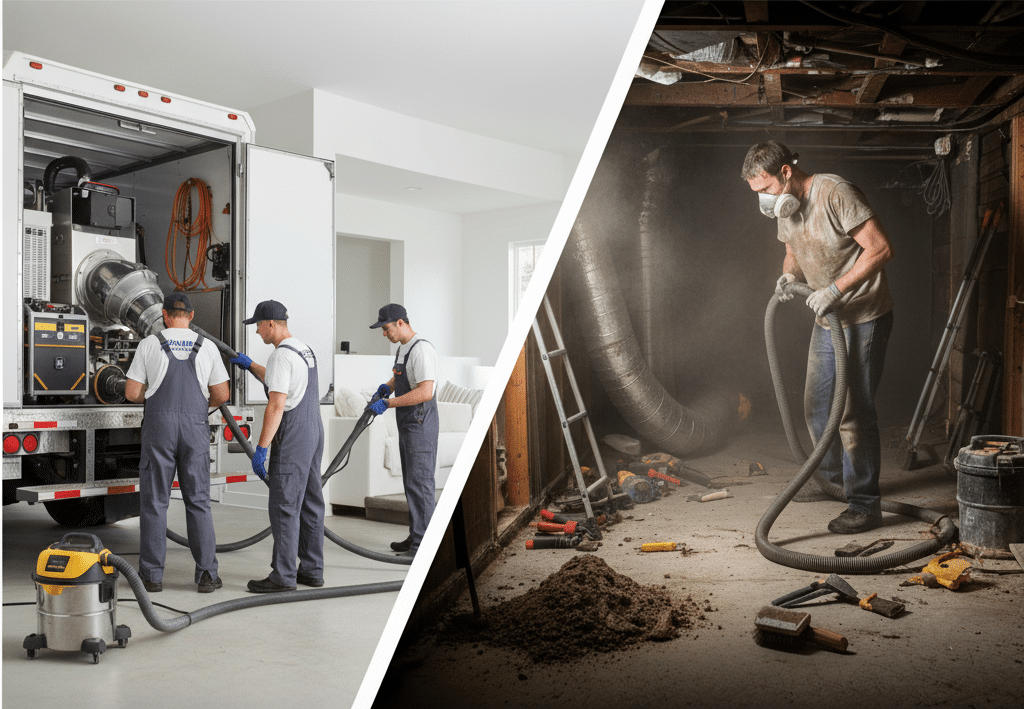
Professional vs. DIY Duct Cleaning: What You Need to Know Before You Start

The topic of duct cleaning exists in a strange and often misunderstood corner of home maintenance. It is a service that promises cleaner air, a healthier home, and improved HVAC efficiency. It is also a task that, when you see the dust and debris that can accumulate around your floor and wall registers, seems like it should be a straightforward cleaning job. The temptation to tackle it yourself is strong. After all, how hard can it be to stick a vacuum hose down a vent? This is where a crucial distinction must be made. There is professional air duct cleaning, and then there is DIY duct cleaning. They are not the same thing. They do not use the same tools, they do not achieve the same results, and they do not have the same goals. A professional service is a whole-system decontamination. A DIY job is a surface-level dust removal. Understanding this difference is the most important step in deciding whether to attempt this project yourself. It is a task that can be done, but it must be approached with a healthy dose of realism, a clear understanding of the risks, and the right set of tools.  Professional vs. The DIY Reality Professional duct cleaning is a heavy-duty industrial process that takes place inside your home. The core of the service is the use of a massive, powerful vacuum system that connects directly to your home’s main duct lines near the furnace. This system creates a powerful negative pressure, essentially turning your entire ductwork system into a giant vacuum cleaner. While this vacuum is running, the technicians use long, flexible tools, high-pressure air whips and rotating brushes, that are inserted deep into the ductwork from each register. These tools agitate and dislodge all the caked-on dust and debris from the interior surfaces of the ducts. The negative pressure ensures that all this loosened debris is immediately sucked out of the system and into the collection unit, without being released into your home. The DIY reality is a scaled-down, simplified version of this. You do not have access to a vacuum that can create negative pressure throughout the entire system. Your primary tools will be a standard shop-vac and a long, flexible brush. This means you can only clean what you can physically reach, which is typically the first several feet of the ductwork branching off from each register. You are not cleaning the entire system; you are cleaning the endpoints. The goal is to remove the visible dust and debris that accumulates in the most accessible parts of the ducts. The Risks and Rewards of a DIY Approach Before you begin, it is essential to weigh the potential benefits against the very real risks. The Potential Rewards: Improved Airflow: By removing the clumps of dust and debris that can accumulate near the registers, you can improve the flow of air into your rooms. Reduced Visible Dust: It will certainly clean the registers themselves and the visible portion of the duct, reducing the amount of dust that gets blown out into the immediate vicinity. Cost Savings: The most obvious benefit is avoiding the cost of a professional service. The Significant Risks: Making the Problem Worse: Without the negative pressure of a professional system, there is a risk that you will simply dislodge debris that is deeper in the system and push it further down into the main trunk lines, potentially creating a blockage or simply leaving it to be blown out later. Damaging Your Ductwork: This is a major concern, especially in homes with flexible ductwork (the silver, accordion-style hoses). A spinning brush or even a sharp vacuum attachment can easily tear or puncture these ducts. If this happens inside a wall or ceiling, you have created a significant problem that will require a costly professional repair. Health Hazards: Your ducts can contain more than just dust. They can harbor mold, mildew, bacteria, and other allergens. Agitating these contaminants without a proper containment system can release them into your home’s air, potentially triggering allergic reactions or respiratory issues. Limited Effectiveness: After hours of work, you may find that you have only made a small dent in the overall dust level of the system, leading to a frustrating and unsatisfying result. DIY Duct Cleaning Toolkit If you have weighed the risks and decided to proceed, you will need more than just your household vacuum. A Powerful Shop-Vac: This is non-negotiable. A standard vacuum cleaner is not designed for this type of debris. You will need a shop-vac with a long, flexible hose. Ideally, it should be equipped with a HEPA filter to trap the fine dust particles and prevent them from being exhausted back into your air. A Dryer Vent Cleaning Kit: This is the secret weapon for a DIY job. These kits, designed for cleaning out dryer ducts, consist of a flexible, rotating brush head and a series of connectable rods that can be attached to a power drill. This is what you will use to agitate the dust inside the ducts. A Screwdriver or Power Drill: For removing the register covers (grilles). Microfiber Cloths and a Bucket of Soapy Water: For cleaning the register grilles themselves. Painter’s Tape or Cardboard: For temporarily sealing off registers. A New Furnace Filter: You must replace your filter at the end of this process. Safety Gear: This is absolutely essential. Wear a high-quality dust mask (an N95 or better is recommended) and safety glasses at all times. The Step-by-Step Guide to a Surface-Level Duct Clean This process is methodical and should be done with care and patience. Plan to dedicate several hours to the job. Preparation is Key: Go to your thermostat and turn off your HVAC system completely. This is a critical safety step to ensure the system does not kick on while you are working. Have your brand-new furnace filter ready to be installed at the very end. Seal Your Registers: To minimize the amount of dust that blows back into your home, you need to seal the registers you are not currently working on. Go to

Professional vs. DIY Duct Cleaning: What You Need to Know Before You Start Read More »

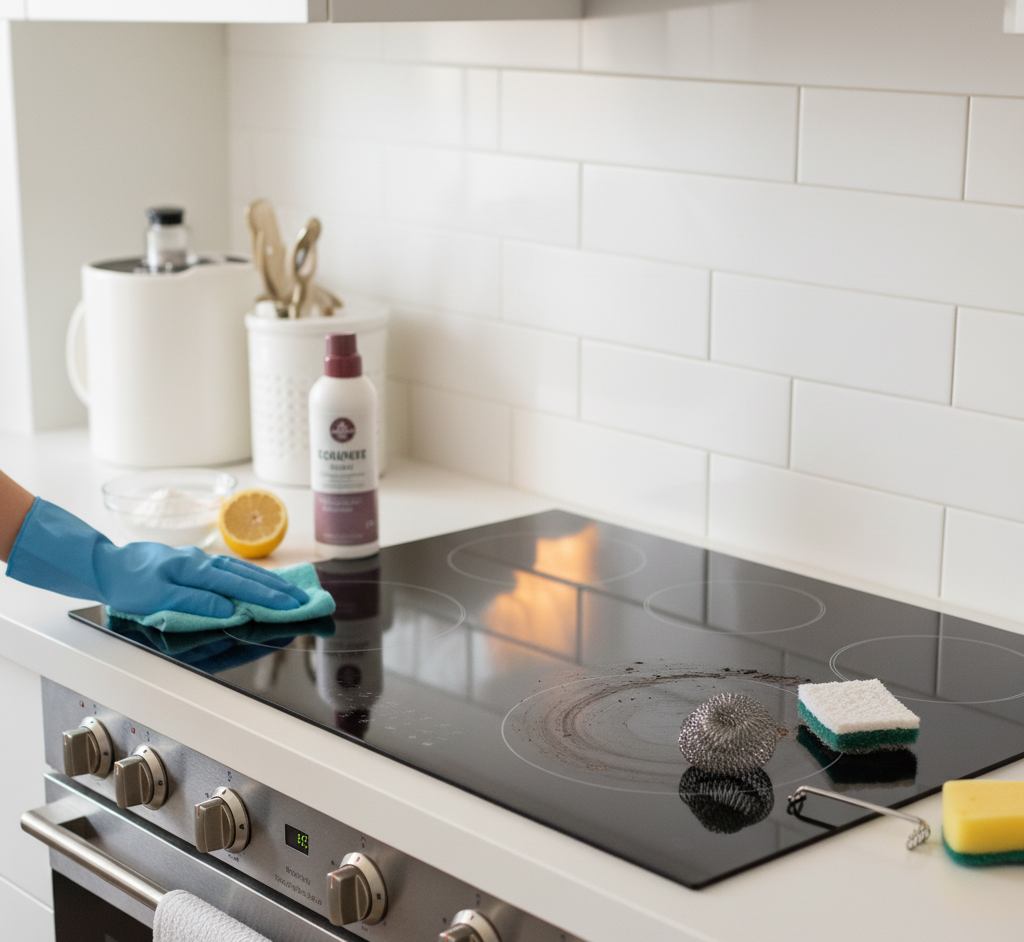
Cleaning a Glass Top Stove: The Do’s and Don’ts for a Perfect Shine

The glass top stove is the centerpiece of the modern kitchen. Its sleek, seamless surface offers a minimalist appeal that is both beautiful and functional. But for all its aesthetic charm, it is an appliance that strikes fear into the hearts of many homeowners. It looks so pristine, so delicate, that the first splatter of grease or boil-over of a sugary sauce can induce a wave of panic. We have all heard the horror stories of permanent stains, unsightly scratches, and a once-glossy surface dulled by the wrong cleaning methods. The truth is, cleaning a glass top stove is not a difficult or dangerous task. It is, however, a precise one. The glass-ceramic surface is a marvel of engineering, designed to withstand incredible temperature fluctuations, but it is not invincible. It is vulnerable to two primary enemies: scratches from improper tools and pitting from certain types of spills. The secret to keeping your glass cooktop looking brand new for years is not about using harsh chemicals or scrubbing for hours; it is about using the right tools, the right techniques, and, most importantly, a consistent routine. Understanding the Do’s and Absolute Don’ts Before we touch on how to clean, we must first establish the ground rules of what to avoid. Most damage to glass cooktops happens when well-intentioned people use the wrong products. To protect your investment, commit these rules to memory. The Absolute Don’ts: Never Use Abrasive Sponges: This is the cardinal sin of glass top stove care. Steel wool, green scouring pads, and any other abrasive sponge will create a web of fine micro-scratches on the surface. These scratches will not only dull the finish permanently but will also create tiny crevices where dirt and grime can become trapped, making future cleaning even more difficult. Never Use Abrasive Cleaners: Powdered cleansers like Comet or Ajax are designed for durable porcelain or stainless steel sinks, not for glass-ceramic. Their gritty particles will scratch the surface just as surely as an abrasive sponge. Never Use Ammonia-Based Cleaners: A standard glass cleaner like Windex might seem like a logical choice, but most contain ammonia. Ammonia is a harsh chemical that can be too strong for the cooktop’s surface, potentially causing discoloration or streaks that are difficult to remove. Never Use a Knife or Sharp Kitchen Utensil to Scrape: When faced with a stubborn, burnt-on piece of food, it is tempting to grab a butter knife to pry it off. This is a fast track to a deep, irreversible scratch. There is only one tool that is safe for scraping, which we will cover later. Never Clean While the Surface is Hot: Aside from the obvious safety risk of getting burned, applying a cool cleaning solution to a hot surface can cause thermal shock, which in extreme cases could crack the glass. Always wait for the indicator light to go off and for the surface to be cool to the touch. Never Let Sugary Spills Sit: If you are boiling jam, making candy, or a pot of sugary sauce boils over, this is the one time you must act quickly. A hot sugar spill can create a chemical bond with the glass-ceramic surface, causing permanent pitting or staining if it is left to cool completely. The Essential Toolkit  You do not need an arsenal of expensive, specialized products. A powerful and safe cleaning kit can be assembled from simple, effective household staples. Microfiber Cloths: You will need at least two—one for cleaning and one for buffing. Microfiber is soft, non-abrasive, and designed to trap dirt and absorb liquid without leaving behind lint. Baking Soda: This is your gentle but effective scrubbing agent. Its mild alkalinity helps to break down grease and food stains, and its fine particles provide just enough abrasion to lift grime without scratching. Distilled White Vinegar: This is your degreaser and polisher. The mild acid in vinegar cuts through grease and, crucially, dissolves the mineral deposits from hard water, which are a primary cause of streaks and hazy films. Keep it in a spray bottle, often diluted 50/50 with water. A Non-Abrasive Sponge or Pad: For scrubbing, you need a sponge that is safe for non-stick pans. A Cooktop Scraper: This is a specialized tool that is essential for any glass stove owner. It is a handle that holds a single-edge razor blade at a safe, low angle. When used correctly, it is the only tool that can safely remove heavy, carbonized food deposits without scratching the glass. Optional – A Commercial Cooktop Cleaner: Products like Weiman or Cerama Bryte are excellent. They are not just cleaners; they are conditioners. They often contain silicones that help to fill in microscopic imperfections and leave behind a protective film that makes future cleaning easier. This is best used as a final polishing step. Daily Maintenance and the Deep Clean Level 1: The Daily Wipe-Down The key to a perpetually clean stove is consistency. A quick, 60-second wipe-down after each use (once the stove is cool) will prevent the buildup that leads to major scrubbing sessions. Wait for it to Cool: Ensure the “Hot Surface” indicator light is off and the cooktop is cool to the touch. Remove Loose Debris: Use a dry paper towel or a microfiber cloth to wipe away any loose crumbs or food particles. Spray and Wipe: Lightly spray the surface with your 50/50 vinegar and water solution. The vinegar will immediately start to break down any light grease splatters from that meal. Buff Dry: Use a second, clean, dry microfiber cloth to wipe the surface dry. Use wide, circular motions to buff the surface to a streak-free shine. This simple routine is your best defense. If you do this every time, you will rarely need to perform a deep clean. Level 2: Burnt-On Messes This is the method for when life happens—a pot boils over, grease splatters and burns on, or the daily wipe-down has been neglected. Start with the Scraper: Once the cooktop is cool, tackle the most severe, raised deposits first. Take your cooktop scraper and, holding it at a low

Cleaning a Glass Top Stove: The Do’s and Don’ts for a Perfect Shine Read More »

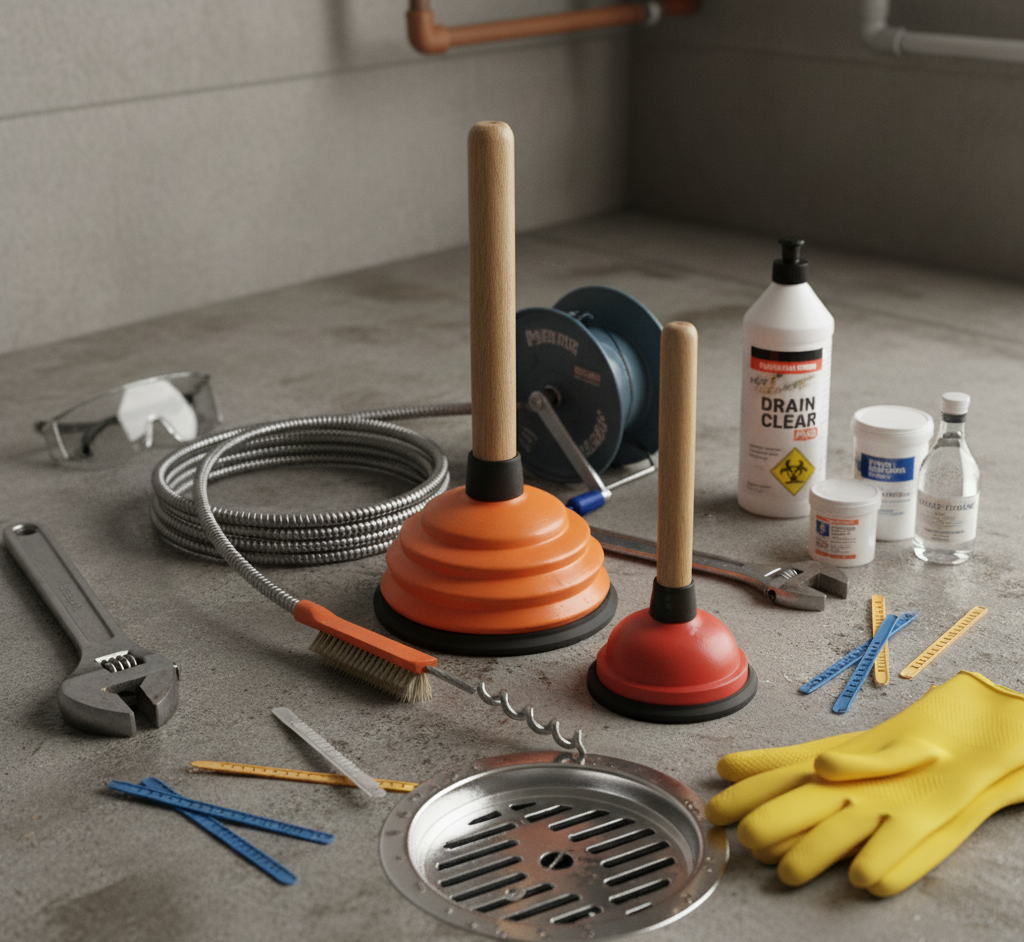
Clogged Drain? 4 Tips to Fix it Without Harsh Chemicals

Your clogged drain It starts with a subtle gurgling sound, a sign that the system is in trouble. Soon, the water in the sink takes just a little longer to disappear. Before you know it, you are standing in a shallow, murky pool at the end of your shower, or watching the kitchen sink fill with dirty water as you do the dishes. A clogged drain is one of the most common and frustrating household problems. It is a sudden, disruptive halt to the silent, efficient flow of water that we rely on every single day. The immediate temptation for many is to reach for a bottle of harsh, liquid chemical drain cleaner, pouring it down the drain in the hope of a quick, magical fix. This approach, however, is often the worst first step you can take. Chemical drain uncloggers are incredibly potent and dangerous substances that can cause more harm than good. To truly conquer a clog, you must first understand your enemy, then arm yourself with the right, methodical approach, escalating your attack from simple, safe solutions to direct, physical removal. 1.Location The nature of a clog is entirely dependent on its location. The kitchen drain and the bathroom drain are two different battlefields, with two different types of enemies. The kitchen sink is the primary recipient of grease, fats, and oils from cooking, along with small food particles. When you pour hot, liquid grease down the drain, it travels a short distance, cools, and then solidifies, coating the inside of the pipes. Over time, this sticky layer catches and holds food debris, coffee grounds, and other solids, gradually constricting the pipe until it is completely blocked. The bathroom drain, particularly in the shower or bathtub, faces a different foe: hair. Long strands of hair wash down the drain and act like a net. This net is then cemented together by the sticky, waxy residue of soap scum, conditioner, and toothpaste. This combination of a strong, fibrous net and a powerful, water-resistant binder creates a dense, stubborn plug that is incredibly effective at stopping the flow of water. The problem with reaching for a chemical drain unclogger is that these products are a brute-force, often indiscriminate weapon. Most are formulated with either sodium hydroxide (lye) or sulfuric acid. These are extremely caustic chemicals that work by generating a powerful chemical reaction to dissolve the blockage. This reaction creates significant heat, which can soften PVC pipes and, in older homes, can damage or corrode metal pipes, leading to leaks and far more expensive repairs. The fumes they release are toxic and can be a serious health hazard in a poorly ventilated bathroom or kitchen. Furthermore, these chemicals are devastating to the environment. If you have a septic system, they can kill the beneficial bacteria that your system relies on to break down waste. Even in a municipal system, they are eventually released into the waterways. The most immediate problem, however, is what happens when they fail to work. If the chemical does not clear the clog, you are now left with a pipe full of highly corrosive, dangerous liquid, making any subsequent attempt at physical removal with a plunger or a snake a hazardous undertaking. A far safer and more effective approach is to follow a logical progression of methods, starting with the least invasive. 2.Items You Have at Home The first line of attack, particularly for a slow-running kitchen sink, is boiling water. This method is aimed directly at the primary culprit: grease. Boil a full kettle or a large pot of water. Carefully pour the boiling water directly down the drain in two or three stages, allowing it to work for a few seconds between each pour. The intense heat can be enough to melt the solidified grease, breaking up the clog and flushing it through the system. This method is simple, cheap, and can be remarkably effective. A word of caution: if you have very old or brittle PVC pipes, the sudden, intense heat could theoretically damage them, but for most modern plumbing, it is a safe first step. If boiling water does not do the trick, the next step is the classic combination of baking soda and vinegar. This is a gentle, chemical-free method that works through a simple acid-base reaction. Start by pouring about half a cup of baking soda directly down the drain. Follow this with half a cup of distilled white vinegar. Immediately cover the drain with a plug or a cloth to contain the resulting reaction within the pipe. You will hear a fizzing and bubbling sound. This is the reaction creating carbon dioxide gas, and the vigorous bubbling action can help to physically dislodge and break up the gunk and grime of the clog. Let this mixture work for at least an hour, or even overnight for a more stubborn clog. Finally, flush the drain with a pot of boiling water. This method is excellent for maintenance and for minor, slow-running drains, but may not have the power to clear a complete and total blockage. When these gentle methods fail, it is time to escalate to direct, physical force. This is where manual tools come into play, and the most basic of these is the plunger. It is a tool most homes have, but few use to its full potential. It is important to know that there are two main types of plungers. The standard cup plunger is best for flat surfaces like a kitchen sink. The flange plunger, which has a smaller cup extending from the bottom, is designed to create a better seal in the curved opening of a toilet bowl, but it is also highly effective for bathtubs and showers. 3.Plunger and Drain Snake To use a plunger correctly, the first step is to create a proper seal. For a double kitchen sink, you must plug the other drain with a wet rag. In a bathroom sink or tub, block the overflow hole with a

Clogged Drain? 4 Tips to Fix it Without Harsh Chemicals Read More »

clean carpet

DIY vs. Store-Bought: What’s the Best Carpet Cleaning Solution?

The search for the “best” carpet cleaning solution is a universal quest for homeowners. The carpet is the soft, comforting foundation of a room, but it is also a magnet for everything life throws at it: spilled coffee, muddy footprints, pet accidents, and the slow, steady accumulation of dust and daily grime. The cleaning aisle presents a bewildering array of options, each in a bottle promising miraculous results, while online forums champion an equally vast number of DIY concoctions. The truth is, there is no single “best” solution. The best carpet cleaner is not a specific brand or a magic formula; it is the right solution for the right problem. The cleaner that effortlessly lifts a pet stain may be useless against a grease spot. The mixture that works for a small spill is different from what you need for a full-room deep clean. To truly master carpet care, you must move beyond the search for one perfect product and instead build an arsenal of knowledge, understanding what each type of cleaner does and when to deploy it. Chemistry of a Clean Carpet Before you can choose a product, it is crucial to understand the science of what you are trying to achieve. Carpet cleaners, whether commercial or homemade, rely on a few key types of ingredients to do their work. Surfactants: This is the foundation of most cleaners. “Surfactant” stands for “surface active agent.” These are molecules designed to break the surface tension of water, allowing it to penetrate fibers more effectively. They have a unique structure that is attracted to both water and oil, enabling them to latch onto greasy dirt, lift it from the carpet fibers, and hold it in suspension in the water so it can be blotted or extracted away. Simple dish soap is a basic surfactant. Enzymes: These are the biological powerhouses of stain removal. Enzymes are proteins that are designed to break down other, specific proteins, starches, and fats. This makes them incredibly effective on organic stains. A protease enzyme will break down protein-based stains like blood, grass, or urine. An amylase enzyme targets starches, and a lipase enzyme targets fats and oils. An enzyme-based cleaner is essential for any home with pets or children. Solvents: Some stains are not water-soluble. Grease, oil, ink, and tar will not be lifted by water-based cleaners alone. Solvents are chemicals that can dissolve these types of substances, breaking them down so they can be blotted away. Rubbing alcohol and citrus-based degreasers are common examples. Oxidizers: These are stain removers that work through a chemical reaction. They release oxygen molecules that break the chemical bonds of a stain, altering its structure so it no longer reflects colored light. This “bleaches” the stain away. Hydrogen peroxide and sodium percarbonate (the active ingredient in OxiClean) are the most common oxidizing agents. They are highly effective on colored stains from things like red wine, coffee, tea, and juice. Powerful Solutions from Your Pantry For many common carpet issues, you do not need to look any further than your own kitchen. These homemade solutions are cost-effective, readily available, and surprisingly powerful when used correctly. White Vinegar and Water The Formula: A simple solution of 50% distilled white vinegar and 50% water in a spray bottle. How it Works: Vinegar is a mild acid. This gives it the ability to dissolve general grime, break down some light stains, and neutralize alkaline messes. It is also an excellent natural deodorizer. Best For: Lightly soiled areas, general freshening-up, and some food-based stains. It is a fantastic first response to many spills. How to Use: Lightly spray the affected area (do not saturate). Let it sit for 5-10 minutes, then blot thoroughly with a clean, white cloth. Caution: Because it is an acid, it can react with and “set” certain protein-based stains like eggs or blood. It is not the best choice for those. Baking Soda How it Works: Baking soda is a mild alkali that is brilliant at absorbing both moisture and odors. Its fine, crystalline structure also makes it a very gentle abrasive. Best For: Deodorizing the entire carpet and for treating wet, greasy spills. How to Use (Dry): For general odors, liberally sprinkle dry baking soda over the entire carpet. Let it sit for several hours, or even overnight, to absorb odors, then vacuum it up thoroughly. How to Use (Wet): For a greasy spill, first blot as much as you can. Then, generously cover the stain with baking soda. The powder will wick the grease and oil up out of the carpet fibers. Let it sit until it forms a dry crust, then scrape it up and vacuum. Dish Soap The Formula: No more than one-quarter teaspoon of a clear, simple dish soap (without bleach or moisturizers) mixed into a cup of warm water. How it Works: This is a basic surfactant solution that can help lift general dirt and some greasy spots. Best For: Basic spills and dirt when you need a little more lifting power than vinegar. How to Use: Apply the solution sparingly with a cloth, blot, then “rinse” by blotting with a separate cloth dampened with plain water. CRITICAL CAUTION: Overuse is the enemy. Using too much soap, or failing to rinse it completely, will leave a sticky residue that will attract dirt faster than ever before, creating a dark spot over time. Hydrogen Peroxide (3%) How it Works: As an oxidizer, hydrogen peroxide is excellent at breaking down colored, organic stains. It naturally decomposes into just water and oxygen, making it a safe choice. Best For: Tough organic stains like blood, wine, or coffee. It is also great for sanitizing pet accident areas after the initial mess has been cleaned. How to Use: Apply a small amount directly to the stain. You should see it start to bubble and fizz as it reacts with the stain. Let it sit for 10-15 minutes, then blot thoroughly with a clean cloth. CRITICAL CAUTION: Hydrogen peroxide can have a mild bleaching effect. You must test it in a hidden, inconspicuous spot first (like inside a closet or under a large piece of furniture) to ensure it does not

DIY vs. Store-Bought: What’s the Best Carpet Cleaning Solution? Read More »