Bathroom Cleaning

Bathroom Cleaning

Different Types of Cleaning Cloths

Different Types of Cleaning Cloths: Clean Your Home Without Damaging It

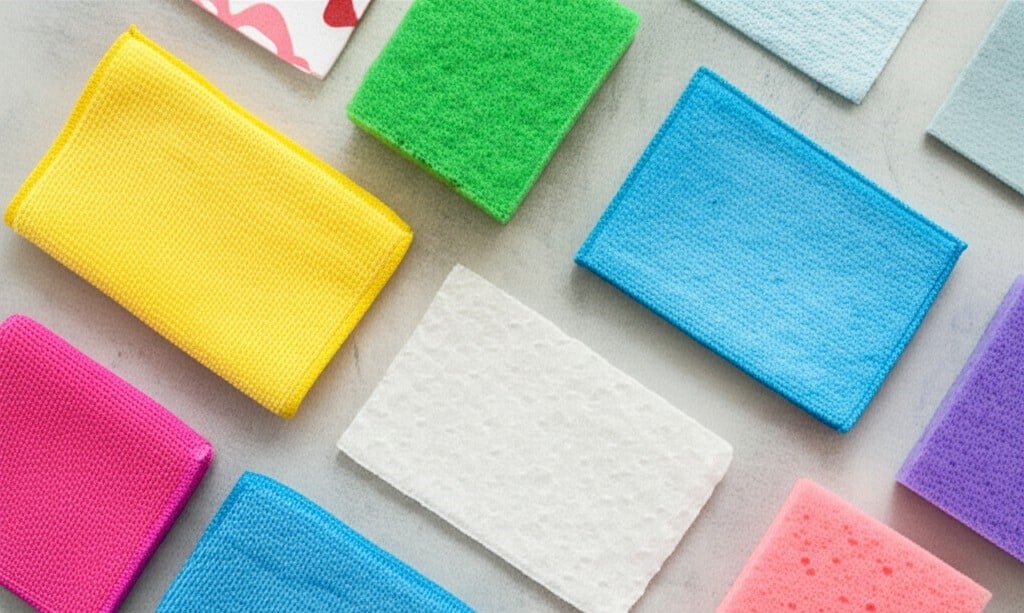
The Cloth in Your Hand Decides Whether You Clean or Scratch Ask any professional what matters most in a clean, and the answer is rarely the spray bottle. It is the cloth. Every wipe ends with a textile touching a surface, and the wrong one leaves lint, streaks, or a permanent scratch on what you were trying to care for. Learn what each fabric actually does and you can clean any room without damaging it. Microfiber: The Modern Workhorse Microfiber is not one product but a category of ultra-fine synthetic textiles, usually a polyester and polyamide blend. To earn the name, a fiber must measure finer than one denier, roughly silk-width, and most cloths go finer still. Manufacturing splits the fibers into star-like or wedge-shaped cross sections, creating enormous surface area plus microscopic hooks that grab dust, dirt, grease, and microbes instead of pushing them around the way plain cotton does. Dry, the cloth carries a mild positive electrostatic charge, and since dust tends to be negatively charged, it attracts particles like a magnet, making chemical sprays optional for routine dusting. Damp, capillary action lets it absorb seven to eight times its own weight in liquid and reach into surface pores other cloths skim over. Four weaves, four jobs All-purpose looped pile: The workhorse for countertops, spills, bathroom scrubbing, and general wet or dry tasks. Waffle weave: Recessed squares maximize absorbency and speed drying, the superior choice for dishes, glassware, and car paint without streaks. Glass and polish flat weave: A tight, suede-smooth, pile-free surface that glides over mirrors, windows, stainless steel, and chrome with zero lint; use one damp to clean, a second dry to shine. High-pile plush: Long, soft fibers swallow dust instead of releasing it back into the air, and the plushness safely buffs car wax or applies furniture polish. Caring for microfiber decides how long it lasts Wash microfiber only with itself or non-linting synthetics, since cotton lint embeds in the fibers and ruins the hooks. Never use fabric softener, which plugs the microscopic gaps and destroys absorbency, or bleach, which degrades the synthetic strands. Heavily soiled cloths included, the CDC’s bleach guidance reminds us bleach belongs on sturdy laundry and surfaces, not technical textiles. Cared for correctly, a quality cloth survives hundreds of uses. Cotton: The Classic, With Caveats Before microfiber, cotton ruled. It is soft, highly absorbent, and tough enough to take bleach and hot wash temperatures, genuinely useful for sanitizing cloths after heavy contamination. Three forms matter at home. Terry cloth towels drink up big spills and handle rough scrubbing, but they smear more than they lift and shed lint on glass and dark finishes. Flour sack towels, thin and tightly woven, are nearly lint-free, the old-school answer for drying glassware and shining silver, trading absorbency for a flawless finish. Rags cut from an old t-shirt or sheet are the cheapest answer to the messiest jobs, wood stain, shoe polish, garage grease, anything where the cloth gets discarded. The drawback is biology: cotton dries slowly, so damp cloths harbor bacteria and mildew odors, and it needs more water and solution to clean well because it lacks microfiber’s grabbing power. Cellulose Sponge Cloths: The Hybrid A longtime European favorite, these cloths blend natural wood pulp cellulose with cotton and behave like neither parent alone. Dry, they sit stiff as cardboard; wet, they turn soft and hold up to 20 times their weight in water. They wipe countertops, spills, and dishes to a streak-free finish paper towels cannot match, and hardening as they dry, they resist the sour smell that plagues sponges and dishcloths. Natural materials, they biodegrade and compost at the end of their life. Their limit is muscle: no power against baked-on food. Chamois: The Gold Standard for a Perfect Dry A true chamois is tanned sheepskin, despite the name’s goat-like suggestion. Soak it thoroughly, wring it to barely damp, and it lifts an enormous amount of water with zero streaks or spots, the traditional finish for a washed car and equally excellent on windows, silver, and jewelry. Real chamois is expensive and demands care, so most people reach for the synthetic alternative: a PVA, or polyvinyl alcohol, chamois that mimics the absorbency and streak-free finish, lasts longer, and often ships damp in a tube. Scrubbing Cloths: Non-Scratch vs Abrasive Dual-sided scrubbers add grit to a wipe, and picking the wrong side is how surfaces get ruined. Non-scratch versions use coarse plastic mesh or textured nylon, enough friction for stuck-on food in pots, soap scum on shower doors, and countertop grime, yet safe on non-stick coatings, ceramic cooktops, and acrylic. Abrasive versions pack steel wool or harsher materials and are strictly heavy duty: oven racks, barbecue grates, untreated cast iron. On almost any finished kitchen or bathroom surface they leave permanent damage, turning a five-minute clean into a repair bill. When doubt exists about a new material, test an inconspicuous spot first, a caution echoed by the CDC cleaning guide. Match the Cloth to the Job Cloth Best for Watch out for All-purpose microfiber Countertops, spills, bathroom scrubbing Laundering with cotton or softener Waffle weave microfiber Drying dishes, glassware, car paint Heavy scrubbing Glass flat-weave microfiber Mirrors, stainless steel, chrome Greasy first-pass cleanups Cotton terry and flour sacks Big spills; lint-free glass and silver polish Lint; odors while damp Cellulose sponge cloth Kitchen wiping, eco-friendly reuse Baked-on food Chamois or PVA Streak-free vehicle and window drying General scrubbing Abrasive scrubber Oven racks, grills, bare cast iron Any finished surface Stocking and laundering the right cloth rotation is grunt work professionals handle daily: our regular maid service brings a full kit for every surface, and our deep cleaning reaches every weave-appropriate corner. Rates sit on the pricing page, or call Toronto Shine Cleaning at (647) 424-0355 to book. Frequently Asked Questions What makes microfiber better than an old towel? Split ultra-fine fibers form microscopic hooks that trap dirt instead of sliding it around, and the cloth holds seven to eight times its weight

Different Types of Cleaning Cloths: Clean Your Home Without Damaging It Read More »

Cleaning services in laval

House Cleaning Services in Laval: Get a Fascinating Home Today!

Why Laval Residents Hire Professional House Cleaning A spotless Laval home no longer depends on abundant free time. Reputable cleaning services have become the go-to answer for households and businesses that want a genuinely sanitary space but cannot spare the hours, bringing expertise and dedicated time to everything from steady maintenance to full deep cleans. The payoff reaches past looks: healthier indoor air and a more pleasant home. Busy schedules push deep cleaning down the priority list even though its importance for well-being never changes, and a systematic professional service fills exactly that gap. Demand across the South Shore reflects a community that values its time and its surroundings alike. What a Proper Regular Clean Actually Covers Effective maintenance is a chain of meticulous habits, starting with dust on every horizontal and vertical surface. A professional approach reaches shelf tops, doorframes, baseboards, and window sills that quick wipes forget, capturing dust rather than redistributing it. Floors then get full attention: carpets and rugs are vacuumed edge to edge with equipment strong enough to lift dirt, allergens, and pet dander from deep fibers, while wood, tile, and laminate are mopped with pH-neutral solutions that sanitize without damage or residue. Performed consistently, this baseline separates a superficially tidy house from a truly clean one. The Kitchen and Bathroom Checklists The kitchen, hub of culinary activity, gets a rigorous multi-point process. Countertops are cleared and disinfected against bacteria and food particles. Refrigerator, oven, dishwasher, and microwave exteriors are wiped and polished until fingerprints vanish. The stovetop is degreased and scrubbed, the sink scoured, faucets polished against limescale and mildew, cabinet fronts freed of drips and hand marks, and the floor given a final meticulous sweep and mop. Bathrooms are held to a near-clinical standard, working top to bottom: Every fixture on the toilet is sanitized, inside the bowl and outside, including spots most people never touch. Sinks and countertops are scrubbed free of soap residue and germs, and mirrors come up streak-free. Showers and tubs get the heavy artillery: tile walls, grout lines, and glass doors are worked to remove soap scum, hard water staining, and any trace of mold or mildew. Wastebaskets are emptied and the floor sanitized last, so the room finishes fresher than it started. That scrubbing alone explains the value of hiring help; between visits, the CDC guide to cleaning and disinfecting your home flags which touchpoints matter most. Deep Cleaning: The Whole-Home Reset A deep clean does everything a regular visit does, then expands the boundary: windows are washed inside, and their tracks and channels are cleared out. Dust is pulled carefully off light fixtures, ceiling fans, and vents. Appliances are opened up, ovens degreased inside, refrigerators emptied and sanitized, microwaves cleaned in and out. Doors, frames, and baseboards are washed down, blinds may be wiped slat by slat, and furniture gets moved so the floors beneath and behind it are included. Homeowners schedule this reset seasonally, before a holiday or major event, or whenever the house needs a fresh start; our deep cleaning service lists the scope line by line. Move-In, Move-Out, and Post-Renovation Work Life events demand specialized cleaning. A move-out clean is the most intensive service on the menu: an empty residence scrubbed top to bottom and inside every cabinet, drawer, and closet, with walls spot-cleaned and fixtures polished, exactly what a tenant needs to protect a full security deposit or an owner needs to prep a listing for sale. The mirror image is a move-in clean, sanitizing your new home free of the previous residents’ dust before a single box is unpacked. Our move-in and move-out service covers both sides of the move. Post-construction and post-renovation cleaning is its own discipline. Job sites fill a home with extraordinarily fine drywall, wood, and material dust that is not ordinary dirt: it lodges in every crevice and needs specific equipment for safe removal. Industrial HEPA-filter vacuums capture these particles from air and surfaces, then multiple staged phases of dusting and wiping finish the job. This is not cosmetic polish but what makes a renovated space healthy to breathe, which is why contractors and homeowners treat it as a necessity. The Benefits That Keep the Market Growing Hiring out the work pays dividends beyond appearances. The most tangible is time: hours not spent scrubbing, dusting, and mopping return to career, family, hobbies, or rest, lifting the mental weight of an unfinished to-do list. Whole-house scrubbing is also real exercise, and the CDC breakdown of physical activity puts that daily labor in perspective. Health follows: a professionally cleaned home carries a markedly lower load of allergens, bacteria, and viruses, improving air quality for anyone with asthma, allergies, or respiratory sensitivities. Consistency compounds it: recurring visits stop cyclical grime buildup, keep the home ready for surprise guests, and act as preventative maintenance, protecting floors, fixtures, and finishes from permanent staining and wear so the property holds its value. Choosing the Right Cleaning Partner in Laval Evaluate companies the way a careful client should: Criterion What to look for Why it matters Insurance and bonding A fully insured, bonded company Peace of mind while crews work in your home Staff and supplies Trained, vetted teams with commercial-grade products Stronger results than consumer bottles and rented hands Green options Eco-conscious product lines on request Powerful cleaning that stays safe for kids and pets Service range Regular, deep, move, and post-construction work One trusted team for every life event, listed on our service areas page Toronto Shine Cleaning brings this standard to Laval directly, from regular maintenance visits to intensive resets, delivered by bonded and insured professionals. Call (647) 424-0355 to talk through your home, or request a quote online. Frequently Asked Questions How often should a Laval home book a regular cleaning? Most households choose weekly or biweekly visits, which stop dust and grime reaching the buildup stage. Busy families, pet owners, and anyone managing allergies benefit most from the shorter interval; single professionals often find twice a month enough.

House Cleaning Services in Laval: Get a Fascinating Home Today! Read More »

Airbnb Cleaning Service

How to Choose The Best Airbnb Cleaning Services in Toronto: 5 Key Factors

Airbnb Cleaning Services in Toronto: 5 Key Factors for a Five-Star Turnover A successful short-term rental lives or dies by one process: the turnover. This is not a simple tidy-up; it is a complete, systematic reset of the guest experience. In a world-class city the standards are exceptionally high, and the smallest oversight, a stray hair or a sticky spot on the counter, can compromise an entire stay. If you are choosing between companies offering Airbnb cleaning services in Toronto, here are the five factors that separate a professional reset from a rushed wipe-down. Factor 1: A Systematic Process That Starts at Checkout The moment a guest departs, the clock begins. The first action is ventilation: all windows and balcony doors open to flush out stale air and lingering odors from cooking or fragrances, creating a neutral, fresh canvas while the space airs out. During this window, a professional crew runs a preliminary walkthrough for assessment, not cleaning, scanning each room for new damage such as scuffs on walls, carpet stains, or broken items. Issues are documented immediately with clear, time-stamped photographs and reported to the host, standard operating procedure for any reliable service. Beds are stripped completely, and all towels, bathmats, and kitchen cloths go into laundry bags to prevent cross-contamination. Factor 2: Bedroom and Bathroom Detail Work The bedroom is a guest’s sanctuary, and its cleanliness must be absolute. After the linens come off, the mattress protector and pillows are inspected for staining and laundered or replaced as needed, and the mattress itself is vacuumed with an upholstery attachment to lift dust, allergens, and skin cells. Fresh linens go back on with intent: taut sheets, hotel-style corners, and a wrinkle-free duvet, because the bed is a presentation. Headboards, nightstands, and dressers are wiped down, drawers and closets are opened and checked for items left behind, and picture frames, lamps, and window sills are dusted before the floor is vacuumed under the bed and behind furniture. Nowhere is cleanliness scrutinized more intensely than the bathroom. A quality disinfectant goes on the shower, bathtub, toilet, and sink, then sits for several minutes to dissolve soap scum, grime, and bacteria, following the CDC’s logic for cleaning and disinfecting surfaces at home. The shower and tub are scrubbed wall to wall with special brushes for grout lines and drains, and glass doors are squeegeed to a streak-free finish. The toilet is disinfected inside and out, from bowl and seat to tank and the entire base down to the floor. Once sanitized, the space is restocked: ample toilet paper, fresh hand soap, full shampoo, conditioner, and body wash bottles, and three freshly laundered towels per guest, a bath towel, hand towel, and washcloth, folded neatly. The floor is mopped last, and light switches, door handles, and the exhaust fan cover get a final wipe. Factor 3: Kitchen Disinfection and Restocking The kitchen is where guest trust is won or lost. Turnover cleaning starts by emptying the refrigerator and freezer of any food left behind, then wiping every interior shelf, drawer, and door seal with a food-safe disinfectant. Appliance exteriors and handles are polished, the microwave is cleared of splatters, the oven is inspected for spills, and the stovetop is degreased until it shines. Countertop items like the coffee maker and toaster are lifted so the surfaces underneath can be fully sanitized. The sink is scoured, the faucet polished, and cupboards and drawers spot-checked, with all provided dinnerware, glassware, and cutlery inspected. When it is a DIY job, follow Health Canada’s advice on using household chemicals safely; a professional crew handles those products for you. Restocking is part of the service: fresh paper towels, a new sponge, dish soap, dishwasher pods, a cleaned and full coffee station, and bins emptied, wiped, and relined before the floor is swept and mopped. Factor 4: Living Areas and the Extra-Mile Details The living room is where first impressions form, so every surface from coffee tables to the television stand and bookshelves is dusted. Upholstery is vacuumed with cushions removed to clean the frame beneath, cushions are fluffed and arranged, and throw blankets are folded. Books and magazines are organized, rugs are straightened and vacuumed, and the floor is finished with attention to corners and baseboards. Then come the details that elevate a clean from standard to exceptional: Baseboards wiped down to remove scuffs and dust. Door frames, doorknobs, and light switches sanitized as high-touch points. Interior windows checked for fingerprints and smudges. Every light bulb checked so none are burnt out for the arriving guest. Factor 5: The Final Walkthrough and Handoff The last step is quality control with fresh eyes: a supervisor or the cleaner tours the property as a newly arriving guest would, checking that pillows are perfectly arranged, the welcome mat is straight, and the air smells neutrally clean. The thermostat is set to a comfortable temperature, blinds are adjusted to a uniform position, and only then is the property securely locked and a confirmation message sent to the host. For hosts aiming for Superhost status, this level of turnover is not a luxury; it is a strategic necessity. Toronto Shine Cleaning serves properties across the city and the GTA, which you can confirm on our locations page. The Turnover at a Glance Area Reset essentials Restocking and checks Bedroom Vacuumed mattress, hotel-style bed-making, wiped surfaces Fresh linens, lost-item sweep of drawers Bathroom Disinfected and scrubbed tub, shower, toilet; squeegeed glass Three fresh towels per guest, soap and TP stocked Kitchen Disinfected fridge, degreased stove, scoured sink Coffee station, dish supplies, relined bins Living areas Dusted surfaces, vacuumed upholstery, finished floors Bulbs, blinds, thermostat, final walkthrough Airbnb Cleaning FAQs How quickly can a turnover crew reset my unit? Professional crews work from a fixed checklist and arrive fully equipped, built around tight turnover windows between late checkouts and evening arrivals. Book a company that treats those windows as non-negotiable and confirms completion after every visit. Do Airbnb cleaners handle laundry as well? A

How to Choose The Best Airbnb Cleaning Services in Toronto: 5 Key Factors Read More »

housekeeper deep cleaning

Deep Cleaning Services in Toronto, We Do It Right!

Deep Cleaning Services in Toronto: The Complete Reset Your Home Needs A regular cleaning keeps surfaces tidy, but the grime that accumulates below the surface quietly builds up over the months. That is the domain of specialized deep cleaning services in Toronto. Unlike standard housekeeping, a deep clean is a comprehensive, methodical process that tackles dirt in every often-overlooked, hidden corner of your home: a fundamental reset that restores your space to a truly pristine state. What Makes a Deep Clean Different? Professional deep cleaning focuses on a thorough, top-to-bottom reset of every room, targeting buildup that routine visits simply do not reach. It goes far beyond the surface and into the details: grease on cabinet fronts, dust in air vents, limescale on fixtures, and grime in grout lines. The scope demands expertise and specialized equipment, and more and more Toronto homeowners and businesses are investing in it, whether for a spring reset or as part of ongoing maintenance. For a fuller breakdown of what a session covers, see our guide to deep cleaning services in Toronto. Kitchen Deep Cleaning: Degreasing and Appliance Interiors In kitchens, the work is all about degreasing and disinfecting, starting inside your cupboards. Crews empty cupboards and pantries to inspect for spills, sticky residue, forgotten food, and signs of pests, then degrease and sanitize every interior surface. Handles and cabinet fronts get attention too, because repeated hand contact leaves a sticky film. Appliances receive treatment they almost never get at home: Oven: racks soaked, interior carbon buildup scrubbed, door glass cleaned for a like-new view. Stovetop: grates and burner caps removed and cleaned, boiled-over residue scrubbed from the surface. Range: pulled out so the sides, the floor behind it, and the wall are reached and wiped clean. Refrigerator and freezer: emptied, shelves and drawers washed, door gaskets detailed with a small brush, condenser coils vacuumed of dust to support efficiency and lifespan. Small appliances: toaster crumb trays emptied, coffee makers and kettles descaled, microwave interiors scrubbed, including the often-splattered ceiling. Bathroom Deep Cleaning: Soap Scum, Limescale, and Grout Bathrooms are scrubbed and sanitized top to bottom, dissolving soap scum and body residue from tubs and showers with specialized agents made for stubborn film. Shower doors and glass enclosures are cleaned until streak-free, the tracks at the base are cleared of accumulated gunk, and tiles and grout lines are meticulously scrubbed to lift mildew and dirt from porous grout. Stubborn mold and mildew in damp bathrooms are common culprits, and the CDC’s guidance on mold and your health explains why proper removal matters. Health Canada also recommends keeping indoor humidity low and fixing moisture sources so mould cannot take hold in the first place. Fixtures get their shine back as limescale and mineral deposits are removed from faucets and showerheads, and chrome is polished. Toilets are cleaned inside the bowl and across the entire exterior, from the tank lid and handle to the seat, hinges, base, and surrounding floor, plus the often-ignored overflow hole inside the tank, flushed clean with disinfectant. Vanity and medicine cabinets are emptied and wiped inside, and exhaust fan covers are removed and washed, because a dusty fan cannot ventilate properly and traps the humidity that leads to mildew. Living Areas and Bedrooms: A Top-to-Bottom Reset Crews work from the ceiling down to the floor in every room. Cobwebs are removed from corners and ceiling edges, light fixtures and ceiling fan blades are dusted, and the tops of bookcases, wardrobes, and cabinets are reached. Walls are spot-cleaned of scuffs and splatters, and baseboards, door frames, window frames, and switch plates are hand-wiped one by one. The process continues behind and beneath the obvious. Furniture is moved so the floors underneath are reached, and upholstery is vacuumed with crevice tools to extract dust, skin cells, and allergens from fabric. Wood furniture is polished, lampshades and blinds are dusted, and the air system itself is addressed: vents and grilles are vacuumed and wiped, and HVAC return air covers are pulled and dusted out. Professional crews rely on HEPA-filter vacuums that capture microscopic allergens rather than recirculating them, and steam cleaners that sanitize without harsh chemicals. When Toronto Homes Need a Deep Clean Most Deep cleaning requests tend to follow life events: Moving into or out of a home, when deposits and first impressions are at stake. Post-renovation cleanup after the construction dust settles in every crack. Seasonal refreshes, especially the annual spring clean. Before hosting an event or gathering, such as a wedding at home or the holidays. Preparing a space for a new baby or toddler who will crawl across every floor. Allergy season, when dust, dander, and pollen accumulate indoors. How to Choose a Professional Deep Cleaning Company Not all services are created equal, so choose carefully. Look for a company that offers a range of deep cleaning options with a detailed, transparent list of what each package includes. Prioritize experienced, trained professionals who understand the right products and techniques for different surfaces, and verify that the company is insured and bonded to protect your home and belongings. What to check Why it matters Transparent scope and checklist You can compare packages and know what is covered before booking. Trained, vetted crew Correct products and techniques protect finishes instead of damaging them. Insurance and bonding Toronto Shine carries a $1,000,000 insurance policy and a $10,000 accidental breakage and surety bond. Flat, upfront pricing Our deep clean starts at $270.38 before HST for a studio or one-bedroom, shown on our pricing page. Deep Cleaning Service FAQs What is included in a deep cleaning service in Toronto? A full reset of each room: kitchen cabinets and appliances inside and out, bathrooms degreased and descaled with grout scrubbed, walls spot-cleaned, baseboards and switch plates wiped, vents dusted, furniture moved, and floors and carpets thoroughly cleaned. How is deep cleaning different from regular housekeeping? Regular visits maintain cleanliness on visible surfaces. A deep clean restores the areas maintenance skips, which is why many homes pair

Deep Cleaning Services in Toronto, We Do It Right! Read More »

Cleaning vinegar vs regular vinegar

Cleaning Vinegar vs Regular Vinegar: Which One Should You Use?

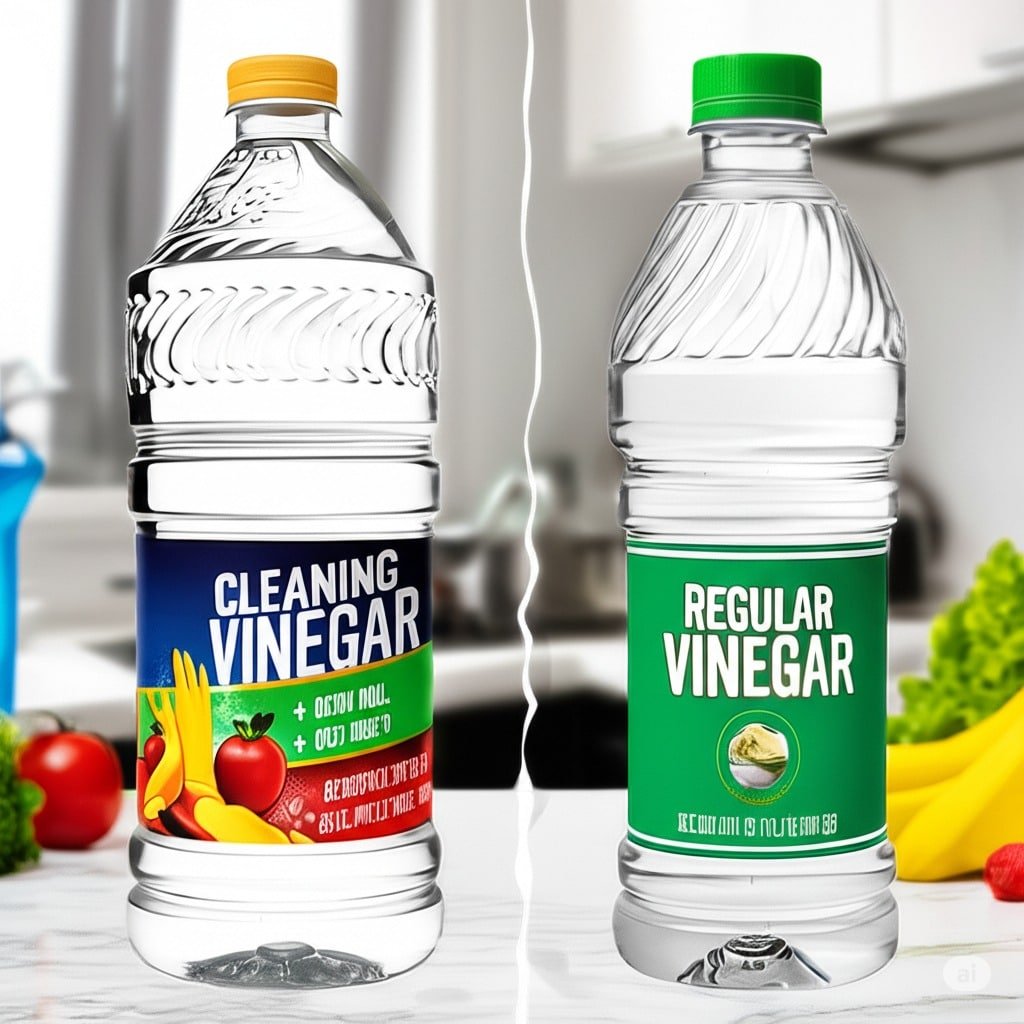
Is Cleaning Vinegar Just Marketing, or a Real Product? There it sits in the cleaning aisle, a big jug labeled cleaning vinegar, looking far more industrial than its culinary cousin in the condiment section. The natural question is whether that jug is a genuine upgrade or a rip-off, and the honest answer is that the difference is real. Both products are solutions of acetic acid in water, and that acid is the ingredient doing all the cleaning work. What separates the bottles is concentration, and once you understand that single variable you can use each one safely and stop guessing. How Any Vinegar Gets Its Acid All vinegar begins with a two-step fermentation. First, yeast converts sugars from a plant source such as corn, apples, grapes, or grains into alcohol. Then a specific bacterium, Acetobacter, turns that alcohol into acetic acid. The final acid concentration is what distinguishes one type of vinegar from another, and it is the entire story behind the cleaning-aisle price jump. Regular White Vinegar: The 5 Percent Pantry Staple Standard distilled white vinegar sold for food in North America is strictly regulated and typically contains 5 percent acetic acid. That level balances palatability and safety for eating with enough punch for pickling and dressings, and because it is food-grade, it brings peace of mind to kitchen cleaning. You can descale a coffee maker and trust that leftover residue is harmless, or wipe counters and microwaves without dragging inedible chemicals where food is prepared, one reason general cleaning references like the CDC home cleaning guidance treat plain vinegar-class solutions as reasonable everyday tools. Five percent is strong enough for a remarkable roster of jobs. The acid dissolves the calcium and magnesium deposits behind hard water stains, clearing scale from coffee machines and kettles, unclogging scaled shower heads, and stripping the chalky film off glass shower doors and faucets. It cuts light grease on stovetops and backsplashes and neutralizes alkaline odors, useful in disposals, refrigerators, and musty laundry; a small bowl on the counter absorbs cooking smells overnight. As a dishwasher rinse aid it breaks down soap residue for spot-free glassware, and a cup in the wash rinse cycle softens clothes by clearing detergent buildup without a waxy coating. Expect the pantry bottle to handle roughly 90 percent of what a household throws at it. Cleaning Vinegar: 6 to 8 Percent for the Worst Messes Cleaning vinegar looks identical but carries a higher concentration of acetic acid, typically around 6 to 8 percent. A move from 5 to 6 percent sounds trivial, yet it represents about a 20 percent increase in acidic strength. That boost shows up exactly where regular vinegar demands more elbow grease and patience: thick, caked-on soap scum in tubs and showers, severe hard water staining months in the making, and neglected grout holding deep-set grime and mildew stains. In very hard water homes it turns a frustrating scrub session into a quick wipe-down. Some people also deploy it as a more natural weed killer, desiccating the plants that sprout in driveway and sidewalk cracks. The Trade-Offs: Not Food, Stronger Fumes, More Risk Real power carries real caveats. Cleaning vinegar is not produced to food-safety standards, may contain impurities absent from distilled white vinegar, and its label almost always warns, not for consumption. Never use it in cooking or food prep, and never drink it even diluted. The stronger concentration also releases more potent fumes, so in an enclosed bathroom, ventilation is not optional. Open a window or run the exhaust fan; the sharp acidic vapor can irritate airways, and sensitive individuals find the smell overwhelming. Direct contact more readily irritates skin and eyes, so gloves are a wise default. Surface risk rises too, and the no-go list is absolute: natural stone including marble, granite, travertine, and limestone etches and dulls permanently even when diluted; unsealed grout slowly dissolves; hardwood finishes strip; and cast iron and aluminum pit and corrode. A spot-test in an inconspicuous area is non-negotiable before cleaning vinegar touches a new surface. Two Bottles, Two Jobs Task or concern Regular 5% white vinegar Cleaning vinegar 6 to 8% Kitchen surfaces and appliances Yes, food-safe residue No, not food-grade Descaling kettles and coffee makers Ideal Unnecessary overkill Deodorizing fridge, disposal, laundry Works well Works, needs ventilation Heavy soap scum and scale Slow, more scrubbing Its home turf Neglected grout and mildew staining Mild cases only Deep-set grime Natural stone, hardwood, unsealed grout Cautious no Absolute no Universal Rules for Either Bottle Dilute roughly 1 part vinegar to 1 part water in a spray bottle for general surfaces; save undiluted use for heavy descaling tasks. Never mix vinegar with chlorine bleach under any circumstances: the reaction produces toxic chlorine gas that can be fatal if inhaled. The CDC bleach safety guidance covers exactly why bleach and acids must stay in separate bottles. Never combine vinegar with hydrogen peroxide either, because the mixture forms peracetic acid, a corrosive irritant to skin, eyes, and airways. Rinse treated surfaces with plain water afterward when they may be sensitive to prolonged acid exposure. Start your vinegar journey with the standard 5 percent grocery-store bottle; buy the stronger jug only once a specific recurring problem proves it needed. Think of regular vinegar as the family doctor and cleaning vinegar as the specialist. When a reset is bigger than any bottle, a bonded and insured crew is the next step: book a deep clean, keep up with a regular maid visit, check rates on our pricing page, or call Toronto Shine Cleaning at (647) 424-0355. Frequently Asked Questions What is the actual difference between cleaning vinegar and regular vinegar? Concentration. Regular distilled white vinegar holds about 5 percent acetic acid and is food-grade, while cleaning vinegar runs 6 to 8 percent, about 20 percent stronger at the low end. Everything else, fermentation from plant sugars through yeast and Acetobacter bacteria, is the same chemistry. Can I use cleaning vinegar anywhere I use the pantry kind? No, and you should

Cleaning Vinegar vs Regular Vinegar: Which One Should You Use? Read More »

August cleaning preparation

How to Prepare for August Cleaning: 7 Steps, Fast and Easy

Why August Deserves Its Own Cleaning Reset Toronto air in late August has a particular weight. Summer peaks just before it starts retreating, and every room shows it: pollen-dusted glass, grit ground into entryway tile, a fridge stuffed with barbecue leftovers. An August clean is not ordinary tidying. It is a systematic reset that strips out the season’s specific grime and lays a clean foundation for the indoor months ahead. The seven steps below cover the whole arc. Step 1: Deal With the Air First Open windows let pollen, city dust, and allergens drift into every room, and the HVAC system has run nearly nonstop all season. Its filter is your first line of defense: a grey, clogged unit wastes energy and pushes right back the particles you are trying to evict, so replacing it is the opening move. Once the new filter is in, vacuum every intake and exhaust vent with a brush attachment. As you work through the rest of the plan, the CDC’s home cleaning and disinfecting guidance is a sound baseline for surface work. Step 2: Windows, Screens, and Tracks Screens have spent the season intercepting bugs, leaves, and dirt. Pull them and wash each one with a soft brush, mild soap, and a spray from the garden hose. While they dry, attack the channels they came from: window tracks and sills are small graveyards for dust and insects, so vacuum the loose debris and scrub the caked residue with an old toothbrush. Then wash the glass on both sides, choosing an overcast day, because sun bakes cleaner onto the pane and leaves streaks. This step brightens the house immediately. Step 3: Floors Carry the Season’s Story The floors hold the record of summer: sand from the Beaches, garden soil, grass tracked in from the park. Mop hard floors thoroughly and expect high-traffic lanes to need a second pass. Wall-to-wall carpet and area rugs are due for a real extraction clean with a rented or owned carpet machine, because ordinary vacuuming never reaches the settled grit and allergens; the murky water you dump out is proof of that. Pull furniture aside and clean underneath, where three months of dust bunnies and lost hair clips have gathered quietly. Step 4: Cut the Kitchen’s Grease Film The refrigerator has been a revolving door all summer. Empty it shelf by shelf, wash the shelves and drawers in warm soapy water, wipe the interior with a food-safe cleaner, and check expiration dates as you go. Handles and doors get wiped in the same motion. Summer cooking leans on frying and grilling, which leaves a sticky film on cabinets, backsplash, and especially the range hood: spray a degreaser, let it sit a few minutes, then wipe it clean. Finish by pulling the oven and stove forward to wash the exposed sides and the floor behind them, the most forgotten grease traps in any home. Step 5: Reset the Living Room’s Soft Surfaces Dust and dander settle into fabric, so give upholstery real attention. Launder any sofa cushion covers marked machine-washable; for everything else, vacuum slowly with the right attachment, working into every seam and crevice. To pull odors, scatter baking soda over the fabric, let it sit for half an hour, then vacuum it off. Wash throw blankets and pillows per their care tags. Dust with a damp microfiber cloth, which traps particles instead of scattering them, and reach the spots daily cleaning skips: picture-frame tops, ceiling fan blades, and lamp shades. Step 6: Bathrooms After a Humid, High-Traffic Season Bathrooms absorb summer humidity and a steady stream of guests in swimwear, so scrub grout lines on floors and in showers where soap scum and mineral deposits have hardened; a baking soda and vinegar paste handles them well. Wash the shower curtain and its liner. Then remove the exhaust fan cover, usually caked with dust, and clean it so the fan can genuinely pull moisture from the air. That detail matters because damp, stagnant air invites mildew, and the CDC’s page on mold explains why controlling moisture is the real defense. Empty medicine cabinets and vanities, tossing expired products. Step 7: Retire the Summer Gear and Reclaim Storage Seasonal belongings need a clean exit. Wash pool toys and inflatables, dry them fully, deflate, and store them for next year. Give the barbecue grill its post-season service: scrape the grates, empty the grease trap, wipe the exterior, then cover it for cooler months. Wipe the pollen layer off patio furniture, and make sure cushions are completely dry before boxing them, since damp cushions in storage grow mildew. Finish with the declutter: Sort summer clothes into keep, donate, and toss piles. Organize the garage and basement so sports equipment, camping gear, and garden tools each have a designated home. This is the step that turns chores into an actual season handoff. The August Reset at a Glance Zone Core tasks Why now Air system Replace filter, vacuum vents Pollen and dust loaded every room Windows Wash screens, scrub tracks, clean glass Brighter rooms before light fades Floors Double mop, carpet extraction, move furniture Settled grit holds allergens vacuums miss Kitchen Fridge reset, degrease hood and cabinets Old grease invites odor and pests Upholstery Launder covers, baking soda pass, damp dust Fabric collects dander all season Storage Wash, dry, and box seasonal gear Protects belongings and reclaims space August Cleaning Questions, Answered How long does a full reset take? Split it across two weekends: one for air, windows, floors, and upholstery, another for the kitchen, bathrooms, and storage. Doing the filter swap first means you are never blowing last season’s dust onto surfaces you just cleaned. What should I cut if I only have one day? The air step and the floors. Allergens drawn in through open windows end up in the filter and ground into carpet pile, so clearing those two gives the health payoff even when everything else waits. Is renting a carpet cleaner worth it? If sandy feet crossed the

How to Prepare for August Cleaning: 7 Steps, Fast and Easy Read More »

housekeeper

What Is a Housekeeper? 3 Reasons Why You Should Hire One

A Housekeeper Is a Manager, Not Just a Visitor With a Vacuum Most people picture a housekeeper with a duster or a vacuum, but the actual role runs far deeper. A professional housekeeper maintains the order, cleanliness, and function of a household as a whole system, which is why busy families and professionals treat the position as backbone rather than luxury. The job is not to perform one task and leave; it is to sustain an environment where the people who live there can thrive. Here is what the role genuinely covers, how it differs from standard cleaning, and three reasons households hire for it. What a Housekeeper Actually Handles Deep and routine cleaning: kitchens, bathrooms, floors, careful dusting, vacuuming, and laundry. Organization: clutter control, storage systems, tidy play spaces, and orderly shelves. Light management: stocked supplies, small errands, pet care, plants, and vendor coordination. The duties fall into three broad categories. The first is cleaning of every depth: kitchen and bathroom sanitizing, grout scrubbing, fixture polishing, and floor care matched to hardwood, tile, carpet, or laminate so each material lasts longer. Dusting reaches baseboards, light fixtures, ceiling fans, blinds, and decor rather than stopping at tabletops, and vacuuming and mopping go under furniture and into forgotten corners. Laundry is commonly part of the role too: washing, drying, folding, ironing, and putting away clothes, linens, and towels, plus beds made with real care. The second category is organization. A housekeeper reduces clutter and builds storage systems for closets, pantries, and common areas, tidies children’s play spaces, and straightens bookshelves and paperwork. The payoff is fewer hours hunting for things and a home that flows through the day instead of fighting you. The third is light household management: keeping cleaning products, toiletries, and pantry staples stocked, running small errands like groceries or dry cleaning, handling basic pet-care tasks such as feeding or tidying pet areas, and watering indoor plants. In larger homes, a housekeeper can also coordinate plumbers, electricians, and gardeners, acting as the single point of contact so maintenance actually happens while you are at work. Cleaner or Housekeeper: Know What You Are Hiring The distinction matters when you book. A cleaner arrives for a set number of hours, completes defined tasks, and leaves; the focus is the condition of the space that day. A housekeeper holds an ongoing relationship with the home, handling continuous upkeep, proactive organization, and the daily rhythm of the place, and learns its quirks and your preferences over time. That accumulated knowledge is what turns a service into a partnership. Dimension Standard cleaner Housekeeper Relationship Scheduled visit, task list Ongoing steward of the household Scope Cleaning the space Cleaning, organizing, light management Knowledge General best practice Your routines, materials, and preferences Typical result A clean house today A smoothly run house every week Reason 1: You Buy Back Your Time The first case for hiring is arithmetic. Careers, family, social commitments, and personal goals all compete with chores, and cleaning hours accumulate quietly, swallowing weekends and evenings. A housekeeper liberates that time for what actually enriches your life: people you love, hobbies, exercise, or genuine rest. Coming home to a finished sanctuary instead of a to-do list is not indulgence; it is a transfer of the day’s least rewarding hours to someone whose job it is to do them well. If reclaimed hours go toward movement, the CDC summary of the benefits of physical activity is a good reminder of what that time is worth. Reason 2: Less Stress and a Genuinely Healthier Home An untidy space runs a constant background process in your mind: the guilt, the planning, the nagging awareness of what still needs doing. A housekeeper closes that process. The mental load lifts when you know professionals care for the home consistently, chore arguments in shared households evaporate, and the space is always ready for impromptu guests or for your own enjoyment. The hygiene side is just as real. Housekeepers are trained in technique and product use, and they sanitize in ways that limit germs, dust, and allergens, which matters most in homes with children, pets, or anyone with allergies or respiratory sensitivities. Consistent cleaning improves indoor air quality, slows the spread of illness, and handles trouble spots like bathroom mildew or pollutant-loaded carpet. Hand-in-hand with that, reliable habits like the ones in the CDC’s handwashing guidance protect a household most when the surfaces around them are kept clean too. Reason 3: Expertise That Pays for Itself Professional knowledge of surfaces, materials, and agents means contents are preserved, not just wiped. Housekeepers work fast with systematic methods, and they spot what you might miss: a small repair before it grows, early signs of pests, a failing seal. That extra pair of watchful eyes extends the life of furnishings, appliances, and finishes, which defers replacement costs you would otherwise pay later. The role also flexes to household type. Dual-career parents get hours back with their kids. Elderly or mobility-limited residents keep their independence in a safe, comfortable home. Frequent travelers return to a place that kept running. And for people who simply dread cleaning, the dread itself is removed. Consistency builds trust, and trust is the product. What the Investment Really Covers Yes, there is a cost, and yes, it buys more than square footage. Toronto Shine Cleaning’s regular housekeeping visits start at $212.63 before HST for a studio or one-bedroom and $273 for a typical two-bedroom home, with deeper resets priced from $270.38; the full menu sits on our pricing page. We are bonded and insured under a $1,000,000 policy with a $10,000 accidental breakage and surety bond, and you can read what clients say on our reviews page. Weigh that against the value of your evenings and your peace of mind, and the math tends to favor the hire. Compare it with a one-off deep clean or book recurring help through our regular maid service, and call (647) 424-0355 when you are ready. Housekeeper Questions, Answered Do I need a

What Is a Housekeeper? 3 Reasons Why You Should Hire One Read More »

organizing child's wardrobe

Organizing Your Child’s Closet: Stop Making These Mistakes

Why Kids’ Closets Become Chaos Zones Every child’s closet follows the same arc. It begins with a few shirts out of place and ends as a landslide of clothes that may or may not fit, orphaned shoes, forgotten toys, and objects that defy categorization. Restoring order is not about making a photo-worthy space; it is about building a system a child can understand and help maintain, so the closet simplifies the day instead of ambushing you with a sock crisis at 7:40 in the morning. Below is the full method, plus the mistakes that quietly undo good intentions. Step 1: Empty the Whole Thing and Sort Ruthlessly Remove absolutely everything: clothes, shoes, belts, stuffed animals, the baseball glove from last spring. Pile it in the open middle of the bedroom floor. The sight will be alarming, and that is the point, because seeing the true volume stops you from simply reshuffling clutter. Before touching a hanger, set out four labeled containers: Keep, Donate, Trash, and Outgrown. Then judge every item one at a time with strict honesty. Does it fit right now? If not, it does not go back in the closet. Is it stained, torn, or beyond reasonable repair? Into Trash. Good shape but never worn, itchy, or disliked? Into Donate. Quality pieces too small for hand-me-downs? Into Outgrown, selectively. The Outgrown box has a narrow job: keeping genuinely nice items for a younger sibling or relative. Be picky, or you have just moved the clutter to the attic. When the box fills, label the size and season, something like boys 3T summer, and store it under a bed or in the basement, never in the active closet. Step 2: Get the Child Involved Without Losing the Weekend A child old enough to have opinions should shape the Keep pile: ask whether they still love wearing a given shirt, and they gain ownership of the result. You still hold the veto on anything too small or damaged. The trap is the question itself. Never ask, do you want to get rid of this, because the answer is always no. Frame discarding as generosity instead: another kid needs the coat more. Loss becomes a gift, and the sort moves twice as fast. Step 3: Clean the Empty Closet Before Refilling It People skip this step constantly, and it is half the benefit. With nothing in place, wipe every surface: shelves, the hanging rod, walls, baseboards. Vacuum the floor properly, corners included. Take the blank-canvas moment to improve the space: a coat of light paint makes a dark closet feel bigger, and a battery-operated motion-sensor puck light helps a child actually see what they own. If the closet smells musty or you have spotted any fuzzy growth on drywall, deal with it now; the CDC’s mold information page explains why moisture and mildew get addressed early, and the CDC’s cleaning and disinfecting guidance covers the wipe-down itself. Step 4: Build the Closet Around the Child, Not the Adult Accessibility decides whether the system survives. The standard closet layout, one high rod and one high shelf, was designed by and for adults, which is why your child cannot dress themselves or tidy up. The single most impactful fix is dropping the main hanging rod to kid height. If the rod will not move, hang a closet doubler, an inexpensive second rod that clips onto the first, and everyday shirts, dresses, and jackets live on the low level while the high rod stores off-season and costume items. Next, abandon folded stacks. Children do not maintain neat piles, and bins remove the requirement: one open-top basket for pajamas, one for sweaters, one for shorts and athletic wear. The job is simply getting the item into the right bin, not folding it well. Socks and underwear fit in smaller bins or drawer dividers, and clear shoebox-size containers let kids see contents instantly. Make labels mandatory: printed photos of socks or t-shirts for pre-readers, label-maker text for kids who read. Labels delete all guesswork about where things belong. Shoes need their own address or they migrate across the floor: a small two-tier rack for daily pairs, or an over-the-door organizer with clear pockets that lifts everything off the ground and doubles as storage for hats, mittens, and scarves. Then use the walls: a row of hooks holds the bathrobe, backpack, favorite costume, and tomorrow’s outfit, laid out the night before to end the morning wardrobe negotiation. Step 5: Refill by Category, Then Hold the Line Put Keep items back strategically: shirts grouped together, then long sleeves, then sweaters and jackets, with color ordering inside each section if the kid will enjoy the rainbow. Frequently used things live at the most reachable spots. Maintenance is three habits. The one-in-one-out rule means every new purchase retires an old one. A two-minute closet check before bed puts shoes on the rack and floor clothes in the hamper. And twice a year, swap seasons in and out of labeled bins, which is also the natural moment for a mini-purge of anything unworn or outgrown. Container What goes in What happens next Keep Fits, good condition, actually worn Back in the closet by category Donate Good clothes outgrown or unwanted Out of the house this week Trash Stained, torn, beyond repair Straight to disposal Outgrown Select quality pieces for hand-me-downs Labeled and stored off-site Mistakes That Undo a Good Closet System Keeping the full Outgrown pile instead of only its best pieces. Leaving the hanging rod at adult height and wondering why nothing gets put away. Folding requirements into a child’s routine when a bin solves the same job. Skipping labels, which turns tidy for you into a mystery for them. Refilling the closet before the empty-space clean and repairs are finished. Parent Questions, Answered What age can a child really use this system? Toddlers can pull pajamas from a low open bin long before they can fold anything. The lower the rod and the simpler the bin logic, the

Organizing Your Child’s Closet: Stop Making These Mistakes Read More »

summer deep cleaning

Why Summer Is The Best Season To Do a Deep Cleaning At Home

Why Summer Is the Best Season for Home Deep Cleaning Summer brings longer days, warmer temperatures, and a natural opportunity to refresh your home. A home deep cleaning in summer is easier, faster, and more effective than at any other time of year. Open windows create cross-breezes, bright sunlight reveals grime that stayed hidden all winter, and warm air dries carpets and upholstery quickly. If you have been putting off a thorough clean, these summer advantages make now the right moment to start. 1. Better Ventilation Dries Surfaces Faster Ventilation is the biggest advantage of summer deep cleaning. When windows and doors stay open, fresh air quickly clears the fumes from cleaning products, so the process is more comfortable and safer. Moisture from mopping floors, steam cleaning carpets, or washing upholstery dries fast, and rapid drying prevents mold and mildew, which thrive in damp, stagnant spaces. The CDC’s mold prevention guidance stresses controlling moisture, and summer airflow makes that much easier than in winter, when closed windows trap dampness. 2. Sunlight and Warmth Boost Cleaning Power Sunlight is a natural disinfectant. Its ultraviolet rays kill bacteria and other microorganisms on surfaces, which is especially useful after months of closed-up rooms. Bright summer light also shows dirt that stays invisible in dim conditions: window streaks, wall smudges, and dust in corners all become obvious, so you clean more thoroughly. Warm temperatures help cleaning solutions break down grease and grime with less scrubbing, which means less product and less effort. The CDC’s cleaning and disinfecting guidance is a useful reference for building a healthy routine around these conditions. 3. Take Cleaning Outdoors Summer lets you extend the cleaning zone beyond the house. Rugs can be beaten and aired in the sun, cushions scrubbed and left to dry quickly, and mattresses refreshed with a few hours of sun exposure. Patios, decks, outdoor furniture, and BBQ grills collect grime all year, and warm water plus a hose makes them manageable now. Cleaning these spaces flows naturally into a deeper clean of the indoor areas beside them, creating a seamless reset from the interior to the exterior of your home. 4. Tackle Basements, Garages, and Closets Attics, basements, garages, and closets are less inviting in cold months. Summer warmth makes it comfortable to sort, declutter, and clean them, and items can be carried outside for cleaning or disposal. Clothing can be aired out, seasonal items laundered and stored, and closet shelves wiped down and organized without the rush of cooler weather. 5. Improve Indoor Air Quality Before Fall After a long, closed-up winter, dust, allergens, and stagnant air accumulate in the home. A comprehensive summer deep clean removes dust mites, pet dander, and other pollutants, which supports healthier indoor air quality as the cooler months approach and windows are sealed again. Health Canada notes that indoor air can hold contaminants that build up in tightly closed homes, so a seasonal reset makes a real difference. A practical summer deep cleaning plan covers the tasks that benefit most from warm, dry weather: Wash windows and screens, and let them dry in the sun Steam clean carpets and upholstery with windows open and fans running Scrub patio furniture, decks, and BBQ grills with a hose Beat and air rugs, cushions, and mattresses outdoors Declutter and wipe down the basement, garage, and closets Dust air conditioning units and vents while the weather is dry Task Why Summer Helps Windows and screens Streaks dry clear and screens dry fast in the sun Carpets and upholstery Open windows and fans speed drying and prevent musty odors Patio and deck Warm water and a hose make grime easy to remove Basement and garage Comfortable to work in, and items can be aired outside AC units and vents Dry weather suits dusting and maintenance When to Call a Professional Deep Cleaning Service Even with perfect summer conditions, a full home deep cleaning takes hours of strenuous work. Toronto Shine Cleaning handles the job with trained cleaners, professional equipment, and a systematic checklist, and the company is bonded and insured. Book a home deep cleaning for a thorough refresh, add regular maid service to keep it that way, review cleaning prices, or check whether we serve your neighbourhood in the GTA. Call (647) 424-0355 to book. Why is summer better than spring for deep cleaning? Summer offers longer daylight, warmer temperatures, and the ability to open windows wide. Moisture dries faster, cleaning products work better in warmth, and you can move rugs, cushions, and furniture outdoors. Spring often stays cool and damp, which slows drying and can leave carpets and upholstery at risk of mildew. Can sunlight really disinfect surfaces? Yes. The ultraviolet rays in sunlight kill bacteria and other microorganisms on surfaces, which is why airing rugs, cushions, and mattresses in direct sun is a traditional and effective practice. Sunlight also reveals dirt and streaks that are hard to see in dim winter light. How do I prevent mold after cleaning with water? Dry everything quickly. Open windows and doors for a cross-breeze, run fans, and use a dehumidifier in damp areas like basements. The CDC recommends controlling moisture to prevent mold, and summer ventilation makes that much easier than in winter. Does Toronto Shine Cleaning offer summer deep cleaning? Yes. Toronto Shine Cleaning provides professional deep cleaning across the GTA, and summer is a great time to book because windows can stay open while the team works. Call (647) 424-0355 or request a quote online, and the team brings all supplies and equipment.

Why Summer Is The Best Season To Do a Deep Cleaning At Home Read More »

Ammonia – 3 Essential Tips On How To Use

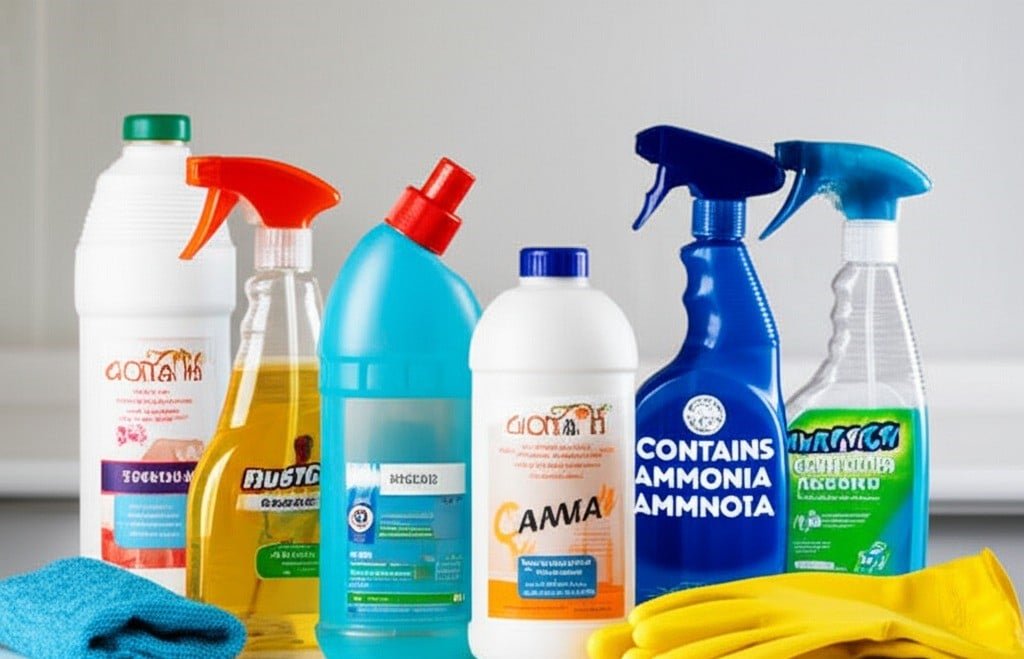
Ammonia Cleaning Done Right: Where This Powerful Cleaner Helps and Where It Harms Ammonia is a nitrogen-hydrogen compound that has anchored serious cleaning routines for generations. It dissolves in water to form ammonium hydroxide, an alkaline solution that shrugs off grease and grime that gentler products leave behind. In pure form it is a gas with a sharp, instantly recognizable smell. That strength comes with real rules: used carelessly, ammonia can create toxic fumes or dull expensive surfaces. Here is how to get its benefits while avoiding every common trap. Why Ammonia Cuts Grease and Leaves Glass Streak-Free Ammonia cleans because it is strongly alkaline. It sits near the top of the pH scale, the standard measure of how acidic or alkaline a substance is. That position makes it brutal on acidic soils: kitchen grease, cooking oils, and the oily films behind fingerprint smudges. The solution emulsifies fats, breaking them into small water-soluble particles you can wipe away. This process, saponification, works the same way soap is made, which is why range hoods and stovetops clean with far less scrubbing than you would expect. Ammonia also evaporates quickly and completely. It does not leave a film behind, which explains its long run as the key ingredient in glass and mirror cleaners. Soap-based detergents can streak; an ammonia solution clears the glass and simply dissipates. Stainless steel appliances, chrome fixtures, and other high-shine non-porous surfaces benefit from the same no-residue behaviour, since water spots and haze never get a chance to form. Where Household Ammonia Earns Its Place You will meet ammonia in many commercial bottles, sometimes without it shouting from the front label: glass cleaners, heavy-duty all-purpose cleaners for kitchens and bathrooms, oven cleaners built on concentrated ammonium hydroxide, certain floor cleaners for no-wax vinyl and linoleum, and even diluted formulas in jewelry solutions for hard gemstones and precious metals. Around the home, ammonia-based products handle: Greasy cabinet doors, backsplashes, and range hoods with a diluted solution Fingerprint-prone stainless steel refrigerators and dishwashers, wiped clean and streak-free Ovens, where the chemistry reduces how much physical scrubbing you must do Sinks, tubs, and bathroom tile, lifting soap scum and body oils, and restoring chrome faucets and showerheads Windows and mirrors, for a transparent finish few other cleaners can match Laundry duty: pretreating organic stains like blood or grass, and adding a cup to white linens to brighten them and strip detergent residue Many households skip the branded bottles entirely and buy plain household ammonia to dilute with water, which is an economical, versatile mix for the jobs above. The One Rule That Cannot Be Overstated: Never Mix Ammonia with Bleach Combining ammonium hydroxide with sodium hypochlorite (bleach) releases chloramine gas, which is highly toxic. Inhaling it can trigger coughing, shortness of breath, chest pain, nausea, and watery eyes, and heavy or prolonged exposure can cause serious lung damage or even death. The danger is not limited to deliberately blending two liquids in a bucket. Using a bleach cleaner and then an ammonia cleaner on the same surface without a thorough rinse in between can release chloramine right where you are standing, for example in an enclosed toilet bowl. Reading labels on every product you use is how you avoid building a dangerous cocktail by accident. Health Canada’s guidance on using household chemicals safely walks through buying, using, storing, and disposing of products like these, and the CDC explains how to clean and disinfect with bleach without inviting trouble. Ventilation and Protective Gear Are Part of the Job Even alone, ammonia fumes irritate the eyes, nose, throat, and lungs, and a poorly ventilated room invites headaches, dizziness, and respiratory irritation. Open windows and doors and run an exhaust fan before any ammonia task, from glass spray to heavy-duty oven cleaner, so the fumes dissipate instead of pooling around your face. Because the solution is caustic, waterproof gloves protect skin from irritation or burns during long sessions, and safety glasses or goggles are a wise shield against splashes, which can damage eyes immediately. Surfaces That Must Never See Ammonia Surface or material Ammonia safe? What goes wrong Porous stone: marble, limestone, travertine No It reacts with calcium carbonate and etches the finish permanently Hardwood floors No Strips the protective finish, dries the wood, discolors it Waxed surfaces No Strips the wax bare Wool and silk fabrics No Weakens and damages delicate natural fibers Glass, chrome, stainless steel Yes Dissolves oily films and evaporates without streaks Ammonia-Free Alternatives When the Smell Wins The pungent odor is ammonia’s biggest drawback, and sensitivity to it is a legitimate reason to switch. Vinegar-based solutions are acidic and excel on mineral deposits. Isopropyl alcohol also delivers a streak-free shine on glass. pH-neutral cleaners are gentler across a wider range of surfaces, though they lack ammonia’s heavy degreasing muscle. More ideas on product hazards, from cookware to cleaning products and craft materials, are collected by Health Canada. Treat ammonia as a specialized tool rather than a universal solvent, and it stays valuable instead of dangerous. Skip the Guesswork with Professional Deep Cleaning If matching strong chemistry to every surface sounds like too much risk for one Saturday, that is fair. Our team brings the correct products to every job. Book a deep cleaning or a regular cleaner, compare plans on the pricing page, or call Toronto Shine Cleaning at (647) 424-0355. Ammonia Safety FAQ Can I mix ammonia with vinegar? This combination is less dangerous than ammonia plus bleach, but it neutralizes both products into a weak solution that wastes your effort. Acid and alkali cancel each other out, so keep them in separate tasks with a full rinse between them, and always check labels before pairing any two cleaners. Is household ammonia the same as what is in glass cleaner? Glass cleaners use a diluted form of the same ingredient, ammonium hydroxide, along with surfactants and solvents. Straight household ammonia is stronger and must be diluted with water before most jobs, which gives you control over the

Ammonia – 3 Essential Tips On How To Use Read More »