Blog

Liquid vs. Powder vs. Pods: A Complete Detergent Breakdown

Detergent is the unsung workhorse of our household chores, a chemical marvel we rely on multiple times a week, yet give very little thought to. It sits in a bottle, a box, or a tub, a wall of promises in the supermarket aisle, each brand claiming brighter whites, bolder colors, and more stain-fighting power than the last. It is laundry detergent, and for most of us, our interaction with it is limited to a ritual of unthinking measurement, a capful, a scoop, a tossed-in pod, followed by the push of a button. But this simple act belies the complex science and crucial choices involved in getting our clothes truly clean. The right detergent, used correctly, can preserve the life of our garments, save us money, and deliver a level of clean we thought was only possible in commercials. The wrong detergent, or the right one used incorrectly, can do the exact opposite, leaving clothes dingy, irritating our skin, and even damaging our washing machines. To master the art of laundry is to first understand the powerful tool at the heart of the process: the detergent itself.  Soap vs. Detergent To appreciate the modern detergent, we must first understand what it is not: it is not soap. For millennia, soap was the world’s primary cleaning agent. Made from natural fats and oils combined with an alkali, soap is a fantastic cleaner in the right conditions. However, it has one major, fatal flaw: it reacts poorly with the minerals present in hard water. When soap molecules encounter the calcium and magnesium ions in hard water, they bind together to form an insoluble, waxy precipitate known as soap scum. This is the same stuff that creates a ring in the bathtub. In laundry, it leaves a dingy, graying film on clothes and can build up inside the washing machine. The modern laundry detergent was invented as a direct solution to this problem. Detergents are synthetic, man-made compounds engineered in a lab to be immune to the effects of hard water. Their molecules are designed not to bind with minerals, allowing them to focus entirely on their primary job: removing dirt. This fundamental difference is why we use detergents for our laundry and not bars of soap. How Detergent Actually Works The magic of detergent lies in a specific type of molecule called a surfactant. The word itself comes from “surface active agent,” and that is precisely what it does. Imagine a surfactant molecule as being shaped like a tadpole, with a distinct head and a tail. The head is hydrophilic, which means it is attracted to water. The tail is hydrophobic (or lipophilic), meaning it repels water but is strongly attracted to oil, grease, and dirt. When you add detergent to your wash, millions of these surfactant molecules get to work. The hydrophobic tails seek out and attach themselves to the oily, greasy dirt on your clothes, burrowing into the grime. Meanwhile, the hydrophilic heads are trying to stay in the water. As the washing machine agitates, the water molecules pull on the hydrophilic heads, and this pulling action, combined with the agitation, literally lifts the dirt and grease right off the fabric fibers. The surfactants then form tiny spheres around the dirt particles, called micelles, with the greasy tails pointing inward, trapping the dirt, and the watery heads pointing outward. This keeps the dirt suspended in the wash water, preventing it from redepositing back onto your clean clothes before it is all rinsed away. But modern detergents are more than just surfactants. They are complex formulas containing several key ingredients: Enzymes: These are biological catalysts, like tiny Pac-Men, designed to break down specific types of stains. Protease targets protein-based stains (like grass and blood), amylase targets starches, and lipase targets fats and oils. This is why enzymatic detergents are so effective at stain removal. Builders: These are agents that soften the water by binding to the hardness minerals, allowing the surfactants to work even more effectively. Optical Brighteners: These are compounds that absorb ultraviolet light and re-emit it as visible blue light. This doesn’t actually remove stains, but it cleverly tricks our eyes into seeing whites as “whiter” and colors as brighter. Polymers: These special ingredients can help trap dirt in the water or create a protective layer on fabrics to help prevent future stains from setting in. Choosing the Right Detergent for You The sheer variety of detergents can be overwhelming. The choice can be simplified by breaking it down into three main categories: form, machine type, and specialty formula. 1. Liquid vs. Powder vs. Pods Liquid Detergent: This is the most popular form in many parts of the world, and for good reason. It is versatile, easy to measure, and dissolves well in all water temperatures, including cold. Liquids are particularly effective on greasy, oily stains, as they can be applied directly to the stain as a pre-treater. The main downsides are the heavy, plastic-intensive packaging and the tendency for users to pour with a heavy hand, leading to overuse. Powder Detergent: This is the classic, budget-friendly champion. On a per-load basis, powder is almost always the cheapest option. It is excellent at lifting mud and ground-in dirt, making it a great choice for families with kids or for work clothes. Its cardboard packaging is also more environmentally friendly. The drawbacks are that it can sometimes fail to dissolve completely in very cold water, leaving a chalky residue, and it can be a bit messy to measure. Pods/Packs: These are the peak of convenience. Perfectly pre-measured, you simply toss one into the drum and you are done. There is no mess and no guesswork. They are fantastic for those who tend to overuse liquid detergent. However, this convenience comes at a premium price; pods are by far the most expensive option per load. Their formulation is also fixed, meaning you cannot adjust the amount for a very small or lightly soiled load. Safety is also a major concern, as their small, colorful appearance can be dangerously appealing to children and pets. 2. High-Efficiency

Liquid vs. Powder vs. Pods: A Complete Detergent Breakdown Read More »

wet cleaning wipes

Wet Wipes: 5 Why Wipes Aren’t the Best Solution

The convenience wet wipes is undeniable. It sits on the counter, in the car, in a handbag, a small, sealed packet promising a swift and simple solution to life’s messes. It is the wet wipe, and in the space of a few short decades, it has become one of the most ubiquitous and relied-upon products in modern life. From wiping a baby’s bottom to removing stubborn makeup, from sanitizing a shopping cart handle to a quick clean of a dusty dashboard, the wet wipe presents itself as the ultimate tool of immediate, portable cleanliness. But this convenience comes at a steep, and often hidden, price. The very qualities that make the wet wipe so appealing—its strength, its moisture, its disposability—are the same qualities that contribute to a cascade of environmental, infrastructural, and even personal health problems. The story of the wet wipe is a classic tale of a modern convenience with profound and unintended consequences. To truly understand its impact, we must look beyond the clean surface it leaves behind and examine the journey it takes after its single, fleeting use. What Are Wet Wipes Actually Made Of? The most significant misconception about wet wipes is what they are made of. We use them much like paper towels or toilet paper, and so we assume they are, in fact, a form of paper. This could not be further from the truth. If you have ever tried to tear a wet wipe, you know it has a surprising, fabric-like strength. This is because the vast majority of wet wipes are not made from paper at all, but from non-woven fabrics composed of plastic resins like polyester and polypropylene. These are the same materials used to make clothing, ropes, and plastic bottles. They are chosen for their durability and their ability to remain strong when saturated with liquid. This is precisely why they are so effective at scrubbing. However, it is also why they are an environmental disaster. Unlike paper, which is made from wood pulp and biodegrades relatively quickly, these plastic fibers do not break down in any meaningful timeframe. A single wet wipe can persist in the environment for hundreds of years, slowly breaking apart not into organic matter, but into smaller and smaller plastic fragments known as microplastics. The “Flushable” Myth This brings us to the most damaging myth perpetuated by the industry: the “flushable” wipe. Many brands market their wipes as safe to flush, creating the impression that they will simply disintegrate like toilet paper once they enter the plumbing system. This is a catastrophic falsehood. Toilet paper is specifically designed to have very short fibers that lose all their structural integrity almost immediately upon contact with water. Wet wipes are designed to do the exact opposite. When flushed, they do not break down. They travel through the pipes intact, where they snag on imperfections, catch on other debris, and begin to form the foundation of clogs. In the municipal sewer systems, this problem scales up to a monstrous degree. Here, the flushed wipes combine with the fats, oils, and grease (FOG) that are improperly poured down drains from household kitchens. The strong plastic fibers of the wipes act as a durable net, binding with the congealing fats to create colossal, rock-hard masses known as “fatbergs.” These blockages, which can grow to be the size of a bus and weigh several tons, are a plague on modern cities. They cause raw sewage to back up into streets and homes, require enormous and expensive efforts to break apart with high-pressure water jets and manual labor, and place an incredible strain on our aging water infrastructure. Every single time a “flushable” wipe is flushed, it becomes a potential building block for the next fatberg. The problem is not just contained to the sewers. During periods of heavy rainfall, sewer systems can overflow, discharging this toxic slurry directly into our rivers and oceans. Here, the wet wipes emerge, carpeting riverbeds and washing up on beaches in what is now grimly referred to as a “wet wipe reef.” They are frequently mistaken for food by marine animals and birds, leading to internal blockages and death. The Problem with the Bin Even when disposed of correctly in a trash can, the problems do not disappear. Because they are made of plastic, they end up in landfills where they will sit for centuries without biodegrading. They contribute to the ever-growing mountain of single-use plastic waste that is a hallmark of our disposable culture. Furthermore, the cleaning solutions and preservatives they are soaked in can leach into the soil and groundwater over time. The Cost to Our Health and Skin The convenience of a wet wipe can also come at a cost to our skin. In order to keep the wipes moist and free of mold and bacteria within their packaging, they are saturated in a solution that often contains a cocktail of chemicals, including preservatives, fragrances, and surfactants. Preservatives like parabens and methylisothiazolinone are necessary to prevent the growth of microbes, but they are also known skin irritants and allergens for many people. The “fragrance” listed on a package is often a proprietary blend of dozens of chemicals that do not have to be disclosed individually, and these are common triggers for dermatitis and allergic reactions. For personal hygiene, particularly on sensitive areas, the constant use of wet wipes can disrupt the skin’s natural microbiome, the community of beneficial bacteria that protects our skin. The chemical and physical action of wiping can strip away the skin’s natural protective oils, leading to dryness, irritation, and a compromised moisture barrier. From a cleaning perspective, wipes often provide an illusion of clean rather than a true removal of dirt and germs. Without a rinsing action, they often just smear bacteria and grime across a surface rather than lifting it away. A proper cleaning process involves a cleaning agent to loosen dirt and a cloth or sponge that can be rinsed out, physically removing the contaminants from

Wet Wipes: 5 Why Wipes Aren’t the Best Solution Read More »

Distilled Water: 5 Simple Secrets on How to Use Distilled Water

The secret to a perfect, streak-free clean is not found in a bottle of expensive, high-tech cleaning solution. It is not achieved through a special microfiber cloth woven with miraculous fibers, nor is it the result of a secret scrubbing technique passed down through generations. The real secret to a flawless, residue-free finish is something far more fundamental and surprisingly simple. It is the water itself. More specifically, it is the absence of minerals in that water. The single most transformative, yet overlooked, tool in any advanced cleaning arsenal is a simple jug of distilled water. We are conditioned to see water as a simple cleaning agent, but the water that flows from our taps is far from pure. It is a complex liquid, carrying a dissolved cargo of minerals and trace elements from its journey through the ground and pipes. The most common of these are calcium and magnesium, the primary culprits behind “hard water.” When you clean a surface with tap water and it evaporates, it leaves these microscopic mineral deposits behind. This is the root cause of nearly every common cleaning frustration: the hazy film on your hardwood floors, the stubborn white spots on your shower door, the frustrating streaks on your windows, and the cloudy residue on your stainless steel appliances. You can scrub and polish for hours, but if you are using tap water, you are fighting a battle against an invisible enemy that you are simultaneously reapplying with every wipe. Distilled water is the elegant solution to this problem. It is water that has been purified back to its most basic, elemental state: pure H₂O. By understanding what it is and how it works, you can elevate your cleaning from a chore of constant frustration to a science of predictable, perfect results. What Exactly Is Distilled Water, and Why Does It Matter? The process of distillation is a simple act of separation. Regular water is boiled into steam. As the water turns into a gas, it leaves behind everything that is not water: minerals, salts, heavy metals, and other contaminants. This pure water vapor is then collected and condensed back into its liquid form. The result is water that is stripped of all its baggage, a true “blank slate.” This purity is precisely what makes it a secret weapon for cleaning. Because distilled water contains no dissolved solids, when it evaporates, it leaves absolutely nothing behind. There are no minerals to create spots, no salts to leave a film. It dries completely clean. This unique property gives it two significant advantages in a cleaning context: It Prevents Residue: As mentioned, it eliminates the source of spots and streaks. This is its most obvious and celebrated benefit. It Is a More Effective Cleaner: Because distilled water is free of dissolved minerals, it is chemically “hungry.” It has a greater capacity to dissolve and absorb other substances, like dirt and soap, making it a more effective solvent than tap water. This means you often need less cleaning solution to achieve the same result. Key Applications for Distilled Water in Your Home Switching to distilled water for specific tasks is a small change that yields disproportionately large results. Here are the most impactful ways to incorporate it into your cleaning routine. 1. The Ultimate Streak-Free Window and Mirror Cleaner This is the classic and most transformative use. For a truly professional, invisible finish on glass, distilled water is non-negotiable. The Problem: The minerals in tap water are the primary cause of streaks on windows and mirrors. No matter how well you squeegee, as the last microscopic droplets of water dry, they leave mineral deposits behind, creating a faint but frustrating haze. The Solution: Create your own professional-grade glass cleaner. In a clean spray bottle, mix a solution of 50% distilled water and 50% distilled white vinegar. The vinegar acts as a powerful cleaning agent, cutting through grease and grime, while the distilled water ensures that once you wipe or squeegee it away, the surface will dry to a perfectly clear, spot-free shine. This simple, cheap solution will outperform almost any commercial glass cleaner on the market. 2. Flawless Stainless Steel and Chrome Stainless steel appliances are notorious for showing every fingerprint and water spot. Distilled water is the key to winning this battle. The Problem: Wiping down stainless steel with a cloth dampened with tap water is a recipe for frustration. As the water dries, it leaves behind a constellation of mineral spots that mar the finish. The Solution: For routine cleaning, simply dampen a clean microfiber cloth with distilled water and wipe the appliance, always following the direction of the grain. For a final polish, use a second, completely dry microfiber cloth to buff the surface. The absence of minerals means no spots will form as it dries. For greasy fingerprints, you can add a single drop of dish soap to your damp cloth, then “rinse” with a separate cloth dampened with only distilled water before buffing dry. The same principle applies to chrome faucets and fixtures in the kitchen and bathroom. 3. A Haze-Free Finish for Hardwood and Laminate Floors If your hard-surface floors look dull and cloudy even after mopping, the culprit is likely a buildup of mineral residue from your tap water. The Problem: Over time, mopping with tap water (even with a floor cleaner) can leave behind a cumulative, hazy film that dulls your floor’s natural shine. The Solution: This is especially effective with a spray mop system. Fill the mop’s reservoir with mostly distilled water and a small splash (a few tablespoons) of white vinegar. The vinegar helps to break down any existing film, while the distilled water ensures no new film is created. The result is a floor that is truly clean, without the dulling residue that compromises its appearance. 4. Spot-Cleaning Carpets and Upholstery Without Leaving a Ring Have you ever cleaned a small spot on your carpet, only to be left with a noticeable ring or outline after it dries? That ring is often caused

Distilled Water: 5 Simple Secrets on How to Use Distilled Water Read More »

cleaning tablets

Cleaning Tablets: The Sustainable Secret to a Spotless Home

The cleaning aisle of any supermarket is a testament to a long-held, but increasingly outdated, belief: that effective cleaning comes in a large, heavy, liquid-filled plastic bottle. We have been conditioned to equate the heft of a bottle with its power, and the volume of its contents with its value. But this model, built on the practice of selling us mostly water, is undergoing a quiet but profound revolution. The catalyst for this change is a small, unassuming, and brilliantly simple innovation: the cleaning tablet. This is not just a new product; it is a fundamental paradigm shift in how we approach household cleaning. It challenges the very logistics and chemistry we have taken for granted for decades. The rise of the cleaning tablet is a story about efficiency, sustainability, and a return to a more logical way of maintaining our homes. It is about removing the unnecessary, the wasteful, and the cumbersome, and concentrating on what truly matters: the active ingredients that deliver a powerful clean. Why a Change Was Needed To appreciate the elegance of the cleaning tablet, one must first recognize the inherent flaws of the traditional liquid cleaner model. The problems are significant and touch upon environmental impact, household convenience, and simple economics. The most glaring issue is plastic waste. The vast majority of liquid cleaning products are packaged in single-use plastic bottles, typically made from high-density polyethylene (HDPE). While recyclable in theory, the reality is that a staggering percentage of this plastic is never recycled, ending up in landfills where it will persist for centuries, or in our oceans where it breaks down into harmful microplastics. Every time we finish a bottle of all-purpose cleaner and toss it in the bin, we are contributing to this global crisis. Beyond the plastic itself is the absurdity of what we are actually buying and transporting. The average liquid surface cleaner is composed of up to 95% water. This means that we, as consumers, are paying for companies to ship enormous volumes of water across the country, and sometimes across the world. The carbon footprint of this process is immense. The fuel consumed by trucks, trains, and ships to move what is essentially pre-diluted cleaner is a significant and entirely avoidable environmental cost. From a practical household perspective, these bulky bottles are inconvenient. They command a significant amount of valuable cabinet real estate, creating clutter under our sinks. The specialized nature of many product, a cleaner for glass, another for the bathroom, a third for the floor, exacerbates this storage problem. Furthermore, the liquid format can be messy. Spills are common, and measuring out concentrates for mopping or other tasks is often an exercise in guesswork, leading to product waste or a sticky, residue-laden floor. Concentrated Power, Just Add Water The cleaning tablet deconstructs this flawed model and reassembles it in a logical, efficient way. A cleaning tablet is a small, solid, highly concentrated puck of cleaning agents. It contains all the necessary surfactants (the molecules that lift dirt and grease), fresheners, and other active ingredients of a traditional liquid cleaner, but with one critical component removed: the water. The concept is brilliantly simple. Instead of buying a new plastic bottle full of pre-diluted cleaner every time you run out, you keep a single, reusable spray bottle. When it is empty, you simply fill it with warm water from your own tap, drop in a cleaning tablet, and wait a few minutes for it to dissolve completely. The result is a bottle of fresh, effective cleaning solution, ready to use, created on-demand in your own home. This “just add water” approach elegantly solves every problem posed by the traditional model. The small, paper-based packaging of the tablets reduces plastic waste by over 99%. The carbon footprint of shipping is slashed, as a truck can carry millions of cleaning refills in tablet form for the same weight and space as a few thousand bottles of liquid cleaner. The storage issue vanishes; a small box of tablets, the size of a deck of cards, can replace an entire arsenal of bulky bottles under the sink.  Different Forms of Solid Cleaners The “tablet” is a catch-all term for a growing category of concentrated, water-activated cleaners. While the small, dissolvable puck for spray bottles is the most common, this technology has been applied to a wide range of household tasks. All-Purpose and Surface Cleaner Tablets: These are the most versatile. Designed to be dissolved in a spray bottle, they are formulated to tackle everyday grease, grime, and spills on a variety of non-porous surfaces like countertops, sealed stone, tile, and finished wood. Glass Cleaner Tablets: Specifically formulated to be streak-free, these tablets often have a different chemical composition, focusing on agents that evaporate cleanly without leaving behind the films or residues that can cause smudging on mirrors and windows. Bathroom Cleaner Tablets: These tablets are designed to combat the specific challenges of the bathroom. They often contain mild acidic components to help dissolve soap scum and hard water mineral deposits, making them effective on showers, tubs, sinks, and tile. Floor Cleaner Tablets and Sheets: For mopping, these come as either a larger tablet or a dissolvable sheet. You simply fill your mop bucket with water, drop in the product, and it creates a perfectly portioned, no-rinse floor cleaning solution, eliminating the need to measure and pour from a heavy bottle. Appliance-Specific Tablets: This is a separate but related category of cleaning tablets that have been around for longer. These are not for creating spray cleaners but for cleaning the machines themselves. Dishwasher Cleaning Tablets: These are designed to be run in an empty dishwasher. They break down limescale, grease, and food residue that build up in the filter, spray arms, and hidden parts of the machine, deodorizing it and improving its cleaning performance. Washing Machine Cleaning Tablets: Placed in the drum of an empty washing machine and run on a hot cycle, these tablets dissolve the soap scum, mineral buildup, and biofilm that cause musty odors in the

Cleaning Tablets: The Sustainable Secret to a Spotless Home Read More »

kitchen trash can cleaning

Trash Can Cleaning: What’s Really Lurking at the Bottom of Your Trash Can?

The trash can is the most thankless and hardworking fixture in any home. It is a vessel of necessity, the silent recipient of our daily waste, and the frontline in the constant battle against dirt, decay, and disorder. It is a tool so fundamental to household hygiene that it is often completely overlooked, left to its own devices in a corner of the kitchen or at the side of the house until the moment its presence becomes unavoidable, usually through a foul odor or an unpleasant discovery. Cleaning a garbage bin is not a glamorous task. There is no satisfying “before and after” reveal that you will be eager to show off. Yet, the proper maintenance and regular, thorough cleaning of your bins are among the most critical routines for a healthy, pest-free, and pleasant-smelling home. To neglect the bin is to invite problems that are far more difficult and disgusting to solve than the cleaning task itself. 1.Why so Dirty? To understand how to clean a trash can effectively, you must first understand why it gets so profoundly dirty. The problem is a combination of three factors: organic matter, moisture, and time. Every scrap of food, every used paper towel soaked in meat juice, and every discarded vegetable peeling is organic matter. Once inside the dark, contained environment of a garbage bag, this matter begins to decompose. This process is driven by bacteria, which break down the food waste and, in doing so, release a cocktail of volatile organic compounds. These compounds are what we perceive as the smell of garbage, gases like hydrogen sulfide (rotten eggs) and methane. Moisture is the accelerator for this entire process. A dry environment slows bacterial growth significantly. However, garbage is rarely dry. Leaky food containers, wet food scraps, and condensation create the perfect humid breeding ground for bacteria to thrive and multiply exponentially. This is why a small tear or leak in a garbage bag is so catastrophic. The liquid that seeps out, a substance often referred to as “leachate” or “garbage juice,” is a highly concentrated bacterial soup. It soaks into the bottom of the can, and even after the bag is removed, that residue remains, providing the seed for the next cycle of odor and grime. 2.Pests Time simply allows these processes to fester. The longer the organic matter and moisture are left to interact, the more intense the decomposition, the stronger the smell, and the more stubborn the resulting grime will be. This sticky, foul-smelling film that coats the bottom and sides of a neglected bin is a biofilm—a complex community of microorganisms that have attached themselves to the surface and to each other. It is not just dirt; it is a living, stinking ecosystem. This environment is also the perfect nursery for pests. Flies are drawn to the smell of decay to lay their eggs. In the warm, protected, and nutrient-rich environment of a garbage bin, these eggs hatch into maggots in as little as eight hours. Rodents and other scavengers are also attracted by the scent, and a can without a secure lid is an open invitation for a nightly buffet. Cleaning a trash can is a heavy-duty job that requires more than a simple sponge and some soap. You need to be prepared for a wet, messy, and smelly process. Assembling the right tools beforehand will make the job faster, more effective, and more tolerable. 3.Protection You will need protective gear. This is non-negotiable. Wear heavy-duty rubber gloves to protect your hands from bacteria and harsh cleaning agents. Safety glasses are also highly recommended to protect your eyes from splashes of dirty water and chemicals. A hose with a high-pressure nozzle is a significant advantage. The ability to spray down the bin from a distance will help dislodge caked-on grime and rinse the can effectively. If you don’t have a hose, a few large buckets of hot water will work, but it will require more effort. A long-handled, stiff-bristled brush is your primary scrubbing tool. A long handle is crucial, as it allows you to reach the bottom of the can without having to stick your head and shoulders inside. A deck brush or a toilet brush reserved exclusively for this purpose works perfectly. The sticky, greasy nature of the biofilm requires a strong degreaser. A quality dish soap is designed to cut through grease and is an excellent first-line cleaner. After cleaning, you need to sanitize. There are several options. A diluted bleach solution (about one cup of bleach per gallon of water) is highly effective at killing bacteria, mold, and viruses. For a less harsh alternative, a solution of equal parts white vinegar and water can be used. Vinegar is a natural disinfectant and deodorizer. Finally, baking soda is an excellent deodorizer and a mild abrasive that can help with scrubbing. The best place to perform this task is outdoors, on a lawn or a patch of gravel where the dirty water can drain away without staining a driveway. 4. Let’s Get to Work First, empty the trash can completely. Make sure there is no loose debris left inside. Using your hose, give the entire interior of the bin a thorough spray-down. Use the highest pressure setting to blast off as much of the loose dirt and grime as possible. Pour out the dirty water. Next, pour a generous amount of dish soap into the bottom of the can and add a few inches of the hottest water you can safely handle. Take your long-handled brush and begin scrubbing. Start with the bottom and work your way up the sides. Apply firm pressure and focus on the corners and any visible patches of caked-on grime. Don’t be afraid to put some effort into it; you are physically breaking apart that stubborn biofilm. Once you have scrubbed the entire interior, pour out the soapy, dirty water. Now it is time to sanitize and deodorize. If you are using bleach, mix your solution and pour

Trash Can Cleaning: What’s Really Lurking at the Bottom of Your Trash Can? Read More »

5 Rust Removal Tips: The Ultimate Solution for Stubborn Rust Stains

It is a slow, silent, and relentless process of decay. Rust creeps into the corners of our homes, staining our fixtures, seizing our tools, and weakening the structures we rely on. It is a familiar reddish-brown stain, the universal sign of iron’s surrender to the elements. While it may seem like a simple cosmetic issue, this form of corrosion, known as rust, is a chemical reaction that actively eats away at metal, compromising its integrity and leaving a trail of stubborn, unsightly marks in its wake. Dealing with rust is a fundamental aspect of home maintenance. It is not a battle that can be won with a single, miraculous cleaning product. It requires a deeper understanding of what it is, why and where it forms, and a strategic, two-pronged approach of prevention and removal. To control this type of corrosion is to control the very environment that allows it to thrive. What is This Corrosion? In the simplest terms, rust is the common name for iron oxide. It is the result of a chemical reaction called oxidation, which occurs when iron or its alloys, like steel, are exposed to oxygen and moisture for a prolonged period. The simple formula is: Iron + Oxygen + Water = Hydrated Iron (III) Oxide (the substance we call rust) This explains why it is so pervasive in certain areas of a home. The bathroom, with its constant humidity and water splashes, is a perfect breeding ground. The kitchen sink, the outdoor patio furniture left in the rain, the damp basement, any environment where iron-based metals meet air and water is a potential site for rust to form. The presence of salt can dramatically accelerate this process, which is why cars in regions with snowy, salted roads degrade so much faster. The key takeaway from this simple science is that if you can eliminate one of the three components, iron, oxygen, or water, you can prevent the problem. Since we cannot eliminate the metal itself or the oxygen in the air, the entire strategy of rust prevention revolves around one single, critical goal: moisture control. The Common Culprits Before you can fight it, you must know where to find it. It often appears in predictable places where moisture is a constant companion. The Bathroom: This is the epicenter of household corrosion. Stains in the toilet bowl are often caused by high iron content in the water or from the degradation of old cast-iron plumbing pipes. The metal components in the tank can also corrode and stain the bowl. Metal shower caddies, the bottoms of shaving cream cans, and bobby pins left on the ledge are common sources of these stains on porcelain and fiberglass. The drain, showerhead, and faucet fixtures can also develop issues over time. The Kitchen: Stainless steel sinks are resistant, not immune. If wet cast iron pans, steel wool, or other iron objects are left in the sink, they can cause rust stains to form on the surface. Cast iron cookware is a special case. It requires a protective layer of polymerized oil, called seasoning, to prevent it from oxidizing instantly. The racks in your dishwasher, especially if their vinyl coating becomes chipped, can expose the metal underneath, leading to spots that can stain your dishes. The Laundry Room: Metal buttons, zippers, or rivets on clothing can leave marks on other garments during a wash cycle. A forgotten nail or screw in a pocket can do the same. The Garage, Basement, and Outdoors: Hand tools made of steel are highly susceptible to corrosion if stored in a damp or humid environment. Wrought iron or steel patio furniture will corrode quickly if its protective paint coating is scratched or chipped, leading to flaky rust. The grates and body of a grill are constantly exposed to moisture and heat, making them prime candidates for the problem. 1.Prevention The easiest way to deal with corrosion is to stop it from ever starting. Prevention is about diligent moisture control and creating protective barriers. Keep Surfaces Dry: This is the most fundamental rule. Wipe down your kitchen sink after doing dishes. Squeegee the walls of your shower after use. Dry your tools before putting them away. Improve Ventilation: In moisture-prone areas like the bathroom, always use the exhaust fan during and after a shower to pull humid air out. A dehumidifier in a damp basement can make a world of difference for preventing issues on tools and stored items. Use Protective Coatings: For outdoor metal furniture, railings, and grills, a coat of corrosion-inhibiting paint is essential. Inspect these items annually and touch up any chips or scratches immediately to prevent moisture from reaching the metal. For tools, a light coating of a machine oil can create a barrier against moisture. For cast iron cookware, maintain a good layer of seasoning. Avoid Prolonged Contact: Do not leave wet metal items sitting on susceptible surfaces. This means no wet cans on the bathtub ledge, no wet cast iron pans in the sink, and no wet steel wool on the countertop. Address High-Iron Water: If the stains in your toilet and sinks are from the water itself, consider installing a water softener or an iron filter for your home’s water supply. 2.Effective Removal When rust does appear, you need the right technique for the specific surface you are cleaning. The methods range from gentle, natural solutions to more aggressive chemical and abrasive approaches. The Natural Acidic Approach (For Light to Moderate Corrosion) The principle here is simple: a mild acid can dissolve iron oxide. White Vinegar: The acetic acid in vinegar is a fantastic remover. For small items like tools, nuts, or bolts, you can submerge them in a bath of white vinegar and let them soak for several hours, or even overnight. The rust will dissolve and can be scrubbed away with a brush. Lemon Juice and Salt: For stains on less-durable surfaces, like clothing or countertops, a paste of lemon juice and salt is a great option. The salt acts as a gentle abrasive, and the citric acid in the lemon juice dissolves the unwanted buildup. Baking Soda: For a more gentle approach, a

5 Rust Removal Tips: The Ultimate Solution for Stubborn Rust Stains Read More »

robot vacuum cleaner

Are Robotic Vacuums Worth It? A Deep Dive into Modern Floor Care

 The robotic vacuum cleaner, when it first arrived on the consumer market, was a clunky, often comical interpretation of this dream. Early models were infamous for their random, pinball-like navigation, their tendency to get stuck under the sofa, and their habit of missing entire sections of a room. They were novelties, interesting gadgets for early adopters, but hardly a serious replacement for the traditional vacuum. Today, that landscape has changed so dramatically that it is almost unrecognizable. The robotic vacuum cleaner has come of age. Fueled by staggering advancements in navigation, artificial intelligence, and cleaning technology, these machines have evolved from clumsy gimmicks into sophisticated, powerful, and indispensable tools for home maintenance. They are no longer just vacuuming; they are mapping, strategizing, and, in the most advanced models, even mopping and cleaning themselves. Understanding the technology behind these modern marvels is the first step to appreciating their profound impact on the modern clean home. Revolution The single greatest leap in robotic vacuum technology has been in navigation. This is what separates a frustrating toy from a reliable cleaning partner. The Old Guard: Random Navigation: The earliest and most basic models use a “bump-and-go” system. They travel in a straight line until they hit an obstacle, at which point they turn in a random direction and continue. While this method can eventually cover most of a simple, square room, it is incredibly inefficient, misses spots, and takes a frustratingly long time to complete a job. This technology is now found only on the most budget-friendly models. The Smarter Path: Gyroscopic Navigation: A significant step up, these robots use a gyroscope and other sensors to travel in more deliberate, parallel lines, creating a more systematic and efficient cleaning path. They have a better sense of where they have been, resulting in more complete coverage. However, they can still become disoriented if they are picked up or get stuck, as they don’t create a persistent map of the home. The Gold Standard: LiDAR (Light Detection and Ranging): This is where robotic vacuums became truly intelligent. A LiDAR-equipped robot has a spinning laser turret on top that continuously scans its surroundings, measuring distances and creating a highly accurate, detailed map of your home in real-time. This is the same core technology used in self-driving cars. This map allows the robot to know exactly where it is, where it has been, and where it needs to go. It cleans in precise, methodical rows, navigates around furniture with grace, and can be sent to clean specific rooms or areas on command via a smartphone app. It works flawlessly in complete darkness and is the foundation for the most advanced smart features. The Visual Approach: vSLAM (Visual Simultaneous Localization and Mapping): Another high-end navigation method, vSLAM uses a camera to view its surroundings, identifying landmarks like furniture, doorways, and walls to build a map. As it cleans, it is constantly comparing what it sees to the map it has created, allowing it to navigate systematically. Modern vSLAM robots often use advanced AI to recognize and avoid specific obstacles, like shoes or power cords. The main drawback is that, like a person, they need a reasonable amount of light to “see” and navigate effectively. These advanced navigation systems are supported by a suite of other sensors. Cliff sensors prevent the robot from tumbling down stairs, wall sensors allow it to clean tightly along baseboards without constantly bumping them, and dirt detect sensors (on some models) can identify areas with a higher concentration of debris and command the robot to spend extra time cleaning there. Key Features of a Modern Robotic Vacuum A robot’s intelligence is its brain, but its features are what truly define its capabilities and convenience. Interactive Smart Maps: The maps created by LiDAR or vSLAM systems are not just for the robot’s benefit; they are for yours. Through a companion app on your phone, you can view the map and interact with it. You can name rooms, draw virtual “no-go zones” to keep the robot away from pet bowls or delicate furniture, and create “clean zones” to send it for a quick cleanup of a specific spill. This level of control is a game-changer. Suction Power: Measured in Pascals (Pa), this is the raw cleaning force of the vacuum. An entry-level model might have around 1,500 Pa, while a high-end model can exceed 4,000 Pa. Higher suction is particularly important for homes with carpets, as it is needed to pull dirt and pet hair from deep within the fibers. Many models now feature an automatic carpet boost, where they intelligently increase suction power the moment they detect they are on a carpet. Battery Life and “Recharge & Resume”: A long battery life is crucial for cleaning larger homes in a single run. However, the most important feature in this category is “Recharge & Resume.” An intelligent robot knows the status of its own battery. When it runs low on charge before a job is finished, it will automatically return to its dock, recharge just enough to complete the remaining area, and then go back out to finish the job exactly where it left off. AI-Powered Object Avoidance: This is a cutting-edge feature found on premium models. It goes beyond simple obstacle detection. Using a front-mounted camera and artificial intelligence, these robots can identify specific objects and navigate around them. This is the technology that allows a robot to avoid a stray sock, a child’s toy, or the most dreaded of household obstacles: pet waste. For pet owners, this feature alone can be worth the price of admission. The Convenience Revolution: Self-Emptying Bins: One of the most significant recent innovations is the auto-empty dock. After each cleaning run, the robot returns to its charging base, which contains a powerful vacuum of its own. This vacuum sucks all the debris from the robot’s small internal dustbin into a large, sealed bag or canister within the dock. This means that instead of having to empty the robot’s bin after every one or two cleanings, you only

Are Robotic Vacuums Worth It? A Deep Dive into Modern Floor Care Read More »

doormat

5 Reasons Your Doormat Is Your Most Important Cleaning Tool

It is the most overlooked and yet one of the most hardworking items in any home. Doormat, it is a humble rectangle, a simple slab of bristly fiber or textured rubber, lying in wait at the threshold. It is the doormat, and its role is far more critical than its modest appearance suggests. The doormat is not a mere decorative accessory; it is the first line of defense in the ceaseless battle to keep a home clean. It is the silent gatekeeper, the unsung hero that single-handedly prevents a significant percentage of the dirt, grime, and pollutants of the outside world from ever crossing into your living space. Understanding the profound importance of a doormat requires an appreciation for what is being carried on the soles of our shoes. A study conducted by the University of Arizona made a startling discovery: the average shoe sole is covered in hundreds of thousands of bacteria per square inch, including E. coli. Beyond the microscopic threats, our shoes pick up everything from lawn chemicals, pesticides, and asphalt residue to common dirt, mud, dust, and pollen. Without a doormat, all of this is tracked directly onto your floors, where it is then circulated throughout your home, embedding itself in carpets and becoming airborne. A good doormat is a simple, passive, yet incredibly effective tool for trapping this unwanted material at the door. 1.Effective Doormat Not all doormats are created equal. An effective doormat is a piece of functional equipment, and its design and material composition are directly related to its performance. A flimsy, decorative mat might offer a cheerful greeting, but it will do little to stop the ingress of dirt. A truly effective doormat excels in two primary functions: scraping and absorbing. Scraping: The first job of a doormat is to physically scrape away solid particles from the bottom of shoes. This includes mud, dirt, sand, gravel, and even snow and ice. To do this, the mat needs a coarse, abrasive texture. The bristles or fibers must be stiff and resilient enough to dig into the treads of a shoe sole and dislodge the debris. Absorbing: The second job is to absorb moisture. Wet shoes are not only a slipping hazard but also track in dirty water that can stain carpets and damage hardwood floors. An effective doormat needs to have absorbent properties to trap rainwater, snowmelt, and moisture from damp ground. For this reason, the most effective entryway strategy often involves a two-mat system: a tough, scraping mat outside the door and a softer, absorbent mat inside the door. 2.Choosing the Right Material The material of a doormat is the most significant factor in its ability to perform its duties. Coir (Coco Fiber): This is the classic, traditional doormat material, and for good reason. Made from the husks of coconuts, coir is a natural, highly durable, and coarse fiber that is exceptional at scraping dirt and mud from shoes. It is also naturally resistant to mold and mildew, making it an excellent choice for an outdoor mat. Its one major weakness is that it can shed fibers and does not absorb a large amount of water, which can lead to it becoming waterlogged in very wet climates if not placed in a covered area. Rubber: Rubber doormats are the heavy-duty workhorses of the mat world. They are extremely durable, weather-resistant, and their weight helps them stay in place. Many rubber mats feature a textured or patterned surface with deep grooves designed to scrape away debris and trap it within the mat. They are excellent for scraping and are very easy to clean—a simple spray with a hose is usually all that is needed. They are not, however, absorbent. This makes them a perfect choice for an outdoor scraping mat, often in combination with an indoor absorbent mat. Synthetic Fibers (Polypropylene, Nylon, Polyester): Doormats made from synthetic fibers are a versatile and popular choice. They can be designed to be both abrasive and absorbent. Polypropylene, in particular, is a fantastic material for an all-around doormat. It is highly resistant to staining, fading, mold, and mildew, and it dries very quickly. This makes it suitable for both indoor and outdoor use. Synthetic mats are often designed with a “bi-level” construction, featuring a coarse scraping surface and deeper channels to trap dirt and water, keeping the top surface cleaner. Cotton and Microfiber: These materials are champions of absorption. A cotton or microfiber mat is the ideal choice for the inside of the entryway. After the outdoor mat has scraped off the solid debris, the indoor mat’s job is to soak up any remaining moisture and trap fine dust particles. They are soft underfoot and are typically machine washable, making them very easy to maintain. They are not, however, suitable for outdoor use, as they would quickly become saturated and take a long time to dry. Wrought Iron: While less common, cast iron or wrought iron doormats are purely functional scraping tools. Their ornate, open-scrollwork designs provide a highly effective surface for scraping mud and snow from boots. They are incredibly durable and last a lifetime. Naturally, they have zero absorbent properties and must be paired with an indoor mat. 3.The Two-Mat System The single best way to maximize the effectiveness of your doormats is to implement a two-mat system. The Outdoor Mat: This is your first line of defense. Its sole purpose is to scrape. It should be coarse, durable, and weather-resistant. Coir, rubber, or a heavy-duty synthetic mat are the best choices here. This is the mat that will take the brunt of the mud, snow, and heavy dirt. The Indoor Mat: This is your second line of defense, located just inside the door. Its primary purpose is to absorb. After the heavy debris has been removed outside, this mat’s job is to trap any remaining moisture and fine dust. Cotton, microfiber, or a softer synthetic mat are ideal for this role. This mat also provides a clean, dry place to stand while removing shoes. This tandem approach ensures that by the time a

5 Reasons Your Doormat Is Your Most Important Cleaning Tool Read More »

The Benefits of Hiring a Professional

Post-Construction Cleaning: 3 The Benefits of Hiring a Professional

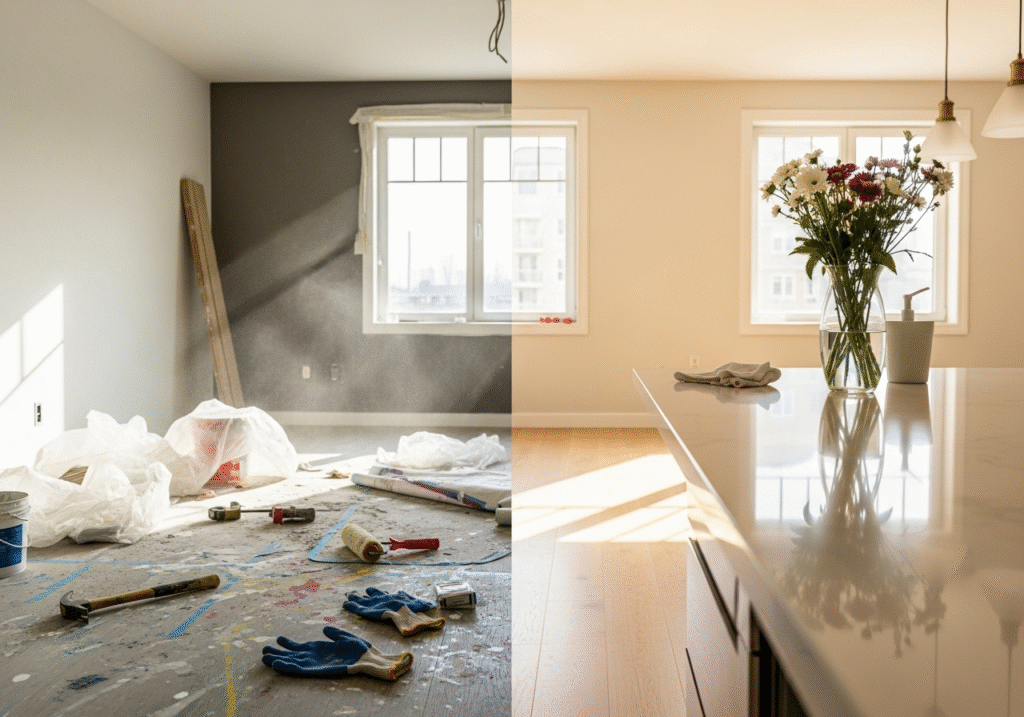
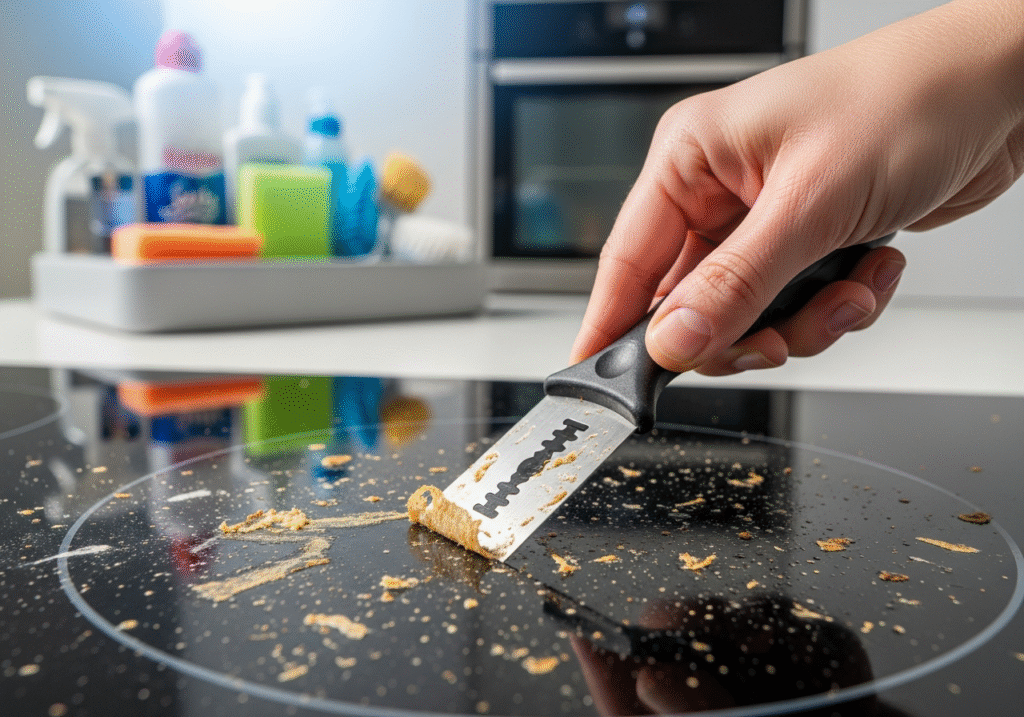
The end of a construction or renovation project is a moment of pure anticipation. The final nail has been hammered, the last coat of paint has dried, and the blueprint that once existed only on paper has been transformed into a tangible, three-dimensional space. But in the quiet aftermath, after the contractors have packed up their tools and driven away, the dream space remains just out of reach, separated from reality by a formidable, often underestimated barrier: the post-construction mess. This is not the familiar, everyday dirt of a lived-in home. Post-construction cleaning is a specialized, intensive discipline, a top-to-bottom reclamation project that deals with a unique and pervasive type of grime. It is the final, essential bridge that transforms a hazardous, dusty worksite into a clean, breathable, and truly livable home. 1.The Anatomy of a Construction Mess To appreciate the scope of a post-construction clean, one must first understand the nature of the debris left behind. It is a class of dirt all its own, requiring a specific strategy and a different set of tools than your weekly cleaning routine. The undisputed villain of any construction project is the dust. This is not the soft, fluffy dust that gathers on bookshelves. Construction dust is a fine, gritty, and abrasive particulate matter composed of a cocktail of materials: drywall compound (gypsum), plaster, sawdust, cement powder, silica, and more. Its particles are so fine that they become airborne with the slightest disturbance, traveling through HVAC systems and settling in a uniform, ghostly layer on every single conceivable surface. It’s not just on the floors and countertops; it’s inside cabinets, on top of door frames, within light fixtures, coating the blades of a ceiling fan, and settled deep within the fibers of any existing carpet. This dust is more than an eyesore; it can be a significant respiratory irritant, making its complete and total removal a matter of health and safety, not just aesthetics. Beyond the all-encompassing dust, a construction site is littered with other forms of debris. You will find stray nails, orphaned screws, small chunks of wood and drywall, plastic shavings from plumbing work, and hardened blobs of caulk or adhesive. New windows, appliances, and fixtures are typically covered in protective plastic films and manufacturer’s stickers, which often leave behind a stubborn, sticky residue when removed. There are almost always errant paint splatters on hinges, glass panes, or flooring, and scuff marks on newly installed baseboards from ladders and equipment. Attempting to tackle this complex mess with a household all-purpose cleaner and a roll of paper towels will result in frustration, smeared grime, and potentially permanent damage to brand-new, expensive surfaces. 2.Professional Post-Construction Clean A truly effective post-construction clean is not a single, chaotic event. It is a systematic, multi-phase process where each stage builds upon the last, ensuring that every corner is addressed and no detail is overlooked. Phase 1: The Rough Clean This initial phase is about clearing the battlefield. It often takes place during the final days of construction or immediately after the contractors have departed. The primary objective of the rough clean is to remove the bulk of the large-scale debris, making the space safe and accessible for the meticulous, detailed cleaning to follow. A standard rough clean includes: The collection, removal, and proper disposal of all large trash and debris. This includes wood scraps, leftover materials, hardware packaging, and cardboard boxes. Scraping and sweeping up large piles of drywall dust, sawdust, and other major accumulations from the floors. Peeling off all protective plastic films from windows, doors, appliances, and fixtures. A preliminary pass with a heavy-duty shop-vac over all surfaces to remove the thickest, most obvious layers of dust. At the conclusion of the rough clean, the space will still be visibly dirty, but it will be free of major hazards and clutter. This crucial first step clears the way for the much more intensive and detailed work of the deep clean. Phase 2: The Deep Clean  This is the heart and soul of the post-construction cleaning process. It is a methodical, top-to-bottom cleaning of every single surface in the renovated area. The guiding principle is universal to all serious cleaning: start high and work your way down. This ensures that any dust or debris you dislodge from a high surface falls onto a surface you have yet to clean, preventing you from having to re-clean areas. A comprehensive deep clean checklist is exhaustive: Ceilings, Walls, and High Fixtures: Wiping down ceilings and walls to remove the fine layer of settled dust. This may involve dry dusting or using a damp microfiber cloth, depending on the paint finish. Cleaning all light fixtures, ceiling fans, and recessed lighting, both inside and out. Wiping down the tops of all door frames, window casings, and any high-up molding. Doors and Windows: Cleaning both sides of every window and glass door. This critical step includes carefully scraping off any paint splatters, caulk, or sticker residue with a professional razor scraper. Thoroughly cleaning window sills and tracks. These areas are notorious collection points for a surprising amount of sawdust and drywall debris. Wiping down every part of the doors, including the hinges, doorknobs, and the often-forgotten top edge where dust loves to settle. Trim, Baseboards, and Cabinetry: Wiping down every inch of trim, molding, baseboards, and any built-in shelving. This is often a detailed, hands-and-knees job that requires patience. Cleaning the inside and outside of all cabinets, cupboards, and drawers. This is especially vital for kitchens and bathrooms. You must ensure these storage spaces are completely free of sawdust and drywall dust before storing clean dishes, food, or linens. Kitchen and Bathrooms: Cleaning, disinfecting, and polishing all countertops. Scrubbing and shining sinks and faucets, making sure to remove any plumber’s putty or installation residue. Cleaning the exteriors and interiors of all new appliances. Thoroughly cleaning showers, bathtubs, and toilets to remove the fine film of dust that has inevitably settled on them. Polishing all fixtures, mirrors, and chrome to

Post-Construction Cleaning: 3 The Benefits of Hiring a Professional Read More »

Kettle Maintenance: A Step-by-Step Cleaning Guide Get Your Kettle Sparkling Clean for the Autumn Season

The electric kettle is the unsung hero of the modern kitchen. It is an appliance of profound simplicity and efficiency, dedicated to the singular, noble task of boiling water quickly. It facilitates our morning coffee rituals, our afternoon tea breaks, and countless culinary preparations. Yet, for all its utility, the kettle is often subject to a slow, creeping form of internal decay that compromises its performance and the quality of the water it boils. This internal affliction is limescale, and dealing with it is the most critical aspect of kettle maintenance. Understanding Limescale If you live in an area with hard water, limescale is an inevitability. Hard water is simply water that has a high concentration of dissolved minerals, primarily calcium carbonate and magnesium. These minerals are harmless to drink, but when the water is repeatedly heated, they precipitate out of the solution and form a hard, chalky, off-white deposit on surfaces. In a kettle, this deposit builds up layer by layer on the heating element and the interior walls. At first, this buildup might seem like a purely cosmetic issue, but it has several significant and detrimental effects: Impaired Performance and Wasted Energy: Limescale acts as an insulator. The crusty layer on the heating element forces it to work harder and longer to transfer heat to the water. This means your kettle takes noticeably longer to reach a boil, and in doing so, consumes more electricity. A kettle caked in limescale is an inefficient kettle, wasting both time and money. Altered Taste: The minerals in the limescale can leach back into the water, imparting a faint, chalky, or metallic taste. This can ruin the delicate flavors of a high-quality tea or coffee. You might also notice a gritty texture or floating white flakes in your cup, which are small pieces of the scale that have broken off. Potential for Bacterial Growth: The rough, porous surface of thick limescale deposits can create a habitat for bacteria to colonize. While the boiling process will kill most active bacteria in the water, the surface of the scale itself can harbor microorganisms that you do not want in your daily beverage. Reduced Lifespan: Forcing the heating element to consistently overheat to penetrate the limescale can cause it to burn out prematurely, shortening the functional life of your appliance. The Deep Clean Cleaning the inside of a kettle is not about scrubbing. It is about chemistry. You need to use a mild acid to dissolve the alkaline mineral deposits. This process, known as descaling, is simple, effective, and can be done with basic household products. It should be performed regularly, anywhere from once a month to every few months, depending on the hardness of your water. The moment you see a visible white film forming on the bottom, it is time to descale. Method 1: The White Vinegar Method  This is the classic, most effective, and cheapest way to descale a kettle. Step 1: Create the Solution. Fill the kettle with a solution of equal parts distilled white vinegar and water. Do not fill it past the maximum fill line. A 50/50 mix is a strong and effective starting point. Step 2: Let it Soak (Optional but Recommended). For very heavy buildup, let the solution sit in the kettle for an hour before proceeding. This gives the acetic acid in the vinegar time to begin breaking down the limescale. Step 3: Bring to a Boil. Turn the kettle on and let it run through a full boiling cycle. The combination of heat and acidity will accelerate the chemical reaction that dissolves the mineral deposits. As it heats up, you may see the limescale begin to fizz and flake off. Step 4: The Big Soak. Once the kettle has boiled and switched off, leave the hot solution inside to sit for at least 20-30 minutes. For extremely stubborn scale, you can leave it for several hours or even overnight. Step 5: Empty and Inspect. Pour the vinegar solution down the sink. You should see that most, if not all, of the limescale is gone. If some stubborn patches remain, you can use a non-abrasive sponge or cloth to wipe them away. Step 6: Rinse Thoroughly. This is a critical step. Rinse the inside of the kettle with clean, cool water several times to remove any lingering scale and, most importantly, the smell and taste of vinegar. Fill it with fresh water, boil it again, and discard that water. This final boil will remove any final traces of the vinegar. Method 2: The Lemon or Citric Acid Method  For those who dislike the potent smell of vinegar, lemon juice or citric acid provides a more fragrant but equally effective alternative. Step 1: Create the Solution. You can use the juice of one or two fresh lemons or two tablespoons of citric acid powder (available in the baking or canning aisle of most grocery stores). Add this to a kettle filled with water up to the max line. Step 2: Soak and Boil. As with the vinegar method, let the solution sit for about an hour, then bring the kettle to a full boil. Step 3: Sit and Wait. Once boiled, let the hot solution sit for 20-30 minutes to finish its work. Step 4: Rinse and Repeat. Empty the kettle and rinse it thoroughly. Perform a final boil with fresh water and discard it to ensure no lemony taste remains. Cleaning the Exterior While the interior is the functional priority, the exterior also deserves attention. Always unplug the kettle before cleaning the outside. Stainless Steel: The best way to clean a stainless steel exterior is with a damp microfiber cloth and a drop of dish soap. Wipe in the direction of the grain of the steel. To remove fingerprints and add shine, you can put a small amount of white vinegar or a dab of olive oil on a clean, dry cloth and buff the surface, again, following the grain. Plastic: A simple wipe with a damp, soapy cloth is usually sufficient for a plastic kettle. Avoid using abrasive scrubbers, which

Kettle Maintenance: A Step-by-Step Cleaning Guide Get Your Kettle Sparkling Clean for the Autumn Season Read More »