Mental Health

Home Clean and Organized

Home Clean and Organized: 5 Tips From Cleaning Experts For a Stunning Home

A Clean, Organized Home Is a Habit, Not an Event Keeping a home clean and organized takes more than heroic weekend sessions. It works best as a set of small habits wired into daily life, because the physical environment shapes how the mind feels: an orderly space lowers stress, sharpens focus, and builds a sense of control that carries into everything else. When surfaces are clear and objects have homes, there are fewer distractions and less to clean later. The strategies below turn upkeep into an automatic routine instead of a recurring crisis. Build the Daily Habits That Do the Heavy Lifting The one-minute rule: if a task takes under a minute, do it on the spot. Hang the book, wipe the spill, put the mug away. Tiny actions stop small messes from combining into an overwhelming one. The daily reset: spend 10-15 minutes at day’s end tidying the kitchen and living room. Wash dishes, wipe counters, straighten cushions. Waking up to a tidy space sets the tone for the next day. Shared responsibility: assign roles to every household member. When the load is distributed, upkeep stops being one person’s burden. A place for everything: give each item a designated spot, and the habit of returning it removes the drift that forces giant tidying sessions. Room-by-Room Routines That Actually Stick Room Daily habit Weekly habit Kitchen Wash dishes or load the dishwasher after each meal, wipe countertops, quick sweep of the floor Clean the microwave inside and out, scrub the stovetop and oven front, freshen the sink and faucets, wipe appliance exteriors including the fridge, empty and scrub the trash can Bathrooms Wipe sink, mirror, and counter; quick scrub of the toilet bowl Disinfect the toilet inside and out, clean shower or tub before mold and mildew take hold, wash the floor, launder towels and the shower curtain Living room and bedrooms Arrange cushions, fold blankets, return remotes and magazines; make the bed every morning; clothes into hamper or drawers Vacuum or sweep all floors, dust furniture, shelves, and electronics with a microfiber cloth, clean mirrors and glass Entryway and hallways Shoes, coats, and bags go to their designated spot on arrival Sweep or vacuum frequently, since these paths carry the outdoors inside Decluttering Rules That Keep the Clutter Out Organization is the other half of cleanliness, and it starts with honest culling. The “one in, one out” principle keeps volume constant: every new item bought means a similar old one gets donated, sold, or recycled. Inside the cupboards, group similar objects together and contain them with boxes, baskets, drawer dividers, and organizers. Think vertically with shelves, wall racks, and hooks to free up surfaces. Labels look trivial but work: everyone in the house can see where each thing belongs, so things go back without negotiation. Do not ignore the digital clutter either, because a clear inbox, organized files, and deleted apps lighten the mind the same way a clear counter does. The CDC’s basics on when and how to clean and disinfect your home make a good pairing with these habits: clean visibly dirty surfaces first, then disinfect the high-touch ones. Use the Right Tools, Top to Bottom Technique decides how much effort a clean costs. Always dust from the highest surfaces downward so falling dirt gets collected in the final pass instead of landing on freshly wiped shelves. Microfiber cloths trap dust and polish without lint; a vacuum with attachments, a proper mop, brushes, and sponges round out the kit. Stock the five essential products (all-purpose cleaner, glass cleaner, disinfectant, floor cleaner, bathroom cleaner) and check labels carefully, since the surface dictates what is safe. Never put abrasive products on marble or sealed wood. Wear gloves and open a window whenever chemicals are out; Health Canada’s tips for using household chemicals safely are worth a skim before stocking a cleaning caddy. If children, pets, or allergies share the house, lean toward eco-friendly, non-toxic formulas. Adapting to Real Life Every household has its own friction points, and each has a workaround. Pets: vacuum often for hair, keep lint rollers and upholstery tools handy, store supplies neatly, and wash food and water bowls daily. Children: define play zones, use toy boxes and low shelves kids can reach, and invite them to tidy early so responsibility becomes normal. Packed schedules: never try to clean everything at once. A focused 15-20 minute block per day in one area prevents buildup and keeps cleaning un-intimidating. Dust and allergies: dust with microfiber, vacuum with a HEPA filter, and change heating and air conditioning filters on schedule. Staying Motivated, and Knowing When to Delegate Motivation is a system too. Set realistic goals, since no home is perfect daily; celebrate small wins; break large tasks into steps; reward yourself after big jobs; and take before-and-after photos for proof of progress. Music or a podcast makes the time pass differently. A steady routine eventually runs on autopilot, which is the point. For the heavy categories, professionals are the smart shortcut: steam carpet cleaning, exterior window washing, and post-renovation dust demand equipment most homes lack, and life events such as moving, a big party, or a newborn make outside help an investment in sanity rather than a luxury. A scheduled regular cleaning visit locks in the maintenance, and a periodic deep clean resets whatever winter piled up. Home Organization FAQ What is the fastest way to start if my home feels chaotic? Stop trying to fix everything at once. Pick the kitchen counter and the entryway first, apply the one-minute rule for one week, and add a 10-minute daily reset once those stick. How often should a whole house be really cleaned? Daily habits handle surfaces, weekly sessions handle floors and bathrooms, and a thorough room-by-room deep clean belongs on the calendar a few times a year or whenever the reset is due. Does decluttering really reduce cleaning time? Directly. Every object on a surface is a pause while dusting, every pile is a place dirt hides.

Home Clean and Organized: 5 Tips From Cleaning Experts For a Stunning Home Read More »

House Cleaning Services Calgary

House Cleaning Services Calgary: Have a Spotless Home Today

Modern life in Calgary, with its demands and opportunities, often leaves little time for essential household chores. Residents of the city, whether busy professionals, parents with packed schedules, or outdoor enthusiasts, frequently find themselves seeking solutions to optimize their time and enhance their quality of life. In this scenario, house cleaning services Calgary emerge as a practical and increasingly popular answer. Maintaining a clean and organized home is fundamental for well-being, providing a tranquil and healthy refuge amidst daily hustle. For many in Calgary, delegating cleaning to specialists is not a luxury, but a necessity that allows them to focus on personal and professional priorities, or simply to enjoy more of what the city offers. Professional Cleaning Services The scope of professional cleaning services extends far beyond a simple tidy-up. Specialized companies in Calgary offer a diverse range of options, designed to meet the specific needs of each residence and lifestyle. Regular maintenance cleaning forms the basis for many, including essential tasks like dusting surfaces, vacuuming carpets and floors, mopping, and cleaning countertops and mirrors. The focus here is consistency, ensuring the home always remains in a pleasant and hygienic state, preventing the accumulation of dirt and clutter that could become overwhelming. Many choose house cleaning services Calgary for this consistent upkeep. For times when dirt accumulates or the house needs deeper care, deep cleaning is the solution. This service is more intensive and detailed, targeting areas often neglected in daily routines. This can include interior cleaning of appliances like ovens and refrigerators, scrubbing grout in bathrooms and kitchens, thorough disinfection of toilets and showers, and meticulous attention to baseboards and corners. Deep cleaning revitalizes the environment, eliminating dirt and germs that can compromise the health and comfort of the home. Move-in/move-out Beyond routine and deep cleaning, there are specialized services for transitional moments. Move-in/move-out cleaning is essential for those relocating. For those moving out, it ensures the property is returned in impeccable condition, which can be crucial for security deposit recovery. For those moving in, it prepares the new home for fresh and hygienic occupancy, allowing new residents to start on the right foot. This type of cleaning is exhaustive, covering every inch of the house from top to bottom. The demand for house cleaning services Calgary during moves is significant. Post-renovation cleaning is another vital service in a city where property renovation is common. Renovations leave behind a considerable amount of construction dust and debris, which require specific equipment and techniques for effective and safe removal. Cleaning professionals are equipped to handle this challenge, ensuring the renovated space is ready to be enjoyed without any remnants of the work. Additionally, many service providers in Calgary offer special cleanings such as window washing, steam carpet cleaning, and upholstery cleaning, which can be contracted separately or as complements to standard cleaning packages. Flexibility is a key feature, allowing house cleaning services Calgary to be tailored to meet the individual needs of each client and the particularities of each home. The benefits of hiring professional cleaning services are numerous and positively impact the quality of life. The most evident is recovering time. Instead of spending hours cleaning, Calgary residents can dedicate that time to more enjoyable activities, work, family, hobbies, or simply rest. This freedom is one of the biggest attractions of house cleaning services Calgary. Another significant benefit is consistent cleanliness and hygiene. Professionals are trained to maintain high cleaning standards, using effective products and methods to remove dust, allergens, bacteria, and viruses. This contributes to a healthier home environment, reducing the spread of illnesses and improving indoor air quality, which is especially important for people with allergies or respiratory problems. Professional house cleaning services Calgary ensure this level of consistency. The reduction of stress is an often underestimated impact. The sight of a dirty or disorganized home can generate anxiety and guilt. By delegating this task, residents alleviate this mental burden, fostering a sense of calm and well-being. The home becomes a true sanctuary, free from the worries of daily maintenance, thanks to dedicated house cleaning services Calgary. Trained Team Professional expertise and equipment are also clear advantages. Cleaning companies invest in high-quality industrial tools and effective, safe cleaning products, often unavailable to the average consumer. Furthermore, staff are trained in efficient cleaning techniques, ensuring the work is done thoroughly and without damage to surfaces. This level of professionalism is a hallmark of top house cleaning services Calgary. At the end, the longevity of the home benefits. Regular and proper cleaning protects the materials, surfaces, and appliances in the house. Removing dirt and dust before they become ingrained helps prevent wear and tear and extends the lifespan of floors, furniture, and finishes, representing a form of preventive property maintenance. This is an often-overlooked advantage of house cleaning services Calgary. Calgary itself presents characteristics that make cleaning services particularly relevant. Busy lifestyles are a constant, with many Calgarians engaged in demanding careers, which limits the time available for household chores. As a family-oriented city, Calgary has many families who need to balance work, school, and children’s extracurricular activities, where house cleaning time is often the first to be sacrificed. Moreover, a passion for outdoor activities is a hallmark of Calgary, given its proximity to the Rocky Mountains and numerous parks. This means mud, dust, snow, and other natural elements are frequently tracked indoors, requiring more frequent and robust cleaning. House cleaning services Calgary are well-equipped to manage this. Seasonal Changes Seasonal changes in Calgary also pose specific cleaning challenges. In winter, salt and slush from snow and ice are tracked indoors, demanding constant attention to floors. Spring brings pollen and accumulated winter grime. Summer, with more outdoor activities, increases foot traffic and, consequently, general dirt. Autumn, in turn, introduces leaves and debris. Professional house cleaning services Calgary are equipped to handle these seasonal challenges, offering tailored solutions for each period of the year. All these factors converge to make professional cleaning a practical necessity for many Calgarian homes. When choosing a cleaning service in Calgary, it is crucial to consider several factors to ensure a satisfactory and safe experience. Reputation and reliability are the starting point. Researching online reviews on platforms

House Cleaning Services Calgary: Have a Spotless Home Today Read More »

Clean-Looking House vs. Sanitized House

Clean-Looking House vs. Sanitized House: Why It’s More Important Than You Think

Clean-Looking House vs. Sanitized House: Why the Difference Matters A tidy home can be a deceptive space. Countertops gleam, cushions are fluffed, and floors show no visible debris, which is exactly the picture most of us aim for during a weekly clean. Yet this visual order has little to do with the true hygienic condition of the home. That tidy look is an aesthetic victory built for optics: damp cloth swipes over counters, one fast vacuum pass, clutter hurried into closets before guests arrive. A sanitized house, by contrast, is defined by science rather than looks, with germs, bacteria, viruses, and fungi reduced to levels considered safe for human health. Understanding the gap between the two is the first step toward a home that genuinely protects your family. The Limits of a Clean-Looking Home Chasing a visibly tidy space is not pointless. Living in cluttered, visibly dirty surroundings contributes to stress, while tidying and organizing have real psychological benefits and create a calmer, more restful home. The problem is that the very tools used to create that look can spread the unseen world. A damp sponge that has been used for days removes crumbs while spreading millions of bacteria across the counter it is meant to clean. A dust cloth moves particles around, some of which float into the air and settle again later. A vacuum without a HEPA filter can suck allergens from the carpet and blast them back out of the exhaust. Appearance-based cleaning manages the macro while the micro is left to thrive. Cleaning, Sanitizing, and Disinfecting Are Not the Same These three words are often used as synonyms, but they describe different levels of action, and each has its place. Process What It Does Where It Matters Cleaning Removes visible soil, dirt, and organic matter with soap, water, and friction Everywhere; it is the required first step before any chemical treatment Sanitizing Lowers germs to a safe public-health level, killing 99.9% of specified bacteria in a short time Kitchen counters and sinks after food prep, and bathrooms Disinfecting Kills virtually all microorganisms, including hardy viruses and fungi Doorknobs, light switches, and remotes after illness; toilet bowls You cannot sanitize a dirty surface: soil gives germs a place to hide and can neutralize the chemicals, which is why the CDC’s home cleaning guidance says to clean first and disinfect when needed. Sanitizing a counter after wiping away crumbs actively targets bacteria like E. coli and Salmonella that cause foodborne illness, and sanitizing the sink where raw meat juices splashed is just as critical. Disinfection is more of a targeted intervention, such as treating surfaces after a family member has had the flu. The most overlooked ingredient in both is dwell time: the product must stay wet on the surface for the minutes listed on its label. Spraying and immediately wiping is often ineffective. Hotspots Where Appearance Hides Risk High-touch surfaces can look perfectly clean while carrying germs transferred from unwashed hands. Give regular attention to: Doorknobs, cabinet pulls, faucet handles, and the refrigerator door. Remote controls, keyboards, and cell phones. Kitchen details: the sink drain, faucet aerator, microwave handle, coffee maker buttons, and stove knobs. Bathroom details: the toilet base, toothbrush holder, and shower curtain or door. A polished stainless sink still hides biofilm in the drain, and a rinsed wooden cutting board can harbor bacteria in its knife grooves, risking cross-contamination between raw meat and fresh vegetables. In the bathroom, moisture at the toilet base and in the toothbrush holder fosters bacterial growth, while shower curtains and doors are prime spots for mold and mildew, which release spores that can affect respiratory health. Soft Surfaces and the Air You Breathe A truly sanitized home also includes what you cannot see: carpets, upholstery, and curtains act as giant filters that trap dust, pollen, pet dander, and microscopic organisms. A standard vacuum may lack the filtration to remove deep-down grit, so choose a HEPA-filtered model whose trapped particles are never recirculated, and every so often bring in professionals for hot water extraction or steam cleaning, whose heat kills dust mites, bacteria, and other deeply embedded allergens. Cleaning methods affect air quality too: harsh chemical cleaners release volatile organic compounds, while dry dusting sends allergens airborne. The healthier approach is damp-wiping with microfiber cloths, ventilating during and after cleaning, and using a HEPA air purifier where needed. For safe handling of any product you do use, Health Canada’s household chemical safety advice covers buying, storing, and disposing of cleaners correctly. Building a Sanitized Home Without Going Overboard Moving from a clean-looking house to a sanitized one is a shift in perspective: from reactive and appearance-based to proactive and health-based. It means reading labels, respecting dwell times, and focusing on hotspots rather than broad visible surfaces. A germ-free bubble is not the goal: full sterility is neither achievable nor desirable in a family home. The aim is smart management of the microbial world so your living space actively supports your well-being. Toronto Shine Cleaning specializes in exactly this gap between tidy and truly clean, with a deep cleaning service that reaches the hotspots above and regular maintenance cleanings that keep them that way. See our pricing, browse client reviews, or call (647) 424-0355 to book a healthier home. Frequently Asked Questions About Sanitizing Your Home What is the difference between cleaning and sanitizing? Cleaning removes visible dirt and organic matter with soap, water, and friction. Sanitizing is a chemical step that lowers remaining germs to a safe public-health level, killing 99.9% of specified bacteria in a short contact time. How long should a disinfectant stay on a surface? Long enough to stay wet for the dwell time printed on the product label, often several minutes. Wiping it away immediately defeats the purpose, so let the product sit before you dry the surface. Which surfaces should I sanitize most often? Food preparation areas, sinks, and bathrooms carry the highest risk, and high-touch spots like doorknobs, light switches, remotes, and phones

Clean-Looking House vs. Sanitized House: Why It’s More Important Than You Think Read More »

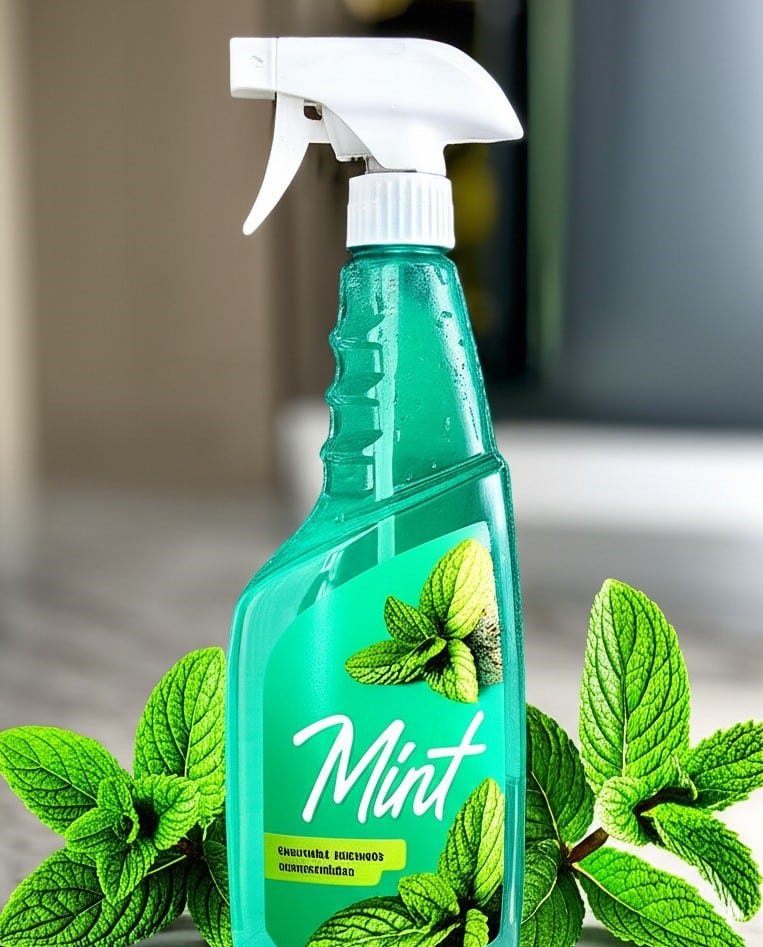
cleaning product mint with mint branch

Mint Cleaning Products: Discover The 6 Benefits of Mint in Cleaning

Using a mint cleaning products transforms the chore of tidying up into a refreshing experience. The sharp, cool scent cuts through stale air, replacing lingering cooking odors or bathroom stuffiness with a crisp aroma that signals true cleanliness. It’s a clean you can smell long after the cloths have been put away. 1.Citrus Note The scent of a clean home is often as important as the visual sparkle. While citrus notes are known for their zesty, energizing effect and lavender provides a sense of calm, mint occupies a unique and powerful space in the world of cleaning. It delivers a crisp, cool, and unmistakably clean fragrance that signifies a truly refreshed environment. The use of mint cleaning products transforms the chore of cleaning into a more invigorating and rewarding sensory experience. The sharp, piercing scent cuts through stale air and lingering odors, leaving behind a feeling of pure, unadulterated freshness that is difficult to replicate with other fragrances. It is a scent that doesn’t just mask odors, but seems to eradicate them, replacing them with an aura of hygienic purity. 2.Kitchen Odors In the kitchen, where grease and food odors present a constant battle, mint cleaning products are exceptionally effective. The natural compounds found in mint, particularly menthol, have a degreasing quality that helps break down oily residues on stovetops, backsplashes, and countertops. After cooking a fragrant meal, the air can feel heavy and saturated. A quick wipe-down of surfaces with a quality mint-based spray not only removes spills and splatters but also neutralizes those stubborn smells of garlic, onion, or fish. The versatility of mint cleaning products is on full display here. The sink, often a source of unpleasant smells, benefits immensely from a scrub with a mint-infused cleaner. It tackles food particles and leaves the basin smelling cool and clean for hours. Even the garbage disposal can be refreshed by using mint cleaning products, sending a plume of invigorating scent up from the drain instead of a whiff of yesterday’s waste. When mopping kitchen floors, a mint-based solution does more than just lift dirt; it leaves the entire room smelling revitalized from the ground up. 3.Mold and Damp in The Bathroom The bathroom is another area where the power of mint cleaning products truly shines. This space demands a high level of hygiene, and the scent of mint is psychologically associated with that very concept. It smells sterile in the best possible way. When used in a toilet bowl cleaner, it provides a powerful clean while effectively deodorizing the entire fixture. For showers and tubs, the challenges are soap scum and the potential for musty, damp smells. A good mint cleaning product cuts through the chalky residue and replaces any mildewy notes with its sharp, clean fragrance. The antimicrobial properties often associated with the essential oils in mint cleaning products make them ideal for this space. Wiping down sinks, faucets, and countertops leaves them gleaming and imbued with a scent that makes the entire room feel like a spa. Even cleaning mirrors and chrome fixtures with a mint-based glass cleaner is a more pleasant task; as you wipe away streaks, you are met with a cool, refreshing aroma rather than the harsh chemical smell of ammonia. 4.Homemade Recipes Creating your own mint cleaning products is a straightforward and cost-effective way to harness this power throughout your home. The satisfaction of making effective mint cleaning products at home is immense. A simple all-purpose spray can be made by combining one part white vinegar with one part water in a spray bottle and adding 15-20 drops of high-quality peppermint or spearmint essential oil. Shake well before each use. This homemade mint cleaning product is perfect for countertops, sinks, and other hard surfaces. It disinfects, deodorizes, and leaves that signature fresh scent. For more abrasive cleaning needs, such as scrubbing a stained sink or a grimy bathtub, a paste can be made from baking soda, a small amount of liquid castile soap, and several drops of mint essential oil. Apply the paste, let it sit for a few minutes, and then scrub with a damp sponge. You now have a powerful, abrasive mint cleaning product that is tough on grime but free from harsh chemicals. A wonderfully effective floor cleaner is just as easy: add a quarter-cup of white vinegar and 10 drops of mint essential oil to a gallon of hot water. This simple solution is one of the most effective DIY mint cleaning products you can make for mopping tile, linoleum, or vinyl floors, leaving them spotless and the air in your home feeling exceptionally clean. 5.Carpets and Rugs The utility of mint cleaning products extends far beyond the kitchen and bathroom. To freshen up carpets and rugs, mix a cup of baking soda with 10-15 drops of peppermint essential oil in a jar. Shake it vigorously, then sprinkle the mixture over the carpet. Let it sit for at least 15 to 20 minutes to absorb odors, then vacuum it up thoroughly. This simple trick is one of the most underrated uses for the components of mint cleaning products, leaving your textiles smelling crisp and new. The inside of a trash can, even when lined with a bag, can develop persistent odors. A quick spray and wipe with a mint-based cleaner after you take out the trash will keep it smelling fresh. For homes with pets, mint cleaning products can be a game-changer for cleaning pet areas, neutralizing odors without overwhelming sensitive noses with artificial perfumes. Stainless steel appliances, which often show every fingerprint and smudge, can be polished to a brilliant shine using a soft cloth and a mint-based cleaner, which helps to cut through greasy marks and leaves a streak-free, aromatic finish. The finish left by certain mint cleaning products on appliances is both visually appealing and olfactorily pleasing. 6.Mental Health The experience of using mint cleaning products goes beyond the physical act of cleaning; it has a noticeable psychological effect. The scent of mint is

Mint Cleaning Products: Discover The 6 Benefits of Mint in Cleaning Read More »

cobwebs being cleaned

Spider Webs: How to Completely Get Rid of the Webs That Appear Out of Nowhere in August

The arrival of August in Canada brings a specific, almost magical, change to the morning light. Spiders and their webs, the sun sits lower, and the air holds a hint of the coolness to come. This new light, combined with the morning dew, reveals something that has been building all summer but has remained largely invisible: a sudden, pervasive network of spider webs. They appear on porch railings, stretch between shrubs, frame every window, and cling to the eaves of the house. It can feel like an overnight invasion, a silken siege on your property. This phenomenon is not your imagination. Late summer is the peak season for many species of orb-weavers and other spiders. They have spent the spring and summer growing to maturity, and August is when their populations, and therefore their webs, are at their most numerous and conspicuous. Understanding how to manage this seasonal surge requires a systematic approach that addresses both the existing webs and the conditions that invite them. 1.Complete Removal The first step is a thorough and methodical removal of all visible webs. For the exterior of your home, your primary tool should be a long-handled duster or a clean broom with soft bristles. The goal is not simply to tear the webs down, but to capture them. A simple swipe will often break the web, leaving sticky anchor points and strands behind that will quickly collect dust and debris. Instead, use a gentle, rolling or twisting motion. Press the head of the broom or duster into the center of the web and rotate it. The silk will adhere to the bristles, winding around the tool like cotton candy. This technique removes the bulk of the web cleanly and often catches the spider along with it. Work your way systematically around the perimeter of your home. Pay close attention to corners, under eaves, around porch lights, window frames, door frames, and beneath deck railings. These are all prime locations for spiders as they offer shelter and are high-traffic areas for the flying insects they prey on. 2.Hose For webs that are particularly stubborn or in hard-to-reach places, a garden hose with a high-pressure nozzle can be effective. A strong jet of water will dislodge the webs and wash away the residue. However, this method is less precise and can sometimes just push the webs into other areas. Be mindful of spraying water directly into vents, under siding, or at window seals, as this can lead to moisture problems. A pressure washer can also be used, but it requires extreme caution. Use the lowest possible pressure setting and a wide-angle fan tip. High pressure can strip paint, damage wood, and force water behind your siding, causing significant and costly damage. For most residential situations, a standard hose is the safer and more appropriate choice. 3.Dish Soap After the initial removal, you will likely notice a faint, sticky residue where the web’s main anchor points were attached. This residue is what new spiders will often use as a foundation for their own webs. Cleaning this off is a crucial step in preventing a quick return. For painted surfaces, siding, and window frames, a simple solution of warm water with a small amount of dish soap is effective. Use a sponge or a soft-bristled brush to gently scrub the areas. For glass, a standard window cleaner or a solution of equal parts water and white vinegar will remove the residue and leave the surface streak-free. This follow-up cleaning might seem tedious, but it removes the “scent trails” and structural remnants that signal a viable web location to other spiders. 4.Vacuum Cleaner The interior of your home requires a more delicate touch. The single most effective tool for removing indoor spider webs is a vacuum cleaner with its hose and attachments. The crevice tool is perfect for reaching into the corners where walls meet the ceiling, along baseboards, and behind furniture. The brush attachment is ideal for more delicate surfaces like lampshades, curtains, and bookshelves. The power of the vacuum ensures you are not just removing the web, but also the spider and, most importantly, any unseen egg sacs. An egg sac can contain hundreds of spiderlings, and simply dusting it away can cause it to rupture, releasing them into the room. Vacuuming contains the problem entirely. Make it a habit to use the vacuum attachments to trace the upper and lower perimeters of every room during your regular cleaning routine. This proactive measure will catch new webs before they become noticeable. Areas that are often overlooked include basements, garages, and attics. These quiet, cluttered, and often damp spaces are ideal habitats for spiders. A thorough vacuuming of these areas, moving boxes and storage containers to get into the corners, is essential for controlling the indoor population. 5.Prevention Once the existing webs are gone, the focus must shift entirely to prevention. Removing webs is a temporary solution; creating an environment that is unattractive to spiders is the long-term goal. This strategy begins with controlling their food source: insects. Most insects are attracted to light, particularly bright, white light. The classic porch light is a nightly buffet for moths, gnats, and other flying creatures, which in turn attracts spiders who build their webs nearby to catch this easy prey. A simple and highly effective change is to switch your exterior bulbs to yellow “bug lights” or sodium vapor lights. These bulbs emit a wavelength of light that is far less visible and attractive to most insects. This single change can dramatically reduce the number of insects congregating around your doors and windows, and consequently, the number of spiders setting up camp. Alternatively, consider installing motion-activated security lights instead of lights that stay on all night. The light will only come on when needed, creating a less reliable food source for the spiders. 6.Block The next line of defense is to physically block their entry into your home. Spiders are masters of finding small openings. Conduct a detailed

Spider Webs: How to Completely Get Rid of the Webs That Appear Out of Nowhere in August Read More »

cleaning services in Edmonton

Edmonton Move-Out Cleaning: Common Mistakes to Avoid

Edmonton Move-Out Cleaning: The Mistakes That Cost Tenants Their Deposits Moving is a study in controlled chaos: boxes stacked into fortresses, furniture wrapped and disassembled, every day a countdown to a new beginning. In that whirlwind, one critical task looks backward, and it is not your average weekly tidy. A move-out clean is a forensic-level deep clean, the final act of stewardship for a space you once called home, and often the single most important factor in getting your full security deposit back from your Edmonton landlord. Lost deposits trace back to a handful of predictable mistakes. Here is how to avoid every one of them. Mistake 1: Reading “Broom-Swept” Too Literally The rental agreement, signed and filed away, suddenly becomes the most important document in the move. Clauses describing the condition the property must be left in are no longer fine print; they are your departure checklist. The phrase “broom-swept condition” is dangerously misleading. To a tenant, it can sound like a quick vacuum and a wipe of the counters. To a property manager preparing to show the unit to prospective tenants, it means a property that is not just empty but immaculate, as close as possible to the day you moved in. The gap between those interpretations is where deposits are lost. Every move-out clean begins with one mindset shift: you are cleaning for someone else’s inspection, so you need the critical eye of a landlord who is financially motivated to find fault. Mistake 2: Washing the Floors and Missing Everything Else Mistake 2 covers the details landlords actually inspect. Work high to low, and skip nothing on this list. Ceiling corners cleared of cobwebs; light fixtures and fans wiped down, because they are dust magnets. Walls, doors, and doorframes washed: scuffs, switch-plate fingerprints, and smudges visible only in certain light all count. Baseboards on hands and knees, every inch, since they trace every room and collect surprising grit. Windows cleaned inside and out where accessible, with real effort on sills and tracks, where dust and dead insects collect; a brush and vacuum attachment signals a thorough job. Closets fully emptied, with shelving, rods, and walls wiped, then floors vacuumed and mopped. Carpets: a professional steam clean is often stipulated in the lease or simply expected, since a household vacuum cannot lift deep-set dirt, allergens, and odors from a year of foot traffic. Mistake 3: Going Soft on the Kitchen The kitchen is the heart of the move-out challenge: a zone of grease, food splatter, and built-up grime. Every cabinet and drawer gets emptied and cleaned inside out, including interior shelves, drawer bottoms, handles, and cabinet faces, with special attention to the sticky film of aerosolized grease above and around the stove. Then the appliances, the main event. The refrigerator is emptied completely, its shelves and drawers washed separately in warm soapy water, its interior scrubbed, its exterior wiped including the top, and the unit pulled from the wall to clear the forgotten landscape of dust and crumbs behind and beneath it, vacuuming the coils so the next tenant inherits an efficient fridge. The oven draws the most dread: baked-on grease and carbonized food need a powerful cleaner, serious scrubbing, soaked racks, scraped interior walls, and door glass cleaned until transparent. Burners get cleaned, drip pans scrubbed or replaced, and the surface degreased. The range hood is degreased and its filter cleaned or replaced per the manufacturer’s instructions. The dishwasher gets its filter cleared of food debris and a cleaning cycle with a dishwasher-specific product to break down soap scum and hard water deposits. Finally, sink, faucet, countertops, and backsplash are scrubbed, disinfected, and polished to the CDC’s cleaning and disinfecting standard. Mistake 4: Treating the Bathroom as a Five-Minute Wipe-Down Bathrooms are judged on soap scum, hard water stains, and sanitation. The toilet is cleaned and disinfected top to bottom: tank, exterior bowl, seat and its hinges, and the base where it meets the floor, a notorious collection point for dust and grime. The shower and tub need heavy-duty work to lift soap scum from walls and glass doors and mineral deposits from fixtures, and grout lines usually demand a stiff brush and a dedicated cleaner to clear mildew and discoloration. The vanity and sink are cleared out and cleaned inside and out like the kitchen cabinets, the sink and faucet scrubbed and polished free of toothpaste residue and water spots, the mirror cleaned to a streak-free shine, and the exhaust fan cover taken down and washed to remove its thick dust coating. The floor is swept and mopped meticulously, including the corners and behind the toilet. Mistake 5: Assuming DIY Is the Cheap Option Once the checklist above lands, the do-it-yourself question becomes practical. DIY looks cost-effective at first glance, then the hidden costs appear. Hidden cost of DIY What it actually takes Supplies Degreasers, oven cleaner, glass cleaner, grout cleaner, floor polish, and disinfectants, plus cloths, brushes, a good mop, and a powerful vacuum; see Health Canada’s household products guidance before buying chemical cleaners Time One person can easily spend one or two full days of hard physical labour, exactly when your energy belongs to the move itself Inadequacy risk Deposit deductions for missed details can easily exceed the cost of hiring professionals Professionals run this checklist daily. They bring industrial-strength products and efficient systems, they know what landlords look for, they accomplish in a few hours with a team what takes one person a full weekend, and they are insured and often guarantee the work, returning to fix anything flagged at the final walkthrough. Edmonton Move-Out Cleaning FAQ What does “broom-swept condition” really require? In practice, landlords expect a clean close to move-in ready: spotless floors, wiped walls and baseboards, empty and cleaned cabinets and closets, and sanitized appliances. Assume the strict reading, because the lenient one is how deposits get deducted. Do I really need to steam clean the carpets? Check your lease. Steam cleaning is frequently stipulated in writing, and where

Edmonton Move-Out Cleaning: Common Mistakes to Avoid Read More »

Cleaning services in laval

House Cleaning Services in Laval: Get a Fascinating Home Today!

Reputable cleaning services in Laval have become a go-to solution for those who prioritize a spotless environment but lack the capacity to achieve it themselves. They provide the necessary expertise and dedicated time to handle the exhaustive requirements of deep cleaning and regular maintenance, ensuring spaces are not just tidy, but truly clean. The benefit extends beyond aesthetics; it contributes to a healthier indoor air quality and a more pleasant atmosphere for everyone. The necessity of maintaining a pristine environment in Laval is a fundamental aspect of modern living. For residents and business owners alike, the challenge lies in balancing a demanding schedule with the ongoing need for a clean, sanitary, and welcoming space. The very pace of life can relegate deep cleaning to a secondary priority, yet its importance for health and well-being remains paramount. This is precisely the gap that professional cleaning services fill, offering a systematic and reliable solution. The demand for high-quality cleaning services in Laval is a direct reflection of a community that values both its time and the quality of its surroundings. A truly effective cleaning regimen is built on a foundation of consistent, meticulous tasks. It begins with the universal battle against dust, which accumulates on every horizontal and vertical surface. A professional approach ensures that nothing is overlooked, from the tops of shelves and doorframes to the often-neglected baseboards and window sills. This process is more than a quick wipe; it involves using the correct tools and techniques to capture and remove dust, not just redistribute it. Following this, floors are given comprehensive attention. Carpets and area rugs are vacuumed thoroughly, edge to edge, with equipment powerful enough to lift dirt, allergens, and pet dander from deep within the fibers. For hard surfaces like wood, tile, or laminate, mopping is performed with pH-neutral solutions that sanitize without causing damage, leaving floors spotless and free of residue. This baseline of care, when performed regularly, is what separates a superficially tidy space from a genuinely clean one. The reliability of professional cleaning services in Laval ensures this standard is consistently met. The kitchen, as the hub of culinary activity, requires an even more rigorous standard of hygiene. Professional cleaning services in Laval address this with a detailed, multi-point process. Countertops are cleared and disinfected to eliminate bacteria and food particles. The exteriors of all appliances, refrigerator, oven, dishwasher, and microwave, are wiped down and polished, removing fingerprints and smudges to restore their intended finish. The stovetop, a frequent site of grease and food spatter, is thoroughly degreased and scrubbed. Sinks are scoured and faucets polished to a high shine, preventing the buildup of limescale and mildew. Cabinet fronts are wiped clean of drips and fingerprints, and the kitchen floor is given a final, meticulous sweep and mop. Similarly, bathrooms demand a clinical level of sanitation. Expert cleaning services in Laval execute a top-to-bottom disinfection. The toilet is cleaned and sanitized inside and out. Sinks and countertops are scrubbed free of soap residue and germs. Mirrors are polished to a streak-free shine. The most labor-intensive area, the shower and bathtub, is given special focus. Tile walls, grout lines, and glass doors are painstakingly scrubbed to remove soap scum, hard water stains, and any trace of mold or mildew. This task alone highlights the value of professional help, as it requires significant physical effort and specialized products to achieve a truly hygienic result. Emptying wastebaskets and sanitizing the floor complete the process, leaving the bathroom fresh and immaculate. The market for cleaning services in Laval has grown because residents understand the importance of this level of professional care. Beyond regular maintenance, there are times when a more intensive approach is necessary. A deep clean is a comprehensive, whole-home service that addresses the accumulated grime that standard cleaning may not reach. It encompasses all the tasks of a regular clean but expands upon them significantly. This includes washing interior windows and cleaning out the tracks and sills. Light fixtures, ceiling fans, and vents are carefully dusted. One of the defining features of a deep clean is the attention paid to the interior of appliances. Ovens are degreased, refrigerators are emptied and sanitized, and microwaves are cleaned inside and out. It’s a service that redefines what many people expect from cleaning services in Laval. This exhaustive process often involves washing down doors, doorframes, and baseboards throughout the entire property. Blinds may be individually wiped down, and furniture may be moved to clean the spaces underneath and behind it. This is the kind of transformative work that makes a home feel new again. People often schedule a deep clean seasonally, before hosting a major holiday or event, or simply when they feel their home needs a complete reset. The thoroughness offered by these types of cleaning services in Laval is unparalleled. Certain life events necessitate even more specialized cleaning solutions. Moving is a primary example. Whether you are a tenant aiming to secure a full security deposit or a homeowner preparing a property for sale, a move-out clean is critical. This is arguably the most intensive service offered by cleaning services in Laval. It involves deep cleaning an empty residence from top to bottom, including the insides of all cabinets, drawers, and closets. Walls are often spot-cleaned, and every fixture is polished. The goal is to leave the property in pristine condition for its next occupants. A move-in clean offers the opposite benefit: ensuring your new home is completely sanitized and free of the previous residents’ dust and dirt before you begin to unpack. Post-construction or post-renovation cleaning is another highly specialized field. Construction projects generate an immense amount of fine dust-from drywall, wood, and other materials-that permeates every surface and crevice. This is not ordinary dust; it is pervasive and requires specific equipment to remove safely and effectively. Professional cleaning services in Laval utilize industrial-strength vacuums with HEPA filters to capture these fine particles from the air and from surfaces. The process is multi-phased, often requiring several rounds of dusting and wiping to ensure all residue is gone. This is essential not

House Cleaning Services in Laval: Get a Fascinating Home Today! Read More »

housekeeper deep cleaning

Deep Cleaning Services in Toronto, We Do It Right!

Deep Cleaning Services in Toronto: The Complete Reset Your Home Needs A regular cleaning keeps surfaces tidy, but the grime that accumulates below the surface quietly builds up over the months. That is the domain of specialized deep cleaning services in Toronto. Unlike standard housekeeping, a deep clean is a comprehensive, methodical process that tackles dirt in every often-overlooked, hidden corner of your home: a fundamental reset that restores your space to a truly pristine state. What Makes a Deep Clean Different? Professional deep cleaning focuses on a thorough, top-to-bottom reset of every room, targeting buildup that routine visits simply do not reach. It goes far beyond the surface and into the details: grease on cabinet fronts, dust in air vents, limescale on fixtures, and grime in grout lines. The scope demands expertise and specialized equipment, and more and more Toronto homeowners and businesses are investing in it, whether for a spring reset or as part of ongoing maintenance. For a fuller breakdown of what a session covers, see our guide to deep cleaning services in Toronto. Kitchen Deep Cleaning: Degreasing and Appliance Interiors In kitchens, the work is all about degreasing and disinfecting, starting inside your cupboards. Crews empty cupboards and pantries to inspect for spills, sticky residue, forgotten food, and signs of pests, then degrease and sanitize every interior surface. Handles and cabinet fronts get attention too, because repeated hand contact leaves a sticky film. Appliances receive treatment they almost never get at home: Oven: racks soaked, interior carbon buildup scrubbed, door glass cleaned for a like-new view. Stovetop: grates and burner caps removed and cleaned, boiled-over residue scrubbed from the surface. Range: pulled out so the sides, the floor behind it, and the wall are reached and wiped clean. Refrigerator and freezer: emptied, shelves and drawers washed, door gaskets detailed with a small brush, condenser coils vacuumed of dust to support efficiency and lifespan. Small appliances: toaster crumb trays emptied, coffee makers and kettles descaled, microwave interiors scrubbed, including the often-splattered ceiling. Bathroom Deep Cleaning: Soap Scum, Limescale, and Grout Bathrooms are scrubbed and sanitized top to bottom, dissolving soap scum and body residue from tubs and showers with specialized agents made for stubborn film. Shower doors and glass enclosures are cleaned until streak-free, the tracks at the base are cleared of accumulated gunk, and tiles and grout lines are meticulously scrubbed to lift mildew and dirt from porous grout. Stubborn mold and mildew in damp bathrooms are common culprits, and the CDC’s guidance on mold and your health explains why proper removal matters. Health Canada also recommends keeping indoor humidity low and fixing moisture sources so mould cannot take hold in the first place. Fixtures get their shine back as limescale and mineral deposits are removed from faucets and showerheads, and chrome is polished. Toilets are cleaned inside the bowl and across the entire exterior, from the tank lid and handle to the seat, hinges, base, and surrounding floor, plus the often-ignored overflow hole inside the tank, flushed clean with disinfectant. Vanity and medicine cabinets are emptied and wiped inside, and exhaust fan covers are removed and washed, because a dusty fan cannot ventilate properly and traps the humidity that leads to mildew. Living Areas and Bedrooms: A Top-to-Bottom Reset Crews work from the ceiling down to the floor in every room. Cobwebs are removed from corners and ceiling edges, light fixtures and ceiling fan blades are dusted, and the tops of bookcases, wardrobes, and cabinets are reached. Walls are spot-cleaned of scuffs and splatters, and baseboards, door frames, window frames, and switch plates are hand-wiped one by one. The process continues behind and beneath the obvious. Furniture is moved so the floors underneath are reached, and upholstery is vacuumed with crevice tools to extract dust, skin cells, and allergens from fabric. Wood furniture is polished, lampshades and blinds are dusted, and the air system itself is addressed: vents and grilles are vacuumed and wiped, and HVAC return air covers are pulled and dusted out. Professional crews rely on HEPA-filter vacuums that capture microscopic allergens rather than recirculating them, and steam cleaners that sanitize without harsh chemicals. When Toronto Homes Need a Deep Clean Most Deep cleaning requests tend to follow life events: Moving into or out of a home, when deposits and first impressions are at stake. Post-renovation cleanup after the construction dust settles in every crack. Seasonal refreshes, especially the annual spring clean. Before hosting an event or gathering, such as a wedding at home or the holidays. Preparing a space for a new baby or toddler who will crawl across every floor. Allergy season, when dust, dander, and pollen accumulate indoors. How to Choose a Professional Deep Cleaning Company Not all services are created equal, so choose carefully. Look for a company that offers a range of deep cleaning options with a detailed, transparent list of what each package includes. Prioritize experienced, trained professionals who understand the right products and techniques for different surfaces, and verify that the company is insured and bonded to protect your home and belongings. What to check Why it matters Transparent scope and checklist You can compare packages and know what is covered before booking. Trained, vetted crew Correct products and techniques protect finishes instead of damaging them. Insurance and bonding Toronto Shine carries a $1,000,000 insurance policy and a $10,000 accidental breakage and surety bond. Flat, upfront pricing Our deep clean starts at $270.38 before HST for a studio or one-bedroom, shown on our pricing page. Deep Cleaning Service FAQs What is included in a deep cleaning service in Toronto? A full reset of each room: kitchen cabinets and appliances inside and out, bathrooms degreased and descaled with grout scrubbed, walls spot-cleaned, baseboards and switch plates wiped, vents dusted, furniture moved, and floors and carpets thoroughly cleaned. How is deep cleaning different from regular housekeeping? Regular visits maintain cleanliness on visible surfaces. A deep clean restores the areas maintenance skips, which is why many homes pair

Deep Cleaning Services in Toronto, We Do It Right! Read More »

August cleaning preparation

How To Prepare For August Cleaning: 7 Steps Fast and Easy

August cleaning is a specific kind of reset, the air in Toronto during August carries a distinct weight. This is the month where summer hits its peak just before beginning its slow retreat. Inside your home, the evidence of a season lived to its fullest is everywhere. Preparing for the August cleaning isn’t just about tidying; it’s about resetting the home after months of high activity and preparing it for the shift into autumn. The purpose of a dedicated August cleaning is to systematically remove the specific grime of summer and create a clean foundation for the indoor months to come. 1.HVAC A critical first step in any thorough August cleaning is addressing the air your family breathes. With windows open for weeks, allergens, city dust, and pollen have infiltrated every room. Your HVAC system has been in constant use, and its filter is the first line of defense. Changing it is a non-negotiable starting point for your August cleaning. A clogged, grey filter is not only inefficient but also circulates the very particles you want to remove. Once replaced, use a vacuum with a brush attachment to clean all intake and outtake vents. This foundational task sets the stage for the rest of your August cleaning, ensuring the air moving through your home is as clean as possible. 2.Windows and Doors Now, turn your attention to the windows and doors. The screens have been interceptors of bugs, leaves, and dirt all summer. A proper August cleaning demands they be removed and washed. A soft brush, mild soap, and a gentle spray from a garden hose will dislodge the grime. While they dry, focus on the window tracks and sills. These channels are graveyards for dust and insects. Vacuum the loose debris and use an old toothbrush to scrub the caked-on dirt. This level of detail is a hallmark of a successful August cleaning. Washing the glass, inside and out, on an overcast day will prevent streaking and let pristine light into your newly refreshed space. Completing this part of the August cleaning makes an immediate, visible difference to the brightness of your home. 3.The Floors The floors hold the story of summer. Sand from The Beaches, soil from the garden, and grass from the park have been ground into every surface. A deep floor treatment is non-negotiable for a proper August cleaning. For hard floors, a thorough mopping, perhaps even twice in high-traffic areas, is required to lift the settled-in dirt. For carpets and area rugs, this is the time for a deep extraction clean. Renting or owning a carpet cleaner is essential for this part of the August cleaning, as it pulls out the deep-set allergens and grit that a standard vacuum cannot reach. The murky water you dispose of is proof of the effectiveness of this task. Moving furniture to clean underneath is a vital step in a comprehensive August cleaning; the dust and lost items accumulated over three months need to be addressed. This aspect of the August cleaning removes the literal grit of the season from your home. 4.Fat in the Kitchen The kitchen August cleaning is a project in itself. The refrigerator has been a revolving door of summer treats and barbecue ingredients. Empty it completely. Wash all shelves and drawers in warm, soapy water. Wipe the interior with a food-safe cleaner, checking expiration dates as you go. The exterior and handles, covered in fingerprints, also need attention. Summer cooking often involves more frying and grilling, leaving a sticky film of grease on cabinets, the backsplash, and especially the range hood. A good degreaser is your best tool for this part of the August cleaning. Spray it on, let it work for a few minutes, then wipe clean. Don’t forget the hidden areas during your August cleaning; pull out the oven and stove to clean the sides and the floor underneath, which are magnets for crumbs and grease. This part of the August cleaning is about health as much as it is about aesthetics. 5.Sofa Cushion Your living room August cleaning should focus on soft surfaces where dust and dander settle. If your sofa cushion covers are machine-washable, now is the time to launder them. For all other upholstery, a meticulous vacuuming with the correct attachment is key. Go into every seam and crevice. For a deeper refresh, sprinkling baking soda over the fabric, letting it sit to absorb odors, and then vacuuming it up is a great technique to include in your August cleaning schedule. All throw blankets and pillows should be washed or cleaned according to their care tags. Dusting is another crucial element. Use a damp microfiber cloth to trap dust, not just move it. The goal of this August cleaning is to touch every surface, including the tops of picture frames, ceiling fan blades, and lamp shades. This comprehensive dusting is what makes an August cleaning so effective. Think of this as resetting the comfort zones of your home with your August cleaning. 6.Bathroom The bathroom August cleaning targets the buildup from summer humidity and increased traffic. Go beyond the basic wipe-down and scrub the grout lines on the floor and in the shower where soap scum and mineral deposits have accumulated. A paste of baking soda and vinegar is an effective, natural solution. Wash the shower curtain and its liner. The exhaust fan cover, likely caked with dust, should be removed and cleaned to ensure it can effectively pull moisture from the air. A successful August cleaning restores these high-use spaces to a state of hygienic freshness. Take the time to empty and wipe out medicine cabinets and vanities, organizing the contents as you go. 7.The Summer Gear A key part of the August cleaning process is managing the transition of seasonal items. The summer gear pool toys, beach chairs, inflatable rafts needs to be cleaned, deflated, and stored properly to protect it for next year. The barbecue grill deserves a deep clean after a season of heavy

How To Prepare For August Cleaning: 7 Steps Fast and Easy Read More »

housekeeper

What Is A Housekeeper – 3 Reasons Why You Should Hire

A housekeeper is far more than just someone who cleans your home. While the primary image that comes to mind might be someone with a vacuum or a dust cloth, the reality of a professional housekeeper’s role is much broader, encompassing a comprehensive approach to home management and the overall well-being of a living space. They are individuals entrusted with maintaining the order, cleanliness, and functionality of a household, often serving as a crucial backbone for busy individuals and families. It’s about creating and sustaining an environment where you can truly thrive, not just exist. Think of a housekeeper not as a visitor who performs a single task, but as a dedicated manager of your domestic environment. Their responsibilities extend well beyond surface-level tidiness. They delve into the intricate details of what makes a house feel like a home  a place of comfort, peace, and efficiency. This often includes a wide array of duties that can be customized to suit specific household needs, but generally covers everything from meticulous cleaning to organizational tasks and even light household management. They are experts in ensuring that every corner of your home is not just clean, but cared for, reflecting an understanding of proper maintenance and the nuances of different materials and surfaces. 1.Light and Heavy Cleaning For instance, their cleaning duties are exhaustive. This isn’t just a quick sweep or a superficial wipe-down. A professional housekeeper engages in deep cleaning protocols for kitchens and bathrooms, sanitizing surfaces, scrubbing grout, polishing fixtures, and ensuring these critical areas are hygienic and sparkling. They handle floor care with precision, knowing the right methods for hardwood, tile, carpet, or laminate, ensuring longevity and shine. Dusting isn’t limited to visible surfaces; it extends to baseboards, light fixtures, ceiling fans, blinds, and intricate decor, preventing the buildup of allergens and maintaining a fresh atmosphere. Vacuuming and mopping are performed thoroughly, reaching under furniture and into corners that are often overlooked in daily tidying. Laundry management is also a common duty, involving washing, drying, folding, ironing, and putting away clothes, linens, and towels, ensuring that your wardrobe and household textiles are always fresh and ready. They make beds with an eye for detail, turning a simple chore into an act of creating a welcoming sanctuary. Beyond the immediate act of cleaning, a housekeeper is also an organizational wizard. They help in reducing clutter, creating systems for storage, and maintaining order in common areas, closets, and pantries. This proactive approach to organization means less time spent searching for items and more time enjoying a harmonious living space. They might assist with tidying up children’s play areas, ensuring toys are stored properly, or organizing bookshelves and filing systems. It’s about creating a flow in the home that makes daily living smoother and less stressful. This often involves an intuitive understanding of how a household operates and anticipating what areas might become disorganized, intervening before chaos takes hold. Furthermore, a housekeeper often takes on light household management responsibilities. This can include managing household supplies, ensuring that cleaning products, toiletries, and even certain pantry staples are always stocked. They might run light errands, such as dropping off dry cleaning or picking up groceries. For homes with pets, they might assist with basic pet care, like feeding or tidying up pet areas. They can also oversee plant care, ensuring your indoor greenery thrives. In some cases, especially in larger homes, a housekeeper might coordinate with other service providers, such as plumbers, electricians, or gardeners, ensuring maintenance schedules are met and issues are addressed promptly. They act as a central point of contact, ensuring the home functions like a well-oiled machine, even when you are not present to manage every detail yourself. The distinction between a “cleaner” and a “housekeeper” is critical. A cleaner typically comes for a few hours, performs specific cleaning tasks, and then leaves. Their focus is solely on the immediate cleanliness of the space. A housekeeper, on the other hand, often has a more encompassing and ongoing relationship with the household. They are involved in the continuous upkeep, proactive organization, and management of the home’s daily rhythm. They build an intimate understanding of the home’s needs, its inhabitants’ preferences, and the specific routines that keep everything running smoothly. This level of dedication and involvement fosters a deeper sense of trust and partnership, where the housekeeper becomes an invaluable asset to the household’s operational efficiency and overall peace. 2.Making Up For Lost Time So, why should you consider hiring a housekeeper? The reasons are multifaceted and profoundly impactful on your daily life. Primarily, it’s about reclaiming your time. In today’s fast-paced world, time is arguably our most precious commodity. Juggling demanding careers, family responsibilities, social obligations, and personal pursuits leaves very little room for the arduous and often relentless demands of household chores. The hours spent on cleaning, organizing, and maintaining a home can quickly accumulate, eating into weekends, evenings, and any potential moments of relaxation. Hiring a housekeeper liberates these hours, allowing you to dedicate them to activities that genuinely enrich your life – spending quality time with loved ones, pursuing hobbies, engaging in personal development, exercising, or simply enjoying uninterrupted rest. Imagine coming home after a long day not to a list of chores, but to a clean, organized, and welcoming sanctuary, ready for you to unwind. This isn’t just about saving time; it’s about investing in your personal well-being and life satisfaction. Beyond time, hiring a housekeeper significantly reduces stress and mental load. The burden of an untidy or disorganized home can weigh heavily on one’s mind, creating a constant hum of anxiety and guilt. The mental energy expended on planning cleaning schedules, remembering what needs to be done, or feeling overwhelmed by accumulated mess is immense. A housekeeper takes this entire burden off your shoulders. The peace of mind that comes from knowing your home is being professionally cared for, consistently and thoroughly, is immeasurable. It eliminates potential arguments or frustrations over chore distribution in shared living spaces and

What Is A Housekeeper – 3 Reasons Why You Should Hire Read More »