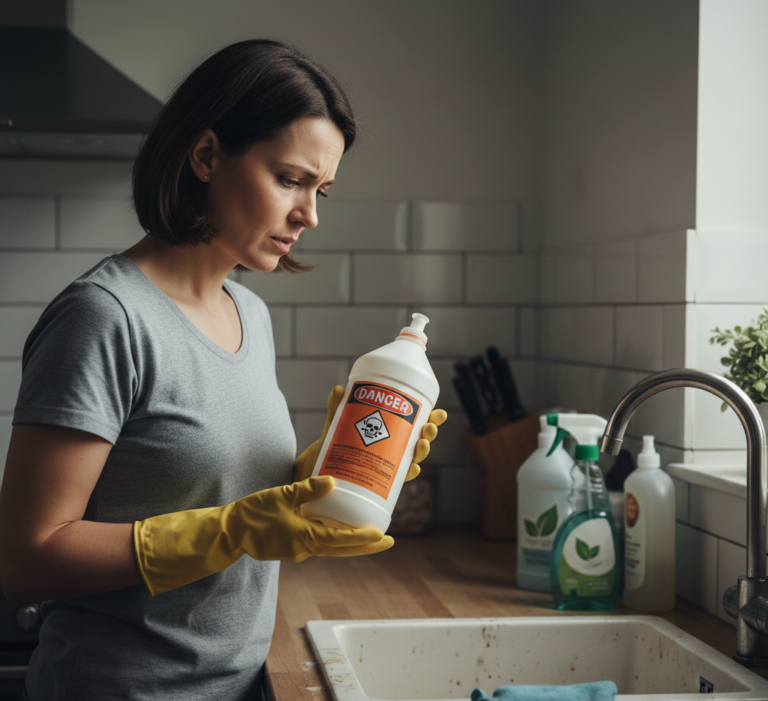










How does caustic soda work, in the world of cleaning, there is a clear hierarchy of chemical power. At the bottom are the gentle, pH-neutral soaps designed for daily maintenance. Further up the scale are the acids, like vinegar and citric acid, which dissolve mineral deposits. At the very top, reigning supreme as one of the most potent and aggressive substances available to the public, sits sodium hydroxide. More commonly known as caustic soda or lye, this chemical is not a cleaner in the traditional sense. It does not lift dirt; it chemically dismantles it. It is an industrial-strength weapon that has found its way into household products, particularly oven cleaners and drain openers. Its efficacy is undeniable, but so are its dangers. To handle caustic soda is to handle a controlled chemical reaction. Understanding its properties, its limitations, and the absolute necessity of safety protocols is the non-negotiable prerequisite for anyone considering its use.

Alkaline Substances
To appreciate the power of caustic soda, one must understand its chemistry. It is a highly alkaline substance, sitting at the extreme end of the pH scale. When it comes into contact with organic matter, it initiates a process called saponification. In simple terms, it turns fats and grease into soap. The sodium hydroxide breaks down the triglycerides in the fat, creating glycerol and a water-soluble fatty acid salt (soap). This reaction is exothermic, meaning it generates a significant amount of heat. It is this combination of chemical transformation and thermal energy that makes caustic soda so effective at clearing a drain clogged with hair and grease. The heat melts the solid fats, and the chemical reaction turns the entire mess into a liquid that can be flushed away.
The most common household application of caustic soda is in heavy-duty oven cleaners. Over time, the spills and splatters in an oven undergo polymerization. The oils bake onto the enamel surface, turning into a rock-hard, black carbonized layer that is impervious to standard scrubbing. When you spray an oven cleaner containing caustic soda onto this surface, the chemical begins to dissolve this polymer. It breaks down the long-chain molecules of the baked-on grease, softening the carbon into a gummy, brown sludge. After allowing the chemical to dwell for several hours, this sludge can be wiped away, revealing the clean enamel underneath. Without caustic soda, removing this layer would require hours of aggressive scraping with a razor blade. The chemical does the physical work for you.
Corrosive
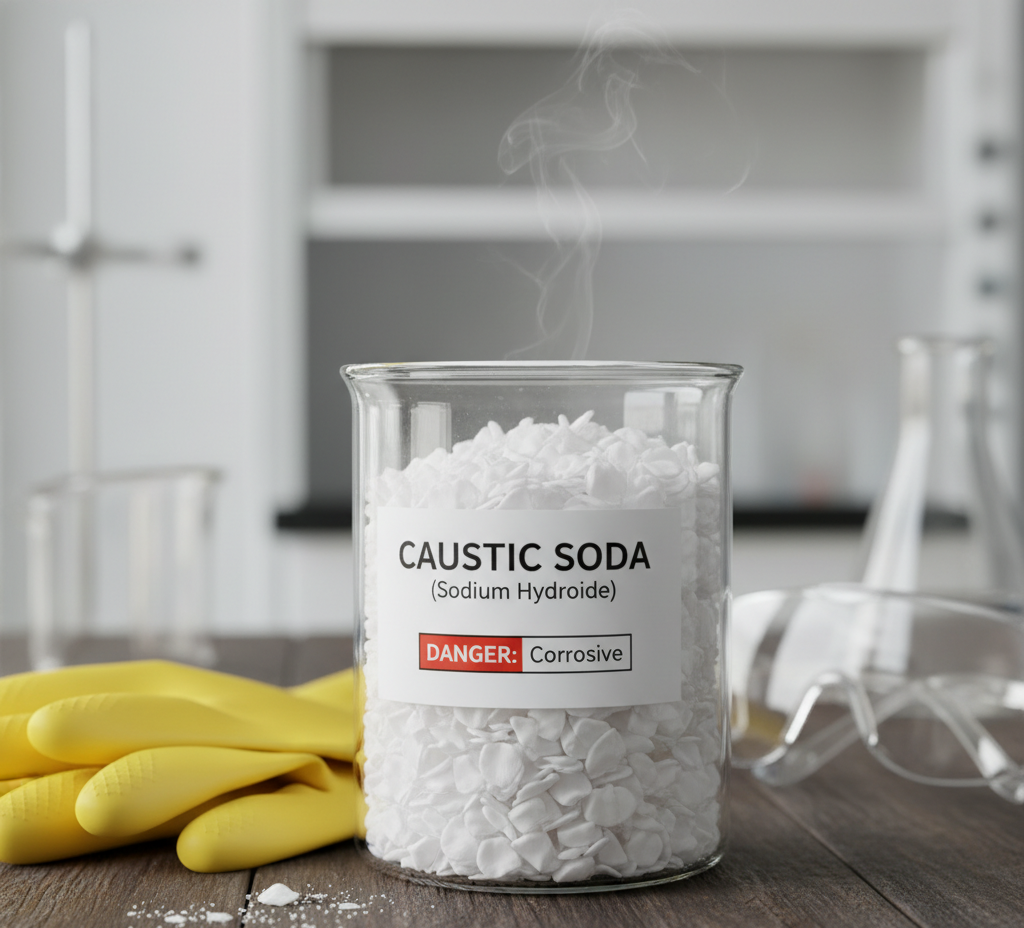
However, this immense power comes with an equally immense risk profile. Caustic soda is indiscriminately corrosive. While it targets fats and proteins, it will also attack living tissue with the same ferocity. Skin contact with a concentrated lye solution can cause severe chemical burns within seconds. The chemical not only burns the surface layer but continues to eat through the tissue underneath. Splash-back into the eyes can result in permanent blindness. This is why the safety warnings on these products are not suggestions; they are absolute mandates. Protective gear is not optional. Heavy-duty rubber gloves that extend up the forearm, along with splash-proof goggles, are the minimum requirement for handling any product containing this chemical.
Inhalation is another significant danger. Many caustic soda products, particularly drain openers, are sold in a granular or flake form. When these solids are mixed with water, the exothermic reaction can create a cloud of hot, corrosive steam. Inhaling this vapor can cause severe damage to the delicate tissues of the respiratory tract. Furthermore, if the reaction is uncontrolled—such as by pouring water into a container of lye instead of the other way around—the mixture can erupt violently, splashing the caustic solution across the room. All work with caustic soda must be done in a well-ventilated area, with windows open and fans running to disperse the fumes.
The reactivity of caustic soda extends beyond biological tissue. It is highly corrosive to certain metals, most notably aluminum. If a lye-based drain cleaner is used in pipes made of aluminum or certain alloys, it will eat through the metal, causing catastrophic leaks. This is why it is crucial to know the composition of your plumbing before using these products. It is generally safe for PVC and stainless steel, but older homes with mixed metal plumbing present a significant risk. The same caution applies to cookware. Never use an oven cleaner containing caustic soda on an aluminum baking pan or a grill grate made of aluminum. It will pit and discolor the metal permanently.
Drain Plunger
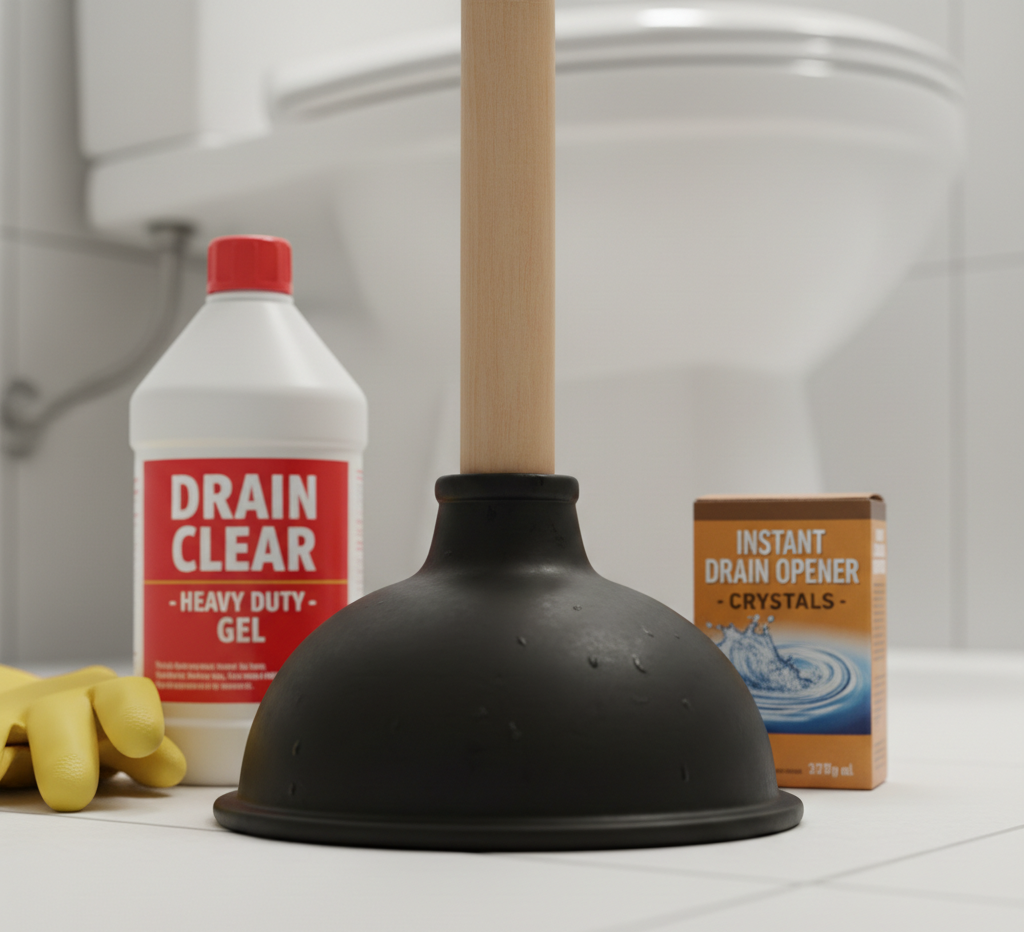
The use of caustic soda as a drain opener also carries a mechanical risk. If the chemical fails to clear the clog, you are left with a pipe filled with a highly toxic, corrosive liquid. At this point, you cannot use a mechanical snake or a plunger, as the back-splash could be life-threatening. You are forced to call a plumber and inform them that the drain is “live” with chemicals, a situation that significantly increases the cost and complexity of the repair. For this reason, many plumbers advocate for enzymatic drain cleaners or mechanical removal as the first line of defense, reserving caustic soda for professional use only.
Despite these dangers, the effectiveness of caustic soda for specific, targeted tasks is undeniable when used correctly. For restoring old, cast iron cookware that has been caked with decades of carbon buildup, a lye bath is the gold standard for restorers. This involves creating a diluted solution of caustic soda and water in a plastic bin and submerging the pan for several days. The lye slowly but surely strips everything off the pan—old seasoning, rust, and carbon—down to the bare grey iron, without the physical labor of sanding. This process must be done outdoors with extreme care, but it yields a perfectly clean slate for re-seasoning.
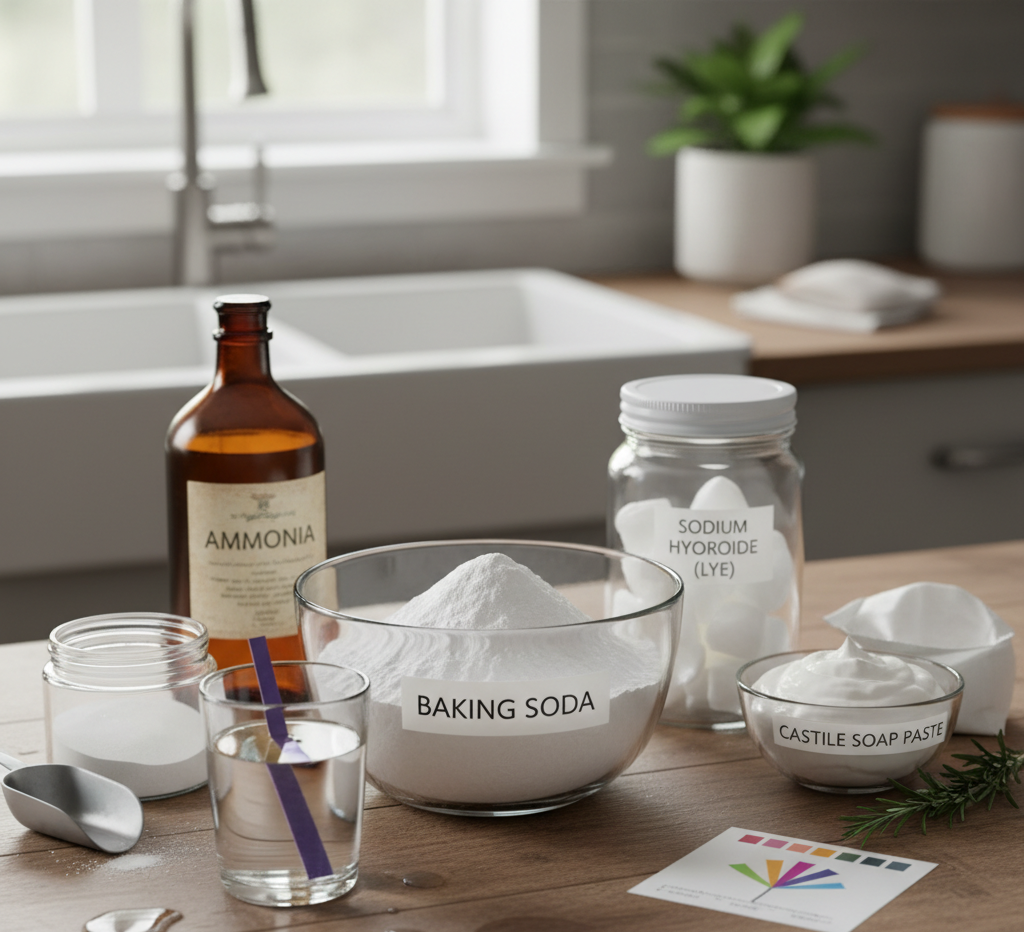
The key to safely using caustic soda is neutralization. As a strong base, it is neutralized by a strong acid. After cleaning an oven or a piece of cast iron, the surface must be thoroughly rinsed to remove all traces of the lye. A final wipe-down with a vinegar solution helps to neutralize any microscopic residue that remains, ensuring the surface is food-safe. It is a process of controlled destruction followed by careful restoration of neutrality.
For the average homeowner, the risks associated with handling pure caustic soda often outweigh the benefits. The pre-packaged aerosol oven cleaners and liquid drain openers are formulated with lower concentrations and contain thickeners to reduce the risk of splashing, making them safer than mixing raw crystals. However, even with these precautions, the fundamental danger of the chemical remains.
Is it Still Viable?
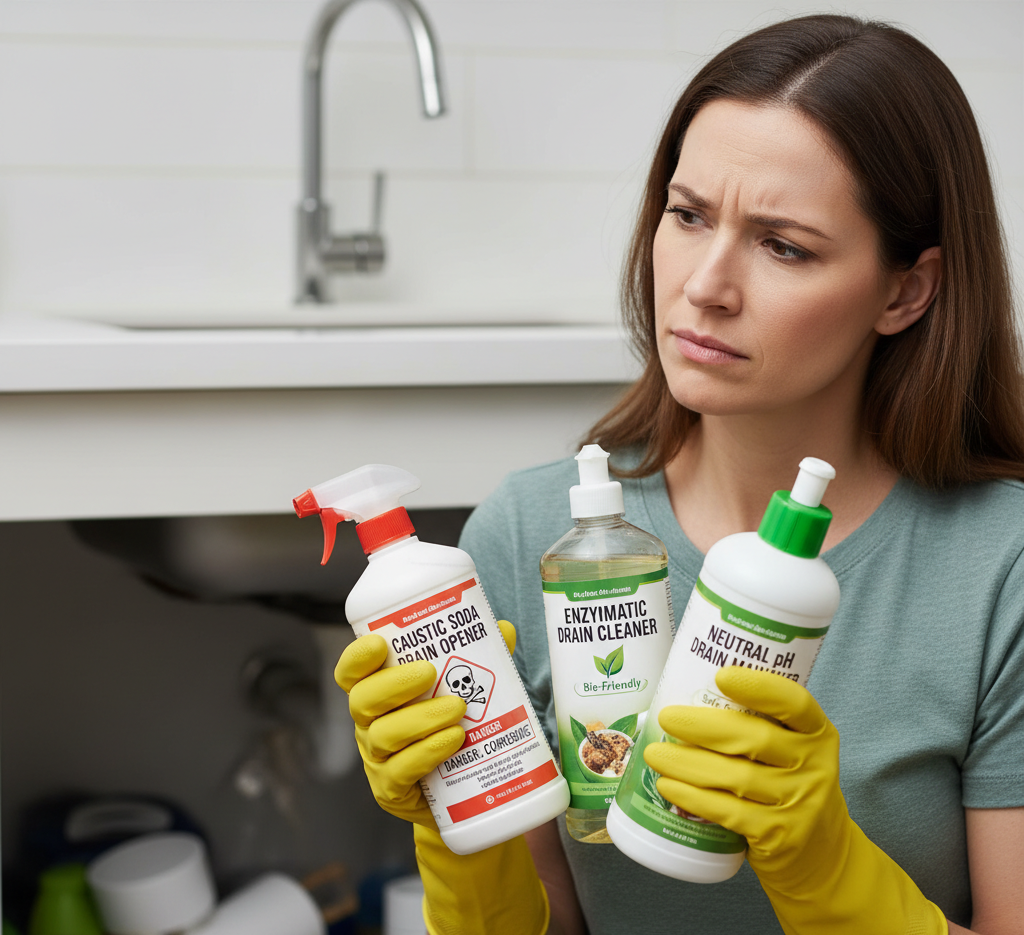
The modern cleaning industry is slowly moving away from such aggressive chemistry for general use, favoring enzymatic and pH-neutral solutions that are safer for the user and the environment. Caustic soda should be viewed not as a general-purpose cleaner, but as a specialized tool for industrial-level degreasing and restoration. It is the chemical equivalent of a sandblaster. It is incredibly effective, but you would not use it to dust a bookshelf. Understanding when its power is necessary and when it is overkill is the mark of a knowledgeable homeowner. The allure of a product that promises to “melt away” clogs and grease is strong, but the potential for permanent damage to property and health must always be the primary consideration.
The complexity and danger associated with using industrial-strength chemicals like caustic soda highlight the value of professional cleaning expertise. While some household tasks require gentle, natural solutions, others demand a deep understanding of chemical interactions and safety protocols. When faced with the kind of stubborn, polymerized grease or severe drain clogs that seem to warrant such a powerful agent, it is often far safer and more effective to call in professionals who are trained to handle these materials.
Toronto Shine Cleaning understands the science behind the shine. Our professional team is equipped with the knowledge to select the correct chemical for the job, ensuring that your home is cleaned effectively without compromising the safety of your family or the integrity of your surfaces. We handle the heavy-duty degreasing and restoration tasks so you don’t have to expose yourself to the risks of harsh chemicals. Whether you need a deep, restorative clean of your kitchen appliances or a comprehensive sanitization of your entire home, Toronto Shine Cleaning provides the expert service that gives you peace of mind. By trusting us with the most challenging cleaning tasks, you ensure your home is not only spotless but also a safe, healthy environment.