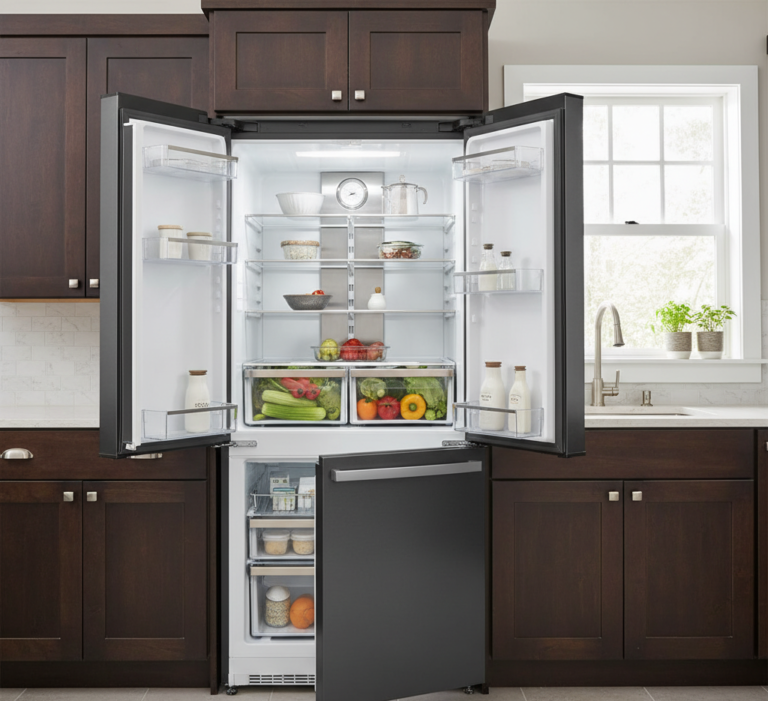










Refrigerator Cleaning: The Professional Way to Clean a Refrigerator
A clean refrigerator is essential for food safety, efficient operation, and a fresh-smelling kitchen. Over time, spills, crumbs, and sticky residues accumulate on shelves, drawers, and door bins. Hidden grime can harbour bacteria, cause unpleasant odours, and reduce cooling efficiency. A thorough refrigerator deep clean resets your appliance and keeps your food stored in a sanitary environment. Toronto Shine Cleaning offers professional kitchen cleaning services that include detailed refrigerator cleaning to ensure your appliance is spotless inside and out.
Signs Your Refrigerator Needs a Deep Clean
- Unpleasant odours: Lingering smells from spoiled food or spills indicate bacteria growth that requires a full interior clean to eliminate.
- Visible spills and sticky residue: Dried food spills on shelves and drawers attract pests and can transfer bacteria to fresh food items.
- Ice build-up in the freezer: Excess frost reduces cooling efficiency and takes up valuable freezer storage space.
- Warm spots or uneven cooling: Dust on condenser coils forces the compressor to work harder, leading to inconsistent temperatures and higher energy bills.
Step 1: Empty and Sort Everything
Remove every item from the refrigerator and freezer compartments. Place perishables such as meat, dairy, eggs, and leftovers in a cooler with ice packs to keep them at a safe temperature below 4 degrees Celsius. As you remove each item, check expiration dates and discard anything past its prime, along with any containers that show signs of spoilage or freezer burn. This is also the ideal time to wipe down jars, bottles, and containers with a damp cloth so you do not reintroduce sticky residue into your clean fridge. Sorting as you go creates a natural opportunity to reorganize your food storage system and reduce future food waste.
Step 2: Remove Shelves and Drawers
Take out all removable components: glass shelves, crisper drawers, meat drawers, door bins, and any other detachable parts. Allow them to come to room temperature before washing to prevent thermal shock, which can crack glass or warp plastic. Wash each piece in warm, soapy water using a mild dish soap and a non-abrasive sponge to avoid scratching. For stubborn, dried-on spills, let the component soak for ten to fifteen minutes before scrubbing. Rinse each piece thoroughly with warm water and allow them to air dry completely or dry by hand with a clean towel. Reinstalling damp components can trap moisture and promote mildew growth in crevices.
Step 3: Wipe Down the Interior
With the fridge empty and unplugged for safety, wipe down all interior surfaces using a mixture of equal parts white vinegar and warm water in a spray bottle. Vinegar is a natural, food-safe disinfectant that effectively cuts through sticky residues without leaving harmful chemical residues. Work from the top down so drips fall onto already-cleaned areas. Pay special attention to corners, drainage channels, and rubber door gaskets where crumbs and mould tend to accumulate. An old toothbrush or small detailing brush helps reach grooves and tight spots. Once clean, wipe the entire interior with a cloth dampened with plain water to rinse away any vinegar residue, then dry thoroughly with a clean microfiber towel.
| Refrigerator Area | Cleaning Method | Key Tips |
|---|---|---|
| Glass shelves | Warm soapy water, air dry completely | Let warm to room temperature first to prevent cracking from thermal shock |
| Crisper drawers | Soapy water soak, rinse, towel dry | Remove entirely; food debris hides under drawer tracks and in corners |
| Door gaskets | Vinegar-water solution with soft toothbrush | Mould and bacteria commonly hide in gasket crevices; dry thoroughly after cleaning |
| Condenser coils | Coil brush plus vacuum brush attachment | Clean coils improve energy efficiency and can extend appliance lifespan significantly |
Step 4: Clean the Exterior and Condenser Coils
For stainless steel fronts, wipe in the direction of the grain using a microfiber cloth and either stainless steel cleaner or your vinegar-water solution. Spray onto the cloth not directly onto the surface, then buff with a second dry cloth for a streak-free shine. Clean door handles and the water or ice dispenser area thoroughly, as these high-touch surfaces harbour the most bacteria. Gently pull the refrigerator away from the wall to access the back and floor area. Vacuum the condenser coils using a coil brush and vacuum brush attachment to remove the dust and lint that accumulates over time. Clogged coils force the compressor to work harder, increasing energy consumption by up to 15 percent and shortening the appliance’s lifespan. Sweep and mop the area behind the fridge before pushing it back into place.
Step 5: Reassemble and Reorganize Strategically
Once all components are clean and dry, place them back in the refrigerator in a logical arrangement. Group similar items together: dairy products on one shelf, condiments and sauces in the door bins, produce in designated crisper drawers, and meats in the coldest section. Adopt a first-in, first-out system by placing newer items behind older ones so older items get used before they expire. Using clear storage bins helps corral small items like yogurt cups, cheese sticks, and condiment packets, making them easy to find and reducing the time you spend with the door open. This thoughtful reorganization saves energy, reduces food waste, and makes future cleaning easier.
Frequently Asked Questions
How often should I deep clean my refrigerator? Every three to four months, or immediately after a spill that could cause odours or cross-contamination between raw and ready-to-eat foods.
Can I use bleach inside the fridge? No. Bleach can damage interior plastic and rubber seals while leaving harmful residues. White vinegar and water or mild dish soap provide safe, effective cleaning.
Should I unplug the fridge before cleaning? Yes. Unplugging is a safety precaution when using water near electrical components and allows the interior to reach room temperature for comfortable cleaning.
What if my fridge still smells after cleaning? Place an open box of baking soda on a middle shelf to absorb lingering odours. Replace it every three months for best results.
Do you clean the freezer too? Yes. A professional refrigerator clean includes both fresh food and freezer compartments, including removing ice build-up and sanitizing freezer drawers and shelves.
Keep your kitchen’s most important appliance in pristine condition. Need help with the rest of your kitchen? Toronto Shine Cleaning offers full deep cleaning services and regular maintenance across the GTA. Call (647) 424-0355 to book your appointment. See pricing information and check our service areas. For food-safe cleaning guidance, refer to the CDC guide on cleaning and disinfecting and Canada.ca tips on household chemical safety.