









Why Your Yoga Mat Needs a Real Cleaning Routine
A yoga mat is a sanctuary of grip and stability, but it is also a sponge for sweat, dead skin cells, oils, and whatever dust the floor offers. Every class presses your hands, feet, and face into a surface soaked with the previous sessions’ biology, and warm, humid conditions turn that foam into a breeding ground for bacteria and fungi. Cleaning a mat is not cosmetics: it is hygiene that prevents skin infections, neutralizes odours, and extends the life of the mat. The CDC warns that germs like MRSA can spread in athletic settings through contaminated surfaces and shared items, which is why mats used in studios deserve attention between every class. Fortunately, the right routine is simple once you know your material.
PVC, Rubber, and Cork: Know Your Mat’s Structure
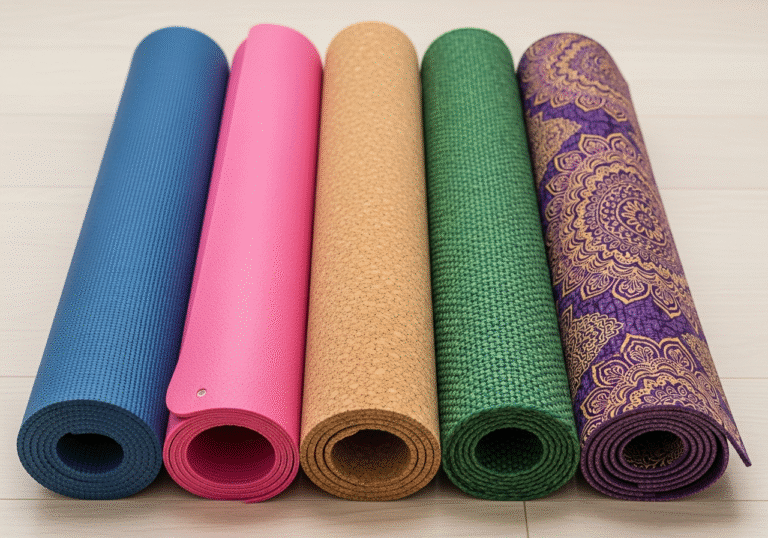
Mats divide into two camps. Open-cell mats are porous: they absorb sweat so they stay grippy when wet, but that also pulls bacteria deep into the core. Closed-cell mats are impermeable: sweat pools on top, they wipe down easily, but they feel slipperier in a hot class. PVC and TPE mats are usually closed-cell, while natural rubber is open-cell and thirsty; cork mats pair a textured cork surface with a rubber or TPE base and respond best to gentle, low-moisture care. Identify yours before choosing a cleaner, because soaking an open-cell mat improperly can waterlog it until it rots from the inside.
| Material | Cell structure | Best cleaning approach |
|---|---|---|
| PVC or TPE | Closed-cell | Daily spray wipe; occasional tub soak |
| Natural rubber | Open-cell, absorbent | Mild soap or enzyme cleaner; short soak only |
| Cork surface | Natural top layer | Damp cloth wipe; avoid long soaks |
How to Clean a Yoga Mat After Every Session
After each practice, remove surface bacteria and oils before they dry into a sticky film. The most effective daily solution is simple: mix three parts distilled water with one part white vinegar in a spray bottle. The mild acid dissolves grease and kills odours without damaging the polymer structure of most mats. Essential oils such as tea tree or lavender can be added, but only sparingly: oils are slippery, and too much residue turns the next session into a sliding hazard. Spritz lightly over the mat and wipe it with a damp microfiber cloth; the friction dislodges the debris.
When and How to Deep Clean a Yoga Mat
A light spray stops working once grime builds up. These signs mean it is time for a deeper wash:
- A persistent smell that reappears the moment you unroll the mat.
- Visible darkening where your hands and feet land.
- A slippery or sticky film that wiping does not remove.
For closed-cell PVC and TPE mats, the bathtub method is thorough and safe. Fill the tub with warm water and a single teaspoon of mild dish soap; too much soap is the most common mistake, because residue hides inside foam and reactivates mid-class as a slip hazard. Submerge the mat for fifteen to twenty minutes, then squeeze it gently or step on it with bare feet to work the suds through the texture. Drain and rinse repeatedly, refilling with fresh water until squeezing produces no bubbles at all.
Dry Your Mat the Right Way
Drying is where most mats are ruined. A saturated mat can take twenty-four to forty-eight hours to dry, and using it damp invites mildew. The burrito method speeds things up: lay the wet mat flat on a large dry towel, roll both together tightly, and kneel or step on the roll to press water from the mat into the towel. Repeat with a second towel if needed, then hang the mat in a cool, well-ventilated room. Never dry a mat in direct sunlight: ultraviolet rays break down rubber and plastic bonds until the surface turns brittle and flaky. Never roll a damp mat for storage: the dark, moist interior is where mould thrives. Health Canada recommends controlling indoor humidity and drying damp items promptly to keep mould and dust mites at bay.
Extra Care for Natural Rubber and Cork Mats
Natural rubber asks for a gentler protocol. Vinegar, which suits many synthetics, can slowly dry out and degrade rubber over time, so reach for a heavily diluted gentle soap, or an enzymatic cleaner built to break down the proteins in sweat rather than dissolving them chemically. Rubber also drinks water readily: keep soaks brief, because a waterlogged mat can tear under its own weight when lifted. Machine washing is rarely worth the risk, even when a manufacturer calls a thin travel mat washable: agitation can stretch, tear, or delaminate the foam, a soaked mat can knock the washer off balance, and a tumble dryer will melt or warp it instantly.
Prevention: Keep the Mat Cleaner Between Washes
Personal hygiene does most of the work. Practicing with clean hands and bare feet cuts the oil and dirt that reach the surface, and covering the mat with a microfiber yoga towel absorbs sweat before it touches the foam. Towels go straight into the laundry after class, which turns deep cleaning from a monthly chore into a seasonal one. If a mat still smells after washing, bacteria have reached deep into the foam; a vinegar soak or a night in the freezer helps only temporarily. When the surface pits, flakes, or keeps its smell after a deep clean, the material has degraded past the point of sanitation and replacement is the only option.
Frequently Asked Questions About Cleaning Yoga Mats
How often should I clean my yoga mat? Wipe it down after every session with the spray, and deep clean it in the tub about once a month. Studio mats used several times a week deserve it even more often.
Can I put a yoga mat in the washing machine? It is risky. Agitation can stretch, tear, or delaminate the foam, and a soaked mat is heavy enough to damage the washer during the spin cycle. Hand washing and air drying are always safer.
Does vinegar damage rubber yoga mats? It can. Vinegar gradually dries out natural rubber, so use a very diluted mild soap or an enzymatic cleaner on rubber mats and save the vinegar spray for PVC and TPE.
My mat still smells after cleaning. What now? Odour means bacteria are living deep in the foam. Try a vinegar soak or freezing the mat overnight, but expect only temporary relief. Pitting, flaking, or a smell that survives deep cleaning means the mat should be replaced.
Extend the Same Care to Your Whole Home
The attention you give your mat deserves to extend to your entire home. Toronto Shine Cleaning provides deep cleaning for carpets, upholstery, and every surface that hides allergens, plus regular cleaning visits that keep your space healthy between major sessions. We are bonded and insured, and we treat your home with the care you bring to your practice. Call (647) 424-0355 to book, or read our client reviews to see why Toronto trusts us.