









5 Proven Facts About Activated Charcoal for Cleaning Your Home
Activated charcoal is one of nature’s most effective yet understated cleaning tools. Unlike harsh chemical cleaners that mask odors or rely on abrasive scrubbing, activated charcoal works through a quiet scientific process called adsorption. This porous black substance traps impurities at the molecular level, pulling odors, pollutants, and contaminants out of the air and water without adding any chemicals to your home. Here are five proven ways to put it to work.
1. Understanding How Activated Charcoal Works
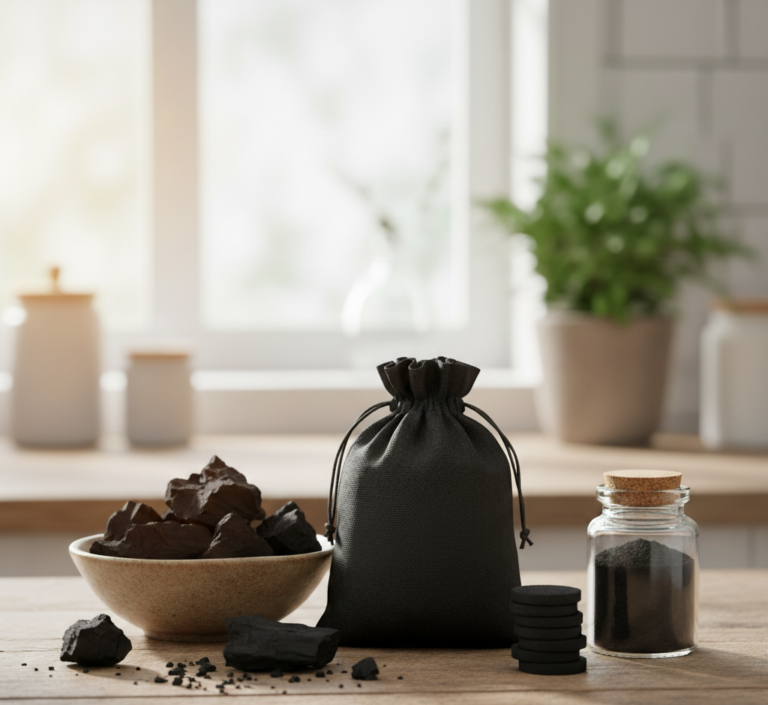
The cleaning power of activated charcoal comes from its enormous surface area. During production, carbon-rich materials like coconut shells or wood are heated to extremely high temperatures and then treated with oxygen or steam. This activation process creates millions of microscopic pores, giving a single gram of activated charcoal a surface area equivalent to a football field. When air or water passes over this porous surface, odor molecules, volatile organic compounds, and other impurities become physically trapped in the pores. This is adsorption, a surface-level bonding process that physically removes pollutants rather than masking them with fragrances.
2. Natural Air Deodorizer for Every Room
Activated charcoal excels as a passive, continuous deodorizer. Placing breathable charcoal bags in musty basements, closets, cabinets, or laundry rooms creates a 24-hour odor trap that works silently in the background. Unlike conventional air fresheners that simply add scent, charcoal actually removes the odor-causing molecules from the air. It is especially effective against the musty smell caused by mold and mildew spores that thrive in damp environments. The CDC notes that mold can cause nasal stuffiness, throat irritation, and coughing, so reducing airborne mold spores with activated charcoal supports a healthier indoor environment.
Where a bag works hardest:
- Basements and laundry rooms, where damp air breeds musty smells
- Entry closets and shoe cubbies that trap footwear odors
- Next to litter boxes and pet bedding
- Inside gym bags, cars, and hockey gear lockers
3. Fresher Kitchen and Refrigerator
A small bag of activated charcoal in the refrigerator absorbs odors from onions, garlic, strong cheeses, and leftovers far more effectively than baking soda. It also traps ethylene gas, a natural ripening agent emitted by fruits and vegetables. By removing this gas, activated charcoal can help extend the freshness of your produce. It prevents flavor transfer between different foods so your butter does not taste like last night’s fish. In the pantry, charcoal bags keep dry goods areas fresh and free of stale smells.
| Application | Placement | Effectiveness |
|---|---|---|
| Refrigerator deodorizer | One small bag per shelf | Absorbs odors, extends produce freshness |
| Basement or closet | One medium bag per 100 sq ft | Reduces musty smells continuously |
| Pet area or litter box | Bag near the source | Traps ammonia and odor molecules |
| Shoe closet or gym bag | Small bag inside each compartment | Absorbs moisture and bacteria odors |
| Bathroom | One bag in a discreet corner | Neutralizes humidity-related smells |
4. Water Filtration and Purification
Many household water pitchers and faucet filters use activated carbon as their primary filtration medium. As water flows through the charcoal, it traps chlorine, pesticides, industrial solvents, and other organic compounds that affect taste and odor. The Government of Canada recommends using household products safely, and activated charcoal filters offer a chemical-free way to improve drinking water quality. Note that charcoal filters do not remove dissolved minerals, fluoride, nitrates, bacteria, or viruses, so they are best used for improving the taste of municipally treated water rather than treating unknown water sources.
5. Reusable and Sustainable
One of the most impressive features of activated charcoal is its reusability. When the bonding sites on the charcoal become full, you can recharge it by placing the bags in direct sunlight for several hours. The heat and ultraviolet radiation break the bonds holding trapped molecules, clearing the pores so the charcoal can start adsorbing again. Because one set of bags can serve for years, charcoal deodorizing also creates far less waste than disposable fresheners and costs little once you own the bags. Most quality charcoal bags last one to two years with regular recharging.
Frequently Asked Questions
Is activated charcoal safe to use around pets and children? Yes, activated charcoal is non-toxic and chemical-free. It poses no danger to pets or children when used in breathable bags. However, loose powder should be kept away from small children as it can create a mess.
How often should I recharge my activated charcoal bags? Recharge them once a month by placing them in direct sunlight for two to four hours. Bags used in very humid or odorous environments may need more frequent recharging.
Can activated charcoal remove cigarette smoke smell? Yes, it effectively adsorbs the volatile organic compounds found in cigarette smoke. Place multiple bags in the affected room for best results.
Does activated charcoal work for car odors? Absolutely. A medium charcoal bag placed under a seat will absorb food smells, pet odors, and mustiness from damp carpets.
Enhance Your Home Cleaning Routine
Activated charcoal is a versatile, chemical-free cleaning tool that tackles odors, improves air quality, and even helps filter your water. While it handles airborne impurities effectively, deep-seated grime and heavy cleaning still require professional attention. Toronto Shine Cleaning offers professional deep cleaning services and regular maintenance cleaning to keep your home genuinely pristine. Call (647) 424-0355 or check our cleaning prices to learn more about our services.