Pet cleaning

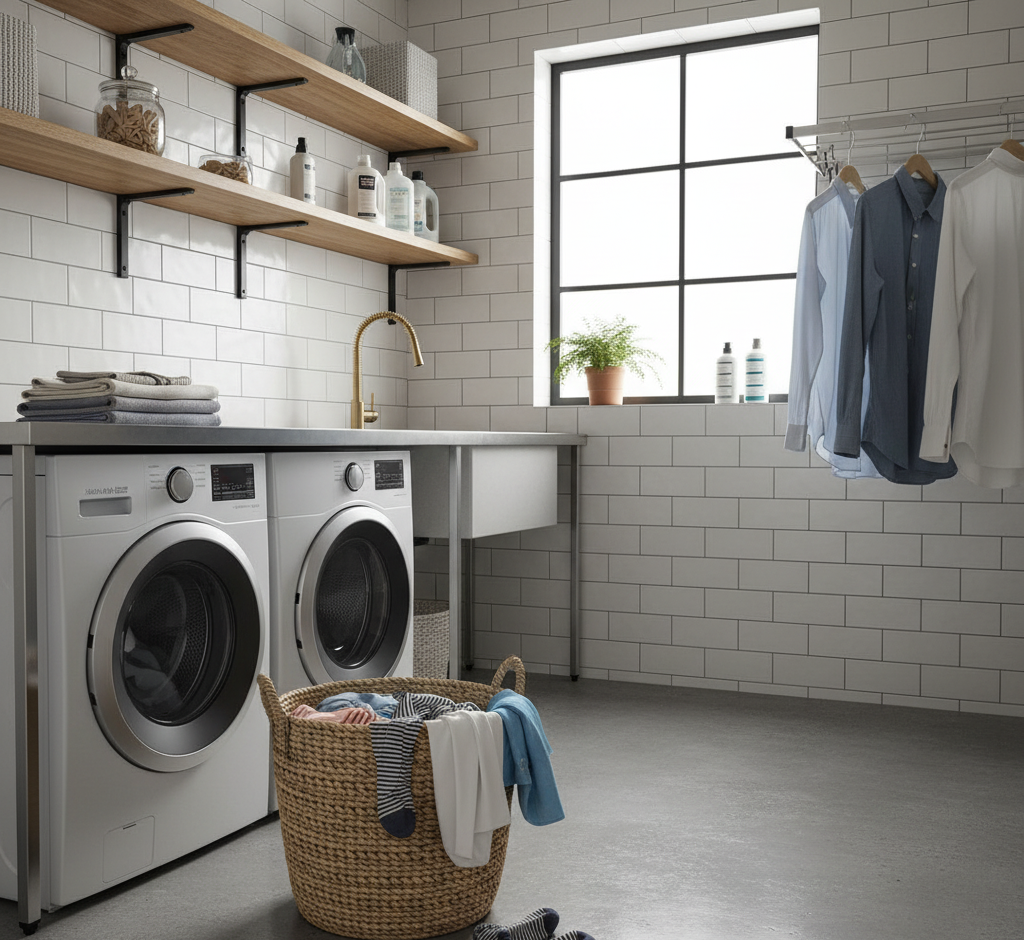
laundry basket in the laundry room

Washing Clothes: 10 Mistakes You Need to Stop Making When Washing Your Clothes

The act of washing clothes is often dismissed as a mundane necessity, a background task that requires little thought beyond separating whites from colors and pressing a button. However, this perceived simplicity is deceptive. Laundry is a chemical and mechanical process that involves a delicate balance of water temperature, agitation, chemical agents, and fabric types. When this balance is disrupted by habitual errors, the consequences are expensive and frustrating. Clothes fade prematurely, fibers break down, elastic snaps, and mysterious holes appear in favorite garments. Furthermore, the appliances themselves, often significant financial investments, suffer from misuse, leading to mechanical failures and mold growth. To truly care for a wardrobe and maintain the efficiency of a household, one must unlearn the common practices that have likely been passed down through generations or assumed out of convenience. 1.First Mistake The first critical error occurs long before the start button is pressed, during the sorting phase. Most people operate under the assumption that sorting is purely a chromatic exercise-keeping red socks away from white shirts to prevent pink underwear. While preventing dye transfer is important, sorting by fabric weight and texture is arguably more critical for the physical preservation of the garments. A washing machine cleans through agitation; clothes rub against each other to dislodge soil. When you mix heavy, abrasive fabrics like denim jeans with delicate materials like silk or fine cotton, you are effectively creating a sandpaper effect. The heavy items thrash against the lighter ones, causing micro-abrasions that manifest as pilling, holes, and a general loss of softness. Furthermore, the texture of fabrics dictates their lint behavior. Washing lint-shedding items, such as heavy cotton towels, with lint-attracting fabrics, like synthetic leggings or corduroy, results in a visual disaster that makes dark clothes look permanently dirty. 2.Individual Preparation Once the piles are sorted, the preparation of individual garments is often neglected. This mechanical oversight leads to tearing and stretching. The rule for hardware is simple yet frequently confused: zippers must be closed, and buttons must be open. A zipper left unzipped is essentially a flexible saw blade loose in the drum. As it spins, the metal teeth can snag on lace, scratch the surface of other fabrics, and even chip the interior paint of the washing machine. Conversely, buttoned shirts suffer from the opposite problem. When a shirt is wet, it is heavy. If it is buttoned up, the centrifugal force of the spin cycle pulls aggressively at the threads holding the buttons, distorting the buttonholes and causing buttons to pop off. Pockets also require vigilant inspection. A stray tissue can disintegrate and cover an entire load in white confetti, while heavier objects like coins can bypass the seal and damage the drain pump. 3.Detergent The application of detergent is the area most rife with misconceptions. Decades of marketing have convinced consumers that more foam equals more cleaning power. In reality, the opposite is true for modern high-efficiency machines. These appliances use very little water, relying on friction to clean. When you use too much detergent, you generate a massive volume of suds that acts as a cushion between the clothes, preventing the necessary friction that scrubs away dirt. The clothes simply float in a bubble bath, emerging with their stains intact. Worse, the rinse cycle cannot remove this excess chemical load. The result is a layer of soap residue left on the fibers, which acts as a magnet for dirt and skin oils, creating a breeding ground for bacteria and leading to the “sour” smell often associated with old towels. 4.Fabric Softener Compound this issue with the habitual use of fabric softener, and you have a recipe for textile ruin. Fabric softener works by coating fibers with a layer of lipid-based chemicals to force them to feel slick. While this feels nice instantly, it functionally destroys the utility of absorbent fabrics. Towels coated in softener lose their ability to wick water; they simply push moisture around the skin. Athletic wear, engineered to breathe and wick sweat, becomes clogged and sealed by these waxy deposits, trapping body odors deep within the weave. A simple substitution of white vinegar in the rinse cycle can soften fabrics by stripping away detergent residue and neutralizing static without leaving a damaging coating behind. 5.Amount The physical loading of the machine also requires a specific balance. There is a tendency to stuff the drum to capacity to minimize the number of loads, but a packed machine is a useless machine. For the chemistry of the detergent to work, it must dissolve and circulate. For the mechanical action to work, clothes must have room to tumble. A solid brick of wet fabric in the center of the drum will never get clean. Conversely, washing a single heavy item is a mechanical hazard. A lone wet blanket creates a severe imbalance during the spin cycle, causing the drum to bang violently against the chassis, wearing out the suspension and bearings. 6.Water Temperature selection is another variable where habit often overrides logic. The default to cold water for everything, driven by eco-consciousness, is noble but insufficient for sanitation. While cold water is excellent for preventing shrinkage and protecting dyes, it often lacks the thermal energy required to activate the enzymes in detergents that target heavy oils. Bed sheets and towels, which are reservoirs for dead skin and dust mites, require hot water to be truly sanitized. A cold wash for these items is merely a rinse. However, using hot water indiscriminately is equally damaging, as it sets protein-based stains like blood and sweat into the fabric permanently. A nuanced understanding of temperature-hot for sanitation, warm for average soil, and cold for delicate protection-is necessary. 7.Stains When stains do occur, the immediate reaction is often the wrong one. The instinct to rub a spill vigorously is a destructive reflex. Rubbing drives the stain deeper into the yarn and abrades the surface of the fabric, often causing color loss that is more noticeable than the stain itself. The correct technique is

Washing Clothes: 10 Mistakes You Need to Stop Making When Washing Your Clothes Read More »
Air Quality Through Cleaning

Breathe Easy This Winter: Improving Indoor Air Quality Through Cleaning

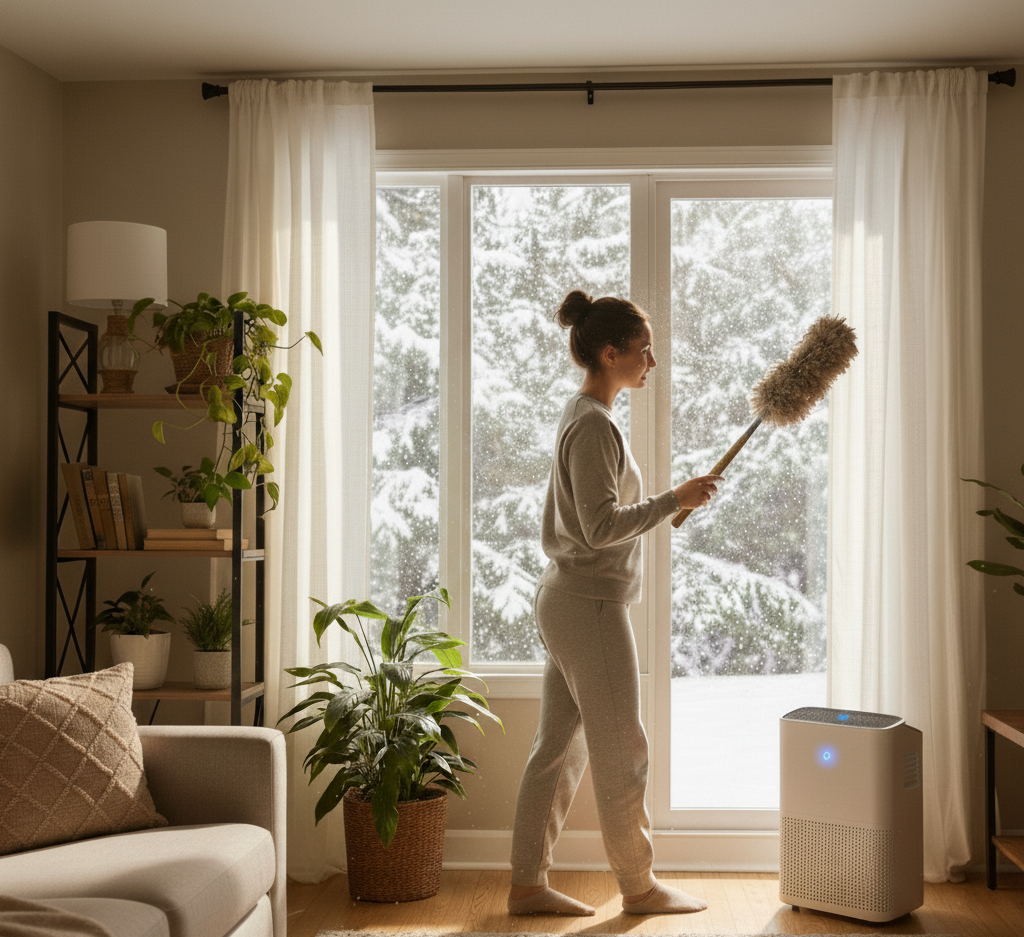
Breathe Easy Indoors: The Winter Cleaning Plan for Better Air Quality As autumn fades and the first hard frost arrives, Canadian homes instinctively seal themselves: windows shut, furnace roars, and the crisp outdoor air gets locked away. Staying warm comes with an invisible cost. With no natural ventilation, dust, allergens, pollutants, and microbes accumulate indoors until the air you breathe all winter is the stalest of the year. Health Canada’s overview of indoor air contaminants documents the range of irritants that build up in closed homes. Poor indoor air can mean dry eyes and scratchy throats at best, and triggered allergies, asthma attacks, or respiratory infections at worst. The fix is not a gadget. It is a cleaning strategy tuned to how winter houses actually work. What Winter Dust Is Really Made Of Dust is not simply dirt. It is a constantly circulating cocktail, and forced-air heating is its delivery service: every blast of warm air stirs settled particles back into your lungs’ reach. A typical winter dust load includes: Microscopic flakes of human skin Pet dander from cats, dogs, and the occasional visitor Textile fibers shed by clothing, bedding, and upholstery Outdoor pollen and pollution that infiltrated before the snow Mold spores and dust mite debris from damp corners Controlling that mix takes systematic, deliberate dusting, performed weekly rather than in heroic quarterly bursts. Dust From the Ceiling Down, Every Week Work top to bottom and gravity does half the job: dust knocked loose from high surfaces settles onto lower ones that have not been cleaned yet, instead of landing on furniture you just finished. Start at ceiling fans, light fixtures, and the tops of bookcases and wardrobes. Move to eye level: window sills, picture frames, mirrors, and television fronts. Finish with tables, desks, coffee tables, baseboards, and floor registers. A quality microfiber cloth, dry for light passes or slightly damp for a deeper grab, traps particles in its fibers rather than launching them back into the air. For electronics, which attract dust through static, use an anti-static duster or a barely damp cloth, and unplug devices first. Vents, Ducts, and the Filter That Runs Everything Your air circulation system is both the dust highway and the easiest checkpoint. Before the furnace enters overtime, vacuum and wipe every return and supply register; the hair and grit you pull off them is usually startling. During the heating season, check the furnace filter monthly and replace it every one to three months depending on filter type, pets, and dust load. A clean filter keeps airflow efficient and captures particulates before they recirculate. If you have moved into an older home with unknown duct history, finished a dusty renovation, or share the house with severe allergy or asthma sufferers or multiple pets, periodic professional air duct cleaning removes years of built-up debris and mold spores from the whole ventilation system, improving both air quality and heating performance. Vacuuming: The Deep Clean Your Floors Secretly Need Carpets and rugs act as passive air filters, trapping dust, dirt, and allergens in their fibers. Neglect them and they saturate, releasing the payload with every footstep. Vacuum all carpeted areas at least weekly, more often in high-traffic zones, homes with kids or heavy-shedding pets, or households where anyone has allergies. A vacuum with a true HEPA filter captures 99.97 percent of particles down to 0.3 microns, including dust mite waste, pollen, dander, mold spores, and some bacteria, instead of exhausting them right back into the room. Do not stop at floors: run the upholstery attachment over sofas, armchairs, and fabric headboards, where skin flakes and dander hide in plain sight. Curtains, Blinds, and the Condensation Problem Window treatments are the most overlooked dust magnets in winter. Where cold glass meets warm indoor air, condensation forms a slightly damp film that grabs airborne particles, and damp fabric can also grow mold. Health Canada’s moisture and mould guidance is blunt about the principle: fix dampness fast or it fixes you. Vacuum curtains with the upholstery attachment, wipe blinds with a damp microfiber cloth, and wash curtain fabrics according to their care labels. The room looks brighter and the air tastes lighter afterward. Humidifiers: Great for Dry Air, Dangerous If Neglected Canadian heating seasons are brutally dry, and humidifiers ease cracked skin, scratchy noses, and irritated airways. The catch is that a reservoir of stagnant water is an ideal nursery for mold and bacteria, which the unit then sprays directly into your air. Clean the humidifier every few days per the manufacturer’s instructions, use distilled water rather than tap to limit mineral deposits that can go airborne, and empty and thoroughly dry the tank whenever the unit sits idle. Health Canada’s page on household product safety flags exactly this cleaning failure with cool-mist units. Done properly, the humidifier helps; done lazily, it harms. A Honest Note About Houseplants Some plants do absorb airborne toxins, but their real-world impact in a home is overstated: the plant volume needed to measurably clean a living room would turn it into a botanical garden. Mechanical filtration and a diligent cleaning routine do more per square foot than any fern. Winter Air Quality Schedule Frequency Task Payoff Weekly Top-down dusting with microfiber Less airborne particulate Weekly (plus) HEPA vacuum carpets, rugs, upholstery Trapped allergens stay trapped Monthly Check furnace filter and registers Efficient, cleaner circulation Every few days Humidifier scrub and rinse Mold never establishes Seasonally Curtains, blinds, and vent wipe-down Resets the dust reservoir Every few years Professional duct cleaning if flagged Whole-system particulate removal Indoor Air Quality FAQ How often should I dust to actually improve air quality? Weekly, at minimum, working high to low with microfiber. Dust that sits becomes a reservoir that your furnace re-suspends on every cycle, so consistency beats intensity. Do HEPA vacuums make a measurable difference? Yes for allergy households: the filter holds 99.97 percent of particles down to 0.3 microns inside the canister instead of venting fine dust out the back of a standard vacuum.

Breathe Easy This Winter: Improving Indoor Air Quality Through Cleaning Read More »

5 Reasons Why Hiring a Cleaning Service is the Best Form of Self-Care

Why hire a specialized cleaning service? The modern home is a hub of activity, a place of work, rest, and family life. Yet, maintaining its cleanliness can feel like a relentless, never-ending task. The dust settles almost as soon as it’s wiped away, the floors seem to attract dirt, and the kitchen and bathrooms demand constant attention. For many, the weekend, which should be a time for relaxation and recharging, is instead consumed by a long list of chores. This constant cycle of cleaning can become a significant source of stress and a drain on our most valuable resource: time. It is in this gap between the desire for a clean, peaceful environment and the reality of a busy life that a residential house cleaning service finds its purpose, offering not just a service, but a solution to a pervasive modern problem. 1.Quality of Life Hiring a professional cleaning service is often viewed as a luxury, but it is more accurately described as an investment in your quality of life. Consider the hours spent each week sweeping, mopping, scrubbing, and dusting. For a moderately sized home, this can easily add up to four, five, or even more hours. A professional service reclaims those hours for you, handing them back to be spent on what truly matters. This could mean more time with family, pursuing a hobby, exercising, or simply enjoying a well-deserved rest. The cumulative effect of this reclaimed time is profound, reducing burnout and allowing for a better work-life balance. It transforms the home from a place of constant obligation into a true sanctuary, a space you can enter after a long day and immediately feel at ease, rather than being confronted with a list of tasks that need doing. 2.Quality of Cleanliness Beyond the gift of time, there is the undeniable difference in the quality of the clean itself. A professional cleaner brings a level of expertise and efficiency that is difficult for the average homeowner to replicate. They are trained in the most effective methods and understand the specific needs of different surfaces. They know which products to use on natural stone versus laminate, how to clean stainless steel without leaving streaks, and the best techniques for removing stubborn soap scum from glass shower doors. This knowledge prevents costly damage that can result from using the wrong chemical or an abrasive sponge on a delicate surface. Furthermore, professional services come equipped with commercial-grade tools and supplies that are often more powerful and effective than standard consumer products. Their high-powered vacuums with HEPA filters can capture a significantly higher percentage of dust, allergens, and pet dander, leading to improved indoor air quality. This is particularly beneficial for households with allergy sufferers, asthmatics, children, or pets. The result is not just a home that looks clean, but one that feels and is, on a microscopic level, healthier. The process of a professional clean is systematic and thorough. Cleaners typically work with a detailed checklist, ensuring that no area is overlooked. They employ methodical strategies, such as cleaning from top to bottom to ensure dust and debris fall downwards before the floors are addressed, and working from one side of a room to the other. This structured approach guarantees consistency and completeness. A standard recurring clean will typically involve a comprehensive dusting of all surfaces, including furniture, shelves, and window sills; cleaning and disinfecting kitchen countertops, sinks, and appliance exteriors; scrubbing toilets, showers, tubs, and bathroom vanities; and vacuuming carpets and mopping hard floors. This regular maintenance keeps the home at a consistent level of cleanliness, preventing the deep buildup of grime. 3.Deep Cleaning For homes that have gone some time without a thorough cleaning or for clients new to a service, a deep clean is often recommended. This is a far more intensive and detailed service that addresses the areas often missed in a regular routine. A deep clean will include all the tasks of a standard clean but will go much further. It can involve washing baseboards and trim, cleaning light fixtures and ceiling fans, wiping down doors and door frames, cleaning behind and underneath furniture and appliances, scrubbing grout lines, and cleaning the interior of windows. This is the reset button for your home, tackling the accumulated dirt and dust in every nook and cranny, and establishing a new baseline of clean that makes subsequent maintenance easier. Specialized services like move-in and move-out cleanings are another critical offering. Preparing a home for sale or ensuring a new home is pristine before you unpack is an enormous task on top of the already stressful process of moving. A move-out clean is designed to leave the property in immaculate condition for the next occupants, often a requirement for retrieving a security deposit. This is the most exhaustive clean of all, performed on an empty home. Every interior surface is addressed, including the inside of all cabinets, drawers, closets, the oven, and the refrigerator. It ensures the home is presented in its best possible light, which can be a significant factor for real estate agents and potential buyers. Conversely, a move-in clean provides immense peace of mind, sanitizing the space and ensuring you are starting your new chapter in a fresh, thoroughly cleaned environment. 4.Trust and Security One of the most significant barriers for people considering a cleaning service is the idea of trust and security. Inviting someone into your personal space requires confidence in their professionalism and integrity. This is why reputable cleaning companies place such a high emphasis on their hiring and training processes. They conduct background checks on their employees and ensure they are thoroughly vetted. Furthermore, professional services are bonded and insured. Bonding provides protection against theft, while insurance covers any accidental damage that might occur to your property during the cleaning process. This comprehensive protection offers homeowners the peace of mind that they are working with a trustworthy organization that stands behind its work and its people. The relationship with a cleaning service is

5 Reasons Why Hiring a Cleaning Service is the Best Form of Self-Care Read More »

clean carpet

DIY vs. Store-Bought: What’s the Best Carpet Cleaning Solution?

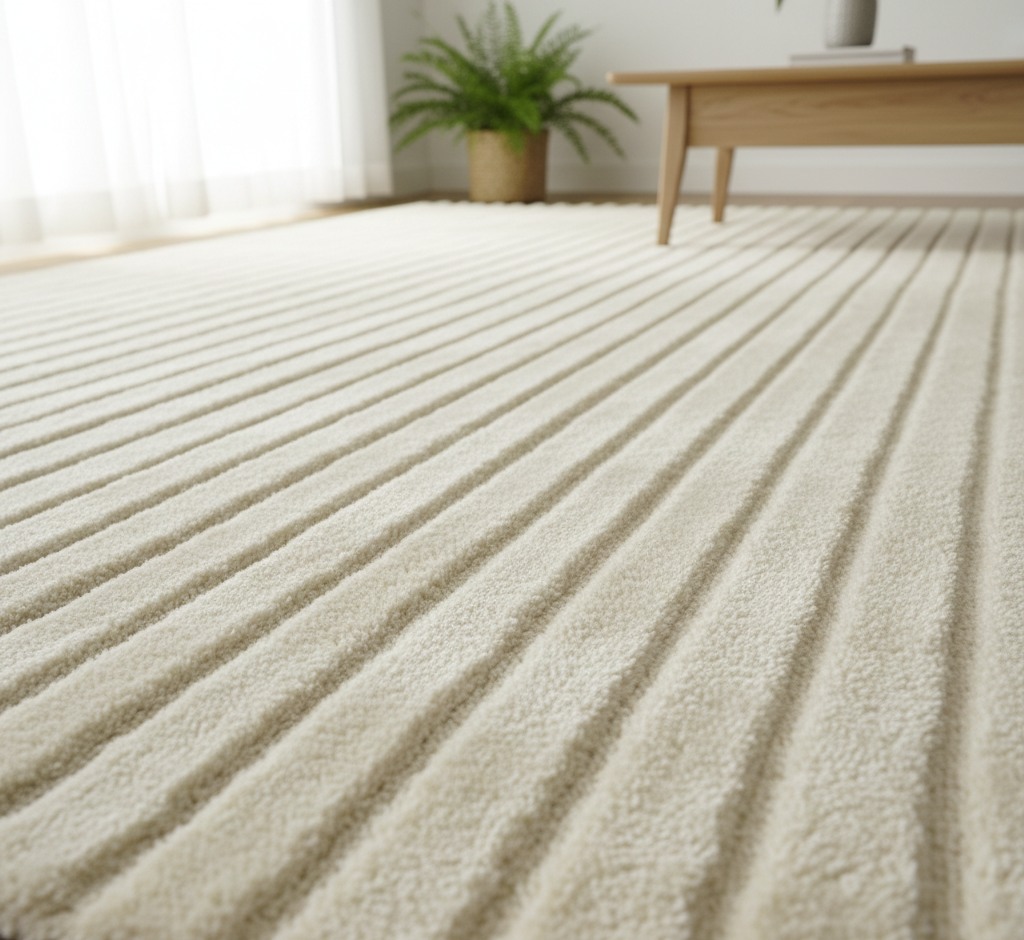
DIY vs. Store-Bought: What’s the Best Carpet Cleaning Solution? Every homeowner asks this question, and the honest answer is that no single product wins for every situation. The cleaner that lifts a pet stain may do nothing for grease, and the mixture that handles a small spill is not what you need for a full-room deep clean. The best carpet cleaning solution is the right solution for the right problem, so the real skill is knowing what each type of cleaner does and when to use it. The Chemistry Behind Carpet Cleaners Commercial and homemade carpet cleaners rely on the same few families of ingredients. Surfactants break the surface tension of water so it can penetrate fibers, latch onto greasy dirt, and hold it in suspension until it is blotted or extracted away; simple dish soap is a basic surfactant. Enzymes are proteins that break down other proteins, starches, and fats, which makes them the only real answer for organic stains like blood, grass, or urine. Solvents dissolve substances that water cannot, such as grease, oil, ink, and tar. Oxidizers release oxygen that breaks the chemical bonds of colored stains; hydrogen peroxide and sodium percarbonate, the active ingredient in OxiClean, are the most common examples. Ingredient What It Breaks Down Common Example Surfactants General dirt and light grease Clear dish soap Enzymes Proteins, starches, fats Protease, amylase, lipase cleaners Solvents Oil, ink, tar, wax Rubbing alcohol, citrus degreasers Oxidizers Colored stains like wine and coffee Hydrogen peroxide, sodium percarbonate DIY Carpet Cleaning Solutions That Work White vinegar and water is the classic first response: mix equal parts distilled white vinegar and water in a spray bottle, mist the area lightly, let it sit for 5 to 10 minutes, and blot with a clean, white cloth. Vinegar is a mild acid that dissolves grime, neutralizes alkaline messes, and deodorizes, but it can set protein-based stains like eggs or blood, so skip it there. Baking soda is a mild alkali that absorbs moisture and odors: sprinkle it dry over the carpet and leave it for several hours or overnight before vacuuming, or pile it onto a wet, greasy spill and let it form a dry crust, then scrape and vacuum. For general dirt, no more than one-quarter teaspoon of clear, simple dish soap in a cup of warm water gives extra lifting power, but overuse or poor rinsing leaves a sticky residue that attracts dirt faster than before. Hydrogen peroxide at 3 percent works on tough organic stains like blood, wine, or coffee: apply a small amount, let it bubble for 10 to 15 minutes, blot, and always test it in a hidden spot first because it can mildly bleach carpet color. When to Choose a Commercial Carpet Cleaner DIY solutions are great for everyday messes, but commercial products bring targeted chemistry for hard jobs. Enzyme-based cleaners labeled for pet stains and odors are the non-negotiable choice for urine, feces, vomit, blood, and food spills, because only enzymes truly break down the odor-causing proteins. Oxidizing cleaners are the go-to for red wine, juice, coffee, and tea. Solvent-based spotters handle grease, oil, and ink. Carpet shampoos for cleaning machines come in high-traffic, pet, and oxy formulas, and it is crucial to buy one designed for your machine so excess foam cannot damage the motor. Dry carpet cleaning powders are useful for natural fiber rugs and quick freshen-ups between deep cleans. Carpets trap dust and allergens, so a thorough clean also supports better indoor air quality. Technique Matters More Than the Product Even the best carpet cleaning solution fails when technique is wrong. Act fast, because fresh spills lift far more easily than set-in ones. Blot, never rub, working from the outside of the stain inward with a clean, white cloth. Always spot test any new product on a hidden area. Do not over-saturate, because soaking can damage the carpet backing and subfloor and invite mold and mildew growth. Rinse thoroughly by blotting with plain water after treatment, since leftover residue attracts dirt and creates dark spots over time. Around pets and children, prompt cleanup is part of everyday hygiene that keeps the whole household healthier. The Best Carpet Cleaner for Every Situation General dirt and light spills: DIY white vinegar and water solution. Pet urine and organic accidents: commercial enzyme-based cleaner. Red wine, coffee, or juice: commercial oxidizing (Oxi) cleaner. Grease or oil: absorb with baking soda, then a solvent-based spotter. Full-room deep clean: machine-compatible carpet shampoo, such as a pet formula. Frequently Asked Questions Is vinegar safe for all carpets? No. Vinegar is acidic, and it can react with and set certain protein-based stains like blood or eggs. Test it in a hidden area first, and never use it on stains you cannot identify. Can I use dish soap on carpet stains? Yes, in very small amounts: no more than one-quarter teaspoon of clear dish soap in a cup of warm water. Too much soap leaves sticky residue that attracts dirt, so rinse by blotting with plain water afterward. What removes pet urine smell from carpet? An enzyme-based cleaner is the only reliable answer. Enzymes break down the uric acid crystals and proteins that cause lingering odors, while vinegar or soap only mask them temporarily. How often should I deep clean my carpets? For a typical household, an annual professional deep cleaning is recommended, with more frequent cleanings for homes with pets, children, or heavy foot traffic. Does hydrogen peroxide bleach carpets? It can. Hydrogen peroxide is an oxidizer with a mild bleaching effect, so always test it in an inconspicuous spot, such as inside a closet, before treating a visible stain. Choosing the right carpet cleaning solution is detective work: identify the stain, understand the chemistry, and match the product to the problem. For a comprehensive professional deep clean that takes the guesswork out of the equation, Toronto Shine Cleaning uses professional-grade solutions and commercial equipment to tackle any stain on any type of carpet. Explore our deep cleaning service,

DIY vs. Store-Bought: What’s the Best Carpet Cleaning Solution? Read More »

woman giving her friend a cleaning gift card

Cleaning Gift: The Most Thoughtful Thanksgiving Gift You Can Give

Thanksgiving is a holiday centered on the beautiful, simple act of gathering. It’s about the warmth of a crowded table, gifts, the familiar comfort of shared recipes, and the expression of gratitude for the people in our lives. We plan menus, we brine turkeys, and we coordinate who will bring which dessert. But beneath this joyful preparation lies a silent, often stressful, and monumental task that almost always falls on the host: the pre-Thanksgiving deep clean. We have all felt it. The week before the guests arrive is a frantic race against the clock. It is a period of scrubbing, dusting, and mopping, driven by the quiet but intense pressure to present a home that is not just tidy, but impeccably clean. It is a labor of love, but it is labor nonetheless. It is hours spent on hands and knees, wiping baseboards and scrubbing floors, when that time could be spent perfecting a pie crust or simply taking a moment to breathe before the happy chaos begins. This year, consider a different kind of contribution. Instead of offering to bring another side dish that will crowd the refrigerator, think about giving a gift that truly serves the person you are thankful for. Consider giving the gift of a clean home. It may sound unconventional, but a pre-Thanksgiving cleaning, whether performed by you or a professional service, is one of the most thoughtful, practical, and profoundly impactful gifts you can possibly give a friend who is hosting. It is a gesture that transcends a simple present; it is a gift of time, of peace of mind, and of genuine, functional support. The Gift of Time In our busy lives, time is the most precious and non-renewable resource we have. During the holiday season, this becomes acutely apparent. The host of a Thanksgiving dinner is not just cooking a single meal; they are orchestrating a major event. Their to-do list is a marathon of planning, shopping, chopping, and baking. The last thing they have is a surplus of free hours. Let’s be honest about what a true guest-ready clean entails. It is not a quick wipe of the counters. It is a comprehensive, top-to-bottom effort. The Dusting: This means getting not just the coffee table, but the tops of the door frames, the ceiling fan blades, the baseboards, and the window sills. It is a detailed, meticulous job that can easily take an hour or more. The Kitchen Deep Clean: The kitchen is the heart of Thanksgiving, and it needs the most intensive work. This involves scrubbing the stovetop, wiping down the fronts of all appliances, cleaning the microwave, disinfecting the countertops, and making sure the sink is sparkling. This is a solid hour of focused work, at minimum. The Bathroom Scrub: The guest bathroom needs to be pristine. This means scrubbing the toilet, cleaning the sink and faucet, wiping down the mirror until it is streak-free, and washing the floor. The Floors: Every hard-surface floor in the main living areas needs to be thoroughly swept and mopped. Every carpet needs to be vacuumed, including moving furniture to get the dust bunnies hiding underneath. This can easily consume another hour or two, depending on the size of the home. The Final Touches: Cleaning entryway glass, tidying up clutter, and giving everything a final polish. When you add it all up, a proper pre-hosting deep clean can easily take five to eight hours of hard, physical work. By giving the gift of a cleaning, you are handing your friend an entire day of their life back. That is a day they can now use to finalize their menu, to bake a dessert without rushing, to spend time with their children who are excited for the holiday, or, most importantly, to simply sit down with a cup of tea and mentally prepare for the joy of hosting, rather than the stress of it. You are not just saving them a chore; you are giving them the space to enjoy the process. The Gift of Peace of Mind The physical labor of cleaning is only half the battle. For any host, the mental load can be even more exhausting. The pressure to have a “perfect” home is a real and often unspoken source of anxiety. Every dust bunny in the corner, every smudge on the window, and every crumb under the dining table can feel like a personal failing when you are about to welcome people into your home. This “hosting anxiety” creates a mental checklist that runs on a constant loop in a host’s mind. Did I remember to dust the lampshades? Is the guest bathroom clean enough? Does the house smell fresh? This internal monologue is a significant source of stress that detracts from the true spirit of the holiday. When you give the gift of a clean home, you are silencing that nagging voice. You are taking a huge, stressful item off their mental checklist and completely erasing it. Imagine the profound sense of relief your friend will feel, walking into their home a day or two before Thanksgiving to find that it is already done. The floors are gleaming. The kitchen is sanitized and ready for the culinary marathon. The bathroom is sparkling. This gift allows your friend to transition their focus from the presentation of their home to the purpose of the gathering. They can channel all their energy into what truly matters: the food, the conversation, and the connection with their loved ones. They can be a present, relaxed, and joyful host, not a frazzled, exhausted one who is secretly worrying about whether a guest noticed the dust on the baseboards. You are not just cleaning their house; you are clearing their mind. A Foundation for the Entire Holiday Season Thanksgiving in many ways is the official kick-off to the entire winter holiday season. The festivities of November flow directly into the preparations for December. A deep clean for Thanksgiving is therefore not just a gift for a single day; it is a foundational gift that keeps on

Cleaning Gift: The Most Thoughtful Thanksgiving Gift You Can Give Read More »

robot vacuum cleaner

Are Robotic Vacuums Worth It? A Deep Dive into Modern Floor Care

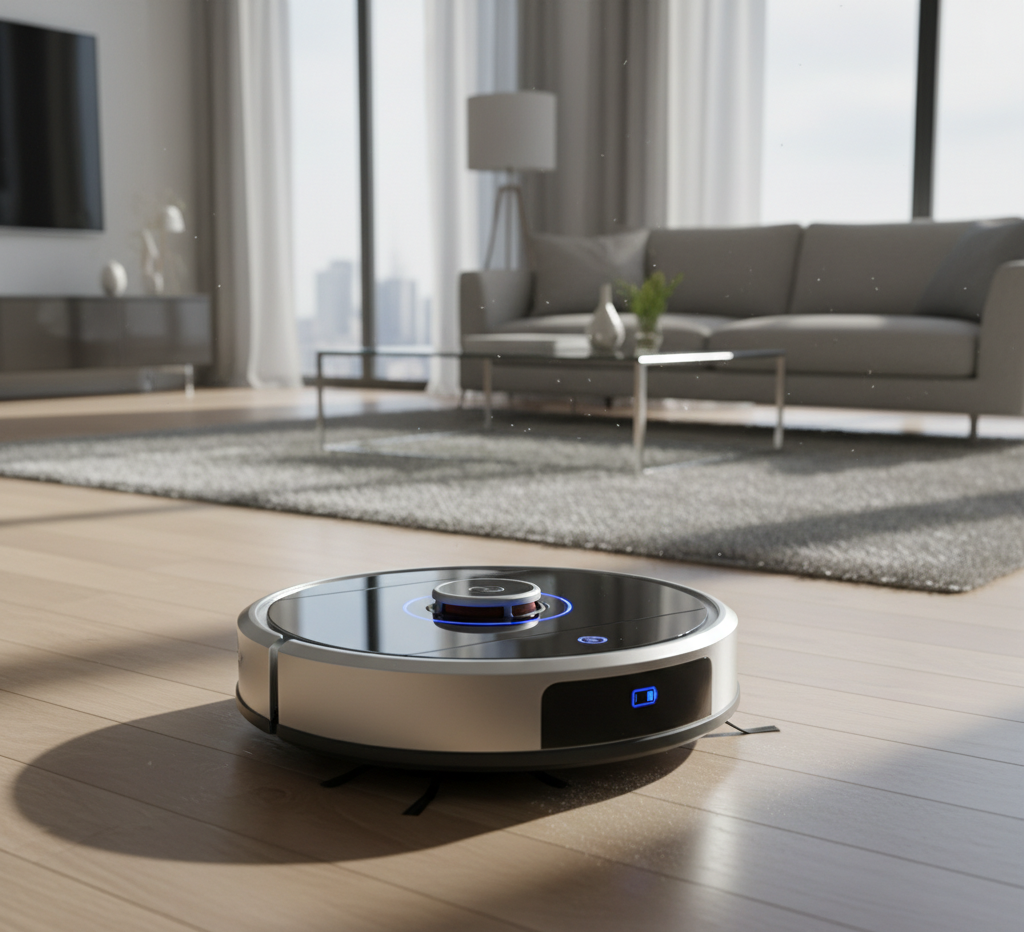
Are Robotic Vacuums Worth the Money in 2026? The first robot vacuums were, kindly put, comical: pinball navigation, wedged under sofas, entire room sections skipped. They were hobbyist gadgets, not cleaning tools. That picture is now almost unrecognizable. Advances in navigation, artificial intelligence, and hardware have turned the robot vacuum into a capable, dependable partner that maps your home, follows methodical paths, dodges obstacles, and on premium models mops and washes its own pads. Whether one deserves your floor space depends on what the technology actually does today. Four Generations of Navigation Navigation is the biggest leap and what separates a frustrating toy from a reliable cleaner. Navigation type How it works Strengths and limits Bump-and-go (random) Drives straight until it hits something, then turns randomly. Covers a simple square room eventually, but slowly and with gaps. Found only on budget models. Gyroscopic A gyroscope and sensors steer deliberate parallel lines. Systematic coverage, but no persistent map, so being picked up or stuck disorients it. LiDAR A spinning laser turret measures distances and builds a highly accurate real-time map, the same core technology behind self-driving cars. The gold standard: precise rows, graceful furniture handling, room-by-room app commands, flawless operation in total darkness. vSLAM (visual) A camera maps landmarks like walls, doorways, and furniture, then compares what it sees against that map. Systematic navigation, and AI versions recognize objects like shoes and power cords, but it needs reasonable light. Supporting sensors round out the system: cliff sensors stop it at stair edges, wall sensors let it hug baseboards without constant bumping, and dirt-detect sensors spot heavy debris and send the robot back for extra passes. The Features That Matter Day to Day Interactive smart maps. Name rooms from the companion app, draw no-go zones around pet bowls and delicate furniture, and target a clean zone at a fresh spill. Suction power. Measured in Pascals, entry models run around 1,500 Pa while high-end machines exceed 4,000 Pa. Strong suction matters most on carpet, where dirt and pet hair hide deep in fibers, and automatic carpet boost raises power the moment the robot rolls onto rug. Recharge and resume. For big homes this beats raw battery size: a low robot returns to its dock, recharges just enough, then finishes exactly where it stopped. AI object avoidance. Premium front cameras identify and route around socks, toys, and the dreaded pet waste. For pet owners that alone can justify the price. Self-emptying docks. The base vacuums the robot’s tiny bin into a sealed bag or canister. Instead of emptying the robot every one or two runs, you touch the dock bag once every 30 to 60 days: a daily chore becomes a monthly one. Mopping Robots: Four Levels of Effectiveness Many hybrids mop, but capability varies wildly. Basic systems drag a damp microfiber cloth, a light dust wipe that does nothing for real spills or grime. Vibrating or sonic pads scrub hundreds or thousands of times per minute and genuinely break up dried-on messes. The most effective design spins two round pads under downward pressure, mimicking a floor polisher for a deep clean. At the top, all-in-one stations self-empty the bin, self-wash and self-dry the pads, and even refill the water tank: the closest thing yet to truly hands-off floor cleaning. In practical terms, a simple dragging cloth is closer to a dust mop between washes, while the sonic and dual-spinning-pad systems are the ones that can actually erase a dried-on spill from hard floors. What a Robot Vacuum Cannot Do Three honest caveats decide whether you will love one. First, treat it as upkeep, not a substitute for a proper deep clean. Robots keep floors constantly fresh by stopping dust, crumbs, and hair before they accumulate, but they cannot replace a powerful upright or canister vacuum for periodic carpet deep cleans, stairs, and tight crevices. Scheduled help from a deep cleaning service or a regular maid service covers what the robot never touches, from baseboards to ceiling fans. Second, your home must be robot-ready. These machines thrive on clear floors: a quick scan for charging cables, shoes, and pet toys before each run beats any obstacle-avoidance camera. Third, maintenance is non-negotiable. Wipe the sensors, clean the filter, and cut wrapped hair off the main and side brushes. A few minutes every week or two keeps the machine efficient for years. The Verdict: Worth It for Most Households For many homes the answer is a resounding yes. Pet owners get a transformative weapon against fur; busy professionals and families buy back hours; people with mobility issues gain automated assistance that can be life-changing. Constant floor upkeep also helps anyone limiting exposure to indoor air contaminants like fine particulate matter and dust, and the CDC recommends cleaning surfaces regularly as the first defense against household germs. A robot makes regularity effortless. If you value consistently clean floors and fewer manual sessions, a modern LiDAR or AI model is one of the best home investments available. The sci-fi dream quietly became an appliance. Robot Vacuum FAQ Is a robot vacuum worth it for pet hair? Yes, arguably its best use. Strong suction above 4,000 Pa with automatic carpet boost pulls hair from fibers daily, and AI avoidance routes around accidents. Pair it with weekly brushing of pets for the best results. Can a robot vacuum replace my regular vacuum? No. It is designed for frequent maintenance cleaning. Keep your full-sized machine for periodic deep carpet passes, stairs, and crevices a disc-shaped robot cannot reach. Do LiDAR models need light to work? No. Unlike camera-based vSLAM robots, the laser turret measures distance directly, so LiDAR models map and clean in complete darkness. How often do I empty a self-emptying dock? Most sealed bags or canisters last 30 to 60 days between changes, versus a standard robot dustbin that needs emptying after one or two runs. Will a robot vacuum damage my baseboards and furniture? Modern units navigate gracefully around obstacles: LiDAR models measure distances instead of crashing,

Are Robotic Vacuums Worth It? A Deep Dive into Modern Floor Care Read More »

laminate floor cleaning

Best Ways To Clean Laminate Flooring Without Damage

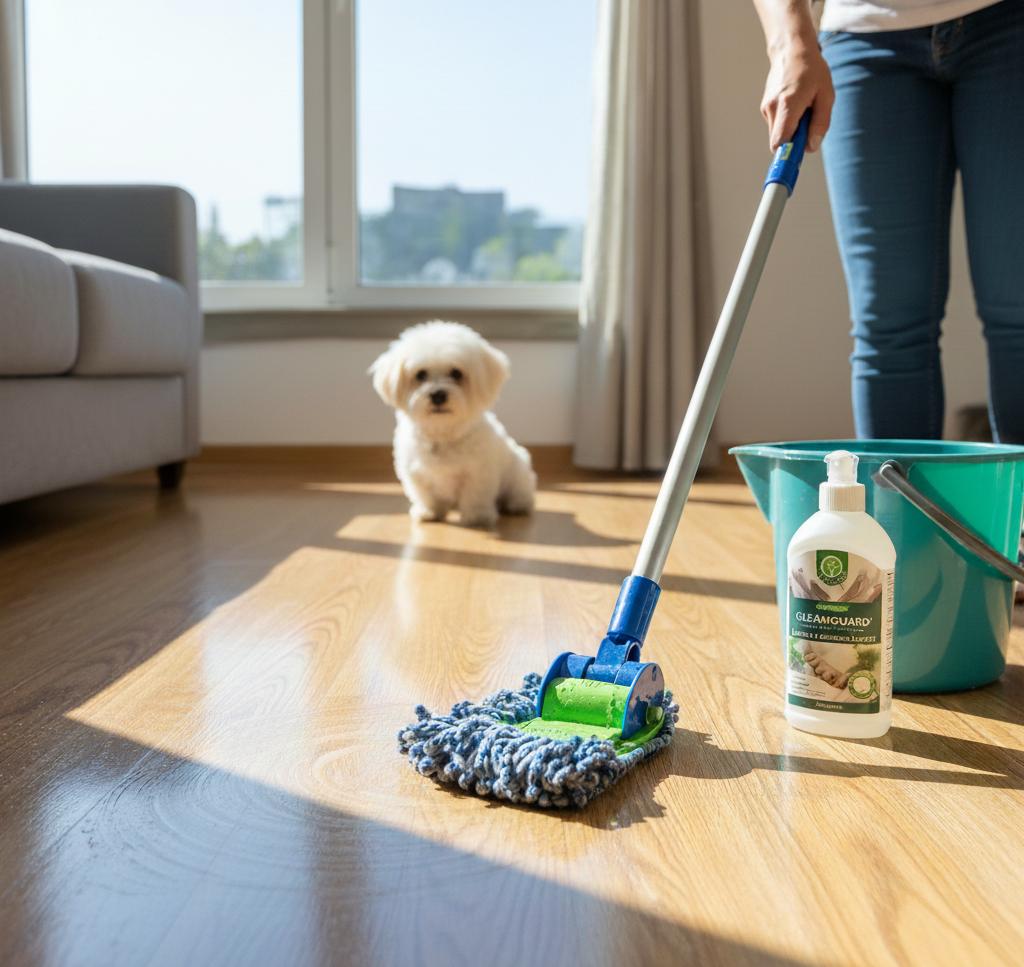
Best Ways To Clean Laminate Flooring Without Damage Laminate flooring mimics the character of hardwood, stone, or tile at a fraction of the cost and upkeep demands, and its worldwide popularity comes down to durability, versatility, and easy care. That layered engineering also comes with one strict maintenance rule: water is the enemy. The right approach swaps soaking and scrubbing for proper tools and techniques that lift dirt with the absolute minimum of liquid. This guide covers the daily routine, the weekly mop-down, stain remedies, and long-term protection habits that keep laminate looking new. How Laminate Is Built, and Why Moisture Is Its Weak Point Laminate fuses several layers together under heat and pressure. On top sits a tough, clear wear layer shielding the high-resolution printed image below. Under that, a dense fiberboard core provides stability and impact resistance, finished by a backing layer that adds moisture resistance. This construction explains both the strength and the weakness of the floor. The wear layer shrugs off water; the fiberboard core and the seams between planks do not. Moisture that seeps between boards makes the core swell, warp, and buckle, and that damage is irreparable. Dry grit is the other enemy: sand and soil grains behave like fine sandpaper underfoot, scratching microscopic lines into the finish that dull its look over time. Consistent, preventative cleaning removes both threats before harm is done. Your Essential Laminate Cleaning Toolkit A microfiber dust mop or soft-bristled broom: your first line of defense; a microfiber head beats a broom because static charge traps dust and pet hair. A vacuum with a hard floor setting: great at pulling debris from between planks, but fit a soft-bristle hard floor head or switch off the beater bar: a stiff rotating carpet brush can scratch laminate. A high-quality microfiber mop: the single most important tool for washing the floor, since its absorbent pads clean well with very little water. A pH-neutral floor cleaner or a DIY substitute: something that will not leave a hazy residue or attack the protective wear layer. Doormats at every entrance, trapping dirt, grit, and moisture before it reaches the floor. The Weekly Laminate Floor Care Routine Daily care takes minutes: a quick dust-mop or soft-broom pass is the best single defense against long-term wear. Weekly, follow this sequence. Dry clean first, then spot-treat Always remove loose dust and debris before any liquid touches the floor, by dust mopping or vacuuming with the beater bar off. Mopping a dirty floor simply pushes a slurry of abrasive grit around and causes scratches. Next, treat spots and spills individually: a damp microfiber cloth handles most marks, while rubbing alcohol dabbed on a cloth lifts stubborn scuffs or ink. Choose a safe cleaning solution Health Canada’s advice on using household products safely starts with reading and following product labels, which applies to floor cleaners too. Your options: A commercial pH-neutral, water-based laminate cleaner is often the safest bet; always follow the dilution instructions on the bottle. A DIY cleaner of one part white vinegar to ten parts warm water, decanted into a spray bottle, dissolves grime without residue; for very large floors, mix half a cup of vinegar into a gallon of water instead. A quick-drying, streak-free blend of equal parts water, isopropyl alcohol, and vinegar, decanted into a spray bottle. Never use oil-based soaps such as Murphy Oil Soap, wax, or any shine-adding product: they leave a dull, streaky film that is hard to remove and can turn dangerously slippery. The damp-mop technique Never flood laminate with water; the mop pad should be damp, not wet. With a bucket, dip the head, then wring until it feels almost dry. A spray bottle is superior: mist one small section at a time, then immediately wipe it up with a dry microfiber mop, working in manageable sections so no standing water sits over the seams. A properly damp-mopped floor air-dries in a minute or two; wipe any remaining wet areas with a clean, dry cloth to prevent water spots. For more on safe product handling, see Health Canada’s household chemical safety tips. Spill and Stain Remedy Chart Mess Remedy Liquid spills such as water, juice, or soda Blot at once with a dry, clean cloth; for sticky messes, wipe on your cleaning solution, follow with a water-rinsed cloth, then dry fully Grease and oil Gently rub with isopropyl alcohol on a clean cloth, or use the vinegar solution Ink, nail polish, or permanent marker Work the mark gently with a clean white cloth spotted with rubbing alcohol or an acetone-based polish remover, keeping the amount small, then wipe away residue using a damp cloth Black scuff marks from shoes Buff them off with a dry tennis ball or a standard pencil eraser Long-Term Protection for Laminate Floors Attach felt pads to every furniture leg, chair, table, sofa, and cabinet, checking and replacing them as they wear; this is the single most important anti-scratch step. Lift furniture completely when moving it and never drag heavy items across the floor. Keep pet nails trimmed so they do not scratch the surface. Avoid stiletto heels, which concentrate enormous pressure on a tiny point and can dent the planks. Manage sunlight: laminate, especially older varieties, can fade under prolonged direct exposure, so close curtains or blinds during the brightest hours. When a home needs a top-to-bottom reset, the crew at our deep cleaning service cares for every surface from the floors up, and weekly upkeep fits neatly into a regular maid plan. Moving out with scratched or stained floors? End-of-tenancy details sit on our move in and out cleaning page. Frequently Asked Questions About Cleaning Laminate Flooring Can I use a regular string mop and bucket on laminate? Only if you wring the mop until it feels almost dry. A damp mop is acceptable; a wet one lets water into the seams, where the core swells, warps, and buckles beyond repair. A spray bottle with a microfiber mop is safer because you mist

Best Ways To Clean Laminate Flooring Without Damage Read More »

child with a sense of responsibility and organizing the house

Discover Why Involving Your Child In Daily Cleaning Is More Important Than You Think

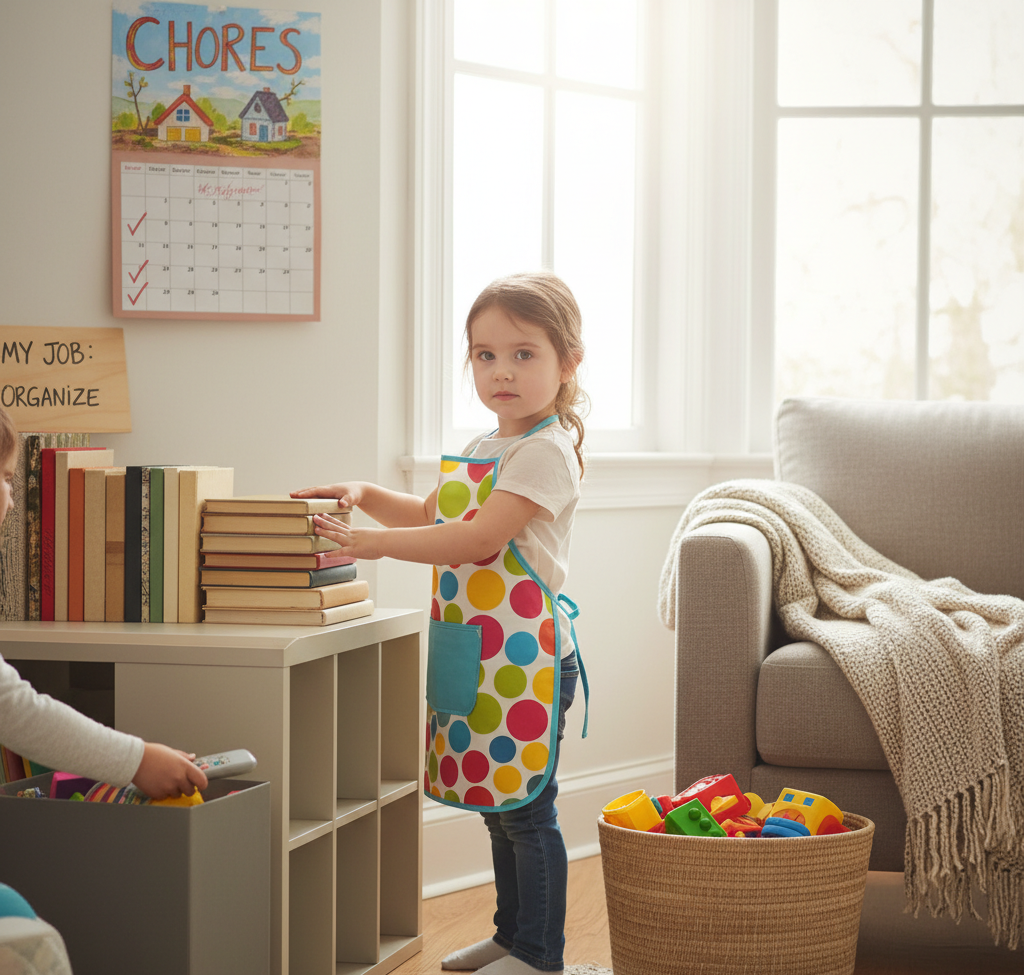
The question many parents have is how do I teach my child to be more responsible? In the bustling rhythm of modern family life, the daily upkeep of a home can often feel like a relentless and overwhelming task, a never-ending cycle of tidying, wiping, and washing that falls heavily on the shoulders of the parents. In this constant battle against clutter and mess, one of the most powerful yet frequently underutilized resources is sitting right at the dinner table: the children. Involving children in daily cleaning is not about offloading parental responsibility or achieving a flawlessly pristine home. It is a profound and deliberate act of teaching, a foundational lesson in responsibility, respect, life skills, and the intrinsic value of contributing to a shared environment. Building Character Transforming chores from a dreaded obligation into a natural and expected part of the daily routine is a process that builds character and strengthens family bonds. It shifts the household dynamic from one where parents are the service providers and children are the consumers, to one of a collaborative team working towards a common goal. When a child learns to wipe up their own spills, put away their own toys, or help set the table, they are internalizing a powerful message: “I am a capable and valuable member of this family. My actions matter, and I have a role to play in the well-being of our home.” This sense of belonging and competence is a cornerstone of healthy self-esteem. The benefits of integrating children into daily cleaning routines extend far beyond the immediate advantage of having an extra pair of hands. Cultivating Responsibility and Accountability: Consistently performing a chore, no matter how small, teaches a child to be responsible for their own space and their own belongings. It instills a sense of ownership and accountability. They learn that a clean room or a tidy living area is not something that magically happens, but is the result of conscious effort. This understanding of cause and effect is a critical life lesson that translates into academic, social, and eventually, professional success. Developing Essential Life Skills: The ability to maintain a clean and organized living space is a fundamental life skill that many young adults find themselves lacking when they first leave home. By teaching children how to properly sweep a floor, load a dishwasher, or do a load of laundry, you are equipping them with the practical knowledge they will need to live independently. These are not just chores; they are lessons in self-sufficiency. Fostering Respect for Property and People: When children are actively involved in the effort it takes to clean and maintain a home, they develop a greater appreciation for it. A child who has just spent time vacuuming the living room carpet is far less likely to carelessly track mud across it. They begin to understand the work that goes into creating a pleasant environment and, by extension, develop more respect for the efforts of others. Building a Strong Work Ethic: The discipline of completing a task, even when it’s not particularly fun, is the foundation of a strong work ethic. Learning to see a job through to completion and taking pride in the result is a value that will serve a child throughout their entire life. Enhancing Motor Skills and Coordination: For younger children, many cleaning tasks are excellent for developing both fine and gross motor skills. Scrubbing a surface, using a spray bottle, sorting laundry, or sweeping with a small broom all help to improve coordination, strength, and dexterity. Strengthening Family Bonds: Working together on household tasks can be a valuable opportunity for connection. It’s a time to talk, to teach, and to work side-by-side. Turning on some music and tackling the after-dinner cleanup as a family can transform a mundane chore into a positive, shared experience. It reinforces the idea that the family is a team. The key to successfully involving children in cleaning is to start early and to make the tasks age-appropriate. The goal is not perfection, but participation and learning. Toddlers (Ages 2-3) At this age, children are naturally inclined to imitate their parents and are often enthusiastic about “helping.” The focus should be on simple, game-like tasks that are within their physical capabilities. Putting Toys Away: This is the most fundamental chore. Make it a game by singing a “clean-up song” or timing how quickly they can fill the toy box. Clear, labeled bins with pictures can help them learn where everything goes. Wiping Up Spills: Keep a small, designated cloth or sponge accessible for them. When a small spill occurs, encourage them to wipe it up themselves. It won’t be a perfect job, but it teaches immediate responsibility. Placing Clothes in the Hamper: This simple task teaches them where dirty clothes belong. “Dusting” with a Cloth: Give them a small microfiber cloth and let them wipe down low, safe surfaces like baseboards or the legs of a coffee table while you do the real dusting. Preschoolers (Ages 4-5) Preschoolers can handle more complex, multi-step tasks. They are developing more coordination and can follow simple instructions. Setting the Table: They can be responsible for putting out napkins, placemats, and silverware. Clearing Their Own Plate: Teach them to carry their own plate to the sink or countertop after a meal. Making Their Bed: It won’t be hotel-perfect, but they can learn to pull up the duvet or comforter. Keep bedding simple to make this task easier for them. Feeding Pets: Filling a pet’s food or water bowl (with supervision) is an excellent way to teach responsibility and empathy for another living being. Helping with Groceries: They can help unload groceries, putting away non-breakable items in low cupboards. Early Elementary (Ages 6-8) At this age, children can take on more responsibility and begin to perform chores independently. Sweeping or Using a Small Handheld Vacuum: They can be responsible for sweeping the kitchen floor after meals or vacuuming up small messes. Loading and Unloading the Dishwasher: They can learn how to place dishes in the dishwasher (with guidance on sharp items) and can

Discover Why Involving Your Child In Daily Cleaning Is More Important Than You Think Read More »

Autumn Allergy

Autumn Allergy: 4 Essential Cleaning Plan For a Healthy Home

Autumn Allergy: A Four-Part Cleaning Plan for a Healthier Home September brings a stunning display of autumn colour, but the seasonal shift also kicks off misery for allergy sufferers: sneezing, itchy eyes, and respiratory discomfort. While the fall beauty is enjoyed outdoors, an invisible battle begins inside. The season’s chief offenders are ragweed pollen, which drifts in on winds from hundreds of kilometers away, and mold spores thriving in early fall’s damp, decaying debris. Both infiltrate homes, settle on surfaces, embed in fabrics, and circulate through the air you breathe. Creating a healthy indoor environment is the most effective relief strategy, and that takes a targeted plan, not a simple tidy-up. Here are the four zones to tackle. Zone 1: The Bedroom You spend roughly a third of your life in the bedroom, which makes it the most critical allergy zone in the house. Bedding collects a nightly deposit of dust mites and their waste, pet dander, and pollen carried in on hair and clothes, so wash sheets, pillowcases, and duvet covers weekly in hot water of at least 130 F (54 C), the temperature required to kill dust mites. For delicate fabrics, use a warm wash followed by at least 15 minutes in a hot dryer for a similar result, and launder the pillows and duvets themselves every few months. Allergen-proof covers on the mattress and pillows create an impermeable barrier against triggers. Curtains act like large filters trapping airborne dust and pollen, so take them down and launder them each fall; for non-washable blinds, wipe every slat with a damp microfiber cloth to remove settled pollen that would otherwise aggravate symptoms each time you open or close them. Finally, vacuum the entire mattress surface with your cleaner’s upholstery attachment. Dust mites number in the millions inside the average mattress, a year-round issue that worsens any autumn allergy. Zone 2: Floors and Air Quality Carpets and rugs can trap dust, dirt, and allergens equal to eight times their own weight, so your cleaning method matters. The single most important tool is a vacuum with a genuine HEPA filter. Standard vacuums often stir up fine particles like pollen and make symptoms worse, while a HEPA filter is designed to capture 99.97 percent of tiny particles, trapping allergens and removing them from your home. That is non-negotiable with a severe autumn allergy, and Health Canada’s page on air contaminants and health explains why particles in indoor air deserve this attention. Technique counts too: move slowly and methodically with multiple overlapping passes so the vacuum pulls allergens from deep within the fibers, and vacuum high-traffic areas at least twice a week during peak season. Zone 3: Moisture Control and Mold Elimination Mold is a major autumn allergy trigger, and its growth tracks moisture directly, which makes the cooler, damper weather of early fall ideal conditions for it. In bathrooms, run the exhaust fan during every shower and for at least 20 minutes afterward to vent moisture outside, and clean tile grout regularly with a vinegar and water mixture to kill emerging spores. In basements and crawl spaces, which are naturally prone to dampness, run a dehumidifier to keep humidity below 50 percent; a musty basement smell is a clear sign of a problem that can significantly worsen symptoms. In kitchens, always use the stove’s exhaust fan when cooking and check under the sink and around the dishwasher for leaks. Health Canada’s guidance on reducing humidity, moisture, and mould is the authoritative reference for keeping growth from starting. Zone 4: Whole-Home Habits for Allergy Relief Pollen and dust settle on every surface, so round out the plan with the areas people overlook: Dust with a damp cloth. Dry dusting merely displaces allergens into the air you breathe, so wipe surfaces with a damp microfiber cloth that traps particles, always working from the top of the room downward. Service the HVAC before heating season. Replace the furnace filter before the first run of fall, and consider a high-efficiency filter built to capture small particles like pollen and mold spores. Vacuum upholstery weekly. Sofas and armchairs collect allergens just like carpets do, so go over them with the upholstery attachment. Use this chart to match triggers to tactics: Trigger Where it hides Removal tactic Ragweed pollen Curtains, blinds, windowsills, carpets Launder curtains each fall, damp-wipe slats and sills, HEPA-vacuum high-traffic areas twice weekly Dust mites Mattresses, pillows, bedding, upholstered furniture Weekly hot wash at 130 F (54 C) minimum, allergen-proof covers, vacuum the mattress and sofas Mold spores Bathroom grout, basements, crawl spaces, under-sink leaks Run exhaust fans during showers plus 20 minutes, keep humidity below 50 percent, fix leaks promptly Frequently Asked Questions About Autumn Allergies and Cleaning What temperature kills dust mites in laundry? At least 130 F (54 C). If the fabric cannot take hot water, wash warm and then tumble dry hot for at least 15 minutes, which achieves a similar result for bedding. Is a HEPA vacuum really necessary for allergy relief? Yes, if symptoms are significant. Ordinary vacuums can exhaust fine pollen and dust back into the room air, while a HEPA filter captures 99.97 percent of tiny particles so allergens leave the house instead of recirculating. When should I change my furnace filter for fall? Before the first run of the season, so summer’s dust and pollen are not blown through the house the moment heating starts. A high-efficiency filter rated for pollen and mold spores is worth the upgrade during allergy season. Does feather or dry dusting help allergy sufferers? No. Dry dusting knocks allergens into the air where you inhale them. Wipe with a damp microfiber cloth, working top to bottom, and vacuum or mop the floor last. Allergy-Season Help from Toronto Shine Cleaning If pollen season overwhelms your weekend routine, our team can take over: textile washing, HEPA-quality vacuuming, and moisture-zone scrubbing are core parts of every deep cleaning we perform, and weekly or biweekly visits through our regular maid service keep triggers from

Autumn Allergy: 4 Essential Cleaning Plan For a Healthy Home Read More »

Home Clean and Organized

Home Clean and Organized: 5 Tips From Cleaning Experts For a Stunning Home

A Clean, Organized Home Is a Habit, Not an Event Keeping a home clean and organized takes more than heroic weekend sessions. It works best as a set of small habits wired into daily life, because the physical environment shapes how the mind feels: an orderly space lowers stress, sharpens focus, and builds a sense of control that carries into everything else. When surfaces are clear and objects have homes, there are fewer distractions and less to clean later. The strategies below turn upkeep into an automatic routine instead of a recurring crisis. Build the Daily Habits That Do the Heavy Lifting The one-minute rule: if a task takes under a minute, do it on the spot. Hang the book, wipe the spill, put the mug away. Tiny actions stop small messes from combining into an overwhelming one. The daily reset: spend 10-15 minutes at day’s end tidying the kitchen and living room. Wash dishes, wipe counters, straighten cushions. Waking up to a tidy space sets the tone for the next day. Shared responsibility: assign roles to every household member. When the load is distributed, upkeep stops being one person’s burden. A place for everything: give each item a designated spot, and the habit of returning it removes the drift that forces giant tidying sessions. Room-by-Room Routines That Actually Stick Room Daily habit Weekly habit Kitchen Wash dishes or load the dishwasher after each meal, wipe countertops, quick sweep of the floor Clean the microwave inside and out, scrub the stovetop and oven front, freshen the sink and faucets, wipe appliance exteriors including the fridge, empty and scrub the trash can Bathrooms Wipe sink, mirror, and counter; quick scrub of the toilet bowl Disinfect the toilet inside and out, clean shower or tub before mold and mildew take hold, wash the floor, launder towels and the shower curtain Living room and bedrooms Arrange cushions, fold blankets, return remotes and magazines; make the bed every morning; clothes into hamper or drawers Vacuum or sweep all floors, dust furniture, shelves, and electronics with a microfiber cloth, clean mirrors and glass Entryway and hallways Shoes, coats, and bags go to their designated spot on arrival Sweep or vacuum frequently, since these paths carry the outdoors inside Decluttering Rules That Keep the Clutter Out Organization is the other half of cleanliness, and it starts with honest culling. The “one in, one out” principle keeps volume constant: every new item bought means a similar old one gets donated, sold, or recycled. Inside the cupboards, group similar objects together and contain them with boxes, baskets, drawer dividers, and organizers. Think vertically with shelves, wall racks, and hooks to free up surfaces. Labels look trivial but work: everyone in the house can see where each thing belongs, so things go back without negotiation. Do not ignore the digital clutter either, because a clear inbox, organized files, and deleted apps lighten the mind the same way a clear counter does. The CDC’s basics on when and how to clean and disinfect your home make a good pairing with these habits: clean visibly dirty surfaces first, then disinfect the high-touch ones. Use the Right Tools, Top to Bottom Technique decides how much effort a clean costs. Always dust from the highest surfaces downward so falling dirt gets collected in the final pass instead of landing on freshly wiped shelves. Microfiber cloths trap dust and polish without lint; a vacuum with attachments, a proper mop, brushes, and sponges round out the kit. Stock the five essential products (all-purpose cleaner, glass cleaner, disinfectant, floor cleaner, bathroom cleaner) and check labels carefully, since the surface dictates what is safe. Never put abrasive products on marble or sealed wood. Wear gloves and open a window whenever chemicals are out; Health Canada’s tips for using household chemicals safely are worth a skim before stocking a cleaning caddy. If children, pets, or allergies share the house, lean toward eco-friendly, non-toxic formulas. Adapting to Real Life Every household has its own friction points, and each has a workaround. Pets: vacuum often for hair, keep lint rollers and upholstery tools handy, store supplies neatly, and wash food and water bowls daily. Children: define play zones, use toy boxes and low shelves kids can reach, and invite them to tidy early so responsibility becomes normal. Packed schedules: never try to clean everything at once. A focused 15-20 minute block per day in one area prevents buildup and keeps cleaning un-intimidating. Dust and allergies: dust with microfiber, vacuum with a HEPA filter, and change heating and air conditioning filters on schedule. Staying Motivated, and Knowing When to Delegate Motivation is a system too. Set realistic goals, since no home is perfect daily; celebrate small wins; break large tasks into steps; reward yourself after big jobs; and take before-and-after photos for proof of progress. Music or a podcast makes the time pass differently. A steady routine eventually runs on autopilot, which is the point. For the heavy categories, professionals are the smart shortcut: steam carpet cleaning, exterior window washing, and post-renovation dust demand equipment most homes lack, and life events such as moving, a big party, or a newborn make outside help an investment in sanity rather than a luxury. A scheduled regular cleaning visit locks in the maintenance, and a periodic deep clean resets whatever winter piled up. Home Organization FAQ What is the fastest way to start if my home feels chaotic? Stop trying to fix everything at once. Pick the kitchen counter and the entryway first, apply the one-minute rule for one week, and add a 10-minute daily reset once those stick. How often should a whole house be really cleaned? Daily habits handle surfaces, weekly sessions handle floors and bathrooms, and a thorough room-by-room deep clean belongs on the calendar a few times a year or whenever the reset is due. Does decluttering really reduce cleaning time? Directly. Every object on a surface is a pause while dusting, every pile is a place dirt hides.

Home Clean and Organized: 5 Tips From Cleaning Experts For a Stunning Home Read More »