Pet cleaning

The Dirtiest Places In Your Home

The Dirtiest Places In Your Home Can Be Harmful To Your Health

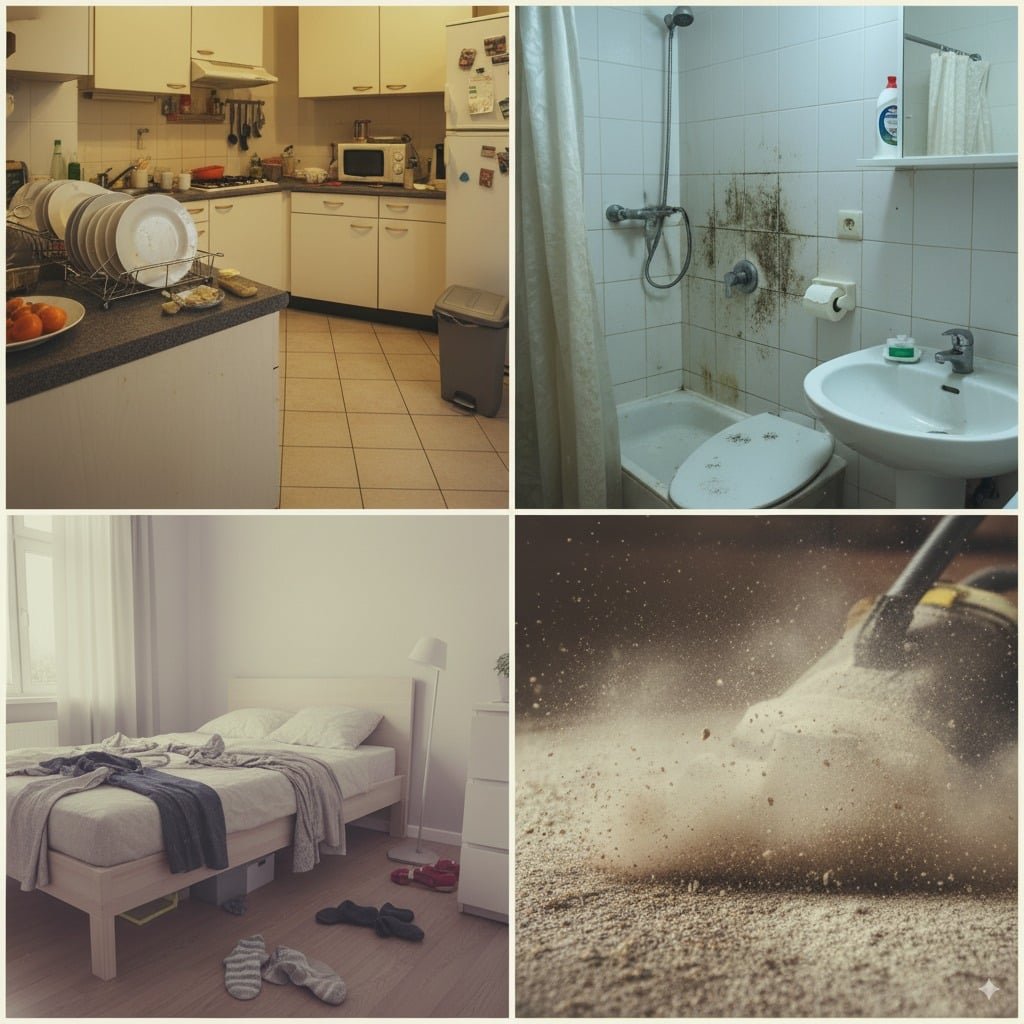
The Dirt You Cannot See Is the Dirt That Counts A house becomes a home through use, and use leaves residue: garden soil, road dust, fingerprints, and an entire invisible ecosystem of bacteria, viruses, mold, and fungi thriving exactly where routine cleaning never reaches. Most people scrub what looks dirty and ignore what actually is, yet the biggest hygiene threats are microscopic and prefer damp corners, dark crevices, and the surfaces touched most often. Mapping that hidden microbial landscape changes cleaning from a cosmetic chore into genuine health protection. Here are the dirtiest spots and why each earns the title. Kitchen Hotspots Where Germs Breed The food-prep room is paradoxically the germiest in most houses: raw food, moisture, and constant touching combine perfectly there. The sink: ground zero for contamination. Food rinsed off plates and boards settles into a sticky biofilm on the basin and drain that can host E. coli and Salmonella, and every faucet turn splashes those germs onto hands, counters, and clean dishes. A running disposal aerosolizes bacteria-laden droplets into the air, and the faucet handles plus the damp aerator cap collect their own film of grime. Sponges and dishcloths: the cleaning tools are often filthier than what they wipe. A sponge stays damp for hours, and its porous body lets bacteria multiply exponentially, including Campylobacter, a leading cause of foodborne illness. Wiping a counter with a contaminated sponge is microbial transfer, not cleaning. Cutting boards: knife grooves trap bacteria from raw meat and poultry below the reach of vigorous washing, ready to contaminate the next salad. Separate, color-coded boards for raw meat and produce are a critical food-safety habit. Appliance handles: refrigerator, microwave, oven, and dishwasher knobs get touched after handling raw food and before washing hands. Influenza viruses can survive up to 48 hours on stainless steel, making these grips a primary transmission route inside a family. Coffee maker reservoir and knife block: one is dark and perpetually damp, breeding mold and yeast you end up brewing into coffee; the other’s narrow slots keep moisture and debris on supposedly clean blades. Bathroom Hotspots Beyond the Bowl The toilet bowl gets scrubbed while everything around it is ignored. Every flush with the lid up launches a toilet plume, an aerosol mist of microscopic droplets carrying fecal bacteria that can travel up to six feet onto floors, counters, and toothbrushes. The flush handle itself ranks among the most contaminated touchpoints in the house, and toothbrush holders collect dripping water and toothpaste into a murky sludge where Staphylococcus and mold flourish inches from the brush that goes in your mouth. The tub and shower fight a running battle against mold and mildew, and the fuel is soap scum: soap fats hardened by calcium and magnesium from hard water into a waxy, water-resistant layer that feeds fungi and shelters them underneath. That film is where the common pink growth lives, actually a bacterium called Serratia marcescens, alongside more dangerous black molds. Showerhead nozzles can harbor biofilms containing bacteria such as Mycobacterium avium, a pulmonary risk especially for people with weakened immune systems, aerosolized into the warm mist you breathe. Damp bath mats that never fully dry complete the circuit and track growth onto the floor. Objects, Soft Surfaces, and the Bedroom Around the rest of the house, the filth source is us. Fomites, the technical name for inanimate surfaces that carry infectious agents, means the remote controls, light switches, doorknobs, and game controllers everyone handles but nobody disinfects, under a sticky film of skin oils and sweat that helps germs cling. Personal electronics are worse: the average mobile phone has been shown to carry more bacteria than a toilet seat, and keyboards are crumb-and-skin buffets between the keys. Soft surfaces act like giant filters, holding dust, pet dander, pollen, tracked-in dirt, and food scraps, plus colonies of dust mites. Mites do not bite, but they feast on roughly 1.5 grams of dead skin the average person sheds each day, and their waste and decaying bodies are potent allergens kicked up by footsteps and vacuuming, linked to asthma and respiratory problems. Bedrooms are no sanctuary either. Pillows and mattresses soak up sweat, oil, and shed skin so steadily that a two-year-old pillow can be one-third dead skin, mites, and allergenic waste by weight, feeding nighttime congestion and restless sleep. The laundry hamper, loaded with damp towels and gym clothes, becomes a humid incubator of mold and odor bacteria that cross-contaminates whole loads. Finally, the mobile contaminants: purse and backpack bottoms touch restroom, restaurant, and transit floors, pick up everything from E. coli to MRSA, then ride onto kitchen counters. Reusable grocery bags, unwashed, carry leakage from meat packages. Pet bowls grow a slimy biofilm that can contain Salmonella and Listeria without daily scrubbing. A Quick Reference for the Worst Offenders Hotspot What lives there What to do Kitchen sink and drain Biofilm with E. coli and Salmonella Scrub the basin daily; sanitize handles and the aerator Sponge and dishcloths Billions of bacteria including Campylobacter Replace often; never wipe with a damp, sour sponge Touchpoints: remotes, switches, knobs, phone Germs from every hand, viruses on steel for up to 48 hours Disinfect on a schedule; the CDC’s home cleaning and disinfecting guidance backs up high-touch routines Shower, tub, mat Soap scum, Serratia marcescens, mold, damp-mat growth Wipe after use, wash mats hot, treat grout monthly Pillows, mattress, carpet Dust mites and their allergenic waste Vacuum deep, rotate mattresses, wash bedding hot Bags, grocery totes, pet bowls Transit-floor bacteria, meat-drip pathogens, bowl biofilm Wipe bag bottoms, launder totes, scrub bowls daily Dirtiest Places FAQ Which single spot should I attack first? The kitchen sponge and the sink. They feed each other: a soaked sponge dragged across a biofilm sink just moves germs around. Start with a fresh sponge and a scrubbed basin, then build the rest of the routine outward. Are toilet plumes really a health issue? Flushing unlidded toilets aerosolizes particles that settle across the room, including on toothbrushes. Close

The Dirtiest Places In Your Home Can Be Harmful To Your Health Read More »
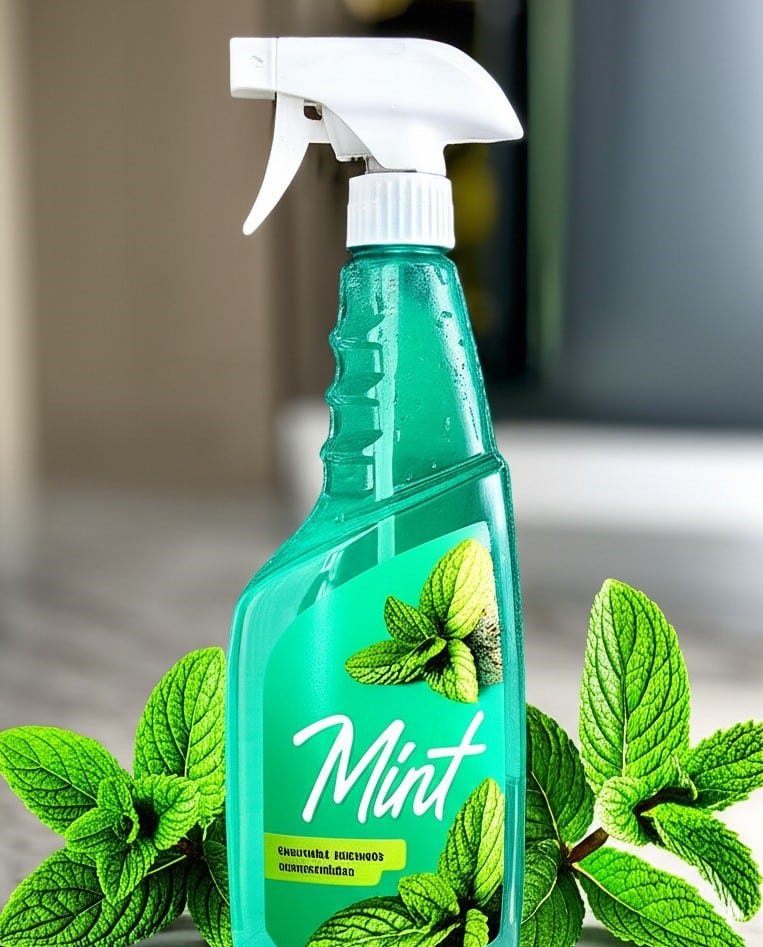
cleaning product mint with mint branch

Mint Cleaning Products: Discover The 6 Benefits of Mint in Cleaning

Using a mint cleaning products transforms the chore of tidying up into a refreshing experience. The sharp, cool scent cuts through stale air, replacing lingering cooking odors or bathroom stuffiness with a crisp aroma that signals true cleanliness. It’s a clean you can smell long after the cloths have been put away. 1.Citrus Note The scent of a clean home is often as important as the visual sparkle. While citrus notes are known for their zesty, energizing effect and lavender provides a sense of calm, mint occupies a unique and powerful space in the world of cleaning. It delivers a crisp, cool, and unmistakably clean fragrance that signifies a truly refreshed environment. The use of mint cleaning products transforms the chore of cleaning into a more invigorating and rewarding sensory experience. The sharp, piercing scent cuts through stale air and lingering odors, leaving behind a feeling of pure, unadulterated freshness that is difficult to replicate with other fragrances. It is a scent that doesn’t just mask odors, but seems to eradicate them, replacing them with an aura of hygienic purity. 2.Kitchen Odors In the kitchen, where grease and food odors present a constant battle, mint cleaning products are exceptionally effective. The natural compounds found in mint, particularly menthol, have a degreasing quality that helps break down oily residues on stovetops, backsplashes, and countertops. After cooking a fragrant meal, the air can feel heavy and saturated. A quick wipe-down of surfaces with a quality mint-based spray not only removes spills and splatters but also neutralizes those stubborn smells of garlic, onion, or fish. The versatility of mint cleaning products is on full display here. The sink, often a source of unpleasant smells, benefits immensely from a scrub with a mint-infused cleaner. It tackles food particles and leaves the basin smelling cool and clean for hours. Even the garbage disposal can be refreshed by using mint cleaning products, sending a plume of invigorating scent up from the drain instead of a whiff of yesterday’s waste. When mopping kitchen floors, a mint-based solution does more than just lift dirt; it leaves the entire room smelling revitalized from the ground up. 3.Mold and Damp in The Bathroom The bathroom is another area where the power of mint cleaning products truly shines. This space demands a high level of hygiene, and the scent of mint is psychologically associated with that very concept. It smells sterile in the best possible way. When used in a toilet bowl cleaner, it provides a powerful clean while effectively deodorizing the entire fixture. For showers and tubs, the challenges are soap scum and the potential for musty, damp smells. A good mint cleaning product cuts through the chalky residue and replaces any mildewy notes with its sharp, clean fragrance. The antimicrobial properties often associated with the essential oils in mint cleaning products make them ideal for this space. Wiping down sinks, faucets, and countertops leaves them gleaming and imbued with a scent that makes the entire room feel like a spa. Even cleaning mirrors and chrome fixtures with a mint-based glass cleaner is a more pleasant task; as you wipe away streaks, you are met with a cool, refreshing aroma rather than the harsh chemical smell of ammonia. 4.Homemade Recipes Creating your own mint cleaning products is a straightforward and cost-effective way to harness this power throughout your home. The satisfaction of making effective mint cleaning products at home is immense. A simple all-purpose spray can be made by combining one part white vinegar with one part water in a spray bottle and adding 15-20 drops of high-quality peppermint or spearmint essential oil. Shake well before each use. This homemade mint cleaning product is perfect for countertops, sinks, and other hard surfaces. It disinfects, deodorizes, and leaves that signature fresh scent. For more abrasive cleaning needs, such as scrubbing a stained sink or a grimy bathtub, a paste can be made from baking soda, a small amount of liquid castile soap, and several drops of mint essential oil. Apply the paste, let it sit for a few minutes, and then scrub with a damp sponge. You now have a powerful, abrasive mint cleaning product that is tough on grime but free from harsh chemicals. A wonderfully effective floor cleaner is just as easy: add a quarter-cup of white vinegar and 10 drops of mint essential oil to a gallon of hot water. This simple solution is one of the most effective DIY mint cleaning products you can make for mopping tile, linoleum, or vinyl floors, leaving them spotless and the air in your home feeling exceptionally clean. 5.Carpets and Rugs The utility of mint cleaning products extends far beyond the kitchen and bathroom. To freshen up carpets and rugs, mix a cup of baking soda with 10-15 drops of peppermint essential oil in a jar. Shake it vigorously, then sprinkle the mixture over the carpet. Let it sit for at least 15 to 20 minutes to absorb odors, then vacuum it up thoroughly. This simple trick is one of the most underrated uses for the components of mint cleaning products, leaving your textiles smelling crisp and new. The inside of a trash can, even when lined with a bag, can develop persistent odors. A quick spray and wipe with a mint-based cleaner after you take out the trash will keep it smelling fresh. For homes with pets, mint cleaning products can be a game-changer for cleaning pet areas, neutralizing odors without overwhelming sensitive noses with artificial perfumes. Stainless steel appliances, which often show every fingerprint and smudge, can be polished to a brilliant shine using a soft cloth and a mint-based cleaner, which helps to cut through greasy marks and leaves a streak-free, aromatic finish. The finish left by certain mint cleaning products on appliances is both visually appealing and olfactorily pleasing. 6.Mental Health The experience of using mint cleaning products goes beyond the physical act of cleaning; it has a noticeable psychological effect. The scent of mint is

Mint Cleaning Products: Discover The 6 Benefits of Mint in Cleaning Read More »

Carpets Cleaning: 12 Mistakes You Need to Stop Making

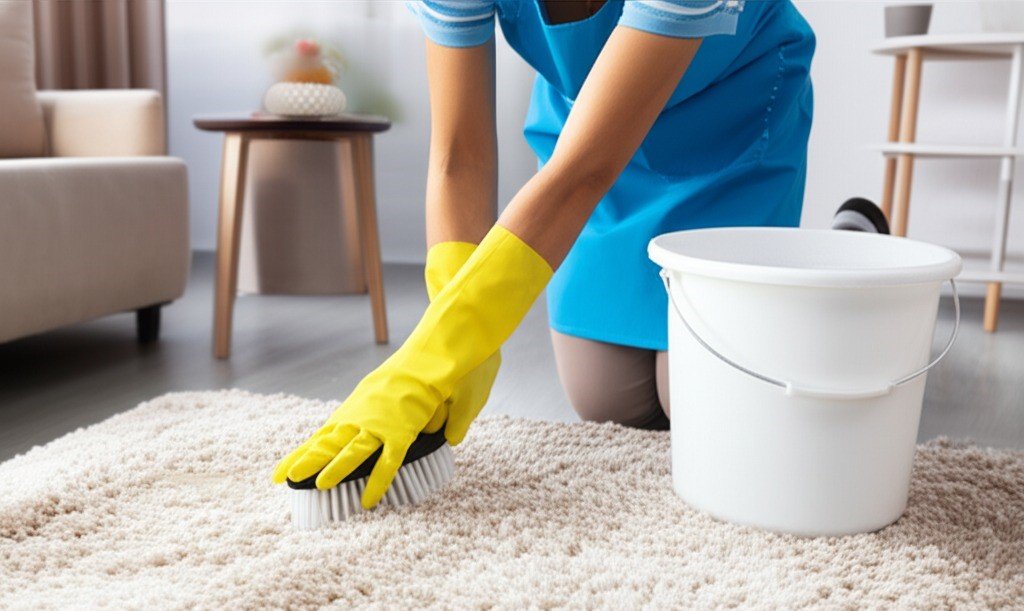
Carpet Cleaning: 12 Mistakes You Need to Stop Making Your carpet is a textile made of specific fibers, dyes, and backings, not a surface for any cleaner you grab from under the sink. Many household cleaners contain bleach that can permanently strip color, while others are so alkaline or acidic they can burn synthetic fibers or dissolve natural ones like wool. Dish soap is a frequent culprit: it cuts grease but leaves a sticky residue that attracts dirt faster than the surrounding carpet. The twelve mistakes below quietly destroy carpets, and all of them are avoidable. Mistakes That Damage Carpet Fibers Rubbing a stain is the most natural, and most destructive, impulse. Vigorous scrubbing pushes the spill deeper into the fibers and the padding beneath, can create a breeding ground for mildew, and frays the fibers so they look fuzzy and worn forever. Always blot with a clean, white cloth, working from the outside of the spill inward. Never apply cleaning solution directly to the carpet, either: pouring it on oversaturates the area, spreads the stain under the surface, and risks water damage to your subfloor. Instead, apply a small amount of solution to a cloth and blot with that. Excess water is the most damaging mistake of all, especially with rented machines, where multiple wet passes are tempting. Overwetting can dissolve the glue between the carpet backings, causing ripples and buckling, and it can trigger wicking, where old stains rise back to the surface as the carpet dries. A properly cleaned carpet should feel only slightly damp and dry within 6 to 12 hours; if it stays wet for 24 hours or more, it has been overwetted, and damp carpet and padding can grow mold. Mistakes That Make Stains Permanent Waiting too long turns a minor spill into a permanent stain, because dyes and acids in wine, coffee, juice, and pet urine chemically bond with the fibers over time. The golden rule is to act immediately: blot the excess, identify the stain, and treat it right away. Never skip the spot test. Even a reputable product can react unpredictably with your carpet’s specific dyes, so test any cleaner on a hidden area such as inside a closet or under a large piece of furniture before treating a visible stain. And always rinse. Any solution left in the fibers dries into a sticky, stiff residue that acts like flypaper for dirt, which is why spots darken and reappear shortly after cleaning. After blotting a stain, mist the area with clean water and blot again with a dry cloth. Mistakes That Wear Carpets Out Early Infrequent vacuuming is the silent destroyer of carpets. Fine, abrasive grit settles deep in the pile, and every footstep grinds it against the fibers like sandpaper, dulling them and creating traffic lanes. Vacuum high-traffic areas at least twice a week and the rest of the home at least once. Use a beater bar or rotating brush for cut-pile carpets, a suction-only vacuum for loop-pile styles like Berber to avoid snagging, and keep the bag or canister no more than two-thirds full for maximum suction. Deodorizing powders are another well-intentioned mistake: they coat fibers with fragrance, and most household vacuums cannot fully remove the fine powder, which builds into a paste-like layer at the base of the pile and can clog your vacuum. Fix odors at the source with proper cleaning, and remember that a cleaner home means better indoor air quality for everyone in it. Mistakes That Undo Your Hard Work Walking on a wet carpet crushes the weakened pile, leaving matted footprints, and shoe soles transfer dirt and oils onto freshly cleaned fibers. Stay off the carpet until it is completely dry, and speed drying with fans, a dehumidifier, or the HVAC system. Ignoring the padding is another costly error: the pad acts like a sponge, and liquid from spills or pet accidents wicks back up to the surface for weeks, returning stains and odors no matter how well you clean the surface. Significant spills often need professional subsurface extraction to flush the pad. Be careful with homemade solutions, too. Vinegar is an acid that can damage natural fiber carpets like wool or silk, baking soda is a fine particulate that builds up over time, and mixing vinegar with a bleach-containing cleaner can release toxic chlorine gas. Commercial carpet cleaners are pH-balanced and formulated with surfactants and rinsing agents that rinse away cleanly. Mistakes in Maintenance Planning Waiting until the carpet looks visibly filthy is the costliest mistake of all, because by then it holds pounds of deep-seated abrasive grit that is actively wearing down the fibers. Schedule professional cleanings as preventative care: for a typical household, an annual professional cleaning is recommended, with more frequent cleanings for homes with pets, children, or high traffic. Keeping up with cleaning routines is part of the everyday hygiene practices that protect your family’s health. The 12 Carpet Cleaning Mistakes at a Glance Mistake Consequence Fix Using the wrong product Color loss, burned fibers, sticky residue Use carpet-specific, fiber-appropriate cleaners Rubbing stains Frayed fibers, stain pushed deeper Blot from the outside in Applying products directly Oversaturation, subfloor damage Apply to a cloth, then blot Using too much water Buckling, mold, wicking Dry within 6 to 12 hours Not rinsing Residue attracts dirt Rinse with clean water and blot dry Vacuuming too rarely Abrasive grit wears fibers down Vacuum high-traffic areas twice a week Skipping professional cleanings Embedded soil becomes permanent Book an annual deep cleaning Frequently Asked Questions How long should carpet take to dry after cleaning? A properly cleaned carpet should feel only slightly damp and dry completely within 6 to 12 hours. If it remains wet for 24 hours or more, it has been overwetted, which risks mold and mildew in the padding. How often should I vacuum my carpets? Vacuum high-traffic areas at least twice a week and the rest of the home at least once a week. Frequent vacuuming removes the abrasive grit

Carpets Cleaning: 12 Mistakes You Need to Stop Making Read More »

Why is My House So Dusty in August? – 8 Professional Tips For a Flawless Home

Why Is My House So Dusty in August? Eight Professional Fixes You wipe the coffee table, and an hour later the familiar film is back. Run a hand over a bookshelf and you come away grey. In August it feels like a losing battle, and that is not imagination: several environmental and lifestyle factors converge to turn your home into a fine particulate collector. 1. Dry Summer Air Carries the Outdoors Inside August ranks among the driest months on the calendar. Without rain, garden beds, park lawns, and construction sites go dry and powdery, and any gust of wind, passing car, or set of footsteps on the driveway sends fine soil, sand, and dried plant matter swirling upward. Because windows and doors tend to stand open for the breeze, that grit is practically invited in: it drifts through the screens and settles on every surface. Much of what you dust is the outside world imported into your living room. 2. Late-Summer Pollen Adds to the Load The botanical calendar compounds the problem. Late summer is peak season for wind-borne pollen, most notably ragweed. These grains are microscopic, lightweight, built to travel for miles, and small enough to pass through standard window screens, so once indoors they add volume to house dust and often trigger allergic reactions. That film on your television is dried soil, silica, pollen, and neighbourhood pollutants delivered by the breeze you are enjoying. 3. Your HVAC System Can Circulate Dust Around the Clock Your cooling system is both a defense and a possible culprit. With the air conditioner running almost constantly, air keeps cycling toward the return vents, and the only thing standing between that dust and your rooms is the filter. A cheap, old, or clogged filter traps little, and moving air can dislodge older trapped dust and blow it back into your rooms. Constant cycling keeps particles in perpetual motion, so they rarely settle long enough to stay gone. Add the dehumidifying effect of air conditioning: in humid air, dust absorbs moisture, grows heavier, and settles quickly, but in dry conditioned air it stays light and buoyant, floating longer and drifting further before landing. 4. Pets, Carpets, and Summer Activity Stir Everything Up People and pets add their own dust in August: summer holidays mean more foot traffic, and every walk across a carpet or drop onto a sofa kicks settled dust back into the air. Many dogs and cats also shed heavily in late summer, releasing dander, essentially dead skin flakes; dander is a leading dust component, a top allergen, and light enough to stay airborne for hours while binding other particles together. Carpets, rugs, upholstery, and curtains are the reservoirs: a carpet can hold pounds of dirt deep in its pile while still looking clean, and each footstep works like a small bellows puffing it back into the room. 5. Ditch the Feather Duster The feather duster is among the least effective tools for August dust: it flicks particles into the air, where they float until they settle elsewhere, often on the floor you just cleaned. The goal is removal, not relocation, so swap it for tools that actually capture dust. 6. Dust with a Damp Microfiber Cloth, Top to Bottom A slightly damp microfiber cloth is the most effective dusting tool you own: its split fibers carry a static charge that attracts and traps particles, and moisture keeps them from becoming airborne. Work top-down: ceiling fans, the tops of tall furniture, and picture frames first so dislodged dust falls on surfaces you have not cleaned yet, then tables and counters, and floors last. 7. Vacuum with a HEPA Filter, Slowly A standard vacuum without proper filtration can behave like a feather duster on a grand scale: the finest particles pass through the bag or canister and blast out of the exhaust into the air you breathe. HEPA, short for high-efficiency particulate air, traps 99.97% of airborne particles down to 0.3 microns, a certified standard that keeps pollen, dander, dust mite debris, and fine soil locked inside the vacuum. On carpets, make slow passes so the brush roll and suction can agitate the pile and pull up embedded grit, and use the attachments on upholstery, curtains, and baseboards. Health Canada’s indoor air contaminants hub explains why fine particles deserve this level of attention. 8. Block Dust at the Door and Filter the Air Prevention multiplies the effect of better cleaning tools. Simple habits add up: Scrape shoes on a coarse mat outside, then catch finer dirt and moisture on an absorbent mat inside. Keep a no-shoes policy indoors to cut tracked-in soil dramatically. Run a MERV 8-13 HVAC filter and check it more often in heavy-use months. Place a HEPA air purifier in bedrooms and main living areas as a second layer of defense. Humidity matters too: very damp rooms invite mould and dust mites, so pair your dusting routine with Health Canada’s moisture and mould guidance. How August Dust Builds Up, At a Glance Source Why It Peaks in August Best Countermeasure Outdoor soil and pollen Dry ground and ragweed season enter through open windows Doormats, no-shoes policy, window screens HVAC system Constant cooling cycles recirculate particles and dry the air MERV 8-13 filter, changed more often Pets and people Late-summer shedding and extra indoor activity HEPA vacuum and damp microfiber dusting Carpets and soft furnishings Stored dust is pumped out by every footstep Slow vacuum passes and attachment use Win the Battle Against August Dust August dust is a perfect storm of dry, windy weather, recirculating HVAC air, pollen, pets, and busy households. The fix is methodical: capture dust with the right tools, filter the air, and block dirt at the door. When you want a reset that reaches dust hidden deep in carpets and upholstery, Toronto Shine Cleaning serves the GTA with regular cleaning and thorough deep cleaning. See our locations, compare pricing, or call (647) 424-0355 to book your appointment. Frequently Asked Questions About Dusty Houses in August

Why is My House So Dusty in August? – 8 Professional Tips For a Flawless Home Read More »

Different Types of Cleaning Cloths

Different Types of Cleaning Cloths: Clean Your Home Without Damaging it

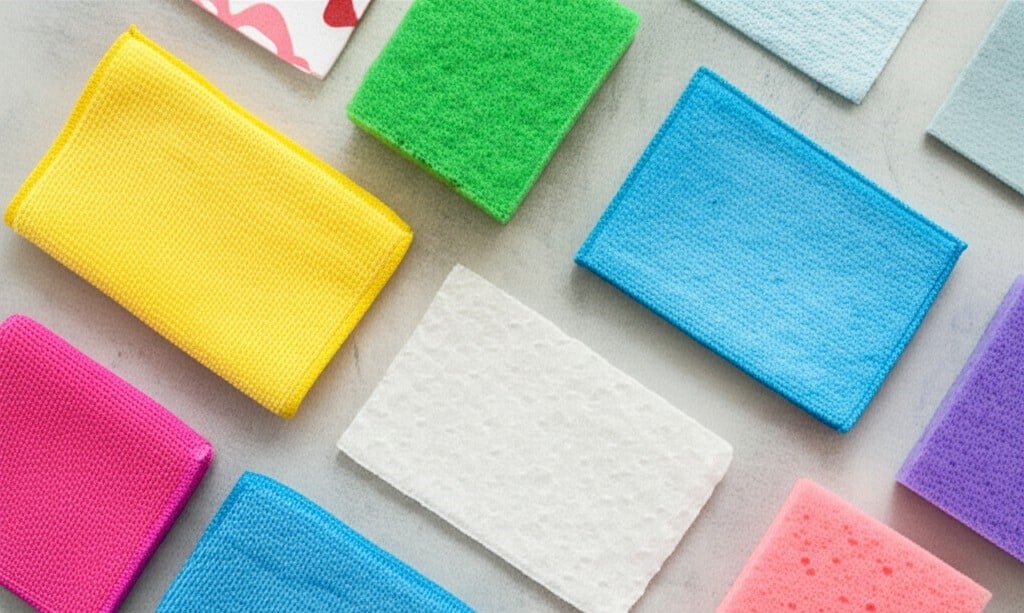
The cleaning cloths is the single most fundamental tool in the arsenal of both the professional and the homeowner. Its importance is often overlooked in favor of powerful chemical solutions or advanced machinery, yet the success of any cleaning task hinges on the material used to wipe, scrub, and polish a surface. The wrong cloth can leave behind lint, create streaks, fail to absorb liquid, or, in the worst-case scenario, scratch and permanently damage the very surface it is meant to clean. A deep understanding of the different types of cleaning cloths is not a minor detail; it is the foundation of effective and efficient cleaning. The market is filled with various cleaning cloths, each designed with a specific purpose in mind. Microfiber Microfiber has revolutionized the cleaning industry over the past few decades, and for good reason. It is not a single type of cloth but a category of textiles made from incredibly fine synthetic fibers, typically a blend of polyester and polyamide. For a fiber to be classified as a microfiber, it must be finer than one denier, which is approximately the diameter of a silk strand. Most cleaning-grade microfibers are significantly finer than that. The true genius of microfiber lies in its manufacturing process. The fibers are split into a star-like or wedge-shaped cross-section. This creates an enormous amount of surface area within the cloth and a network of microscopic hooks that are exceptionally effective at trapping dust, dirt, grime, and microbes. Unlike traditional cotton cleaning cloths, which tend to push larger particles around, a microfiber cloth actively grabs and holds onto debris. Furthermore, the material possesses a natural positive electrostatic charge when dry, which acts like a magnet for negatively charged dust particles. This makes it an unparalleled tool for dusting without the need for chemical sprays. When used damp, microfiber’s effectiveness shifts to its capillary action. The vast network of fibers can absorb between seven and eight times its own weight in liquid. This incredible absorbency allows it to lift and remove dirt and grease with minimal water, often eliminating the need for harsh cleaning chemicals. The fine fibers can penetrate microscopic pores and irregularities on a surface that other cloths simply skim over. However, not all microfiber is created equal; the weave and pile of the cloth dictate its best use, making the selection of specific microfiber cleaning cloths a crucial decision for achieving optimal results. All-Purpose Microfiber: This is the most common and versatile type. It has a looped pile, similar to a traditional terry cloth towel but much finer. This texture is excellent for scrubbing and trapping larger particles of dirt and grime. It’s the workhorse for general cleaning tasks like wiping down countertops, cleaning spills, scrubbing bathrooms, and washing general household surfaces. Its high absorbency makes it effective for both wet and dry applications. Waffle Weave Microfiber: Characterized by a distinctive grid-like pattern of recessed squares, this weave significantly increases the cloth’s surface area. This design is engineered for maximum absorbency and quick drying. Waffle weave cloths are the superior choice for drying tasks. They can absorb large amounts of water without becoming oversaturated quickly, making them perfect for drying dishes, glassware, and especially for automotive detailing, where leaving a streak-free finish on a car’s body is paramount. Glass and Polishing Microfiber: These cloths have a very tight, flat, suede-like weave with no pile. This smooth surface is designed to glide effortlessly over reflective surfaces. Because it lacks the looped fibers of a terry weave, it is virtually lint-free. Its primary purpose is to clean and polish glass, mirrors, windows, stainless steel appliances, and chrome fixtures without leaving behind streaks, smudges, or fibers. For best results, one of these flat-weave cleaning cloths is often used slightly damp to clean, followed by a second, dry one to polish to a perfect shine. High-Pile or Plush Microfiber: These cloths feature long, soft, fluffy fibers. The primary advantage of this design is its ability to trap and hold large quantities of dust deep within its pile, preventing it from being released back into the air. This makes it the ultimate reusable dusting tool, far superior to disposable static cloths. The plushness also makes it ideal for delicate tasks like buffing car wax without scratching the paint or for applying polish to fine furniture. Proper care is essential to maintain microfiber’s unique properties. They should be washed only with other microfiber or non-linting synthetic materials. Washing them with cotton will cause lint to become embedded in the fibers, ruining their effectiveness. Crucially, fabric softener and bleach must never be used. Fabric softener clogs the microscopic gaps in the fibers, destroying their ability to absorb and trap dirt. Bleach degrades the synthetic fibers, causing them to break down. Washing these cleaning cloths correctly ensures they last for hundreds of uses while maintaining their superior cleaning power. Cotton Before the advent of microfiber, cotton was the undisputed king of cleaning cloths. Derived from a natural plant fiber, cotton is known for its softness and high absorbency. It is durable and can withstand harsh chemicals like bleach and high washing temperatures, which can be useful for sanitization when dealing with heavy contamination. Cotton Terry Cloth: These are the familiar towels found in bathrooms and kitchens. Their looped pile is designed for absorbing large volumes of water. While effective for mopping up significant spills or for heavy-duty scrubbing where potential linting is not a concern, these cotton cleaning cloths are not ideal for fine cleaning. They tend to smear dirt more than lift it and often leave behind noticeable lint, especially on glass and dark surfaces. Flour Sack Towels: These are thin, tightly woven cotton cloths, historically made from the sacks used for flour. Their key advantage is that they are virtually lint-free. This makes them an excellent, classic choice for drying glassware and polishing silverware to a brilliant shine. They are less absorbent than terry cloth, but their smooth surface makes them superior finishing cleaning cloths for specific tasks where a perfect, clear finish is required. Cotton Rags: The most economical option is often a repurposed old

Different Types of Cleaning Cloths: Clean Your Home Without Damaging it Read More »

housekeeper deep cleaning

Deep Cleaning Services in Toronto, We Do It Right!

Deep Cleaning Services in Toronto: The Complete Reset Your Home Needs A regular cleaning keeps surfaces tidy, but the grime that accumulates below the surface quietly builds up over the months. That is the domain of specialized deep cleaning services in Toronto. Unlike standard housekeeping, a deep clean is a comprehensive, methodical process that tackles dirt in every often-overlooked, hidden corner of your home: a fundamental reset that restores your space to a truly pristine state. What Makes a Deep Clean Different? Professional deep cleaning focuses on a thorough, top-to-bottom reset of every room, targeting buildup that routine visits simply do not reach. It goes far beyond the surface and into the details: grease on cabinet fronts, dust in air vents, limescale on fixtures, and grime in grout lines. The scope demands expertise and specialized equipment, and more and more Toronto homeowners and businesses are investing in it, whether for a spring reset or as part of ongoing maintenance. For a fuller breakdown of what a session covers, see our guide to deep cleaning services in Toronto. Kitchen Deep Cleaning: Degreasing and Appliance Interiors In kitchens, the work is all about degreasing and disinfecting, starting inside your cupboards. Crews empty cupboards and pantries to inspect for spills, sticky residue, forgotten food, and signs of pests, then degrease and sanitize every interior surface. Handles and cabinet fronts get attention too, because repeated hand contact leaves a sticky film. Appliances receive treatment they almost never get at home: Oven: racks soaked, interior carbon buildup scrubbed, door glass cleaned for a like-new view. Stovetop: grates and burner caps removed and cleaned, boiled-over residue scrubbed from the surface. Range: pulled out so the sides, the floor behind it, and the wall are reached and wiped clean. Refrigerator and freezer: emptied, shelves and drawers washed, door gaskets detailed with a small brush, condenser coils vacuumed of dust to support efficiency and lifespan. Small appliances: toaster crumb trays emptied, coffee makers and kettles descaled, microwave interiors scrubbed, including the often-splattered ceiling. Bathroom Deep Cleaning: Soap Scum, Limescale, and Grout Bathrooms are scrubbed and sanitized top to bottom, dissolving soap scum and body residue from tubs and showers with specialized agents made for stubborn film. Shower doors and glass enclosures are cleaned until streak-free, the tracks at the base are cleared of accumulated gunk, and tiles and grout lines are meticulously scrubbed to lift mildew and dirt from porous grout. Stubborn mold and mildew in damp bathrooms are common culprits, and the CDC’s guidance on mold and your health explains why proper removal matters. Health Canada also recommends keeping indoor humidity low and fixing moisture sources so mould cannot take hold in the first place. Fixtures get their shine back as limescale and mineral deposits are removed from faucets and showerheads, and chrome is polished. Toilets are cleaned inside the bowl and across the entire exterior, from the tank lid and handle to the seat, hinges, base, and surrounding floor, plus the often-ignored overflow hole inside the tank, flushed clean with disinfectant. Vanity and medicine cabinets are emptied and wiped inside, and exhaust fan covers are removed and washed, because a dusty fan cannot ventilate properly and traps the humidity that leads to mildew. Living Areas and Bedrooms: A Top-to-Bottom Reset Crews work from the ceiling down to the floor in every room. Cobwebs are removed from corners and ceiling edges, light fixtures and ceiling fan blades are dusted, and the tops of bookcases, wardrobes, and cabinets are reached. Walls are spot-cleaned of scuffs and splatters, and baseboards, door frames, window frames, and switch plates are hand-wiped one by one. The process continues behind and beneath the obvious. Furniture is moved so the floors underneath are reached, and upholstery is vacuumed with crevice tools to extract dust, skin cells, and allergens from fabric. Wood furniture is polished, lampshades and blinds are dusted, and the air system itself is addressed: vents and grilles are vacuumed and wiped, and HVAC return air covers are pulled and dusted out. Professional crews rely on HEPA-filter vacuums that capture microscopic allergens rather than recirculating them, and steam cleaners that sanitize without harsh chemicals. When Toronto Homes Need a Deep Clean Most Deep cleaning requests tend to follow life events: Moving into or out of a home, when deposits and first impressions are at stake. Post-renovation cleanup after the construction dust settles in every crack. Seasonal refreshes, especially the annual spring clean. Before hosting an event or gathering, such as a wedding at home or the holidays. Preparing a space for a new baby or toddler who will crawl across every floor. Allergy season, when dust, dander, and pollen accumulate indoors. How to Choose a Professional Deep Cleaning Company Not all services are created equal, so choose carefully. Look for a company that offers a range of deep cleaning options with a detailed, transparent list of what each package includes. Prioritize experienced, trained professionals who understand the right products and techniques for different surfaces, and verify that the company is insured and bonded to protect your home and belongings. What to check Why it matters Transparent scope and checklist You can compare packages and know what is covered before booking. Trained, vetted crew Correct products and techniques protect finishes instead of damaging them. Insurance and bonding Toronto Shine carries a $1,000,000 insurance policy and a $10,000 accidental breakage and surety bond. Flat, upfront pricing Our deep clean starts at $270.38 before HST for a studio or one-bedroom, shown on our pricing page. Deep Cleaning Service FAQs What is included in a deep cleaning service in Toronto? A full reset of each room: kitchen cabinets and appliances inside and out, bathrooms degreased and descaled with grout scrubbed, walls spot-cleaned, baseboards and switch plates wiped, vents dusted, furniture moved, and floors and carpets thoroughly cleaned. How is deep cleaning different from regular housekeeping? Regular visits maintain cleanliness on visible surfaces. A deep clean restores the areas maintenance skips, which is why many homes pair

Deep Cleaning Services in Toronto, We Do It Right! Read More »

housekeeper

What Is A Housekeeper – 3 Reasons Why You Should Hire

A housekeeper is far more than just someone who cleans your home. While the primary image that comes to mind might be someone with a vacuum or a dust cloth, the reality of a professional housekeeper’s role is much broader, encompassing a comprehensive approach to home management and the overall well-being of a living space. They are individuals entrusted with maintaining the order, cleanliness, and functionality of a household, often serving as a crucial backbone for busy individuals and families. It’s about creating and sustaining an environment where you can truly thrive, not just exist. Think of a housekeeper not as a visitor who performs a single task, but as a dedicated manager of your domestic environment. Their responsibilities extend well beyond surface-level tidiness. They delve into the intricate details of what makes a house feel like a home  a place of comfort, peace, and efficiency. This often includes a wide array of duties that can be customized to suit specific household needs, but generally covers everything from meticulous cleaning to organizational tasks and even light household management. They are experts in ensuring that every corner of your home is not just clean, but cared for, reflecting an understanding of proper maintenance and the nuances of different materials and surfaces. 1.Light and Heavy Cleaning For instance, their cleaning duties are exhaustive. This isn’t just a quick sweep or a superficial wipe-down. A professional housekeeper engages in deep cleaning protocols for kitchens and bathrooms, sanitizing surfaces, scrubbing grout, polishing fixtures, and ensuring these critical areas are hygienic and sparkling. They handle floor care with precision, knowing the right methods for hardwood, tile, carpet, or laminate, ensuring longevity and shine. Dusting isn’t limited to visible surfaces; it extends to baseboards, light fixtures, ceiling fans, blinds, and intricate decor, preventing the buildup of allergens and maintaining a fresh atmosphere. Vacuuming and mopping are performed thoroughly, reaching under furniture and into corners that are often overlooked in daily tidying. Laundry management is also a common duty, involving washing, drying, folding, ironing, and putting away clothes, linens, and towels, ensuring that your wardrobe and household textiles are always fresh and ready. They make beds with an eye for detail, turning a simple chore into an act of creating a welcoming sanctuary. Beyond the immediate act of cleaning, a housekeeper is also an organizational wizard. They help in reducing clutter, creating systems for storage, and maintaining order in common areas, closets, and pantries. This proactive approach to organization means less time spent searching for items and more time enjoying a harmonious living space. They might assist with tidying up children’s play areas, ensuring toys are stored properly, or organizing bookshelves and filing systems. It’s about creating a flow in the home that makes daily living smoother and less stressful. This often involves an intuitive understanding of how a household operates and anticipating what areas might become disorganized, intervening before chaos takes hold. Furthermore, a housekeeper often takes on light household management responsibilities. This can include managing household supplies, ensuring that cleaning products, toiletries, and even certain pantry staples are always stocked. They might run light errands, such as dropping off dry cleaning or picking up groceries. For homes with pets, they might assist with basic pet care, like feeding or tidying up pet areas. They can also oversee plant care, ensuring your indoor greenery thrives. In some cases, especially in larger homes, a housekeeper might coordinate with other service providers, such as plumbers, electricians, or gardeners, ensuring maintenance schedules are met and issues are addressed promptly. They act as a central point of contact, ensuring the home functions like a well-oiled machine, even when you are not present to manage every detail yourself. The distinction between a “cleaner” and a “housekeeper” is critical. A cleaner typically comes for a few hours, performs specific cleaning tasks, and then leaves. Their focus is solely on the immediate cleanliness of the space. A housekeeper, on the other hand, often has a more encompassing and ongoing relationship with the household. They are involved in the continuous upkeep, proactive organization, and management of the home’s daily rhythm. They build an intimate understanding of the home’s needs, its inhabitants’ preferences, and the specific routines that keep everything running smoothly. This level of dedication and involvement fosters a deeper sense of trust and partnership, where the housekeeper becomes an invaluable asset to the household’s operational efficiency and overall peace. 2.Making Up For Lost Time So, why should you consider hiring a housekeeper? The reasons are multifaceted and profoundly impactful on your daily life. Primarily, it’s about reclaiming your time. In today’s fast-paced world, time is arguably our most precious commodity. Juggling demanding careers, family responsibilities, social obligations, and personal pursuits leaves very little room for the arduous and often relentless demands of household chores. The hours spent on cleaning, organizing, and maintaining a home can quickly accumulate, eating into weekends, evenings, and any potential moments of relaxation. Hiring a housekeeper liberates these hours, allowing you to dedicate them to activities that genuinely enrich your life – spending quality time with loved ones, pursuing hobbies, engaging in personal development, exercising, or simply enjoying uninterrupted rest. Imagine coming home after a long day not to a list of chores, but to a clean, organized, and welcoming sanctuary, ready for you to unwind. This isn’t just about saving time; it’s about investing in your personal well-being and life satisfaction. Beyond time, hiring a housekeeper significantly reduces stress and mental load. The burden of an untidy or disorganized home can weigh heavily on one’s mind, creating a constant hum of anxiety and guilt. The mental energy expended on planning cleaning schedules, remembering what needs to be done, or feeling overwhelmed by accumulated mess is immense. A housekeeper takes this entire burden off your shoulders. The peace of mind that comes from knowing your home is being professionally cared for, consistently and thoroughly, is immeasurable. It eliminates potential arguments or frustrations over chore distribution in shared living spaces and

What Is A Housekeeper – 3 Reasons Why You Should Hire Read More »

Professional Floor Cleaning

5 Benefits of Professional Floor Cleaning

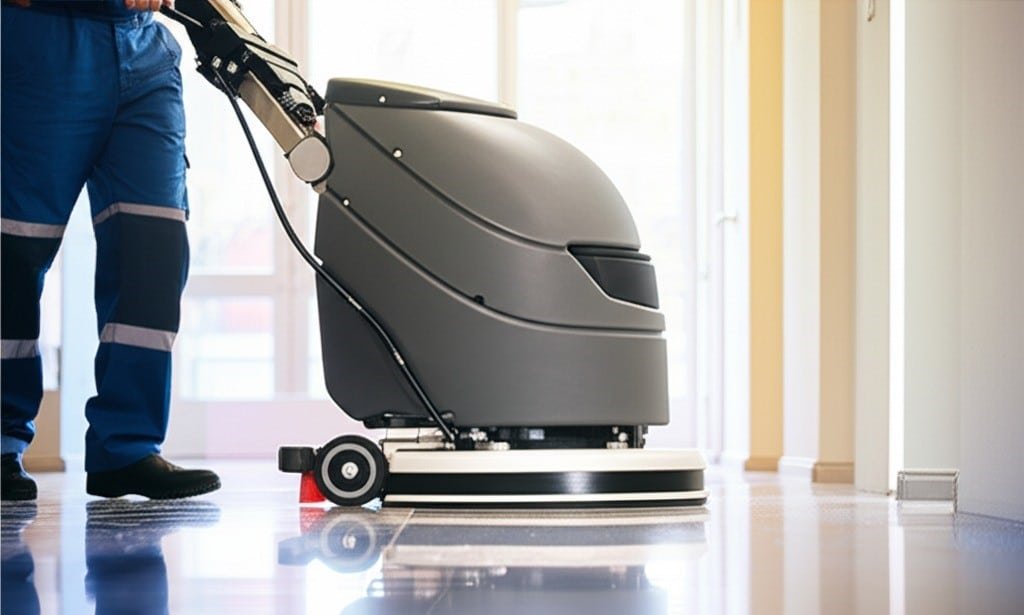
Why Professional Floor Cleaning Matters Floors bear the brunt of daily life: constant foot traffic, spills, furniture being dragged around, and the slow buildup of dust, soil, and allergens that ordinary sweeping and mopping leave behind. Routine maintenance cleans the surface, but deep-seated grime in grout lines, carpet fibers, and wood grain can damage flooring and worsen indoor air quality over time. Professional floor cleaning closes that gap with specialized equipment, professional-grade solutions, and trained technique. Here are five concrete benefits of bringing in experts, and what each service actually involves. Benefit 1: Hardwood and Laminate Stay Protected Hardwood floors need a delicate touch. Professionals start with dry soil removal using commercial vacuums with soft-bristle heads and HEPA filters that trap microscopic dust and allergens without scratching the finish. The next stage is a controlled damp clean, never a wet one: excess water seeps between planks and can cause swelling, warping, or cupping. Microfiber mops hold just enough solution to lift embedded dirt, and a pH-neutral cleaner formulated for wood protects the polyurethane or wax finish, which harsh all-purpose products can dull. For worn floors, low-speed buffing with a soft pad removes minor scuffs and restores an even sheen. Laminate is handled with the same care but with even less moisture, since its fiberboard core swells and blisters when water penetrates the seams. Steam mops are off the list for laminate: their heat and pressure can push moisture into the joints and delaminate the planks. Benefit 2: Tile and Grout Look New Again Ceramic and porcelain tiles wipe clean with ease, but the grout joining them is porous and soaks up cooking grease, food soil, soap film, and bacteria like a sponge. Everyday mopping can actually make things worse, driving dirty water down into the recessed grout lines. Professional tile and grout cleaning applies a high-alkaline solution that breaks down years of accumulated soil, lets it dwell so it penetrates the pores, and then agitates every line with specialized grout brushes or orbital scrubbers. The final step is extraction with a high-pressure hot water system that flushes the loosened grime and vacuums it away. A clear penetrating grout sealer is then applied to create an invisible barrier that keeps future spills from soaking in and makes routine maintenance much easier. Benefit 3: Carpets Are Deep Cleaned and Air Quality Improves Carpets function like a giant air filter, capturing dust, pollen, pet dander, and soil tracked in from outside. Everyday vacuuming lifts only the surface layer, while heavier soils and oily residues settle toward the base of the pile, where they can damage fibers and feed allergens. The industry standard for a deep carpet clean is hot water extraction, often called steam cleaning. Technicians pre-inspect the fiber type and treat stains individually, apply a pre-conditioner that breaks down oily soil, then inject hot water deep into the pile and extract it with a powerful vacuum. Commercial-grade machines recover far more water than rental units, which means a deeper clean and faster drying. Air movers speed the process and help prevent mold or mildew, and grooming the pile keeps fibers standing straight. Health Canada explains how dust and dust mites collect in carpets and bedding and can aggravate allergies and asthma, which is why removing trapped pollutants matters for everyone in the home. Keeping floors clean is one practical step toward fewer indoor air contaminants. Benefit 4: Resilient Floors Can Be Restored, Not Replaced Luxury vinyl tile and linoleum are durable and water-resistant, but they suffer from scuffs and from old layers of finish that yellow and trap dirt over time. Professionals restore these floors with stripping and waxing. A chemical stripper dissolves the old acrylic finish, and a rotary machine fitted with an aggressive pad works it into a slurry that a wet-vac lifts away. After a neutralizing rinse and full drying, fresh finish or wax goes on in several thin, even coats, each allowed to dry completely. The payoff is a glossy, protected surface that looks newly installed and shrugs off everyday wear. Benefit 5: Your Flooring Investment Lasts Longer Regular professional care extends the life of every floor type and keeps your home healthier in the process. What pros bring that daily mopping cannot: Commercial vacuums with HEPA filtration that trap allergens instead of recirculating them. pH-balanced and material-specific cleaners that protect finishes. Hot water extraction equipment that sanitizes carpet and cuts drying time. Sealing and finishing steps that guard grout, stone, and resilient floors. Professional Floor Cleaning by Surface Type Floor Type Professional Method Main Benefit Hardwood HEPA vacuum, damp microfiber, pH-neutral cleaner, buffing Finish protected, scuffs removed Laminate Dry vacuum, minimal-moisture clean No swelling or delamination Tile and grout Alkaline dwell, agitation, hot water extraction, sealer Grout restored and stain resistant Carpet Pre-conditioning and hot water extraction Allergens removed, faster drying LVT and linoleum Stripping and waxing Glossy finish restored Frequently Asked Questions How often should floors be professionally cleaned? Carpets usually benefit from hot water extraction every 12 to 18 months, while tile, grout, and hard surfaces can go 6 to 12 months depending on traffic. Homes with kids, pets, or allergy sufferers may need shorter intervals. Is steam cleaning the same as professional carpet cleaning? Steam cleaning is the common name for hot water extraction, the method professionals use. It injects hot water and rinsing agents into the pile and extracts them with powerful vacuum equipment, which delivers a deeper clean than rental machines. Can professional cleaning damage hardwood floors? Not when done correctly. Professionals use soft-bristle vacuums, damp rather than wet mopping, and pH-neutral wood cleaners. The risk of damage comes from excessive water and harsh chemicals, which trained technicians avoid by design. Why does grout stay dirty no matter how much I mop? Grout is porous and absorbs what mop water leaves behind. Only agitation with the right cleaning chemistry followed by hot water extraction removes soil from inside the pores, and a sealer then keeps it from returning quickly. Hiring professionals

5 Benefits of Professional Floor Cleaning Read More »

disorganized home

Why Hiring A Professional Organizer Is Important – 5 Key Factors

Thinking about hiring a professional organizer? Then we will help you. The sheer weight of accumulated belongings can become a quiet, pervasive burden in any home. It starts subtly, an item here, a stack there, until spaces that once felt open and functional begin to feel constricted, heavy. This isn’t just about untidiness; it’s about the way clutter can insidiously affect daily life, breeding a sense of low-grade stress, making simple tasks feel more complicated, and, critically, turning the act of cleaning into a monumental, often futile, effort. When surfaces are obscured and floors are pathways through obstacles, true cleanliness remains elusive. Dust settles not just on shelves, but within an environment of disorder, making it harder to breathe easy, both literally and figuratively. Many find that no matter how much they wipe, scrub, or vacuum, the underlying disarray prevents a feeling of genuine, lasting cleanliness. This is often the point where the realization dawns that something more fundamental than cleaning is required; a strategic approach to the items themselves. This is where the expertise of a professional organizer becomes invaluable. These individuals are more than just people who like to tidy; they are specialists in creating order from chaos, developing sustainable systems, and transforming living spaces into environments that support, rather than hinder, daily life. Their work is a methodical process, beginning with an in-depth consultation. This initial step involves understanding your specific challenges, how you use your space, what your frustrations are, and what your vision is for a more functional home. They assess the scope of the clutter, the types of items involved, and the underlying habits or circumstances that may have contributed to the situation. It’s a non-judgmental exploration designed to tailor a plan that aligns with your lifestyle and goals. 1.Do You Need All The Objects? The heart of the organizing process, and often the most daunting phase for homeowners, is decluttering. A professional organizer acts as a calm, objective guide through this potentially emotional journey. They help you confront your possessions, item by item or category by category, and make decisions about what stays and what goes. This isn’t about indiscriminately throwing things away; it’s about thoughtful evaluation. Questions like “Do I use this?”, “Do I love this?”, “Do I need this?” become central. For sentimental items, which often carry the heaviest emotional weight, organizers provide strategies for honoring memories without being overwhelmed by physical objects. They might suggest digitizing photos or letters, or creating a dedicated, contained memory box. For general household clutter, from overflowing kitchen cabinets to jumbled linen closets, they bring a systematic approach, helping you to see your belongings with fresh eyes and make choices that serve your current life, not a past or imagined future one. They also assist with the responsible disposal of unwanted items, coordinating donations to charities, identifying items for sale, or ensuring proper recycling and waste removal.   2.Sorting And Categorizing Once the excess is cleared, the next stage involves sorting and categorizing what remains. Items are grouped logically, all baking supplies together, all office stationery in one area, all cleaning products consolidated. This “like with like” principle is fundamental to creating intuitive systems. It might sound simple, but in a home where items have migrated and been stashed haphazardly over years, this step alone can be revealing, showing you exactly what you own and highlighting redundancies. With items sorted, the professional organizer then moves into space planning and system implementation. This is where their strategic thinking truly shines. They analyze the available space, closets, cabinets, shelves, drawers, even vertical space and design solutions to store items efficiently and accessibly. In a kitchen, this might involve reconfiguring pantry shelves, introducing clear, stackable containers for dry goods, implementing a first-in-first-out system to reduce food waste, using drawer dividers for utensils and gadgets, or finding clever solutions for awkward items like pot lids or baking sheets. The goal is to create a workflow that makes cooking and cleaning smoother. 3.Closets In closets, organizers might introduce uniform hangers to save space and create visual calm, demonstrate effective folding techniques that maximize drawer capacity, suggest shoe storage solutions that keep pairs together and visible, and implement systems for accessories like scarves, belts, and jewelry. They often help with seasonal wardrobe rotation, ensuring that out-of-season clothes are stored properly and easily retrieved when needed. For home offices, the focus is on creating an environment conducive to productivity. This can involve setting up effective paper management systems (e.g., action files, reference files, archives), advising on digital organization strategies, optimizing desk layout for ergonomic comfort, and ensuring essential supplies are within easy reach. Children’s playrooms and bedrooms benefit immensely from an organizer’s touch. Systems are designed to make it easier for children to find their toys and, crucially, to put them away. This often involves clear bins, picture labels for younger children, and strategies for toy rotation to prevent overwhelm and keep engagement high. Even daunting spaces like garages, basements, or attics are tackled methodically. Organizers can help install heavy-duty shelving, utilize clear, durable storage bins, and create designated zones for tools, sporting equipment, holiday decorations, and long-term storage, transforming these areas from dumping grounds into functional extensions of the home. 4.Labeling A critical component of any organizing system is labeling. Clear, consistent, and easy-to-read labels are the signposts that help everyone in the household understand where things belong. This simple step is vital for the long-term maintenance of order, preventing items from slowly migrating back into disorganized piles. The professional organizer doesn’t just set up these systems and leave; a key part of their service often involves coaching on how to maintain them. They understand that lasting organization requires a shift in habits. They might provide tips for quick daily or weekly resets, help establish routines for managing incoming mail or putting away groceries, and sometimes offer follow-up sessions to tweak systems as needs evolve or to provide a refresher. The benefits of engaging a professional organizer extend far beyond

Why Hiring A Professional Organizer Is Important – 5 Key Factors Read More »

3 Best Tips How To Keep Your Living Area Clean

3 Best Tips to Keep Your Living Area Clean The living room is the hardest-working space in a Toronto home: it hosts family evenings, visitors, snacks, and pets, so it collects clutter, dust, and grime faster than any other room. A systematic routine keeps it welcoming without eating your whole weekend. Start with the three pillars below, then layer in small daily habits. If you would rather spend your free time relaxing than dusting, Toronto Shine Cleaning’s regular cleaning service keeps living areas fresh on a schedule you choose. Tip 1: Declutter Surfaces Before You Clean Anything Cleaning around clutter wastes time and misses spots, so clear the room first. Work one surface at a time, starting with the coffee table, then side tables, media cabinets, and shelves. As you handle each item, sort it into one of four destinations: trash, donate, another room, or a proper home in the living area. The usual suspects are mail, old magazines, stray remotes, and things carried in from other rooms, so give frequent-use items such as remotes and current reading a designated spot, and clear the rest away. Decluttering also makes the space feel calmer, and it reveals the true scope of the cleaning ahead. Tip 2: Dust Top to Bottom, and Don’t Skip the Details Dust falls, so always work from the ceiling down: start with fan blades, light fixtures, and the tops of tall shelving, then move to lower shelves, picture frames, and furniture. Microfiber cloths trap dust instead of moving it around, and an extendable duster reaches high corners. On shelves full of objects, lift the items off, dust the shelf, dust the items, and replace them. Electronics such as TVs, consoles, and speakers attract dust too: turn them off and unplug them, wipe screens with a dry microfiber cloth, and clear vents with compressed air, never liquid. Treat the rest of the room by surface type: Item Cleaning method Watch out for Lampshades Vacuum fabric shades with a brush attachment; wipe plastic or paper shades dry Rough handling can crease paper shades Blinds and shutters Wipe each slat with a microfiber cloth or blind tool Slats snap back if wiped too hard Wood furniture Dust with the grain; polish sparingly, applied to the cloth Excess polish and silicone sprays attract dust Glass tabletops Glass cleaner with a lint-free cloth Streaks appear when cleaner dries before wiping Tip 3: Refresh Sofas and Floors With the Right Routine Upholstered furniture traps dust, crumbs, pet hair, and odors. Vacuum sofas and armchairs regularly with the upholstery attachment, remove the cushions to reach the base and seams, and use the crevice tool along edges and under cushions. Act fast on spills: blot with a clean cloth from the outside in, never rub, and test any cleaning product on a hidden spot first, following the manufacturer’s care label when you can. For musty fabric, sprinkle baking soda lightly, let it sit for 15-30 minutes, and vacuum it up. Finish with the floor. Hardwood and laminate need a sweep or vacuum on the hard-floor setting, then a barely damp flat microfiber mop with a pH-neutral cleaner; a wet mop is the fastest way to damage wood. Tile tolerates more water and standard tile cleaners, vinyl is happy with mild all-purpose cleaner, and any hard floor benefits from extra passes in corners and under furniture. Carpets ask for slow, overlapping vacuum passes in two directions to lift embedded grit that grinds down fibers, plus the crevice tool along baseboards; treat stains by blotting and testing first, and rent a carpet machine or hire professionals for a periodic deep refresh. Health Canada’s dust and dust mites page notes that regular vacuuming keeps dust levels down in carpets, furniture, and bedding, while the CDC’s home cleaning and disinfecting guidance explains that plain cleaning with soap or detergent removes most germs from everyday surfaces. Small Habits That Keep the Room Guest-Ready Tidy surfaces for five minutes each evening: remotes back, mail sorted, cushions fluffed Deal with spills the moment they happen, blotting rather than rubbing Vacuum high-traffic zones weekly and the whole room every one to two weeks Open windows briefly when weather allows to air the room out Rotate decorative pillows and fold throws so the room always looks arranged A clean living area is a place people want to linger, and maintaining it is mostly about rhythm: quick daily tidying, weekly vacuuming, and a monthly top-to-bottom dusting keep deep cleaning sessions short. Frequently Asked Questions What order should I clean a living room? Declutter first, then dust from the ceiling down, refresh upholstery, and clean the floor last so you pick up everything that fell during the earlier steps. How often should I vacuum my sofa? Once a week for sofas in regular use, or every few days with pets; remove cushions and use the crevice tool to keep debris from working into the frame. Is it safe to use baking soda on upholstery? A light sprinkle left for 15-30 minutes and vacuumed up neutralizes odors on most fabrics, but test an inconspicuous spot first and avoid it on delicate materials. How do I stop my living room from getting dusty so fast? Use microfiber cloths for dusting, vacuum with a HEPA-equipped machine, wash throws and cushion covers regularly, and keep windows closed on high-pollen days. Consistent routines protect your investment in furniture and flooring, and a fresh living area makes every evening more relaxing. For a deeper reset, our deep cleaning service tackles baseboards, vents, and upholstery in one visit. Call (647) 424-0355 or see our pricing page to book your clean.

3 Best Tips How To Keep Your Living Area Clean Read More »