Summer Cleaning

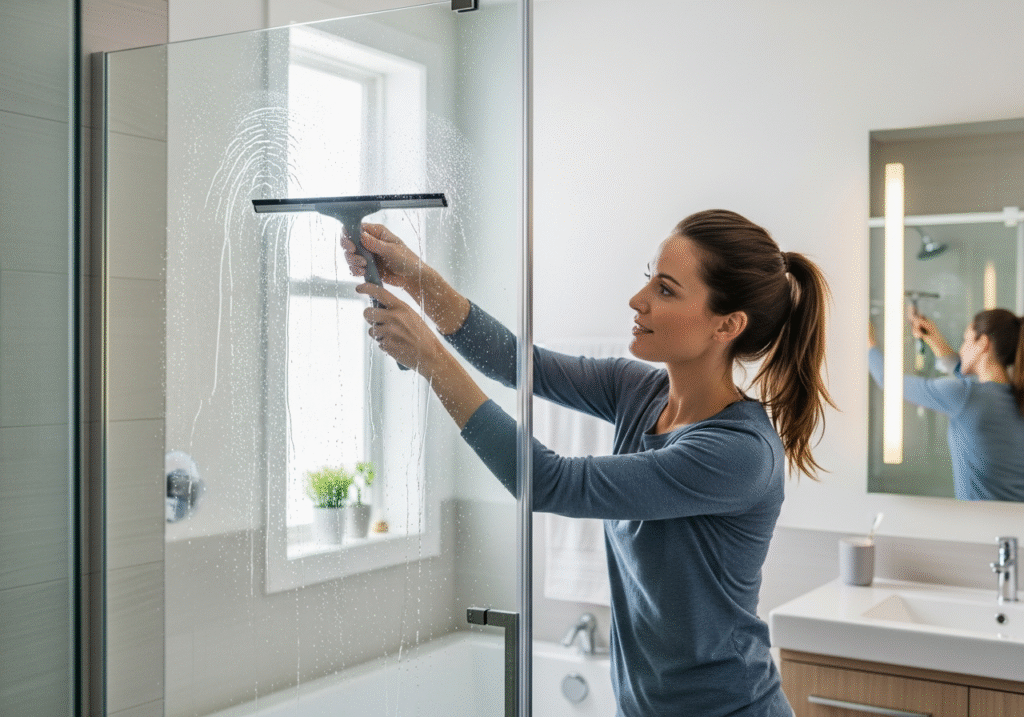
Woman using a squeegee in the bathroom to prevent mold.

Preventing Shower Mold: Daily Habits You Should Adopt to Fight Fungi

The bathroom is intended to be a sanctuary of hygiene, a bright and tiled space where we wash away the grime of the day. However, this room is also the site of a relentless biological siege. The combination of high humidity, warmth, and organic matter creates an environment that is hostile to cleanliness but perfectly suited for the growth of fungi. The appearance of dark, fuzzy spots on the grout or a slimy film on the tiles is not just an aesthetic failure; it is the arrival of shower mold. This invader is tenacious, unsightly, and potentially hazardous to your health. Unlike the dust in a living room that sits passively on a shelf, shower mold is a living organism that eats into the surfaces of your home. Removing it requires more than just a quick wipe; it demands a strategic understanding of what allows it to thrive and the chemical weapons necessary to destroy it at the root. Fungi To effectively combat this enemy, one must first understand what shower mold actually is. It is a fungus that reproduces by releasing microscopic spores into the air. These spores are everywhere, floating dormant until they find a hospitable surface. In a bathroom, they find everything they need: moisture from the steam, low light, and a food source. The food source for shower mold is often the soap scum, dead skin cells, and body oils that accumulate on the walls and floor. When you see a colony establishing itself, you are witnessing a complex biological system that has taken root in the porous materials of your washroom. Ignoring shower mold allows it to spread rapidly, moving from the surface of the tile into the drywall and insulation behind it, where it can cause structural damage that costs thousands to repair. What does mold look like? A common point of confusion arises between true shower mold and the pinkish-orange slime that often appears around drains and shampoo bottles. This pink substance is technically not a mold; it is a bacterium known as Serratia marcescens. While it thrives in the same damp conditions as shower mold, it is generally easier to clean. True shower mold is usually black, dark green, or brown, and it possesses a root structure known as hyphae. These roots dig deep into porous surfaces like grout and silicone caulk. This is why you can scrub a black spot until it disappears, only to see the shower mold return in the exact same spot three days later. You removed the visible “bloom,” but you left the roots alive and intact beneath the surface. Bleach The instinct for most homeowners when faced with shower mold is to reach for a bottle of chlorine bleach. There is a pervasive belief that bleach is the ultimate fungicide. This is a dangerous misconception. Bleach is highly effective at killing surface mold on non-porous materials like glass or glazed tile. However, on porous surfaces like grout and caulk, bleach cannot penetrate deep enough to reach the roots of the shower mold. Instead, the chemical structure of bleach prevents it from soaking in. It effectively bleaches the color out of the mold, making it invisible, but it leaves the root structure alive. Furthermore, the water component of the bleach solution soaks into the grout, actually feeding the roots that remain. The shower mold then regenerates, often coming back stronger and more resistant than before. Vinegar For a truly deep kill, the chemistry must be different. White distilled vinegar is often a superior weapon against shower mold in porous areas. Vinegar is a mild acid that penetrates porous materials. It does not just bleach the color; it attacks the membrane of the fungal cells, causing them to rupture and die. To treat shower mold effectively, one should spray undiluted vinegar onto the affected grout and let it sit for at least an hour. This dwell time is critical. It allows the acid to seep into the microscopic holes of the cement. Following the soak, a paste made of baking soda and water can be applied. The scrubbing action of the baking soda, combined with the foaming reaction from the vinegar, helps to physically lift the dead shower mold out of the pores. Hydrogen Peroxide Another powerful alternative for battling shower mold is hydrogen peroxide. Like vinegar, it is an antifungal agent that penetrates better than bleach. A three percent solution can be sprayed directly onto the moldy areas. It will fizz upon contact with organic matter, a visual signal that it is reacting with the fungal proteins. For those who dislike the smell of vinegar, peroxide is a scent-free option that effectively oxidizes the shower mold, killing it and helping to whiten the stains it leaves behind. However, one must be careful not to mix these chemicals. Mixing vinegar and bleach creates toxic chlorine gas, a deadly hazard that is far worse than the shower mold itself. Silicone Caulk The hardest battleground in the war on shower mold is the silicone caulk. Caulk is used to seal the joints between the tub and the wall, or the corners of the shower stall. Over time, the adhesion of the silicone can fail, creating microscopic pockets between the caulk and the wall. Water gets trapped in these pockets, and shower mold begins to grow from the back. If you see black spots that seem to be inside the clear or white silicone, surface cleaning will be futile. No amount of scrubbing or chemical soaking can reach shower mold that is encapsulated within or behind the waterproof sealant. In this scenario, the only effective cleaning method is removal. The infected caulk must be cut out completely using a razor knife, the area must be sterilized and dried thoroughly, and new, mold-resistant silicone must be applied. It is a maintenance task that many avoid, but leaving compromised caulk allows water to leak into the wall studs, inviting rot alongside the shower mold. Safety Equipment Safety is paramount during this cleaning process. When you scrub dry shower mold, you release thousands of spores into the air. In a small, enclosed space like a bathroom, the concentration of spores can become high enough to trigger asthma attacks, allergic reactions, and respiratory inflammation. It is essential

Preventing Shower Mold: Daily Habits You Should Adopt to Fight Fungi Read More »

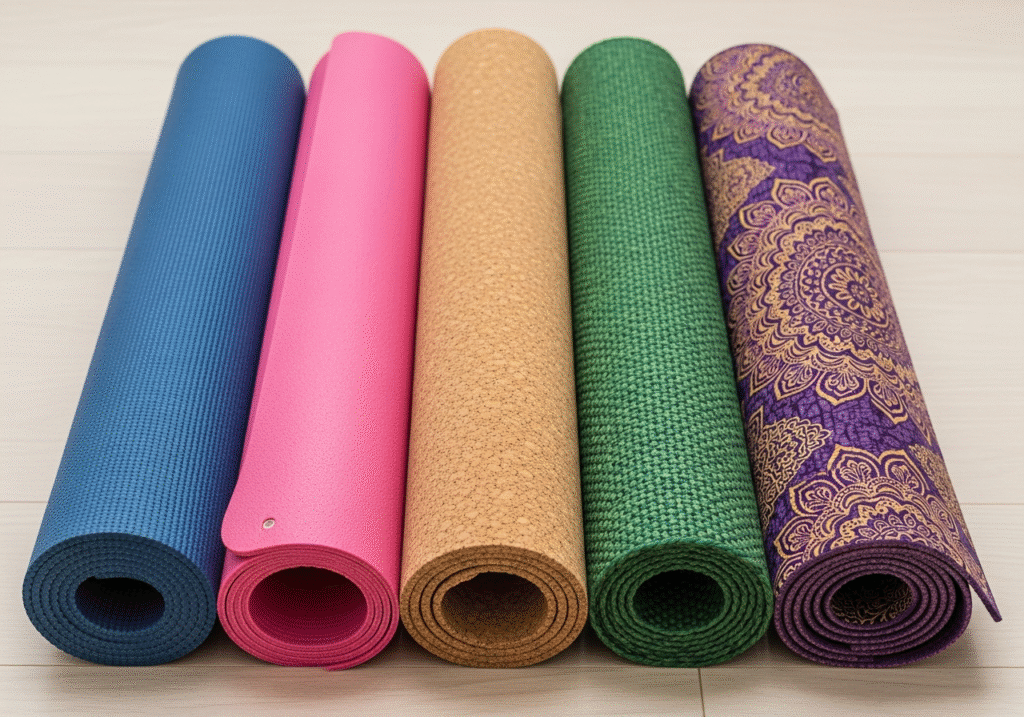
How to Clean a Yoga Mat: The Ultimate Guide for PVC, Rubber, and Cork

The yoga mat is a sanctuary for the practitioner, a rectangular island of stability in a chaotic world where breath and movement synchronize. However, beneath the spiritual veneer of the practice lies a biological reality that is far less serene. A yoga mat is, by its very design and function, a trap for sweat, dead skin cells, oils, and the microscopic debris of the floor it rests upon. Every time you press your face into the mat for a child’s pose or dig your heels in for a downward dog, you are interacting with a porous surface that has absorbed the biological output of your previous sessions. The warm, humid environment created by a vigorous vinyasa class turns that foam or rubber sheet into an ideal incubator for bacteria, fungi, and viruses. Cleaning a yoga mat is therefore not merely a cosmetic preference to remove smudges; it is a fundamental hygiene protocol essential for preventing skin infections, neutralizing odors, and extending the lifespan of the equipment. Rugs Made of Different Materials To approach the task of cleaning a mat correctly, one must first understand the engineering of the material. Not all mats are created equal, and treating a natural rubber mat with the same chemical aggression used on a synthetic PVC mat will lead to rapid degradation. Mats generally fall into two categories: open-cell and closed-cell. Open-cell mats are designed to provide grip even when wet; they are porous and act like a sponge, absorbing sweat instantly to prevent slipping. Because they absorb moisture, they also absorb bacteria deep into their core. Closed-cell mats, conversely, are impermeable. Sweat pools on top of them, making them easier to wipe down but often slipperier during a sweaty practice. Identifying which type you own is the prerequisite to choosing the correct cleaning method, as soaking an open-cell mat improperly can lead to it becoming waterlogged and heavy, essentially rotting from the inside out if not dried perfectly. For the routine maintenance that should occur after every single practice, the goal is to remove surface bacteria and body oils before they have a chance to migrate deeper into the material or dry into a sticky film. The most effective solution for this daily maintenance is often the simplest. A mixture of distilled water and white vinegar, typically in a ratio of three parts water to one part vinegar, provides a gentle acidic environment that dissolves grease and neutralizes odors without damaging the polymer structure of most mats. Essential oils can be added to this mixture, but with extreme caution. While tea tree oil is heralded for its antifungal properties and lavender for its scent, oils can be slippery. If too much essential oil is applied and not thoroughly wiped away, the mat becomes a hazard, transforming the next session into a sliding match that risks injury. This solution should be spritzed lightly over the entire surface of the mat and wiped down immediately with a damp microfiber cloth. The friction of the wiping is just as important as the solution itself, as it physically dislodges the debris. Persistent Odor There comes a time, however, when a light spray is insufficient. If a mat has developed a persistent funk that rises to greet you the moment you unroll it, or if it has visibly darkened in the areas where your hands and feet land, a deep clean is required. For closed-cell mats made of PVC or TPE, the bathtub method is the most thorough approach. This involves filling a bathtub with warm water and a very small amount of mild dish soap. The emphasis must be on the word small; using too much soap is the most common mistake in mat maintenance. Soap residues are notoriously difficult to rinse out of foam materials. If soap is left behind, it reactivates the moment you start sweating in your next class, turning the mat into a slip-and-slide. A single teaspoon of detergent is usually enough for a full tub. The mat should be submerged and allowed to soak for fifteen to twenty minutes, allowing the water to penetrate and lift the grime. After the soak, the physical agitation process begins. Gently squeezing the mat with your hands or stepping on it lightly with bare feet helps to push the soapy water in and out of the texture. You will likely see the water turn a murky gray, a disturbing but satisfying visual confirmation of the dirt that was harboring in your equipment. The rinsing phase is the most critical and labor-intensive part of the deep clean. The mat must be drained and refilled with fresh water, or showered down, repeatedly until the water runs absolutely clear and no bubbles appear when the mat is squeezed. Any lingering soap is an enemy to your practice. Once the water is clear, the mat is heavy and saturated, and handling it requires care to avoid stretching or tearing the material. Dry The Right Way Drying the mat is a lesson in patience and physics. A wet yoga mat can take anywhere from twenty-four to forty-eight hours to dry completely, and using it while it is damp is a recipe for mold growth. The “burrito method” is the most effective way to jumpstart the drying process. Lay the wet mat flat on top of a large, dry bath towel. Roll the mat and the towel up together tightly, like a sleeping bag. Once rolled, step on the roll or kneel on it, using your body weight to transfer the water from the non-absorbent mat into the absorbent towel. Unroll it, and if necessary, repeat the process with a second dry towel. This mechanical extraction removes the bulk of the moisture that would otherwise take days to evaporate. After the towel extraction, the mat must be hung to dry, but the location is paramount. One must never hang a yoga mat in direct sunlight. Ultraviolet rays are destructive to both natural rubber and synthetic plastics. They break down the chemical bonds

How to Clean a Yoga Mat: The Ultimate Guide for PVC, Rubber, and Cork Read More »

Fragrance with natural products at home

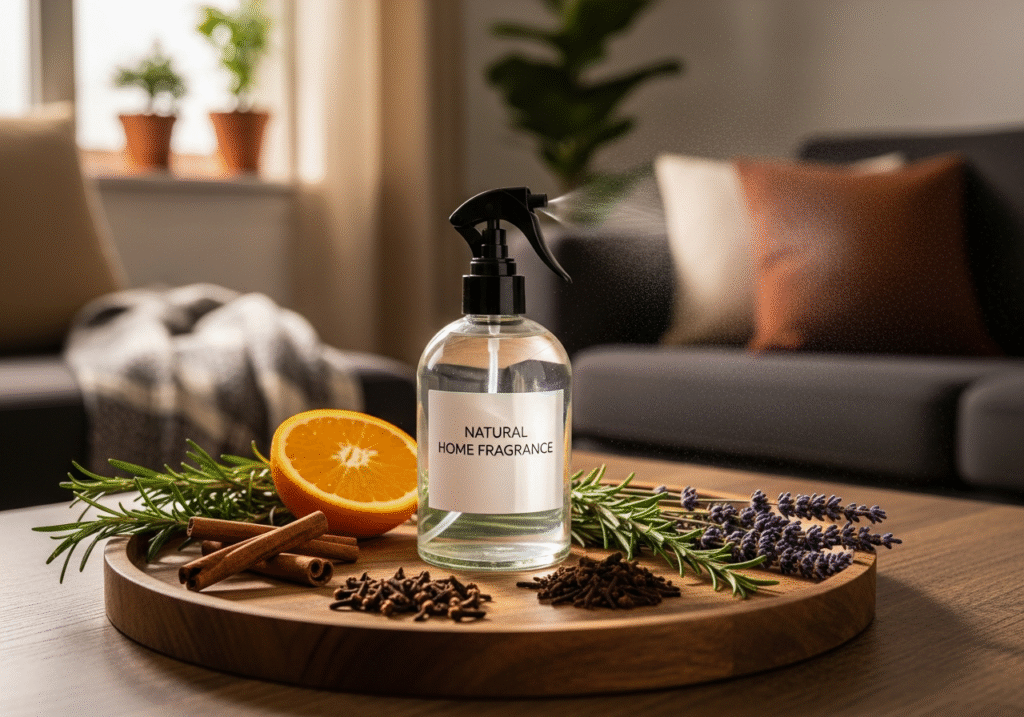
Natural Fragrance: How to Scent Your Home Using Only Natural Products

The olfactory experience of a home is arguably its most defining characteristic. While we often obsess over the visual elements of interior design—the color of the walls, the texture of the rugs, the arrangement of furniture—it is the scent of a space that hits us first and lingers longest in our memory. For decades, the standard approach to managing home fragrance has been chemical warfare. We plug in synthetic warmers that promise “Ocean Breeze” or “Linen Fresh,” we spray aerosols that mask odors with heavy, artificial perfumes, and we burn candles made of paraffin wax that release soot into the air we breathe. While these products might effectively cover up the smell of last night’s dinner or a damp dog, they often do so at the cost of indoor air quality. They coat the nasal passages with volatile organic compounds and create a flat, one-dimensional scent profile that feels sterile and manufactured. A truly inviting home, however, smells alive. Shifting to natural room fragrances is not just a health-conscious decision; it is an aesthetic upgrade that introduces complexity, freshness, and a genuine connection to the botanical world into your living space. Synthetic Fragrances To understand the superiority of natural fragrance, one must first appreciate the biological connection between scent and the brain. The olfactory bulb is directly linked to the limbic system, the ancient part of the brain responsible for emotion and memory. This is why the smell of pine can instantly transport you to a winter forest, or the scent of lavender can induce a physical sensation of relaxation. Synthetic fragrances attempt to mimic these molecules, but they often lack the subtle chemical nuances of the real thing. A real lemon contains hundreds of different chemical compounds that create its zest; a synthetic lemon scent might contain only a handful. The brain registers the difference. Natural fragrances, derived from essential oils, herbs, fruits, and spices, interact with our biology in a way that feels grounding rather than overpowering. They evolve in the air, changing slightly as they evaporate, creating a dynamic atmosphere that feels fresh and clean rather than perfumed and heavy. Steam One of the most accessible and effective methods of natural scenting is the stovetop simmer pot. This technique relies on the basic physics of evaporation and steam. By simmering water filled with aromatic ingredients, you release their essential oils into the air, carried by the humidity of the steam. This method is particularly powerful because it addresses two winter problems at once: dry air and stale odors. The beauty of the simmer pot lies in its versatility and its use of kitchen scraps. You do not need to buy expensive ingredients; the peels of an orange or a lemon, which would otherwise be composted, are packed with limonene, a potent aromatic compound. Combine these citrus peels with a cinnamon stick, a few whole cloves, and a sprig of rosemary in a small saucepan of water. As the water gently bubbles, it breaks down the cellular structure of the plants, releasing a warm, spicy, and clean scent that permeates even large open-concept spaces. Unlike a candle, which burns locally, the steam from a simmer pot travels with the airflow of the house, reaching into corners and upper floors. It is a ritualistic act of cooking that results in a home that smells welcoming and seasoned. Reed Diffusers For a more passive, constant fragrance, the reed diffuser is a staple, yet the commercial versions are often filled with mineral oils and synthetic solvents. Creating a natural version at home allows you to control the intensity and the purity of the ingredients. The mechanics of a reed diffuser rely on capillary action. The reeds are porous; they draw the liquid up through microscopic channels to the top, where it evaporates into the room. To make this work naturally, you need a carrier oil that is thin enough to travel up the reed. Safflower oil or sweet almond oil are excellent choices as they are light and odorless. You mix this base oil with a high concentration of essential oils—perhaps a blend of eucalyptus and peppermint for a bathroom, or bergamot and cedarwood for a living area. A splash of high-proof alcohol, like vodka, acts as a binding agent that thins the oil slightly and aids in evaporation. The result is a subtle, background scent that doesn’t assault the nose but simply exists in the space, lending it a signature character. Alcohol The fabric of our homes—the curtains, the sofas, the rugs—often traps odors that are difficult to remove with air fresheners alone. For these surfaces, a natural linen spray is the solution. Water and oil do not mix, so simply dropping essential oils into a spray bottle of water results in the oil floating on top and clogging the nozzle. To create a stable emulsion without synthetic chemicals, you again turn to high-proof alcohol or witch hazel. These solvents disperse the oil into tiny droplets that remain suspended in the mixture. When sprayed onto linen or upholstery, the alcohol evaporates almost instantly, leaving the essential oil molecules clinging to the fabric fibers. A spray made with lavender and chamomile is perfect for misting pillows before bed, creating a sensory cue for sleep. A blend of lemon and tea tree oil, both known for their antibacterial properties, works wonders on a sofa that has seen too much pet traffic, neutralizing the odor at the source rather than masking it. Baking Soda However, adding scent is only half the battle. A truly fresh-smelling home requires the neutralization of bad odors. This is where the chemistry of baking soda becomes invaluable. Bad smells, such as those from garbage, compost, or sweat, are often acidic in nature. Baking soda (sodium bicarbonate) is a base. When it comes into contact with these acidic odors, it neutralizes them chemically, turning them into inert, odorless salts. A small jar of baking soda mixed with a few drops of lemon essential oil, placed at the bottom

Natural Fragrance: How to Scent Your Home Using Only Natural Products Read More »

toilet cleaning brush

Toilet Cleaning Brush: 6 Signs It’s Time to Throw Away Your Toilet Cleaning Brush

The toilet cleaning brush is the untouchable object of the household. It stands in the corner of the bathroom, often hidden behind the porcelain pedestal or tucked inside a decorative canister, treated as a necessary evil that is essential for hygiene yet repulsive in its very existence. It is the only cleaning tool that is almost universally disgusted by its user. However, this aversion often leads to neglect, and a neglected toilet brush is not a cleaning instrument; it is a biological hazard. To maintain a truly sanitary washroom, one must move past the discomfort and understand the mechanics, the materials, and the maintenance of this critical tool. The toilet brush determines the cleanliness of the most high-risk fixture in the home, and choosing the wrong one—or using the right one incorrectly—can spread more bacteria than it removes. 1.Nylon or Silicone? The efficacy of a toilet brush is determined primarily by its bristle material, and there is a significant divide in the market between traditional nylon and modern silicone. The classic nylon bristle brush has been the standard for decades. Its primary advantage is friction. The stiff, synthetic fibers are excellent at mechanical scrubbing, capable of scouring away the stubborn calcium deposits and organic rings that form at the waterline. However, the design of the nylon brush is fundamentally flawed from a hygiene perspective. The dense clusters of bristles act as a net. They trap toilet paper, hair, and organic waste deep within the core of the brush head where water cannot easily rinse them out. When you return a nylon brush to its holder, you are often returning a brush that is carrying a cargo of fecal bacteria and damp cellulose. Furthermore, nylon bristles are prone to splashing. The stiffness that makes them good scrubbers also makes them act like miniature catapults, flicking droplets of toilet water onto the seat, the floor, and the user’s clothing as the bristles snap back into place during scrubbing. In response to these flaws, the silicone toilet brush has emerged as a superior alternative for the hygiene-conscious homeowner. Made from thermoplastic rubber (TPR), these brushes feature wide, widely spaced rubbery nubbins rather than dense bristles. The material is hydrophobic, meaning it repels water. When you pull a silicone brush from the bowl, the water beads off immediately, preventing the “drip walk” from the toilet to the holder. Because the bristles are widely spaced, debris cannot get trapped. A quick rinse leaves the head virtually sterile compared to its nylon counterpart. However, silicone brushes have a weakness: they lack abrasive power. They are excellent for maintaining a clean toilet, but if a bowl has been neglected and has developed hard mineral scale or heavy staining, the soft rubber often glides over the mess rather than cutting through it. For a household that cleans daily or weekly, silicone is the cleaner choice; for a deep clean of a neglected fixture, nylon still holds the crown for brute force. 2.The Format The geometry of the brush head is just as important as the material. The standard hemispherical dome shape is ubiquitous, but it is inefficient. The most critical area of the toilet to clean is the rim—specifically the underside where the siphon jets release water. This dark, damp cavern is a breeding ground for mold, pink biofilm (Serratia marcescens), and mineral buildup that can clog the jets and weaken the flush. A round brush simply bumps against the rim, failing to reach the crevice. An effective toilet brush must have an under-rim extension—a protruding tuft of bristles angled upward—or a flexible head that can be bent to scrub upwards. Without this feature, the toilet is only being cleaned cosmetically. The visible bowl may sparkle, but the source of odors and bacteria remains untouched just out of sight. The handle of the brush is a feature often overlooked until one is in the midst of cleaning. Length matters. A short handle forces the user to lean dangerously close to the bowl, placing their face in the splash zone and the path of aerosolized germs. A longer handle provides leverage and distance, allowing for vigorous scrubbing without compromising personal hygiene. Furthermore, the material of the handle should be a solid, non-porous plastic or stainless steel. Wooden handles, often chosen for their aesthetic appeal, are a mistake in a bathroom environment. The humidity and the inevitable exposure to toilet water will cause the wood to swell, crack, and harbor bacteria within the grain. A seamless, single-piece plastic handle is the most sanitary option as it has no joints where mold can establish itself. 3.Storage The storage of the toilet brush is where the greatest hygiene crimes are committed. The holder is essentially a petri dish. After use, a brush is wet. If it is placed immediately into a tight-fitting, enclosed canister, the water pools at the bottom. This stagnant mixture of toilet water and chemical residue, kept in a dark, room-temperature environment, creates the perfect incubator for bacterial proliferation. The next time you pull the brush out, you are dipping it into a soup of pathogens. While open-air holders are aesthetically less pleasing because they expose the brush head, they allow for evaporation, which is the enemy of bacteria. If a closed holder is preferred for design reasons, it is imperative that the canister has a suspended design, where the brush hangs above the drip tray rather than sitting in it. This allows the brush to dry while the liquid pools below, separated from the cleaning tool. Maintenance of the brush itself is a concept that baffles many. We wash our dish sponges and our laundry, but we rarely wash the tool used to clean human waste. A toilet brush is not self-cleaning just because it touches soap. To clean a toilet brush effectively, one can utilize the toilet bowl itself. After scrubbing the toilet, flush the toilet to bring in clean water. Add a cup of bleach or a strong disinfectant to the clean bowl water, and

Toilet Cleaning Brush: 6 Signs It’s Time to Throw Away Your Toilet Cleaning Brush Read More »

Enzyme Cleaner

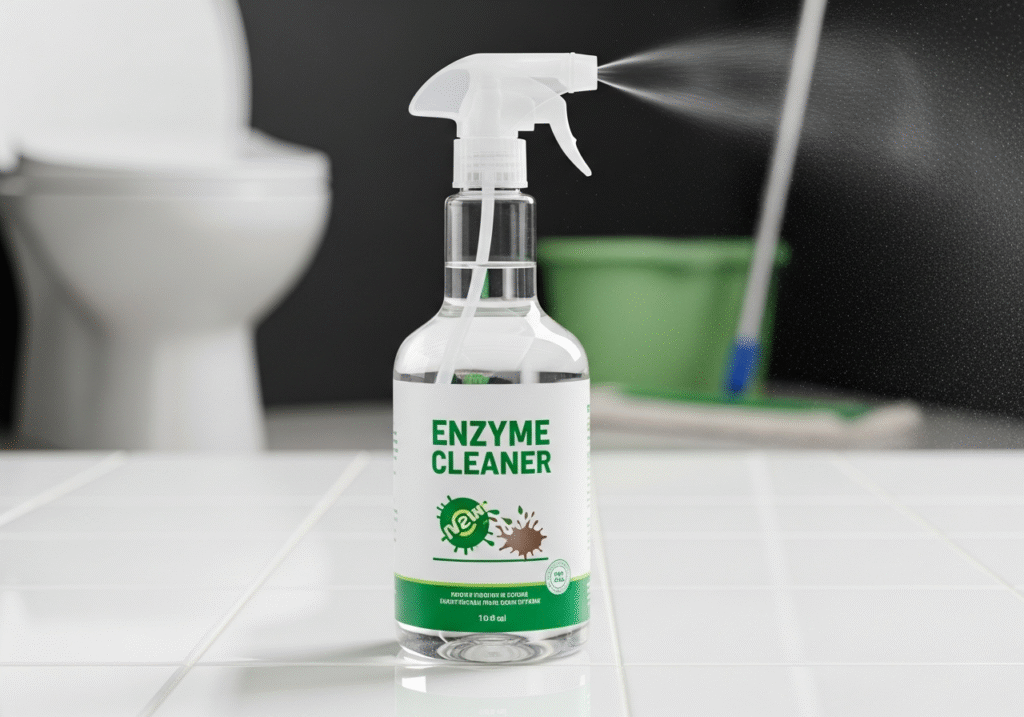
5 Common Mistakes That Render Your Enzyme Cleaner Useless

In the world of cleaning, there is a constant arms race between the mess and the method. For decades, the dominant strategy has been chemical warfare: using harsh solvents, high-alkaline degreasers, and corrosive bleaches to burn, dissolve, or bleach stains into submission. While these methods are effective for many surface-level issues, they often fail when it comes to the most persistent and unpleasant biological messes. The smell of pet urine that returns on a humid day, the grime in the grout lines that never seems to whiten, or the lingering odor in a drain are all symptoms of organic matter that standard chemicals cannot remove. The solution to these problems is not found in a stronger acid or a harsher solvent, but in biology. Enzyme cleaners represent a fundamental shift in how we approach hygiene, utilizing the power of nature to digest dirt rather than simply wiping it away. How Does it Work? To understand why enzyme cleaners are unique, one must understand what they are composed of. These cleaners are bio-enzymatic formulations. They contain beneficial bacteria along with enzymes. The bacteria are the workers, and the enzymes are the tools they produce. When you spray an enzyme cleaner on a stain, the bacteria remain dormant until they hit a food source—the stain. Once activated, they produce enzymes to break down complex molecules into smaller, simpler pieces. For example, a protease enzyme breaks down proteins (like blood or meat), a lipase enzyme breaks down fats and oils (grease), and an amylase enzyme breaks down starches. The bacteria then consume these broken-down particles, converting them into carbon dioxide and water. Essentially, the cleaner literally eats the stain until it is gone. Animal Urine The most famous and arguably most critical application for enzyme cleaners is in the realm of pet ownership. Anyone who has house-trained a puppy or cared for an aging cat knows the nightmare of urine stains. Urine is composed of urea, urochrome, and uric acid. Standard detergents and water can wash away the urea and urochrome, which removes the sticky texture and the yellow color. However, uric acid forms crystals that are nonsoluble in water and bond tightly to surfaces like carpet fibers, wood, and concrete. Traditional cleaners might mask the smell temporarily with perfume, but they leave the uric acid crystals behind. When the humidity rises or the area gets wet again, these crystals re-hydrate and release strong ammonia gas, bringing the smell back. This signals to the pet that this spot is a “bathroom,” encouraging repeat offenses. Enzyme cleaners specifically formulated with uricase are the only way to break down these crystals permanently. The enzymes digest the uric acid structure, eliminating the source of the odor completely rather than just covering it up. Beyond pet messes, enzyme cleaners are the secret weapon for bathrooms. The pink or orange slime that accumulates in shower corners and around drains is a biofilm—a colony of bacteria that feeds on soap scum and body oils. Because grout is porous, this biofilm can root itself deep into the cement, making it reachable only by scrubbing until your knuckles are raw. Enzyme cleaners work differently. When applied to grout and allowed to sit, the enzymes seep into the pores. They break down the protein and fat structures of the soap scum and body oils that bind the dirt to the tile. Over time, this biological action loosens the grime so it can be easily rinsed away. It is a slower process than using bleach, but it is far more effective at removing the root cause of the discoloration without damaging the grout sealant or etching the tile. Grease The kitchen is another arena where enzymes shine, particularly in the battle against grease. Grease traps and kitchen drains are notoriously difficult to maintain because fat hardens as it cools, coating pipes and causing slow drainage. Chemical drain openers rely on heat and caustic reactions to burn a hole through the clog, which can damage old plumbing and is dangerous to handle. Enzyme drain maintainers are a safer, preventative alternative. When poured down the drain, the lipase enzymes coat the inside of the pipe and slowly digest the organic buildup. They turn the hard grease into water-soluble liquid that flushes away. While they won’t clear a solid hair clog instantly like a snake would, regular use keeps the pipes flowing freely and eliminates the rotting food smell that often rises from the sink. Laundry is perhaps the most undervalued use case for these biological cleaners. Many organic stains—blood, sweat, grass, and baby formula—are protein-based. Hot water and standard detergent can actually “cook” these proteins, setting the stain into the fabric permanently. Cold water and an enzyme soak are the antidote. The enzymes locate the protein strands woven into the fabric and snip the chemical bonds holding them to the cloth. This is why many high-end laundry detergents now boast “bio-active” ingredients. For athletic wear that retains the smell of sweat even after washing, an enzyme soak is often the only way to remove the body oils trapped in the tight synthetic weave of modern performance fabrics. Dwell Time However, the effectiveness of enzyme cleaners comes with a specific set of rules that differs from traditional cleaning. The most important variable is time. In the cleaning industry, this is known as “dwell time.” Unlike a spray-and-wipe glass cleaner, enzymes need time to eat. If you spray a urine stain and wipe it up ten seconds later, you have accomplished nothing. The bacteria need hours, sometimes even days, to fully digest a deep stain. For a carpet stain, the instruction is often to saturate the area—soaking it all the way down to the pad—and then cover it with a damp towel to keep the area moist. Enzymes stop working if they dry out. The bacteria need a moist environment to survive and reproduce. By keeping the stain wet and covered, you allow the colony to expand and consume the waste until the food source is

5 Common Mistakes That Render Your Enzyme Cleaner Useless Read More »

Laminate Flooring in High Traffic Areas

The Golden Rules for Maintaining Laminate Flooring in High Traffic Areas

Laminate flooring has established itself as a staple in modern interior design, offering the aesthetic warmth of hardwood or the cool elegance of stone without the exorbitant cost or the demanding maintenance schedules associated with natural materials. However, the perception that laminate is an indestructible, “install-it-and-forget-it” surface is a misconception that leads to premature wear, dulling, and irreversible damage. To maintain the integrity of these floors, one must understand that laminate is not wood, nor is it tile; it is a composite synthetic product with its own specific set of physical properties and vulnerabilities, particularly regarding moisture and abrasion. What is Laminate Flooring Like? To understand how to clean and care for laminate, one must first understand what it is. A laminate plank is essentially a sandwich of four distinct layers fused together under high heat and pressure. The bottom layer is the backing, responsible for balancing the board and preventing warping. The core, which makes up the bulk of the plank, is typically made of High-Density Fiberboard (HDF). This core is durable and dense, giving the floor its stability, but it is also composed of wood fibers that act like a sponge if exposed to water. Above the core sits the design layer, which is simply a high-resolution photograph of wood grain, stone, or ceramic. At the end, the top layer is the wear layer, a clear, tough coating usually reinforced with aluminum oxide. This top layer is what you walk on and clean; it is incredibly resistant to scratches and fading, but it is not invincible, and once it is compromised, the delicate photographic layer beneath is easily destroyed. Humidity Control The primary rule of laminate maintenance is moisture control. Because the core is made of fiberboard, water is the arch-enemy of this flooring type. If liquid is allowed to sit on the surface, it eventually seeps into the microscopic seams between the planks. Once moisture reaches the HDF core, the fibers absorb it and swell. This swelling manifests as “peaking” or “bubbling” along the edges of the boards. Unlike solid wood, which can sometimes be sanded down and refinished after water damage, swollen laminate will not shrink back to its original shape when it dries. The damage is permanent, and the only solution is to replace the affected planks, which can be difficult if the specific batch or color is no longer manufactured. Therefore, the mop and bucket approach used for vinyl or tile is entirely inappropriate here. Routine cleaning should always begin with dry methods to remove loose debris. Dust, sand, and dirt particles act like sandpaper under the soles of shoes. Over time, walking on a dusty floor creates micro-scratches in the clear wear layer. While these scratches may not be immediately visible, they eventually dull the finish, creating a cloudy appearance that cannot be buffed out. Regular sweeping with a soft-bristle broom or vacuuming is essential. When using a vacuum, it is critical to turn off the beater bar—the rotating brush roll designed to agitate carpets. The stiff bristles of a beater bar can scratch the laminate surface, so one should use the “hard floor” setting or a specialized suction-only attachment. Wet or Damp When it comes to wet cleaning, the term “wet” should be used loosely; “damp” is the correct terminology. A microfiber mop is the most effective tool for this task. Traditional string mops hold too much water and are difficult to wring out sufficiently, increasing the risk of saturating the floor. Microfiber, by contrast, traps dirt effectively with minimal moisture. The best practice is to spray the cleaning solution onto the microfiber pad itself rather than directly onto the floor. This ensures an even application and prevents liquid from pooling in the seams. If one must spray the floor directly, it should be a fine mist that is wiped up immediately. The goal is for the floor to dry within a minute or two of mopping. If the floor remains wet for longer, too much liquid is being used. The choice of cleaning solution is just as important as the method. A common mistake is treating laminate like real wood by using oil soaps, waxes, or polishes. These products are designed to penetrate the pores of natural timber to nourish and seal it. Laminate, however, is a non-porous plastic resin. Oil-based products cannot penetrate the surface; instead, they sit on top, forming a greasy film that attracts dirt and leaves streaks. Over time, this buildup creates a haze that makes the floor look dirty even when it is clean. Similarly, abrasive cleaners or scouring powders should never be used, as they will immediately dull the wear layer. For most homes, a simple solution of water and a small amount of pH-neutral cleaner formulated specifically for laminate is best. Some homeowners advocate for a vinegar and water solution, but this should be approached with caution; while vinegar is a good degreaser, its acidity can dull the protective wear layer over time if the concentration is too high. Steam Steam mops, despite their popularity for sanitizing, are generally not recommended for laminate flooring. The mechanism of a steam mop involves forcing hot vapor onto the floor surface. This combination of heat and pressure can force moisture deep into the locking mechanism of the planks, causing the core to swell and the adhesive layers to delaminate. While some manufacturers claim their sealants make their floors steam-mop friendly, it is a risk that often voids the warranty. The heat can also cause the wear layer to separate from the design layer, leading to peeling. It is safer to stick to cool or lukewarm water and manual mopping. Preventative measures are arguably more effective than any cleaning regimen. Since the wear layer is hard but brittle, it can be chipped by sharp impacts. High heels, dropped kitchen utensils, or pet claws can puncture the surface. Keeping pet nails trimmed is a simple way to extend the life of the floor. Furthermore, furniture legs are a

The Golden Rules for Maintaining Laminate Flooring in High Traffic Areas Read More »

Office Window canada

A Property Manager’s Guide to Hiring the Best Office Window Cleaning Service

The facade of a commercial building serves as the silent ambassador of the brand housed within it. Long before a potential client shakes a hand in the boardroom or an employee sits down at their desk, the exterior of the building sets a tone of professionalism, attention to detail, and operational excellence. Glass, being the predominant feature of modern commercial architecture, acts as the primary lens through which the business is viewed. When that lens is marred by streaks, accumulated urban grime, or hard water stains, it projects an image of neglect. This is why office window cleaning is far more than a simple janitorial necessity; it is a strategic maintenance task that impacts brand reputation, asset longevity, and the psychological well-being of the workforce. 1.Natural Light The importance of pristine glass extends well beyond simple aesthetics. In the modern workplace, natural light is a critical commodity. Numerous studies on workplace ergonomics and psychology have highlighted the correlation between access to daylight and employee productivity. Natural light regulates circadian rhythms, reduces eye strain caused by artificial fluorescent lighting, and improves overall mood. However, dirty windows act as a filter. Layers of city dust, pollen, and pollution diffuse sunlight, robbing the interior of its brightness and making the office feel smaller and dingier. Regular office window cleaning removes this barrier, allowing unfiltered light to flood the workspace. This simple act of restoring clarity can lead to a noticeable uptick in morale and energy levels among staff, making the investment in cleaning a direct investment in human capital. The nature of the dirt found on commercial buildings is fundamentally different from that of a suburban home, creating specific challenges that require professional intervention. Office buildings are typically located in high-traffic zones, subjected to a constant barrage of exhaust fumes, industrial particulate matter, and construction dust. This creates a tenacious, greasy film that clings to the glass and attracts further debris. Unlike residential dirt, which might wash off with a heavy rain, this urban grime chemically bonds to the glass surface. Effective office window cleaning in this environment requires specialized degreasing agents and mechanical agitation to lift the residue without scratching the underlying substrate. It is a battle against chemistry as much as it is against dirt. 2.Waterproof Glass Furthermore, glass is not as impervious as it appears. It is a porous material on a microscopic level. When mineral-rich water—whether from concrete runoff, sprinkler systems, or acid rain—is allowed to sit on the glass, it evaporates and leaves behind hard mineral deposits. Over time, the sun bakes these minerals into the pores of the glass, causing a condition known as etching or “glass cancer.” Once the glass is etched, it becomes permanently cloudy and rough, often requiring expensive replacement. A consistent schedule of office window cleaning is the only way to prevent this. Professionals can identify the early signs of mineral buildup and use mild acids or polishing compounds to restore the glass before the damage becomes irreversible, saving property owners thousands of dollars in capital expenditure. Safety is the single most significant factor distinguishing commercial glass maintenance from casual cleaning. Office buildings often present complex access challenges, ranging from mid-rise structures that require water-fed pole systems to high-rise towers necessitating rope access technicians or suspended stages. These are high-risk environments. Attempting to manage office window cleaning with in-house maintenance staff who lack specific certification and equipment is a massive liability. The risk of falls, equipment failure, or injury to pedestrians below is too high to leave to amateurs. Professional window cleaning companies operate under strict safety protocols, carrying the necessary liability insurance and workers’ compensation coverage to protect the building owner from litigation in the event of an accident. 3.Pure Water The methodology used in modern office window cleaning has evolved significantly to prioritize both results and environmental stewardship. While the traditional squeegee remains a primary tool for ground-level or accessible interior work, pure water technology has revolutionized exterior cleaning. This system involves pumping ordinary tap water through a series of filters—reverse osmosis and deionization—to strip it of all minerals and impurities. When this “hungry” water is sprayed onto the glass through a brush, it acts as a magnet for dirt, absorbing it and rinsing it away without the need for chemical detergents. Because the water is pure, it dries completely spot-free without manual drying. This eco-friendly approach to office window cleaning ensures that no soapy runoff enters the storm drains or damages the landscaping around the building perimeter. The scope of a thorough cleaning service must address both the exterior and the interior of the glass. While the exterior faces the harsh elements, the interior faces the human element. Fingerprints, nose prints, coffee splashes, and dust accumulation on the inside surface can be just as distracting as the grime on the outside. A comprehensive office window cleaning strategy includes detailing the interior glass, wiping down the frames, and cleaning the sills where dust and dead insects tend to collect. Interior work requires a different kind of finesse; technicians must navigate around desks, expensive electronics, and sensitive documents without disrupting the workflow. A professional team knows how to move through an occupied space quietly and efficiently, leaving no trace behind other than clean glass. 4.Frequency Frequency is a common question for facility managers. How often should office window cleaning be performed? The answer depends on the location and the usage of the building. A retail frontage or a medical office on the ground floor requires high-frequency cleaning, perhaps monthly or even bi-weekly, as these windows are subject to close public scrutiny and physical contact. Higher floors in an office tower may only require exterior cleaning twice a year—typically in the spring to remove winter salt and grime, and in the autumn to prepare for the darker months. However, postponing cleaning for too long is a false economy. The longer the dirt sits, the more tenacious it becomes, and the more labor-intensive the eventual cleaning will be. Tenant satisfaction is another crucial driver for maintaining clean windows. In the competitive commercial real estate market, tenants expect a certain standard

A Property Manager’s Guide to Hiring the Best Office Window Cleaning Service Read More »

Razor Blade Scraper to Your Cleaning Kit Today

Why You Should Add a Razor Blade Scraper to Your Cleaning Kit Today

In the vast arsenal of cleaning tools, ranging from high-tech steam machines to complex chemical solvents, the humble razor blade scraper stands out as an anomaly. It is technologically primitive—a simple shard of steel held in a plastic or metal housing—yet it remains the ultimate problem solver for the most stubborn household soils. While the average homeowner often views the razor blade with trepidation, fearing that bringing a sharp edge near a delicate surface will result in catastrophic scratching, professional cleaners understand that the scraper is often safer and more effective than a scrubbing pad. The razor blade scraper operates on the principle of mechanical leverage, shearing the bond between the dirt and the surface rather than relying on abrasion. Understanding how to wield this tool transforms the cleaning process, turning hours of frustrating scrubbing into minutes of precise removal. How it Works To appreciate the utility of the razor blade scraper, one must first understand the physics of adhesion. When substances like paint, tree sap, burnt sugar, or hardened adhesives stick to a surface like glass or ceramic, they form a bond that is stronger than the friction provided by a cloth or a sponge. Attempting to remove these substances with a scouring pad requires applying significant downward pressure. This pressure creates friction, but because the scouring pad is abrasive, it acts like sandpaper. It grinds the soil, but it also grinds the surrounding surface. This is why glass cooktops often develop a hazy, swirled appearance over time; they have been micro-scratched by abrasive sponges. A razor blade scraper, by contrast, applies force laterally. It slides underneath the soil, exploiting the microscopic gap between the contaminant and the substrate. The blade acts as a wedge, lifting the debris off in a single sheet or flake without ever needing to grind the surface itself. The primary domain of the razor blade scraper is glass. Windows, mirrors, and glass-ceramic cooktops are materials that are harder than the steel of the blade, which allows the metal to glide over them without digging in. The glass cooktop is perhaps the most common application. When pasta water boils over or sugary sauces drip onto a hot burner, they carbonize instantly. Once cooled, this residue becomes concrete-like. Chemical cleaners can soften the top layer, but they rarely penetrate to the base of the burn. A razor blade scraper, held at a forty-five-degree angle, slices through this carbonization effortlessly. The key is lubrication. A scraper should never be used on a dry surface. The presence of a liquid—whether it is a specialized glass cooktop cleaner, soapy water, or even a glass cleaner—reduces friction and allows the blade to hydroplane slightly. This prevents the “chatter” or skipping of the blade that can cause gouges. Windows Windows are another area where the scraper is indispensable, particularly after renovations or painting projects. Painters tape is effective, but paint splatter is inevitable. Removing dried latex or oil paint from a windowpane with a rag is nearly impossible; it simply smears the paint into a thinner, more stubborn film. A razor blade snaps the dried paint off the glass in satisfying, solid chips. Similarly, stickers and decals that leave behind a gummy residue are easily conquered. Solvents like acetone can dissolve the glue, but they create a sticky mess that spreads. A scraper pushes the adhesive and the paper backing off together, leaving clean glass behind. This is also true for biological assaults, such as bird droppings or insect residue on exterior windows, which bake onto the glass in the sun and resist standard washing. However, the power of the razor blade scraper comes with strict rules of engagement. The first rule is the angle of attack. The blade must be held at a shallow angle, typically between thirty and forty-five degrees relative to the surface. If the angle is too steep, approaching ninety degrees, the blade ceases to act as a scraper and begins to act as a chisel. This is where damage occurs. A steep angle drives the edge into the glass rather than along it. Conversely, an angle that is too shallow prevents the edge from biting into the residue. Finding the “sweet spot” is a tactile skill; you can feel when the blade catches the dirt and begins to lift it. How to Use The second rule is unidirectional motion. A razor blade scraper is a pushing tool, not a pulling tool. You push the blade forward into the dirt, lift it away from the glass, pull it back, and push again. Dragging the blade backward across the surface is a cardinal sin. The edge of a razor blade is incredibly thin and fragile. If you drag it backward, the microscopic edge can roll over or chip. A chipped blade is essentially a serrated knife. The next time you push that damaged blade forward, the tiny burr on the metal will etch a scratch into the glass. This is why inspecting the blade before every use is mandatory. If the blade looks rusty, dull, or uneven, it must be discarded immediately. A fresh blade is a safe blade. There is also a critical distinction to be made regarding the type of glass being cleaned. Not all glass is created equal. Standard annealed glass and heat-strengthened glass are generally safe for scraping. However, tempered glass—often found in safety doors, shower screens, and side windows of cars—presents a unique risk. During the tempering process, microscopic glass dust, known as fabricating debris, can bake onto the surface of the glass. These particles are invisible to the naked eye. When a razor blade slides over them, it can dislodge these tiny glass rocks and drag them across the surface, creating deep, chaotic scratches. This is not the fault of the metal blade, but the fault of the debris being dragged by it. Professional window cleaners often perform a sound test on a small, inconspicuous corner of tempered glass. If the scraper makes a gritty, grinding sound, they stop immediately. For

Why You Should Add a Razor Blade Scraper to Your Cleaning Kit Today Read More »

Grill Cleaning A Masterclass in Barbecue Grill Maintenance

Grill Cleaning: A Masterclass in Barbecue Grill Maintenance

Cleaning the grill is important and the barbecue is undoubtedly the centerpiece of the outdoor culinary experience, a symbol of leisure, summer evenings, and the primal joy of cooking over an open fire. It’s a meeting point for friends and family, where the aroma of grilled meat and caramelized vegetables creates a festive atmosphere.However, once the last burger is flipped and the guests have departed, the grill is often abandoned to cool in the darkness, coated in a layer of rendered fat, charred marinades, and ash. This cycle of use and neglect is the primary cause of equipment failure and culinary disappointment. A grill is a cooking appliance just like a stove or an oven, yet it is exposed to the elements and subjected to intense, direct heat that carbonizes food residue into a stubborn, cement-like substance. Mastering the art of Barbecue Grill Cleaning is not merely a chore to be endured; it is a fundamental requirement for food safety, fire prevention, and the preservation of the flavor profiles you work so hard to create. A Dirty Grill Enhances The Flavor To understand the necessity of Barbecue Grill Cleaning, one must first dispel the persistent myth that a dirty grill adds flavor. There is a common misconception among amateur pitmasters that the black crust accumulated on the grates and the flavorizer bars is “seasoning,” similar to what one might find on a cast-iron skillet. This is false. A cast-iron skillet is seasoned with polymerized oil that creates a non-stick surface. The buildup on a grill is simply carbonized food waste, rancid grease, and soot. When this material heats up, it does not release a pleasant smoky aroma; it emits acrid, bitter smoke that coats fresh food with the taste of old, burnt meals. Furthermore, this buildup contains polycyclic aromatic hydrocarbons (PAHs) and heterocyclic amines (HCAs), chemical compounds formed when fat burns at high temperatures, which are known carcinogens. Regular Barbecue Grill Cleaning removes this toxic residue, ensuring that the smoke flavoring your food comes from your wood chips or charcoal, not from the decaying remnants of last month’s chicken wings. The process of Barbecue Grill Cleaning must begin with a focus on safety, particularly regarding the fuel source. If you are working with a gas grill, the tank should be turned off and disconnected. If it is a charcoal grill, all old ash must be cold and removed. The most critical safety hazard in a neglected grill is the grease fire. Every time you cook fatty foods, the rendered liquid drips down past the burners and collects in a tray or cup at the bottom of the unit. Over time, this grease creates a thick, flammable sludge. If a flare-up from the burners reaches this reservoir, the entire bottom of the grill can become an inferno that is difficult to extinguish with water. Routine Barbecue Grill Cleaning involves locating this grease management system—often hidden behind the doors of the cart—and scraping out the tray or replacing the disposable liner. Neglecting this hidden area is the leading cause of grill-related property damage. How to Clean Properly The grates are the primary point of contact for your food and naturally receive the most attention during Barbecue Grill Cleaning. The method of cleaning depends entirely on the material. Porcelain-coated cast-iron grates are fragile; if the porcelain chips, water enters the iron and causes rust, which eventually destroys the grate. For these, a soft brass brush or a nylon scrubber is preferred over harsh steel. Stainless steel grates are more durable and can withstand aggressive scrubbing with a stainless steel wire brush or a scraper. However, a significant safety concern has arisen in recent years regarding wire brushes. Loose bristles can snap off, adhere to the sticky grill surface, and eventually become embedded in food, leading to severe medical emergencies if ingested. As a result, many experts now recommend using coil brushes, wooden scrapers that form-fit to the bars over time, or even a ball of crumpled aluminum foil held with tongs for safe Barbecue Grill Cleaning. Beneath the grates lie the heat deflectors, often called flavorizer bars or heat tents. These metal angles protect the burners from direct dripping and help distribute heat evenly. They are also the first line of defense against grease and are subjected to extreme thermal shock. During Barbecue Grill Cleaning, these bars should be removed and scraped clean. They are often coated in a thick layer of white and black ash. If this ash is allowed to build up, it acts as an insulator, preventing the grill from reaching high searing temperatures. If these bars are crumbling or have holes rusted through them, cleaning is futile, and they must be replaced to protect the delicate burners underneath. The Burner Tubes The burner tubes themselves are the engine of a gas grill, and maintaining them is a delicate part of Barbecue Grill Cleaning. Over time, the tiny ports—the holes where the gas exits—can become clogged with drippings or corrosion. This results in uneven heating, where one side of the grill is hot while the other is tepid. Worse, insects such as spiders are attracted to the smell of propane and the shelter of the tubes. They often spin webs inside the venturi tubes (the mix point for air and gas), which creates a blockage. This blockage forces gas back toward the control knobs, leading to a “flashback” fire behind the control panel. Cleaning the burners involves using a venturi brush to clear the tubes and a small pin or paperclip to poke out any clogged ports, ensuring a consistent blue flame across the entire length of the tube. The interior of the lid and the cookbox is an area that often causes alarm for grill owners. Over time, the inside of the lid develops what looks like peeling black paint. This is rarely paint; it is a deposit of carbonized grease and smoke that has built up in layers and is now flaking off due to heat expansion. While not toxic, these flakes can fall onto your food, looking like

Grill Cleaning: A Masterclass in Barbecue Grill Maintenance Read More »

cleaning an air fryer

5 Signs Your Air Fryer Needs a Deep Clean Immediately

The air fryer has rapidly ascended the ranks of kitchen appliances to become as essential as the toaster or the microwave. It promises the golden, crispy texture of deep-fried food with a fraction of the oil, a proposition that has won over health-conscious cooks and busy families alike. However, this miracle machine hides a dirty secret. The very mechanism that makes it effective—high-speed air circulation—is also what makes it uniquely prone to accumulating filth. As the fan whips superheated air around the chamber, it also whips droplets of grease, crumbs, and spices, coating not just the basket, but the walls, the fan blades, and the heating element itself. Over time, these layers of debris polymerize, turning into a sticky, tar-like substance that can smoke, ruin the flavor of your food, and even pose a fire hazard. While most users rinse the basket after use, a true deep clean is rarely performed, leaving the heart of the machine to slowly suffocate under a blanket of carbonized grease. Anatomy of an Air Fryer To understand how to clean an air fryer effectively, one must appreciate the anatomy of the mess. Unlike a traditional oven, which is large and has static heating elements, an air fryer is a compact convection chamber. When you cook a fatty piece of chicken or a burger, the fat renders and spatters. In a large oven, this spatter hits the walls far away from the food. In an air fryer, the walls and the heating element are inches away. The intense heat bakes this grease onto the surfaces almost instantly. If you notice an acrid smell when you turn the machine on, or if thin wisps of white smoke escape from the vents, it is a sign that the machine is burning old food residue rather than cooking your dinner. 1.Should I Wash the Items by Hand or in The Dishwasher? The deep cleaning process must begin with safety. The air fryer should be unplugged and completely cool. Attempting to clean a hot element is dangerous and can lead to burns or damage to the cleaning tools. Once the unit is safe to handle, the easy part begins: the removable components. The basket and the crisper plate (or pan) are the workhorses. Most are dishwasher safe, but relying solely on the dishwasher is often a mistake. The harsh detergents and high heat of a dishwasher can degrade the non-stick coating over time, causing it to flake off. It is far better to wash these parts by hand. If there is stubborn, baked-on grease, the secret is not scrubbing, but soaking. Fill the basket with hot water and a generous squirt of grease-fighting dish soap. Let it sit for at least twenty minutes. This softens the bond between the food and the metal. For the stubborn residue that remains after soaking, you must be careful with your choice of tools. The non-stick coating in air fryers is notoriously fragile. A green scouring pad or a steel wool ball will destroy the surface in seconds, rendering the basket useless. Instead, use a non-abrasive sponge or a soft-bristled brush. If you encounter a spot that refuses to budge, create a paste using baking soda and a little water. Apply this paste to the spot and let it sit. Baking soda is a mild alkali that helps dissolve grease and offers a gentle abrasion that won’t scratch the coating. 2.Inside The Air Fryer Once the basket is clean, the real work begins. The interior of the main unit is where the deep clean truly happens, and it is the area most often neglected. To access this, you often need to turn the air fryer upside down or lay it on its back. Before doing this, ensure the crumb tray or basket is removed to prevent loose debris from falling into the fan. Looking up into the cavity, you will see the heating element—usually a spiral metal coil—and the fan behind it. This area is likely coated in dark brown spots or a greasy film. This buildup acts as an insulator, preventing the element from radiating heat efficiently, and it creates smoke. Cleaning the heating element requires precision. You cannot spray water or cleaner directly into this area, as it leads to the motor and electronics. Instead, you must use a damp tool. A soft toothbrush or a bottle brush is ideal for this. Dip the brush in warm, soapy water and shake off the excess liquid. Gently scrub the coil to remove the carbonized grease. It is a tedious process, as the grease is often baked on hard. For tough spots on the element, a paste of baking soda and water can be applied carefully with the toothbrush. Let it dry, then scrub it off with a clean, damp brush. It is crucial to be gentle; bending or damaging the heating coil can ruin the machine. Behind the heating element lies the fan. This is the hardest part to reach, but it is critical for airflow. If the fan blades are heavy with grease, the motor has to work harder to spin them, which can shorten the lifespan of the appliance. You can use a long-handled brush or a cotton swab to wipe the blades. It is difficult to get them perfectly clean without disassembling the unit—which voids the warranty and is generally not recommended—but removing the bulk of the surface grease will significantly improve performance. 3.Air Fryer Walls The walls of the interior chamber also need attention. These are usually metal or heat-resistant plastic. A microfiber cloth dampened with a mixture of vinegar and water is excellent for wiping these down. The vinegar cuts through the grease and neutralizes odors without leaving a soapy residue that could burn the next time you cook. Be sure to wring out the cloth well; you want to wipe the surface, not drench it. Pay special attention to the corners and the area where the basket slides in, as crumbs often accumulate here and

5 Signs Your Air Fryer Needs a Deep Clean Immediately Read More »