









In the vast arsenal of cleaning tools, ranging from high-tech steam machines to complex chemical solvents, the humble razor blade scraper stands out as an anomaly. It is technologically primitive—a simple shard of steel held in a plastic or metal housing—yet it remains the ultimate problem solver for the most stubborn household soils. While the average homeowner often views the razor blade with trepidation, fearing that bringing a sharp edge near a delicate surface will result in catastrophic scratching, professional cleaners understand that the scraper is often safer and more effective than a scrubbing pad. The razor blade scraper operates on the principle of mechanical leverage, shearing the bond between the dirt and the surface rather than relying on abrasion. Understanding how to wield this tool transforms the cleaning process, turning hours of frustrating scrubbing into minutes of precise removal.
How it Works
To appreciate the utility of the razor blade scraper, one must first understand the physics of adhesion. When substances like paint, tree sap, burnt sugar, or hardened adhesives stick to a surface like glass or ceramic, they form a bond that is stronger than the friction provided by a cloth or a sponge. Attempting to remove these substances with a scouring pad requires applying significant downward pressure. This pressure creates friction, but because the scouring pad is abrasive, it acts like sandpaper. It grinds the soil, but it also grinds the surrounding surface. This is why glass cooktops often develop a hazy, swirled appearance over time; they have been micro-scratched by abrasive sponges. A razor blade scraper, by contrast, applies force laterally. It slides underneath the soil, exploiting the microscopic gap between the contaminant and the substrate. The blade acts as a wedge, lifting the debris off in a single sheet or flake without ever needing to grind the surface itself.

The primary domain of the razor blade scraper is glass. Windows, mirrors, and glass-ceramic cooktops are materials that are harder than the steel of the blade, which allows the metal to glide over them without digging in. The glass cooktop is perhaps the most common application. When pasta water boils over or sugary sauces drip onto a hot burner, they carbonize instantly. Once cooled, this residue becomes concrete-like. Chemical cleaners can soften the top layer, but they rarely penetrate to the base of the burn. A razor blade scraper, held at a forty-five-degree angle, slices through this carbonization effortlessly. The key is lubrication. A scraper should never be used on a dry surface. The presence of a liquid—whether it is a specialized glass cooktop cleaner, soapy water, or even a glass cleaner—reduces friction and allows the blade to hydroplane slightly. This prevents the “chatter” or skipping of the blade that can cause gouges.
Windows
Windows are another area where the scraper is indispensable, particularly after renovations or painting projects. Painters tape is effective, but paint splatter is inevitable. Removing dried latex or oil paint from a windowpane with a rag is nearly impossible; it simply smears the paint into a thinner, more stubborn film. A razor blade snaps the dried paint off the glass in satisfying, solid chips. Similarly, stickers and decals that leave behind a gummy residue are easily conquered. Solvents like acetone can dissolve the glue, but they create a sticky mess that spreads. A scraper pushes the adhesive and the paper backing off together, leaving clean glass behind. This is also true for biological assaults, such as bird droppings or insect residue on exterior windows, which bake onto the glass in the sun and resist standard washing.
However, the power of the razor blade scraper comes with strict rules of engagement. The first rule is the angle of attack. The blade must be held at a shallow angle, typically between thirty and forty-five degrees relative to the surface. If the angle is too steep, approaching ninety degrees, the blade ceases to act as a scraper and begins to act as a chisel. This is where damage occurs. A steep angle drives the edge into the glass rather than along it. Conversely, an angle that is too shallow prevents the edge from biting into the residue. Finding the “sweet spot” is a tactile skill; you can feel when the blade catches the dirt and begins to lift it.

How to Use
The second rule is unidirectional motion. A razor blade scraper is a pushing tool, not a pulling tool. You push the blade forward into the dirt, lift it away from the glass, pull it back, and push again. Dragging the blade backward across the surface is a cardinal sin. The edge of a razor blade is incredibly thin and fragile. If you drag it backward, the microscopic edge can roll over or chip. A chipped blade is essentially a serrated knife. The next time you push that damaged blade forward, the tiny burr on the metal will etch a scratch into the glass. This is why inspecting the blade before every use is mandatory. If the blade looks rusty, dull, or uneven, it must be discarded immediately. A fresh blade is a safe blade.
There is also a critical distinction to be made regarding the type of glass being cleaned. Not all glass is created equal. Standard annealed glass and heat-strengthened glass are generally safe for scraping. However, tempered glass—often found in safety doors, shower screens, and side windows of cars—presents a unique risk. During the tempering process, microscopic glass dust, known as fabricating debris, can bake onto the surface of the glass. These particles are invisible to the naked eye. When a razor blade slides over them, it can dislodge these tiny glass rocks and drag them across the surface, creating deep, chaotic scratches. This is not the fault of the metal blade, but the fault of the debris being dragged by it. Professional window cleaners often perform a sound test on a small, inconspicuous corner of tempered glass. If the scraper makes a gritty, grinding sound, they stop immediately. For homeowners, caution is advised when scraping tempered glass; using plenty of soapy water and a light touch is essential.
Limescale and Soap Scum
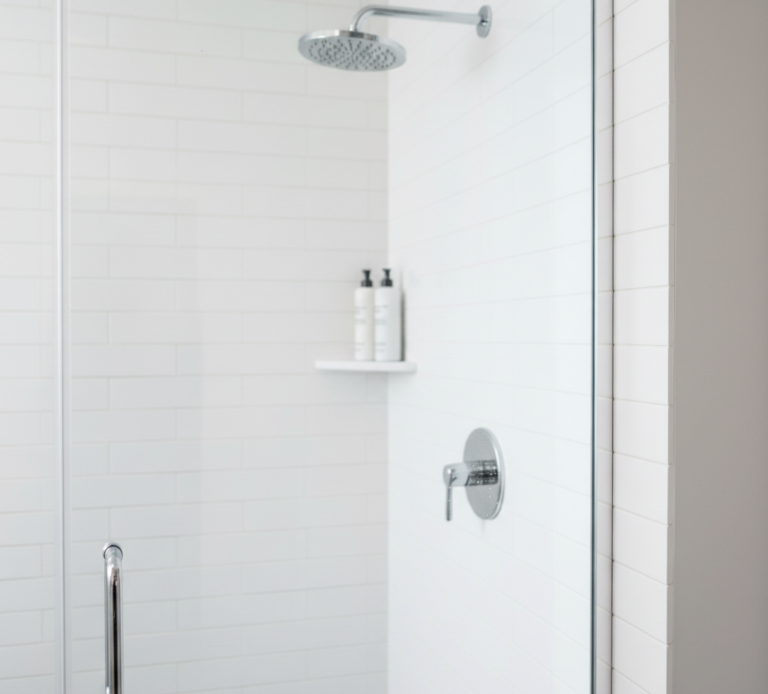
Beyond glass, the scraper has utility in the bathroom, specifically in the war against limescale and soap scum. Fiberglass and porcelain are generally hard enough to withstand careful scraping. In a shower, mineral deposits from hard water build up on the tiles and the glass enclosure. These minerals are rock-hard and resist acidic cleaners. A scraper can physically chip these deposits off, restoring the smoothness of the tile. However, one must be extremely careful with grout lines. The metal blade will easily slice into the softer cement grout or silicone caulk. The scraping motion must stop before reaching the edge of the tile to avoid damaging the waterproofing seals of the shower.

The scraper is also the secret weapon for oven cleaning. The glass window of the oven door often becomes a brown, opaque shield of baked-on grease. Scrubbing this with harsh chemicals and pads often results in toxic fumes and a sore arm. After applying a paste of baking soda and water to soften the grease, a razor blade scraper can peel the layers of polymerized fat off the glass in ribbons. This method is faster, chemical-free, and restores the glass to a factory-new transparency. It is important, however, to ensure the oven is completely cold before attempting this, as heat can cause the glass to expand and become more susceptible to stress fractures from the pressure of the blade.
Plastic or Metal
While the metal razor blade is the standard, the evolution of materials science has introduced the plastic razor blade. These are double-edged polycarbonate blades that fit into standard scraper handles. While they lack the absolute shearing power of steel, they are invaluable for delicate surfaces where metal is forbidden. This includes cleaning acrylic bathtubs, removing decals from car paint, or scraping gunk off soft wood cabinets or granite countertops. Granite and marble, while stones, are often sealed with coatings that can be scratched by steel. A plastic blade provides enough leverage to lift dried candle wax or gum without the risk of gouging the stone or stripping the sealant. They are the safe alternative for the risk-averse or for surfaces with uncertain hardness.

Safety for the user is just as important as safety for the surface. A razor blade scraper is, by definition, a cutting instrument. Many accidents happen not during the cleaning, but during the changing of the blade. Wet hands and slippery soap make handling a loose razor blade dangerous. Most modern scrapers come with a retractable mechanism that pulls the blade inside the handle when not in use. This feature is essential for storage; a scraper thrown loosely into a cleaning caddy is a hazard for the next person who reaches in blindly. When changing the blade, the tool should be dry, and the old blade should be wrapped in heavy tape or paper before being disposed of to protect waste management workers.
Rust
Rust is the enemy of the scraper. Because the tool is used almost exclusively in wet environments, the carbon steel blades are prone to rapid oxidation. A rusty blade loses its smooth edge and becomes jagged. Leaving a wet blade inside a retractable handle is a guarantee that it will be rusted by the next use. Professional cleaners often remove the blade, dry it thoroughly, and store it separately, or simply treat blades as single-use items for large jobs. Stainless steel blades are available and resist rust better, but they are often softer and do not hold an edge as well as carbon steel, making them less effective for heavy-duty scraping.

There are surfaces where a razor blade scraper should absolutely never be used. Any surface with a film or coating is off-limits. This includes tinted windows (where the film is on the interior), mirrors with surface-silvering, and anti-glare screens on televisions or monitors. The blade will slice through the film, peeling it away and ruining the item instantly. Similarly, high-gloss plastic finishes on kitchen cabinets or appliances will be gouged by steel. It is always better to test the scraper in a tiny, hidden area before committing to the center of the surface.
The auditory feedback of the tool is a guide that should not be ignored. A properly functioning scraper on a lubricated surface makes a distinct, smooth swooshing sound. It feels like it is gliding. If the sound changes to a metallic scratching, screeching, or grinding noise, it indicates that something is wrong. Either the surface is not lubricated enough, the blade is dull, or there is grit trapped under the edge. Stopping immediately upon hearing a change in pitch can save a window from permanent damage.
Final Analysis
Ultimately, the razor blade scraper is a tool of precision and patience. It rejects the notion that cleaning requires brute force. It is the refined approach to removing the layers of life that accumulate on our homes. Whether it is the paint from a renovation, the burnt sauce from a family dinner, or the stickers from a child’s art project, the scraper handles it with a clean, decisive action that chemicals cannot replicate. It restores surfaces to their original smoothness, removing the tactile imperfections that make a house feel dirty.

Maintaining a home to the highest standard requires knowing which tool to use and when. While the razor blade scraper is a powerful ally, it requires a steady hand and experience to use without risk. When the window paint seems permanent, or the oven glass looks hopelessly brown, sometimes the best tool is a professional who has wielded the blade a thousand times before. Toronto Shine Cleaning offers expert cleaning services that incorporate professional-grade tools and techniques to safely restore your home. Just as we have explored the nuance of using a scraper for perfect glass and tile, Toronto Shine Cleaning applies that same level of expertise and care to every aspect of your living space. Whether you need a post-renovation clean to remove paint splatter or a deep seasonal clean to revitalize your kitchen, our professional team ensures the job is done safely, effectively, and immaculately.